



Login
Get Instant Pricing On 23,000+ Aircraft


Understanding what happens during a plane crash can alleviate fears about flying. While the odds of experiencing a crash are extremely low, knowing the causes, survival strategies, and the importance of passenger actions can enhance safety. This article provides insights into aviation safety, the factors contributing to crashes, and what passengers can do to prepare.
Jay Franco Serevilla
Nov 6, 2026
|
5
min read



View all
Knowing when to buy a flight ticket can save you money and enhance your travel experience. This guide provides insights into optimal booking windows for domestic and international flights, as well as tips for using price tracking tools and understanding dynamic pricing. By planning ahead and utilizing available resources, travelers can secure the best deals and enjoy a smoother journey.
Jay Franco Serevilla
Oct 13, 2026
|
5
min read
View all
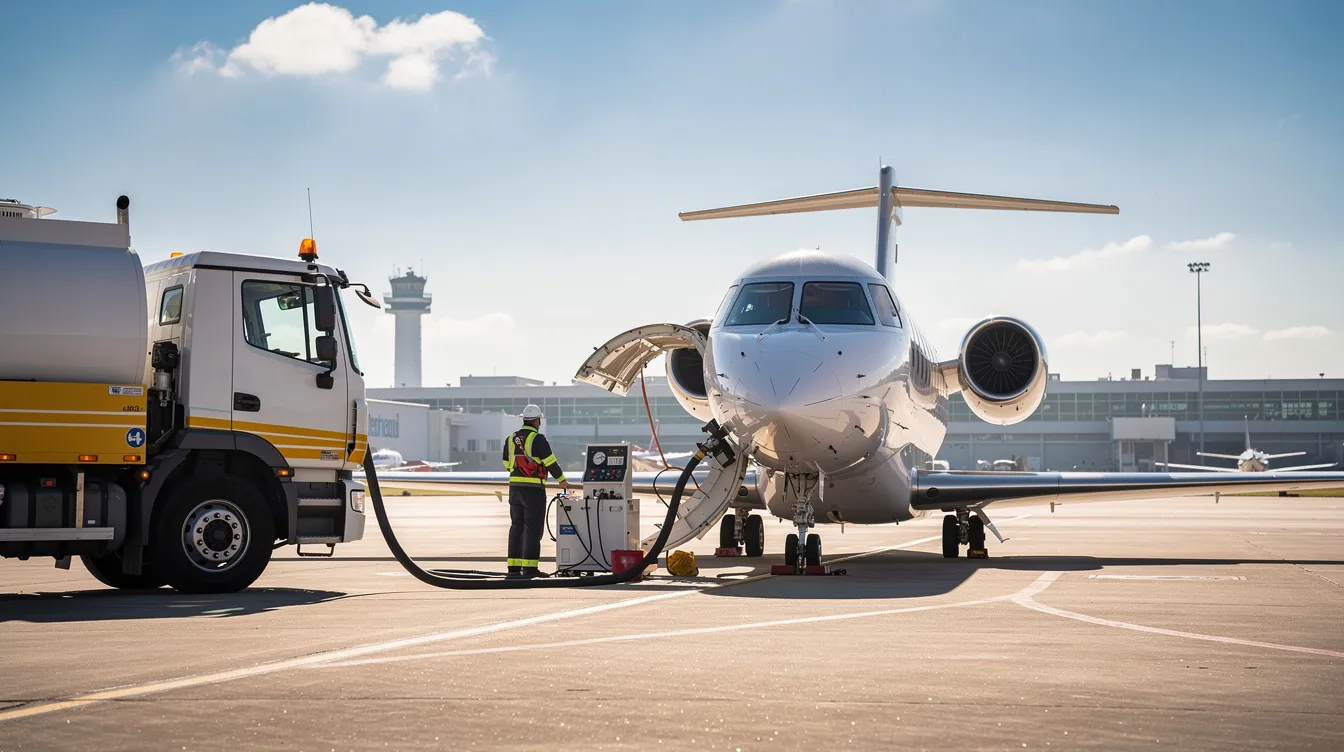
Understanding the types of jet fuel is crucial for private jet travelers. Kerosene-based fuels like Jet A and Jet A-1 are the industry standards, impacting safety, performance, and costs. Specialized fuels cater to extreme conditions, while sustainable aviation fuels are emerging as a greener alternative.
Jay Franco Serevilla
Oct 13, 2026
|
5
min read
View all
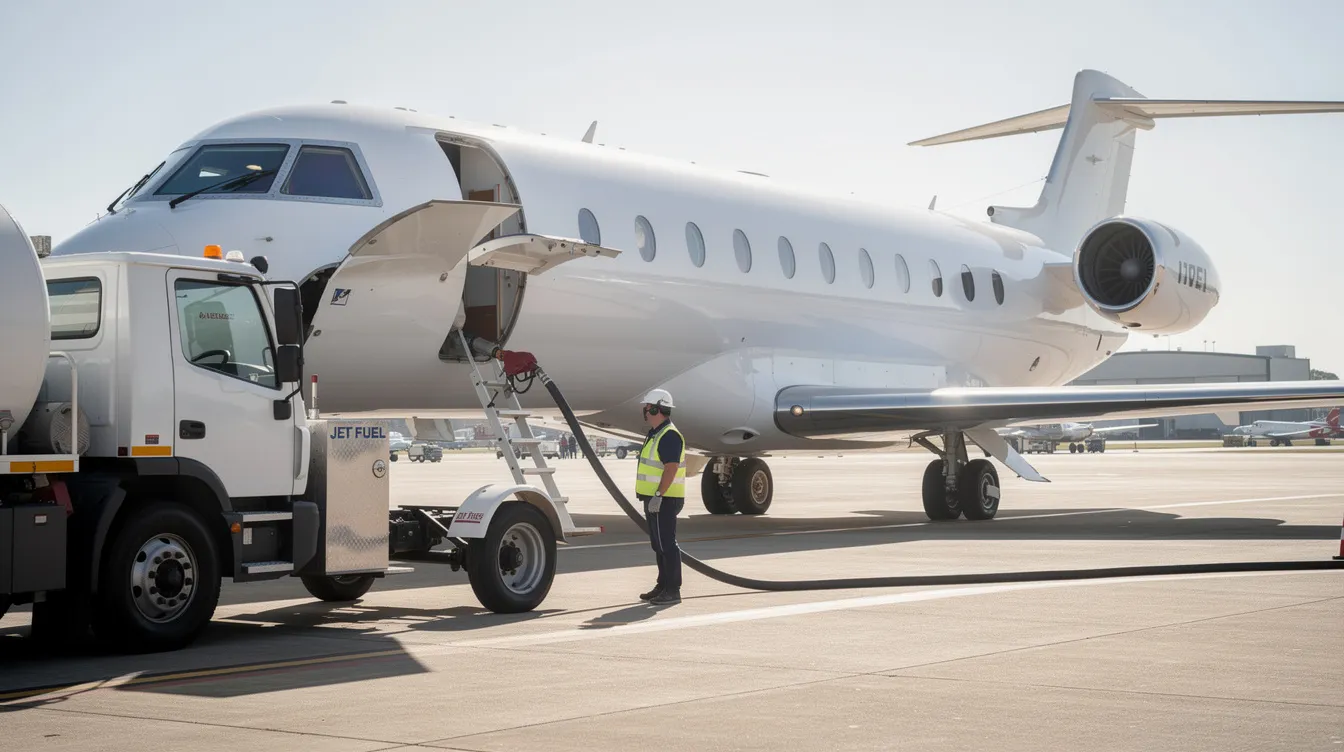
Aviation fueling is a critical process for private jets, ensuring safety and efficiency through stringent regulations and quality checks. This guide explores the types of aviation fuels, the fueling process, and the importance of proper fuel management for charter flights. Understanding these elements is essential for travelers to appreciate how they impact flight safety, range, and costs.
Jay Franco Serevilla
Oct 13, 2026
|
5
min read

View all
Knowing when to book international flights can save you significant money. Generally, aim to book 3 to 6 months in advance for economy fares, and 6 to 9 months for peak seasons. Understanding the best booking windows and seasonal trends is crucial for securing the best deals.
Jay Franco Serevilla
Oct 13, 2026
|
5
min read
View all
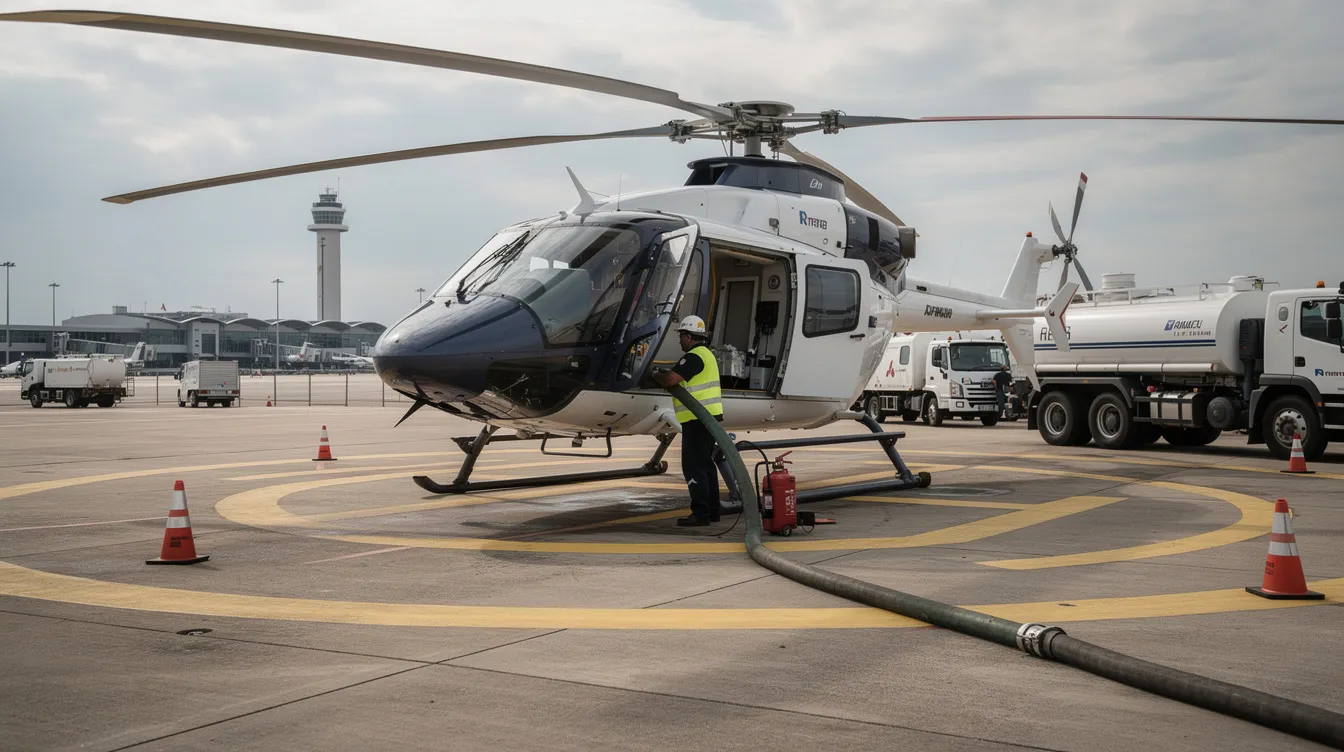
Helicopters primarily use two types of fuel: aviation gasoline (AvGas) for piston engines and kerosene-based jet fuel for turbine engines. Understanding the fuel type is crucial as it affects operating costs, range, and availability at heliports, which are important factors for private flyers. With the rise of sustainable aviation fuels, the industry is also moving towards greener options without compromising performance.
Jay Franco Serevilla
Oct 13, 2026
|
5
min read
View all
The belief that airline tickets are cheaper on Tuesdays is largely a myth in 2026, as prices are now set dynamically based on various factors. Booking windows, travel days, and demand patterns play a more significant role in determining airfare than the specific day of the week. Travelers should focus on flexible booking strategies and timing rather than chasing specific days for the best deals.
Jay Franco Serevilla
Oct 13, 2026
|
5
min read
Explore our latest articles and updates.
5
min read
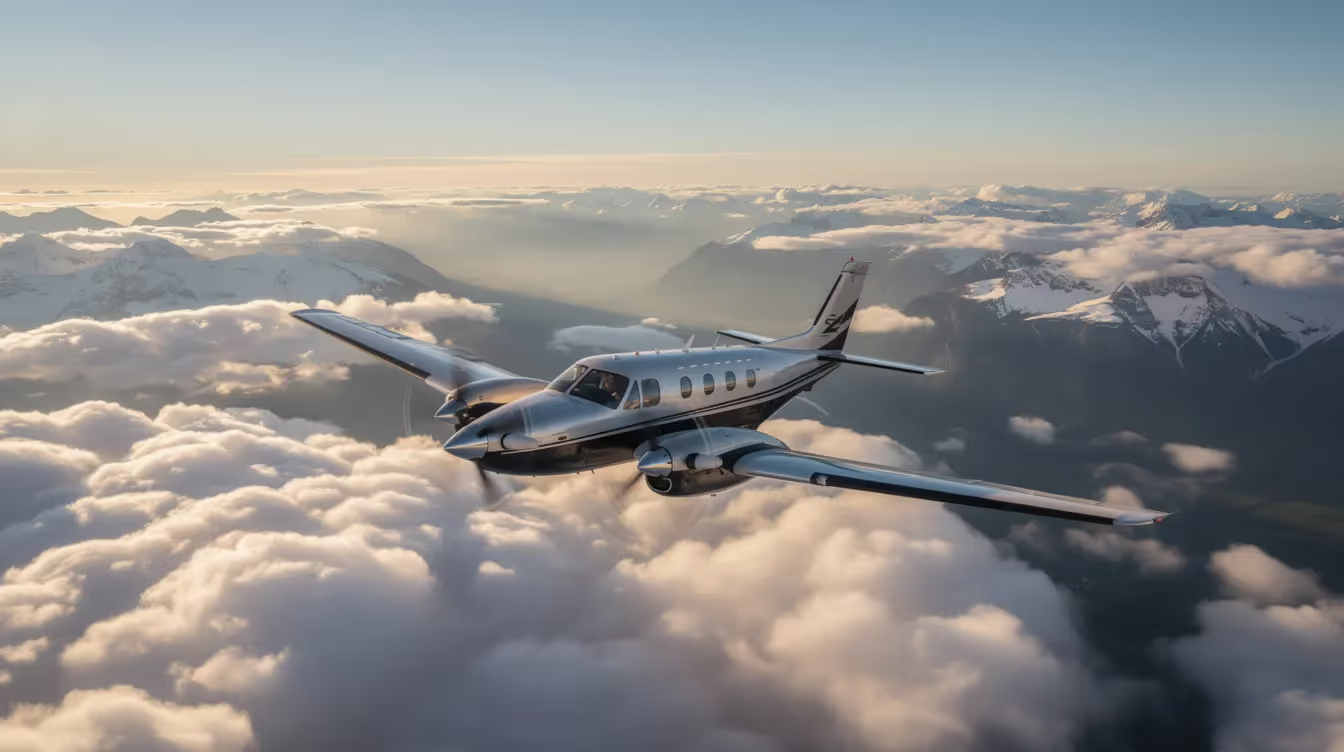
Longest Range Single Engine Aircraft: 2025 Guide for Range-Focused Private Flyers
The 2025 guide on long-range single-engine aircraft highlights key models for nonstop travel, emphasizing the efficiency of turboprops like the Daher TBM 960 and Piper M600, which can achieve ranges of approximately 1,400–1,700 nautical miles. Understanding factors that affect real-world range, such as fuel load and weather, is crucial for effective flight planning. Jettly's digital charter platform connects travelers with these aircraft, offering transparent pricing and flexible booking options tailored to individual mission needs. Overall, single-engine turboprops provide a balance of range, efficiency, and access to smaller airports, making them suitable for both business and leisure travel.
Read More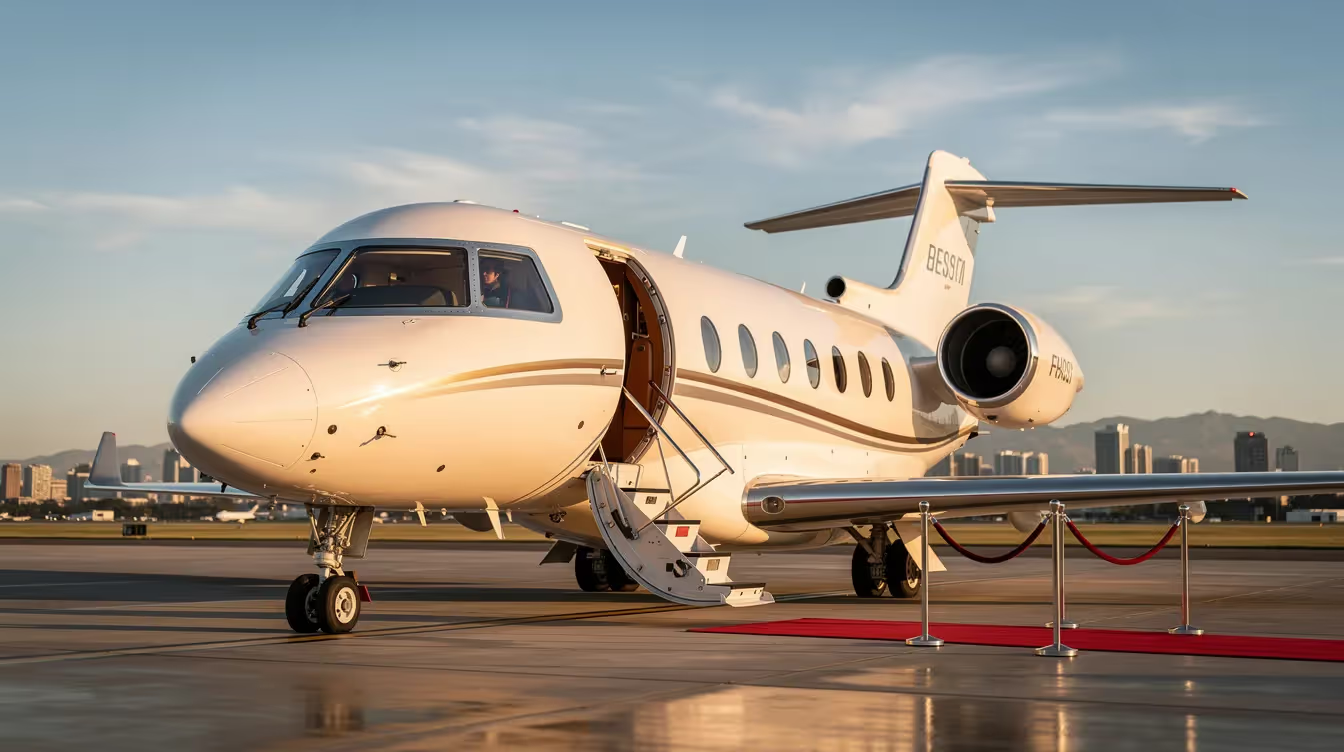
5
min read
15 Million Dollar Private Jet: What You Really Get (And Why Many Travelers Now Charter Instead)
A $15 million private jet typically includes new light or super-light jets, or late-model midsize and super-midsize aircraft, suitable for transcontinental travel with luxurious amenities for 8-12 passengers. Many travelers are opting for charter services like Jettly instead of ownership due to lower financial commitments and flexibility, especially for those flying under 200-250 hours annually. Operating costs can reach $800,000 to $1.5 million per year, significantly exceeding the initial purchase price, making chartering a more economical choice for infrequent flyers. Additionally, sustainability initiatives, such as Sustainable Aviation Fuel and carbon offset programs, are increasingly integrated into private aviation, allowing travelers to reduce their carbon footprint while enjoying the benefits of private jet travel.
Read MoreJoin our community and receive the latest blog updates directly in your inbox.
MEMBERSHIPS AND ASSOCIATIONS



© 2026 Jettly Inc. All rights reserved.
Disclaimer: Jettly operates as a charter broker, offering access to a global digital jet charter marketplace. Jettly is not a direct air carrier and does not own or operate aircraft. All advertised flights are conducted by third-party air carriers that are fully licensed and hold the appropriate Part 135 or Part 121 certifications issued by the Federal Aviation Administration (FAA) or equivalent regulatory authorities under U.S. or foreign law. Jettly complies fully with the U.S. Department of Transportation's Part 295 and Part 298 Charter Broker regulations. Jettly does not carry additional liability insurance. Passengers are covered by aircraft operator insurance. TICO: 50023770


