


Login
Get Instant Pricing On 23,000+ Aircraft

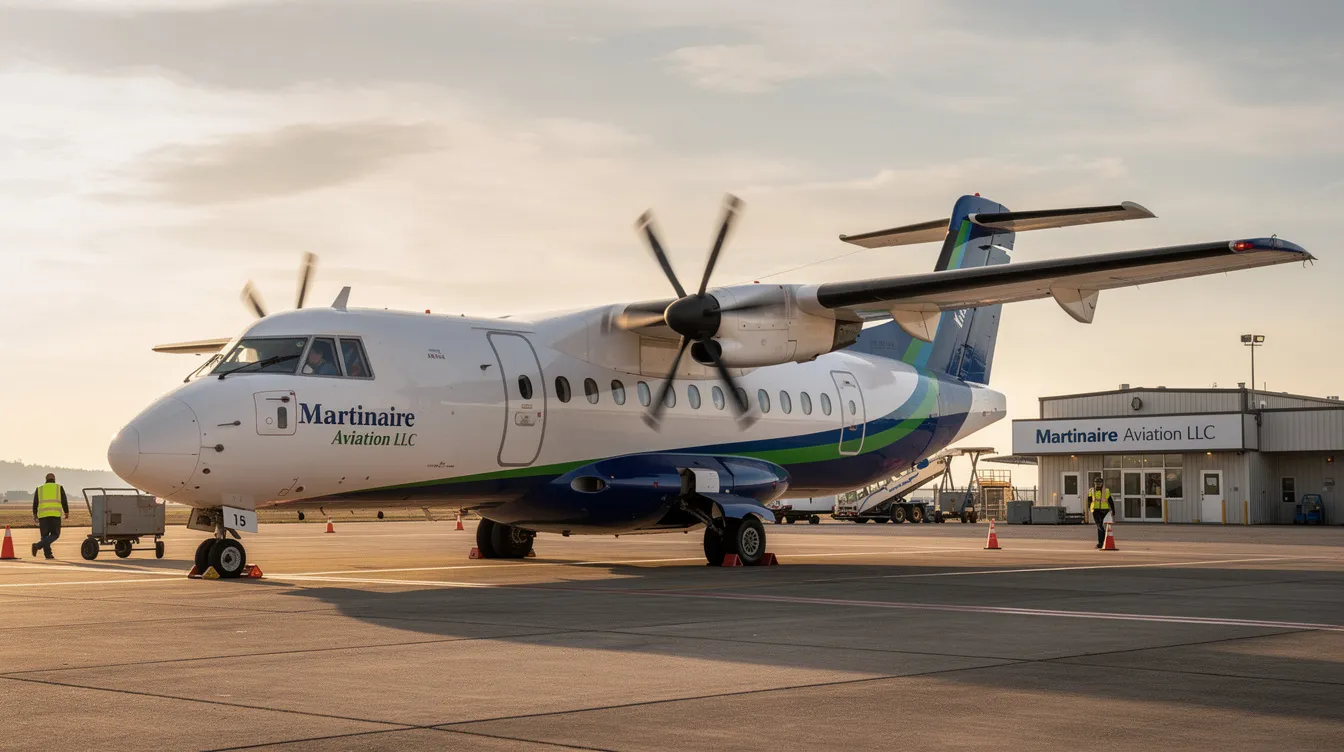
Martinaire Aviation LLC, founded in 1978, is a leading cargo feeder carrier in the U.S., specializing in overnight freight operations. With a fleet of turboprop aircraft, it connects regional airports to major sorting hubs, primarily serving integrators like UPS. This article explores Martinaire's operations, career opportunities, and how it contrasts with private charter services like Jettly.
Jay Franco Serevilla
Sep 4, 2026
|
5
min read



View all
Private plane tickets typically refer to chartering an entire aircraft rather than purchasing individual seats. This guide details the booking process, costs, and benefits of private jet travel, highlighting the convenience and flexibility it offers compared to commercial flights. With platforms like Jettly, travelers can access over 20,000 aircraft worldwide, ensuring a tailored travel experience.
Jay Franco Serevilla
Aug 12, 2026
|
5
min read

View all
The most expensive airplane in the world is the B-2 Spirit stealth bomber, costing over $2 billion per unit. This article explores various costly aircraft, including military jets, cargo planes, and luxurious private jets, while also discussing how travelers can access high-end flight experiences without the hefty price tag. Discover the factors that contribute to these aircraft's staggering costs and the options available for premium travel.
Jay Franco Serevilla
Aug 12, 2026
|
5
min read

View all
Booking private jet charter flights in Washington, D.C. is made easy and efficient with Jettly's digital platform. With access to over 20,000 aircraft worldwide, travelers can enjoy flexibility, privacy, and significant time savings compared to commercial travel. This guide covers essential tips on aircraft types, pricing, and booking options to enhance your private travel experience.
Jay Franco Serevilla
Aug 12, 2026
|
5
min read

View all
Cross-country flying is a significant milestone in aviation, essential for both pilot training and private jet travel. This guide explores the requirements, planning, and benefits of cross-country flights, whether for student pilots or travelers booking private charters. Learn how platforms like Jettly simplify long-distance travel, making it faster and more convenient.
Jay Franco Serevilla
Aug 12, 2026
|
5
min read

View all
Virginia Beach lacks a major commercial airport, with most travelers using Norfolk International Airport (ORF) nearby. The small Virginia Beach Airport primarily serves vintage aircraft and special events. For private jet travelers, Jettly offers flexible charter options to both ORF and Virginia Beach Airport, ensuring a convenient travel experience.
Jay Franco Serevilla
Aug 12, 2026
|
5
min read
View all
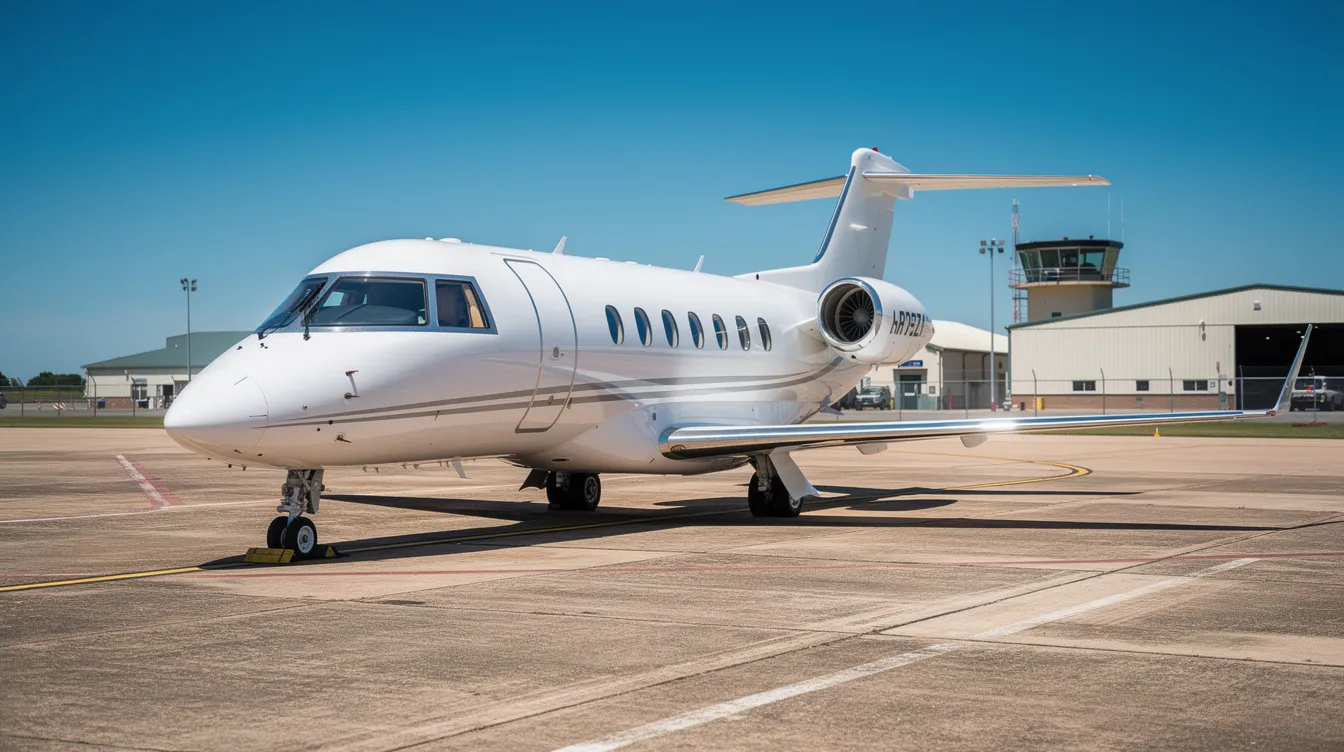
Choosing the right private jet for your trip is crucial for optimizing costs and comfort. Jettly's platform allows users to compare over 20,000 aircraft based on key metrics like range, capacity, and pricing, ensuring you select the best option for your needs. This guide covers various jet categories and practical tips for making informed decisions.
Jay Franco Serevilla
Aug 12, 2026
|
5
min read
Explore our latest articles and updates.

5
min read
Helicopter Flying Time: How Long Your Flight Should Really Be
This guide provides insights into helicopter flying times, helping travelers understand what to expect when booking a flight. Factors such as distance, weather, and aircraft type influence the duration of flights, with typical airborne times ranging from 15 to 60 minutes. Knowing these details allows for better planning and a more enjoyable charter experience.
Read More
5
min read
Jet Air Airlines & Jet Airways Flights: From Commercial Legacy to Private Jet Alternatives
The term 'jet air airlines' often refers to defunct carriers like Jet Airways and JetAir Caribbean. With these airlines no longer operational, travelers are turning to private jet charter services like Jettly for flexible and convenient travel options. Jettly offers instant pricing and access to over 20,000 aircraft, providing a modern alternative to traditional commercial flights.
Read MoreJoin our community and receive the latest blog updates directly in your inbox.
MEMBERSHIPS AND ASSOCIATIONS



Disclaimer: Jettly operates as a charter broker, offering access to a global digital jet charter marketplace. Jettly is not a direct air carrier and does not own or operate aircraft. All advertised flights are conducted by third-party air carriers that are fully licensed and hold the appropriate Part 135 or Part 121 certifications issued by the Federal Aviation Administration (FAA) or equivalent regulatory authorities under U.S. or foreign law. Jettly complies fully with the U.S. Department of Transportation's Part 295 and Part 298 Charter Broker regulations. Jettly does not carry additional liability insurance. Passengers are covered by aircraft operator insurance. TICO: 50023770


