


Login
Get Instant Pricing On 23,000+ Aircraft


Knowing the best time to buy airfare can save you money on flights. For domestic trips, booking 1 to 3 months in advance is ideal, while international flights are best booked 2 to 8 months ahead. This guide also explores when private jet charters may be a more convenient option, especially when commercial flights become costly or inconvenient.
Jay Franco Serevilla
Sep 15, 2026
|
5
min read


View all
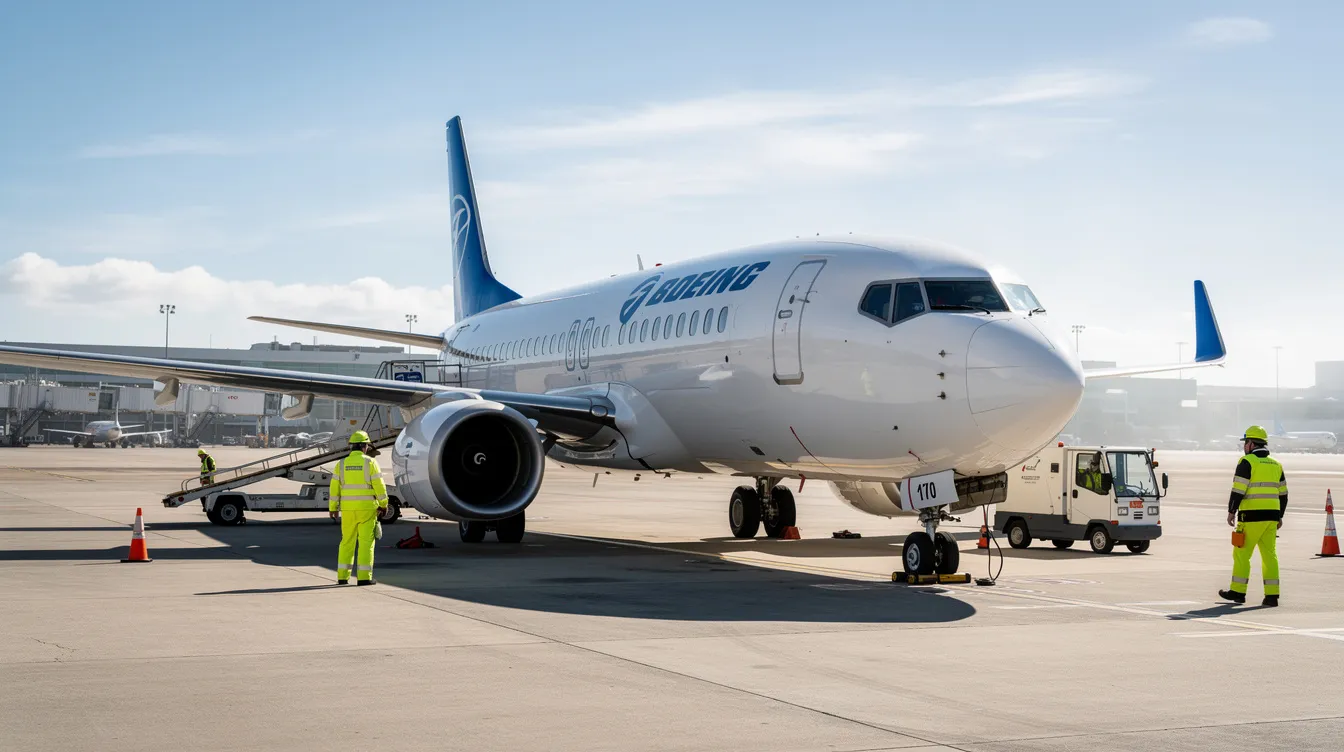
The Boeing 737 is the most-produced commercial jetliner, with a seating capacity ranging from 85 to 230 passengers depending on the variant and configuration. This guide explores the seating capacities of various 737 models, highlighting how cabin layouts and airline choices impact passenger comfort and efficiency. Understanding these factors is crucial for travelers and airline planners alike.
Jay Franco Serevilla
Aug 26, 2026
|
5
min read

View all
Empty leg flights from Phoenix provide an excellent opportunity for travelers to save significantly on private jet charters. These one-way repositioning flights often offer discounts of 25-75%, making them a cost-effective choice for both business and leisure travelers. With multiple airports and a variety of aircraft available, flexible travelers can take advantage of these deals for spontaneous trips.
Jay Franco Serevilla
Aug 26, 2026
|
5
min read

View all
Navigating the market for two-seat ultralights in 2026 can be complex, as many advertised models are actually light sport or experimental aircraft. Prices range from $12,000 for used models to over $150,000 for new ones, making it essential for buyers to understand the classifications and specifications. This guide offers insights into pricing, regulatory requirements, and key considerations for prospective buyers.
Jay Franco Serevilla
Aug 26, 2026
|
5
min read

View all
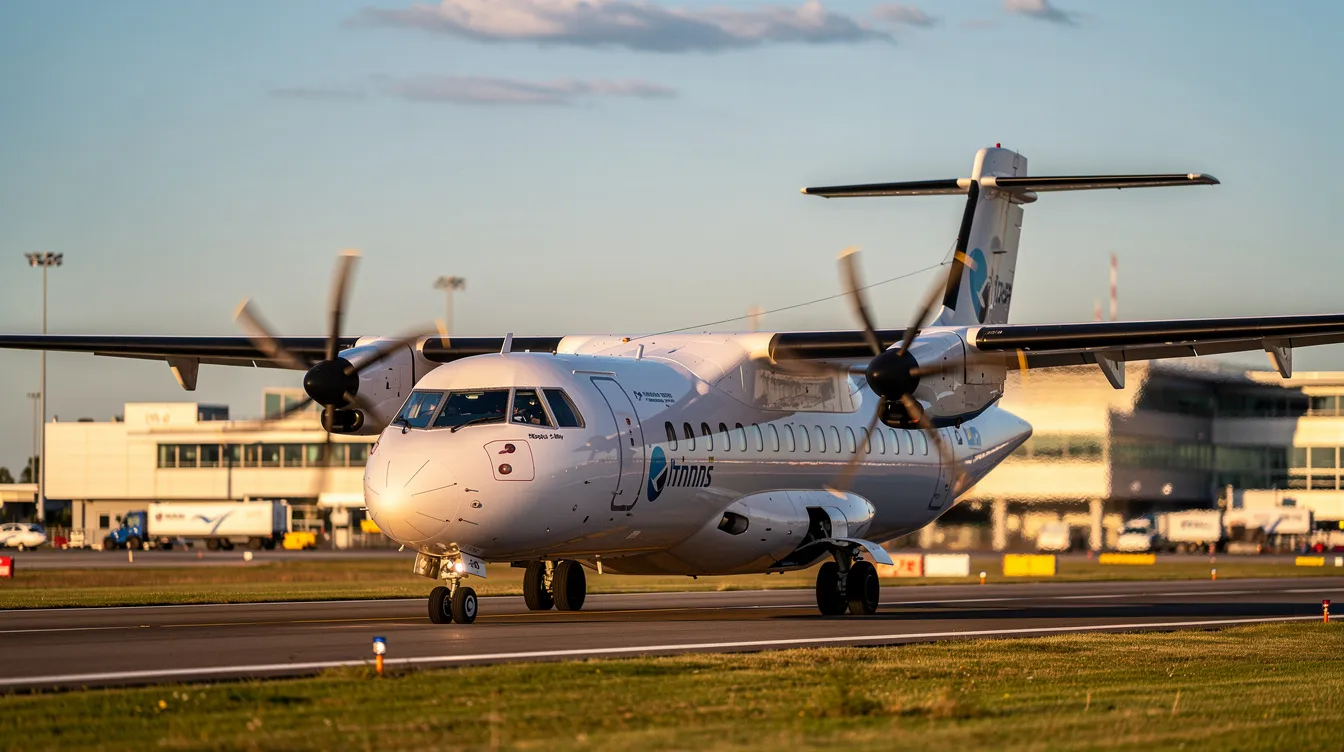
The ATR 42-500 is a high-performance regional turboprop airliner designed for short-haul routes, accommodating 42 to 48 passengers. It offers a practical solution for private charters, balancing efficiency and operating costs while accessing airports that many jets cannot reach. This guide explores its specifications, cabin experience, and how to book through Jettly.
Jay Franco Serevilla
Aug 26, 2026
|
5
min read
View all
The ATR 72-201 and ATR 72-202 are efficient turboprop aircraft designed for regional group charters, accommodating 66 to 72 passengers. With their reliable Pratt & Whitney engines and versatile landing gear, they excel in short- to medium-haul operations. Ideal for corporate shuttles, sports teams, and tour operators, these aircraft offer cost-effective alternatives to larger jets.
Jay Franco Serevilla
Aug 24, 2026
|
5
min read

View all
Stebbins Aviation Inc, based at East Texas Regional Airport, has been providing charter services since 1987, specializing in Cessna Citation jets for short-haul flights. While it offers reliable local options, Jettly's digital marketplace provides access to a broader range of aircraft and instant pricing, making it a valuable resource for travelers with diverse needs.
Jay Franco Serevilla
Aug 24, 2026
|
5
min read
Explore our latest articles and updates.

5
min read
ATR 42 Charter Guide: Performance, Variants & Private Booking with Jettly
The ATR 42 is a versatile regional turboprop ideal for short-haul flights, accommodating 30-50 passengers. This guide provides insights into its performance, variants, and how to book a charter through Jettly, making it a cost-effective choice for group travel.
Read More
5
min read
Boeing 737 (B737): History, Technology, Variants, and Private Charter Use
The Boeing 737, a twin-engine jetliner, is the best-selling commercial aircraft family, with over 10,000 units delivered. Spanning four generations, including the latest 737 MAX, it offers enhanced performance, efficiency, and comfort, making it a popular choice for both commercial airlines and private charters.
Read MoreJoin our community and receive the latest blog updates directly in your inbox.
MEMBERSHIPS AND ASSOCIATIONS



Disclaimer: Jettly operates as a charter broker, offering access to a global digital jet charter marketplace. Jettly is not a direct air carrier and does not own or operate aircraft. All advertised flights are conducted by third-party air carriers that are fully licensed and hold the appropriate Part 135 or Part 121 certifications issued by the Federal Aviation Administration (FAA) or equivalent regulatory authorities under U.S. or foreign law. Jettly complies fully with the U.S. Department of Transportation's Part 295 and Part 298 Charter Broker regulations. Jettly does not carry additional liability insurance. Passengers are covered by aircraft operator insurance. TICO: 50023770


