


Login
Get Instant Pricing On 23,000+ Aircraft

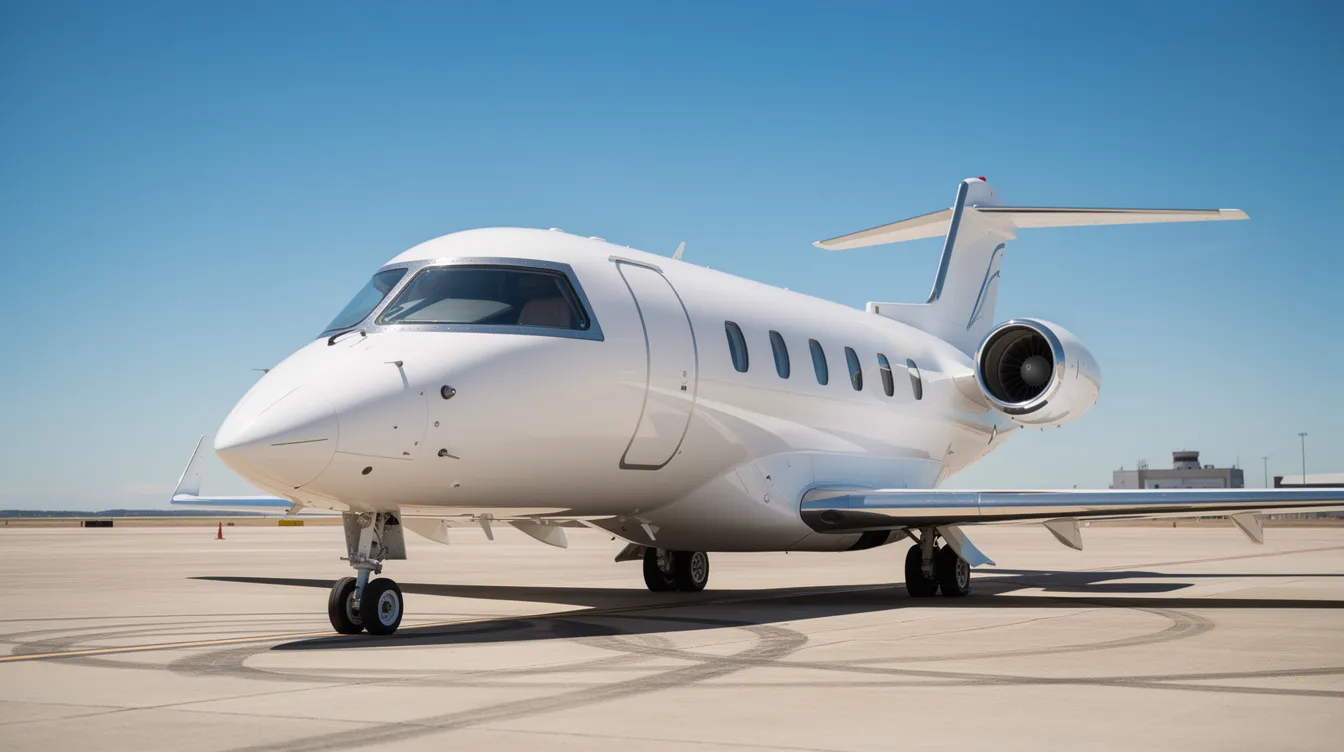
The private jet industry features various manufacturers, each with unique aircraft designed for specific missions. This guide provides insights into key brands, jet categories, and practical tips for selecting the right aircraft for your travel needs. Understanding these factors can enhance your private flying experience, whether for business or leisure.
Jeff Ryan Serevilla
Sep 21, 2026
|
5
min read



View all
The real value of private aviation is access, not luxury. Commercial airlines serve about 500 U.S. airports, while private aviation reaches more than 5,000, creating a structural advantage for organizations operating outside major hubs. As commercial networks continue to consolidate due to aircraft shortages and rising costs, private aviation expands point-to-point access and reduces hidden time and productivity losses. This widening accessibility gap turns mobility into a strategic and financial asset for businesses with distributed operations.
Jay Franco Serevilla
Jan 22, 2026
|
5
min read

View all
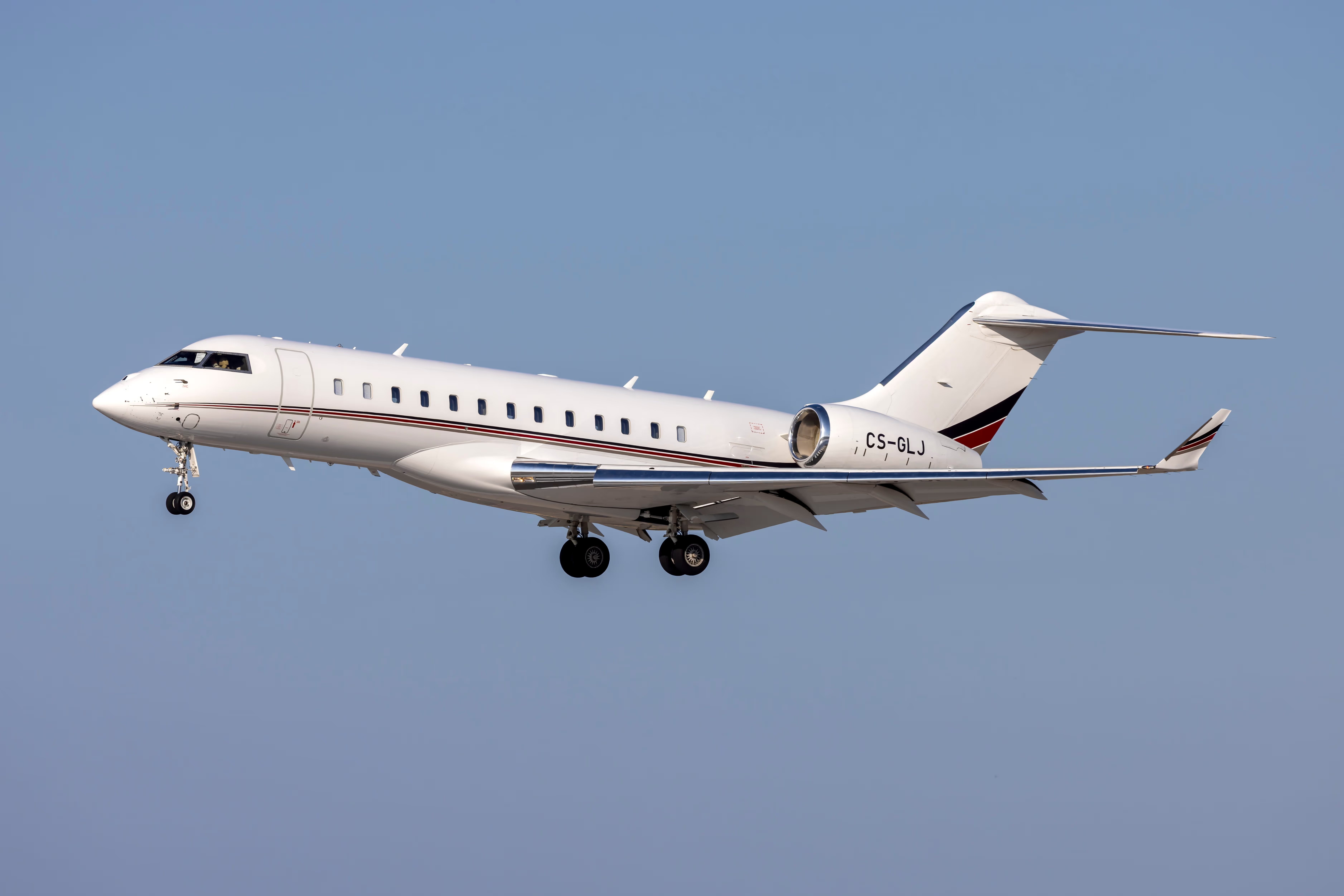
Private aviation’s greatest value isn’t short-hop convenience, but the ability to fly intercontinental routes nonstop. Over decades, range advances—from early jets like the Jetstar to modern aircraft like the Gulfstream G800 and Global 8000—have pushed private jets into true long-haul territory. These ultra-long-range capabilities are driving strong market growth as businesses prioritize time savings and global reach over layovers. While future range gains will be limited by fuel physics, today’s 7,000–8,000 nautical-mile jets already cover nearly all global city pairs.
Jay Franco Serevilla
Jan 22, 2026
|
5
min read
View all
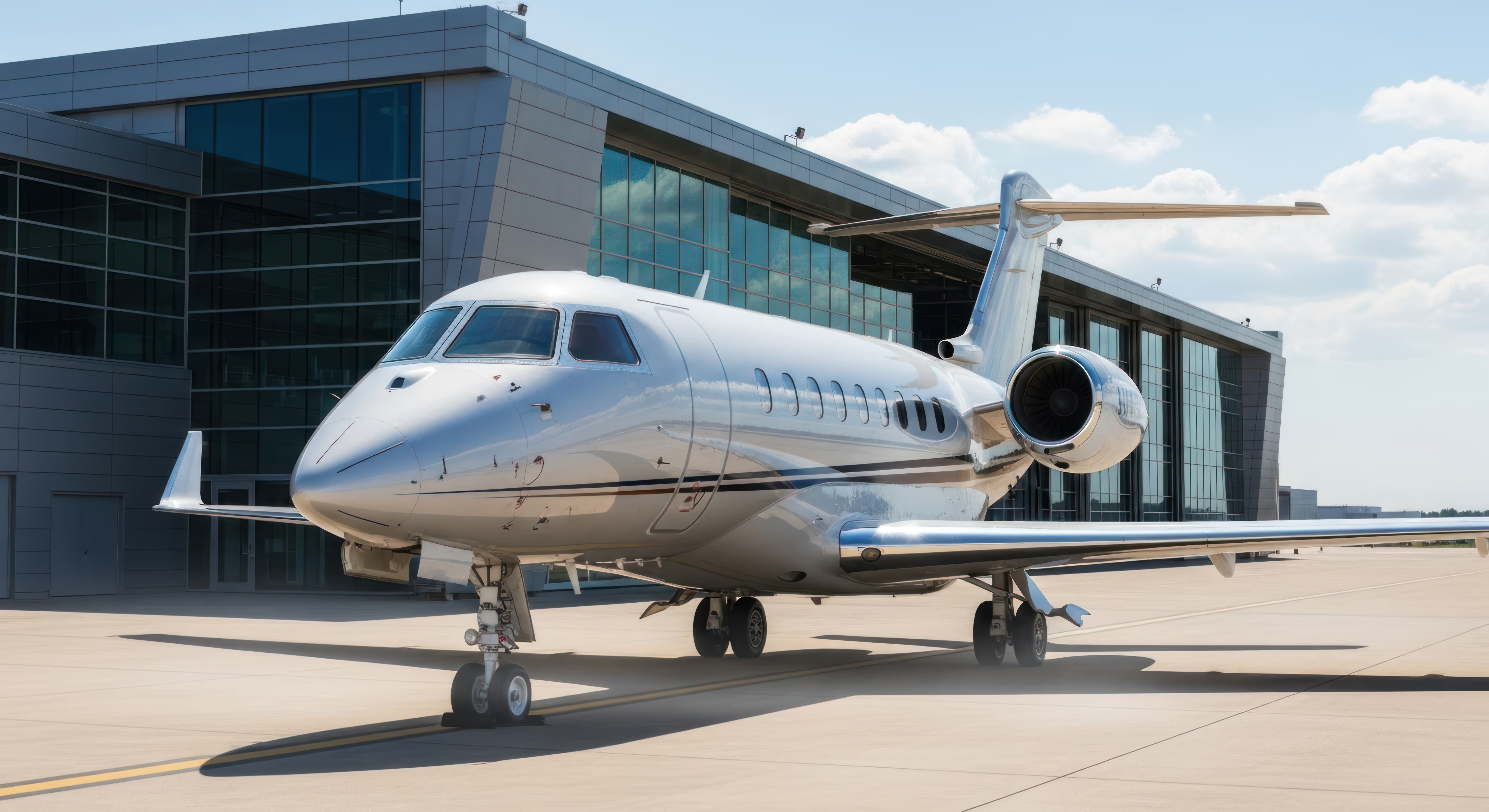
Private aviation programs differ more in structure than in appearance. This page compares Jettly, NetJets, and Flexjet across contracts, capital requirements, flexibility, and exit friction. Traditional fractional ownership was built for long-term commitments and fixed flying patterns. Modern access models are designed for change.
Jay Franco
Jan 13, 2026
|
5
min read
View all
Fractional jet ownership was created when aircraft access was limited and flexibility didn’t exist. Today’s flyers are choosing modern access models that eliminate long-term contracts, idle capital, and fixed-fleet constraints. This page explains why the traditional fractional model is being replaced. Learn how private aviation has evolved.
Jay Franco
Jan 13, 2026
|
5
min read

View all
Virginia Beach offers affordable flight options for travelers, with prices starting as low as $51 on commercial airlines. The primary airport serving the area is Norfolk International Airport (ORF), which provides numerous nonstop flights from major U.S. cities. To find the best deals, travelers should utilize flight search tools, be flexible with travel dates, and consider booking in advance, especially during the off-season. Platforms like Jettly also offer private jet charter options, making travel to Virginia Beach accessible and convenient for various budgets.
Jay Franco Serevilla
Jan 2, 2026
|
5
min read
View all
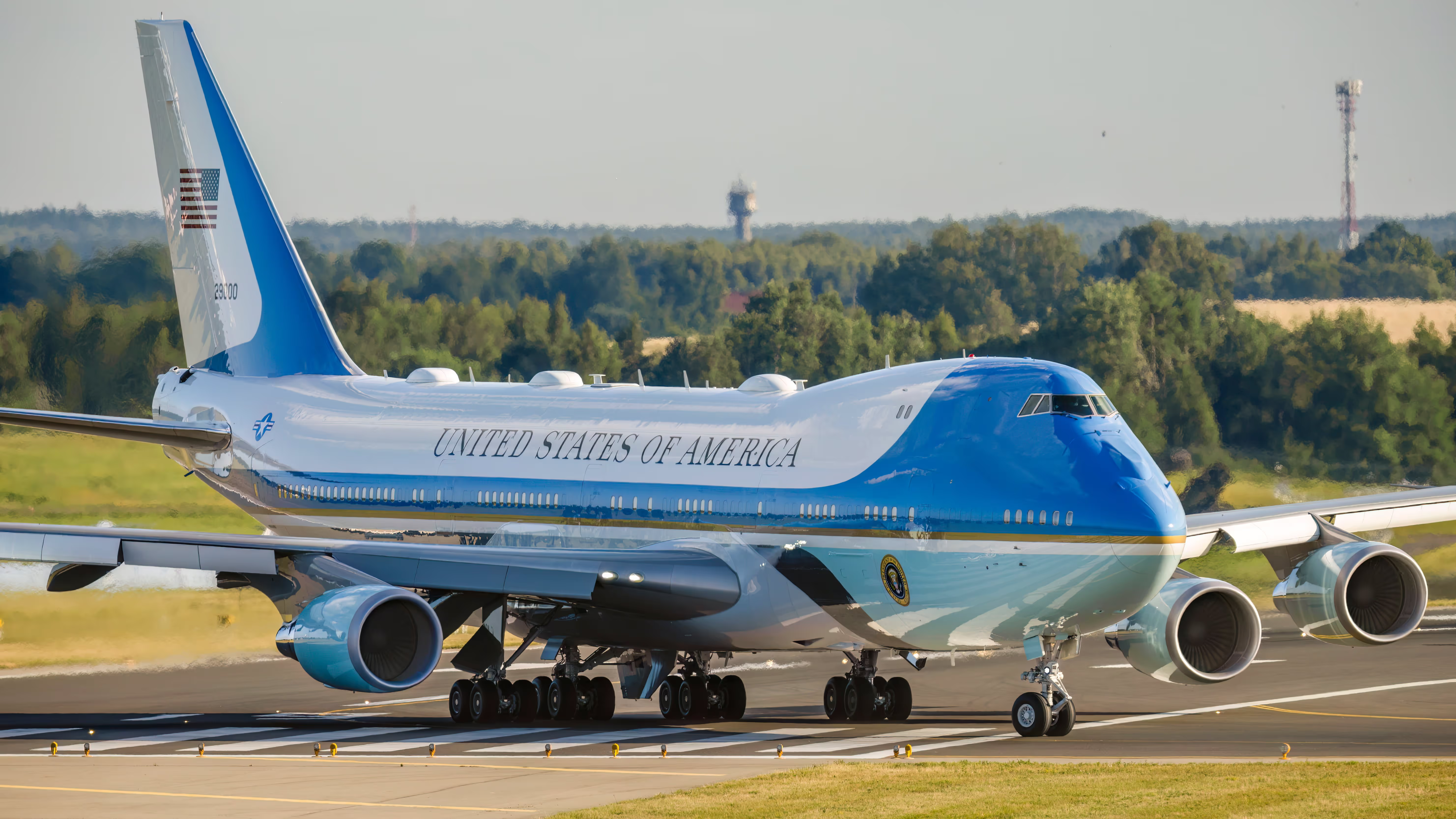
The U.S. private aviation industry predates Air Force One, evolving from a practical business tool into the world’s largest and fastest-growing aviation market. Over time, presidential aircraft transformed from basic transports into airborne command centers, setting new standards for safety, range, and onboard capability. Air Force One and private aviation have influenced each other in a feedback loop, with government innovation driving advances later adopted by private jets. Today’s long-range, connected business aircraft reflect decades of shared technological evolution.
Jay Franco Serevilla
Dec 27, 2025
|
5
min read
Explore our latest articles and updates.
5
min read
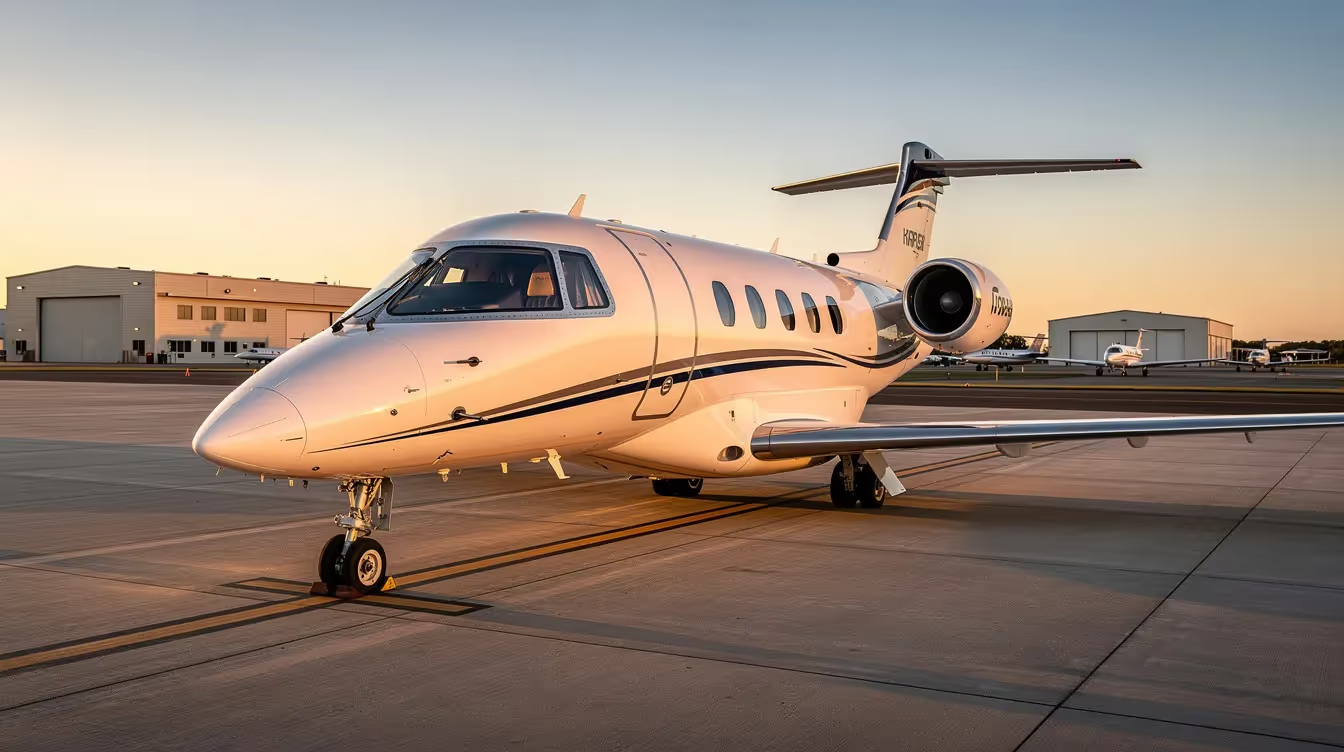
Private Airplane Rental Cost in 2026: What You’ll Really Pay to Fly Private
In 2026, private airplane rental costs typically range from $2,000 to over $16,000 per flight hour, influenced by aircraft type, size, and additional fees such as taxes and positioning charges. Total trip costs can be 20-40% higher than the base hourly rate due to these extra expenses. Strategic choices, like selecting the right aircraft and flying during off-peak times, can help reduce costs significantly. Understanding these factors is essential for travelers to make informed decisions and maximize the value of their private jet experience.
Read More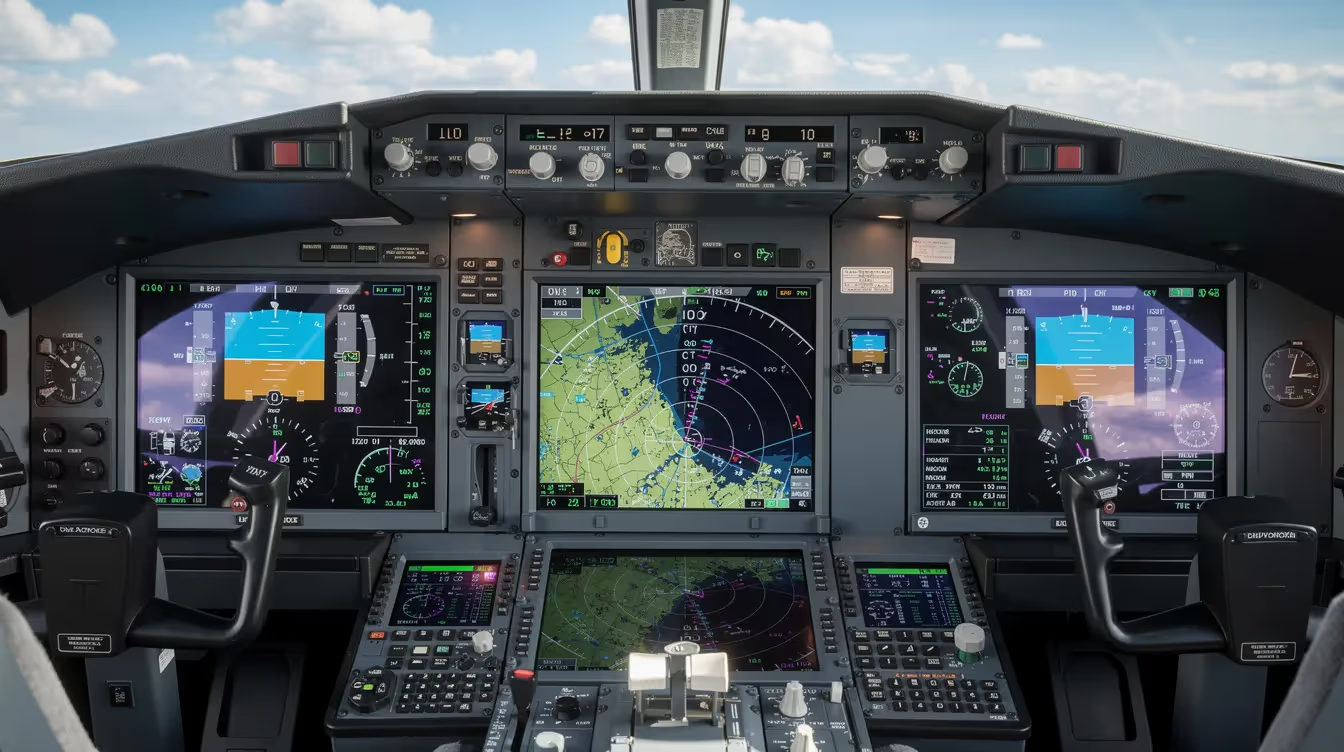
5
min read
Small Private Plane Cost: Ownership vs. Charter in 2026
In 2026, the demand for private aviation remains high, influencing both the purchase prices of small aircraft and charter rates. Ownership of a small plane can cost between $30,000 and over $500,000 initially, with annual operating costs reaching $16,000 to $30,000, making chartering via platforms like Jettly more cost-effective for those flying fewer than 100 hours a year. Charter rates start at approximately $300 per hour for piston aircraft and can exceed $4,000 for light jets, with options like empty leg flights offering significant savings. For occasional travelers, chartering provides flexibility and eliminates the fixed costs associated with ownership, making it a more appealing choice for many.
Read MoreJoin our community and receive the latest blog updates directly in your inbox.
MEMBERSHIPS AND ASSOCIATIONS



Disclaimer: Jettly operates as a charter broker, offering access to a global digital jet charter marketplace. Jettly is not a direct air carrier and does not own or operate aircraft. All advertised flights are conducted by third-party air carriers that are fully licensed and hold the appropriate Part 135 or Part 121 certifications issued by the Federal Aviation Administration (FAA) or equivalent regulatory authorities under U.S. or foreign law. Jettly complies fully with the U.S. Department of Transportation's Part 295 and Part 298 Charter Broker regulations. Jettly does not carry additional liability insurance. Passengers are covered by aircraft operator insurance. TICO: 50023770


