



Login
Get Instant Pricing On 23,000+ Aircraft

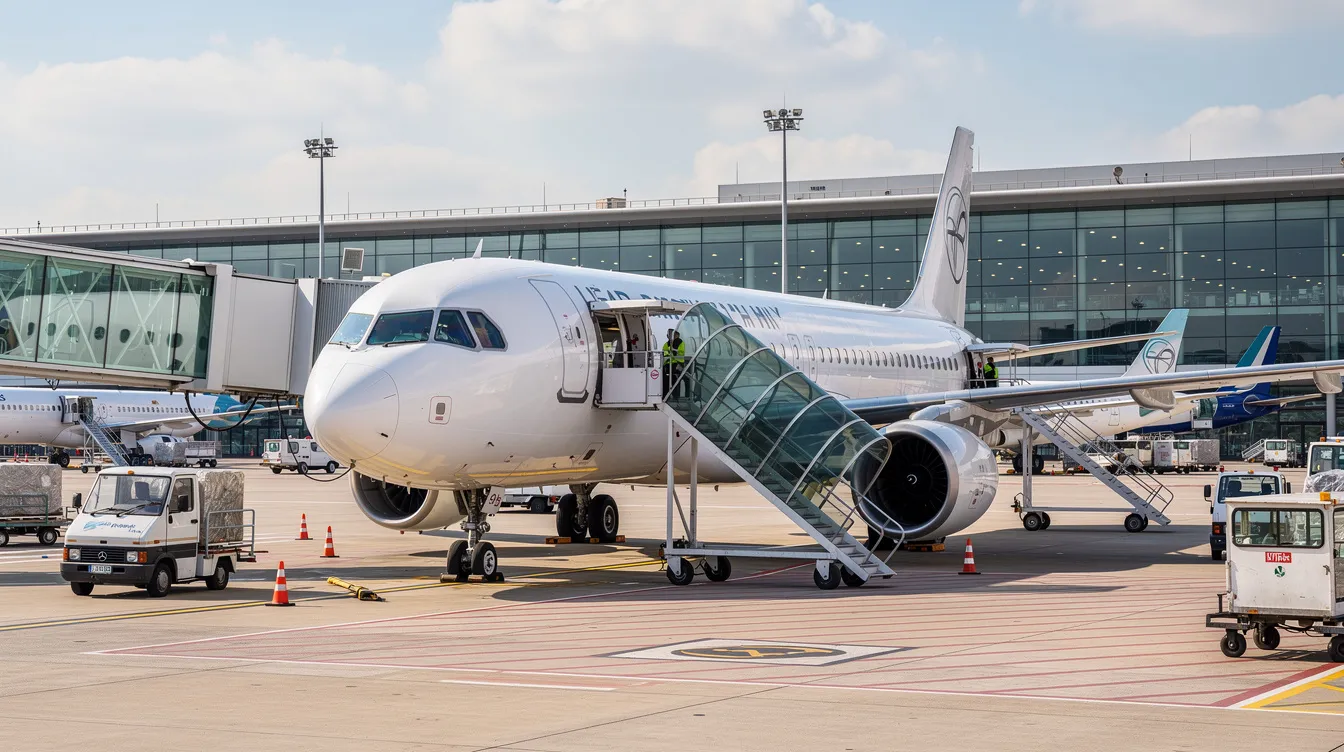
The Boeing 737 is a versatile aircraft with a passenger capacity ranging from 85 to 230, depending on the variant and layout. Most commonly, the 737-800 and 737 MAX models accommodate between 162 and 200 passengers. This guide details the seating capacities across different generations and compares them to private jet options for tailored travel experiences.
Jay Franco Serevilla
Oct 14, 2026
|
5
min read



View all
Private jet terminals, or Fixed Base Operators (FBOs), significantly enhance the private aviation experience by providing privacy, efficiency, and personalized services that commercial airports cannot match. Operated by companies like Jet Aviation and Signature Aviation, FBOs allow travelers to arrive just 15 to 30 minutes before departure, bypassing long lines and crowded spaces. Jettly leverages a global network of over 5,000 FBOs to streamline the entire journey, including check-in, security, and customs clearance, ensuring a seamless transition from vehicle to aircraft. When choosing a private jet terminal, key considerations include location, runway length, operating hours, and available ground services to optimize the travel experience.
Jay Franco Serevilla
May 15, 2026
|
5
min read

View all
Mountain Lion Aviation focuses on private aviation services tailored for mountain destinations, offering efficient access to remote airports for travelers, including families, executives, and adventure seekers. The guide highlights how platforms like Jettly enhance this experience by providing access to over 20,000 aircraft, enabling on-demand bookings and instant pricing, which significantly reduces travel time compared to traditional commercial flights. Key benefits include direct access to smaller airports, flexible scheduling, and the ability to transport sports equipment without hassle. Overall, private charters offer a time-saving, convenient alternative for reaching popular mountain locations, especially during peak travel seasons.
Jay Franco Serevilla
May 14, 2026
|
5
min read

View all
A private airline pilot operates business jets and turboprops for charter operators or corporations, requiring a commercial pilot certificate along with additional ratings such as instrument and multi-engine. The career path begins with obtaining a private pilot certificate, followed by a commercial license, which can cost over $123,995 in total training expenses. Demand for business aviation pilots is increasing, with projections indicating a need for over 10,000 new pilots in the next decade due to industry shortages. Platforms like Jettly connect travelers with vetted operators and pilots, enhancing access to private air travel while ensuring safety and compliance with regulatory standards.
Jay Franco Serevilla
May 14, 2026
|
5
min read

View all
Jet Visa refers to the standard visas and entry permits that private jet travelers must obtain based on their nationality, destination, and trip purpose, as there is no official document called a "jet visa." Jettly, a digital private jet charter marketplace, assists travelers in coordinating flights around visa validity dates and consular appointments but does not issue visas. Understanding visa requirements is crucial for private jet travel, as entry rules apply regardless of flight type, and failing to comply can disrupt travel plans. The guide also highlights specific visa scenarios for various traveler types, including business professionals and JET Program participants, emphasizing the importance of aligning travel itineraries with immigration regulations.
Jay Franco Serevilla
May 14, 2026
|
5
min read

View all
Private jet owners are predominantly ultra-high-net-worth individuals, typically men over 50, with a median net worth of around $190 million, often involved in industries like finance and real estate. Ownership offers flexibility and privacy, allowing owners to bypass commercial travel hassles, but comes with significant costs, often exceeding $1 million annually for maintenance and operation. Many prospective owners opt for alternatives like fractional ownership or on-demand charter services, such as Jettly, to avoid the complexities and financial burdens of full ownership. As younger wealth enters the market, the landscape of private aviation is evolving, with a growing preference for charter options that provide similar benefits without long-term commitments.
Jay Franco Serevilla
May 14, 2026
|
5
min read

View all
The 2026 Jet Card Pricing Guide outlines hourly rates and fees for various aircraft categories, helping private aviation customers make informed decisions. Hourly rates range from $3,000–$4,000 for turboprops to over $17,000 for heavy jets, with additional costs like Federal Excise Tax (FET) and peak day surcharges potentially increasing overall expenses. Jettly distinguishes itself by offering transparent, all-in pricing without hidden fees, flexible deposit options, and access to a wide range of aircraft. Understanding these pricing structures is essential for maximizing value and ensuring satisfaction in private jet travel.
Jeff Ryan Serevilla
May 14, 2026
|
5
min read
Explore our latest articles and updates.

5
min read
When Air Tickets Are Cheaper: Best Time to Buy Flights and How Jettly Helps
Knowing when air tickets are cheaper can significantly reduce travel costs. This guide outlines optimal booking windows for domestic and international flights while highlighting how Jettly's private jet charter services provide a reliable alternative to fluctuating airline prices.
Read More
5
min read
When Do Flights Have Sales? Timing, Patterns, and How to Catch the Best Deals
Understanding flight sales can lead to significant savings for travelers. Airlines typically offer promotions during specific months and weekdays, with the best deals often found for off-peak travel. By being flexible with travel dates and monitoring sales, both commercial and private jet travelers can secure the best prices.
Read MoreJoin our community and receive the latest blog updates directly in your inbox.
MEMBERSHIPS AND ASSOCIATIONS



Disclaimer: Jettly operates as a charter broker, offering access to a global digital jet charter marketplace. Jettly is not a direct air carrier and does not own or operate aircraft. All advertised flights are conducted by third-party air carriers that are fully licensed and hold the appropriate Part 135 or Part 121 certifications issued by the Federal Aviation Administration (FAA) or equivalent regulatory authorities under U.S. or foreign law. Jettly complies fully with the U.S. Department of Transportation's Part 295 and Part 298 Charter Broker regulations. Jettly does not carry additional liability insurance. Passengers are covered by aircraft operator insurance. TICO: 50023770


