


Login
Get Instant Pricing On 23,000+ Aircraft

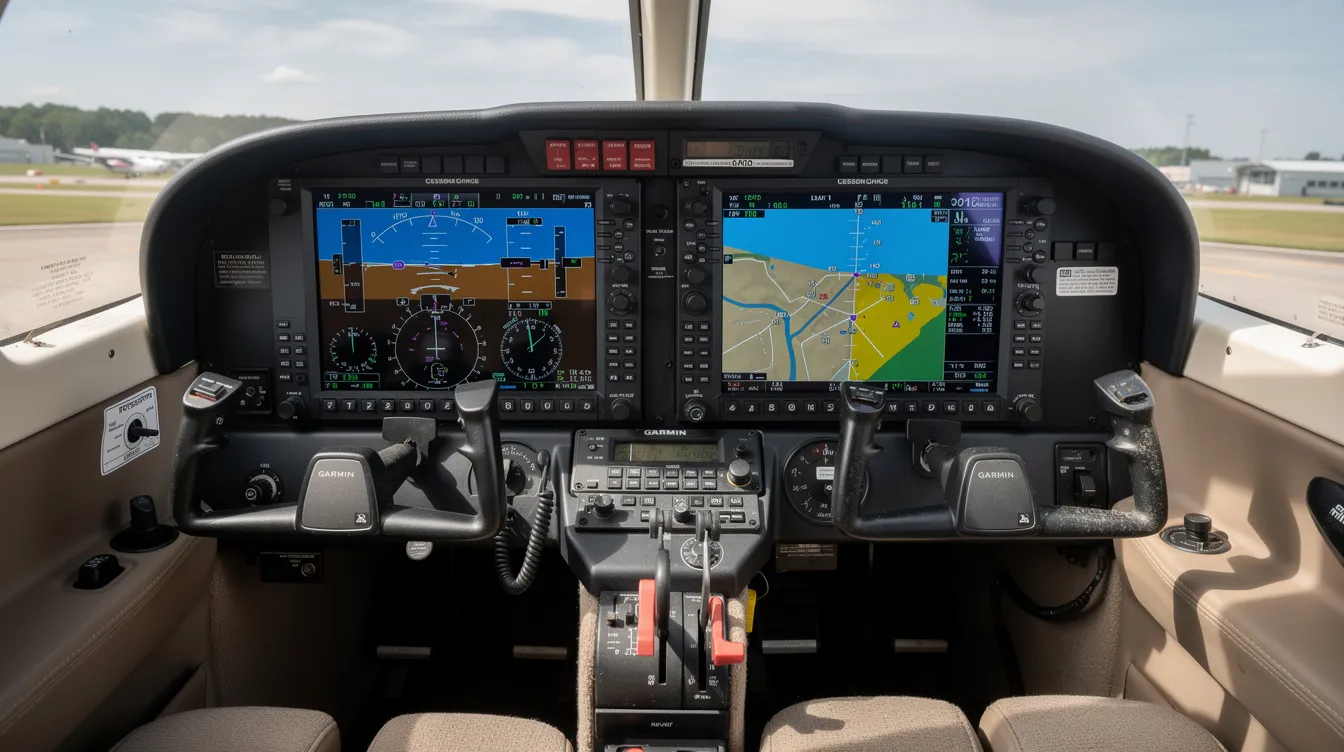
The Cessna G1000, particularly the 172S Skyhawk SP, is a popular choice for buyers seeking modern avionics and reliable performance. This guide provides insights on pricing, key features, and what to consider when purchasing or chartering. With strong demand from flight schools and private owners, understanding the market and aircraft specifics is crucial for making an informed decision.
Jay Franco Serevilla
Aug 2, 2026
|
5
min read


View all
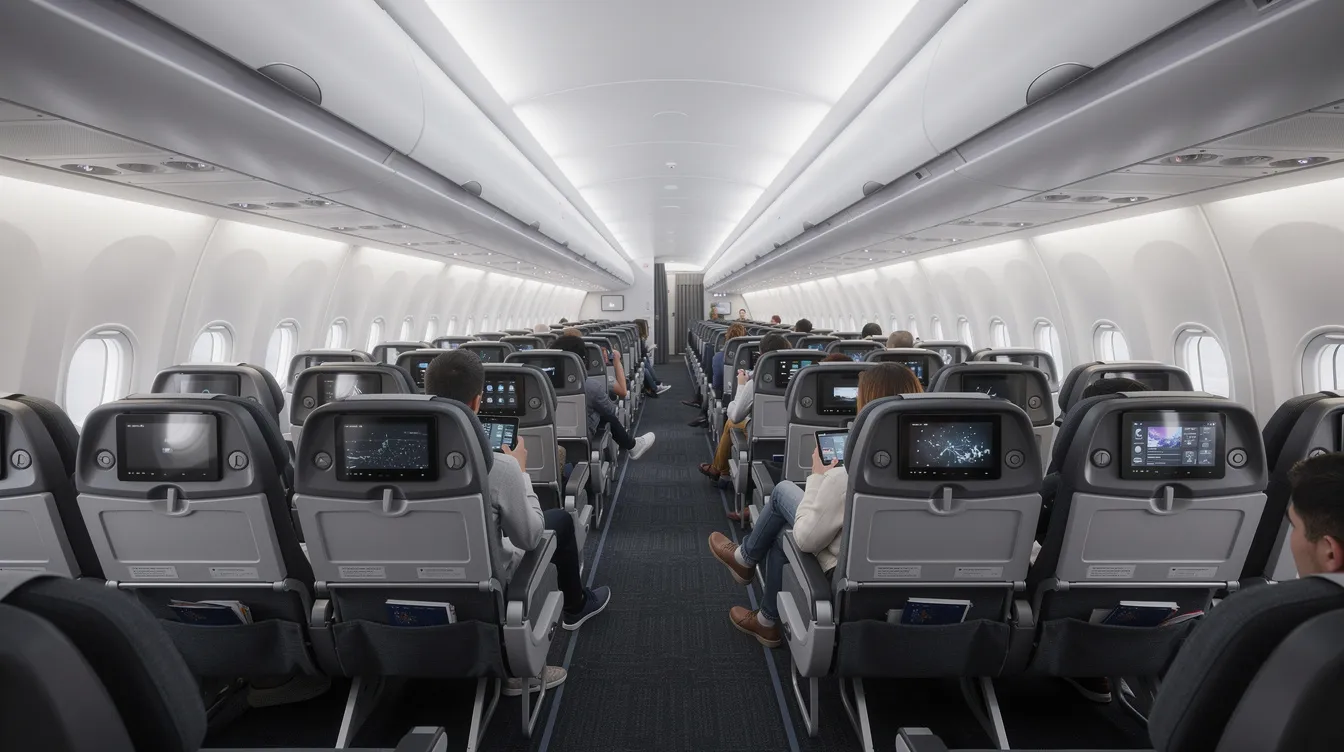
Mastering Delta Air Lines seat maps is essential for travelers seeking comfort and convenience. This guide helps you navigate different aircraft types, cabin classes, and seat selection strategies, ensuring an informed travel experience. For those prioritizing control and flexibility, private jet charters through platforms like Jettly offer an appealing alternative.
Jay Franco Serevilla
Oct 1, 2026
|
5
min read
View all
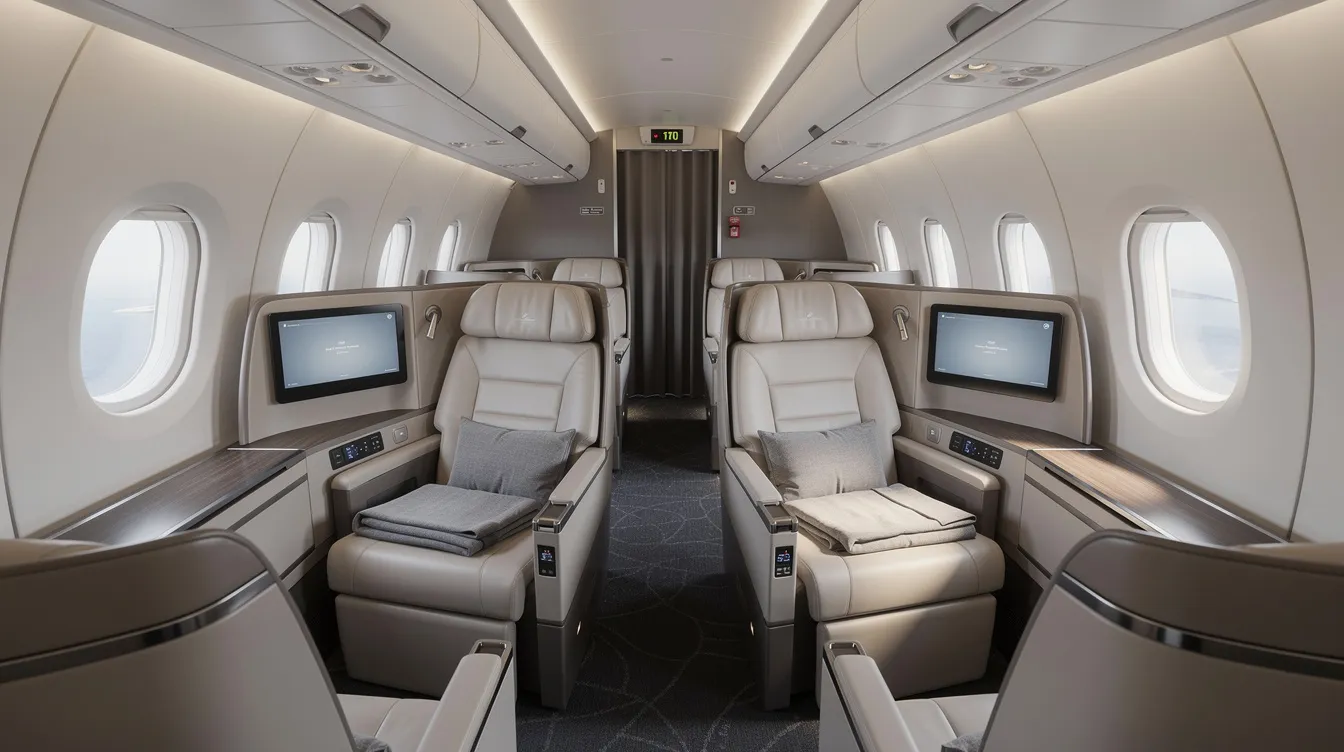
Delta's First Class seats offer a width ranging from 19.5 to 21 inches, providing a significant upgrade in comfort compared to economy class. With added legroom, deeper recline, and premium amenities, these seats enhance the travel experience, especially on longer flights. For those seeking even more space and customization, private jet charters through platforms like Jettly are an appealing alternative.
Jay Franco Serevilla
Oct 1, 2026
|
5
min read

View all
Delta Air Lines is a major U.S. airline operating thousands of daily flights from key hubs like Atlanta and New York. In contrast, Jettly offers on-demand private charter services, providing flexibility and personalized travel options that complement Delta's scheduled routes.
Jay Franco Serevilla
Oct 1, 2026
|
5
min read
View all
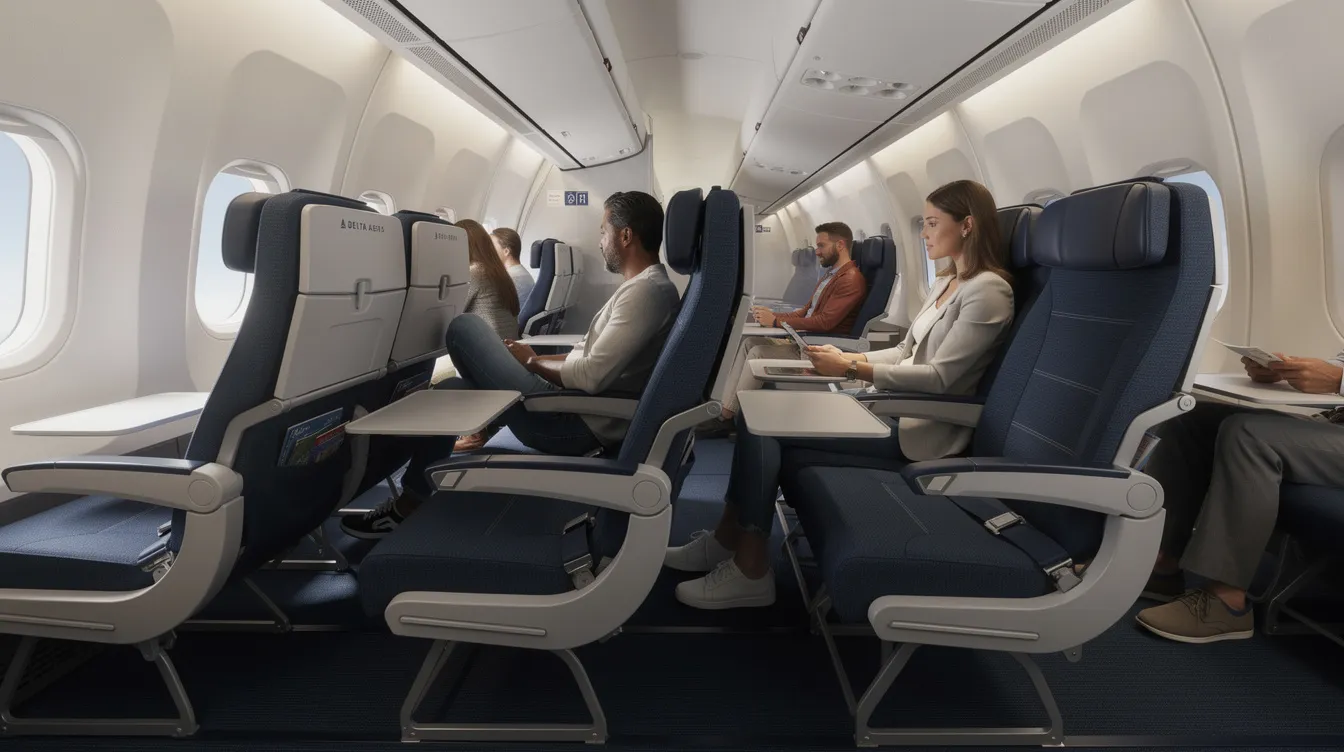
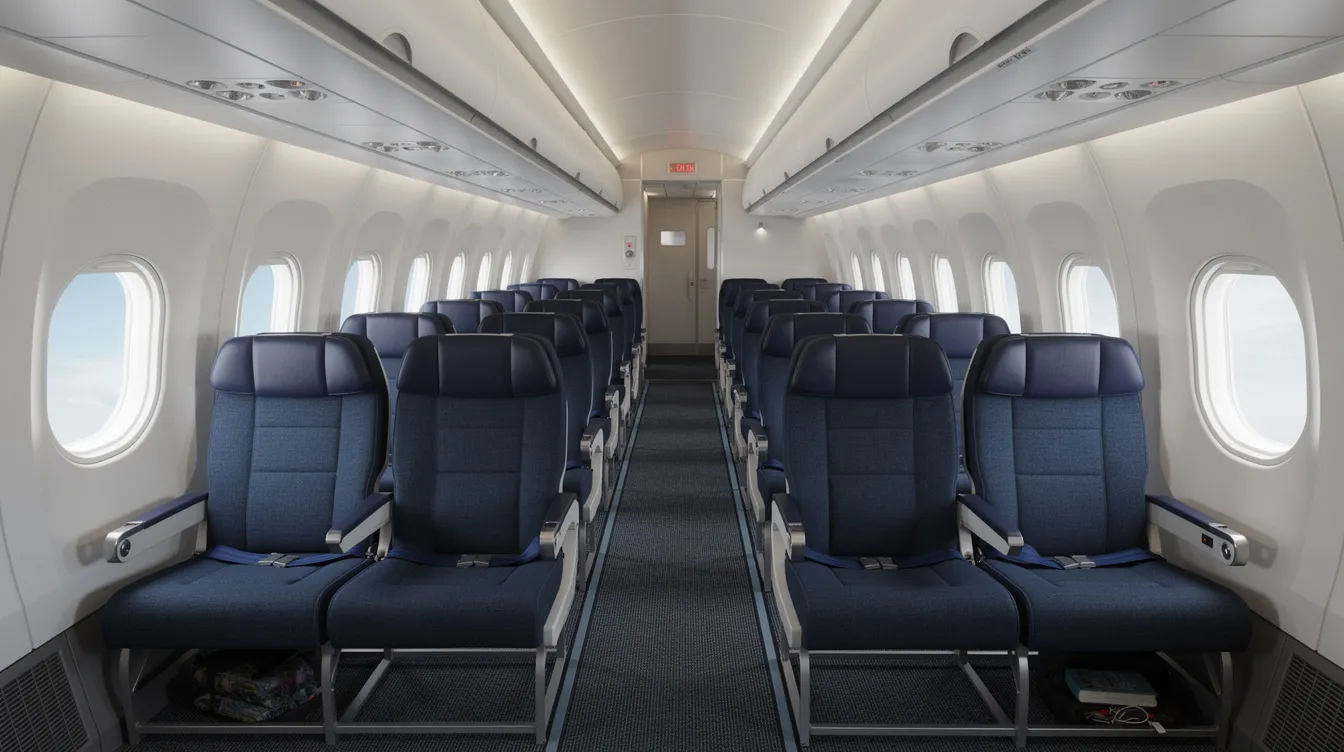
Choosing the right Delta economy seat can greatly enhance your travel comfort. With seat pitch ranging from 30 to 32 inches and widths between 17 and 18.5 inches, Delta offers competitive legroom compared to other airlines. Delta Comfort+ provides additional space and perks for those seeking more comfort on longer flights.
Jay Franco Serevilla
Oct 1, 2026
|
5
min read
View all
Delta Comfort Plus seats typically range from 17.2 to 18.6 inches in width, similar to Main Cabin seats. The primary benefits include extra legroom, priority boarding, and enhanced service rather than a wider seat. For those needing more space, options like Delta Premium Select or private jet charters may be more suitable.
Jay Franco Serevilla
Oct 1, 2026
|
5
min read

View all
Private jet catering and ground transportation are essential components of a charter flight experience, ranging from basic snacks to gourmet meals and various vehicle options. This guide provides detailed timelines, dietary accommodations, and a checklist to streamline the booking process, ensuring a smooth and luxurious travel experience. Understanding what's included and how to coordinate these services can help avoid surprises on departure day.
Jeff Ryan Serevilla
Sep 30, 2026
|
5
min read
Explore our latest articles and updates.

5
min read
AVCARD: The Aviation Fuel Card Powering Smarter Fuel Purchasing
AVCARD is a versatile aviation fuel card from World Fuel, enabling operators to manage fuel purchases and operational expenses seamlessly at over 8,600 locations worldwide. It simplifies billing with detailed invoicing and supports various fuel types, making it essential for flight departments and charter operators. With no annual fee and integration with contract fuel programs, AVCARD enhances cost control and efficiency in aviation fuel procurement.
Read More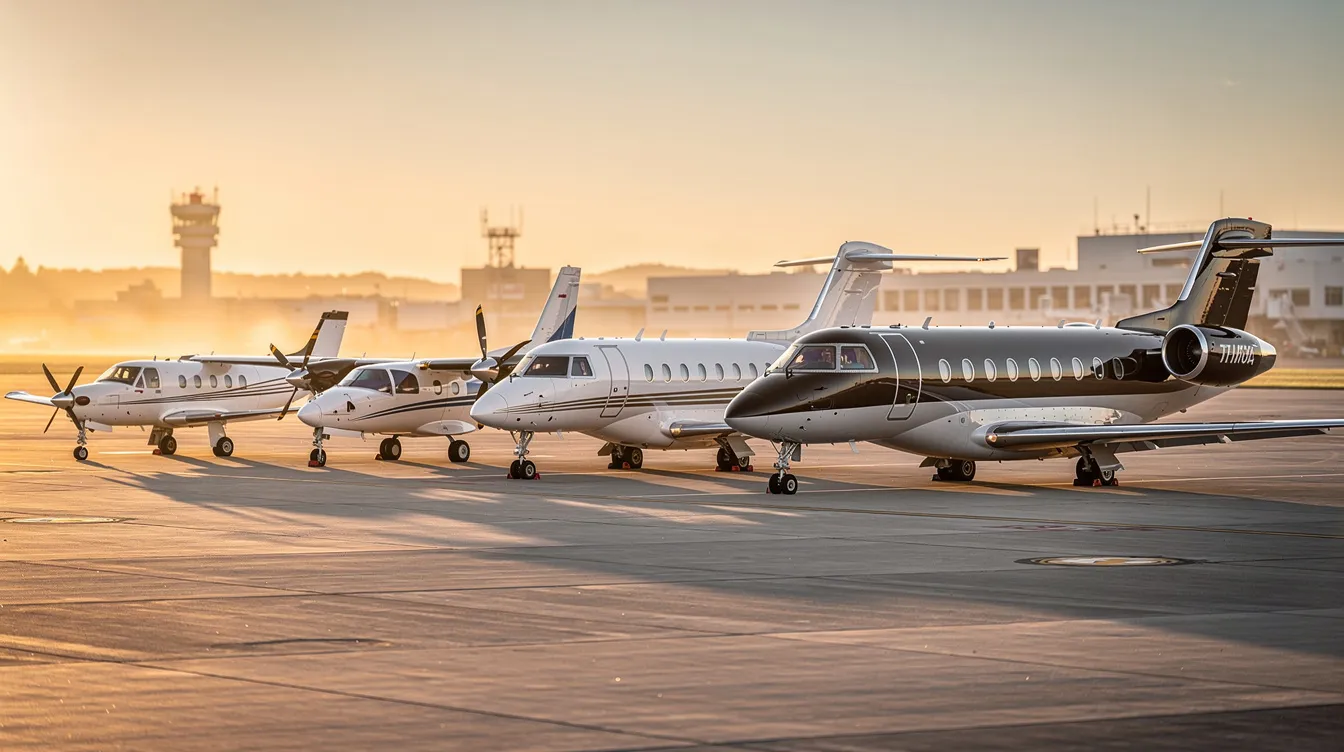
5
min read
How Much Weight Can a Plane Hold? (From Small Planes to Private Jets and Airliners)
Understanding how much weight a plane can hold is crucial for safe flight operations. Each aircraft has a certified maximum takeoff weight (MTOW) that dictates its capacity for passengers, baggage, and fuel. This knowledge helps travelers and pilots make informed decisions about flight planning and safety.
Read MoreJoin our community and receive the latest blog updates directly in your inbox.
MEMBERSHIPS AND ASSOCIATIONS



Disclaimer: Jettly operates as a charter broker, offering access to a global digital jet charter marketplace. Jettly is not a direct air carrier and does not own or operate aircraft. All advertised flights are conducted by third-party air carriers that are fully licensed and hold the appropriate Part 135 or Part 121 certifications issued by the Federal Aviation Administration (FAA) or equivalent regulatory authorities under U.S. or foreign law. Jettly complies fully with the U.S. Department of Transportation's Part 295 and Part 298 Charter Broker regulations. Jettly does not carry additional liability insurance. Passengers are covered by aircraft operator insurance. TICO: 50023770


