



Login
Get Instant Pricing On 23,000+ Aircraft

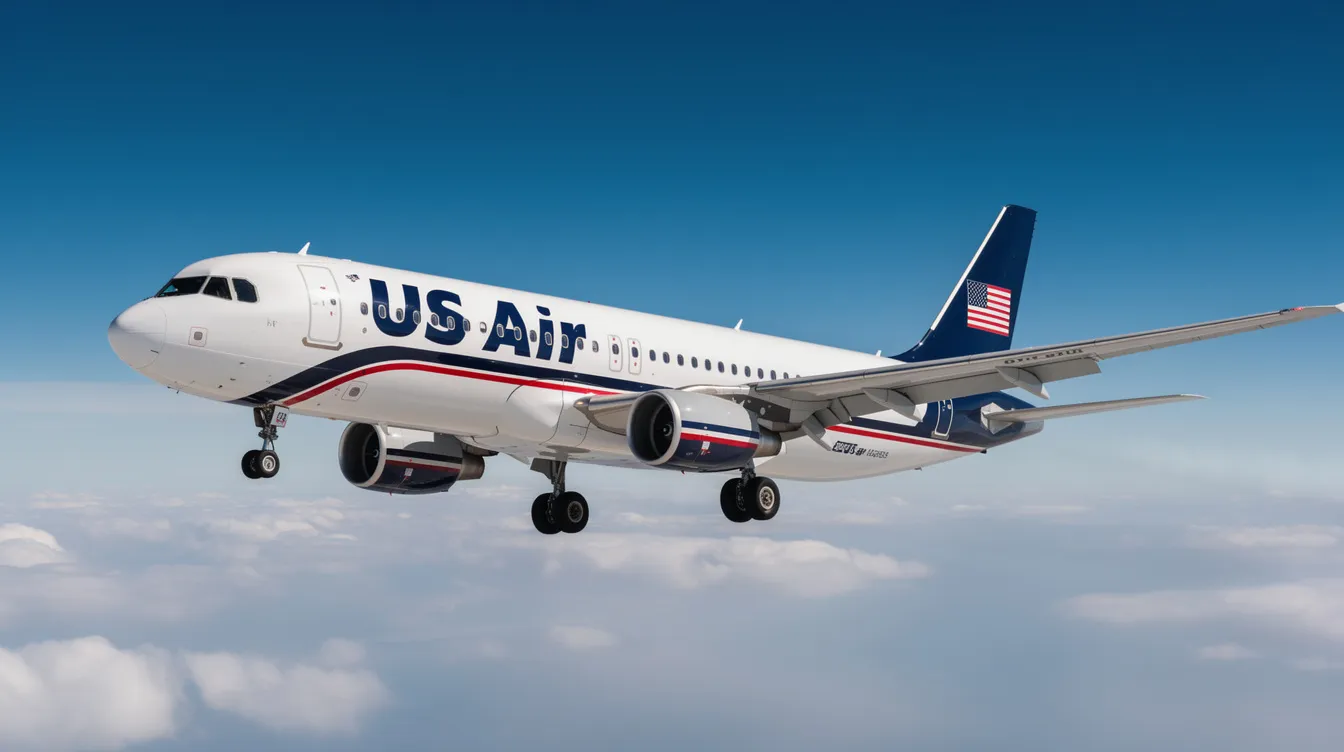
The history of US air disasters highlights both tragedy and the evolution of aviation safety. Major incidents have led to significant regulatory reforms, improving maintenance practices, pilot training, and aircraft design. This article explores key disasters, their causes, and the lessons learned that have shaped modern aviation safety standards.
Jay Franco Serevilla
Nov 8, 2026
|
5
min read


View all
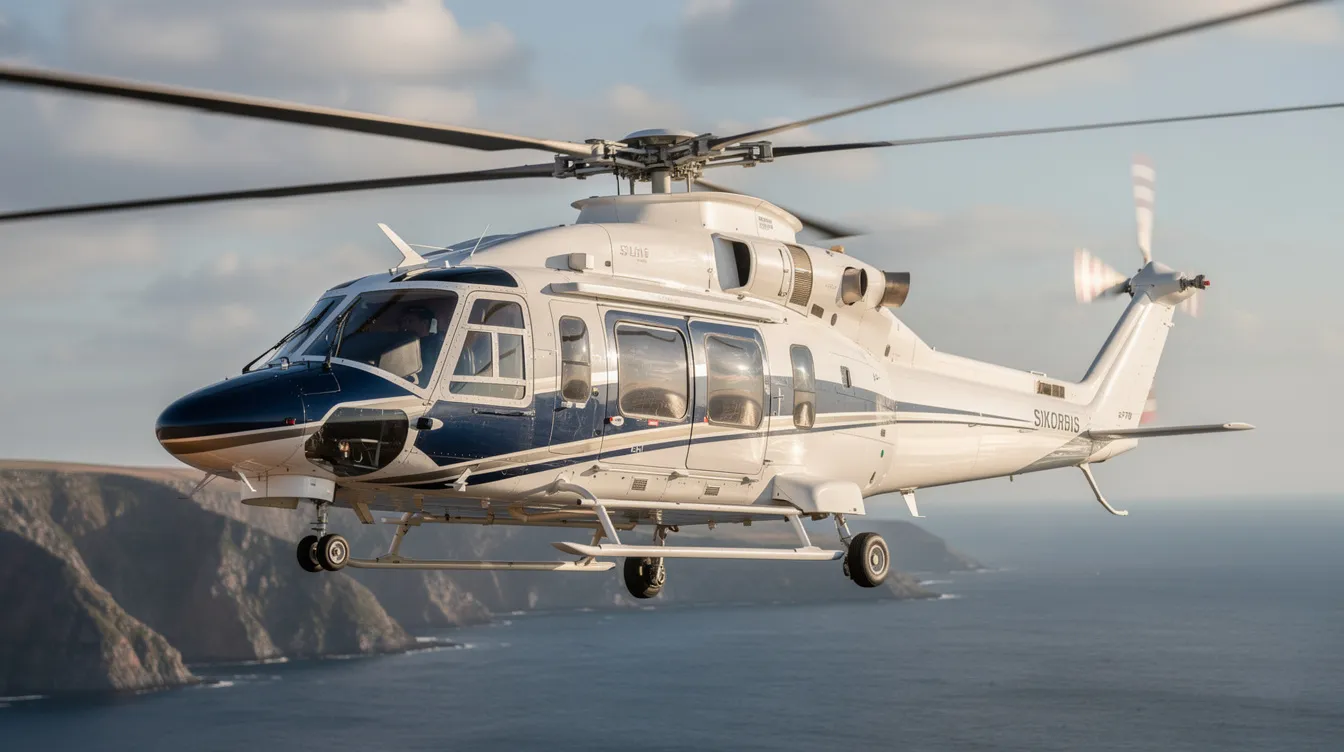
The Sikorsky S-76C is a versatile medium twin-engine helicopter known for its reliability and performance in various roles, including offshore oil transport, air ambulance, and VIP services. With a comfortable cabin and advanced technology, it remains a top choice for charter clients seeking efficiency and safety. This guide provides insights into its specifications, mission profiles, and how to charter through platforms like Jettly.
Jay Franco Serevilla
Aug 2, 2026
|
5
min read
View all
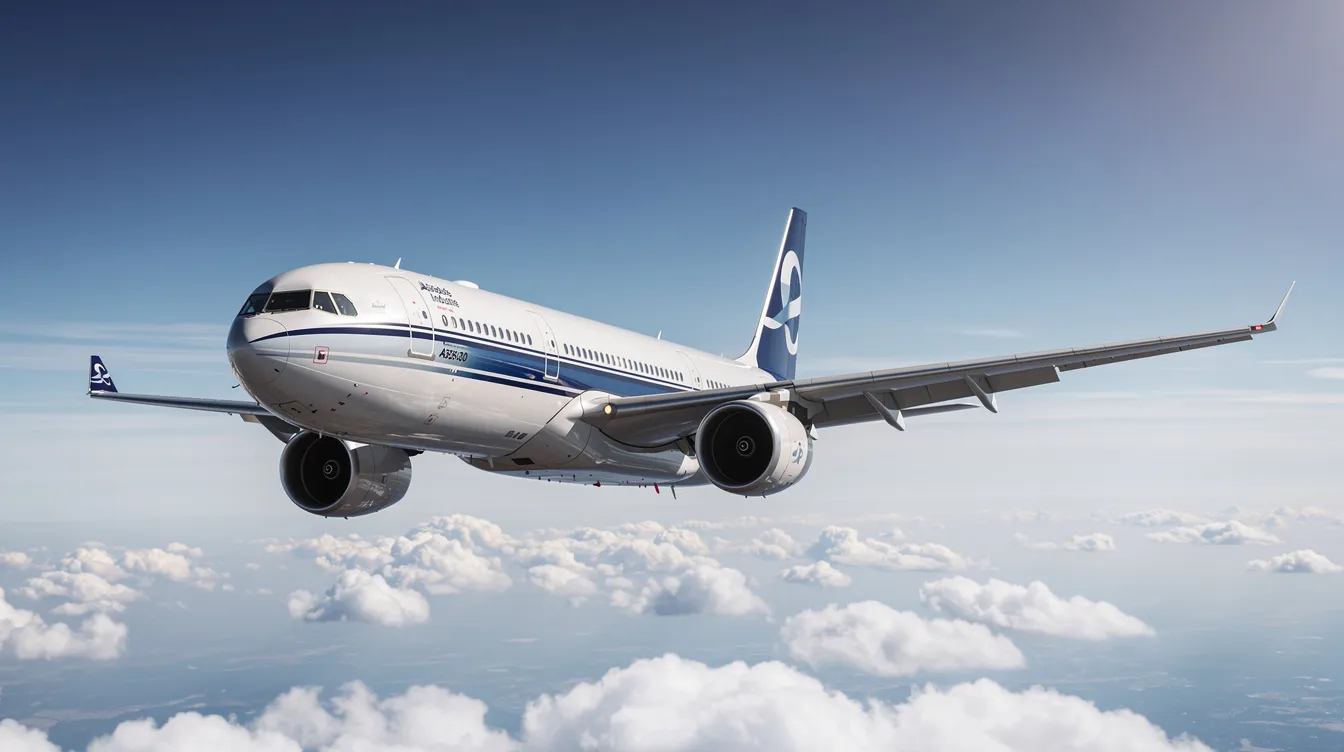
The Airbus A330-300 is a versatile twin-engine wide-body airliner, accommodating 250-300 passengers with a range of 9,000 to 11,750 km. Known for its fuel efficiency and reliability, it serves both commercial and charter markets, making it ideal for large groups and long-haul flights. This article explores its specifications, seat maps, and charter insights, providing valuable information for travelers and planners alike.
Jay Franco Serevilla
Aug 2, 2026
|
5
min read
View all
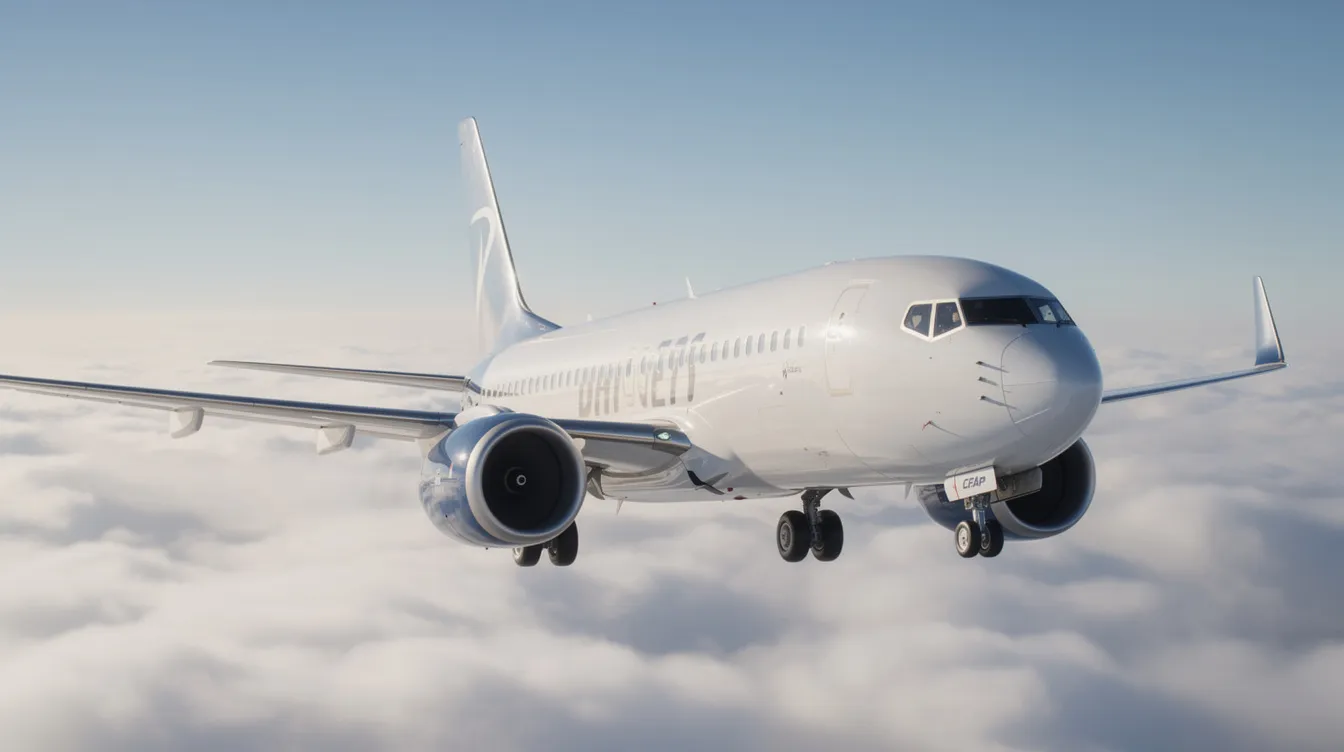
The Boeing 737 MAX 8 is a fourth-generation narrow-body airliner known for its fuel efficiency and modern design, but it also carries a troubled safety history due to two fatal crashes. This article delves into its development, safety reforms, and the implications for air travel today, especially in light of the extensive changes made post-grounding. Understanding the MAX 8 is crucial for travelers and aviation enthusiasts alike as it shapes perceptions of aircraft safety.
Jay Franco Serevilla
Aug 2, 2026
|
5
min read
View all
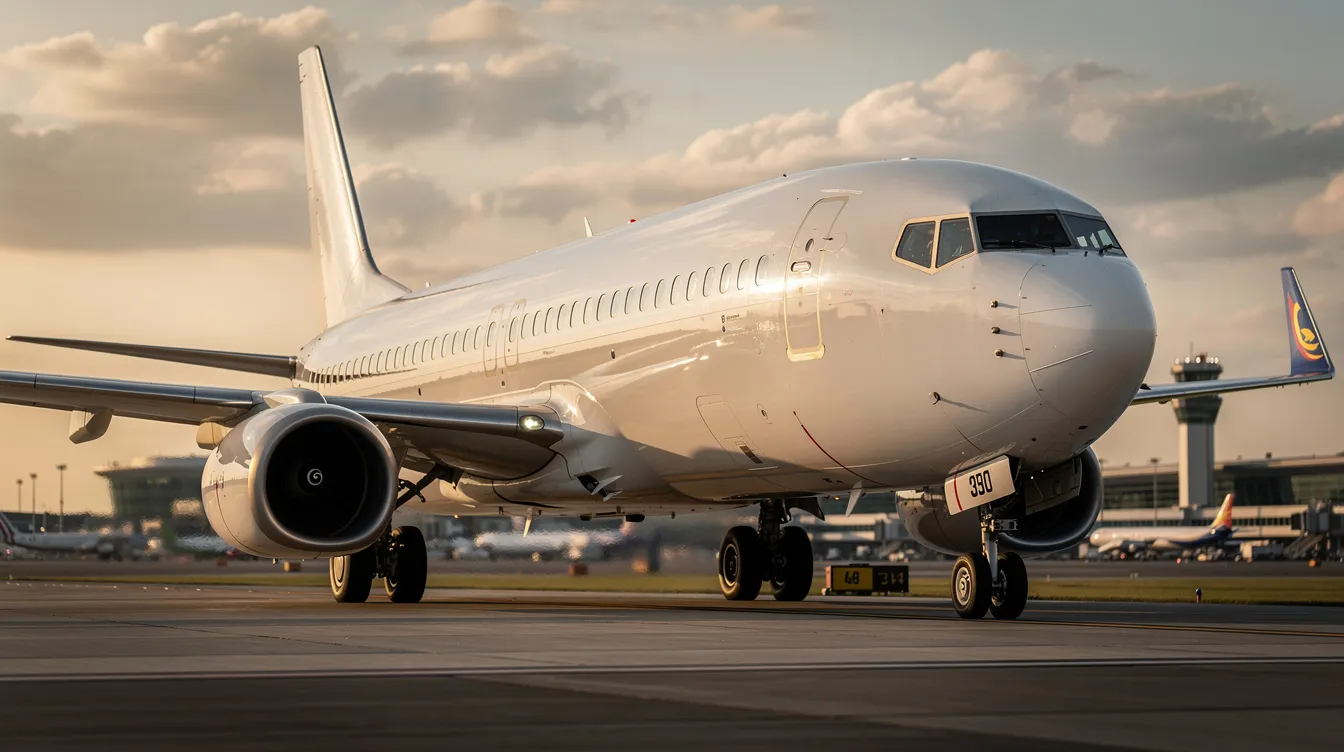
The Boeing 737-800 is a popular narrow-body aircraft known for its versatility in seating configurations, accommodating 160 to 189 passengers. This guide provides insights into the seating layout, cabin sections, and onboard amenities, helping travelers choose the best seats for comfort and convenience. Additionally, it compares commercial flying with private charter options for those seeking more personalized travel experiences.
Jay Franco Serevilla
Aug 2, 2026
|
5
min read
View all
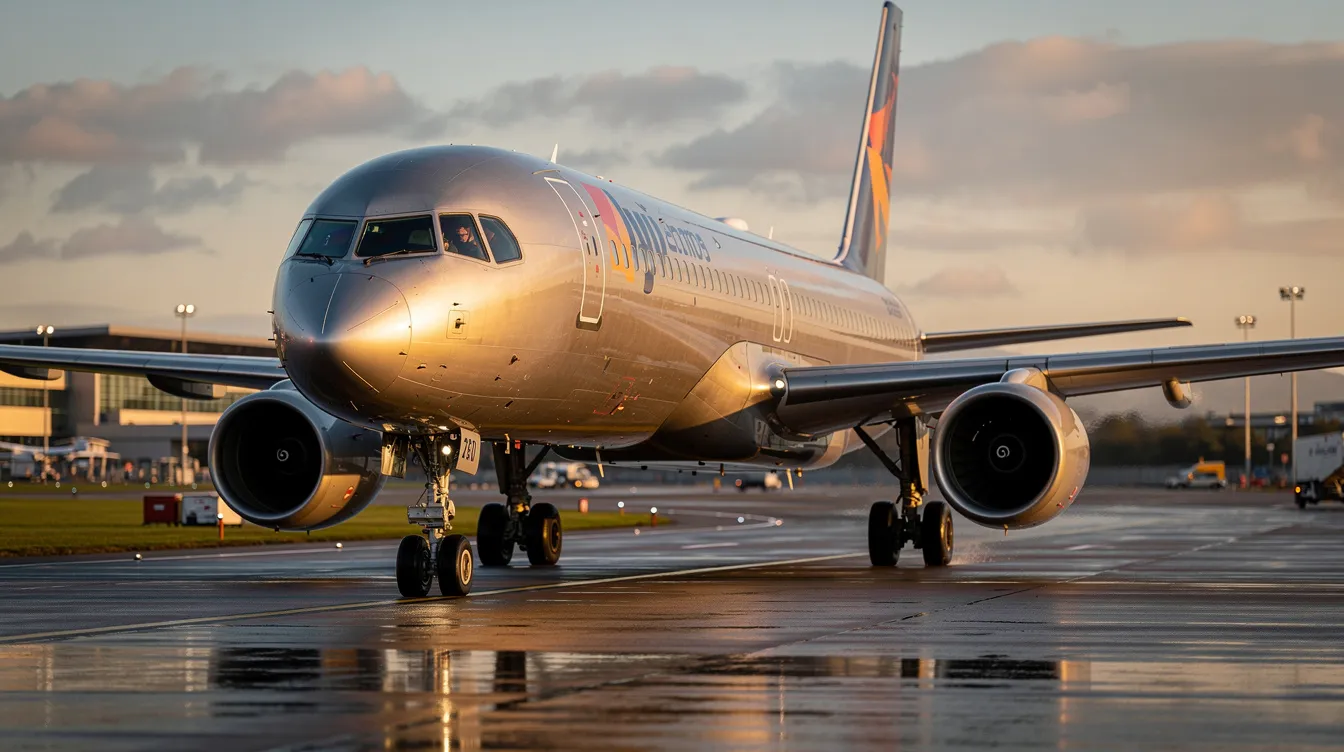
The Boeing 757 remains a relevant aircraft in 2025, with costs ranging from $1.5 million to $10 million for used models and operating expenses between $12,000 and $25,000 per hour. VIP conversions can push total investments over $80 million, making chartering a more viable option for many travelers. Jettly offers flexible access to 757-level capacity without the burdens of ownership.
Jay Franco Serevilla
Aug 2, 2026
|
5
min read
View all
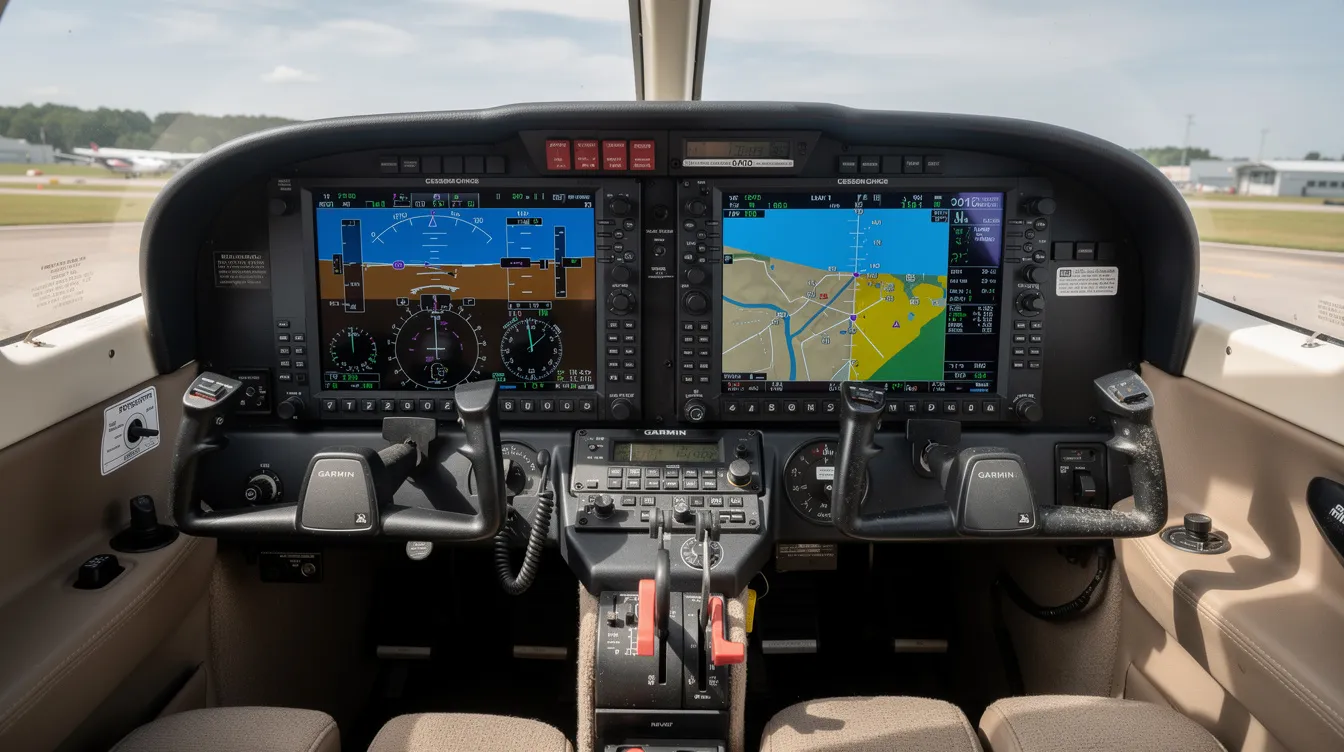
The Cessna G1000, particularly the 172S Skyhawk SP, is a popular choice for buyers seeking modern avionics and reliable performance. This guide provides insights on pricing, key features, and what to consider when purchasing or chartering. With strong demand from flight schools and private owners, understanding the market and aircraft specifics is crucial for making an informed decision.
Jay Franco Serevilla
Aug 2, 2026
|
5
min read
Explore our latest articles and updates.

5
min read
Gulfstream IV Price: Purchase, Charter Rates & Ownership Costs (2026 Guide)
In 2026, pre-owned Gulfstream IV aircraft prices range from approximately US$1.8M to US$5.7M, influenced by factors like age, maintenance status, and avionics upgrades. Charter rates through platforms like Jettly typically cost between US$7,000 and US$10,000+ per flight hour, making chartering more economical than ownership for those flying under 200-250 hours annually. Total annual ownership costs can exceed US$1.5M for operators flying over 200 hours, highlighting the importance of evaluating both acquisition and operational expenses. Jettly offers flexible charter options, allowing users to access Gulfstream IV capabilities without the financial commitment of ownership.
Read More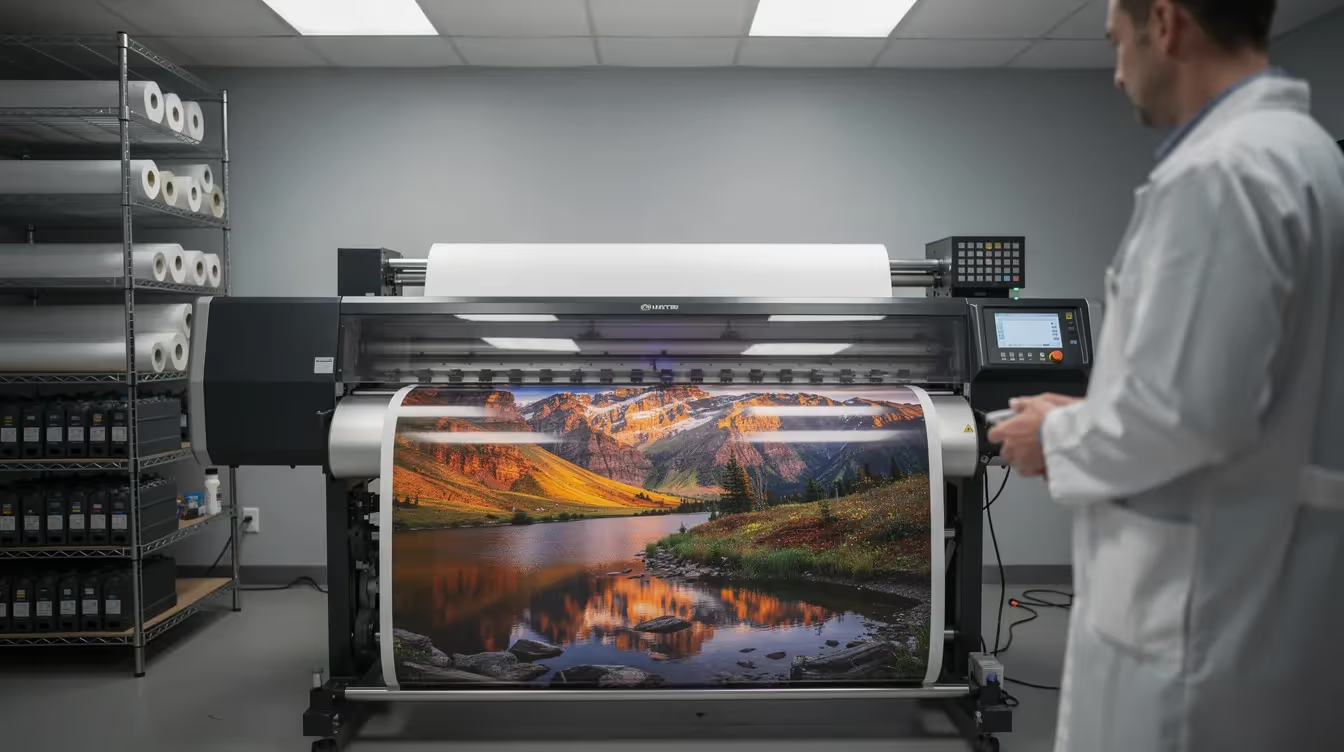
5
min read
Lightjet: A Complete Guide to Laser-Based Photographic Printing
Lightjet printing is a laser-based photographic process that produces high-quality, continuous-tone images on traditional photographic paper using red, green, and blue lasers. While it offers superior color and detail, making it a gold standard for fine art and archival prints, it has largely been replaced by more environmentally friendly digital printing methods like dry lab dye sublimation. Lightjet prints are valued for their longevity and classic photographic appearance, but economic and environmental factors have led to a decline in its use. The article also clarifies the distinction between Lightjet printing and light jets in aviation, emphasizing that they are unrelated fields.
Read MoreJoin our community and receive the latest blog updates directly in your inbox.
MEMBERSHIPS AND ASSOCIATIONS



© 2026 Jettly Inc. All rights reserved.
Disclaimer: Jettly operates as a charter broker, offering access to a global digital jet charter marketplace. Jettly is not a direct air carrier and does not own or operate aircraft. All advertised flights are conducted by third-party air carriers that are fully licensed and hold the appropriate Part 135 or Part 121 certifications issued by the Federal Aviation Administration (FAA) or equivalent regulatory authorities under U.S. or foreign law. Jettly complies fully with the U.S. Department of Transportation's Part 295 and Part 298 Charter Broker regulations. Jettly does not carry additional liability insurance. Passengers are covered by aircraft operator insurance. TICO: 50023770


