


Login
Get Instant Pricing On 23,000+ Aircraft


Southwest Airlines offers rolling flight schedules that are updated periodically, allowing travelers to plan their trips effectively. For those facing delays or cancellations, Jettly provides private jet charter options as a flexible alternative, ensuring timely arrivals. Travelers can check flight statuses using official tools like the Adani OneApp for real-time updates.
Jay Franco Serevilla
Aug 4, 2026
|
5
min read



View all
In 2026, private pilot salaries vary significantly, ranging from $26.50 per hour for entry-level positions to over $150 for experienced captains. Factors influencing pay include aircraft type, certifications, and geographical location. Understanding these dynamics is crucial for aspiring pilots and travelers looking to book private flights.
Jay Franco Serevilla
Jul 20, 2026
|
5
min read

View all
A 16-seat private jet is perfect for groups needing comfort and privacy on long-distance flights. This guide covers top models, features, and charter options available through Jettly, making it easy to find the ideal aircraft for your needs.
Jay Franco Serevilla
Jul 20, 2026
|
5
min read
View all
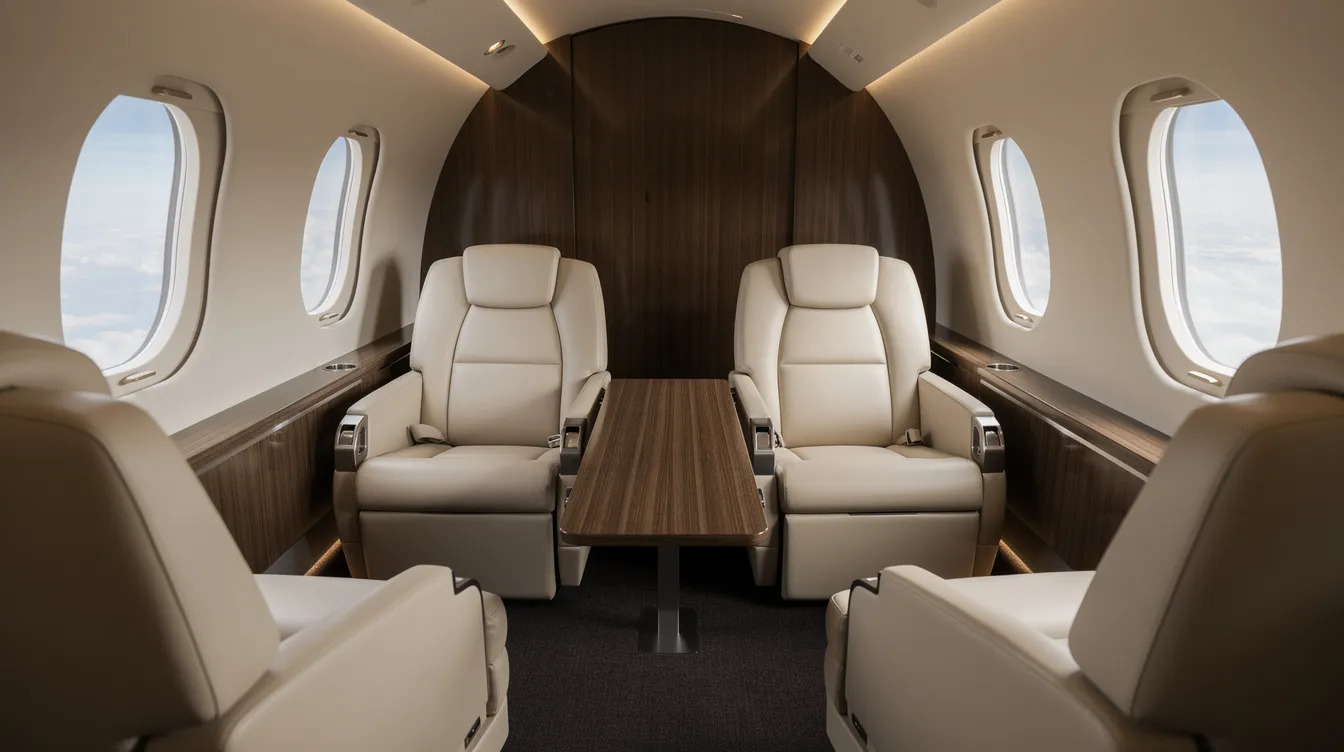
Choosing a 4-passenger private jet is ideal for small groups seeking speed and privacy on short to mid-range trips. This guide explores the best light jets, their performance, costs, and key decision factors for booking in 2026. With options like the Cessna Citation CJ1 and Embraer Phenom 100, travelers can enjoy efficient travel tailored to their needs.
Jay Franco Serevilla
Jul 20, 2026
|
5
min read

View all
The private Boeing 747, particularly the BBJ 747-8, is the largest and most luxurious private jet available, designed for VIPs and governments. With a range of 8,000 nautical miles and lavish amenities, it offers unparalleled comfort but comes with exorbitant ownership and operating costs. For most travelers, chartering smaller, more efficient jets through platforms like Jettly presents a more practical and economical option.
Jay Franco Serevilla
Jul 20, 2026
|
5
min read

View all
Silver Air Private Jets and its Flight Club membership offer a premium experience for frequent flyers, providing consistent service on popular U.S. routes. This article compares Flight Club's structured approach with Jettly's flexible on-demand charter options, helping travelers choose the best fit for their flying habits. Whether seeking reliability or spontaneity, understanding these models can enhance the private jet journey.
Jay Franco Serevilla
Jul 20, 2026
|
5
min read

View all
This comprehensive guide explores various private jet models, detailing their types, uses, and charter options. From very light jets to ultra long range jets, each model serves different travel needs, balancing factors like passenger capacity, range, and cost. Jettly's digital marketplace simplifies the selection process, allowing travelers to choose the best aircraft for their specific missions.
Jay Franco Serevilla
Jul 20, 2026
|
5
min read
Explore our latest articles and updates.

5
min read
Boise Charter Flights with Jettly: Private Jets, Pricing & Top Routes
Boise charter flights with Jettly offer travelers a flexible and efficient way to fly in and out of Idaho's capital. With access to over 20,000 aircraft, Jettly provides personalized scheduling, enhanced privacy, and direct routing to numerous destinations, making it ideal for both business and leisure travel.
Read More
5
min read
Falcon 900EX EASy: Long-Range Comfort with Modern Avionics
The Falcon 900EX EASy is a long-range tri-engine jet by Dassault Aviation, designed for comfort and efficiency. With a maximum range of 4,725 nautical miles and a modern EASy flight deck, it caters to corporate and family travelers alike, offering a spacious cabin and advanced avionics. This guide details its performance, charter options, and how Jettly simplifies the booking process.
Read MoreJoin our community and receive the latest blog updates directly in your inbox.
MEMBERSHIPS AND ASSOCIATIONS



Disclaimer: Jettly operates as a charter broker, offering access to a global digital jet charter marketplace. Jettly is not a direct air carrier and does not own or operate aircraft. All advertised flights are conducted by third-party air carriers that are fully licensed and hold the appropriate Part 135 or Part 121 certifications issued by the Federal Aviation Administration (FAA) or equivalent regulatory authorities under U.S. or foreign law. Jettly complies fully with the U.S. Department of Transportation's Part 295 and Part 298 Charter Broker regulations. Jettly does not carry additional liability insurance. Passengers are covered by aircraft operator insurance. TICO: 50023770


