


Login
Get Instant Pricing On 23,000+ Aircraft

>
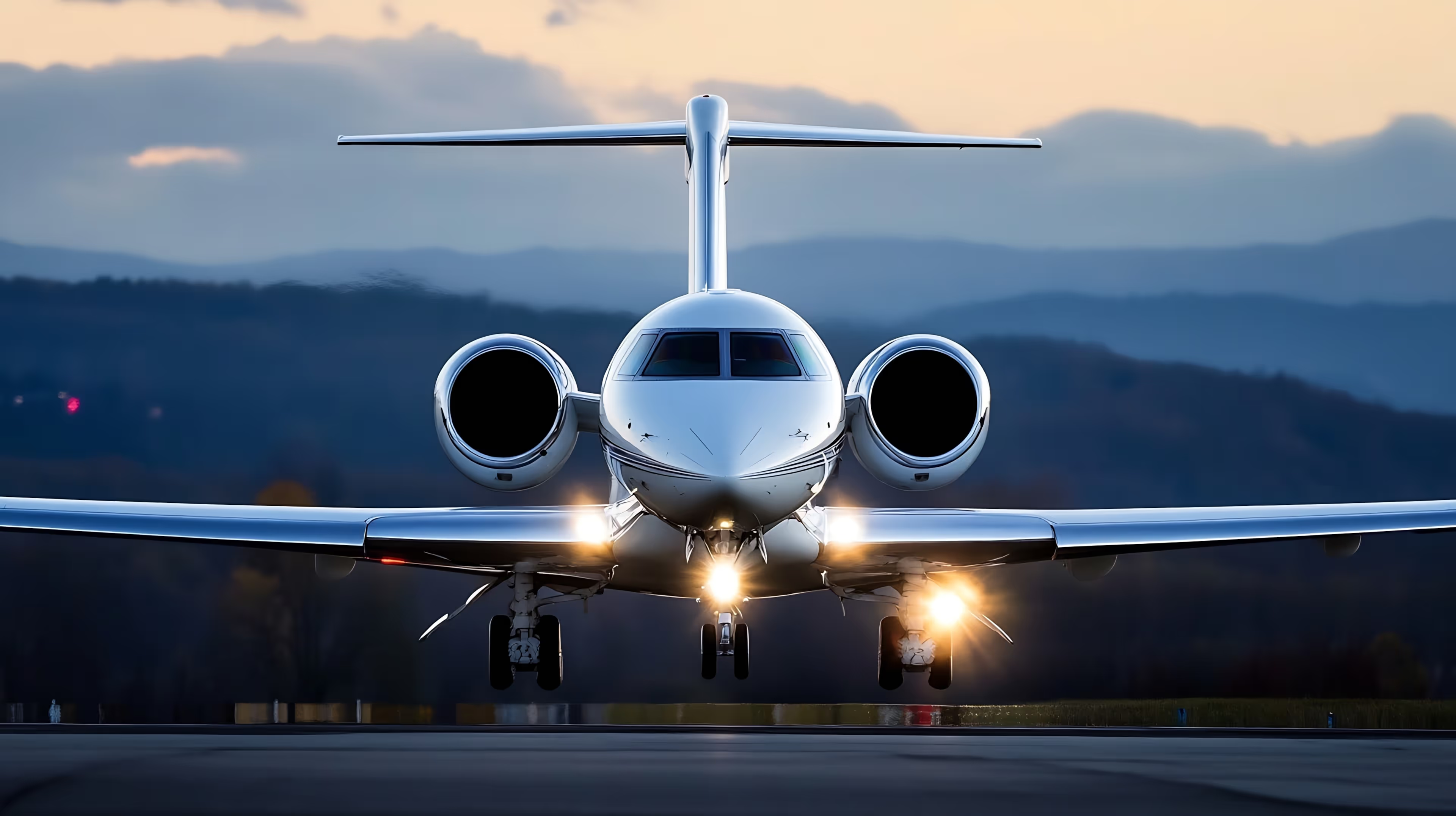
The world of private aviation has reached unprecedented heights of luxury and performance in 2025, with the best private airplanes offering everything from efficient regional travel to palatial flying estates. Whether you’re considering your first aircraft purchase or upgrading to ultra-luxury, understanding the landscape of private jets has never been more critical.
Today’s market spans an extraordinary range - from entry-level light sport aircraft starting at $140,000 to fully customized executive liners exceeding $400 million. This dramatic spectrum reflects the diverse needs of private aviation users, from weekend recreational pilots to heads of state requiring mobile command centers.
The private jet market has evolved significantly since the pioneering Learjet 23 transformed business travel in 1963. The Learjet 23 was the first true business jet, setting the standard for future private aircraft by combining speed, range, and luxury features tailored for executive needs.
Modern aircraft incorporate cutting-edge technology like composite materials for weight reduction, fly-by-wire controls for enhanced safety, and sophisticated cabin management systems that rival luxury hotels, all while maintaining a timeless design in certain iconic models that blend classic aesthetics with contemporary performance.
The sector’s growth has been driven by globalization demands, executive productivity requirements, and recent privacy concerns that have made commercial airlines less appealing to high-profile travelers.
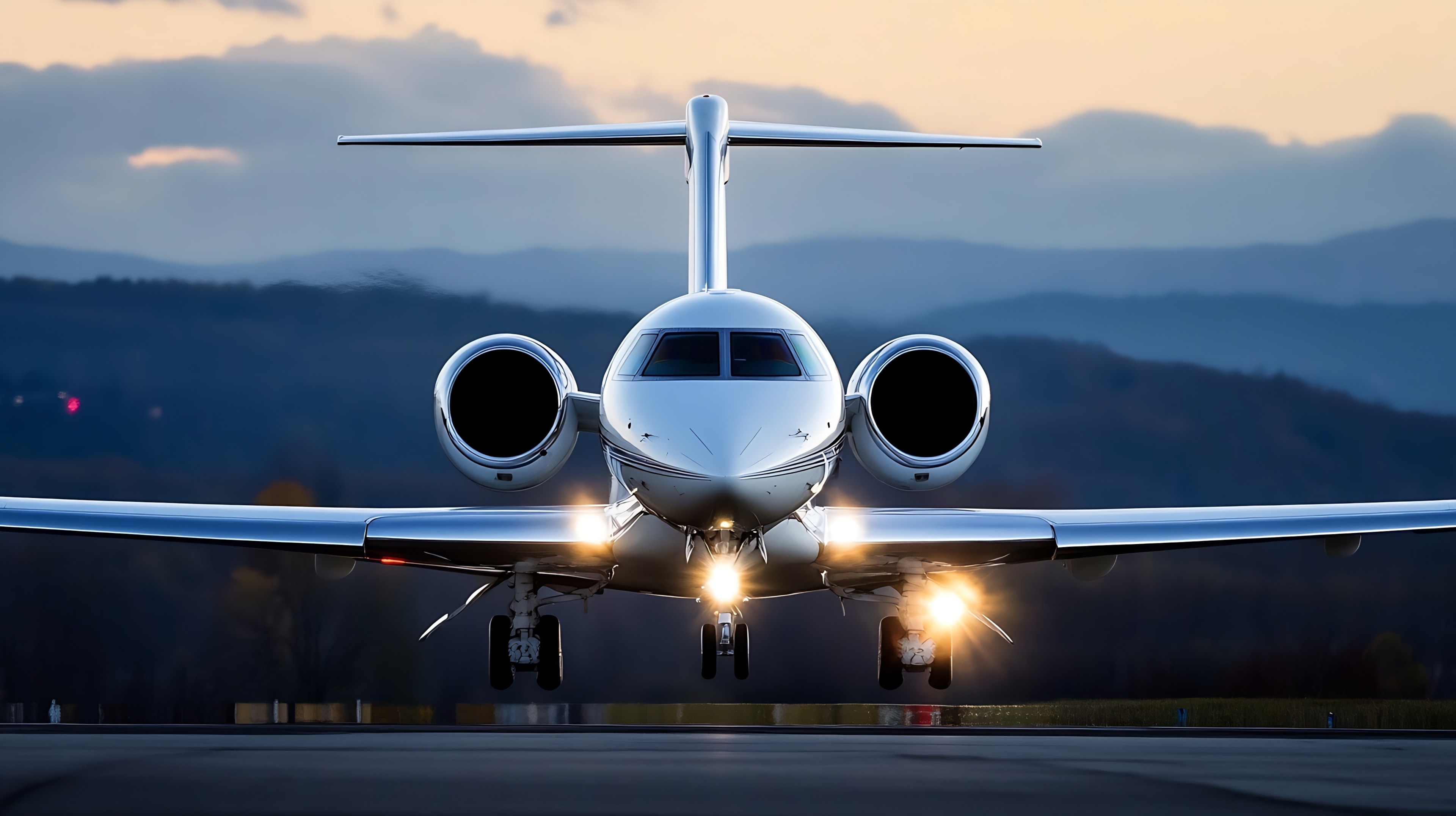
Private jets redefine the travel experience by offering unmatched comfort, flexibility, and convenience for discerning passengers. Unlike commercial airlines, private jets allow travelers to bypass crowded terminals and rigid schedules, providing a seamless journey tailored to individual needs.
With a diverse selection ranging from very light jets designed for up to four passengers to ultra-long range jets capable of intercontinental flights, there is a private jet to suit every mission profile.
Key considerations when choosing a private jet include passenger capacity, cruising speed, and cabin space. Whether you’re flying solo for business or traveling with family and colleagues, private jets offer exceptional comfort and privacy. Advanced safety features, such as the Cirrus airframe parachute system, add peace of mind, while amenities like fully equipped galleys and private lavatories elevate the in-flight experience.
Ultra-long range jets deliver the ability to fly non-stop between distant cities, while light jets and very light jets excel at short hops and accessing smaller airports. No matter the destination, private jets provide a superior alternative to commercial airlines, ensuring every flight is as enjoyable as the destination itself.
The private jet market is filled with models that stand out for their remarkable range, advanced avionics, and luxurious features. Among the most celebrated are the Bombardier Challenger Series, Embraer Phenom Series, and Cessna Citation Latitude. Each of these private jets is engineered to deliver a unique blend of performance, comfort, and style, making them ideal choices for both business and leisure travelers.
The Bombardier Challenger Series sets the standard for super mid-size jets, combining exceptional comfort with advanced features and outstanding performance. With a range of up to 3,200 nautical miles, these jets are designed to fly non-stop for over seven hours, making them an ideal choice for business travel and longer journeys. The spacious cabin is thoughtfully designed with four living spaces, allowing passengers to work, dine, relax, and rest in complete privacy.
A fully equipped galley ensures gourmet meals can be prepared on board, while the advanced features and top speed of 528 mph deliver both efficiency and luxury. The Challenger Series, including the popular Bombardier Challenger 350, is celebrated for its impressive climb rate and reliability, making it a preferred option for those seeking a balance of performance and comfort in a private jet.
The Embraer Phenom Series is a standout in the light jets category, offering a compelling mix of performance, comfort, and innovative features. With a range of up to 2,200 nautical miles, these jets are perfect for short hops and regional travel, allowing passengers to fly non-stop for over five hours. The pressurized cabin provides a spacious and quiet environment, while advanced avionics ensure a smooth and safe flight.
The Embraer Phenom 300, for instance, boasts a cruise speed of 453 mph and can accommodate up to eight passengers, making it an ideal choice for both business and leisure trips. With its generous cabin space and modern amenities, the Phenom Series delivers a premium flying experience in a compact, efficient package.
Cruising speed is a defining factor in private jet performance, directly impacting travel time and overall efficiency. Most private jets achieve a cruise speed between 400 and 600 mph, allowing passengers to reach their destinations quickly and comfortably. For example, the Embraer Phenom 300 offers a cruise speed of 453 mph, while the Cessna Citation Latitude cruises at 446 mph, making both jets excellent choices for business travel where time savings are crucial.
Higher cruising speeds not only reduce flight duration but also enhance productivity and convenience, especially for executives and frequent flyers. However, it’s important to note that increased speed can lead to higher operating costs.
Private jets like the Dassault Falcon 8X strike a perfect balance, offering impressive speed, advanced avionics, and exceptional comfort. With its blend of performance and luxury features, the Falcon 8X is a popular choice among travelers who demand the best in private aviation. Whether your priority is speed, comfort, or advanced technology, today’s private jets deliver a superior flying experience tailored to your needs.

Selecting among the best private airplanes requires understanding how aircraft are categorized and what performance criteria matter most for your specific mission profile. The industry segments aircraft primarily by passenger capacity, range capabilities, and cabin space, with each category serving distinct travel needs.
Aircraft selection criteria focus on several key parameters: cruising speed and range for time efficiency, passenger capacity for group size requirements, cabin space and luxury amenities for comfort, runway requirements for airport accessibility, and operating costs for budget planning. Advanced avionics and safety systems have become standard expectations rather than premium features.
Performance specifications vary dramatically across categories. While very light jets excel at short hops between smaller airports, ultra-long-range jets can fly nonstop from New York to Hong Kong. Understanding these capabilities, such as helicopter range, helps narrow your focus to aircraft that match your typical flight patterns and destination requirements.
Very light jets represent the entry point into turbine-powered private aviation, designed for up to four passengers on flights typically lasting 2-3 hours. These aircraft excel at accessing smaller airports with short runways while providing the efficiency and reliability of jet engines over piston alternatives.
The market leader with over 210 deliveries since 2011, the HondaJet revolutionized very light jet design with its innovative over-the-wing engine mount. This unique configuration reduces cabin noise while freeing up additional space in the pressurized cabin.
With a remarkable range of 1,400 nautical miles and seating for 4-7 passengers, the aircraft offers exceptional fuel efficiency - consuming approximately one-third less fuel than comparable light jets. The HondaJet’s cruise speed of 422 knots and ability to operate from short runways make it an ideal choice for cross-country flying missions. List price starts at approximately $5.4 million.
This Brazilian-built very light jet seats 4-7 passengers with a range of 1,178 nautical miles and a top speed of 390 knots. The Phenom 100 has earned recognition for ruggedness and operational simplicity, making it heavily utilized in charter and fractional fleets. Its spacious cabin, relative to the category, and advanced avionics package provide exceptional comfort for regional business travel.
A pioneer in the very light jet class, the Eclipse 500 offers seats for 4-6 passengers with a 1,125 nautical mile range. While early business challenges affected residual values, the aircraft provides very low hourly operating costs of approximately $800-$1,000 per flight hour, making it cost-effective for frequent short-distance private travel.
HondaJet HA-420
Range: 1,400 nautical miles
Max Speed: 422 knots
Seating: 4-7 passengers
List Price: Approximately $5.4 million
Embraer Phenom 100
Range: 1,178 nautical miles
Max Speed: 390 knots
Seating: 4-7 passengers
List Price: Approximately $4.99 million
Eclipse 500
Range: 1,125 nautical miles
Max Speed: 370 knots
Seating: 4-6 passengers
List Price: Approximately $2 million (used)
Light jets bridge the gap between very light jets and midsize aircraft, typically accommodating 6-8 passengers with enhanced range capabilities of 1,400-2,500 nautical miles. These aircraft represent the sweet spot for many business travel missions, offering standing cabin height and improved amenities while maintaining reasonable operating costs.
Seating up to 8 passengers with a range of approximately 1,500 nautical miles, the Citation CJ2 has earned its reputation as the “workhorse” of light jets. Operating costs range from $1,300-$1,800 per hour, making it popular among small businesses and owner-pilots. The Citation series’s renowned reliability and extensive service network provide confidence for operators worldwide.
The market’s best-selling light jet for multiple consecutive years, the Phenom 300 offers a maximum range of 1,971 nautical miles with seating for 6-9 passengers. Its 2,300-foot landing distance capability opens access to smaller airports while maintaining impressive speed and fuel efficiency. The aircraft features a modern, spacious cabin with significant luggage capacity, contributing to strong resale values in the used market.
Though no longer in production, this classic French jet remains symbolic of European luxury design and engineering excellence. Accommodating 4-8 passengers with a 1,500 nautical mile range, the Falcon 10 is renowned for its performance capabilities and stylish interiors, maintaining popularity in legacy corporate fleets.
Midsize private jets typically seat 8-10 passengers with ranges exceeding 2,200 nautical miles, enabling transcontinental United States flights with full passenger loads. These aircraft feature standing cabins, enclosed lavatories, and enhanced amenities that bridge the gap between light jets and heavy aircraft categories.
This luxury aircraft accommodates 10 passengers with a 3,600 nautical mile range, featuring bespoke interiors that include lounge areas, a fully equipped galley, and lie-flat seating options. Large windows and advanced air filtration systems enhance passenger comfort during longer missions. The G280’s crew rest options support extended flight operations, making it suitable for international business travel.
Unique in its category for featuring a flat floor cabin with 6-foot standing height, the Citation Latitude offers 2,700 nautical miles of range while typically seating 9 passengers. The aircraft’s exceptional comfort has made it a favorite among Fortune 500 companies, with advanced features including synthetic vision technology and automated flight systems that reduce pilot workload.
Valued for its impressive speed of 465 knots and range exceeding 2,400 nautical miles, the Learjet 60 features a flat-floor cabin accommodating 6-8 passengers. Though Bombardier discontinued the Learjet line in 2021, existing aircraft maintain strong followings due to their legacy of reliability and advanced avionics capabilities.
Super mid-size jets represent a crucial bridge between mid-size and heavy aircraft, offering enhanced passenger capacity of 8-12 travelers with ranges approaching 3,000-3,500 nautical miles. These aircraft often feature multiple cabin zones and amenities approaching those found in larger jets while maintaining more manageable operating costs.
Featuring the widest cabin in its class, the Challenger 350 incorporates Bombardier’s patented Nuage seat system for ergonomic comfort during long flights. With a 3,200 nautical mile range and seating for up to 10 passengers, the aircraft offers whisper-quiet interiors and significant luggage compartment space. The Challenger’s advanced flight deck reduces pilot workload while enhancing safety margins.
This aircraft provides a 3,200 nautical mile range with enhanced Garmin avionics and a 9-passenger cabin configuration. The Citation Sovereign features upgraded soundproofing technology and maintains Cessna’s reputation for reliability while offering runway flexibility that enables access to shorter airfields than many competitors.
With a 3,400 nautical mile range accommodating up to 10 passengers, the G200 features an enclosed lavatory and fully equipped galley suitable for 6-7 hour flights. The aircraft’s low cabin altitude technology reduces passenger fatigue on longer missions, while its performance capabilities enable efficient operations into high-altitude airports.
Heavy jets accommodate 10-16+ passengers with ranges exceeding 4,000 nautical miles, providing genuine non-stop international capabilities with multiple living spaces and luxury amenities. These aircraft often feature divisional cabin layouts with separate areas for work, dining, and rest.
With a 5,200 nautical mile range accommodating up to 19 passengers, the G500 features a 41-foot cabin with advanced fly-by-wire systems and an Enhanced Flight Vision System (EFVS) for operations in challenging weather conditions. The aircraft offers configurable layouts including staterooms and dining room areas, with custom mood lighting and state-of-the-art connectivity systems. List prices exceed $50 million before customization.
This aircraft provides a 5,900 nautical mile range with seating for 16 passengers across three distinct cabin zones. The Global 5500 features 13% better fuel efficiency than earlier Global models while incorporating innovative lighting and wellness systems. The Nuage seating throughout ensures passenger comfort during extended flights, with pricing in the $50 million range.
One of the most robust tri-jet platforms available, the Falcon 900 offers a 4,750 nautical mile range with cabin configurations for up to 12 passengers. The aircraft often includes sleeping berths and large lavatories, with its three-engine configuration providing enhanced safety margins for oceanic and remote operations.
Ultra-long-range jets represent the pinnacle of private aviation performance, offering ranges of 6,000+ nautical miles with seating for 14-19 passengers in luxury configurations that rival high-end hotels. These aircraft enable non-stop flights between virtually any city pairs worldwide. Ultra-long-range jets are also capable of flying at higher altitudes, allowing them to avoid most weather disturbances and optimize fuel efficiency on long-haul routes.
Leading the category with a 7,700 nautical mile range enabling non-stop flights from New York to Hong Kong, the Global 7500 features four living spaces, including a master suite with real shower capabilities. Accommodating 14-19 passengers, the aircraft incorporates advanced air filtration and noise reduction systems. With pricing around $75 million, the Global 7500 sets new standards for ultra-long range performance and luxury.
Featuring a 7,500 nautical mile range with the revolutionary Symmetry Flight Deck incorporating active control side sticks, the G700 accommodates up to 19 passengers with up to 20 panoramic windows. The aircraft debuts with stunning interior options, including circadian lighting systems and large “great room” configurations that maximize social spaces. The Gulfstream G700 promises unparalleled luxury combined with state-of-the-art technology.
With a 6,450 nautical mile range accommodating 16 passengers, the Falcon 8X maintains the fuel efficiency advantages of tri-jet configuration while offering completely customizable cabin layouts ranging from boardroom configurations to luxury bedroom suites.
Executive liners represent converted commercial airliners offering unlimited customization possibilities with palatial living spaces that can accommodate dozens of passengers in luxury hotel-like environments. These aircraft cater to heads of state, royal families, and ultra-high-net-worth individuals who require mobile estates. The largest and most expensive private jets typically come with unique amenities curated to the desires of their owners.
Costing $230-$400 million before customization, the 747 8 BBJ offers over 4,786 square feet of cabin space. Typical configurations feature bespoke meeting rooms, multiple bedrooms, spa-like bathrooms, and even gymnasium facilities. The aircraft’s four-engine configuration provides global range capabilities with maximum payload flexibility. Among the world's most expensive jets, the Boeing 747-8 is dubbed a 'flying mansion.' The Airbus A319 has been reported to feature a lavish master bedroom suite and a sky bar.
Providing over 1,000 square feet of usable cabin space, the A330neo features layouts mimicking luxury apartments and boutique hotels. Pricing often exceeds $250 million with full custom equipment, including features like wine cellars, multiple kitchens, and staff quarters. The aircraft’s modern systems provide exceptional fuel efficiency for its size category.
The newest widebody platform features full composite fuselage construction with lower cabin altitude and advanced humidity controls. Customizable for 40-60 guests with master suites, gyms, and multiple lounge areas, the 787’s advanced systems provide exceptional passenger comfort during ultra-long flights.
The Embraer Lineage 1000E stands out for its luxurious, spacious interior and is often described as a 'flying residence.' Designed for long-term comfort, this high-end private jet features home-like amenities such as a master bedroom, a walk-in shower, and a large living area, making it ideal for those seeking a comfortable, residential experience in the sky.
The ultimate executive aircraft, currently based on a modified Boeing 747-200B platform with future upgrades planned to the 747-8 configuration. Features include hardened communications equipment, missile countermeasures, unlimited global range via aerial refueling, and a complete medical suite with surgical capabilities. The Boeing 747-200B has a 4,000 sq. ft. interior with a conference room, private master bedroom, and expansive office space.
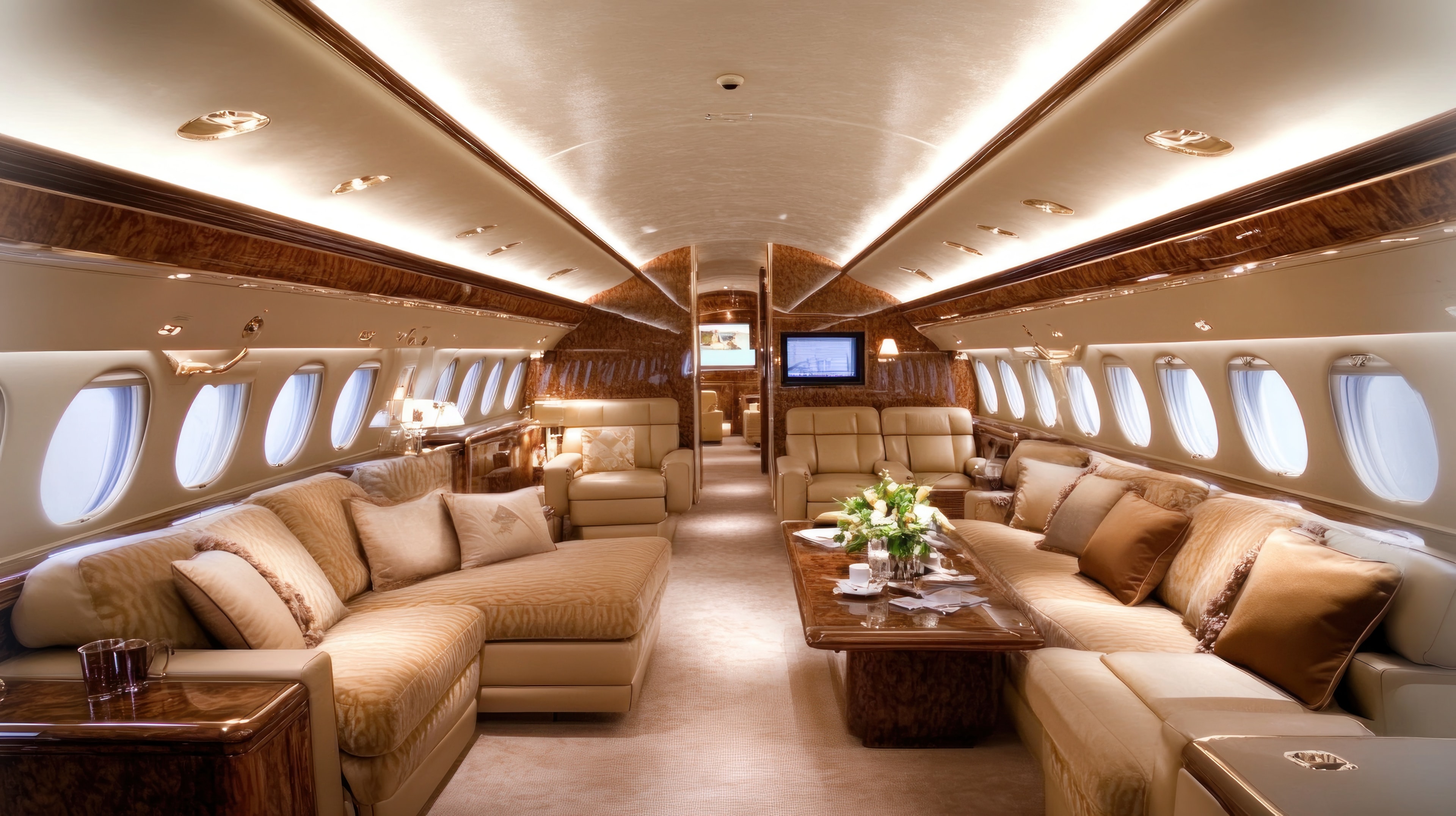
The best private airplanes distinguish themselves through exceptional interior customization possibilities that transform aircraft cabins into personalized luxury environments. Modern private jets offer amenities and finishes that rival or exceed those found in five-star hotels and luxury yachts, with customization options limited primarily by weight constraints and imagination.
Premium private aviation has evolved far beyond simple transportation, becoming a statement of personal style and business capability.
Modern large-cabin aircraft feature full-sized master bedrooms with queen or king beds, walk-in closets, and en suite shower facilities that rival luxury hotel accommodations. Multiple enclosed living areas provide dedicated spaces for dining, entertainment, business meetings, and private relaxation, with some executive liners featuring guest bedrooms that accommodate overnight stays for extended trips.
The transformation of aircraft cabins into luxury hotel-like environments represents one of the most significant trends in private aviation. Heavy jets and executive liners now routinely feature four living spaces, including master suites, conference areas, lounges, and dining rooms, each with independent climate control and entertainment systems.
Ultra-long-range jets like the Bombardier Global 7500 and Gulfstream G700 offer unprecedented space utilization with configurations that maximize both privacy and social interaction areas. These aircraft feature retractable walls, convertible furniture systems, and modular layouts that adapt to different mission requirements throughout a single flight.
The finest private aircraft feature gold and crystal bathroom fixtures, floor-to-ceiling mirrors, and premium materials sourced from luxury brands like Hermès and Loro Piana. Cashmere seating fabrics, handcrafted leather appointments, and rare wood veneers create environments that reflect the highest levels of craftsmanship and attention to detail.
Custom-built furniture featuring inlays, branded finishes, and monogrammed accoutrements are standard in celebrity and royal aircraft. Some owners incorporate heated stone floors, humidity controls for valuable artwork, and even climate-controlled wine storage that maintains optimal conditions during flight.
The most expensive private jets often feature materials and finishes that cost more than entire light jets, with some custom interiors requiring dedicated artisans and months of installation time. These investments reflect not just luxury preferences but also the importance of creating productive and comfortable environments for high-level business activities.
Full-service bars staffed by professional bartenders and extensive wine cellars enable sophisticated entertaining at altitude. Gourmet kitchens with professional chefs provide Michelin-level dining experiences, while full-size lavatories with showers and sometimes bathtubs offer spa-like refreshment during long flights.
Some executive liners feature onboard gyms, entertainment systems rivaling private cinemas, and electronically dimmable windows that provide precise light control. Satellite Wi-Fi connectivity and full smart home integration enable seamless communication and work productivity throughout flights.
The most advanced aircraft incorporate biometric access systems, voice control capabilities, and circadian lighting systems that help reduce jet lag by gradually adjusting cabin environments to destination time zones. These technological amenities enhance both comfort and health during extended travel.
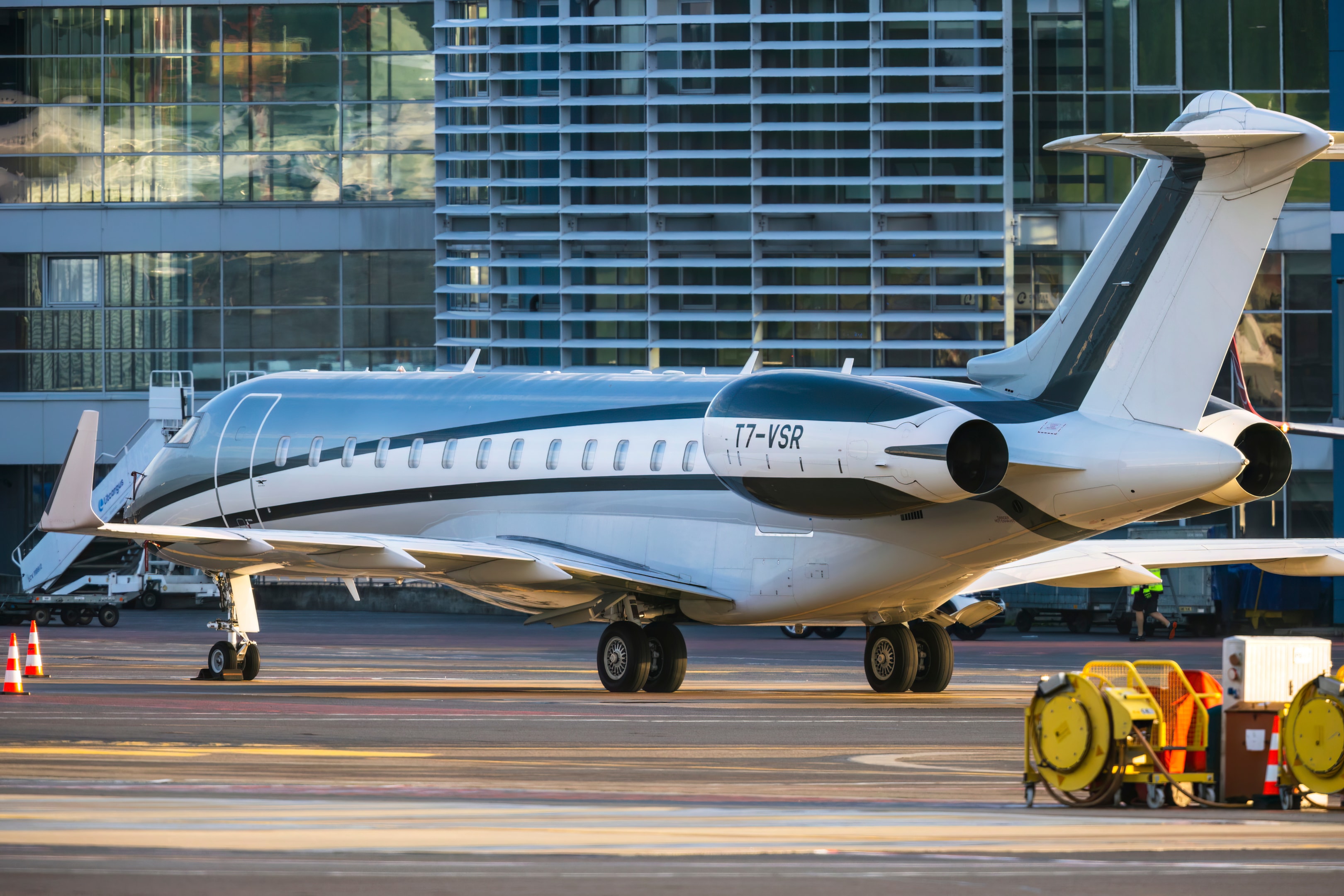
Understanding the true cost of aircraft ownership extends far beyond purchase prices, with operating expenses, maintenance requirements, and crew costs significantly impacting the total investment required for private aviation. The best private airplanes command premium prices that reflect their performance capabilities, luxury appointments, and ongoing support requirements.
Purchase prices vary dramatically across aircraft categories, from entry-level certified aircraft starting around $140,000 to ultra-luxury executive liners exceeding $400 million with full customization. However, the initial acquisition cost represents only the beginning of private aircraft ownership expenses.
Very light jets start at approximately $4.5 million for new production models, though entry-level certified aircraft like the Texas Aircraft Colt or Cessna 182 can be found starting around $140,000-$575,000. These entry-level aircraft typically feature piston engines rather than jet propulsion but provide an accessible introduction to private aviation ownership. The Cessna 206 Turbo Stationair HD can seat six adults and has a useful load of approximately 1,441 lbs. The Cessna 172 Skyhawk is the most popular training airplane in the world and is considered one of the easiest airplanes to fly for beginners.
Light to midsize jets range from $6 million to $15 million for new production, with popular models like the Embraer Phenom 300 priced around $9.65 million and the Cessna Citation Latitude approaching $18 million.
Used aircraft in excellent condition can provide significant value, with models like the Cirrus SR22T and Beechcraft G36 Bonanza selling for $390,000-$920,000. The Cirrus SR22T has been the best-selling personal aircraft every year since 2003. The Beechcraft G36 Bonanza has been in continuous production longer than any other aircraft in history. The Cessna 182 Skylane has much more carrying capacity and performance than the Cessna 172.
Heavy jets command prices from $45 million to $75 million for new production, with premium models like the Gulfstream G650ER maintaining aftermarket values around $70 million. The Gulfstream G650ER is initially priced around $95 million before customizations. Pre-owned heavy jets vary greatly depending on age, condition, and pedigree, with some older models available for significantly less than new production.
Executive liners represent the highest price category, with base aircraft costing $230-$400 million before any customization. Full custom interior installations can add $100-$250 million or more, depending on the complexity of layouts, materials selected, and regulatory compliance requirements for different operating jurisdictions.
Very light jets and light jets typically incur annual operating costs of $600,000-$1.5 million, with hourly costs ranging from $1,000-$2,500. These aircraft usually require only one pilot for operations, though larger light jets may mandate two pilots depending on insurance requirements and operational complexity.
Midsize aircraft generate annual costs of $1.8-$3 million with hourly rates of $2,000-$3,800. These aircraft require two pilots for all operations and may include a flight attendant for enhanced service levels. Maintenance costs increase significantly due to more complex systems and larger engines.
Super midsize and heavy jets incur annual costs of $3.5-$8 million with hourly rates ranging from $4,000-$8,000. These aircraft require crews of 3-4 professionals, including pilots and flight attendants, with insurance costs potentially reaching $150,000 annually. Engine reserve funds of $300-$700 per hour help prepare for major maintenance events.
Executive liners command the highest operating costs at $10-$20 million annually, with hourly block times reaching $14,000-$20,000. Major expense categories include crew salaries, hangar costs, security requirements, regulatory compliance, and especially interior and cabin system maintenance that requires specialized technicians.
Private aviation access has evolved beyond traditional full ownership to include flexible alternatives that reduce capital requirements while maintaining many benefits of aircraft access. Understanding these options helps prospective users select the most appropriate approach based on flight frequency, budget constraints, and operational preferences.
Modern ownership structures address the reality that many potential users may not require the full capacity utilization that justifies complete aircraft ownership. Fractional programs, charter services, and jet cards provide alternative access methods that can deliver private aviation benefits with different cost structures and commitment levels.
Full ownership provides ultimate flexibility and customization possibilities, enabling owners to modify aircraft interiors, select crew members, and maintain complete control over scheduling and operations. This approach works best for frequent flyers who can justify the substantial upfront investment and ongoing operational expenses.
Ownership responsibilities include asset depreciation, administrative management, regulatory compliance, and operational oversight that requires either dedicated staff or professional management company services. However, owners benefit from guaranteed availability, complete privacy, and the ability to generate charter revenue when the aircraft would otherwise sit unused.
[Fractional ownership programs offered by companies like NetJets, Flexjet, and PlaneSense](https://jettly.com/post/best-fractional-jet-ownership-companies) enable buyers to purchase shares as small as 1/16th of an aircraft for guaranteed access with significantly reduced capital requirements. Initial investments typically range from $350,000-$1.5 million plus monthly management fees and hourly rates.
Shareholders select from diverse fleets ranging from very light jets to heavy aircraft, with some programs offering the flexibility to trade up or down based on specific trip requirements. Revenue-sharing arrangements may provide financial benefits when other owners utilize the shared aircraft.
Charter services provide the most flexible access to private aviation without any ownership commitments or upfront investments. On-demand rental through brokers like Jettly and VistaJet offers access to massive fleets ranging from HondaJets to Gulfstream G700s and even executive liners. Chartering is often seen as a go-to choice for those seeking luxury private jet experiences without the commitment of ownership.
Hourly charter rates range from approximately $2,000 for light jets to $18,000 for ultra-long-range aircraft, with pricing varying based on aircraft availability, routing efficiency, and seasonal demand. Charter works best for infrequent users requiring fewer than 50 flight hours annually.
Selecting among the best private airplanes requires careful assessment of mission requirements, budget constraints, and operational preferences that align aircraft capabilities with actual usage patterns. Many first-time buyers focus excessively on specifications rather than practical considerations that affect day-to-day operations and long-term satisfaction.
Passenger capacity represents the primary selection criterion, with most private aviation missions accommodating 2-4 passengers in very light jets or 8-10 passengers in midsize and heavy aircraft categories, while helicopter passenger capacity differs according to model and mission. Larger groups requiring business meetings or family travel may necessitate heavy jets or executive liners with multiple living spaces.
Range requirements determine aircraft category more than any other factor, with domestic travel often handled effectively by super midsize aircraft while intercontinental missions demand the capabilities of Bombardier Global, Gulfstream, or Dassault flagship models. Overestimating range needs can result in significantly higher acquisition and operating costs.
Budget considerations must encompass both acquisition costs and recurring operational expenses, including depreciation rates and potential tax implications. Many buyers underestimate ongoing costs that can exceed 10% of acquisition cost annually, depending on utilization levels and aircraft complexity.
Cruising speed directly affects total travel time and productivity benefits that justify private aviation costs. Modern jets typically cruise at Mach 0.9+ while providing superior fuel economy compared to previous generations, though speed advantages must be balanced against acquisition and operating cost premiums.
Maximum payload capabilities determine passenger and luggage capacity on longer flights, with some aircraft unable to carry full passenger loads with maximum fuel. Understanding these trade-offs prevents disappointment when planning actual missions with full passenger capacity.
Runway requirements affect destination accessibility, with smaller airports often unable to accommodate larger jets like the Gulfstream G700 or Boeing BBJ. Advanced avionics, including synthetic vision, heads-up displays, and auto-throttle systems, improve safety margins and reduce weather-related delays.
Certified light sport aircraft like the Texas Aircraft Colt start around $140,000, but typical entry to the used very light jet market begins around $1-2 million. Operationally, piston twins offer the lowest costs at $250-400 per hour, though jet engines provide better reliability and weather capabilities. The Texas Aircraft Colt is a light sport aircraft popular among recreational pilots. The CubCrafters CarbonCub SS is well-regarded as the premier bush plane on the market today.
Annual costs typically equal 10% or more of acquisition cost, scaling with aircraft size and complexity. This includes insurance, hangar fees, crew salaries, maintenance reserves, and avionics upgrades that maintain operational capabilities and regulatory compliance.
Fractional ownership suits users flying 50-200 hours annually, charter works best for less than 50 hours yearly, and full ownership only becomes cost-effective beyond 250+ hours annually or for those requiring extensive customization options.
The Citation series dominates for reliability, the Phenom 300 leads for operating economy, while the Gulfstream G650/G700 and Bombardier Global 7500 serve C-suite executives requiring ultra-long range capabilities and maximum luxury amenities.
The Bombardier Global 7500, Gulfstream G700/650ER, and Dassault Falcon 8X provide the range and comfort necessary for intercontinental missions. These ultra-long-range jets feature en-suite shower facilities, multiple living spaces, and advanced air filtration systems for extended flights.
Premium aircraft typically include en suite showers, satellite Wi-Fi, multi-zone climate control, dedicated crew rest areas, gourmet kitchens, circadian lighting systems, and advanced air filtration. Heavy jets and executive liners may add gyms, wine cellars, and spa facilities.
Full custom installations on heavy jets and executive liners can cost $20-$100 million, depending on materials, technology integration, and regulatory compliance requirements. Executive airliners serving heads of state may require even higher investments for security and communications equipment.
Choosing the best private airplanes in 2025 means balancing performance, luxury, and operational needs to find the perfect fit for your unique travel requirements. From very light jets ideal for short hops and smaller airports to ultra-long-range executive liners that redefine airborne luxury, the private aviation market offers unparalleled options for every traveler. Whether prioritizing passenger capacity, cruising speed, cabin space, or advanced features like fully equipped galleys and en suite showers, today's private jets deliver exceptional comfort and convenience far beyond what commercial airlines can offer.
For those considering ownership, fractional programs and charter services provide flexible alternatives that make private jet access more attainable and tailored to your lifestyle. Companies like Jettly specialize in connecting travelers with a diverse fleet of private jets, offering seamless booking experiences and expert guidance to ensure your flight plan meets your expectations.
As private aviation continues to evolve with cutting-edge technology and bespoke interiors, the sky truly is the limit for luxury, efficiency, and personalized travel. Explore the possibilities with Jettly and experience the freedom and sophistication that only the best private airplanes can provide.
Share this post:
Jay Franco Serevilla
Aug 21, 2025
|
5
min read
Discover tips and trends in the industry.
5
min read
Best Time to Buy International Airline Tickets to Europe
Finding the best time to buy international airline tickets to Europe can save travelers hundreds of dollars. Booking 3 to 7 months in advance typically yields the best prices, especially during shoulder seasons. This guide offers insights on timing, fare tracking, and alternative airports to maximize savings and flexibility.
Read More
5
min read
When Do Plane Tickets Get Cheaper? Timing Your Booking for Better Flight Prices
Understanding when plane tickets get cheaper is essential for travelers looking to save on airfare. Generally, booking domestic flights 1 to 3 months in advance and international flights 2 to 8 months ahead yields the best prices. Factors like travel dates, day of the week, and seasonality significantly impact ticket costs, making it crucial to stay flexible and track fare changes.
Read MoreStay updated with our latest insights and tips to elevate your journey with us.
MEMBERSHIPS AND ASSOCIATIONS



Disclaimer: Jettly operates as a charter broker, offering access to a global digital jet charter marketplace. Jettly is not a direct air carrier and does not own or operate aircraft. All advertised flights are conducted by third-party air carriers that are fully licensed and hold the appropriate Part 135 or Part 121 certifications issued by the Federal Aviation Administration (FAA) or equivalent regulatory authorities under U.S. or foreign law. Jettly complies fully with the U.S. Department of Transportation's Part 295 and Part 298 Charter Broker regulations. Jettly does not carry additional liability insurance. Passengers are covered by aircraft operator insurance. TICO: 50023770


