


Login
Get Instant Pricing On 23,000+ Aircraft


Choosing the best helicopter varies greatly depending on the intended use, whether for personal, corporate, VIP, or military purposes. This article explores top models suited for each role, highlighting specifications, costs, and operational considerations. It emphasizes the practicality of chartering helicopters through platforms like Jettly for those who fly less frequently.
Jay Franco Serevilla
Aug 19, 2026
|
5
min read



View all
Knowing when to book domestic flights can lead to significant savings, with optimal booking windows typically between 34 to 86 days before departure. Factors such as route type, travel dates, and seasonality play crucial roles in determining airfare prices. Additionally, private jet alternatives like Jettly can provide flexibility and value, especially for last-minute trips or multi-stop itineraries.
Jay Franco Serevilla
Aug 30, 2026
|
5
min read
View all
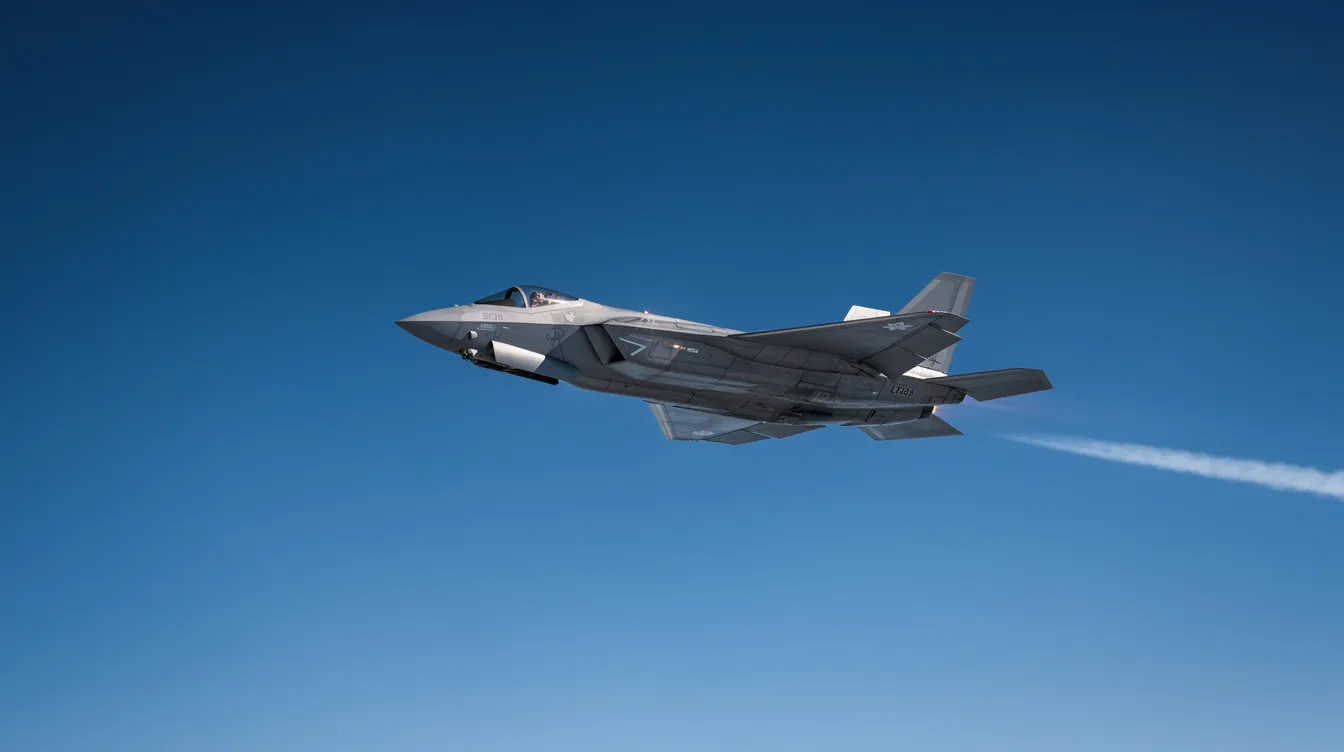
US fighter jets have undergone significant evolution since 1945, transitioning from early subsonic models to advanced fifth-generation aircraft like the F-35. These jets play a crucial role in maintaining air superiority and global security, while also driving economic growth and technological advancements in civil aviation. The ongoing development of sixth-generation fighters promises to further enhance the capabilities of the US military and its allies.
Jay Franco Serevilla
Aug 30, 2026
|
5
min read

View all
Miami private jet charters through Jettly provide travelers with on-demand access to fly privately, offering instant pricing and booking from key airports. With over 20,000 aircraft options and flexible scheduling, Jettly simplifies the private flying experience, making it ideal for both business and leisure travelers. Popular routes include Miami to New York and the Bahamas, ensuring quick and convenient travel.
Jay Franco Serevilla
Aug 30, 2026
|
5
min read

View all
Flying private from NYC to Miami offers a seamless travel experience, cutting down on time and avoiding commercial airport chaos. With flight times of 2.5 to 3 hours and various aircraft options, travelers can enjoy flexibility and comfort tailored to their needs. Jettly's platform simplifies the booking process, providing instant quotes and access to over 20,000 private jets.
Jay Franco Serevilla
Aug 30, 2026
|
5
min read

View all
Understanding the operating costs of a Cessna 210 is vital for potential owners. With costs ranging from $200 to $300 per flight hour and annual expenses between $25,000 and $45,000, ownership can be a significant commitment. For those flying less frequently, chartering through platforms like Jettly may offer a more flexible and cost-effective alternative.
Jay Franco Serevilla
Aug 30, 2026
|
5
min read

View all
Chartering the Cirrus Vision Jet through Jettly offers travelers a unique private flying experience with advanced safety features and comfort. This single-engine personal jet is ideal for regional flights, providing convenience without the complexities of ownership. With competitive pricing and access to smaller airports, the Vision Jet is perfect for business trips and family getaways alike.
Jay Franco Serevilla
Aug 30, 2026
|
5
min read
Explore our latest articles and updates.

5
min read
Private Plane Flight Times: How Long Your Charter Really Takes
Private plane flight times are significantly shorter than commercial travel, influenced by factors like distance, aircraft type, and weather conditions. Understanding these variables is crucial for efficient scheduling and cost management, especially for corporate travelers and families. Jettly offers tools to provide accurate flight time estimates, enhancing the private flying experience.
Read More
5
min read
Private Jet Cost Comparison: Light Jets vs. Heavy Jets
This article compares the costs of light jets and heavy jets for private travel, highlighting key factors such as hourly rates, passenger capacity, and trip efficiency. Light jets are more cost-effective for shorter domestic flights with smaller groups, while heavy jets excel in long-range travel and larger passenger capacities. Understanding these differences can help travelers make informed decisions based on their specific needs and budgets.
Read MoreJoin our community and receive the latest blog updates directly in your inbox.
MEMBERSHIPS AND ASSOCIATIONS



Disclaimer: Jettly operates as a charter broker, offering access to a global digital jet charter marketplace. Jettly is not a direct air carrier and does not own or operate aircraft. All advertised flights are conducted by third-party air carriers that are fully licensed and hold the appropriate Part 135 or Part 121 certifications issued by the Federal Aviation Administration (FAA) or equivalent regulatory authorities under U.S. or foreign law. Jettly complies fully with the U.S. Department of Transportation's Part 295 and Part 298 Charter Broker regulations. Jettly does not carry additional liability insurance. Passengers are covered by aircraft operator insurance. TICO: 50023770


