dhc-2-beaver

service

Dhc-2 Beaver Turbo Prop Specifications and Charter Rates

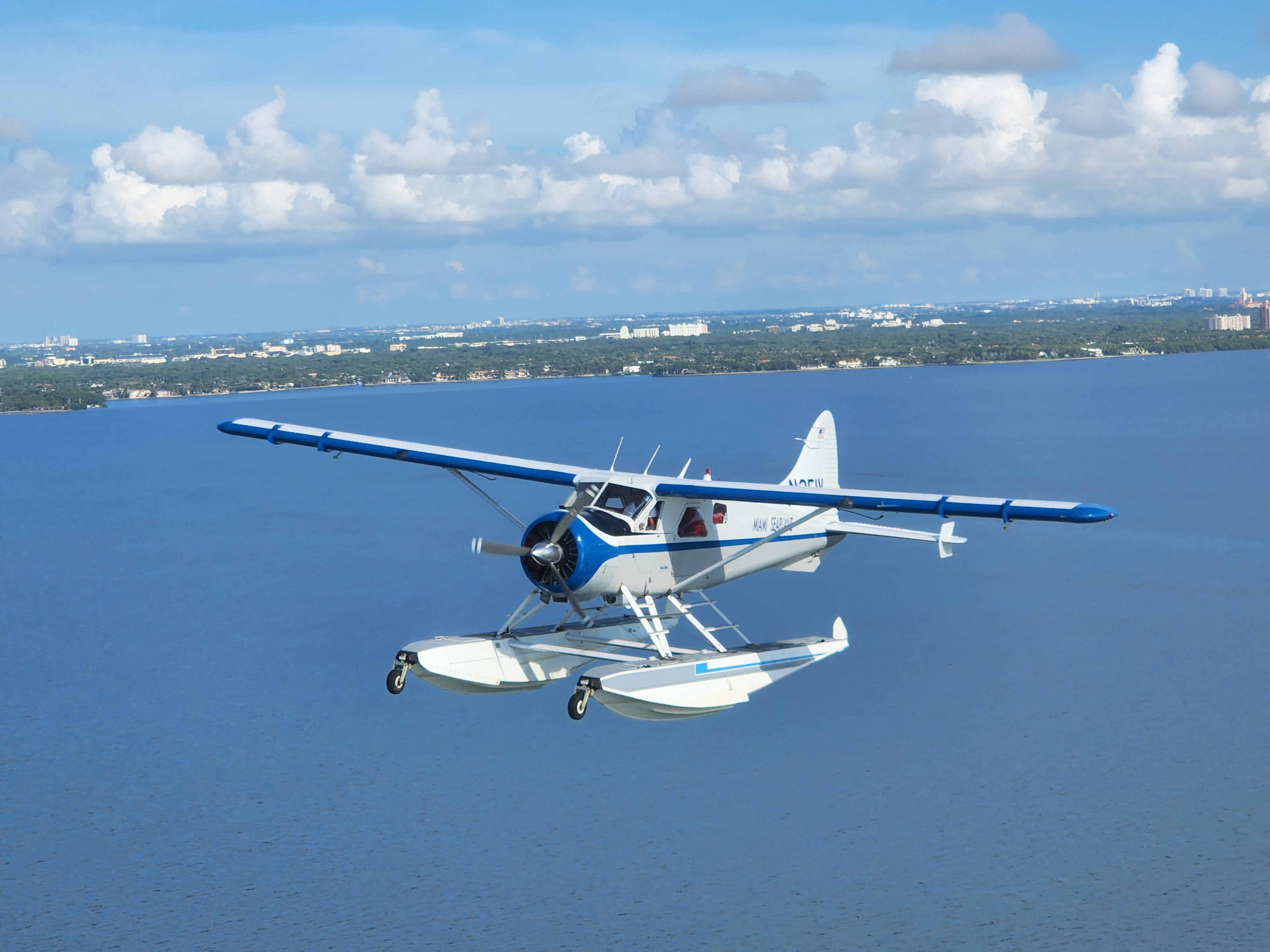
The de Havilland Canada DHC-2 Beaver is the definitive bush plane, a single-engine turbo prop designed for rugged reliability and unimpeachable versatility. First introduced in the late 1940s, the Beaver quickly earned legendary status for its ability to access the world's most remote destinations, carrying up to six passengers or a mix of people and cargo with ease. Its short takeoff and landing performance, combined with the ability to operate on wheels, floats, or skis, makes it the preferred choice for private flyers seeking genuine adventure or exclusive access to wilderness lodges, island retreats, and untouched landscapes.


Whether you need to reach a remote fishing lodge, a secluded resort, or a picturesque mountain lake, the DHC-2 Beaver delivers a flying experience truly unlike any other. This profile offers a close look at its unique mission capabilities, cabin layout, real-world range, indicative charter rates, and answers to the most common questions travelers have before booking this iconic aircraft.

jettly
service

Dhc-2 Beaver Overview

The DHC-2 Beaver is a classic turbo prop utility aircraft, purpose-built for access to the world's hardest-to-reach places. Seating up to six passengers, it is valued for its spacious, utilitarian cabin and its ability to land on short, unprepared airstrips, lakes, or snowfields. Powered by a Pratt & Whitney Canada PT6A engine in most modern conversions, the Beaver soars above forests, rivers, and mountains with ease, delivering a cruise speed of 105 knots and an unmatched blend of performance and reliability.


Its adaptability is legendary: the Beaver can be outfitted with amphibious floats for water landings, tundra tires for rough strips, or skis for winter operations, making it a favorite for private charters to off-the-grid destinations. Operators appreciate its rugged construction and straightforward maintenance, while passengers value the direct, immersive access it provides to wild and beautiful places.


For private aviation clients seeking authentic, experience-driven travel, the DHC-2 Beaver is the gold standard for adventure, with a cost profile that brings exclusive destinations within reach.

jettly

Dhc-2 Beaver Specifications

The figures below summarize the performance and dimensions that matter most when you are matching an aircraft to a trip. They reflect typical configurations; exact numbers vary with weight, weather, and how a given aircraft is equipped.
Aircraft class:

Turbo Prop

Passenger capacity:

Up to 5 (typical), 6 maximum

Crew:

1 pilot

Range:

Approximately 455 nautical miles (around 524 statute miles)

High-speed cruise:

105 knots (about 121 mph)

Long-range cruise:

Approximately 95 knots

Service ceiling:

18000 fee

Engines:

Pratt & Whitney Canada PT6A turboprop

Thrust:

Roughly 680 lbf per engine

Takeoff distance:

About 1015 feet

Landing distance:

About 1000 feet

Average fuel burn:

Around 27 gallons per hour

Baggage capacity:

Approximately 10 cubic feet

First delivered:

Late 1940s

dhc-2-beaver

The figures below summarize the performance and dimensions that matter most when you are matching an aircraft to a trip. They reflect typical configurations; exact numbers vary with weight, weather, and how a given aircraft is equipped.

dhc-2-beaver

Dhc-2 Beaver Range and Performance

With a range of approximately 455 nautical miles, the DHC-2 Beaver is ideal for regional expeditions and remote transfers without refueling. Iconic missions include Vancouver to secluded British Columbia inlets, Anchorage to Alaskan wilderness lodges, or hopping between the islands of Ontario’s cottage country—all on a single tank, with reserves. | Short-field performance is a hallmark. The Beaver’s ability to take off in just over 1,000 feet and land on rugged strips, lakes, or snowfields makes it uniquely suited for wilderness access, private island transfers, or fly-in fishing trips. Cruise speeds of 105 knots keep journeys efficient, and the robust PT6A turboprop engine delivers the power and dependability needed for challenging environments. | For travelers, this translates to direct, time-saving routes and a level of destination access that no commercial carrier can provide.
dhc-2-beaver

Dhc-2 Beaver Cabin Experience and Interior

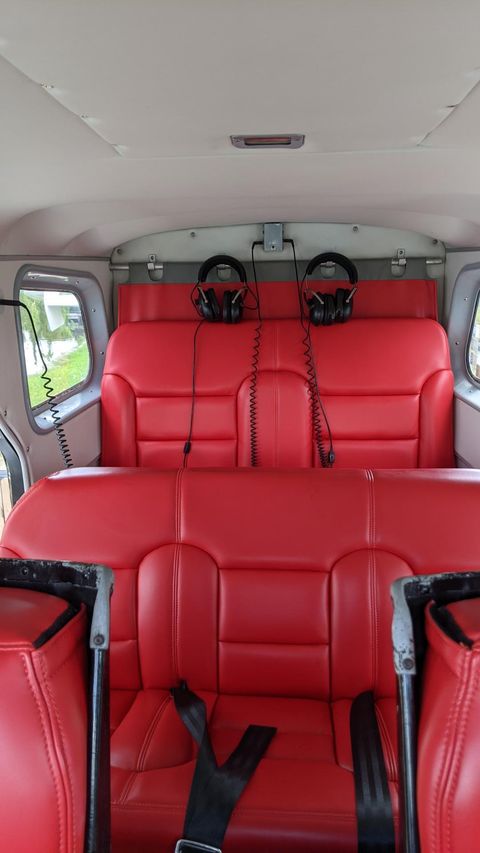
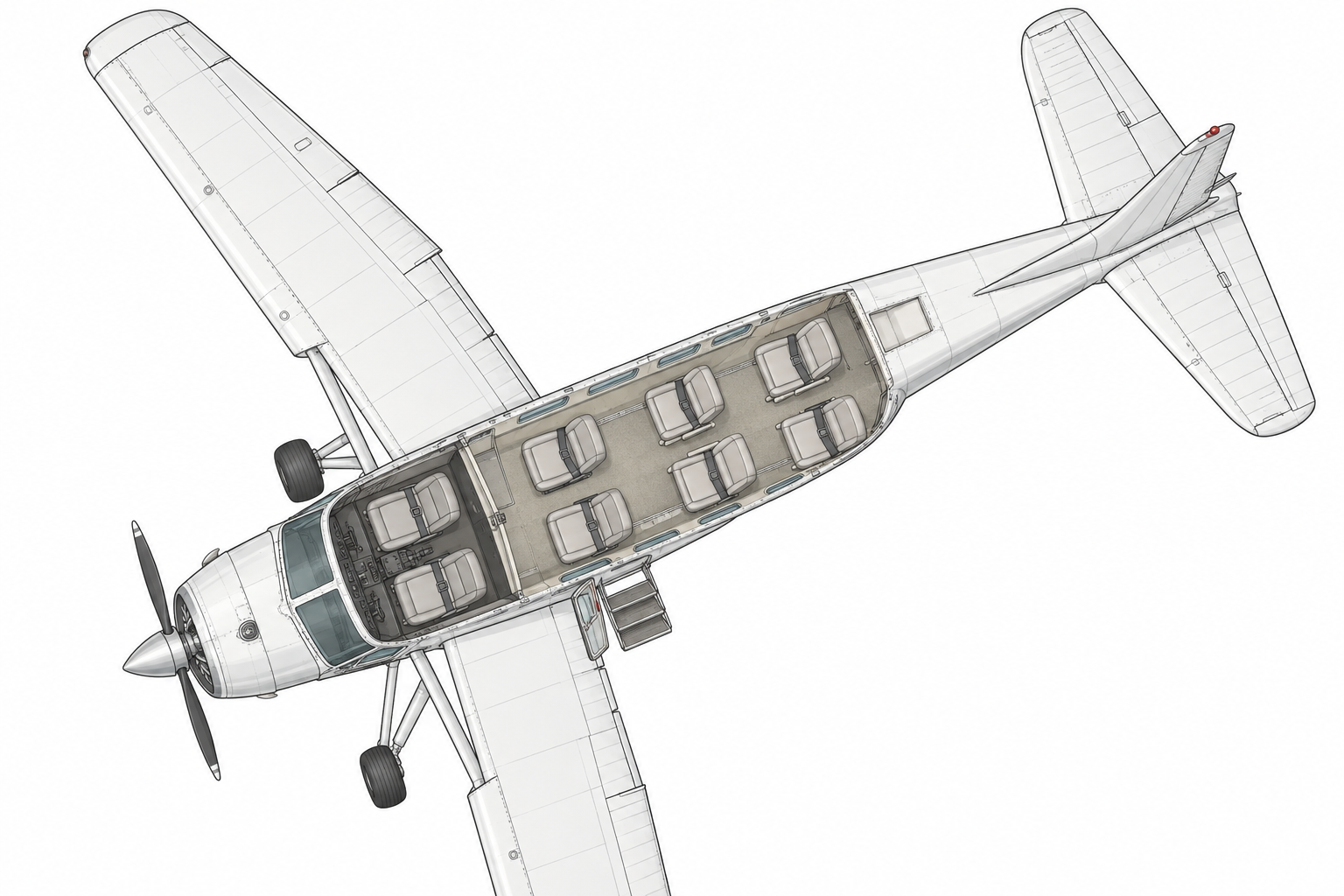
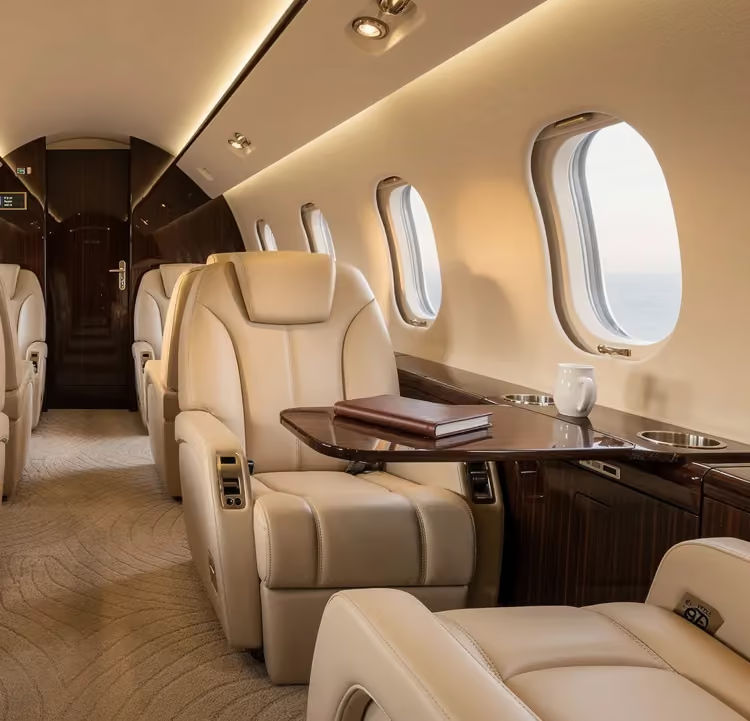
Inside the Beaver, the cabin is all about utility and comfort for adventure travel. Cabin height is generous for a bush plane, making it easy to move about, while wide windows offer unmatched views of the passing wilderness or water below. | Typical layouts seat five passengers plus the pilot in forward-facing seats, with ample flexibility to accommodate cargo, outdoor gear, or supplies for remote getaways. The finishes are practical and durable, favoring easy cleaning and rugged use, but many modern Beavers feature upgraded upholstery and noise-reduction for a more refined experience. | With 10 cubic feet of baggage space and a cabin designed for flexibility, the Beaver supports expeditions, group retreats, or simply a private family adventure. The journey itself becomes part of the experience, offering breathtaking panoramas and the thrill of landing where few aircraft can reach.

Dhc-2 Beaver Charter Cost and Hourly Rates

laptop
A black and white image of an airplane.

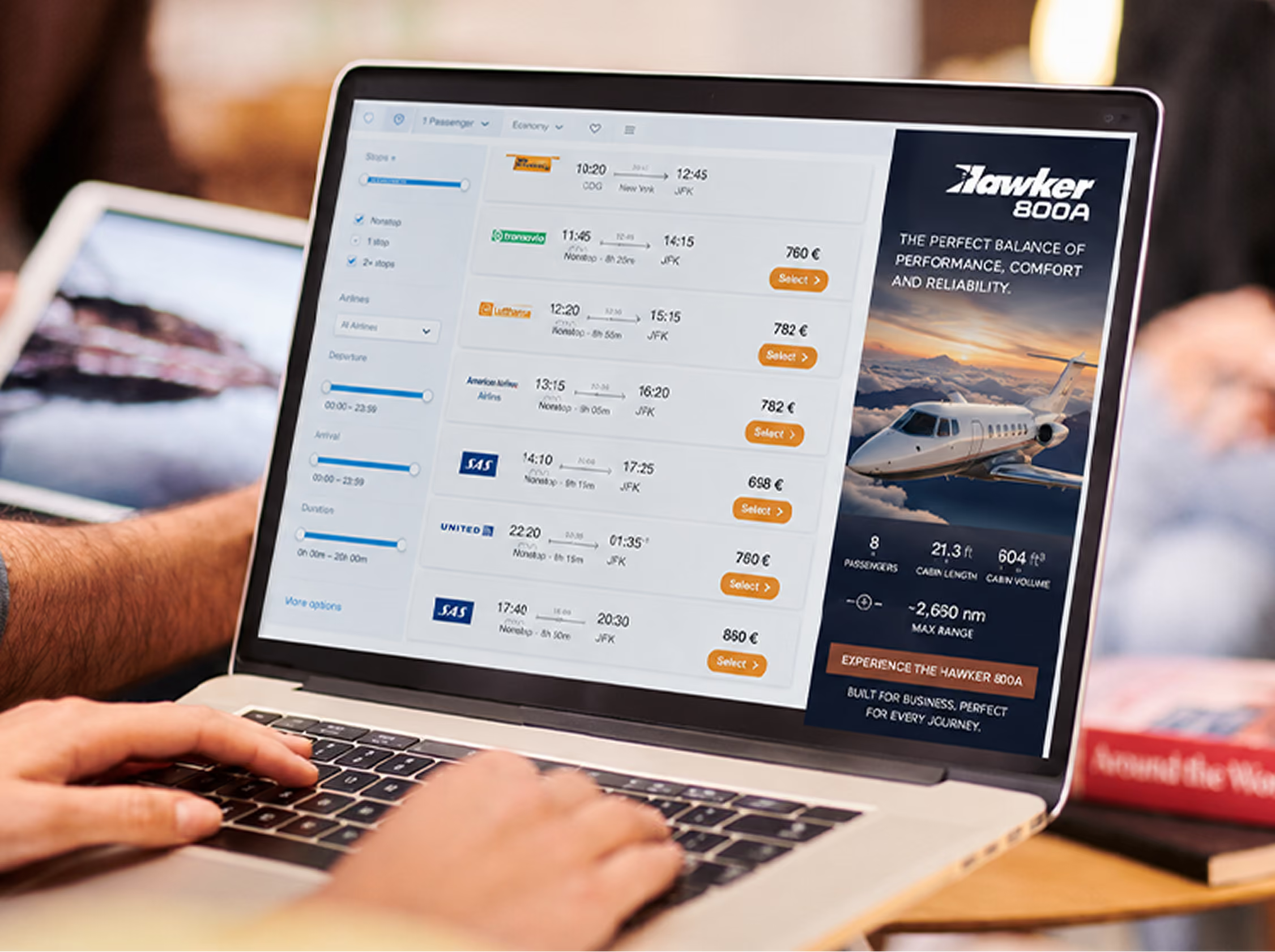
Chartering a Dhc-2 Beaver typically runs in the range of $1000 to $1400 per flight hour, though the figure you are quoted depends on several factors. Rates move with the route, the season, repositioning (or ferry) time, airport fees, crew costs, and how a specific aircraft is equipped. Peak travel periods and one-way trips that leave an aircraft far from its base tend to sit at the higher end, while round trips and flights that align with an operator's existing schedule can come in lower.

A black and white image of an airplane.

It also helps to understand how charter pricing is structured. Most quotes are built around occupied flight hours plus those repositioning costs, landing and handling fees, taxes, and crew expenses. Because Jettly is a charter marketplace rather than an aircraft operator, you can compare live quotes from multiple FAA Part 135 and book the option that fits your route and budget.

A black and white image of an airplane.

Empty-leg flights, the discounted repositioning trips that operators are keen to fill, can also bring the cost of a Dhc-2 Beaver down significantly when the timing works in your favor. For an exact, current price on your specific trip, request a quote, and you will see real availability rather than an estimate.

Who Should Charter the Dhc-2 Beaver?

The Dhc-2 Beaver fits a wide set of missions, which is part of why it stays busy. It is a strong match for:

icon

Small executive teams traveling together to a meeting, site visit, or conference

icon

Regional and many transcontinental business trips that need to be completed in a single day

icon

Families or groups of up to eight heading to a vacation or event

icon

Travelers carrying bulkier baggage, such as golf clubs or ski gear

icon

Anyone who values flexible airport access and a stand-up cabin over the lowest possible price

The DHC-2 Beaver is not intended for long-range or high-speed travel—larger turboprops and light jets are more suitable for cross-country or international flights. But for groups of up to six seeking exclusive access to remote destinations, lakes, or wilderness lodges, and for those who demand authentic adventure, the Beaver is unrivaled in its category.

service

How the Dhc-2 Beaver Compares to Other Turbo Prop

Within the turbo prop category, the DHC-2 Beaver is most often compared to the Cessna 208 Caravan, de Havilland Otter, and Quest Kodiak. Compared to the Caravan, the Beaver offers even greater short-field and off-airport performance, though the Caravan seats more and flies faster for longer distances.


The Otter, a larger sibling, carries more payload but requires longer runways and is less nimble on tight strips or small lakes. The Kodiak is more modern and faster, but the Beaver’s legendary reputation, unmatched versatility, and timeless charm make it the preferred choice for authentic adventure charters.


For those seeking immersive access to the world’s most spectacular locations, the Beaver stands alone as the classic bush aircraft, offering a flying experience that no other turbo prop can quite replicate.

jettly

Dhc-2 Beaver History and Background

The DHC-2 Beaver was conceived in the late 1940s by de Havilland Canada to serve the needs of bush pilots and remote communities across the vast Canadian north. First flown in 1947, it quickly became the backbone of regional and wilderness aviation, revered for its robust airframe, reliable performance, and extraordinary versatility.


From the beginning, the Beaver was designed to accept wheels, floats, or skis, enabling year-round operations in some of the world’s most challenging conditions. Its reputation grew with operators in North America, Scandinavia, and beyond, supporting everything from forestry operations to VIP transfers for luxury wilderness lodges.


Modern Beavers are often re-engined with turboprops for enhanced performance, extending the aircraft’s legacy well into the 21st century. Today, the DHC-2 Beaver remains a symbol of rugged adventure and timeless design, beloved by pilots and travelers alike for its unique blend of capability and character.

plan

Frequently Asked Questions

How Many Passengers Can the Dhc-2 Beaver Carry?

The DHC-2 Beaver typically seats five passengers plus one pilot, arranged in forward-facing seats that can be reconfigured for cargo or gear. Its flexible interior works especially well for small groups, families, or outdoor expeditions.

What Is the Range of the Dhc-2 Beaver?

The Dhc-2 Beaver has a range of approximately 455 nautical miles, or roughly 524 statute miles. That is enough to fly most regional routes and many transcontinental trips nonstop, with the longest coast-to-coast legs occasionally needing a brief fuel stop depending on winds and load.

How Fast Does the Dhc-2 Beaver Fly?

Its high-speed cruise is 105 knots (about 121 mph), with a long-range cruise near 95 knots. The aircraft's 18000-foot service ceiling lets it fly above most weather and traffic for a smoother, more direct trip.

How Much Does It Cost to Charter a Dhc-2 Beaver?

Charter rates generally fall between roughly $1000 and $1400 per flight hour, depending on the route, season, repositioning, and fees. Because Jettly is a marketplace, you can compare live quotes from multiple Part 135 operators and book the best option for your trip; empty-leg flights can lower the cost further.

Does the Hawker Dhc-2 Beaver Have a Stand-up Cabin?

Yes. The Beaver’s cabin is spacious for its class, with ample headroom and wide windows for superb visibility. It also features a rear baggage area of about 10 cubic feet, and can be fitted with floats, skis, or wheels to suit your destination.

Is the Dhc-2 Beaver Good for Transcontinental Flights?

For most regional wilderness or island routes, yes. The Beaver’s range and short-field abilities allow it to reach remote destinations, lakes, and private strips without refueling, though longer cross-country flights are better suited to larger turboprops or jets.

Jettly gives you access to a global marketplace of more than 23,000 aircraft, including Dhc-2 Beaver jets operated by vetted FAA Part 135 Part 135 carriers. Compare live quotes, check real availability, and book with full concierge support, whether you are planning a single regional hop or a recurring travel schedule.

Enter your route and dates to get instant pricing on the Dhc-2 Beaver, or speak with our team about empty-leg deals and membership options that can bring your cost per trip down even further.

MEMBERSHIPS AND ASSOCIATIONS

partner logo
partner logo
partner logo
partner logo
partner logo
partner logo