challenger-300

service

Challenger 300 Super Midsize Jet Specifications and Charter Rates

The Challenger 300 is a purpose-built super midsize jet designed for non-stop journeys of up to 3,567 nautical miles, accommodating up to nine passengers in exceptional comfort. Since its introduction in the early 2000s, this Bombardier flagship has redefined private jet travel with a spacious cabin, best-in-class range, and high-speed cruise capability for direct flights between major cities across continents.


For discerning travelers who require a seamless blend of performance, space, and luxury, the Challenger 300 remains a leader in its category. Explore this comprehensive profile for specifications, cabin features, performance metrics, and answers to the most common questions before you book your next charter.

jettly
service

Challenger 300 Overview

The Challenger 300 defines the super midsize jet segment, striking an ideal balance between transcontinental range, cabin comfort, and operating efficiency. With seating typically for eight to nine passengers, this jet enables direct coast-to-coast flights in the U.S. or seamless links between major international destinations. Advanced avionics, including the Honeywell Primus Epic suite, ensure reliability, enhanced situational awareness, and a smooth ride at altitudes up to 45,000 feet.


Operators and charter clients value the Challenger 300 for its consistent availability, robust performance in varying weather, and operational flexibility. Its efficient fuel consumption and balanced cost profile make it a preferred choice for business and leisure travelers demanding a premium experience without compromise.


This aircraft’s enduring popularity results from its advanced engineering, luxurious finishes, and the ability to perform on demanding routes. For those who expect both performance and comfort on every journey, the Challenger 300 delivers a truly elevated travel experience.

jettly

Challenger 300 Specifications

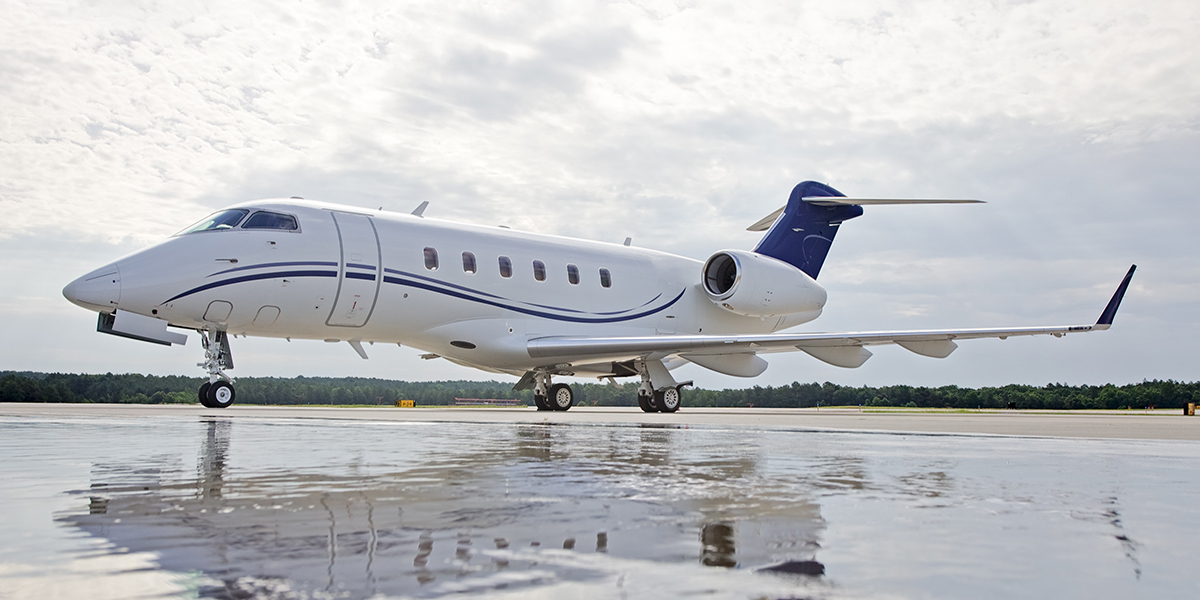
The figures below summarize the performance and dimensions that matter most when you are matching an aircraft to a trip. They reflect typical configurations; exact numbers vary with weight, weather, and how a given aircraft is equipped.
Aircraft class:

Super Midsize Jet

Passenger capacity:

Up to 8 (typical), 9 maximum

Crew:

2 pilots

Range:

Approximately 3567 nautical miles (around 4105 statute miles)

High-speed cruise:

470 knots (about 541 mph)

Long-range cruise:

Approximately 459 knots

Service ceiling:

45000 fee

Engines:

Two Honeywell HTF7000 turbofans

Thrust:

Roughly 6826 lbf per engine

Takeoff distance:

About 4810 feet

Landing distance:

About 2600 feet

Average fuel burn:

Around 295 gallons per hour

Baggage capacity:

Approximately 106 cubic feet

First delivered:

Early 2000s

challenger-300

The figures below summarize the performance and dimensions that matter most when you are matching an aircraft to a trip. They reflect typical configurations; exact numbers vary with weight, weather, and how a given aircraft is equipped.

challenger-300

Challenger 300 Range and Performance

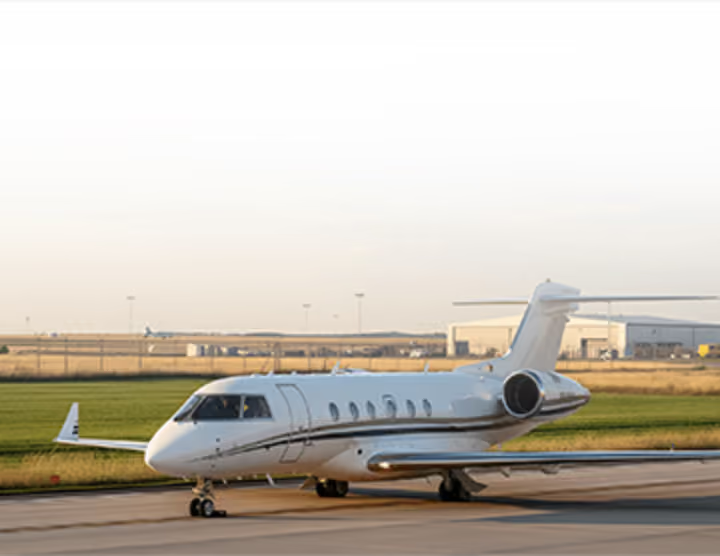
With a maximum range of approximately 3,567 nautical miles, the Challenger 300 makes direct flights between city pairs such as New York and Los Angeles, Miami and Seattle, or London and Dubai a reality for private travelers. This aircraft’s high-speed cruise of 470 knots keeps trips efficient, while its ability to operate from shorter runways—requiring just 4,810 feet for takeoff and 2,600 feet for landing—opens up access to a wide array of airports close to your preferred destination. | The Challenger 300 is engineered for reliability and consistent performance, even with a full passenger load and luggage. Its robust twin engines ensure outstanding climb rates and smooth transitions above commercial traffic, while the advanced avionics suite delivers pilots precise control for every phase of flight. Expect coast-to-coast capability and international reach without the need for fuel stops, making it a top choice for non-stop business or leisure missions. | Every journey in the Challenger 300 is designed to save travelers valuable time, with the flexibility to avoid larger commercial hubs and get closer to your final destination quickly and comfortably.
challenger-300

Challenger 300 Cabin Experience and Interior

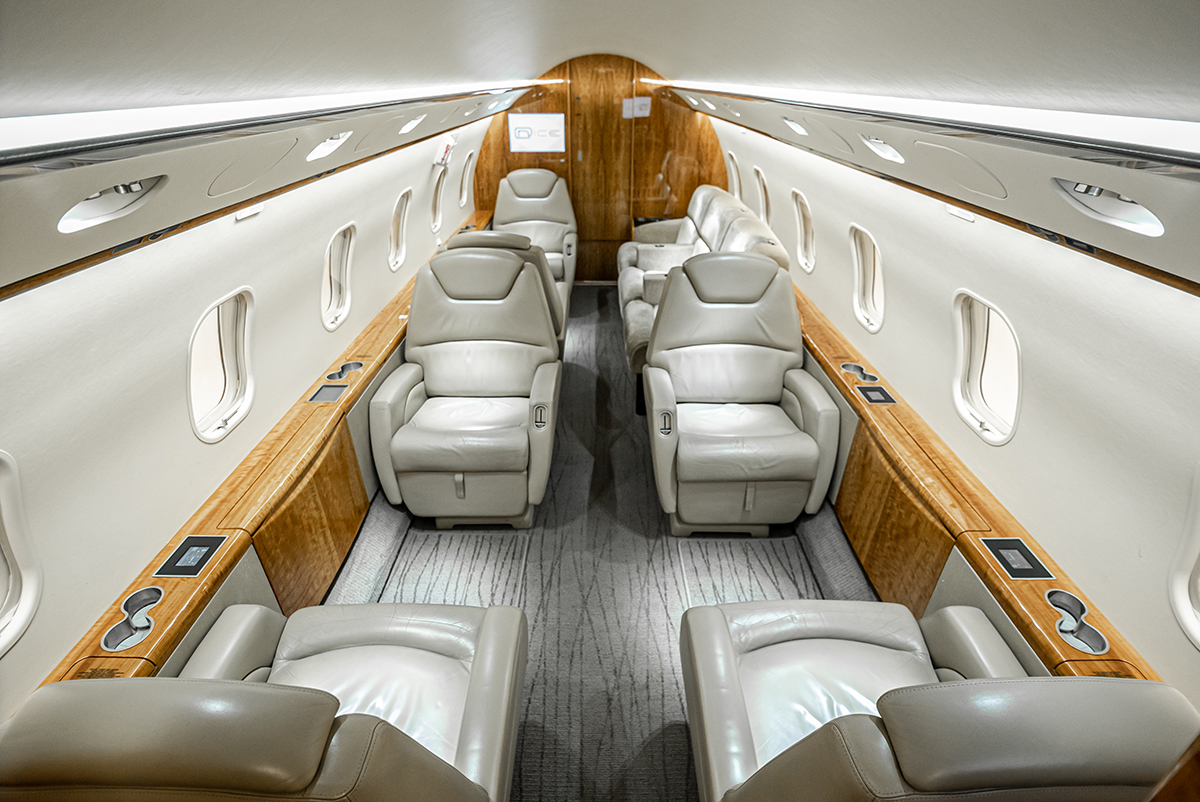
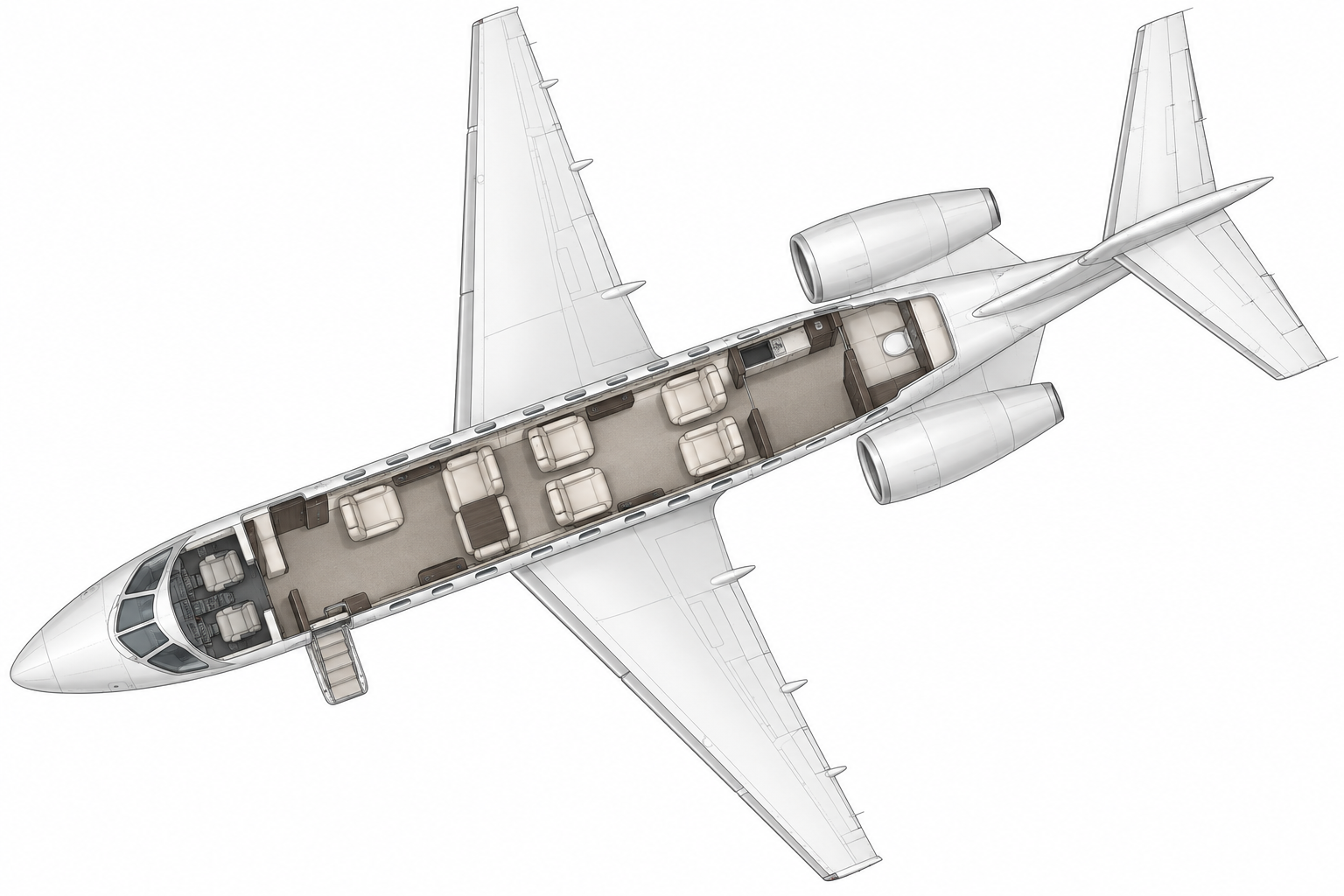
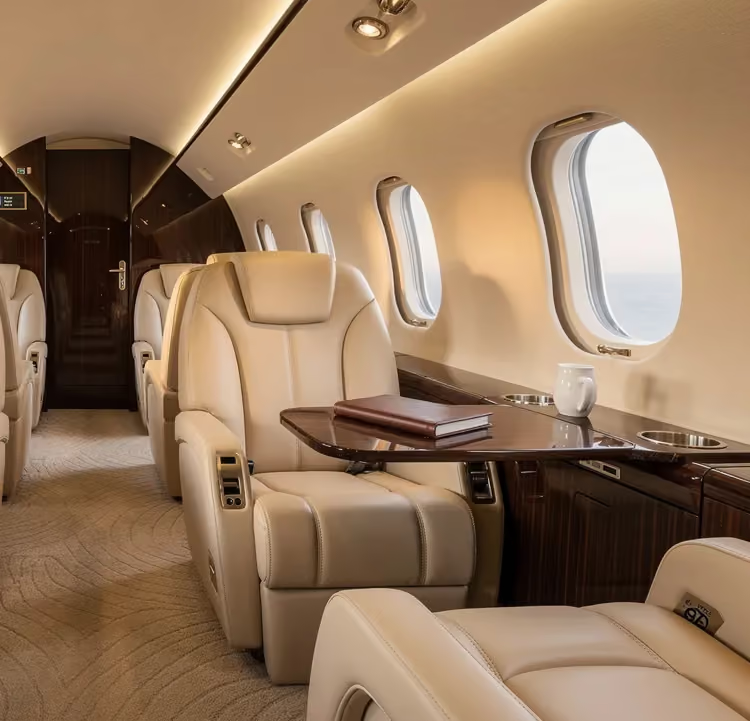
Step aboard the Challenger 300 and experience a spacious, whisper-quiet cabin with a true flat floor and an impressive height of over six feet, allowing passengers to move freely and comfortably throughout the flight. | The standard configuration features double-club seating for eight, with an optional three-seat divan for larger groups. Every seat is crafted from premium leather and many offer adjustable recline and swivel, complemented by large panoramic windows that flood the cabin with natural light. | The interior is built for both productivity and relaxation, with foldout work tables, full connectivity, and multiple LCD screens for in-flight entertainment. A fully equipped galley allows for gourmet catering, while a private aft lavatory and generous 106 cubic feet of baggage space accommodate extended trips with ease. | Whether you’re traveling for business or pleasure, you’ll enjoy a refined atmosphere, personalized service, and amenities that make every journey feel effortless.

Challenger 300 Charter Cost and Hourly Rates

laptop
A black and white image of an airplane.

Chartering a Challenger 300 typically runs in the range of $5000 to $8000 per flight hour, though the figure you are quoted depends on several factors. Rates move with the route, the season, repositioning (or ferry) time, airport fees, crew costs, and how a specific aircraft is equipped. Peak travel periods and one-way trips that leave an aircraft far from its base tend to sit at the higher end, while round trips and flights that align with an operator's existing schedule can come in lower.

A black and white image of an airplane.

It also helps to understand how charter pricing is structured. Most quotes are built around occupied flight hours plus those repositioning costs, landing and handling fees, taxes, and crew expenses. Because Jettly is a charter marketplace rather than an aircraft operator, you can compare live quotes from multiple FAA Part 135 and book the option that fits your route and budget.

A black and white image of an airplane.

Empty-leg flights, the discounted repositioning trips that operators are keen to fill, can also bring the cost of a Challenger 300 down significantly when the timing works in your favor. For an exact, current price on your specific trip, request a quote, and you will see real availability rather than an estimate.

Who Should Charter the Challenger 300?

The Challenger 300 fits a wide set of missions, which is part of why it stays busy. It is a strong match for:

icon

Small executive teams traveling together to a meeting, site visit, or conference

icon

Regional and many transcontinental business trips that need to be completed in a single day

icon

Families or groups of up to eight heading to a vacation or event

icon

Travelers carrying bulkier baggage, such as golf clubs or ski gear

icon

Anyone who values flexible airport access and a stand-up cabin over the lowest possible price

While the Challenger 300 is ideal for most transcontinental and international flights, ultra-long-haul missions may be better suited to larger jets with extended range. For parties of four to nine who seek unmatched comfort, speed, and the ability to conduct business or relax en route, the Challenger 300 remains a benchmark for value and performance in private aviation.

service

How the Challenger 300 Compares to Other Super Midsize Jet

The Challenger 300 was introduced by Bombardier in the early 2000s as a clean-sheet design, specifically created to fill the gap between midsize and large-cabin jets. From the outset, it was developed to offer superior range, cabin comfort, and operating economics compared to its contemporaries.


Bombardier equipped the Challenger 300 with the latest avionics and powerful engines, ensuring reliability and performance on demanding routes. Over the years, the aircraft has undergone several enhancements, including upgraded interiors and avionics, solidifying its reputation as a leader in the super midsize category.


The Challenger 300’s blend of innovation, dependability, and versatility has made it a favorite among corporate flight departments and private owners alike. Its enduring popularity continues to shape the expectations of luxury jet travel worldwide.

jettly

Challenger 300 History and Background

The Challenger 300 was introduced by Bombardier in the early 2000s as a clean-sheet design, specifically created to fill the gap between midsize and large-cabin jets. From the outset, it was developed to offer superior range, cabin comfort, and operating economics compared to its contemporaries.


Bombardier equipped the Challenger 300 with the latest avionics and powerful engines, ensuring reliability and performance on demanding routes. Over the years, the aircraft has undergone several enhancements, including upgraded interiors and avionics, solidifying its reputation as a leader in the super midsize category.


The Challenger 300’s blend of innovation, dependability, and versatility has made it a favorite among corporate flight departments and private owners alike. Its enduring popularity continues to shape the expectations of luxury jet travel worldwide.

plan

Frequently Asked Questions

How Many Passengers Can the Challenger 300 Carry?

The Challenger 300 is typically configured for eight to nine passengers in an executive club arrangement, with some layouts accommodating up to ten. This setup provides ample space for both business groups and families to travel in comfort.

What Is the Range of the Challenger 300?

The Challenger 300 has a range of approximately 3567 nautical miles, or roughly 4105 statute miles. That is enough to fly most regional routes and many transcontinental trips nonstop, with the longest coast-to-coast legs occasionally needing a brief fuel stop depending on winds and load.

How Fast Does the Challenger 300 Fly?

Its high-speed cruise is 470 knots (about 541 mph), with a long-range cruise near 459 knots. The aircraft's 45000-foot service ceiling lets it fly above most weather and traffic for a smoother, more direct trip.

How Much Does It Cost to Charter a Challenger 300?

Charter rates generally fall between roughly $5000 and $8000 per flight hour, depending on the route, season, repositioning, and fees. Because Jettly is a marketplace, you can compare live quotes from multiple Part 135 operators and book the best option for your trip; empty-leg flights can lower the cost further.

Does the Hawker Challenger 300 Have a Stand-up Cabin?

Absolutely. The Challenger 300 offers a generous flat-floor cabin with over six feet of headroom, allowing passengers to move freely during flight. The aircraft features a private aft lavatory and a spacious baggage compartment of approximately 106 cubic feet.

Is the Challenger 300 Good for Transcontinental Flights?

Yes, the Challenger 300 is designed for non-stop coast-to-coast flights within the U.S., such as New York to Los Angeles or Miami to Seattle. Its range also covers many international routes without requiring fuel stops, ensuring efficient and direct travel.

Jettly gives you access to a global marketplace of more than 23,000 aircraft, including Challenger 300 jets operated by vetted FAA Part 135 Part 135 carriers. Compare live quotes, check real availability, and book with full concierge support, whether you are planning a single regional hop or a recurring travel schedule.

Enter your route and dates to get instant pricing on the Challenger 300, or speak with our team about empty-leg deals and membership options that can bring your cost per trip down even further.

MEMBERSHIPS AND ASSOCIATIONS

partner logo
partner logo
partner logo
partner logo
partner logo
partner logo