


Login
Get Instant Pricing On 23,000+ Aircraft


Aircraft class:
Airliner
Passenger capacity:
Crew:
2 pilots
Range:
High-speed cruise:
Long-range cruise:
Service ceiling:
Engines:
Two General Electric CF6-80C2B6F or Pratt & Whitney PW4060 turbofans
Thrust:
Takeoff distance:
Landing distance:
Average fuel burn:
Baggage capacity:
First delivered:
Mid-1990s
The figures below summarize the performance and dimensions that matter most when you are matching an aircraft to a trip. They reflect typical configurations; exact numbers vary with weight, weather, and how a given aircraft is equipped.
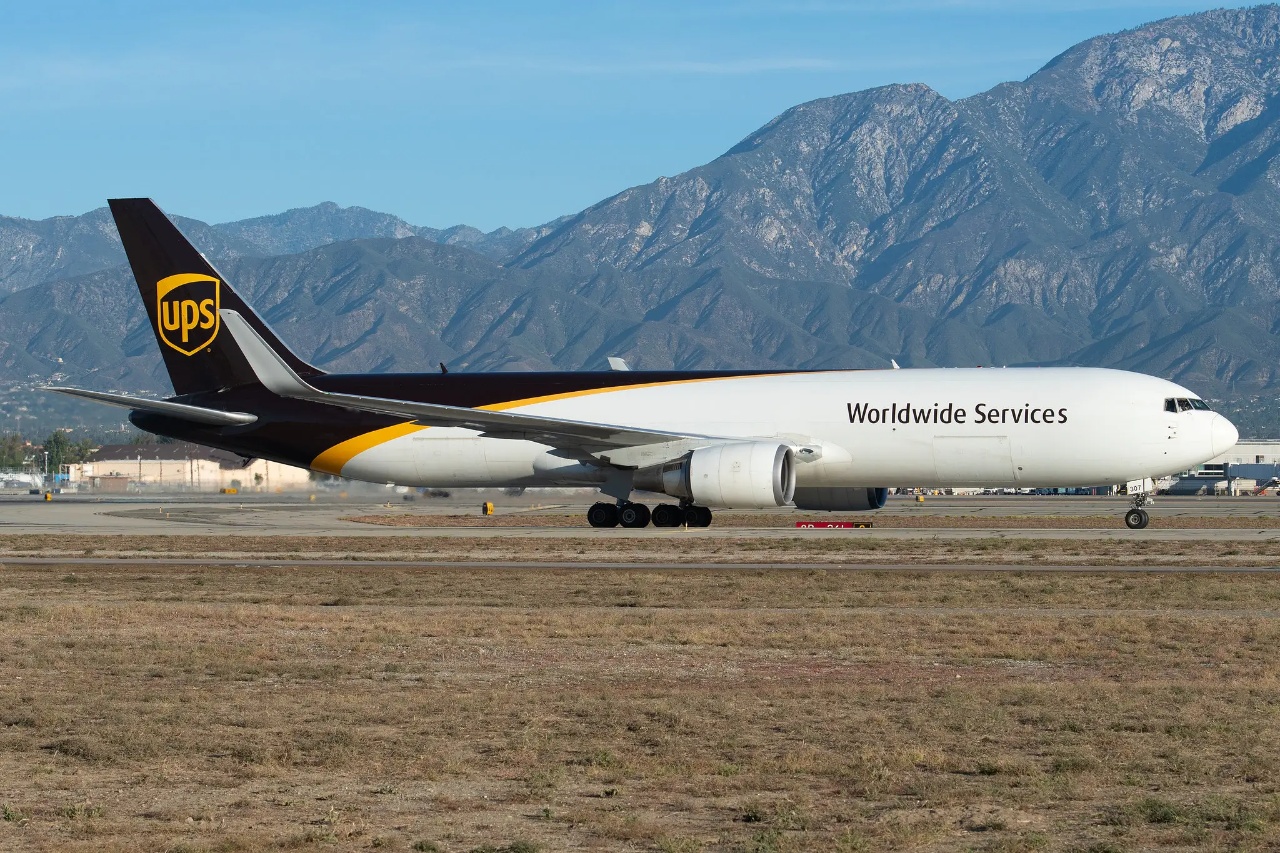
With a range of approximately 6,000 nautical miles, the Boeing 767-300F is ideally suited for nonstop long-haul freight operations connecting major global hubs. It routinely covers critical city pairs such as New York to Frankfurt, Hong Kong to Sydney, or Dubai to London on a single fueling, with substantial reserves for operational flexibility. | The aircraft’s robust payload capability allows for efficient transport of dense, heavy, or voluminous cargo, while its 460-knot high-speed cruise shortens delivery windows on transcontinental legs. Advanced aerodynamics and powerful engines enable a swift climb to its 43,000-foot ceiling, allowing crews to optimize routes and avoid congested airspace. | A runway requirement of roughly 8,650 feet for takeoff and 5,900 feet for landing ensures broad airport accessibility, even at high load factors. For time-sensitive supply chains, this means direct, reliable point-to-point service and seamless integration into global logistics networks.
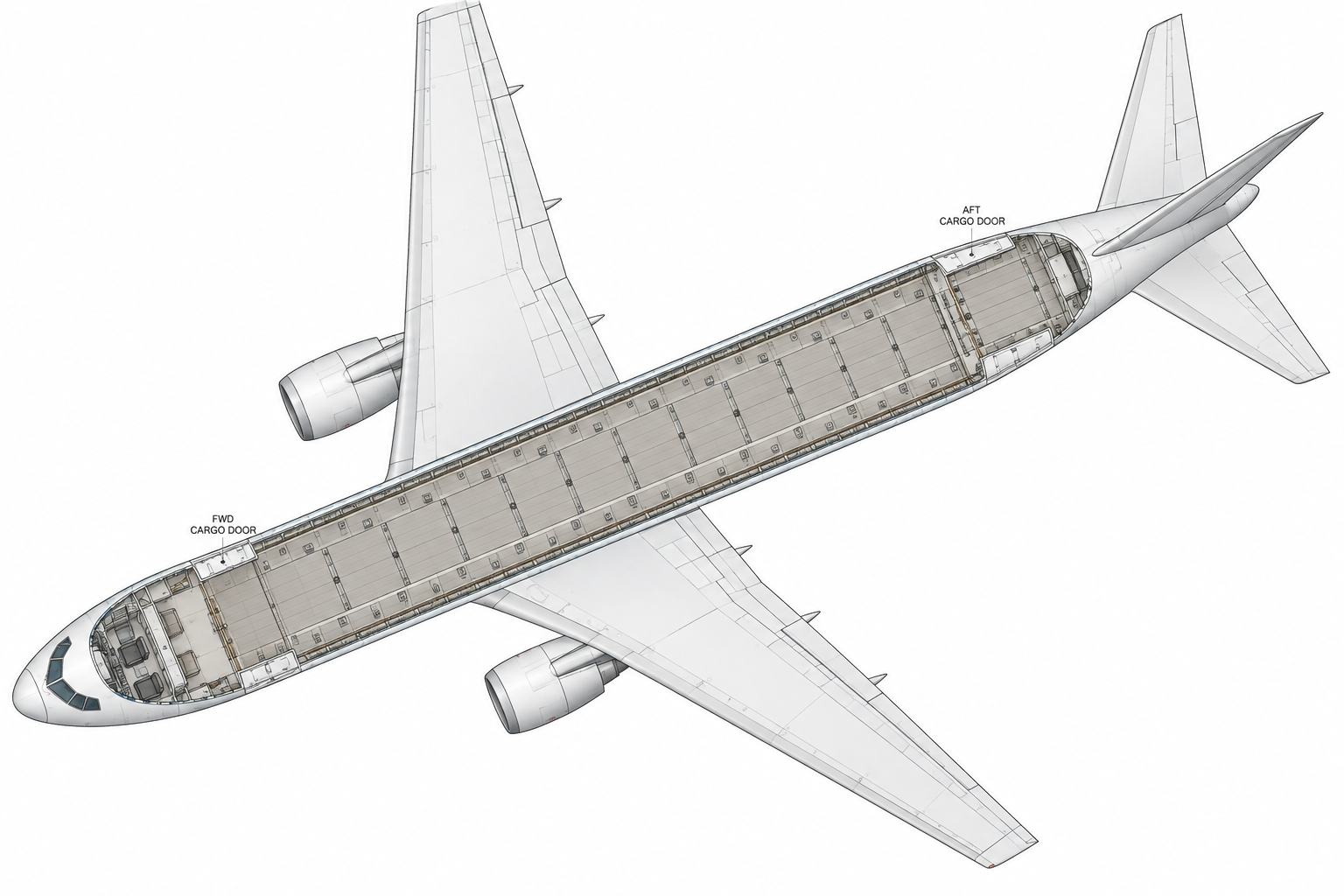
The 767-300F’s main deck is engineered for maximum cargo efficiency, featuring a reinforced floor, wide cargo door, and optimized pallet handling systems for rapid loading and unloading. Its spacious interior accommodates a full range of freight types, from standard containers to specialty shipments requiring exacting care. | While the aircraft is exclusively dedicated to cargo and does not offer typical passenger amenities, its cockpit is outfitted with advanced avionics for pilot comfort and operational safety. The crew rest area is designed to support long-haul missions, ensuring sustained alertness and comfort throughout intercontinental flights. | A total cargo volume of over 16,000 cubic feet means logistics teams can consolidate shipments or move oversized goods with ease. For corporate or specialty freight charters, the 767-300F delivers peace of mind with its proven reliability, secure handling, and industry-leading operational flexibility.


.avif)
.avif)
.avif)
.avif)
.avif)
The Boeing 767-300F is less suited to short regional hops or routes requiring minimal volume, where narrowbody freighters may offer greater efficiency. For complex, high-volume, or time-critical international shipments, however, it is the definitive solution for businesses seeking unrivaled capacity and global reach.
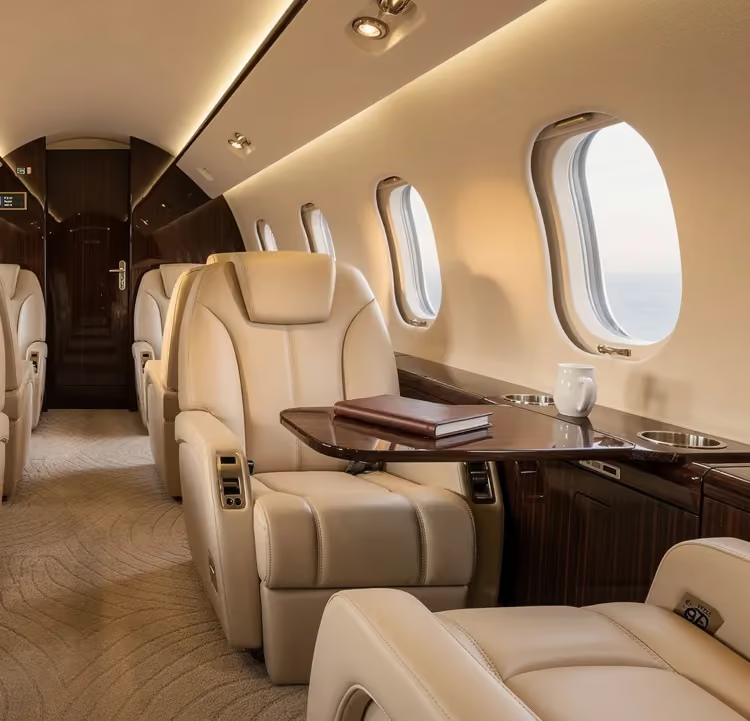


The Boeing 767-300F is configured solely for cargo and does not carry passengers, but its main deck can accommodate up to 24 standard pallets or a mix of containerized and outsized freight. The layout is optimized for rapid loading, high-volume shipments, and flexible cargo handling.
Yes. The 767-300F boasts a total cargo capacity of over 16,000 cubic feet, accessible through a large main deck cargo door designed for seamless loading of oversized, heavy, or specialty shipments. Its floor and restraint systems ensure secure transport of valuable or sensitive goods.
For most intercontinental freight routes, absolutely. The 767-300F handles nonstop journeys such as New York to Frankfurt or Hong Kong to Sydney with ease, making it a preferred option for global supply chain missions that demand reliability and speed.
MEMBERSHIPS AND ASSOCIATIONS



Disclaimer: Jettly operates as a charter broker, offering access to a global digital jet charter marketplace. Jettly is not a direct air carrier and does not own or operate aircraft. All advertised flights are conducted by third-party air carriers that are fully licensed and hold the appropriate Part 135 or Part 121 certifications issued by the Federal Aviation Administration (FAA) or equivalent regulatory authorities under U.S. or foreign law. Jettly complies fully with the U.S. Department of Transportation's Part 295 and Part 298 Charter Broker regulations. Jettly does not carry additional liability insurance. Passengers are covered by aircraft operator insurance. TICO: 50023770


