bae-atp

service

BAe ATP Airliner Specifications and Charter Rates

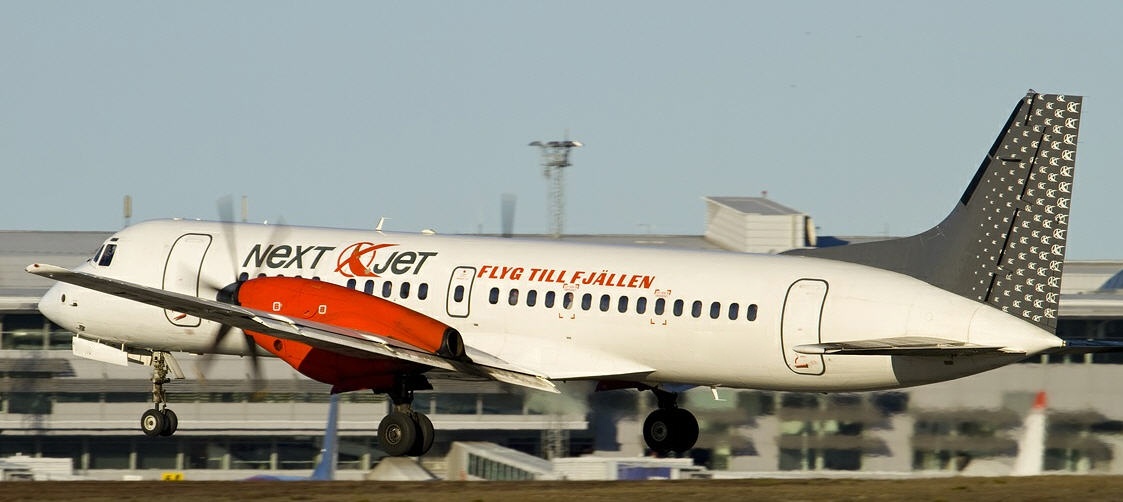
The BAe ATP is a twin-turboprop regional airliner designed for short- and medium-haul routes, seating up to 64 passengers in a spacious pressurized cabin and offering a cruise speed of approximately 268 knots over a range of up to 1,825 nautical miles. Launched in the late 1980s, it was engineered as a quiet, fuel-efficient, and reliable alternative for operators serving regional city pairs and airports with shorter runways.


This versatile airliner is ideal for group charters, corporate shuttles, and special event travel, providing a balance of capacity, economy, and comfort for journeys that demand more than a business jet but less than a large commercial aircraft. This profile covers performance, cabin layout, operational highlights, and answers to the most common questions from charter clients considering the ATP for their next mission.

jettly
service

BAe ATP Overview

The BAe ATP belongs to the airliner category, valued for its ability to transport larger groups efficiently over regional distances while maintaining lower operating costs than jets. It typically accommodates 64 passengers in a single-class configuration, with a flexible cabin for both executive and commuter arrangements. Twin Pratt & Whitney PW126 engines power the ATP to a service ceiling of 25,000 feet, enabling smooth flight above turbulence and regional weather systems.


What sets the ATP apart is its exceptionally low noise footprint, both inside and outside the cabin, making it especially suited for city airports with strict noise regulations. Its efficient turboprops provide strong performance on shorter runways, opening access to secondary and regional fields closer to your actual destination.


Operators appreciate the ATP's robust design and dependable systems, resulting in high dispatch reliability and cost-effective maintenance. For private charter groups, the result is a comfortable, quiet, and practical solution for corporate events, team travel, or VIP movement where privacy and efficiency matter most.

jettly

BAe ATP Specifications

The figures below summarize the performance and dimensions that matter most when you are matching an aircraft to a trip. They reflect typical configurations; exact numbers vary with weight, weather, and how a given aircraft is equipped.

Aircraft class:

Airliner

Passenger capacity:

Up to 64 (typical), 72 maximum

Crew:

2 pilots + 2 cabin crew

Range:

Approximately 1825 nautical miles (around 2100 statute miles)

High-speed cruise:

268 knots (about 308 mph)

Long-range cruise:

Approximately 230 knots

Service ceiling:

25000 fee

Engines:

Two Pratt & Whitney Canada PW126 turboprops

Thrust:

Roughly 2750 lbf per engine

Takeoff distance:

About 4300 feet

Landing distance:

About 4000 feet

Average fuel burn:

Around 250 gallons per hour

Baggage capacity:

Approximately 12 cubic feet

First delivered:

Late 1980s

bae-atp

The figures below summarize the performance and dimensions that matter most when you are matching an aircraft to a trip. They reflect typical configurations; exact numbers vary with weight, weather, and how a given aircraft is equipped.

bae-atp

BAe ATP Range and Performance

With a maximum range of 1,825 nautical miles, the BAe ATP is ideal for regional and short transcontinental routes, allowing nonstop service between city pairs such as London to Madrid, Paris to Prague, or Los Angeles to Denver. Its fuel efficiency and dependable performance make it a favorite for multi-stop itineraries, group shuttles, and charters that need to stick to tight schedules. | The ATP's cruise speed of 268 knots keeps flight durations competitive with regional jets, while its 25,000-foot ceiling and quiet cabin ensure comfort even on longer sectors. The aircraft's short takeoff and landing requirements—around 4,300 and 4,000 feet, respectively—expand the number of airports it can access, offering more direct routes and arrivals closer to your final destination. | For groups, the ATP delivers an unmatched blend of flexibility, cost savings, and convenience, making it a consistently smart choice for private airliner charters.
bae-atp

BAe ATP Cabin Experience and Interior

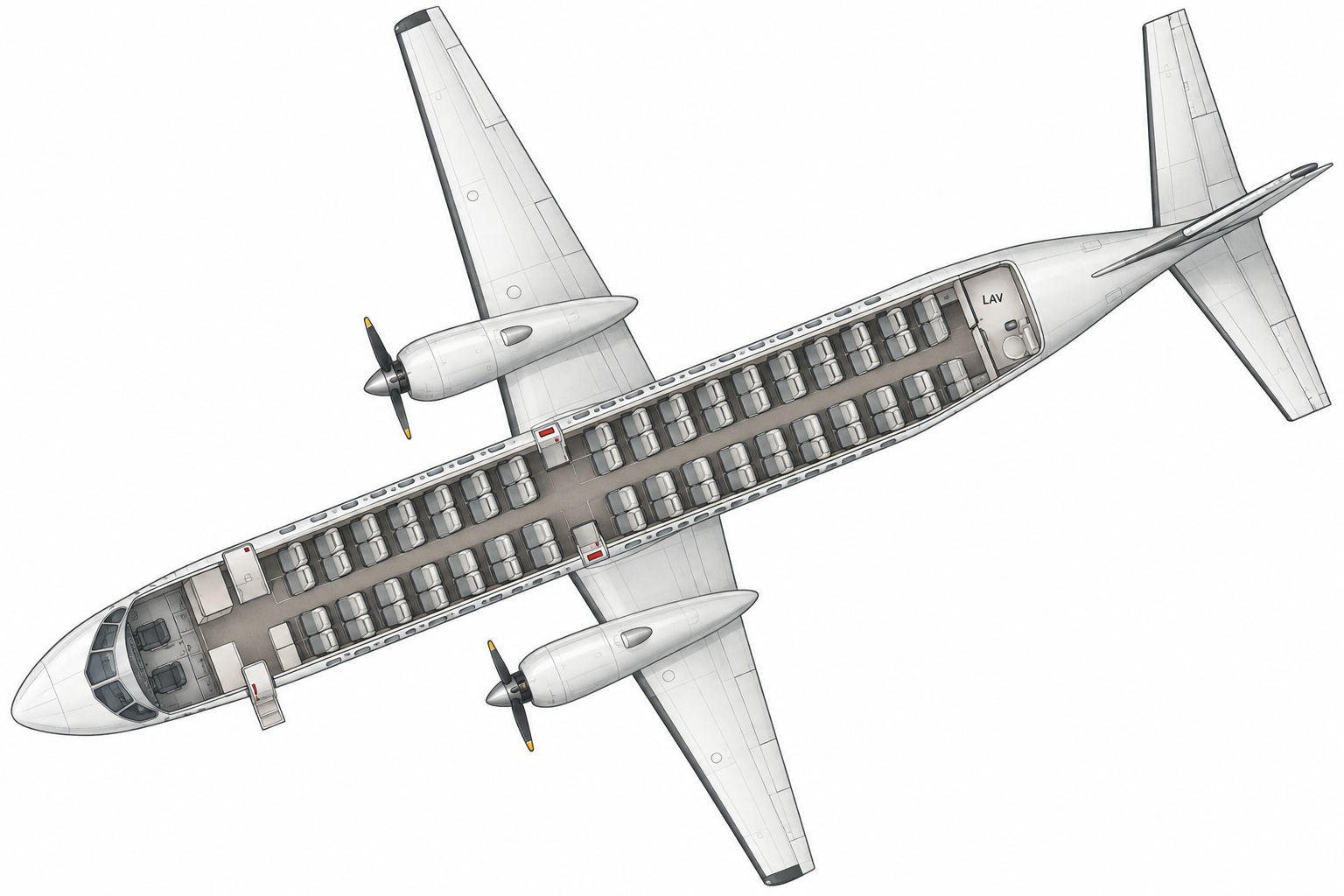
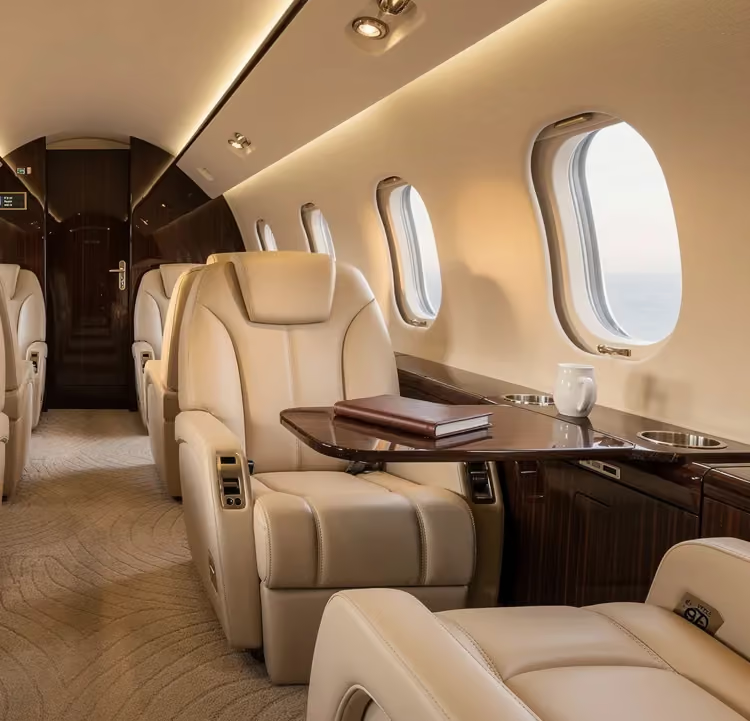
The ATP features a notably quiet and spacious cabin for its class, giving passengers a relaxed environment on journeys of up to three hours. Its generous headroom and wide aisle allow for easy movement, and the seating can be arranged in all-economy, mixed, or executive layouts, depending on the mission. | Standard seating fits 64 in comfortable, ergonomic seats with large windows that flood the cabin with natural light and offer excellent views. Overhead bins and a large baggage hold provide ample storage for group luggage, while in-flight amenities—including a lavatory and refreshments—ensure passenger comfort throughout the flight. | Cabin noise is impressively low thanks to advanced sound insulation and slow-turning propellers, making conversation easy and creating an inviting atmosphere for both business and leisure travelers. Whether you’re organizing an executive retreat, sports team travel, or a corporate roadshow, the ATP's interior turns travel into a seamless, enjoyable experience.

BAe ATP Charter Cost and Hourly Rates

laptop
A black and white image of an airplane.

Chartering a BAe ATP typically runs in the range of $4800 to $6500 per flight hour, though the figure you are quoted depends on several factors. Rates move with the route, the season, repositioning (or ferry) time, airport fees, crew costs, and how a specific aircraft is equipped. Peak travel periods and one-way trips that leave an aircraft far from its base tend to sit at the higher end, while round trips and flights that align with an operator's existing schedule can come in lower.

A black and white image of an airplane.

It also helps to understand how charter pricing is structured. Most quotes are built around occupied flight hours plus those repositioning costs, landing and handling fees, taxes, and crew expenses. Because Jettly is a charter marketplace rather than an aircraft operator, you can compare live quotes from multiple EASA/FAA Part 121 and book the option that fits your route and budget.

A black and white image of an airplane.

Empty-leg flights, the discounted repositioning trips that operators are keen to fill, can also bring the cost of a BAe ATP down significantly when the timing works in your favor. For an exact, current price on your specific trip, request a quote, and you will see real availability rather than an estimate.

Who Should Charter the BAe ATP?

The BAe ATP fits a wide set of missions, which is part of why it stays busy. It is a strong match for:

icon

Small executive teams traveling together to a meeting, site visit, or conference

icon

Regional and many transcontinental business trips that need to be completed in a single day

icon

Families or groups of up to eight heading to a vacation or event

icon

Travelers carrying bulkier baggage, such as golf clubs or ski gear

icon

Anyone who values flexible airport access and a stand-up cabin over the lowest possible price

The BAe ATP is best suited for groups seeking private, direct service between secondary cities or regional destinations—where commercial schedules are limited, or privacy and convenience are a must. For solo or very small groups, a turboprop or midsize jet may be more efficient, but for moving teams, executives, or event guests in style, the ATP sets the standard for practical luxury.

service

How the BAe ATP Compares to Other Airliner

The BAe ATP was developed by British Aerospace as a modern, efficient successor to the iconic Hawker Siddeley HS 748, with its first flight in 1986 and entry into service in 1988. Designed to meet the growing demand for quiet, fuel-efficient regional airliners, the ATP featured advanced aerodynamics, next-generation turboprop engines, and a stretched, pressurized cabin.


Innovations included digital avionics, improved sound insulation, and a low-drag wing, all aimed at delivering a superior passenger experience while minimizing operational costs for airlines and charter operators.


Though production was limited, the ATP quickly found favor with regional carriers and charter providers across Europe, Asia, and the Americas. Its robust construction, reliable systems, and quiet operation cemented its reputation as a workhorse for short- and medium-haul charters, and a number continue to serve today in both passenger and cargo roles worldwide.

jettly

BAe ATP History and Background

The BAe ATP was developed by British Aerospace as a modern, efficient successor to the iconic Hawker Siddeley HS 748, with its first flight in 1986 and entry into service in 1988. Designed to meet the growing demand for quiet, fuel-efficient regional airliners, the ATP featured advanced aerodynamics, next-generation turboprop engines, and a stretched, pressurized cabin.


Innovations included digital avionics, improved sound insulation, and a low-drag wing, all aimed at delivering a superior passenger experience while minimizing operational costs for airlines and charter operators.


Though production was limited, the ATP quickly found favor with regional carriers and charter providers across Europe, Asia, and the Americas. Its robust construction, reliable systems, and quiet operation cemented its reputation as a workhorse for short- and medium-haul charters, and a number continue to serve today in both passenger and cargo roles worldwide.

plan

Frequently Asked Questions

How Many Passengers Can the BAe ATP Carry?

The BAe ATP typically seats 64 passengers in an all-economy configuration, though some aircraft are configured for up to 72 with mixed or high-density seating. The flexible cabin layout allows for customization to suit corporate groups, sports teams, or VIP travel.

What Is the Range of the BAe ATP?

The BAe ATP has a range of approximately 1825 nautical miles, or roughly 2100 statute miles. That is enough to fly most regional routes and many transcontinental trips nonstop, with the longest coast-to-coast legs occasionally needing a brief fuel stop depending on winds and load.

How Fast Does the BAe ATP Fly?

Its high-speed cruise is 268 knots (about 308 mph), with a long-range cruise near 230 knots. The aircraft's 25000-foot service ceiling lets it fly above most weather and traffic for a smoother, more direct trip.

How Much Does It Cost to Charter a BAe ATP?

Charter rates generally fall between roughly $4800 and $6500 per flight hour, depending on the route, season, repositioning, and fees. Because Jettly is a marketplace, you can compare live quotes from multiple Part 135 operators and book the best option for your trip; empty-leg flights can lower the cost further.

Does the Hawker BAe ATP Have a Stand-up Cabin?

Yes. The ATP’s pressurized cabin provides ample headroom and wide aisles for easy movement during flight. Passengers enjoy a quiet, comfortable ride with a dedicated lavatory and plenty of space for personal belongings in overhead bins and the main baggage hold.

Is the BAe ATP Good for Transcontinental Flights?

For most major regional routes, yes. The ATP can handle city pairs such as London to Madrid or New York to Chicago nonstop, though range and payload limits may require planning for technical stops on longer or heavily loaded flights—a standard practice for regional airliners.

Jettly gives you access to a global marketplace of more than 23,000 aircraft, including BAe ATP jets operated by vetted EASA/FAA Part 121 Part 135 carriers. Compare live quotes, check real availability, and book with full concierge support, whether you are planning a single regional hop or a recurring travel schedule.

Enter your route and dates to get instant pricing on the BAe ATP, or speak with our team about empty-leg deals and membership options that can bring your cost per trip down even further.

MEMBERSHIPS AND ASSOCIATIONS

partner logo
partner logo
partner logo
partner logo
partner logo
partner logo