


Login
Get Instant Pricing On 23,000+ Aircraft

>

Traditional fractional programs were designed when aircraft access was scarce, pricing was opaque, and flexibility didn’t exist.
Share this post:
Jay Franco
Jan 13, 2026
|
5
min read
Discover tips and trends in the industry.

5
min read
Catch a Jet: How to Quickly Book Discounted Empty Leg Private Flights with Jettly
Learn how to book discounted empty leg private flights with Jettly, a digital platform that connects travelers to over 20,000 aircraft worldwide. Empty leg flights can save you up to 75% compared to standard charter prices, making private travel more accessible for flexible travelers. With the Catch-a-Jet app, booking these flights is quick and easy, allowing you to enjoy the luxury of private aviation without the hefty price tag.
Read More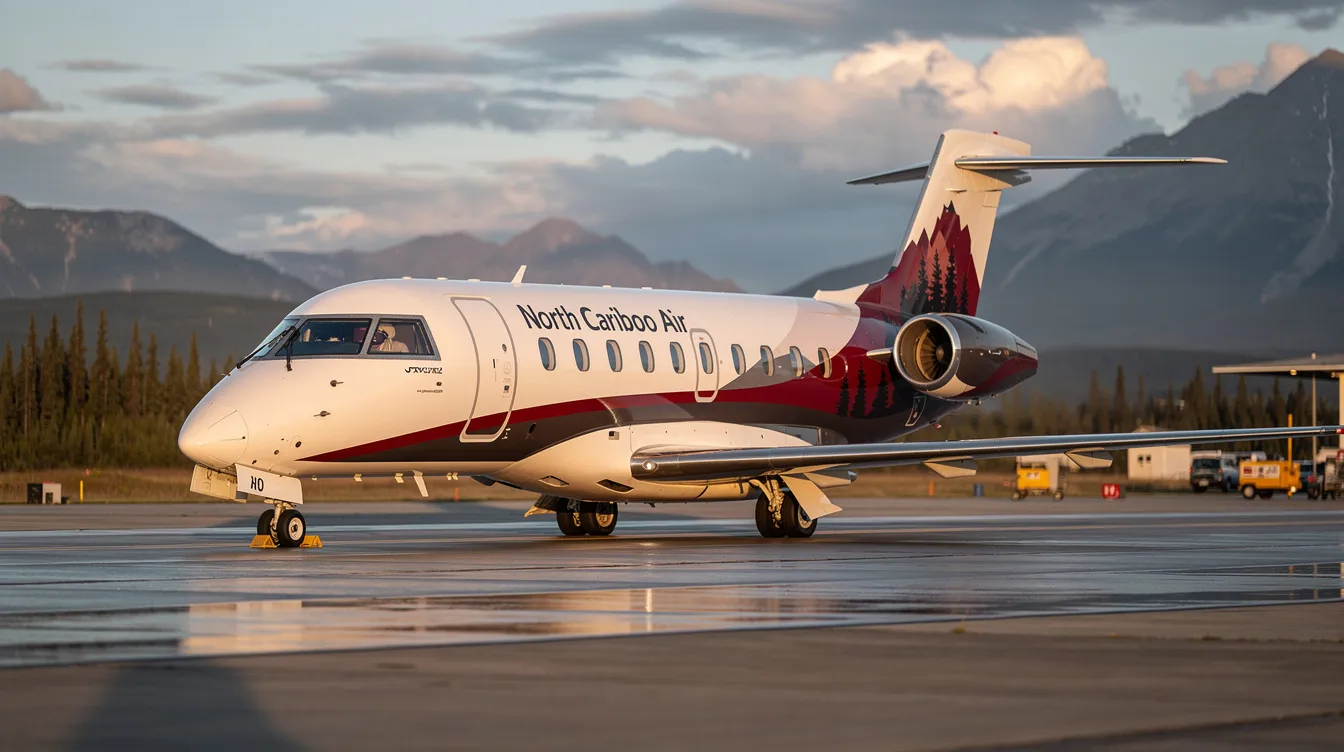
5
min read
North Cariboo Air: Charter Flights, Fleet, and Private Travel Alternatives
North Cariboo Air has been a staple in Western Canada's charter aviation since 1957, primarily serving the oil, gas, and mining sectors. With a versatile fleet tailored for remote operations, it offers customized corporate and industrial charter services. However, modern digital platforms like Jettly provide travelers with more flexible booking options and access to a broader range of aircraft.
Read MoreStay updated with our latest insights and tips to elevate your journey with us.
MEMBERSHIPS AND ASSOCIATIONS



Disclaimer: Jettly operates as a charter broker, offering access to a global digital jet charter marketplace. Jettly is not a direct air carrier and does not own or operate aircraft. All advertised flights are conducted by third-party air carriers that are fully licensed and hold the appropriate Part 135 or Part 121 certifications issued by the Federal Aviation Administration (FAA) or equivalent regulatory authorities under U.S. or foreign law. Jettly complies fully with the U.S. Department of Transportation's Part 295 and Part 298 Charter Broker regulations. Jettly does not carry additional liability insurance. Passengers are covered by aircraft operator insurance. TICO: 50023770


