


Login
Get Instant Pricing On 23,000+ Aircraft

>

Traditional fractional programs were designed when aircraft access was scarce, pricing was opaque, and flexibility didn’t exist.
Share this post:
Jay Franco
Jan 13, 2026
|
5
min read
Discover tips and trends in the industry.

5
min read
Gulfstream G400: Large-Cabin Performance, Range and Charter Options
The Gulfstream G400 is a new large-cabin business jet that offers a maximum range of 4,200 nautical miles and a cruising speed of Mach 0.85, making it ideal for long-distance travel. Designed for comfort and productivity, it features a spacious cabin accommodating up to 12 passengers with flexible configurations and advanced technology for enhanced safety and efficiency. The aircraft is set to enter service in 2025, and charter options will be available through platforms like Jettly, which connects travelers to a wide range of private jets. With a competitive price point of $34.5 million, the G400 positions itself as an attractive alternative in the large-cabin jet market.
Read More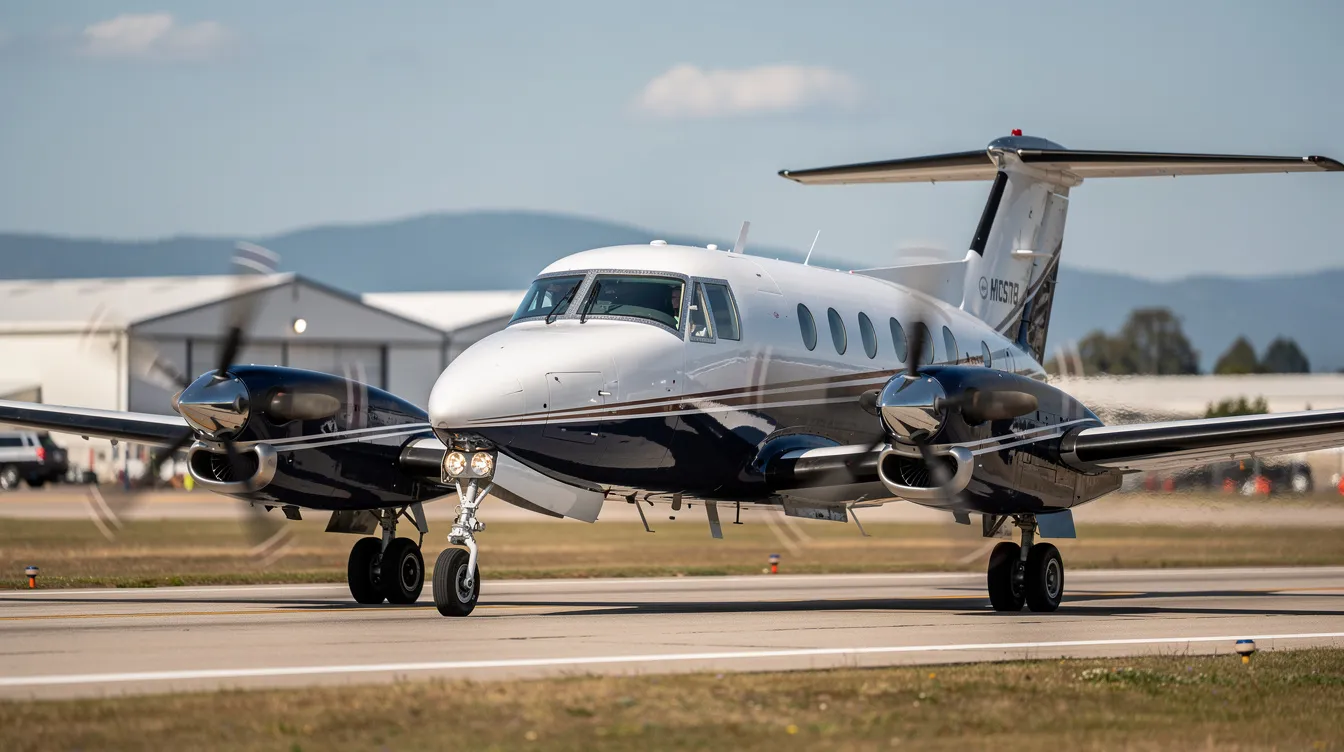
5
min read
Beechcraft King Air 300: Performance, Costs, and Charter Guide
The Beechcraft King Air 300 is a versatile twin-engine turboprop aircraft known for its speed, range, and operational efficiency, making it suitable for various missions including business travel and air ambulance services. With a range of 1,480 nautical miles and a maximum cruise speed of 320 knots, it serves as a cost-effective alternative to light jets, particularly for regional routes. Ownership costs are high, with annual operating expenses around $1.16 million, prompting many travelers to opt for charter services through platforms like Jettly, which provide transparent pricing and easy access to flights. The King Air 300's ability to operate from smaller airports enhances its appeal for both corporate and leisure travel, offering flexibility and comfort without the complexities of ownership.
Read MoreStay updated with our latest insights and tips to elevate your journey with us.
MEMBERSHIPS AND ASSOCIATIONS



Disclaimer: Jettly operates as a charter broker, offering access to a global digital jet charter marketplace. Jettly is not a direct air carrier and does not own or operate aircraft. All advertised flights are conducted by third-party air carriers that are fully licensed and hold the appropriate Part 135 or Part 121 certifications issued by the Federal Aviation Administration (FAA) or equivalent regulatory authorities under U.S. or foreign law. Jettly complies fully with the U.S. Department of Transportation's Part 295 and Part 298 Charter Broker regulations. Jettly does not carry additional liability insurance. Passengers are covered by aircraft operator insurance. TICO: 50023770


