


Login
Get Instant Pricing On 23,000+ Aircraft

>
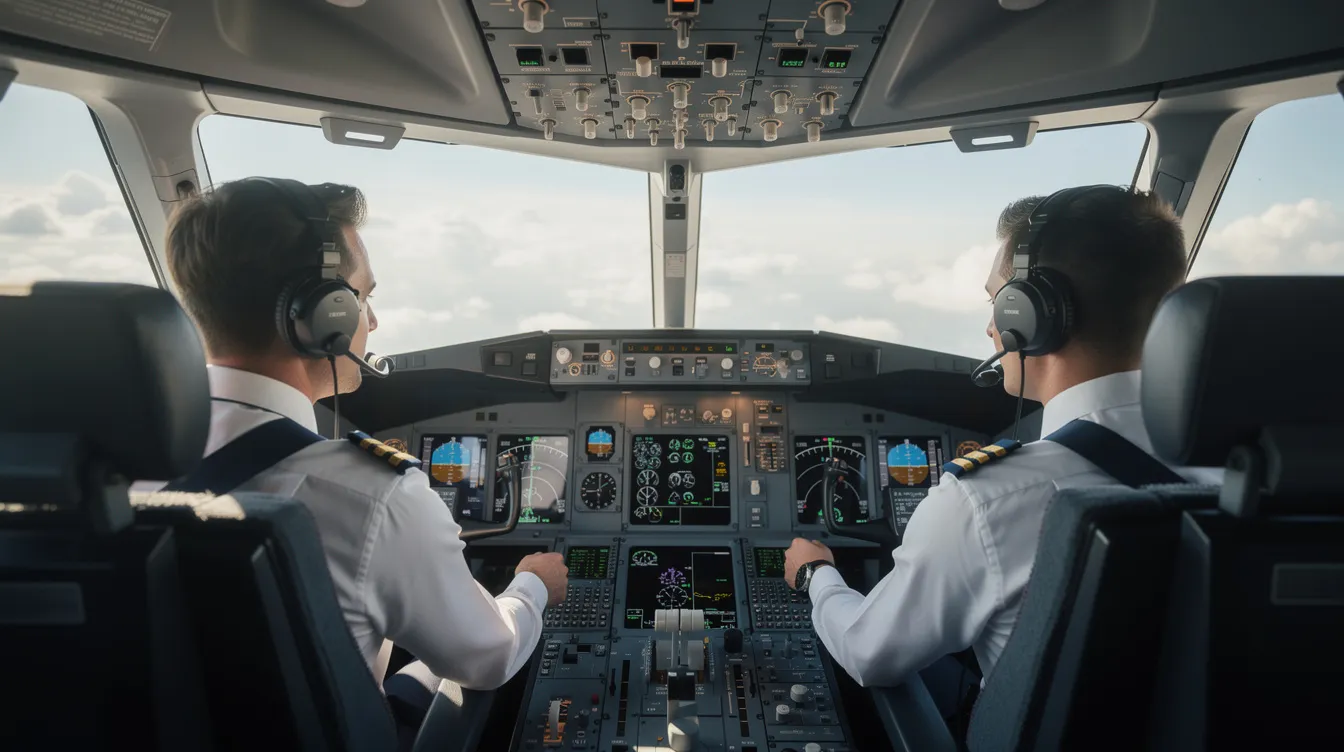
If you have been following the news lately, you might wonder why so many plane crashes seem to keep happening. The short answer is that most crashes are not caused by a single failure, but by a chain of small errors involving human factors, mechanical issues, weather, and operational decisions—with pilot error contributing to more than half of accidents. Headlines about runway collisions, turbulence injuries, and fatal disasters create constant worry, especially for frequent flyers, corporate executives, families, and private aviation travelers trying to judge how safe flying really is.
But the data tells a different story: despite intense media coverage, air travel remains statistically very safe. This article breaks down the real causes of aviation accidents, looks at the numbers behind crash reports, explains why takeoff and landing carry the most risk, and shows how human error, aircraft maintenance, weather, and modern safety systems shape outcomes. It also gives readers considering private jet charter a clearer view of how platforms like Jettly approach operator standards and flight safety, so you can separate perception from reality and make more informed travel decisions.
In 2024, the International Civil Aviation Organization recorded 95 accidents among scheduled commercial operations, out of over 37 million departures carrying roughly 4.5 billion passengers. Flying remains statistically one of the safest ways to travel, reinforcing its standing as the safest mode.
Most aviation accidents result from a chain reaction of small errors, combining human factors, mechanical issues, weather, and operational decisions rather than a single dramatic failure.
Pilot error contributes to over half of aviation accidents, while mechanical failure accounts for about 21% and weather is a factor in 11%.
Aviation safety has improved dramatically over decades. Recent upticks in accident numbers are small compared to long-term gains.
Private aviation platforms like Jettly rely on strict operator vetting, regulatory compliance, and transparency to maintain high safety standards for charter travelers.
|
Cause of Plane Crashes |
Percentage of Accidents |
Examples and Notes |
|---|---|---|
|
Pilot Error |
Over 50% |
Includes misjudgments, fatigue, communication errors with air traffic control. |
|
Mechanical Failure |
About 21% |
Engine failures, system malfunctions, poor maintenance, ground power issues. |
|
Weather |
Around 11% |
Icing, wind shear, thunderstorms; often a contributing factor combined with other failures. |
|
Operational/Organizational |
Remaining % |
Includes air traffic control errors, runway incursions, and decision-making failures. |
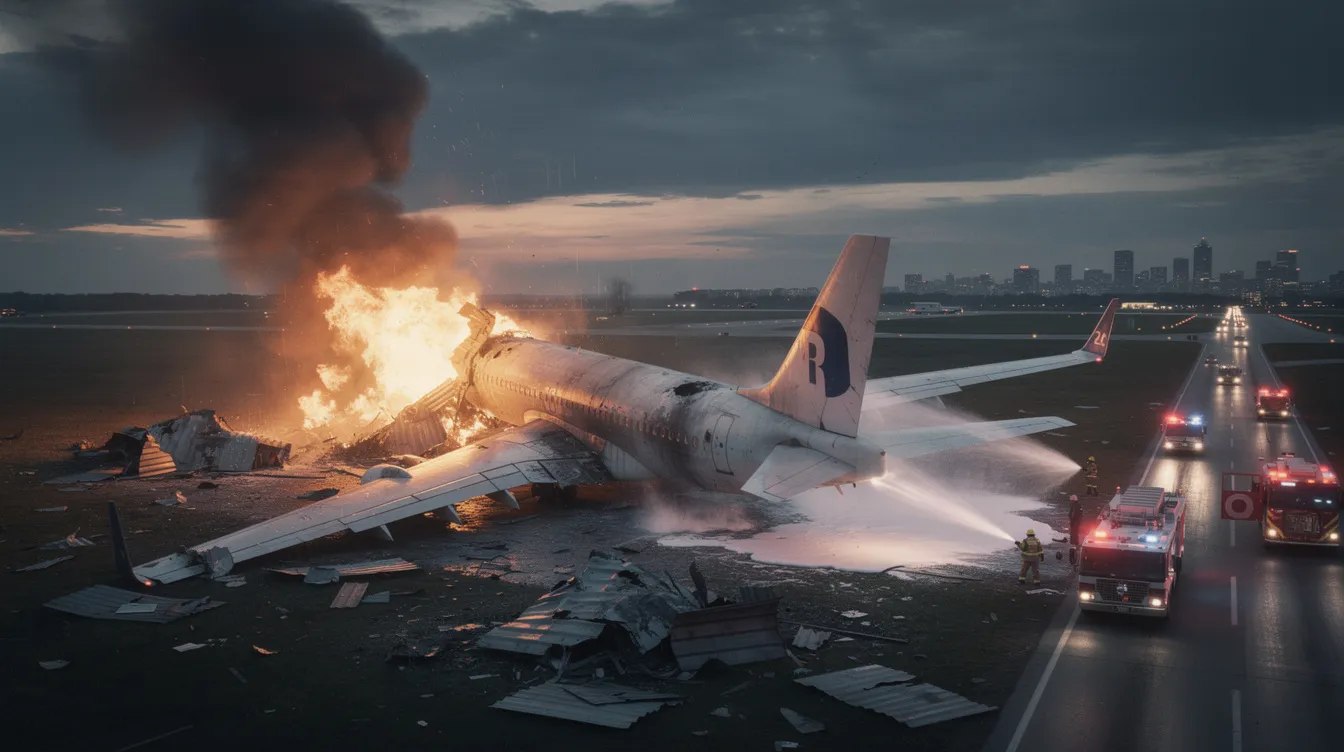
Social media and 24/7 news cycles amplify every aviation incident into a global event. A single crash can dominate headlines for days, creating the impression that disasters are constant. In 2025, there were at least eight commercial aircraft incidents that drew significant media attention, each one generating waves of video, speculation, and fear across platforms.
Consider the Japan Airlines A350 runway collision at Tokyo Haneda in January 2024. All passengers survived, yet the dramatic footage played on screens worldwide for weeks. That same year, billions of passengers flew safely without incident. The contrast is stark: billions flew, and fatal accidents numbered in the single digits among scheduled commercial flights. For travelers weighing whether to move some trips to private aviation, it helps to understand the full cost of private jet use and ownership alongside these safety statistics.
Headlines also lump together commercial airline crashes, private aircraft incidents, helicopter incidents, military operations, and cargo plane accidents. Each category carries different risk profiles. The core question remains: if aviation safety keeps improving, why do plane crashes still happen when the goal is to get people safely from one point to another?
Most plane crashes are not caused by a single dramatic failure. They are multi-factor events where several smaller weaknesses align at the wrong moment. This concept is known as the Swiss cheese model: imagine multiple layers of defense, each with small holes. An accident happens only when the holes line up.
Human factors are cited in over half of aviation accidents. Mechanical failure accounts for about 21% of plane crashes. Weather contributes to 11% of aviation accidents. Organizational and operational decisions fill the remaining gap. Accidents often result from a chain reaction of small errors, where no single mistake alone would cause a crash but the combination proves fatal, which is why travelers comparing charter options should factor in how operators manage risk as carefully as they study guides to how much it costs to rent a private jet.
Human error in aviation extends far beyond the cockpit. Air traffic controllers, dispatchers, maintenance teams, airline management, and the operating company all contribute to the safety chain. When any link fails, the consequences can be severe.
Common patterns include misjudged approach paths, incorrect automation settings, checklist omissions, and fatigue. Pilot error can lead to loss of control mid-flight, while communication errors with air traffic control can cause emergencies. Air traffic control manages flight paths to avoid dangerous situations and prevent in-air collisions between aircraft, and effective communication with air traffic control is crucial for flight safety. Yet air traffic control errors still contribute to mid-air collisions and accidents, and mistakes during takeoff or landing can sharply increase the danger to passengers and crew.
Historical cases illustrate the complexity. The Tenerife 1977 runway collision involved miscommunication between experienced pilots and controllers. Air France Flight 447 in 2009 combined sensor icing with pilot response failures. The Boeing 737 MAX8 accidents in 2018-2019 revealed, as post-crash investigations often do, how design issues, sensor failures, and inadequate training created a fatal chain.
Modern aviation fights back with Crew Resource Management, which improves communication and teamwork in cockpits. Training with flight simulators helps pilots prepare for emergency scenarios. The Federal Aviation Administration, EASA, and Transport Canada enforce strict duty-time and fatigue rules. Private jet charter pilots operating flights through platforms like Jettly must meet licensing, currency, and training requirements under these same regulators.
Modern aircraft feature technological redundancies to prevent failures, making them remarkably reliable. Still, mechanical issues appear in a meaningful minority of aviation accidents. Engine failure is a common cause of aviation accidents, stemming from manufacturing defects, foreign object ingestion, or component fatigue. Many engine failures are contained and lead to safe diversions rather than crashes.
Avionics and flight control malfunctions, including sensor issues or software anomalies, are mitigated through redundancy and fail-safe design. Real-time health monitoring systems in aircraft help predict maintenance needs before they become critical, while trained mechanic inspections help catch problems before they escalate. Less discussed is the role of poor ground power quality, where voltage fluctuations from ground units can damage sensitive electronics over time, potentially contributing to later in-flight failures.
Regulatory bodies enforce rigorous safety standards and maintenance protocols. Inspections ensure aircraft safety before takeoff, and failure to maintain an aircraft can be treated as an act of negligence and lead to negligence claims. Proper maintenance can prevent catastrophic failures in aircraft, even when operators are working to keep private jet charter costs affordable. Professional charter operators must follow scheduled inspections, airworthiness directives, and mandatory service bulletins.
Weather conditions can create critical failures in aviation, though weather is usually an indirect contributor that combines with human error or equipment issues. Icing, wind shear, and thunderstorms are serious weather threats that demand constant vigilance.
The 2024 Voepass ATR 72-500 crash in Brazil killed 62 people after severe atmospheric icing combined with mechanical failures and pilot distractions. Modern meteorology, on-board radar, and real-time data sharing have reduced weather-related crash rates, but decision-making remains the key variable.
Emerging climate concerns include more frequent severe turbulence, higher ground temperatures affecting takeoff performance, flooded runways, and wildfire smoke reducing visibility. Private jet charter can sometimes mitigate weather exposure by selecting alternate airports using tools like an airport locator platform, adjusting departure times, or choosing different aircraft types while maintaining strict safety margins.
Most aviation accidents happen during takeoff, or as planes take off, initial climb, approach, and landing because there is little altitude or time to recover from problems, leaving little margin for error when a system malfunction or human mistake occurs. Common scenarios include runway overruns, hard landings, loss of control on takeoff, and runway incursions.
Runway incursions and taxiway miscommunications can lead to accidents even at major airports, including the Potomac River area near Washington, DC, which recently drew attention to low-altitude collision risk. In 2024, runway excursions rose to 20 airliner accidents from just 7 in 2023. Airports mitigate these risks with improved runway lighting, surface-movement radar, stabilized approach criteria, and go-around policies.
Business aviation and private jets often use smaller airports with less air traffic congestion, which can reduce some collision risks while still demanding rigorous pilot training for short or contaminated runways. Travelers flying to busy regions such as India may, for example, choose private jet charter in Kolkata, West Bengal, to access airports that better match their schedule and risk tolerance. These smaller fields also lend themselves to innovative models like crowdsourced and shared private jet flights that fill empty seats while maintaining regulated safety standards.
The truth is that commercial air travel is statistically one of the safest modes of transportation in the world. Despite high-profile disasters, fatal accident rates per million departures have declined sharply since the 1970s. The year 2023 saw the accident rate fall to 1.87 per million departures, with only 17 fatalities per billion passengers.
The 2024 uptick to 95 total accidents and 296 fatalities was driven by several high-fatality events, not a systemic deterioration. A systematic approach to Safety Management Systems helps prevent accidents across the industry. Modern technology like GPS tracking improves air traffic management and supports ongoing safety gains. Accident investigations aim to issue recommendations to improve aviation safety, and historical accident analyses lead to systemic design and procedural updates across both airlines and the wider charter airline ecosystem.
Comparing segments, scheduled airlines have the lowest per-flight risk. Regulated charter operations, like those available through Jettly, differ significantly from unregulated private flying. For many travelers, this makes platforms positioned as a NetJets alternative with flexible charter options appealing from both a safety and cost perspective. Each aviation accident is thoroughly investigated, with official findings in the United States often coming from the National Transportation Safety Board, so repeated failures of the same kind become less common over time.

For travelers considering private aviation, the question shifts from general crash statistics to operator-specific safety. Jettly acts as a digital charter marketplace, connecting travelers with licensed operators that comply with national aviation authorities, and its broader role in the charter airline landscape includes tools such as a jet card flight cost estimator to help frequent flyers plan safely and efficiently.
In the United States, commercial charter typically falls under FAA Part 135 regulations. Operators must hold valid air carrier certificates, maintain crew experience minimums, and follow approved maintenance programs. Jettly evaluates these credentials when onboarding operators and favors transparent, audited companies, particularly within structured offerings like its jet card programs.
On-demand private travel offers practical safety advantages: choosing departure times to avoid severe weather, flying direct to reduce takeoffs and landings, and using less-crowded airports; at the same time, modern booking options have made it easier to get a seat on a private jet without compromising adherence to those safety margins. Customers can evaluate safety by asking about operator certificates, aircraft age and maintenance history, pilot experience, and safety ratings. Membership-based programs such as Jettly’s private jet memberships can also streamline booking while keeping safety information transparent. Learn more about how Jettly works to understand the platform's safety-focused approach.
Ready to experience private travel on your terms? You can use Jettly’s private jet charter cost estimator to get an instant sense of pricing, then explore flight options or request a quote at jettly.com.
Modern jets are engineered and tested to withstand forces well beyond typical turbulence, so structural failure from turbulence alone is extremely rare. Injuries usually happen to unbelted passengers and crew. Private charters can often adjust departure times or altitude more flexibly to minimize rough air.
Safety varies by operator, not simply by aircraft size. A key factor is whether the flight is operated under commercial regulations like Part 135, which carry strict oversight. Jettly connects travelers with licensed charter operators that adhere to regulatory and maintenance standards comparable to those governing airlines. Travelers comparing providers can review guides to the best private jet charter companies alongside deeper data such as private plane safety statistics.
Pay attention to safety briefings, keep your seat belt fastened when seated, locate nearest exits, and follow crew instructions promptly. Before private flights, ask about the operator's certification, pilot experience, and recent aircraft maintenance. Booking through transparent platforms like Jettly provides clear operator information upfront and, when paired with strategies for booking the cheapest private jet flights, can balance safety with cost.
In regulated commercial and charter aviation, all passenger seats must meet the same certified safety standards. Differences between aircraft types relate more to mission profile and operator quality than to a specific seat location. Focus on operator reputation and regulatory compliance rather than marginal seat-location advantages, and if you’re exploring shared options, understand how buying a seat on a private jet changes the booking and safety vetting process.
Travelers can review operator certificates, aircraft details, and credentials through the Jettly platform or by contacting its support team before booking. Verify that any flight operates under the appropriate commercial charter regulations in the relevant country, and review details on the private charter aircraft being used, including safety credentials and configuration. Visit jettly.com to explore current flight availability, memberships, or request a quote.
Understanding why so many plane crashes happen involves recognizing the complex interplay of human error, mechanical issues, weather, and operational factors. Despite occasional high-profile incidents and recent upticks in accident numbers, the latest data confirms that air travel remains one of the safest modes of transportation. The Federal Aviation Administration (FAA) and other regulatory bodies enforce rigorous standards to ensure aircraft maintenance, pilot training, and air traffic control protocols minimize risks.
Most crashes occur during critical phases like takeoff and landing, where there is little margin for error. However, continuous improvements in technology, safety management systems, and operator oversight—especially in private jet charter platforms like Jettly—help maintain high safety levels. For travelers seeking convenience and flexibility, private aviation offers advantages such as fewer takeoffs and landings and access to less congested airports, further enhancing safety.
Ultimately, while the idea of blame often surfaces after accidents, aviation safety is a shared responsibility across many players in the skies. By choosing reputable operators and staying informed about safety practices, passengers can confidently enjoy the benefits of modern air travel.
Ready to experience private travel on your terms? Explore flight options or request a quote at https://www.jettly.com. Learn more about Jettly’s charter options at https://www.jettly.com/private-jets and discover how our private jet memberships provide flexible access to safe, convenient flights.
Share this post:
Jay Franco Serevilla
Oct 7, 2026
|
5
min read
Discover tips and trends in the industry.
5
min read
Do Travel Agents Get Discounts on Flights? (And How That Compares to Private Jet Booking)
Travel agents do receive discounts on flights, but these are not as significant or universal as many believe. The landscape has changed, with most agents relying on service fees and negotiated rates rather than deep discounts. Private jet booking platforms like Jettly offer transparent pricing and alternatives for travelers seeking flexibility and convenience.
Read More
5
min read
How Long Is a Flight to London, England? (Private & Commercial Travel Times Explained)
Flight times to London vary significantly based on the departure city, ranging from 1 hour for nearby European cities to 14 hours for long-haul flights from Asia. Private jet travel can greatly reduce overall journey time by minimizing airport waiting and offering flexible routing. This guide provides insights into flight durations, airport choices, and the benefits of private versus commercial travel.
Read MoreStay updated with our latest insights and tips to elevate your journey with us.
MEMBERSHIPS AND ASSOCIATIONS



Disclaimer: Jettly operates as a charter broker, offering access to a global digital jet charter marketplace. Jettly is not a direct air carrier and does not own or operate aircraft. All advertised flights are conducted by third-party air carriers that are fully licensed and hold the appropriate Part 135 or Part 121 certifications issued by the Federal Aviation Administration (FAA) or equivalent regulatory authorities under U.S. or foreign law. Jettly complies fully with the U.S. Department of Transportation's Part 295 and Part 298 Charter Broker regulations. Jettly does not carry additional liability insurance. Passengers are covered by aircraft operator insurance. TICO: 50023770


