


Login
Get Instant Pricing On 23,000+ Aircraft

>
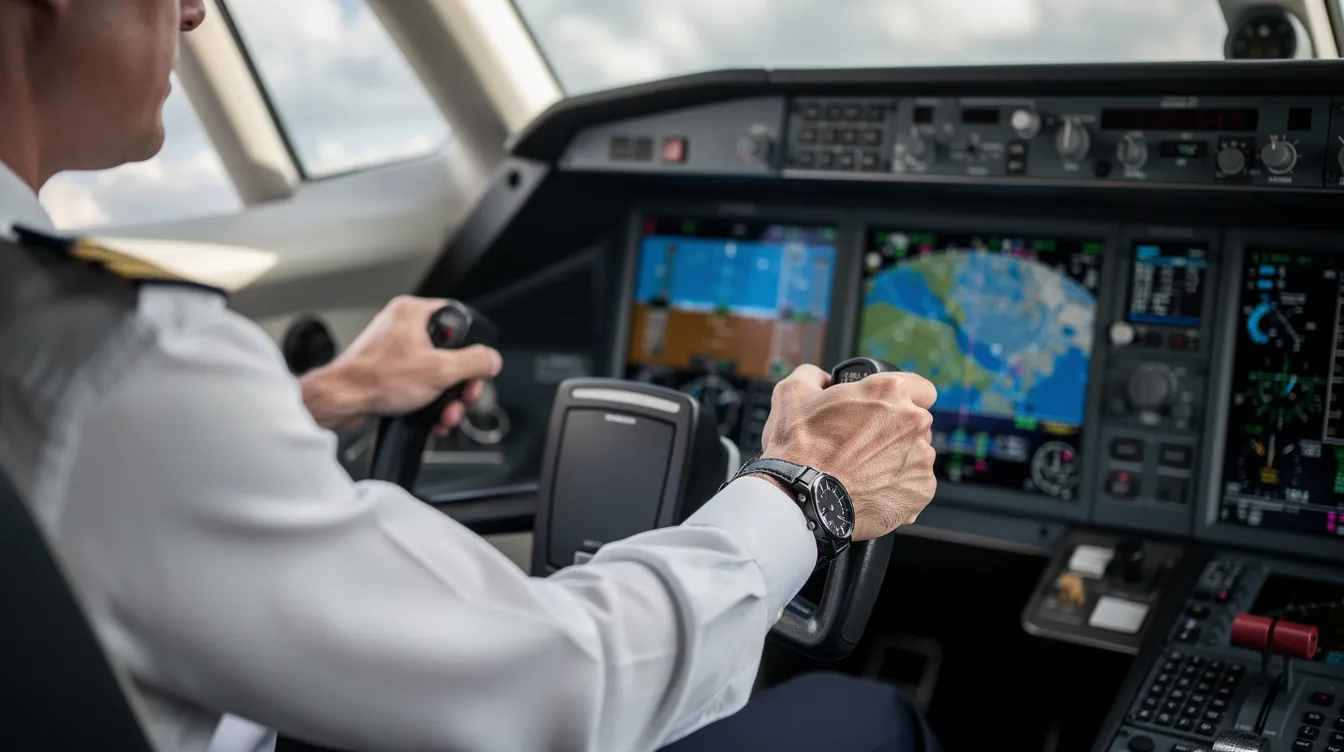
Every time an airplane lifts off a runway, a trained person is at the controls. So who flies a plane on your next trip? The answer is straightforward: licensed, certified pilots who have spent hundreds or thousands of hours mastering their craft. From a student pilot in a small trainer to an airline captain on a Boeing widebody, every flight depends on human skill, judgment, and regulatory oversight. This article breaks down the different types of pilots, how flight training works, the controls and forces that keep an airplane in the air, and what it all means for travelers booking private jet charters.
Every commercial airliner and private jet charter on Jettly is flown by a certified pilot operating under strict aviation regulations such as FAA Part 135 or equivalent international rules.
Pilots are categorized by certification level and the aircraft they can operate-from student pilots learning in Cessna trainers to airline transport pilots captaining jets with 1,500+ flight hours.
In the cockpit, pilots manage the four forces of flight-lift, weight, thrust, and drag-using controls like the yoke, rudder pedals, throttle, and modern avionics.
Celebrities such as John Travolta and Brad Pitt hold real pilot licenses, but the same training standards and safety rules apply to every person who flies.
Jettly's digital private charter aircraft platform connects travelers with professional crews and over 20,000 aircraft for safe, on-demand flights worldwide.
Licensed pilots-captains and first officers-sit in the cockpit and fly the aircraft. Passengers, cabin crew, and platform staff never take the controls.
On a typical commercial airline flight, the crew includes a captain (pilot in command), a first officer (co-pilot), and cabin attendants. Both pilots are fully qualified to fly the airplane, and they alternate between "pilot flying" and "pilot monitoring" roles throughout the trip.
For private jets booked through Jettly, professional charter pilots employed by certified operators under FAA Part 135 handle every flight, and understanding Part 135 charter companies and how they work helps explain the safety and regulatory framework behind those operations. These pilots often hold thousands of logged flight hours plus type ratings on specific aircraft.
Autopilot assists during cruise, but it does not fly the plane alone. Pilots remain responsible for takeoff, landing, route changes, weather avoidance, and emergencies. Under 14 CFR § 91.3, the pilot in command is the final authority on aircraft operation.
For small training aircraft like a Cessna 172, student pilots learn under the supervision of a certified flight instructor until cleared for solo flight under strict conditions.
In the U.S., FAA pilot certification systems are structured with various levels and ratings. Pilots are categorized by certification level and the aircraft they can operate. Different types of pilots include cargo, military, instructional, and agricultural pilots. Here is how the main civilian license levels break down:
Student Pilot – The entry point to aviation. A student pilot flies under the supervision of a certified flight instructor and can pursue solo flight only after demonstrating competency. An LSA license can be obtained in at least 20 flight hours.
Private Pilot License (PPL) – The most common license for general aviation. The minimum age for a private pilot license is 17 years. A Private Pilot License requires 35 to 40 hours of flight time, though most students log 60–75. Private pilots cannot accept payment for their services, with limited exceptions.
Commercial Pilot License (CPL) – This level allows pilots to be paid. A commercial pilot license requires at least 250 flight hours. Commercial pilots can be paid for certain flying jobs, such as charter flights, cargo runs, and instruction. Pilots need specific endorsements to operate multi-engine aircraft or fly under instrument flight rules.
Airline Transport Pilot (ATP) – The highest civilian license. An Airline Transport Pilot License is required to captain an airliner. Since August 2013, an ATPL is also required for first officers on U.S. airline operations, with a minimum of 1,500 flight hours.
Type Ratings and Specializations – Additional training and endorsements are required for specialized aircraft operations. Charter captains flying jet-booked jets hold appropriate type ratings for aircraft like those from leading private jet manufacturers such as Gulfstream and Boeing models. A fighter jet pilot follows a completely separate military track.
Pilots must meet age, medical, and certification standards to be qualified, which helps explain how they progress from one certificate or rating to the next. An Instrument Rating is a common next step after a PPL, opening the door to flying in clouds and low-visibility conditions.
|
License |
Min. Flight Hours |
Min. Age |
Key Privilege |
|---|---|---|---|
|
Student |
Varies |
16 (solo) |
Fly with CFI or solo under restrictions |
|
PPL |
35–40 |
17 |
Carry passengers, no compensation |
|
CPL |
250 |
18 |
Fly for hire |
|
ATP |
1,500 |
23 |
Captain airliners and large charters |
Learn more about career paths in private plane pilot training and opportunities.
Flight training combines ground instruction and practical flight experience. It is a structured process that moves from classroom theory to simulator work to real-world flying in training aircraft.
The typical steps look like this:
Discovery flight with an instructor
Enrollment in a flight school and passing an aviation medical exam (pilots must pass a medical exam to obtain a medical certificate; medical standards vary by pilot certificate and operation type)
Ground school covering theory, regulations, weather, and navigation
Dual instruction with a CFI in aircraft like the Cessna 172
Solo flights after demonstrating competency
Cross-country navigation trips
Final checkride with a designated examiner (oral and flight test)
A person must hold a valid pilot certificate and medical certificate to fly in the U.S. For a PPL in North America, expect 40–60 flight hours spread over 3–12 months depending on schedule and weather. Explore what pilot lessons cost in practice.
More advanced ratings-Instrument Rating, Multi-Engine, CPL, ATP-add training for flying in clouds, managing complex engines, and handling high-workload environments. Pilots flying private jets in the Jettly marketplace typically hold at least a CPL with instrument rating, thousands of logged hours, and complete regular proficiency checks every 6–12 months, which is consistent with the standards used by the best private jet charter companies worldwide.
Whether it is a small trainer, a corporate jet, or an airliner, the same core principles and controls apply to every airplane.
Primary controls:
Yoke or control stick – Moves the airplane's nose up and down (pitch) and tilts the wings left or right (roll) via the aileron surfaces.
Rudder pedals – Control yaw, and pilots use them with the ailerons to make a coordinated turn in flight. They also steer on the ground and apply brakes during landing.
Throttle – Adjusts engine thrust. Push forward to climb, pull back to descend or reduce speed.
Trim wheels – Fine-tune control forces so the pilot does not have to hold constant pressure.
Secondary controls include flaps (change wing shape for extra lift during takeoff and landing), spoilers, and speed brakes used during descent.
Modern cockpits use glass avionics systems like the Garmin G1000 or Gulfstream's PlaneView flight deck to display altitude, speed, heading, and navigation data. Pilots constantly monitor these instruments along with the horizon and weather to keep the aircraft stable, which directly supports passenger comfort on charter flights where services like in-flight catering for private jets can further enhance the experience.
Every airplane in flight is governed by four forces that pilots constantly balance, even if passengers never notice.
Lift – The upward force generated mainly by the wings. It depends on airspeed, wing shape, and angle of attack. Pilots adjust lift with pitch attitude and flaps.
Weight – The downward pull of gravity on the aircraft. On a long flight-for example, New York to Miami-fuel burn reduces weight and subtly changes how the airplane performs during climb, cruise, and descent.
Thrust – The forward force produced by propellers or jet engines. Pilots on a private jet adjust thrust for each phase of flight using the throttle.
Drag – Aerodynamic resistance that opposes forward direction. Clean aircraft design and efficient climb profiles reduce drag, improving both performance and fuel burn. This matters for environmental efficiency too.
During takeoff, the pilot applies full thrust, sets flaps, and rotates to generate lift. In cruise, a careful mixture of reduced power and altitude holds steady speed. On approach, the pilot manages the balance between lowering the nose, extending flaps, and controlling thrust to complete a safe landing. These four forces interact every second the airplane is in the air.
Not every pilot does the same job. Charter pilots flying business jets, military fighter jet pilots, and remote UAV operators serve very different missions with different training.
Private jet charter pilots – Generally hold a CPL or ATP with multi-engine and type ratings. They fly civilian passengers on-demand between thousands of airports worldwide through platforms like Jettly, which is part of a broader ecosystem of private and charter airlines. Aircraft categories range from light jets to heavy jets and helicopter options.
Fighter jet pilots – Go through intense air force training involving high-G maneuvering, tactical missions, and combat readiness. Operations during World War eras and modern conflicts developed these programs. Real fighter jet operations remain strictly military.
UAV operators – These remote pilots stay on the ground while flying unmanned aircraft. They hold certifications like the FAA Part 107 license and operate in controlled airspace, but no person is on board the aircraft.
Jettly focuses on crewed, civilian aircraft-not military fighters or drones. Every flight is operated by licensed pilots working for regulated charter operators, whether customers choose shared charter flights or full private charters.
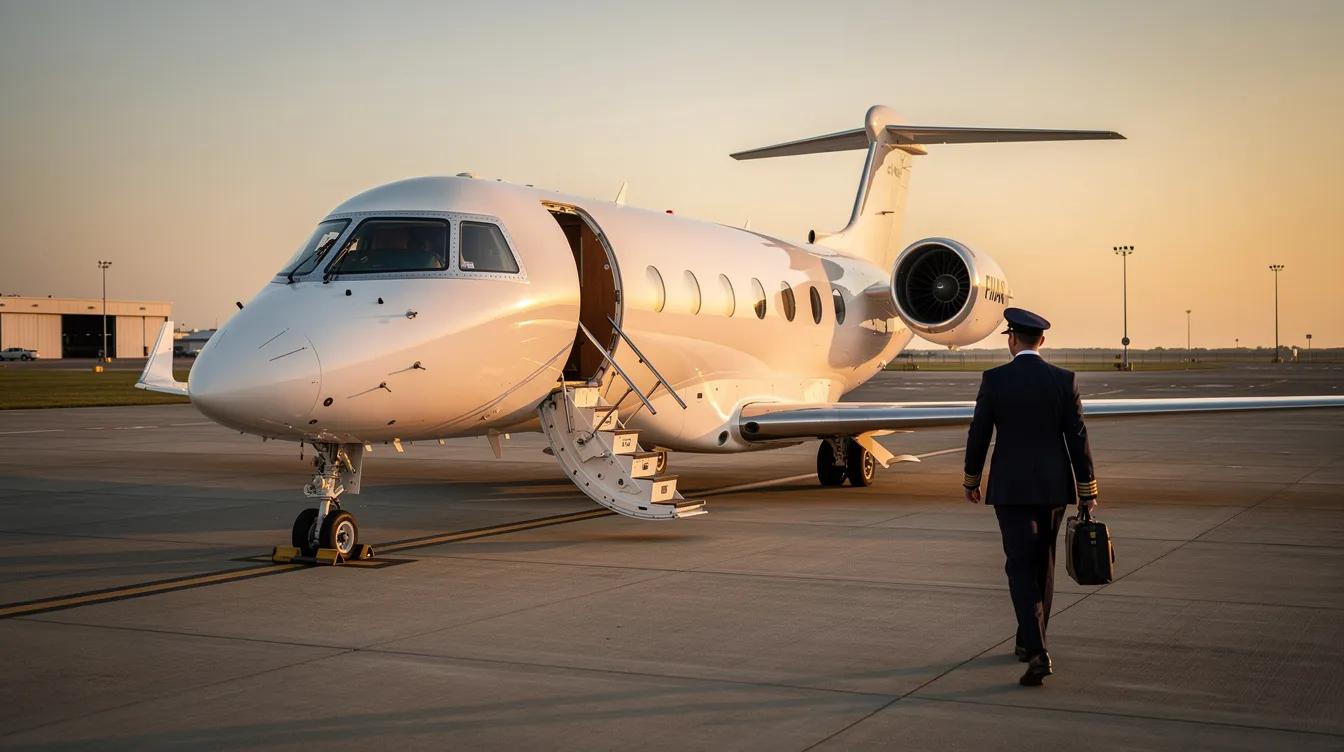
Some well-known actors and musicians hold real pilot licenses. Their story might be inspired by a love of aviation, but the requirements and safety rules are the same as for any other person who wants to pursue a pilot license.
John Travolta earned his pilot license at age 22, after an interest in flying that began when he was a kid. He owns and flies large aircraft, including a Boeing 707, and lives in an aviation community with direct runway access. His deep involvement in aviation goes well beyond acting.
Brad Pitt obtained his pilot license to fly a Cirrus SR22. He later discovered a passion for vintage aircraft and trained to fly a Supermarine Spitfire, a World War II–era warbird. His son Maddox has also been referred to in interviews as someone who shares his father's interest in flying.
Tom Cruise obtained his pilot license in 1994 and has since pursued advanced ratings. Angelina Jolie has been flying since 2004. Harrison Ford started flying at age 52, proving it is never too late. Morgan Freeman served as an Air Force mechanic before learning to fly at age 65, which generally shows that aviation is open to people from many backgrounds.
These celebrities prove that the world of flying is not limited by profession. Yet many high-profile travelers have decided that on-demand private jet charter offers more flexibility and access to 20,000+ aircraft without the burden of ownership, often choosing platforms positioned as a NetJets alternative for flying private.
Jettly is a digital private jet charter marketplace, created to connect travelers to vetted operators and professional pilots worldwide. Every aircraft on the platform is flown by licensed charter captains and co-pilots employed by certified operators.
Customers can choose from light jets, midsize jets, heavy jets, turboprops, and helicopters and use tools like a private jet charter cost estimator to understand pricing. The common thread is professionally crewed flights with transparent pricing.
Beyond basic on-demand bookings, many frequent flyers also consider private jet memberships with flexible plans to manage costs and access.
Key benefits of charter vs. ownership:
No need for the customer to hold a pilot license or complete flight training
No maintenance, hangar, or crew management burden on the owner
Instant digital booking for business trips, family travel, or emergency flights, supported by tools such as an airport locator for private jet charter
Access to a global network of aircraft and operators
Ready to travel quickly and privately? Explore flight options or request a quote at jettly.com; use the platform to share empty seats and crowdsource private jet flights, compare affordable private jet charter pricing and cost factors, or elevate your experience through world-class corporate jet card programs. Those interested in promoting these services can also join Jettly's ULTRA high-ticket affiliate program to earn commissions.

These FAQs address practical questions that go beyond the main sections above.
Modern airliners and private jets always have at least two qualified pilots on board to prevent this scenario. In an extreme emergency, air traffic control can talk an untrained person through basic actions, but this is exceptionally rare. Aircraft are designed to be stable, and autopilot can support straight-and-level flight, yet safe operation still requires trained pilots.
The captain is the pilot in command with final authority and responsibility for every decision on the flight. The first officer is the co-pilot who shares flying duties and can fully control the aircraft. On many flights, they alternate "pilot flying" and "pilot monitoring" roles regardless of rank.
No. Jettly customers are passengers only. They do not need any license, flight training, or aviation experience to board a private jet charter. All flying is handled by professional crews working for certified operators such as DEXTER AIR TAXI private jet services and instant-book operators like ZENFLIGHT, with options to depart from major hubs including Atlanta, Georgia private jet charter services, Kolkata, West Bengal private jet charter, or New Delhi, Delhi private jet charter.
Charter pilots typically undergo recurrent training every 6–12 months, including simulator sessions, emergency procedures, and checkrides required by regulators and operators. This ongoing training keeps skills sharp for both routine flights and unexpected situations.
Many people can become pilots and pursue flight training if they pass an aviation medical exam, which checks vision, hearing, cardiovascular health, and overall fitness. People who qualify can follow the process whether they first wanted to fly as a kid or discovered the goal later in life. Airline and military pilots face stricter standards than private pilots, but thousands of people of different ages and backgrounds successfully complete flight training each year.
Flying a plane is a skill mastered by licensed and certified pilots who undergo rigorous training and maintain strict standards to ensure safety and efficiency. Whether flying a small trainer, a private jet charter booked through Jettly, or a commercial airliner, pilots manage complex controls and the fundamental forces of flight to deliver a seamless travel experience.
Celebrities who fly planes demonstrate that aviation is accessible to those committed to learning, while platforms like Jettly make private jet travel convenient and transparent for travelers without requiring them to fly themselves. Understanding who flies a plane and the expertise involved highlights the value of professional pilots and the benefits of choosing trusted private jet charter services.
Ready to experience private travel on your terms? Explore flight options or request a quote at https://www.jettly.com.
Share this post:
Jay Franco Serevilla
Oct 1, 2026
|
5
min read
Discover tips and trends in the industry.
5
min read
Citation 7 Jet: Performance, Costs, and Charter Insights
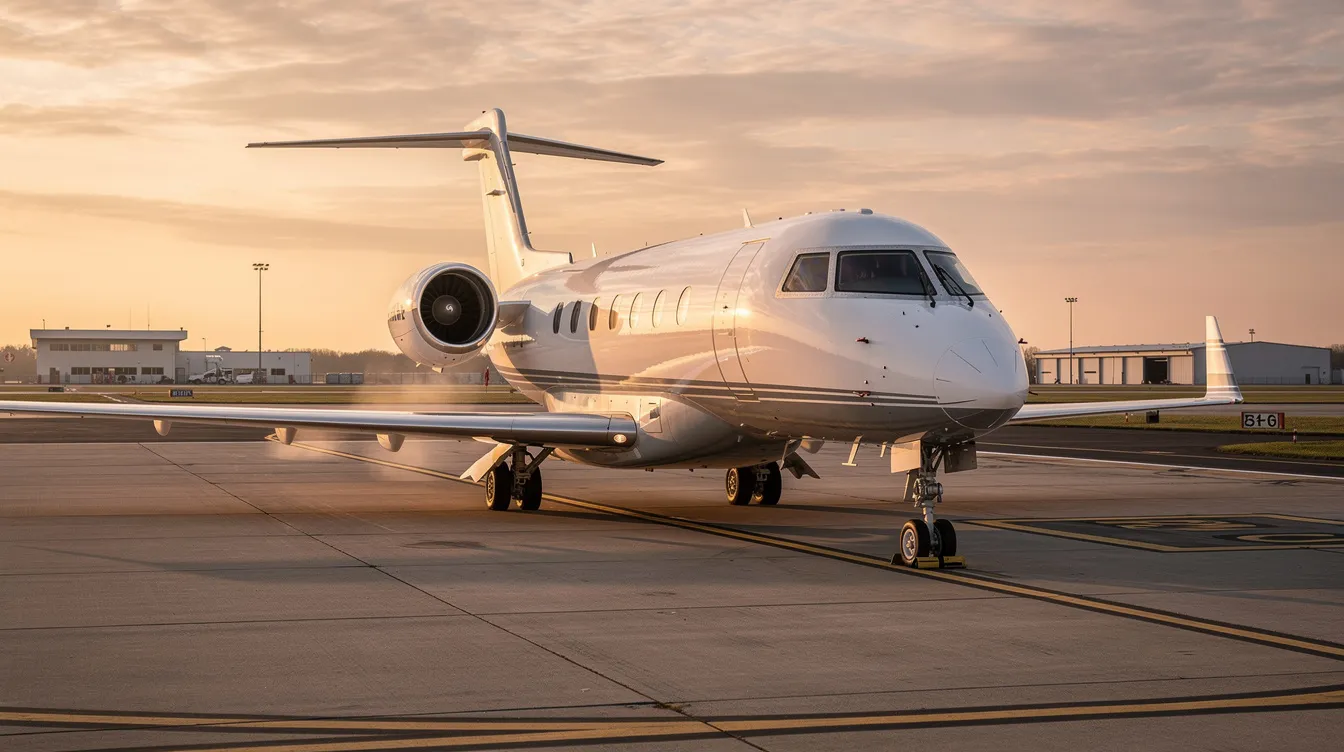
The Cessna Citation VII is a high-performance midsize business jet that offers a comfortable cabin for up to 7 passengers and impressive cruise capabilities. Despite its production ending in 2000, it remains a popular choice for charter services due to its reliability and cost-effectiveness. With a maximum range of 2,220 nautical miles and the ability to fly at altitudes up to 51,000 feet, it provides excellent performance for various travel needs.
Read More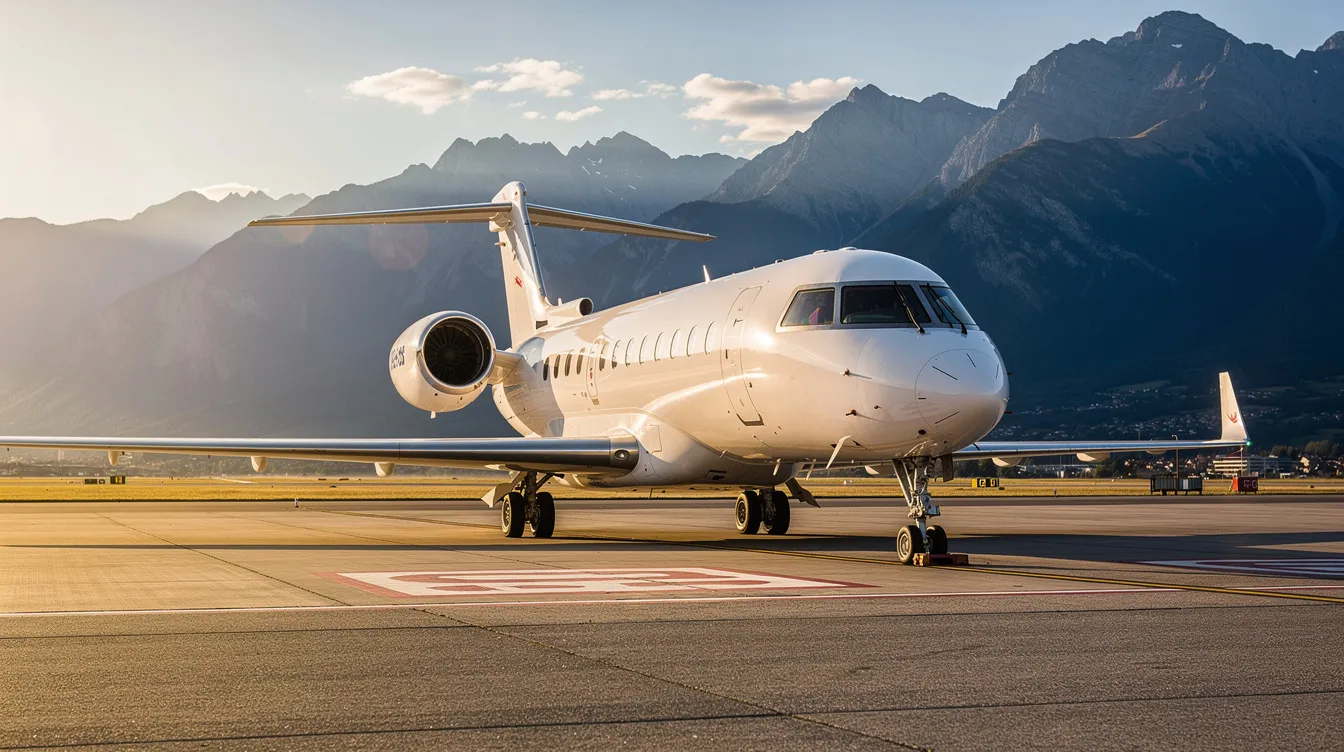
5
min read
Who Owns a Gulfstream G700? Inside the World of the Newest Flagship Business Jet
The Gulfstream G700 is the largest and most advanced private jet, appealing to ultra-high-net-worth individuals, corporations, and charter operators. With a price tag of around $75 million, ownership is often discreet, utilizing LLCs for privacy. This article explores who owns the G700, including notable figures like Elon Musk, and how travelers can access this elite aircraft through charter services.
Read MoreStay updated with our latest insights and tips to elevate your journey with us.
MEMBERSHIPS AND ASSOCIATIONS



Disclaimer: Jettly operates as a charter broker, offering access to a global digital jet charter marketplace. Jettly is not a direct air carrier and does not own or operate aircraft. All advertised flights are conducted by third-party air carriers that are fully licensed and hold the appropriate Part 135 or Part 121 certifications issued by the Federal Aviation Administration (FAA) or equivalent regulatory authorities under U.S. or foreign law. Jettly complies fully with the U.S. Department of Transportation's Part 295 and Part 298 Charter Broker regulations. Jettly does not carry additional liability insurance. Passengers are covered by aircraft operator insurance. TICO: 50023770


