



Login
Get Instant Pricing On 23,000+ Aircraft

>

The question “When was the last major plane crash?” surfaces after every headline-grabbing aviation disaster. It reflects a natural concern about something most travelers take for granted: the safety of getting on a plane. As of mid-2026, the most recent globally significant commercial airliner crash was Air India Flight AI171, a Boeing 787-8 Dreamliner that crashed shortly after takeoff from Ahmedabad on June 12, 2025, killing 241 of the 242 people on board. Before that, China Eastern Airlines Flight MU5735 claimed 132 lives in March 2022. Despite these tragedies, fatal crashes involving large passenger jets remain exceptionally rare in the broader context of billions of annual flights worldwide.
This article provides a factual, data-driven look at recent and historic aviation accidents, explains how investigations work, and puts risk into perspective for both commercial and private air travel.
The most recent major plane crash involving a large commercial jet was Air India Flight AI171 on June 12, 2025, a Boeing 787-8 en route from Ahmedabad to London Gatwick. There were 241 confirmed fatalities and one passenger who survived.
“Major plane crash” typically refers to large commercial airline disasters with many fatalities, not every small private aircraft accident. Formal criteria include hull loss, multiple fatalities, and significant regulatory impact.
Fatal commercial jet crashes have become increasingly rare since the 2010s. In 2023, aviation experienced the lowest number of fatalities since World War II, at 246 deaths globally.
Every major accident can prompt safety changes. Modern commercial and private aviation, including flights brokered through platforms like Jettly, operate under regulatory oversight shaped by decades of crash investigations.
Understanding the difference between dramatic headlines and actual risk data helps travelers make informed decisions, whether flying commercial or booking a private charter.
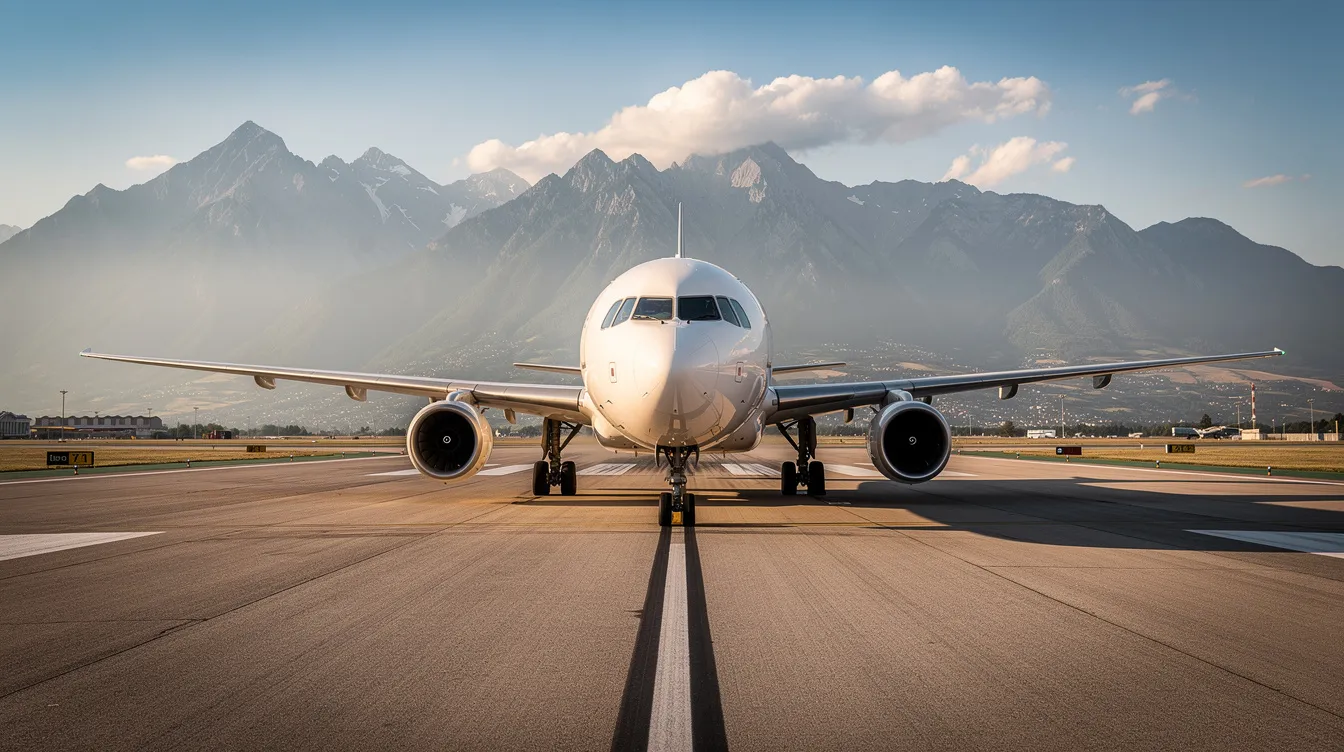
Not every aviation accident qualifies as a “major plane crash” in the way most people understand the term. The phrase generally refers to disasters involving large passenger jets, high death tolls, or events that reshape global safety standards.
Aviation agencies and safety organizations classify accidents using criteria that may include:
Fatality count: Deaths among passengers, crew members, or people on the ground.
Aircraft destruction: A “hull loss” where the airplane is damaged beyond economical repair.
Aircraft size and operation type: Scheduled commercial airline operations using aircraft certified for more than 14 passengers are often reported separately from small general aviation incidents.
Regulatory impact: Whether the accident leads to new airworthiness directives, procedure changes, or grounding of an aircraft type.
Media and public attention: Major crashes often generate sustained international coverage and influence public perception of air travel safety.
Small general-aviation accidents, private plane incidents, and business jet mishaps are still investigated and still tragic. But they are treated separately in many safety databases because they involve fewer occupants and different operational contexts.
This distinction matters for understanding headlines. A Cessna crash near a small airfield and a wide-body airliner disaster on an international route are fundamentally different events in scope and consequence.
When was the last major plane crash involving a large scheduled passenger jet? As of mid-2026, the most significant recent events include:
|
Flight or event |
Date and location |
Outcome |
Significance |
|---|---|---|---|
|
Air India Flight AI171 |
June 12, 2025; Ahmedabad, India |
241 of 242 people aboard died; one passenger survived |
Most recent globally significant commercial airliner crash as of mid-2026; investigation ongoing |
|
China Eastern Airlines Flight MU5735 |
March 21, 2022; Guangxi, China |
All 132 people aboard died |
Boeing 737-800 entered a steep descent; no final cause report had been published by China’s CAAC as of 2026 |
|
Ethiopian Airlines Flight 302 |
March 10, 2019; Addis Ababa, Ethiopia |
157 people aboard died |
737 MAX accident; investigation implicated MCAS |
|
Lion Air Flight JT610 |
October 29, 2018; Java Sea, Indonesia |
189 people aboard died |
737 MAX accident; faulty sensor data repeatedly activated MCAS |
Air India Flight AI171 (June 12, 2025): A Boeing 787-8 Dreamliner crashed shortly after takeoff from Ahmedabad, India, on a scheduled international flight to London Gatwick. Of the 242 people on board, 241 died, and one passenger survived. A preliminary report from India’s Aircraft Accident Investigation Bureau described fuel-control switches moving to the cutoff position shortly before impact. The investigation remains ongoing; preliminary findings should not be treated as a final determination of cause.
China Eastern Airlines Flight MU5735 (March 21, 2022): A Boeing 737-800 on a domestic route from Kunming to Guangzhou entered a steep descent from cruise altitude and crashed in southern China. All 132 people aboard, including six crew members, were killed. Investigators examined the flight path and cockpit evidence, but no final cause report had been officially published by China’s CAAC as of 2026.
Boeing 737 MAX accidents (2018–2019): Lion Air Flight JT610 (October 2018) and Ethiopian Airlines Flight 302 (March 2019) involved the 737 MAX and resulted in 189 and 157 fatalities, respectively. Investigations identified the aircraft’s MCAS flight-control system as a central factor. The accidents led to a worldwide grounding of the 737 MAX and significant design and certification changes.
The answer above refers specifically to large scheduled commercial airliners. Several significant non-commercial and business aircraft crashes have also occurred in the United States since the Air India disaster, including:
A Beechcraft BE95-A55 Baron crashed in South Carolina on July 2, 2026.
A Cessna 680A Citation Latitude crashed in Laredo, Texas, on June 16, 2026.
A Beechcraft 58 Baron crashed in New Market, Tennessee, on April 13, 2026.
A Cessna 550 Citation II crashed in Statesville, North Carolina, on December 18, 2025.
A Beechcraft G58 Baron crashed in Carencro, Louisiana, on October 21, 2025.
A Learjet 35A crashed in Scottsdale, Arizona, on February 10, 2025, killing one person.
These accidents involved smaller general-aviation or business aircraft and are distinct from crashes involving large scheduled passenger jets. Even with these cases, fatal crashes involving large commercial jets remain uncommon compared with the number of flights operated worldwide. Each accident is an outlier in the broader safety record of scheduled airline operations.
The United States has a strong commercial aviation safety record. The last fatal crash of a U.S. scheduled commercial passenger airline occurred in 2009. Other U.S. aviation accidents and emergencies have drawn attention, but they should be distinguished from fatal crashes involving U.S. scheduled carriers.
Colgan Air Flight 3407 (February 12, 2009): A Bombardier Q400 turboprop operating as a Continental Connection flight crashed into a residential neighborhood near Buffalo, New York, killing all 49 people on board and one person on the ground. The NTSB cited the captain’s inappropriate response to a stall warning as the probable cause, with fatigue and training issues among the contributing factors. The accident led to regulatory changes, including the First Officer Qualification Rule and enhanced pilot training standards.
Asiana Airlines Flight 214 (July 6, 2013): A Boeing 777 struck a seawall short of the runway during its final approach to San Francisco International Airport. Three passengers died, and 187 people were injured. The NTSB found that the flight crew mismanaged the approach, including misuse of the autothrottle and failure to monitor airspeed. The aircraft was operated by a foreign airline, though the crash occurred in the United States.
Southwest Airlines Flight 1380 (April 17, 2018): A Boeing 737-700 experienced an uncontained engine failure at cruise altitude. Debris struck the fuselage, killing one passenger. The aircraft made an emergency landing in Philadelphia. This was not a crash in the traditional sense, but it was the most recent fatality aboard a U.S. major domestic airline.
Large-scale fatal crashes involving U.S. scheduled carriers are rare. Smaller non-commercial and general aviation accidents still occur regularly in U.S. airspace, while Part 121 airline operations benefit from standardized training, maintenance, and oversight requirements.
The following overview covers high-profile aviation accidents and their lasting safety implications. Some events listed occurred before 2010 but are included because their investigations shaped later procedures.
Air France Flight 447 (June 1, 2009): An Airbus A330 crashed into the Atlantic en route from Rio de Janeiro to Paris, killing all 228 aboard. The final report, released in 2012, found that iced pitot tubes caused unreliable airspeed readings, contributing to crew confusion and loss of control. The accident prompted changes to high-altitude stall-recovery training.
Germanwings Flight 9525 (March 24, 2015): An Airbus A320 was deliberately flown into the French Alps by the first officer, killing all 150 people on board. The accident prompted renewed attention to pilot mental health and cockpit-access procedures.
MetroJet Flight 9268 (October 31, 2015): An Airbus A321 broke apart over the Sinai Peninsula after departing Sharm el-Sheikh, Egypt, killing all 224 people on board. Investigators determined that an explosive device caused the crash.
Lion Air Flight JT610 (October 29, 2018): A Boeing 737 MAX crashed into the Java Sea 13 minutes after takeoff from Jakarta, killing all 189 people aboard. Faulty angle-of-attack sensor data repeatedly activated MCAS, pushing the aircraft’s nose down.
Ethiopian Airlines Flight 302 (March 10, 2019): Another Boeing 737 MAX crashed six minutes after takeoff from Addis Ababa, killing all 157 people aboard. The investigation also implicated MCAS.
China Eastern Flight MU5735 (March 21, 2022): A Boeing 737-800 entered a steep descent from cruise altitude, killing all 132 people aboard.
Air India Flight AI171 (June 12, 2025): A Boeing 787-8 crashed shortly after takeoff from Ahmedabad, killing 241 people on board; one passenger survived.
Each accident contributed to safety scrutiny and, in some cases, actionable changes—from flight-crew procedures and aircraft design to training and oversight.
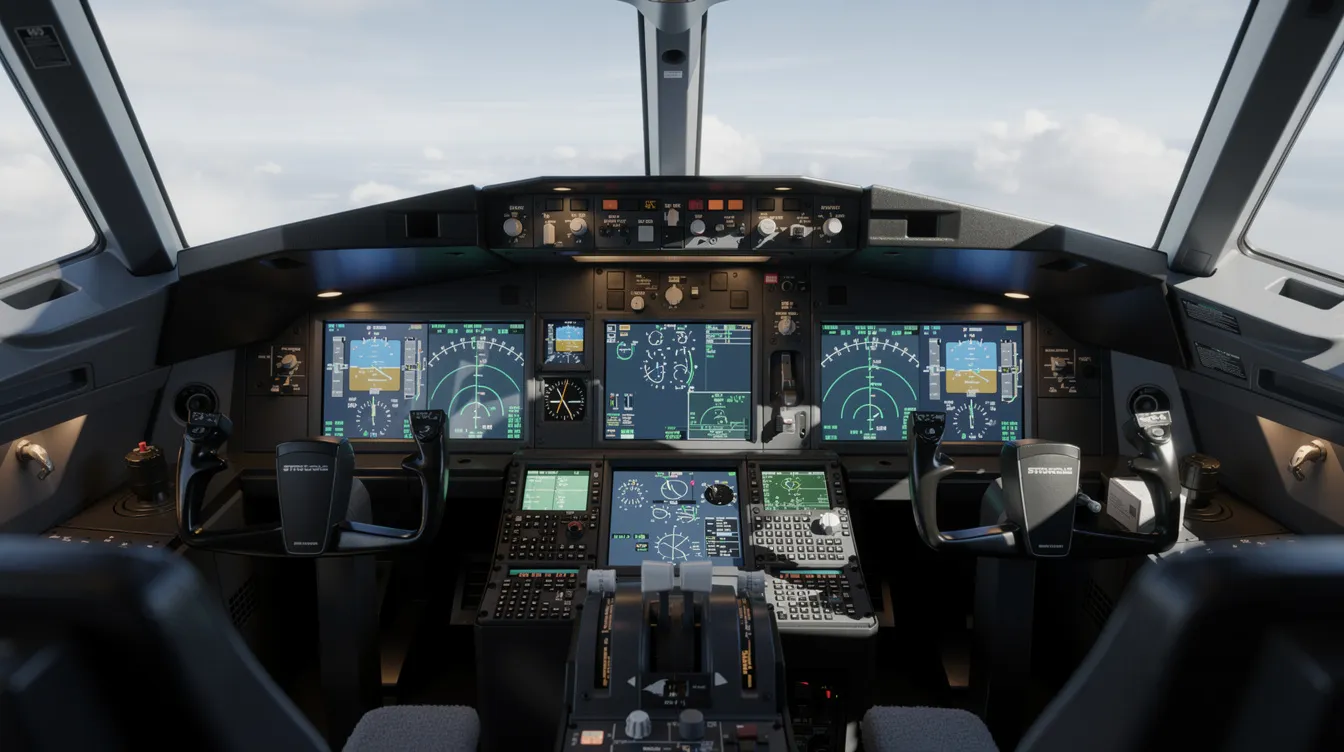
Several watershed accidents from earlier decades continue to influence aviation procedures, training, and technology.
Tenerife Airport Disaster (March 27, 1977): Two Boeing 747s—KLM Flight 4805 and Pan Am Flight 1736—collided on the runway at Los Rodeos Airport in the Canary Islands. The deadliest aviation accident in history killed 583 people. It led to improvements in radio phraseology, air traffic control procedures, and Crew Resource Management training.
Japan Airlines Flight 123 (August 12, 1985): A Boeing 747SR suffered structural failure involving its rear pressure bulkhead after an improper repair. The crash killed 520 of the 524 people on board. It remains the deadliest single-aircraft accident.
Air India Flight 182 (June 23, 1985): A Boeing 747 was destroyed by a bomb over the Atlantic Ocean off Ireland. The bombing killed 329 people and remains the deadliest terrorist attack in Canadian history. It led to significant changes in airport security screening.
Charkhi Dadri Mid-Air Collision (November 12, 1996): A Saudi Arabian Airlines Boeing 747 and Kazakhstan Airlines Il-76 collided near New Delhi. The world’s deadliest mid-air collision killed 349 people. The accident involved Kazakhstan Airlines Flight 1907 and led to greater international implementation of Traffic Collision Avoidance System (TCAS) requirements for large aircraft.
Turkish Airlines Flight 981 (March 3, 1974): A DC-10 crashed near Orly Airport outside Paris after a cargo-door failure contributed to a cabin-floor collapse and loss of flight controls. All 346 people aboard died. The accident prompted changes to cargo-door locking systems.
Despite their age, these crashes help explain why modern procedures—from standardized radio calls to collision-avoidance systems—exist in their current form. Japan Airlines Flight 123 is sometimes described as the second deadliest aviation accident in history, based on the number of fatalities in a single-aircraft crash.
Mid-air collisions and unexplained steep-descent incidents attract intense investigation because they can indicate failures in systems designed to keep aircraft safely separated and controllable.
Mid-air collisions can occur despite radar surveillance and ADS-B tracking if separation, communication, or coordination breaks down. The 1996 Charkhi Dadri collision is the deadliest example. Modern TCAS II systems provide automated climb or descent advisories to help prevent collisions, but crews must respond appropriately to the guidance.
Steep descents are among the most alarming flight events. Possible causes include structural failure, flight-control problems, or deliberate pilot action. China Eastern MU5735’s flight path showed a rapid loss of altitude, but the exact cause should not be assumed in the absence of an official final report.
A separate case illustrates the challenges investigators face. A Learjet 60 operated by Aurora Aviation was en route from Austin, Texas, to North Eleuthera Airport in the Bahamas when it lost approximately 27,000 feet of altitude in less than a minute. The NTSB is leading the investigation into the January 30, 2025 crash, examining severe weather and structural failure as potential factors. The pilots experienced moderate turbulence and icing during the flight, and the aircraft encountered severe weather shortly before the crash. Parts of the aircraft were found scattered several miles from the main crash site. The impact created a deep crater and destroyed nearby property. No fatalities were reported on the ground, despite the crash occurring in a populated area. The event raised important aviation safety questions about the potential for in-flight breakup under severe atmospheric conditions.
Modern protections such as TCAS, terrain awareness and warning systems (TAWS), and flight-envelope protection are designed to reduce the likelihood of these scenarios becoming catastrophic.
Many serious aviation accidents occur during takeoff or landing, when aircraft are close to the ground, flying at reduced speeds, and crews face high workloads.
Examples include:
Runway overruns caused by wet or contaminated surfaces, excessive tailwinds, or late touchdown points.
Unstable approaches continued despite an aircraft being too high, too fast, or improperly configured.
Hard landings and landing-gear failures that cause significant damage, fire, or structural compromise.
Approach accidents such as Asiana 214, where approach management contributed to the aircraft striking terrain short of the runway.
Contributing factors can overlap:
Mis-set autothrottles or failure to monitor airspeed.
Poor visibility, rain, or crosswinds.
Communication breakdowns between the tower and flight crew.
Fatigue or complacency during a seemingly routine flight.
Stabilized-approach criteria require crews to go around if an aircraft is not properly configured by a defined point. Runway-surface monitoring can provide braking-action information. These measures help reduce risk, but takeoff and landing remain demanding phases of flight.
Aviation agencies distinguish accidents from incidents using formal criteria that differ from everyday language.
Accident: An occurrence involving death or serious injury, or substantial aircraft damage, including a hull loss.
Incident: A safety-related occurrence that does not meet the accident threshold but could signal a risk, such as a near-miss or loss of separation.
The NTSB investigates civil aviation accidents in the United States. The FAA supports investigations and oversees aviation safety regulations. Internationally, agencies such as France’s BEA and the UK’s AAIB investigate accidents in their jurisdictions, with ICAO standards supporting cooperation.
Classification and investigation decisions may consider:
Severity of damage.
Number of fatalities and serious injuries.
Aircraft weight category and operation type, such as scheduled airline or private charter.
Whether the event involved a collision, controlled flight into terrain, or another defined category.
A hull-loss accident involving a scheduled airline can require international cooperation, while other occurrences may be handled at a regional level.
Many major aviation accidents result from a chain of factors rather than one mistake or isolated mechanical failure. The NTSB investigates human factors and mechanical issues to understand how those factors combined.
Common causal categories include:
Pilot and crew factors: Loss of situational awareness, an inappropriate response to a warning, or failure to follow procedures. Pilot error may be one factor investigators consider, but it should not be assumed before evidence is assessed.
Maintenance lapses: Missed inspections, improper repairs, or unsuitable parts. Investigators examine maintenance records to identify potential issues.
Design flaws: Systemic problems in aircraft systems, as seen in the 737 MAX MCAS accidents and the DC-10 cargo-door failure.
Weather: Turbulence, icing, windshear, or thunderstorms that challenge aircraft performance or crew decision-making.
Air traffic control issues: Miscommunication, workload, or procedural breakdowns.
Intentional acts: Rare but devastating events, including terrorism and pilot suicide.
Loss of control in flight is a major fatal-accident category globally. Investigators analyzing a steep descent, mid-air breakup, or uncontrolled crash look for the sequence of events and contributing factors. The aim is to identify safety improvements that can prevent a similar chain from recurring.
Major accidents have contributed to increasingly sophisticated global safety systems and reporting practices.
ICAO standards: The International Civil Aviation Organization sets international standards covering aircraft certification, crew training, and airport operations.
Global Aeronautical Distress and Safety System (GADSS): Developed partly in response to the disappearance of Malaysia Airlines Flight MH370, GADSS aims to improve aircraft tracking and distress response. Current requirements call for commercial aircraft to report their position at least every 15 minutes. Longer-term elements include enhanced tracking and distress-location capabilities.
Aviation Safety Reporting System (ASRS): NASA’s ASRS collects voluntary safety reports from pilots, air traffic controllers, and others. The reports help identify system deficiencies and emerging risks; they also support safety alerts and research.
International investigation cooperation: When an accident involves an aircraft, operator, and manufacturer from different countries, international standards guide information-sharing and participation in the investigation.
Together, these systems create a safety network. Reports and investigation findings can inform training and procedures beyond the country where an event occurred.
Fatal crashes involving commercial jets are rare relative to the number of flights operated worldwide. Statistics vary depending on how an organization defines an accident, the types of aircraft included, and the reporting period.
According to the Flight Safety Foundation’s 2025 Safety Report, there were 12 fatal airliner accidents globally in 2025, resulting in 420 passenger and crew fatalities, plus 33 ground fatalities.
From 2019 to 2023, there were approximately 13 fatal accidents involving commercial jet airliners—an average of about 2.6 per year.
In 2023, aviation recorded 246 fatalities, the lowest total since the end of World War II, according to the cited historical statistics.
The recorded total fatalities due to aviation accidents since 1970 is 83,772 in one accident database. This figure reflects a broad range of accidents and should be read in the context of that database’s definitions.
Annual aviation fatalities were below 1,000 in ten of the fourteen years between 2007 and 2020.
The difference between commercial air transport and small general-aviation fleets is significant. Many aviation accidents involve small privately owned aircraft, not scheduled airlines. Commercial airline operations benefit from standardized training, multi-crew operations, and structured maintenance requirements.
Individual years can see clusters of events. However, long-term comparisons depend on consistent definitions and should account for the number of departures and aircraft types included.

A single major aviation accident can dominate global headlines, while everyday risks are less vivid. Several psychological patterns help explain this disconnect.
Catastrophic scale: A crash that kills many people in one event feels different from a large number of separate road fatalities, even when overall statistics tell a different story.
Availability bias: People may overestimate the likelihood of events they can easily recall. Dramatic images and personal stories remain more memorable than abstract data.
Lack of control: Passengers cannot steer or pull over, which can heighten anxiety compared with driving.
Early reporting confusion: Initial reports may describe a steep descent, suspected breakup, or fire before recorders and wreckage have been analyzed. Speculation can fill the information gap.
The best approach is to wait for official updates from agencies such as the NTSB, EASA, or the relevant national authority before drawing conclusions about a crash.
Commercial and private aviation are regulated under different frameworks and involve different fleets, missions, and operating practices.
Commercial airlines: Large crews, standardized procedures, extensive training, and centralized maintenance programs. Accident rates for U.S. Part 121 operations are extremely low.
Private and business aviation: Greater airport flexibility, smaller aircraft, and more varied missions. Accident rates per flight hour can be higher than airline rates, in part because this category includes casual owner-pilots and varied operating contexts.
Professional charter operations: Certified charter operators, including U.S. operators holding Part 135 certificates, follow defined regulatory standards for commercial operations. Training, maintenance, and crew requirements depend on the operation and aircraft.
For travelers, the useful distinction is not simply “airline vs. private,” but the specific operator, aircraft, and operating framework. Jettly is a charter broker and marketplace, not an aircraft operator; flights booked through the platform are operated by properly certified third-party carriers. Learn more about private jet safety.
Jettly is a digital private jet charter marketplace and charter broker, not an aircraft operator. It connects travelers with a broad range of private charter aircraft from licensed operators such as DEXTER AIR TAXI and ZENFLIGHT. The third-party carrier operating a flight has direct responsibility for the aircraft and flight operations.
Operator verification: Jettly checks that third-party operators hold appropriate certifications, such as Part 135 authority in the United States, for the relevant operation.
Regulatory oversight: Flights are operated by carriers regulated by national aviation authorities. The platform does not replace governmental oversight or the operator’s safety responsibilities.
Information before booking: Jettly’s instant-quote and booking tools let travelers review available aircraft and operator details before confirming a trip, and in some cases create or join crowdsourced shared private jet flights to reduce costs.
Ongoing compliance: Operator status and eligibility are monitored, and carriers that no longer meet platform requirements may be removed. Travelers, content creators, and agencies who refer new clients can also participate in Jettly’s high-ticket affiliate program.
The goal is to connect travelers with professional, appropriately certified carriers rather than informal owner-pilot arrangements. Travelers can learn more about charter brokers and Part 135, or consult broader guides that compare charter airlines and private aviation options.
While major airliner disasters draw global attention, many aviation accidents involve small general-aviation and business aircraft. Understanding common risk factors helps put these events in context.
Typical private-aircraft risk factors include:
Challenging weather at smaller airports: Some airfields have fewer approach aids, making poor-weather operations more demanding.
Fuel management errors: Fuel starvation or incorrect tank selection can contribute to light-aircraft incidents.
Loss of control on approach or departure: Stalls, spatial disorientation, and unsuccessful go-arounds are recurring concerns.
Runway limitations: Shorter runways can leave less margin during takeoff and landing.
Recent examples of non-airline accidents in the United States include:
A Beechcraft BE95-A55 Baron crashed in South Carolina on July 2, 2026.
A Cessna 680A Citation Latitude crashed in Laredo, Texas, on June 16, 2026.
A Beechcraft 58 Baron crashed in New Market, Tennessee, on April 13, 2026.
A Cessna 550 Citation II crashed in Statesville, North Carolina, on December 18, 2025.
A Beechcraft G58 Baron crashed in Carencro, Louisiana, on October 21, 2025.
A Learjet 35A crashed in Scottsdale, Arizona, on February 10, 2025, killing one person.
Each incident is tragic, but these aircraft and operations differ from scheduled airline flights in size, mission, and occupant count. Travelers considering a private charter can ask about the operating carrier, certifications, crew, and safety practices. Jettly’s marketplace connects travelers with professional operators, not casual owner-pilots. Its private jet memberships are designed to give frequent flyers predictable access to aircraft and pricing. For annual data, see Jettly’s guide to how many private planes crash a year.
Travelers can ask practical questions when booking a flight. Safety decisions remain primarily with the operator and flight crew, but passengers can seek clear information.
For private charter bookings, consider:
Operator certificates: Confirm that the carrier holds the certification required for the operation.
Safety ratings and audits: Ask whether the operator holds recognized ratings such as ARGUS, Wyvern Wingman, or IS-BAO. Third-party audits can assess standards beyond regulatory minimums.
Crew configuration: Ask how many pilots will operate the flight and whether that arrangement matches the aircraft and operation.
Maintenance currency: Ask about the aircraft’s maintenance status and inspection history.
Weather policies: Ask how the operator handles cancellations, delays, or diversions when conditions are unsafe.
Jettly’s marketplace allows travelers to compare aircraft and operator information before booking, helping them make an informed choice and verify that they are flying with properly certified Part 135 charter companies.
The purpose of a safety investigation is to establish what happened, identify contributing factors, and recommend measures that can prevent similar events. The NTSB investigates civil aviation accidents in the United States, often with support from the FAA and other parties.
Key investigation steps include:
Securing the wreckage and site: Investigators document the debris field and the condition and location of aircraft components. Debris distribution can provide evidence, but it does not by itself prove an in-flight breakup.
Recovering recorders: Cockpit voice and flight data recorders can help establish flight conditions, system status, and crew communications. FAA rules require cockpit voice recorders on specified aircraft and operations, including multi-engine jets operated under applicable rules.
Analyzing radar, ATC, and tracking data: Investigators reconstruct the flight path, altitude, and communications with air traffic control. Flight tracking data can help establish an aircraft’s path, though investigators use it alongside other evidence.
Examining maintenance and mechanical systems: Investigators review inspection records, parts histories, and aircraft systems to determine whether mechanical issues contributed.
Analyzing human factors: Crew training, fatigue, decision-making, and other relevant factors may be examined.
The NTSB generally expects to publish a preliminary report within about 30 days of a U.S. accident. Such a report provides factual information, not a final probable-cause finding. NTSB investigations can take 12 to 18 months or longer to complete. Final findings may lead to airworthiness directives, design changes, procedure updates, or new training scenarios.
Technology provides multiple layers of protection, each designed to address a different hazard.
TCAS (Traffic Collision Avoidance System): Detects nearby aircraft and can issue climb or descent advisories to help prevent mid-air collisions. It is required on many commercial and large business aircraft.
GPWS/TAWS (Ground Proximity Warning / Terrain Awareness and Warning System): Alerts crews when an aircraft is dangerously close to terrain.
Autopilots and flight-envelope protection: These systems support flight control and, on some aircraft, help limit inputs that could exceed specified aerodynamic or structural limits.
Engine health monitoring: Sensors can help maintenance teams identify developing performance issues.
Cockpit voice and flight data recorders: Recorders support accident investigations and can inform proactive safety programs.
Connectivity and tracking: Position reporting and distress systems help improve the ability to locate aircraft and respond to emergencies.
No single technology prevents every accident. These systems work together with crew training, maintenance, air traffic control, and sound operating decisions.
Aviation statistics can help travelers assess risk, but they must be interpreted carefully. Rates differ according to the aircraft, operation, region, and definition of an accident.
Fatal commercial-airliner accidents are rare relative to the millions of flights operated worldwide.
Risk on a regulated airline flight is generally very low compared with many common forms of travel. Private-aviation risk varies by aircraft, operator, and mission, so airline statistics should not be applied directly to every charter flight.
Commercial aviation carries billions of passengers in a year, while fatal accidents remain a small share of total departures.
In years with headline-grabbing disasters, rates should be compared with the number of departures and the types of operations involved.
Headlines can create an impression of danger that aggregate data does not support. Travelers should use carefully defined statistics rather than news volume alone when evaluating air travel.
After high-profile airline accidents, some travelers consider private charter for greater control over their travel experience. The reasons typically extend beyond safety concerns.
Access to more airports: Private charters can use many regional airports, depending on aircraft performance, runway conditions, and operator approval; Jettly’s airport locator tool helps travelers identify suitable options.
Schedule flexibility: Direct itineraries can reduce connections and time in terminals, and some travelers offset costs by using shared or crowdsourced private jet flights.
Aircraft selection: Jettly’s platform offers access to aircraft categories such as light, midsize, and heavy jets, as well as turboprops, subject to route and availability through its global private charter aircraft network.
Transparent booking: Digital booking through Jettly provides instant pricing and access to aircraft and operator information for comparison, supported by tools such as its private jet charter cost estimator.
Private charter does not eliminate aviation risk. It gives travelers more choice over aircraft, itinerary, and airports, while the certified third-party carrier remains responsible for operating the flight. Learn more about how to charter a private jet.
Modern aircraft and operating practices can improve both efficiency and safety, though environmental performance depends on aircraft, route, and load.
Newer aircraft designs: Aircraft such as the Boeing 787 and Airbus A350 use advanced materials and engines designed to improve fuel efficiency, which also influences affordable private jet charter pricing strategies.
Optimized routing: Flight planning can help operators avoid severe weather and reduce unnecessary fuel burn.
Carbon-offsetting programs: Some private charter operators offer or participate in carbon-offset programs. Travelers should check the program’s terms and what emissions it covers.
Operational alignment: Weather avoidance, careful altitude selection, and well-maintained engines support safe and efficient operations.
Efficiency and safety measures can overlap, but one does not automatically guarantee the other. Both depend on sound planning and responsible operation.
Airlines sometimes retire or change flight numbers after a high-profile accident. The practice can reflect respect for victims and a desire to avoid associations with the event.
Air India’s AI171 flight number was retired following the 2025 crash.
Some airlines renumber routes after major incidents.
Other carriers may continue using a flight number, depending on policy and circumstances.
There is no international rule requiring airlines to retire flight numbers; the decision is generally a matter of airline policy.
For private charter passengers, recurring public flight numbers are uncommon. Trips are typically identified by flight plans, aircraft registration, or booking references.
In the hours after a crash, rely on authoritative sources rather than social media speculation.
Recommended sources include:
NTSB: Publishes preliminary and final reports for U.S. civil aviation accidents it investigates.
EASA Annual Safety Review: Covers European aviation safety trends and regulatory updates.
ICAO safety reports: Provide global information on accident rates and safety priorities.
Flight Safety Foundation: Publishes annual reviews of commercial aviation safety.
Aviation Safety Network: Maintains a database of reported aviation accidents and incidents.
Avoid drawing conclusions from early reports. A preliminary report generally provides factual information, not a final cause determination. Final reports can take a year or longer.
Frequent private-jet travelers can review safety information periodically and direct questions about a specific flight to the charter broker or operating carrier.
Statistically, commercial air travel has a far lower fatality rate per mile traveled than car travel. Private charter risk varies by aircraft and operating context, so it should not be equated automatically with airline travel. Each highly publicized crash represents a small fraction of the flights completed safely. For more context on private aviation data, see Jettly’s overview of private plane safety statistics.
Preliminary findings from agencies such as the NTSB are typically released within about 30 days of a U.S. incident. These reports provide factual information but may not explain why the event occurred. Full investigations analyze recorders, wreckage, maintenance records, and human factors, and often take 12 to 18 months or longer. In some cases, including China Eastern MU5735, no final cause report had been published years after the accident.
Large airliners carry more passengers and operate many flights, so a rare accident can result in a higher death toll and more headlines. Many aviation accidents involve small general-aviation aircraft rather than scheduled airlines. Professional charter flights are operated by certified carriers under applicable regulations, but their risk profile differs from commercial airline operations. A charter broker like Jettly can help travelers access information about the certified operator responsible for the flight.
Review information from official agencies such as the NTSB, EASA, or the relevant national investigation authority rather than relying on dramatic coverage or speculation. Understanding the limits of early reports and putting accidents in the context of overall flight activity may help. If flight anxiety interferes with necessary travel, consider speaking with a qualified mental-health professional. Practical steps can also help: choose reputable carriers, pay attention to safety briefings, and plan ahead to reduce travel stress.
Travelers can research an airline’s safety history through public records and aviation safety databases. For private charters, ask which certified carrier will operate the flight, what aircraft and crew will be assigned, and whether the operator holds third-party ratings such as ARGUS or Wyvern. Jettly’s platform provides access to flight and operator information, but the third-party carrier operates the aircraft and is responsible for the flight.
The question “when was the last major plane crash?” is understandable and worth asking. As of mid-2026, the most recent globally significant commercial airliner crash was Air India Flight AI171 on June 12, 2025. It is a reminder that catastrophic events can still happen, while the broader story is the long-term improvement of global aviation safety.
Modern commercial and private flights operate within regulatory frameworks shaped by earlier investigations. From collision-avoidance technology and enhanced crew training to better aircraft tracking, safety measures address gaps identified over time.
Travelers should balance awareness of recent accidents with appropriately defined safety data. When booking private travel, practical steps include checking the operating carrier’s certification, asking about the aircraft and crew, and understanding that a charter broker such as Jettly arranges flights operated by certified third-party carriers.
Ready to explore private travel options? You can estimate trip pricing with Jettly’s private jet charter cost estimator, explore jet card flight cost estimates and broader jet card programs, or compare ongoing private jet memberships with alternatives like NetJets and other top private jet charter companies. If you’re planning cross-border trips, Jettly’s resources on international private jet flying and overall private jet costs can help you budget and compare options, including Jettly as a NetJets alternative. You can also arrange tailored in-flight dining through Jettly Eats catering or review location-specific options such as private jet charter in Kolkata. Compare available flights or request a quote at Jettly.
Share this post:
Jay Franco Serevilla
Nov 8, 2026
|
5
min read
Discover tips and trends in the industry.
5
min read
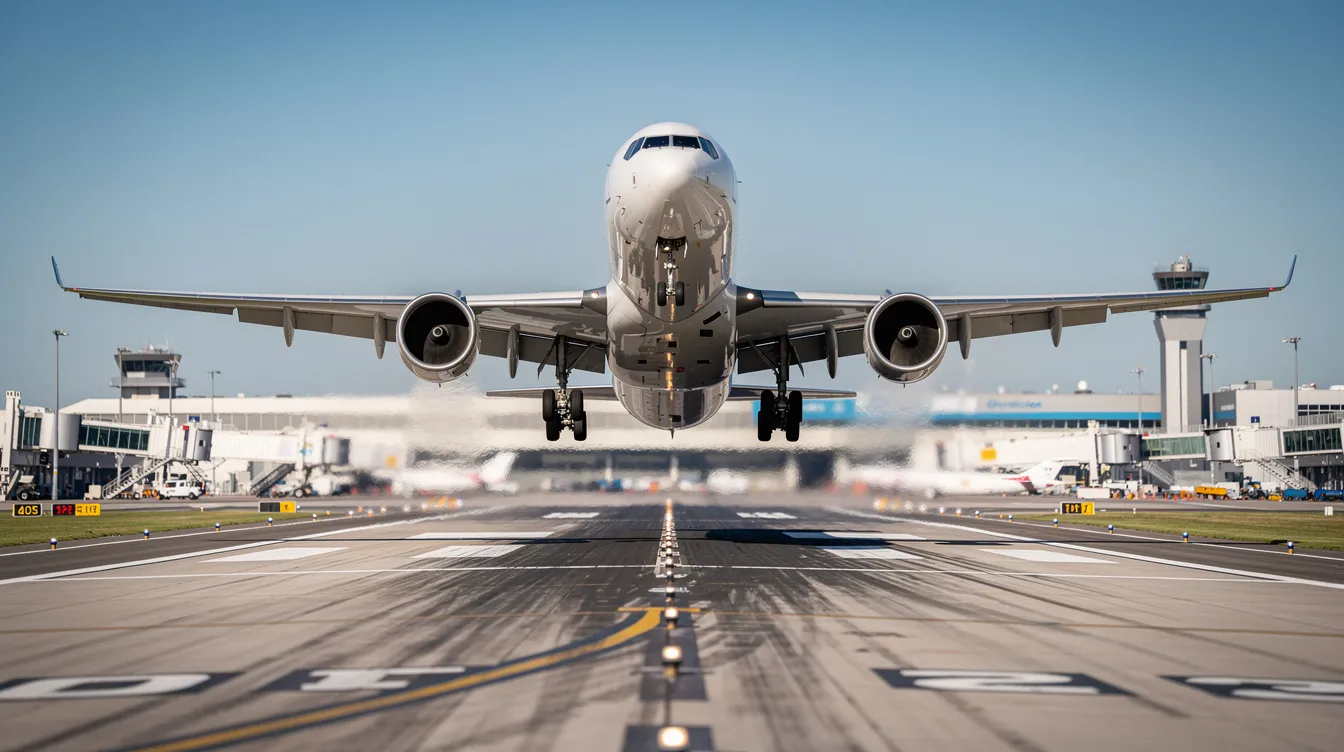
How Long of a Runway Does a 777 Need? (Runway Length, Takeoff and Landing Explained)
The Boeing 777 requires approximately 9,000 to 11,000 feet of runway for takeoff at maximum weight under standard conditions. Landing distances are shorter, typically ranging from 5,500 to 7,000 feet. Factors such as aircraft weight, temperature, and runway conditions significantly influence these requirements.
Read More
5
min read
Plane Charter Prices in 2026: How Much Does It Cost to Charter a Private Jet?
In 2026, private jet charter prices vary significantly based on aircraft type, with costs ranging from $1,800 to over $20,000 per flight hour. Additional expenses such as taxes, fees, and crew costs can increase the total trip price by 20-40%. This guide provides insights into the factors influencing these prices and offers strategies to reduce costs while maintaining comfort.
Read MoreStay updated with our latest insights and tips to elevate your journey with us.
MEMBERSHIPS AND ASSOCIATIONS



© 2026 Jettly Inc. All rights reserved.
Disclaimer: Jettly operates as a charter broker, offering access to a global digital jet charter marketplace. Jettly is not a direct air carrier and does not own or operate aircraft. All advertised flights are conducted by third-party air carriers that are fully licensed and hold the appropriate Part 135 or Part 121 certifications issued by the Federal Aviation Administration (FAA) or equivalent regulatory authorities under U.S. or foreign law. Jettly complies fully with the U.S. Department of Transportation's Part 295 and Part 298 Charter Broker regulations. Jettly does not carry additional liability insurance. Passengers are covered by aircraft operator insurance. TICO: 50023770


