


Login
Get Instant Pricing On 23,000+ Aircraft

>

Figuring out when to buy cheap plane tickets can feel like trying to hit a moving target. Prices fluctuate constantly, airlines adjust fares multiple times a day, and well-meaning advice from friends rarely holds up under scrutiny. The good news is that real patterns exist once you look at the data. This guide breaks down the best booking windows for domestic and international travel, the cheapest days to fly, seasonal pricing trends, and how private jet options like empty leg flights fit into the picture.
There is no single cheapest day to buy plane tickets, but clear booking windows exist. Purchase domestic flights 1 to 3 months before departure, and plan international flights 2 to 6 months in advance.
The cheapest days to fly are usually midweek—Tuesdays and Wednesdays—plus some Saturdays. Fridays and Sundays are often the most expensive departure days.
Seasonality and holidays matter more than booking day. Summer, spring break, and late December are peak-price periods, while shoulder months like May, September, and October often have cheaper flights.
Private jet travelers can sometimes save 30–75% on charter rates through last-minute empty leg flights on platforms like Jettly, while commercial flyers should rely on price alerts, date flexibility, and planning ahead.
Cheap flights are driven by algorithms and demand forecasts, not a magic weekday for clicking "purchase." Airline ticket pricing is driven by supply and demand, and the systems behind it are far more sophisticated than most travelers realize.
Airlines use dynamic pricing and revenue management to adjust fares multiple times per day. Airfare prices change constantly due to dynamic pricing algorithms that monitor seat availability, route demand, competitor pricing, and seasonal factors. Airlines divide seats into fare buckets for pricing—each economy cabin can contain dozens of fare classes with different rules, restrictions, and prices. As cheaper buckets sell out, the next tier opens at a higher rate.
Old advice like "always book on Tuesday" is based on outdated fare-loading patterns from an era when most airlines released sales early in the week. Modern systems update prices around the clock.
The key distinction: the cheapest day to book flights matters far less than the cheapest day to fly. Shifting your departure date saves more than obsessing over which afternoon you open your browser.
Private jet charter pricing works differently. Costs are based on aircraft type, flight time, routing, and operational expenses rather than per-seat yield management. For details on how charter costs break down and how Jettly offers affordable private jet charter options, Jettly offers a private jet charter cost estimator and personalized charter pricing guidance.
Timing differs for domestic flights versus international flights and for short-haul flights versus long-haul routes. The numbers below draw on recent studies from Google Flights and major online travel agencies for 2025–2026.
Treat these ranges as sweet spots, not guarantees. Use them as starting points, then monitor prices within the window.
|
Trip Type |
Optimal Booking Window |
Peak Risk if Booked Late |
|---|---|---|
|
U.S./Canada Domestic |
21–60 days before departure |
+20–40% inside 14 days |
|
U.S.–Europe |
3–5 months (≈90–150 days) |
+40–60% inside 30 days |
|
U.S.–Mexico/Caribbean |
1–3 months |
+15–30% inside 14 days |
|
U.S.–Asia/South Pacific |
4–7 months |
+50–70% inside 30 days |
Some travelers compare these commercial windows with private jet options on Jettly when valuing time savings or managing complex itineraries
For typical U.S. and Canadian domestic flights, the best prices for domestic flights appear 38 to 44 days before departure. More broadly, booking 21 to 60 days in advance yields the best domestic prices.
Booking extremely early—9 to 11 months ahead—often doesn't produce the lowest prices. Airlines haven't released their most competitive basic economy fares yet at that stage.
Booking earlier often produces better prices for domestic travel compared to last-minute purchases. Flight prices climb sharply in the last two to three weeks, when business flyers and last-minute bookers fill seats at premium prices.
For popular routes like New York–Miami or Los Angeles–Las Vegas, start tracking prices about two to three months out and book a flight when a clear drop appears within the recommended domestic booking window.
International flights have a wider optimal booking window. Booking international flights 2 to 6 months ahead generally secures the best deals and is generally cheaper than waiting until close to departure.
Concrete examples help:
U.S.–Europe: The best time to book flights to Europe is about 129 days before departure. Data sets consistently show a low point between 90 and 150 days out.
U.S.–Mexico/Caribbean: These shorter international routes often do best about 1 to 3 months ahead.
Long-haul Asia/South Pacific: Booking 5 to 7 months in advance for routes like Los Angeles–Tokyo tends to produce the lowest fares.
Booking international flights 50 to 101 days in advance can save money, and prices typically rise sharply after the 50-day mark for international flights. Even booking international flights 18 to 29 days in advance can save 17% versus waiting until the final week. But last-minute deals on international routes are rare and unpredictable—travelers with fixed dates should not count on them.
Both extremes usually cost more than booking in the recommended windows. Prices often increase in stages as a flight gets closer to departure, and business travelers often pay higher prices due to late bookings—airlines protect those final seats for high-yield customers.
Early-bird booking is most valuable for peak holidays like Christmas and New Year's Eve, when flights sell out. Locking in a seat matters more than finding the absolute lowest price.
Last-minute cheap fares show up on off-peak routes and days, but families and business travelers with rigid schedules rarely benefit.
In private aviation, last-minute can sometimes work if an empty leg flight matches a traveler's route and timing—a dynamic that doesn't exist on the commercial side.
Finding cheap flights depends more on the day you fly than on the day you click "buy."
Midweek flights, especially on Tuesdays and Wednesdays, are cheaper. Traveling midweek can reduce airfare costs by approximately 10 to 20% compared to flying on weekends.
Saturdays offer the best prices for domestic flights on many leisure-heavy routes, since business travelers avoid them.
Thursdays are the cheapest days for international flights.
Sundays are the most expensive days to fly across most route categories.
Midweek departures also tend to mean shorter security lines and fewer delays.
Use a flexible date calendar—like the Google Flights date grid—to visually compare current prices across the full week.
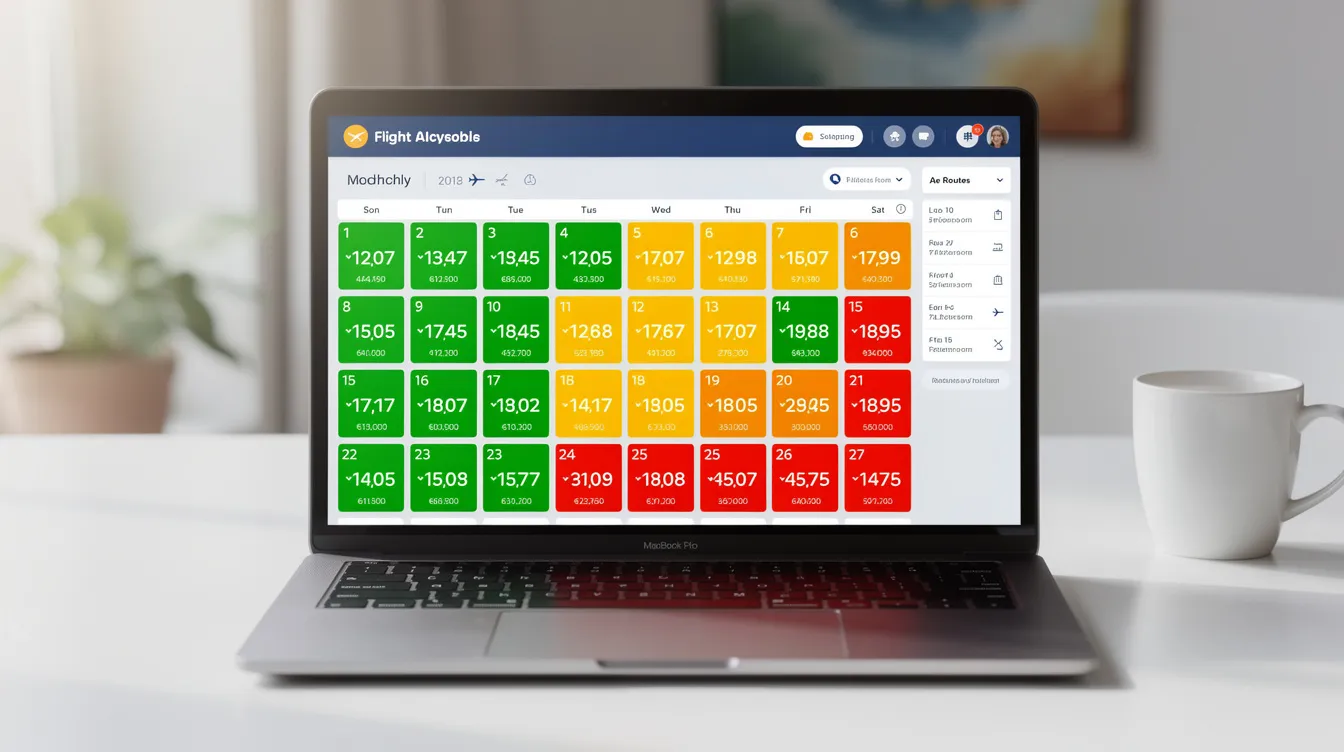
The cheapest day to book flights is Sunday, according to recent aggregated data. But the savings are modest—roughly 1.3% on average—and not consistent enough to build a strategy around. Booking on Fridays and Saturdays is generally more expensive, but the gap is small.
Prioritize booking within the right advance window and picking cheaper travel days. Set price alerts and buy when a meaningful drop appears, regardless of whether it's a Monday, Thursday, or weekend.
For private jet charter, there is no cheapest day of the week to book. Seat availability, routing, and aircraft positioning drive price, not retail-style weekly cycles. Learn more about how much it costs to rent a private jet.
Seasonality often matters more than day of the week when trying to find cheap flights.
Peak travel periods significantly increase ticket prices. June, July, and December are the costliest months to fly. Spring break weeks in March and April also push fares higher on popular routes.
January, August, and September are generally the cheapest months to fly. Shoulder seasons—May, September, October—offer lower fares, fewer crowds, and easier upgrades across domestic and international travel.
Direct guidance for holiday planning:
Christmas and New Year's: Book 3 to 6 months ahead for domestic and 4 to 7 months for international routes.
Thanksgiving: Secure flights by late September or early October for the best price and schedule options.
Spring break and long weekends (Memorial Day, Labor Day): Book at least 2 to 3 months ahead.
Major global events (World Cup, Olympics, large trade shows): Booking up to 9 to 11 months early can be justified to guarantee a seat, even if the fare isn't the absolute lowest.
Travelers with flexible schedules should target shoulder seasons:
May and September for Europe
Late April and early November for Caribbean and Mexico beach destinations
Flights, hotels, and rental cars all tend to cost less during these months, compounding overall trip savings. Flying New York–Paris in late September instead of mid-July can cut airfare by 20 to 40%. A Toronto–Vancouver trip in early May typically costs significantly less than late August.
Private jet charters through Jettly often have better availability in off-peak periods, with more empty leg flights on less congested days and access to a broad airport locator tool for convenient routing. Check cheap private jet charter prices for seasonal comparisons.
Combining flexible dates, flexible airports, and technology delivers the biggest savings. Using comparison sites can yield better deals than direct bookings. Use flight comparison tools to track prices before booking, and always compare the total trip cost—not just the sticker price on a flight ticket.
Set up price alerts on Google Flights, Skyscanner, or Kayak to track flight prices for specific routes and travel dates automatically, and see when flight prices drop on your selected route. Fare alerts can help monitor when fares drop for specific routes without checking manually every day.
Start alerts as soon as travel dates are known—ideally months in advance for booking international airfare and 1 to 3 months for domestic trips.
Track a few nearby airports and alternative days to spot flights cheaper than your original search.
Private flyers can use Jettly to compare instant charter quotes across aircraft, dates, and routing in a similar way, browsing a wide range of private charter aircraft.
Search plus or minus three days around preferred travel dates. Shifting travel dates by a day can result in significant savings—departing Wednesday instead of Sunday can reduce prices noticeably. Comparing prices across multiple days can help identify fare trends you'd otherwise miss.
Check secondary airports when convenient. Flying into Fort Lauderdale instead of Miami, or London Gatwick instead of Heathrow, often produces lower fares on the same routes.
Early-morning or late-night direct flights are often cheaper and less delay-prone than mid-day departures.
Private jets use smaller regional airports through Jettly, where flying closer to the final destination can save ground transfer time even if the charter rate is higher. See how flying on a private jet cheap works in practice and apply additional tips for booking the cheapest private jet flights.
A nonstop flight usually carries a convenience premium. Accepting one connection can reduce costs by 15 to 25% on many international routes.
Weigh the extra travel time and missed-connection risk against potential ticket savings, especially for short trips. For example, New York–Los Angeles via Dallas is often cheaper than a nonstop on the same date and airline.
Private jets operate point-to-point without layovers, saving hours on complex itineraries even though upfront cost is higher than standard economy tickets, especially when compared with other affordable aeroplane rent options.

Once basic timing and flexibility tactics are in place, these strategies can push prices even lower. They work best for travelers with flexible destinations who can act quickly. Private jet charters don't offer error fares, but can have discounted empty legs that function similarly or allow you to buy a seat on a private jet at a lower cost when sharing space with other travelers.
Most airlines run airline sales in quieter months—January, late August, and around Black Friday—temporarily lowering prices on selected routes.
Error fares are extremely cheap tickets caused by technical or human pricing mistakes. They may only last a few hours. Follow specialist deal newsletters or social accounts that flag flash sales and notice fares as they appear.
Caution: error fares can be cancelled by airlines. Wait before booking nonrefundable hotels around them.
Join airline loyalty programs and pair them with travel rewards credit cards that earn points on everyday spending. Miles and points can offset expensive peak-season flights when paying cash would mean higher prices.
Examples: redeem miles for business-class to Europe in shoulder season, or use points to cap the cost of a last-minute domestic flight.
In private aviation, some travelers use membership structures or jet card products through Jettly to gain predictable pricing across repeated trips, and dedicated resources on jet card costs and pricing structures can help evaluate if this model fits your flying pattern.
Private jets cost more than economy tickets on a per-person basis. But they can be competitive against last-minute premium fares, multi-leg trips, or high-value corporate travel where time is the real cost, especially when comparing shared charter flights vs. full charters for your group size and flexibility.
Private charters are priced per aircraft mission—not per seat—factoring in aircraft type, flight hours, airport fees, and positioning legs. Jettly provides instant pricing across 20,000+ aircraft, letting travelers compare light jets, midsize jets, and larger cabins by cost and suitability while understanding the full private jet operating cost breakdown.
Private flying makes strategic sense for time-sensitive business trips, complex multi-city routes, or remote destinations where commercial options are indirect. For groups splitting the cost, per-person pricing can approach business-class levels when using one of the best private jet charter companies and optimizing aircraft choice.
Empty leg flights are one-way repositioning flights that operators must fly regardless. They're often sold at 30 to 75% off standard charter prices when a traveler can match the route and time.
This is the closest private aviation gets to a flight deal's flash sale—limited flexibility on schedule and routing, but significant savings for those who can adapt or seek a NetJets alternative like Jettly for more flexible, on-demand pricing.
Platforms like Jettly aggregate empty leg availability from many operators, allowing users to search for heavily discounted private flights on short notice or even crowdsource private jet flights and share empty seats. A light jet repositioning from New York to Miami might list around $5,800 to $8,200 versus $18,500 for a standard charter.
Empty legs are ideal for flexible leisure trips or opportunistic travel but less reliable for immovable events.
Popular advice circulates long after it stops being accurate. Here are three myths that still trip up travelers.
Older fare systems updated on specific days, giving rise to this belief. Modern dynamic pricing means airline ticket prices can shift any day of the week—the statistical difference is negligible.
Focus on correct booking windows, flexible travel days, and price alerts instead of waiting for a specific weekday. This myth does not apply at all to private jet charter pricing, where understanding how much a private jet costs overall is far more important than the specific day you book.
Use weekly or monthly price calendars from flight comparison sites instead of relying on day-of-week folklore.
There is no solid evidence that airline websites or online travel agencies permanently raise prices because of repeated searches from the same device. Fare changes people observe are driven by inventory shifts and competitor adjustments, not cookies.
Incognito browsing is harmless for peace of mind, but it won't unlock hidden flight deals. Spend that energy comparing routes, dates, and nearby airports instead.
For popular routes and peak dates, prices usually rise—not fall—during the final two to three weeks before departure. Last-minute discounts appear on less popular routes, off-peak dates, or flights with significant unsold inventory.
Travelers with fixed vacation days or business meetings risk much higher fares or sold-out flights by waiting. In private aviation, last-minute can sometimes work via empty legs, but scheduled charters may also cost more close to departure if aircraft options are limited, especially on routes popular with those considering the cheapest private aircraft options.
For many traditional airlines, round-trip tickets remain cheaper than two separate one-way segments on the same routes. However, some low-cost carriers and competitive routes price one-way tickets competitively, especially for open-jaw itineraries. Compare both options in the same search session and check fare rules before deciding. Private jet pricing through Jettly is structured per mission—one-way charters and round-trip charters depend on repositioning needs, and a dedicated jet card flight cost estimator can further clarify expected rates on common routes.
Yes, airline ticket prices can drop after purchase. Monitor your route for several days after buying airline tickets, especially if you booked early in the window or if new sales launch. Most U.S. airlines allow rebooking at lower prices without change fees—many carriers have eliminated change fees on standard economy tickets. Check your fare class rules, since basic economy fares often have strict change limits.
Most airlines release schedules 11 to 12 months in advance, so you can technically buy flights almost a year out. Booking that early rarely gives the cheapest fares, but it makes sense for major events, remote destinations, or limited seasonal routes. For typical trips, follow the general booking windows: 1 to 3 months domestic, 2 to 8 months international.
Low-cost carriers show cheaper base fares but often charge extra for bags, seat selection, and changes. Add up the full cost—fees, time at distant airports, tight connections—before deciding. On some routes, full-service airlines run competitive sales during off-peak times, making standard economy tickets similar in total price once fees are included.
Start by calculating total trip time (including connections and airport lines), number of travelers, and the value of time. For a solo traveler on flexible dates, cheap flights in economy will almost always cost less. For groups, last-minute business travel, or multi-city international trips, a private charter via Jettly can be competitive when time savings and productivity are factored in, especially when paired with structured jet card programs for frequent flyers. Compare commercial options using the timing strategies above, then request a private jet quote to see real numbers side by side.
There is no single cheapest time to buy plane tickets, but strong patterns hold: book domestic flights 1 to 3 months ahead, international flights 2 to 8 months out, and fly on midweek departures or Saturdays for lower fares. Seasonality, holidays, and route demand matter just as much as calendar timing, and price alerts combined with flexible dates remain the most reliable tools for booking cheap flights.
Private jet charters follow different pricing rules entirely. Options like empty leg flights and tailored itineraries offer time-efficient alternatives when commercial schedules fall short.
Ready to explore private travel on your terms? Compare instant pricing, browse empty leg flights, and discover membership options at https://www.jettly.com.
Share this post:
Jay Franco Serevilla
Jul 6, 2026
|
5
min read
Discover tips and trends in the industry.

5
min read
How to Get Lower Ticket Prices on Private Jet Flights with Jettly
Discover how to lower ticket prices on private jet flights with Jettly's expert strategies. By understanding pricing dynamics and utilizing tools like empty leg flights and flexible bookings, travelers can secure significant savings. This guide empowers both frequent and first-time flyers to make informed decisions for a cost-effective private jet experience.
Read More
5
min read
When Air Tickets Are Cheaper: Best Time to Buy Flights and How Jettly Helps
Knowing when air tickets are cheaper can significantly reduce travel costs. This guide outlines optimal booking windows for domestic and international flights while highlighting how Jettly's private jet charter services provide a reliable alternative to fluctuating airline prices.
Read MoreStay updated with our latest insights and tips to elevate your journey with us.
MEMBERSHIPS AND ASSOCIATIONS



Disclaimer: Jettly operates as a charter broker, offering access to a global digital jet charter marketplace. Jettly is not a direct air carrier and does not own or operate aircraft. All advertised flights are conducted by third-party air carriers that are fully licensed and hold the appropriate Part 135 or Part 121 certifications issued by the Federal Aviation Administration (FAA) or equivalent regulatory authorities under U.S. or foreign law. Jettly complies fully with the U.S. Department of Transportation's Part 295 and Part 298 Charter Broker regulations. Jettly does not carry additional liability insurance. Passengers are covered by aircraft operator insurance. TICO: 50023770


