


Login
Get Instant Pricing On 23,000+ Aircraft

>

Plane tickets usually get cheaper when you book about 1 to 3 months before a domestic flight and 2 to 8 months before an international one, though the best fare also depends on the day you fly, the season, and how airlines adjust prices based on demand and seat availability. Knowing that timing is often the difference between paying full price and booking the same seat for 20-40% less.
For frequent flyers, corporate executives, high-net-worth travelers, and leisure travelers comparing convenience against cost, this guide breaks down the booking windows, travel dates, and fare-tracking strategies that lead to lower prices on both domestic and international routes. It also explains how airline pricing works, what to watch for with budget carriers, and when private aviation through Jettly might deliver better overall value than a commercial ticket.
Most domestic flight prices hit their lowest point when travelers book flights about 1 to 3 months before departure, with a sweet spot around 30 to 45 days out. International flights are best booked 2 to 8 months in advance, depending on region and season.
The day you fly impacts ticket prices more than the day you purchase. Tuesday, Wednesday, and Saturday departures tend to be the cheapest days to fly, while Sundays and Fridays carry higher prices on most leisure routes. Focus on travel dates rather than chasing a mythical "best day to buy."
January, February, September, and October are among the cheapest months to fly for many routes. Prices change constantly due to demand, seasonality, and competitor pricing, so setting price alerts and maintaining flexible dates catches real price drops better than any single booking trick.
Prices usually spike in the final 1 to 2 weeks before departure. Last-minute deals are rare on popular routes; only budget airlines on low-demand corridors occasionally drop fares close to takeoff.
Private jet options through Jettly follow different pricing logic. Empty leg flights can save 30 to 75% on typical charter prices, and for time-sensitive trips, private charter can deliver better value than chasing commercial deals for a next trip.
Airlines price tickets using real-time demand data to continuously adjust fares. Revenue management systems recalculate prices multiple times per day, and flight prices change multiple times per day as they pull in data on remaining seats, route competition, upcoming major holidays, and historical booking patterns. The algorithm, not a human operator, decides what you pay.
Tickets are sold in fare buckets, which are groups of seats at specific price points within the same cabin. Some carriers maintain 20 to 30 fare classes in economy alone. Once the cheapest bucket sells out, the system closes it and opens the next higher one. If demand softens, airlines may reopen cheaper buckets again, creating visible price drops. Prices can also drop after cancellations or during airline sales.
The main factors that determine when flight prices drop:
Time until departure. Airfare prices generally rise as departure nears, with the steepest increases in the final weeks.
Off-season. Summer and late December push prices up; lower-demand months usually bring cheaper fares.
Day of the week of travel. Midweek departures cost less than Friday or Sunday on most routes.
Route competition. Cheapest fares are associated with routes served by multiple airlines competing for the same passengers.
Fuel and operational costs. External shocks like fuel spikes feed into fare adjustments across the board.
Competitor pricing. Airlines monitor each other's fares and adjust fares based on what rivals are charging on the same routes.
Algorithms drive most price moves. Searching in incognito mode does not change what airlines charge. The same demand-based logic applies, in a different form, to private jet charter pricing on platforms like Jettly, where aircraft type and routing play the biggest roles.
Domestic flight prices in the U.S. and Canada tend to be lowest when travelers book flights about 1 to 3 months before departure. Multiple analyses from 2025-2026 point to a sweet spot around 30 to 45 days before a typical domestic trip, with flight prices often dropping 21 to 44 days before departure.
Booking too early can lead to higher prices. At 10 to 11 months out, many cheap fare buckets have not been released yet, leaving only flexible (and expensive) inventory. On the other end, booking closer to departure generally denies access to lower fare tiers, since business travelers and last-minute buyers absorb the remaining seats at premium rates.
The distinction between off-peak and peak season matters here. A standard midweek route like Los Angeles to Seattle in February can still yield competitive fares 3 weeks out. A July or Thanksgiving flight on those same routes should be booked 2 to 3 months in advance, sometimes earlier.
To book domestic flights, start tracking prices 2 to 3 months before departure and buy once fares dip into your target range for the lowest fares. Waiting for ultra-last-minute domestic deals is risky unless you are flexible on nearby airports, departure times, and airlines.
International flights are best booked 2 to 8 months in advance. Prices typically drop 50 to 101 days before international flights, with the best time to book international flights falling in the 2 to 6 month window depending on destination and season.
Region-by-region, the patterns differ. Europe from North America often prices best about 2.5 to 3.5 months out. Asia, Africa, and other long-haul international routes may offer better international airfare 4 to 7 months before departure. Nearby Mexico and Caribbean leisure routes behave more like domestic flight prices, with competitive fares available closer to the travel dates.
International flights are more sensitive to school holidays and major holidays in both origin and destination countries. For June through August travel, Christmas and New Year's, and spring breaks, book international flights earlier than the general window. Early-bird airline sales on long-haul routes sometimes appear 9 to 11 months ahead, especially from full-service carriers, but the lowest average prices still cluster closer to departure.
International flight prices swing more dramatically than domestic, making continuous tracking and flexible departure days vital. A few days of schedule flexibility on international trips can mean the difference between peak pricing and a genuine deal.
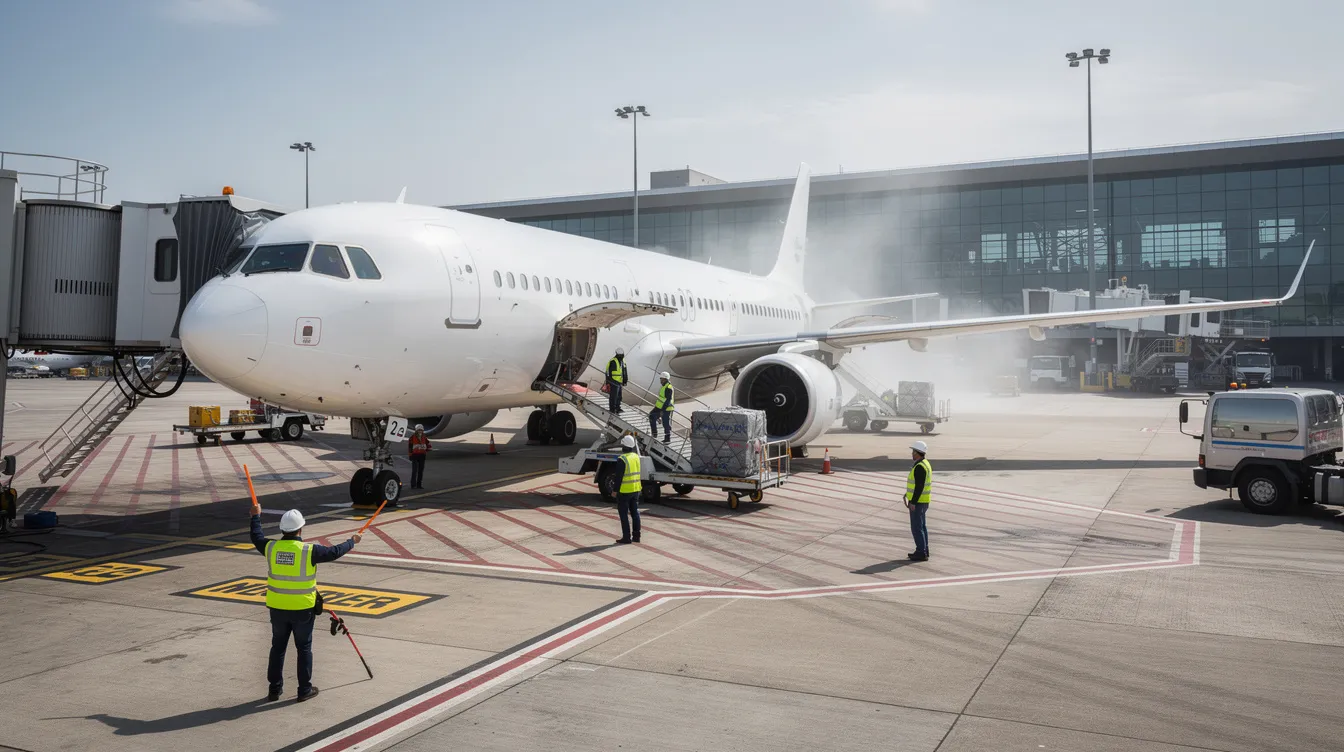
Most commercial flights do not get cheaper in the last few weeks before departure, so most travelers should not buy flights then. Flight prices typically rise as departure dates approach, driven by business travelers who book late and pay whatever the airline charges for flexible fares. Last-minute fares are almost always among the highest available.
Common "fare deadline" patterns create price bumps at specific intervals:
21 days before departure. Many advance-purchase fare rules expire here.
14 days before departure. Another threshold where cheap inventory closes.
7 days before departure. Prices spike again as departure nears and only premium buckets remain.
Last-minute deals are rare on popular routes. They can still happen on less busy corridors, at inconvenient times, or through budget airlines trying to fill seats on midweek or red-eye flights, and some of those less convenient departures are significantly cheaper than peak-time options. Consider a Tuesday night New York to Chicago flight: fares sometimes dip a few days before departure because demand is low. A Friday evening departure on the same route, packed with weekend travelers and business flyers heading home, only gets more expensive.
Private jet charter via Jettly behaves differently. Last-minute can sometimes unlock empty leg flights at steep discounts, since operators need to reposition aircraft regardless. But on-demand charters for peak days may get more expensive as seat availability on preferred aircraft types tightens, especially when booking specific private charter aircraft sizes or cabin layouts.
The "always book on Tuesday" advice is outdated. What matters more is the day of the week the traveler flies, not the day the purchase is made.
Concrete patterns hold across most airlines and domestic routes:
|
Day |
Domestic trend |
Why |
|---|---|---|
|
Tuesday |
Among flights cheapest |
Low leisure and business demand |
|
Wednesday |
Among flights cheapest |
Same as Tuesday; midweek departures see fewer bookings |
|
Saturday |
Often the cheapest day for domestic travel |
Business travelers rarely fly; airlines tend to lower fares |
|
Friday |
Higher prices |
Weekend leisure demand begins |
|
Sunday |
Higher prices |
Return-trip demand spikes |
|
Monday morning |
Higher prices on business routes |
Business travelers heading out |
Midweek flights can save travelers 10 to 20% compared to weekends. On business-heavy routes like New York to Washington or Toronto to Ottawa, Monday morning and Thursday evening flights carry higher prices, while midweek midday short-haul flights cost less.
International flights are cheapest on Wednesdays for outbound legs, with Monday through Wednesday returns yielding better prices than weekend returns. The differences are less dramatic than domestic, but still worth targeting.
Use calendar views on Google Flights or flight comparison sites to visually compare day-of-the-week patterns. A quick scan of a month-long view reveals the cheapest time to depart without checking each date individually.
More than any single booking trick, seasonality and major holidays drive whether flights are cheaper or more expensive on a given route. High seasons lead to price hikes due to increased demand, and those price hikes begin well before the actual travel dates.
General pricing trends by month:
Cheapest: January, February, September, October. Off-peak seasons include January and February and September to November.
Most expensive: June through August, late December (Christmas and New Year's).
Moderate: March through May, November (excluding Thanksgiving week).
Holiday travel typically results in higher prices due to increased demand. U.S. Thanksgiving, Memorial Day, Labor Day, and spring break all push fares up. Avoid booking flights during peak holiday seasons unless you book far in advance.
Two examples illustrate the range. A New York to London flight in mid-July typically costs 40-60% more than the same route in late September. Caribbean destinations spike around winter holidays, though hurricane season months (August, September) yield lower fares for travelers willing to accept weather risk.
Shifting a next trip into shoulder seasons, like May or September for Europe or early November for city breaks, makes booking cheap flights far easier. Demand is lower, airlines fill seats with discounted fare buckets, and the weather at most destinations remains reasonable.
Because prices fluctuate constantly, checking once is not a strategy; travelers should track when fares drop on the routes and dates they care about. Set up price alerts to monitor flight prices on the routes and dates you care about. Most airlines also let you track prices directly through their apps.
A practical process for tracking flight prices:
Choose your route and approximate travel dates.
Enable price alerts on at least two platforms (such as Google Flights and Skyscanner, or an airline app and an aggregator).
Track prices for 2 to 3 weeks to understand the typical range for that route.
Define a target budget. Book flights as soon as airfare prices hit that threshold to save money instead of waiting for a marginally lower fare and risking a later increase.
Not every tool shows every airline. Budget airlines and regional carriers sometimes only appear on their own websites or specific flight comparison sites. Combine tools rather than depending on a single source.
For private aviation, Jettly's digital platform offers instant pricing on private jets through its private jet charter cost estimator and can be checked repeatedly for changing empty leg inventory and charter availability without penalty or obligation.
Low advertised fares from budget airlines are not always the cheapest overall. Once checked bag, carry-on, seat selection, and change fees are added, the final price can exceed what a full-service carrier charges.
Example: a budget airline ticket from Dallas to Denver listed at $89 may cost $152 after a carry-on bag ($35), seat assignment ($18), and no free change policy. A full-service carrier offering the same route at $139 includes a carry-on, seat selection, and free changes on main-cabin tickets. The "cheaper" fare is actually $13 more expensive.
Using alternate airports can lead to lower carrier fees. Flying into a smaller field outside a major city (like Stewart instead of JFK, or Oakland instead of SFO) sometimes saves $30-80 on the ticket. But factor in ground transportation time and expense. An hour-long shuttle or rental car can erase those savings.
When booking cheap flights, compare total journey costs: airport transfers, parking, seat fees, bags, and time. The initial fare shown in search results is only part of the picture.
Private jets booked through Jettly avoid many of these add-on charges by bundling costs into a single charter price. Travelers also use smaller, more convenient nearby airports closer to final destinations, skipping the congestion and delays of major hubs, and many compare this model as a NetJets alternative with more flexible private jet options.
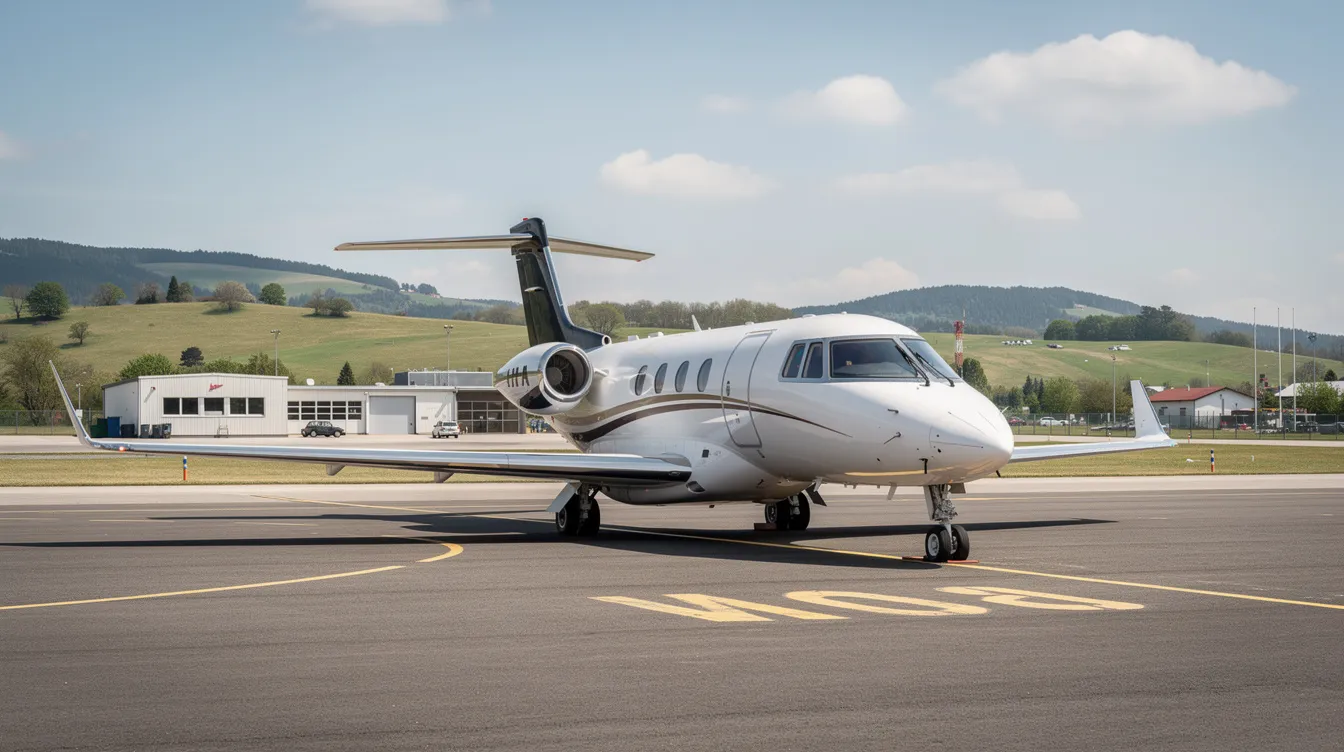
Private jets cost more than economy tickets on a per-person basis. But for certain trip types, the better value depends on trip type, especially when time, flexibility, and productivity are part of the calculation.
Use cases where private charter through Jettly and other charter airlines and private flight providers may be more efficient than tracking commercial price drops:
Same-day multi-city business trips with no viable commercial connections
Family ski vacations to remote resorts not served by commercial air travel
Urgent medical or last-minute travel where schedule certainty matters
Tightly timed event travel during peak season when commercial flight prices and delays are extreme
Private jet pricing is mission-based, not per seat. Private jet quotes depend on aircraft type and routing, flight time, and fees rather than fare buckets. The "best time to book" is more about securing preferred schedule and aircraft than chasing minor price differences, especially for members in private jet membership programs. Booking early secures aircraft choice and schedule certainty.
Empty leg flights remain the most affordable entry point to private aviation. These repositioning flights, where a jet must fly empty to its next charter, are often discounted 30 to 75% compared with standard charter. Travelers who can match the predetermined route and timing access private jets at a fraction of normal cost or even crowdsource private jet flights and share empty seats with others to reduce per-person expense further. For more details, see Jettly's guide on how much private flights cost.
When comparing options, add up total trip cost: lost work time, overnight stays, connections, ground transfers, and premium cabins on commercial. A direct private flight sometimes costs less than a business-class itinerary with two layovers, a hotel, and 14 hours of travel time.
Practical tactics that combine to produce the best deals:
Shift travel dates by 1 to 2 days. Increased flexibility with flight dates can lead to significant savings, often 15-30% on the same route.
Check nearby airports. Departing from or arriving at secondary airports can lower fares and reduce congestion.
Consider early morning or late-night departures. Red-eye flights and early morning slots often have empty seats and lower prices.
Add a layover. Flights with layovers tend to be cheaper than nonstop flights. On long-haul routes, the difference can be $200-400, but weigh the extra time and risk of missed connections against the savings.
Use "Anywhere" or flexible destination features in search tools. If your next trip is flexible, choose destinations based on where flights are cheapest in a given month.
Combining strategies, such as booking within the recommended window, choosing midweek flights, tracking price drops, and staying flexible, usually yields the lowest prices. No single hack outperforms the combination of all four.
For some high-value domestic trips or international travel, switching the frame from "cheapest ticket" to "best overall value" is the smartest move. Private jets can be cheaper for time-sensitive travel needs when the full cost of a complex commercial itinerary is tallied up, and a detailed breakdown of how much a private jet really costs helps put those comparisons in context.
For most airlines, round-trip tickets are still cheaper than buying two separate one-way tickets, especially on legacy carriers and long-haul international routes. The difference can be 10-30% on some itineraries.
Exceptions exist. Competitive domestic routes, some budget airlines, and open-jaw itineraries (fly into one city, out of another) sometimes price better as separate one-way tickets. Check both options in your search tool before committing.
In private aviation, the concept is different. Jettly charters are priced per mission, factoring in whether the aircraft has to return empty. There is no round-trip discount in the traditional sense; instead, the pricing reflects the total flight time and repositioning cost, which you can approximate using a jet card flight cost estimator for typical one-way missions.
In the U.S., the Department of Transportation's 24-hour rule allows a full refund if a ticket is canceled within 24 hours of purchase, provided the flight is at least 7 days away. This lets you rebook at the lower fare.
After that window, check the airline's specific policy. Many carriers now allow no-fee changes on main-cabin tickets, letting travelers rebook if flight prices drop. Basic economy tickets typically do not qualify for changes or credits.
Set a reminder to re-check your booked route periodically. If the fare drops and your ticket class allows changes, the difference is often applied as a travel credit.
No single month is cheapest worldwide, but shoulder seasons bring better prices on most routes. Late April through May and September through early November tend to be cheaper for European routes. Non-holiday weeks in January and February offer lower fares for North America to Caribbean travel.
Even in generally cheap months, local school breaks and major holidays in either the origin or destination country can temporarily push flight prices higher. Use "whole month" or "cheapest month" views in fare search tools to spot the lowest-price windows for a specific route.
For simple point-to-point commercial trips, price tracking tools and price alerts are usually sufficient. They cover most airlines on popular routes and automate the monitoring process.
For complex multi-city itineraries, large groups, or time-critical travel, a professional can uncover routing options and flight options that automated tools miss. Jettly's platform functions as a digital private jet broker, providing instant pricing and access to over 20,000 aircraft and structured options like jet card programs for frequent private flyers. It complements commercial fare trackers when evaluating overall value across both commercial and private air travel.
Consider private jets when your schedule is rigid, destinations are poorly served by commercial airlines, or the cost of lost time outweighs higher airline ticket prices. Business travelers covering multiple cities in a single day, families flying directly to remote resorts, and groups attending events where commercial delays are extreme are all cases where private aviation delivers clear value.
Ready to compare your options? Explore flight options or request a quote at jettly.com.
Understanding when plane tickets get cheaper is key to securing the best airfare without unnecessary stress. For most travelers, booking domestic flights about 1 to 3 months in advance and international flights 2 to 8 months ahead offers the best chance to find lower prices. Prioritizing travel dates—especially flying midweek during off-peak months—can yield significant savings over trying to time the purchase day.
Flight prices fluctuate constantly based on demand, competition, and seasonality, so setting price alerts and staying flexible with airports and schedules is essential. Budget airlines may offer lower base fares but watch for added fees that erode savings. For those valuing time and convenience, private jet charter through platforms like Jettly provides a transparent, tech-driven alternative where timing focuses on aircraft availability and mission costs rather than fare buckets.
Whether booking commercial or private flights, combining smart timing with strategic flexibility delivers the best value. Ready to experience private travel on your terms? Explore flight options or request a quote at https://www.jettly.com.
Share this post:
Jay Franco Serevilla
Oct 7, 2026
|
5
min read
Discover tips and trends in the industry.

5
min read
Safest Passenger Planes in 2026: Models, Statistics, and How They Impact Your Flight
In 2026, the safest passenger planes include models like the Embraer ERJ family, Boeing 717, Airbus A340, and Airbus A380, all boasting zero fatal accidents. Understanding aircraft safety data helps travelers make informed decisions, as modern jets like the Airbus A350 and Boeing 787 also maintain exceptional safety records. With rigorous engineering and advanced technology, commercial aviation remains the safest mode of transportation.
Read More
5
min read
Topflightfares: How to Spot Real Deals and When to Choose Private Jets Instead
Travelers today face numerous options when booking flights, from premium commercial fares to private jet charters. This guide helps you evaluate deals, identify risks, and determine when private jets may offer better value, especially for groups or last-minute trips. With insights on pricing, hidden fees, and safety, you can make informed travel decisions.
Read MoreStay updated with our latest insights and tips to elevate your journey with us.
MEMBERSHIPS AND ASSOCIATIONS



Disclaimer: Jettly operates as a charter broker, offering access to a global digital jet charter marketplace. Jettly is not a direct air carrier and does not own or operate aircraft. All advertised flights are conducted by third-party air carriers that are fully licensed and hold the appropriate Part 135 or Part 121 certifications issued by the Federal Aviation Administration (FAA) or equivalent regulatory authorities under U.S. or foreign law. Jettly complies fully with the U.S. Department of Transportation's Part 295 and Part 298 Charter Broker regulations. Jettly does not carry additional liability insurance. Passengers are covered by aircraft operator insurance. TICO: 50023770


