


Login
Get Instant Pricing On 23,000+ Aircraft

>
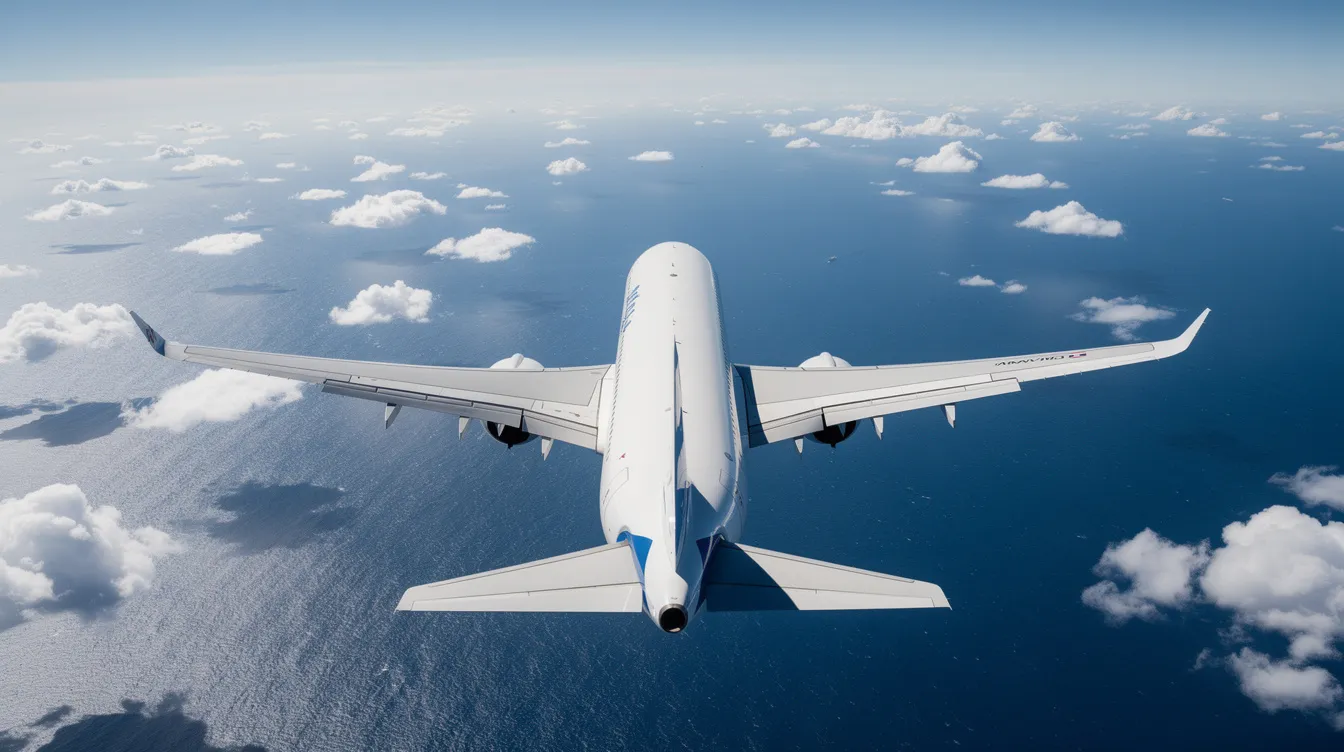
A transatlantic flight is any flight that crosses the Atlantic Ocean, usually linking North America with Europe or Africa, whether it operates as a commercial airline service or a private jet charter with a nonstop route or a fuel stop. For business travelers, high-net-worth individuals, families, and frequent flyers comparing transatlantic travel options, these routes remain some of the most important for reaching major financial centers and leisure destinations with the right balance of speed, flexibility, and comfort.
From the first daring biplane crossings in 1919 to today’s ultra-long-range private jets, transatlantic aviation has reshaped how people move between continents. This guide covers the full picture—history, modern routes and carriers, private charter aircraft types, flight planning and operations, pricing, empty leg opportunities, and practical advice for booking a private transatlantic flight with Jettly.
A transatlantic flight is any air journey that crosses the Atlantic Ocean, linking various continents. These flights typically connect North America with Europe or Africa, though routes from South America to Europe and West Africa also qualify.
Many flights across the Atlantic link city pairs such as New York–London, Toronto–Paris, Miami–Lisbon, and São Paulo–Lisbon.
Transatlantic flights can be commercial airline services or private jet charters, operated nonstop or with fuel stops at intermediate airports.
Typical flight time ranges from 6–8 hours eastbound and 7–9 hours westbound on North Atlantic routes. Longer routes like Los Angeles–London run 9–11+ hours depending on winds.
Modern jets can cross the Atlantic in about 6–7 hours on the most common corridors.
Jettly arranges both nonstop and one-stop transatlantic private flight options with instant pricing and a choice of aircraft from its global inventory.
Here's a quick overview of what this article covers, from aviation history to practical booking advice for private crossings.
Transatlantic flights evolved from early flying boat crossings and modified biplanes to wide-body aircraft and ultra-long-range private jets that can fly nonstop across the Atlantic.
The first transatlantic flight with stops was the Curtiss NC-4 in May 1919. The first nonstop flight was by John Alcock and Arthur Whitten Brown in June 1919. Charles Lindbergh completed the first solo nonstop flight in May 1927.
Modern flights use organized North Atlantic Tracks and ETOPS rules to manage safety, routing, flight time efficiency, and fuel efficiency, which is why route planning and aircraft selection matter on transatlantic operations.
Major airlines like British Airways, United, Lufthansa, and Air Canada carry the vast majority of passengers, while private jet platforms like Jettly offer tailored, on-demand alternatives.
The rest of this article covers the full history, how operations work today, aircraft types, private jet capabilities, pricing, empty legs, and frequently asked questions.
Crossing roughly 3,000 miles of open water with no emergency landing options made the Atlantic Ocean aviation's ultimate proving ground in the early 1900s. Here's why it was so difficult.
Early transatlantic flights faced severe constraints: limited fuel capacity, unreliable engines, no radio navigation, crude weather forecasting, and unpredictable weather over thousands of miles of ocean.
A crash landing in the Atlantic meant almost certain death. There was no rescue infrastructure, no radar, and no way to communicate a position to ships.
Most early aircraft types were converted bombers or experimental flying boats — none were purpose-built for long-distance flying across oceans.
Newspapers, governments, and wealthy sponsors began offering cash prizes that pushed inventors and pilots to turn "crossing the Atlantic" from a fantasy into a solvable engineering problem.
In 1913, the British newspaper Daily Mail offered £10,000 for the first nonstop transatlantic flight from North America to Great Britain or Ireland, completed within 72 hours. This Daily Mail prize became the catalyst for serious attempts.
World War I suspended the competition. It resumed in 1918, by which time military aviation had advanced engines, airframes, and navigation significantly.
The prize reframed the Atlantic crossing from a daredevil stunt into a real engineering and navigation challenge — teams now had a financial incentive to solve fuel load, weight, range, and long-range navigation problems.
Several teams prepared modified bombers and flying boats throughout late 1918 and early 1919, each grappling with how to carry enough fuel without exceeding the aircraft's range or structural limits.
This competition directly set the stage for Alcock and Arthur Whitten Brown's successful attempt in June 1919.
The year 1919 was the breakthrough year for early transatlantic flights, producing both the first multi-stop crossing and the first nonstop flight in rapid succession.
The Curtiss NC-4, a U.S. Navy flying boat, completed the first transatlantic flight in May 1919. It flew from Long Island to Plymouth, England, via stops in Newfoundland, the Azores, and Lisbon — roughly 54 hours of flying time spread over 23 days.
As a flying boat, the NC-4 could land on water for emergency stops and refueling, but the journey was far from nonstop.
The first non-stop transatlantic flight was in June 1919. John Alcock and Arthur Whitten Brown flew a heavily modified Vickers Vimy bomber from St. John's, Newfoundland, to Clifden, County Galway, Ireland—about 1,900 miles in approximately 16 hours. Brown flew as navigator while Alcock piloted.
Key challenges on their crossing included overloading for fuel, a difficult grass takeoff, generator failure that knocked out radio and heating, thick fog, snowstorms, and severe icing risk.
Alcock and Brown ultimately made a crash landing in a bog near Clifden but survived uninjured and claimed the Daily Mail prize, proving a nonstop flight across the Atlantic was achievable.
The first transatlantic flight by rigid airship occurred on July 2, 1919, when the R34 departed Scotland for New York. The eastbound return took about 4.5 days — luxurious but slow compared to airplane crossings.

Once the first crossings were achieved, attention shifted to solo flights, new air route options, and connections across the South Atlantic.
The Orteig Prize offered $25,000 for a nonstop flight between New York and Paris. Announced in 1919, it attracted numerous attempts throughout the 1920s.
Charles Lindbergh completed the first solo nonstop flight in May 1927, covering 3,610 miles from New York to Paris in 33.5 hours aboard the Spirit of St. Louis. The world flight captured global attention and turned Lindbergh into an international celebrity, proving that a single pilot could fly solo across the ocean.
The first transatlantic flight between Spain and South America was in January 1926, when the Dornier Do J flying boat Plus Ultra flew from Palos de la Frontera to Buenos Aires, connecting the South Atlantic by air.
Portuguese aviators Gago Coutinho and Sacadura Cabral had already crossed the South Atlantic in 1922, linking Lisbon to Rio de Janeiro with intermediate stops.
These flights proved that long-distance routes over both the North Atlantic and the south Atlantic could be connected by air, despite the limited aircraft technology of the era.
Early transatlantic records were dominated by white, male, military-trained pilots. But women and other underrepresented groups gradually broke through barriers that had little to do with flying ability.
Structural obstacles included limited access to flight schools, the capital needed to buy or lease other aircraft suitable for ocean crossings, and deep cultural resistance to women and people of color in cockpits.
Each breakthrough crossing by a woman or minority aviator helped normalize diversity in long-distance flying and influenced later airline hiring practices on transatlantic routes.
The following two pioneers — Amelia Earhart and Beryl Markham - deserve detailed attention for their contributions to transatlantic aviation history, which later influenced how modern private aviation leaders such as NetJets shaped long-haul travel.
Earhart and Markham stand as defining figures in aviation history, each proving that women could match and even surpass the achievements of their male counterparts on Atlantic crossings.
In 1928, Amelia Earhart became the first woman to cross the Atlantic by air, flying as a passenger from Newfoundland to Wales. In 1932, she completed a solo nonstop transatlantic flight from Newfoundland to Northern Ireland in about 15 hours.
Earhart's 1932 crossing involved storms, icing, and mechanical issues. She landed in a field in Northern Ireland — a feat of solo endurance comparable to Lindbergh's achievement five years earlier.
In 1936, Beryl Markham completed a solo westbound crossing from England to Nova Scotia in a Percival Vega Gull. Westbound flights are slower and more fuel-critical because pilots battle strong headwinds from jet streams for the entire journey.
Markham's eventual crash landing in Nova Scotia still counted as the first solo east-to-west crossing by a woman, demonstrating that westbound transatlantic travel "against the wind" demanded even more planning and endurance.
Both pilots became cultural icons, paving the way for women in airline and military aviation - including on the transatlantic routes that major airlines operate today.
Transatlantic travel transformed dramatically between the 1920s and 1960s, moving from rigid airship luxury to flying boat elegance and finally to the speed of land-based jets.
The "airship era" of the late 1920s and 1930s saw the Graf Zeppelin and Hindenburg offering luxurious transatlantic crossings with dining rooms, sleeping berths, and observation decks. This era ended abruptly after the 1937 Hindenburg disaster.
In 1939, Pan Am introduced scheduled transatlantic passenger flights using the Boeing 314 Clipper flying boat, carrying 70+ passengers with bunks, dining rooms, and lounges — usually with intermediate stops. Flying boats were favored because long runways were scarce, and water landings allowed flexible refueling stops across the Atlantic. World War II then accelerated the shift toward larger land-based aircraft and expanded airfield infrastructure that supported postwar transatlantic service.
The jet age arrived with the de Havilland Comet (1952) and Boeing 707 (late 1950s), which cut transatlantic flight time to about 7–9 hours and enabled reliable scheduled transatlantic service for the first time.
Later, wide-body jets like the Boeing 747, Airbus A330, and Boeing 777 became the backbone of transatlantic fleets. ETOPS rules allowed efficient twin-engine aircraft operations across long over-water routes, eliminating the need for three- and four-engine designs on most sectors.
For a deeper look at how aircraft evolved for these crossings, see Jettly's guide to transatlantic planes.
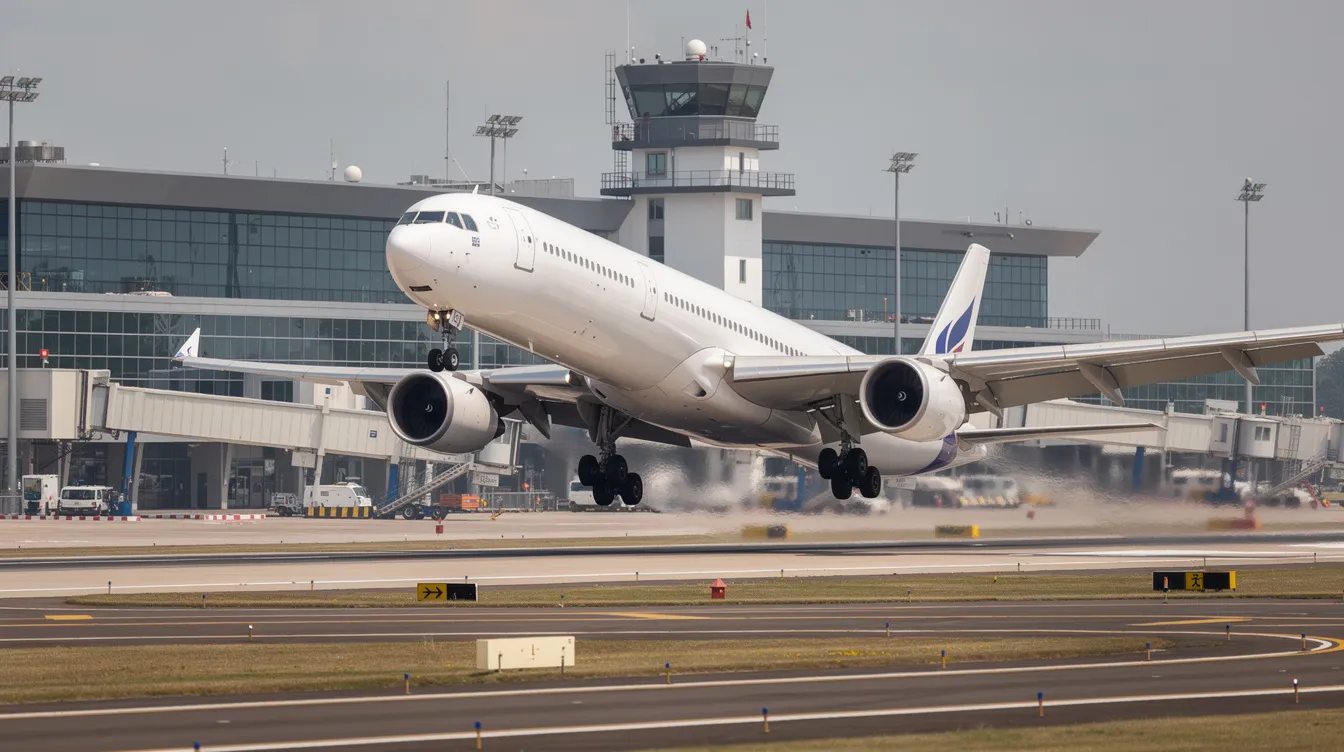
Transatlantic flights today form a dense network of scheduled services and private charters connecting hundreds of city pairs between the Americas and Europe, Africa, and the Middle East, fitting into the broader landscape of private and charter airlines worldwide.
The New York–London corridor (JFK to London Heathrow, Newark, Gatwick) remains the busiest of all transatlantic routes, carrying millions of passengers annually. It consistently ranks among the twenty busiest commercial routes between continents.
British Airways operates transatlantic flights from London Heathrow as one of its core revenue pillars. Virgin Atlantic connects London to Boston and Orlando, among other destinations. Air France links Paris CDG with dozens of North American cities.
Lufthansa offers over 300 destinations, including transatlantic flights from Frankfurt and Munich. United Airlines provides transatlantic flights from New York and Chicago. Air Canada operates transatlantic flights on Boeing 787 Dreamliners. Aer Lingus offers transatlantic flights connecting Ireland to North America, often using Shannon as a gateway.
In 2015, 44 million seats were offered on transatlantic routes — a figure that has grown since, dipped during the pandemic, and largely recovered. London Heathrow remains among the busiest European hubs for North America traffic, along with major airports in Paris, Frankfurt, and Amsterdam.
Routes extend beyond the North Atlantic to include connections between mainland Europe and South America, South Africa, and West Africa.
Private and charter operators — including those accessed through Jettly — complement scheduled services for business travelers, families, and high-net-worth individuals who need flexibility that commercial airlines can't offer, especially on international private jet flights that cross oceans and multiple borders.
Aircraft types on transatlantic routes range from large commercial widebodies to ultra-long-range private jets, each suited to different missions, passenger counts, and budgets.
Common commercial wide-body aircraft include the Boeing 777, 787 Dreamliner, 767 (on some routes), Airbus A330, and A350. Long-haul transatlantic routes often use wide-body aircraft with two aisles, offering higher passenger capacity and enhanced passenger comfort features.
The growing use of long-range single-aisle jets like the Airbus A321LR and A321XLR is opening thinner transatlantic routes between smaller cities, with airlines also choosing them for fuel efficiency on lower-demand sectors. The A321XLR offers roughly 4,700 nm of range — enough for the East Coast USA to mainland Europe nonstop.
Typical ranges for modern aircraft: widebodies ~7,000–8,500 nm; narrowbody long-range jets ~4,000–4,700 nm; ultra-long-range private jets like the Gulfstream G650ER and Bombardier Global 7500 ~6,000–7,700+ nm.
Private jets serving transatlantic routes include large-cabin and ultra-long-range models such as the G650ER, Global 7500, and Dassault Falcon 8X, as well as some super-midsize jets for shorter crossings.
The aircraft's range determines whether you can fly nonstop or must plan a fuel stop at alternate airports such as Shannon, Reykjavik, Keflavik, or the Azores. Smaller aircraft with less range may need these stops on longer sectors. For a full comparison, see Jettly's guide to the plane with the longest range.
Transatlantic operations involve airlines or charter operators, dispatchers, pilots, air traffic control, and international regulators all working together to get an aircraft safely across thousands of miles of ocean.
All flights must comply with ICAO standards and national regulations (FAA, EASA, Transport Canada), including route clearances and precise fuel planning.
Flight planning steps include choosing departure and arrival airports, selecting the best track across the Atlantic, calculating fuel including reserves for diversions, and identifying alternate airports in case of weather or engine failure.
Dispatchers and pilots use sophisticated software to account for jet streams, weather systems, turbulence forecasts, and airspace constraints — all of which affect the chosen air route, fuel burn, and fuel efficiency on long crossings.
Private charter operators accessed via Jettly handle these operational details for clients, including permits, overflight clearances, and airport slots, so the passenger only sees the confirmed itinerary. For more on this process, see Jettly's flight planner guide.
Organized routing and engine-reliability rules are central to safe, efficient crossings of the North Atlantic. Here's how they work.
Transatlantic flights use North Atlantic Tracks (NATs) —daily-changing routes between North America and Europe optimized for winds and traffic flow. Eastbound flights typically follow nighttime flows, while westbound flights operate during the day. Transatlantic flights often incorporate flexible routing to benefit from favorable winds.
ETOPS (Extended-range Twin-engine Operational Performance Standards) certification is required for twin-engine transatlantic flights. It defines how far a twin-engine aircraft may fly from a diversion airport, measured in minutes of single-engine flight. Common certifications include ETOPS-180, ETOPS-330, and even ETOPS-370 for the Airbus A350.
ETOPS-certified aircraft on transatlantic routes include the Airbus A330, A350, Boeing 767, 777, 787, and many registered aircraft in the long-range narrowbody category.
Jet streams significantly affect transatlantic flight durations. These high-altitude winds (often 100–200 mph) push eastbound flights faster while slowing westbound flights, which is why westbound flights typically last 7–9 hours compared to 6–8 hours eastbound.
Weather conditions, including storms, turbulence, and icing influence routing, altitude choices, and fuel burn. Weather significantly affects transatlantic flight times and fuel burn, sometimes requiring route deviations of hundreds of miles.
Over most of the Atlantic, there is limited radar coverage. Aircraft are separated using oceanic procedures and satellite communications. Aircraft must report positions at designated waypoints over the ocean using GPS, inertial navigation, and HF or satellite radio.
Early transatlantic crossings took 16–30+ hours of flying time. Today, most North Atlantic legs clock in at 6–9 hours — a dramatic compression that has made the transatlantic trip a routine part of global business and leisure travel.
Flight time from New York to London is around 6–7 hours eastbound and 7–8 hours westbound. Boston to Dublin takes approximately 5.5–6.5 hours. Los Angeles to London runs about 10–11 hours depending on winds.
Transatlantic flights usually last between 5.5 and 12 hours based on distance and wind. Transatlantic flights typically take 6–8 hours eastbound, while westbound transatlantic flights usually last 7–9 hours, which is important when using tools like a jet card flight cost estimator that factor in total time.
The fastest recorded transatlantic flight was 2 hours 52 minutes—set by Concorde, which is no longer in service. Modern commercial jets have settled into the 6–9 hour range.
Private jets can have similar flying time but save hours on the ground through shorter check-in, faster security, and direct access to major airports or smaller business aviation fields.
Typical onboard experience on long-haul flights includes meals, entertainment systems, lie-flat or reclining seats in premium cabins, and seat pitch of 31–35 inches in economy on many European carriers.
Many modern aircraft offer in-seat power outlets, USB ports, and Wi-Fi, though availability varies by airline and specific aircraft type.
Red-eye eastbound flights help passengers avoid losing a workday. Daytime westbound flights often feel easier for managing sleep and adjusting to jet lag.
Long-haul flights are generally defined as 6+ hours of airborne time crossing several time zones. Passengers on transatlantic flights typically experience longer durations than short-haul or domestic flights, which changes how you prepare and what you feel on arrival.
Crossing several time zones over the Atlantic often leads to jet lag. Eastbound flights (e.g., US to Europe) tend to be more challenging for sleep and circadian rhythm adjustment than westbound flights.
Cabin comfort considerations matter more on a long flight: choosing the right seat (window vs. aisle), managing noise levels, staying hydrated, and limiting heavy alcohol all reduce fatigue.
Private jets mitigate some discomforts through fully flat beds, customizable cabin lighting, quieter cabins, and tailored catering — but even luxury air travel cannot eliminate time-zone effects.
Many premium long-haul aircraft now feature advanced cabin pressurization and humidity systems that reduce tiredness compared to older jets, a meaningful improvement on 8+ hour sectors.
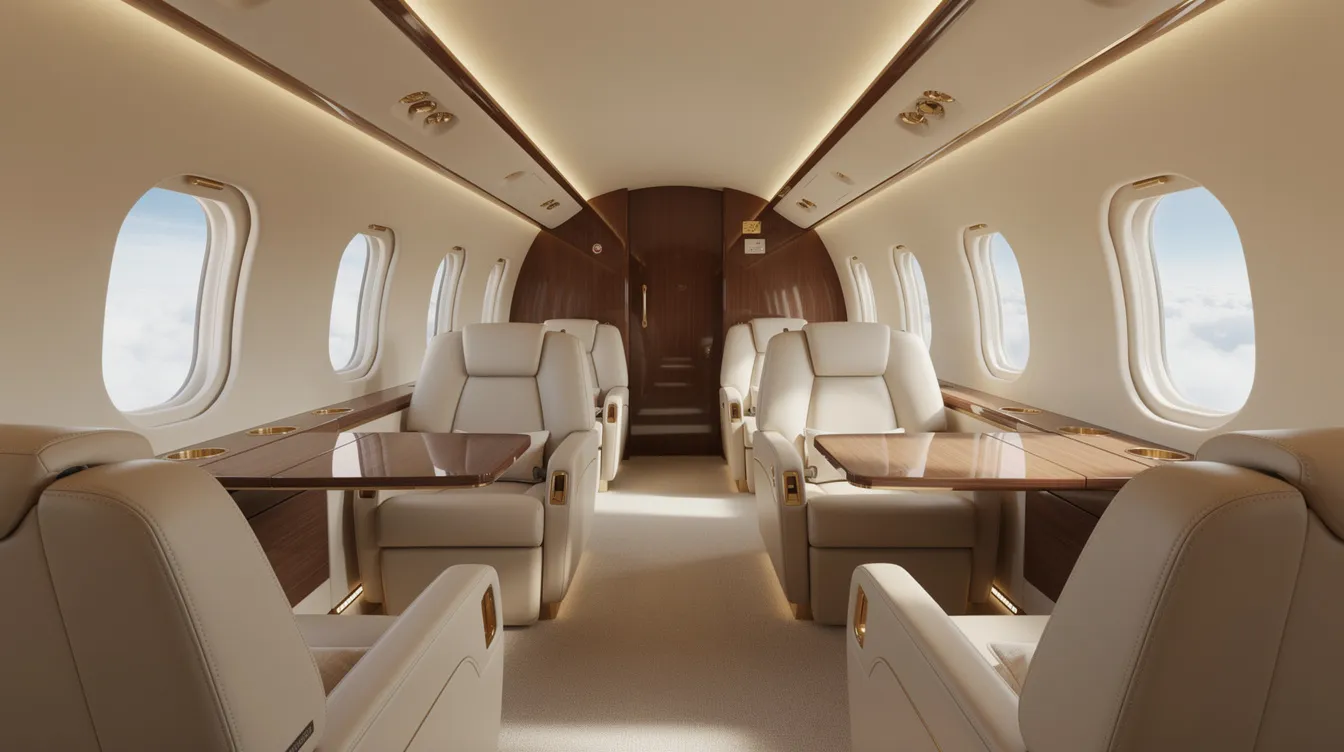
Private jets now routinely operate transatlantic sectors, offering flexibility, privacy, and custom schedules for individuals, families, and corporate teams who need more than commercial airlines provide.
Large-cabin and ultra-long-range jets can typically fly nonstop across the Atlantic. The Gulfstream G650ER can fly nonstop across the Atlantic on routes like New York–London or Toronto–Paris. The Bombardier Global 7500 offers a published range of roughly 7,700 nm. The Dassault Falcon 8X covers similar ground. For more detail, see Jettly's guide to private jets that can fly to Europe.
Many modern private jets can fly nonstop from New York to Paris and similar North Atlantic city pairs without difficulty, and travelers can often reduce costs by buying a seat on a private jet rather than chartering the whole aircraft.
Some super-midsize jets can fly nonstop on shorter crossings such as Boston–Dublin or New York–Shannon, but may need fuel stops for longer sectors from the West Coast or when facing strong headwinds.
Example nonstop transatlantic private jet flight times: New York–London ~6–7 hours, Miami–Lisbon ~7.5–8.5 hours, Los Angeles–Geneva ~10–11 hours, depending on aircraft and weather conditions.
Smaller aircraft may require tech stops in places like Keflavik, Shannon, or the Azores. Payload (passenger count and baggage), wind, and fuel reserves all determine whether a given trip can be flown nonstop.
Transatlantic private jet flights often use North Atlantic Tracks for routing, just like commercial airlines — the same organized system of daily tracks optimized for wind and traffic.
Jettly's platform lets users see which aircraft types can fly nonstop for a given route and which may require a stop, with transparent range and pricing data.
A transatlantic private jet flight is a premium trip. Costs are driven by aircraft size, flight time, operational complexity, and market demand. Here's what to expect.
Private jet transatlantic flights typically cost between $100,000 and $250,000 one-way, depending on the aircraft type, routing, season, and availability, though structured products like jet cards can sometimes offer more predictable pricing.
Main cost drivers include the hourly rate by aircraft category, total flight time, repositioning flights (flying the jet empty to your departure point), airport fees, crew duty and rest requirements, catering, and ground transportation.
A transatlantic trip depends on thorough flight planning: permits, overflight clearances, slots at busy airports (e.g., London Heathrow), and selection of alternate airports in case of weather or technical diversions. Tools like Jettly's private jet charter cost estimator help travelers understand how these factors translate into pricing. For a full breakdown, see Jettly's page on private jet charter costs.
Empty leg flights are repositioning flights operating without passengers. Transatlantic empty legs can sometimes offer substantial discounts for flexible travelers willing to match their schedule to an aircraft's movement, whether booked as shared segments or full charters—see how shared charter flights vs. full charters compare for your needs. Learn more about empty leg private jet flights on Jettly's platform.
Jettly aggregates empty leg and one-way opportunities, making it easier to spot discounted Atlantic crossings when schedules are flexible, and its platform also supports crowdsourced private jet flights and shared empty seats to further reduce costs. For more on one-way economics, see the guide to private jet one-way charters.
Jettly is a digital private jet charter marketplace with access to 20,000+ registered aircraft globally, including many larger aircraft and ultra-long-range jets capable of Atlantic crossings.
Users can enter routes such as New York–London, Toronto–Paris, or Miami–Lisbon and receive instant pricing across multiple aircraft types, comparing nonstop vs. one-stop options side by side, or lock in fixed rates through jet card programs.
Platform features relevant to transatlantic travel include aircraft range filters, transparent all-in pricing estimates, private jet membership options for frequent flyers, and on-demand booking without long-term contracts. Learn how to book a private jet through the platform.
Jettly works with regulated operators that meet international safety and oceanic flying standards, including ETOPS where applicable, and required navigation and communication equipment for long over-water routes, leveraging its Zenflight instant-book private jet platform for fast access to compliant aircraft.
Additional services for Atlantic trips include in-flight catering through Jettly Eats, ground transportation coordination, and use of convenient business aviation airports — for example, Teterboro instead of JFK near New York, or London Luton instead of Heathrow.
Jettly also surfaces empty leg opportunities across the Atlantic, useful for one-way or last-minute private trips, alongside other strategies for getting a seat on a private jet easily. Explore options at Jettly's international travel page.
This section addresses the most frequent questions about transatlantic flights with concise, concrete answers.
Can a private jet fly nonstop across the Atlantic? Yes. Ultra-long-range jets like the Gulfstream G650ER, Bombardier Global 7500, and Dassault Falcon 8X can fly nonstop on most North Atlantic routes. Smaller aircraft may require fuel stops at Shannon, Keflavik, or the Azores depending on distance and headwinds.
What was the first transatlantic flight? The Curtiss NC-4 made the first transatlantic flight in May 1919 with multiple stops. The first nonstop transatlantic flight was achieved by John Alcock and Arthur Whitten Brown in June 1919, when they flew a Vickers Vimy from Newfoundland to Ireland. Later, in May 1927, Charles Lindbergh completed the first solo nonstop flight, traveling from New York to Paris.
How long does a transatlantic flight usually take today? Flight time from New York to London is around 6–7 hours eastbound and 7–8 hours westbound. Boston–Dublin takes about 5.5–6.5 hours. San Francisco or Los Angeles to London runs 10–11+ hours. Jet streams cause the eastbound/westbound time difference.
Is flying across the Atlantic in a private jet safe? Certified operators follow the same safety and maintenance rules as commercial airlines, including oceanic procedures, ETOPS certification for twin-engine jets, required navigation and communication equipment, and crew training for long over-water routes.
How do I book a transatlantic private jet flight? On Jettly, enter your route and date, compare aircraft types and instant pricing using tools like the jet card flight cost estimator, choose nonstop or one-stop options, and finalize catering and ground transport online. The platform handles permits, slots, and operational planning.
How do busiest commercial routes compare to private options? The busiest commercial routes like New York–London see dozens of daily flights from major airlines. Private charters serve the same city pairs but also connect smaller airports and offer schedule flexibility that commercial transatlantic passenger flights cannot match; resources on the best private jet charter companies can help you compare providers.
Learn more about Jettly's charter options and submit a quote request at jettly.com for specific transatlantic itineraries, or explore how Jettly positions itself as a NetJets alternative for flying private with flexible, on-demand solutions.
A transatlantic flight is any air journey crossing the Atlantic Ocean — a concept that has transformed from high-risk experiments in flying boats and modified bombers into routine commercial and private operations spanning hundreds of city pairs. Modern aircraft types, from fuel-efficient wide-body jets to ultra-long-range private jets, enable nonstop and one-stop transatlantic routes with predictable flight times and strong safety records.
Digital platforms like Jettly make planning a transatlantic private flight simpler than ever, offering transparent pricing, aircraft comparison, and on-demand booking for routes across the Atlantic. Whether it's a corporate trip from New York to London or a family journey from Miami to Lisbon, the tools exist to fly on your terms.
Ready to plan your next transatlantic crossing? Explore private charter options or request a quote at jettly.com.
Share this post:
Jeff Ryan Serevilla
Sep 22, 2026
|
5
min read
Discover tips and trends in the industry.
5
min read
Low Wing Cessna: History, Design, and Modern Charter Relevance
Low-wing Cessna aircraft, known for their speed and efficiency, have significantly influenced private aviation. These models, including the Cessna 400 and Citation jets, prioritize performance and comfort, making them ideal for modern charter services. Their unique design enhances aerodynamic efficiency, providing a sporty flying experience that appeals to both pilots and passengers.
Read More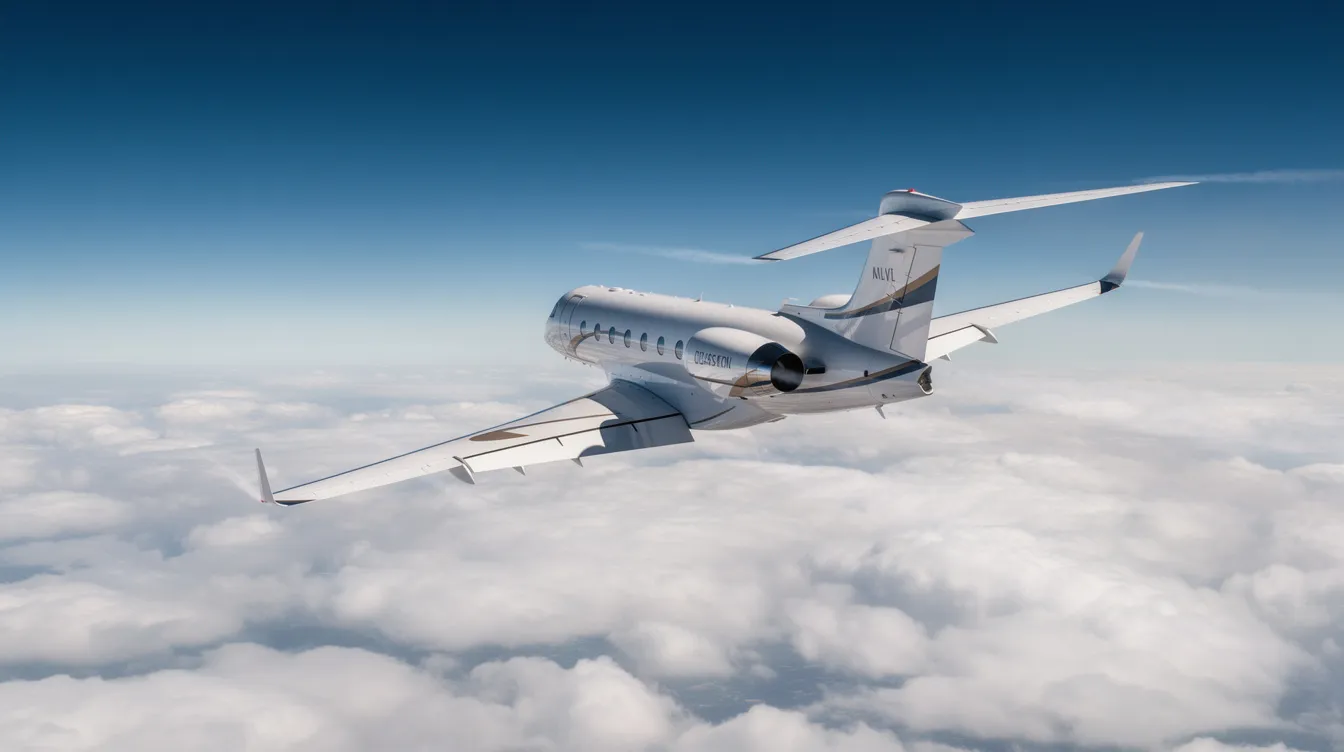
5
min read
Gulfstream Engines: Powering Long-Range Business Aviation
Gulfstream engines are pivotal in enhancing long-range business aviation, offering unmatched performance and comfort. This guide provides insights into the technology and specifications of Gulfstream engines, helping travelers make informed decisions for their aviation needs. With options like the Rolls-Royce BR710 and Pearl 700, Gulfstream aircraft ensure efficient, high-speed travel across global routes.
Read MoreStay updated with our latest insights and tips to elevate your journey with us.
MEMBERSHIPS AND ASSOCIATIONS



Disclaimer: Jettly operates as a charter broker, offering access to a global digital jet charter marketplace. Jettly is not a direct air carrier and does not own or operate aircraft. All advertised flights are conducted by third-party air carriers that are fully licensed and hold the appropriate Part 135 or Part 121 certifications issued by the Federal Aviation Administration (FAA) or equivalent regulatory authorities under U.S. or foreign law. Jettly complies fully with the U.S. Department of Transportation's Part 295 and Part 298 Charter Broker regulations. Jettly does not carry additional liability insurance. Passengers are covered by aircraft operator insurance. TICO: 50023770


