


Login
Get Instant Pricing On 23,000+ Aircraft

>

As the popularity of private flights continues to grow, there are more options than ever in choosing the way you travel.
Private jets give you comfort, security, flexibility, and privacy that you cannot get on traditional commercial flights. If you are looking into options for private flying, you have likely considered private jet fractional ownership programs.
These programs let you purchase a portion of an aircraft, which you share with other owners. If you are looking into a fractional jet ownership program, there are a few things you need to consider. here are 4 things you need to watch out for.
Fractional jet ownership was started by Warren Buffet with NetJets in the 1980s. At the time, this was an innovative and more affordable way to enjoy the benefits of private jet flying.
Today, many of the benefits that were previously available in fractional ownership programs are readily available elsewhere without strict contracts or large up-front costs.
When looking at the benefits of fractional private jet ownership, you need to watch out for these 4 concerns.
When you invest in a fractional ownership program, you typically purchase flight hours in increments of 1/16. To fully purchase a private jet costs millions, so even just 1/16 of that cost is going to be significant – at least $100,000. To justify that cost, you need to fly between 100 and 200 hours per year, at a minimum.
Another significant fractional jet ownership cost is depreciation. Because fractionally owned aircraft are used more frequently, they tend to depreciate faster than other types of private jets. A moderately used jet typically depreciates between 6% and 7% each year. A fractionally owned jet will depreciate faster. This means the capital you initially spent will be worth significantly less when your contract ends.
When you sign up for a fractional jet ownership program, you are locked into a contract for a specific amount of time. These contracts typically last between 2-5 years. If you are unhappy about your fractional ownership experience, there is no easy way out.
If you want to break your contract, there are typically expensive penalties for doing so. In addition, many fractional ownership programs charge a reselling fee at the end of your contract. This can be upwards of 7% of the price of the jet.
With a fractional program, you sign a contract for a specific airplane. If your travel needs go beyond what you initially signed up for, you will have to pay more for access to a larger plane.
In addition, if urgent travel needs arise, but your plane is being used, will you be left stranded? Will you have to pay more for access to an alternative plane?
With the advanced engineering inside a jet, mechanical issues are bound to happen. You want to fly on a well-maintained, properly working plane. However, what do you do when your jet is out of commission for sudden mechanical problems, and you need to fly? Will the fractional ownership company you worked with offer you an alternative? Is there a backup plane that you can use?
With the high cost of ownership and long-term commitments, fractional private jet ownership may not be a good fit for you. A more versatile, more affordable alternative is on-demand private jet chartering through Jettly.
We give you access to instant booking online with more than 20,000 private jets and other aircraft around the world. Tell us where you want to go, even if it includes multiple stops, and we make it easy to plan your trip.
Ready to get started? Contact us today for private jet charter pricing and enjoy the benefits of on-demand private flying.
Share this post:
Justin Crabbe
May 7, 2025
|
5 minutes
min read
Discover tips and trends in the industry.
5
min read
Saab 340 Turboprop Guide for Charter Travelers
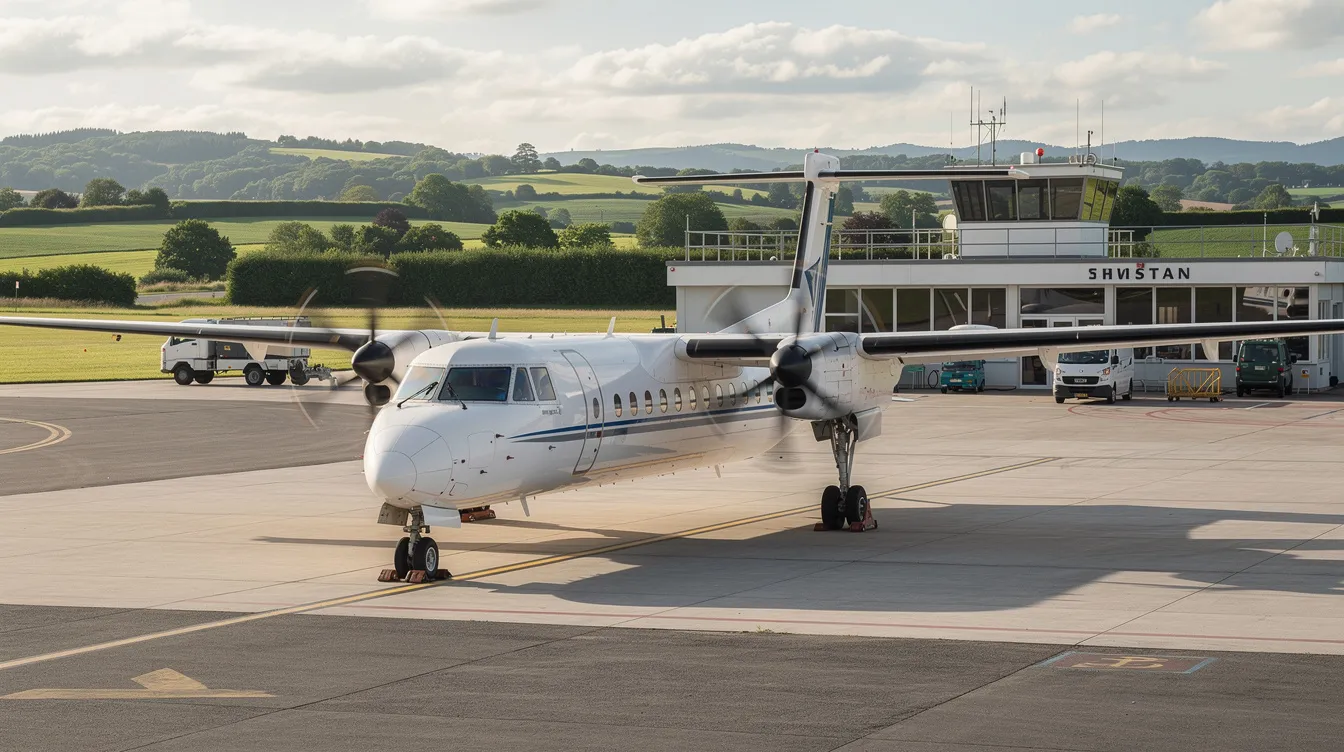
The Saab 340 is a twin-engine turboprop regional airliner that accommodates 30 to 36 passengers, making it ideal for corporate shuttles, group charters, and cargo transport on short to medium routes. Despite production ending in 1999, many Saab 340s remain in service, benefiting from a robust design and modern upgrades, including active noise control features. Chartering a Saab 340 through Jettly offers travelers access to smaller airports, efficient booking, and competitive pricing, making it a practical choice for various travel needs. Overall, the Saab 340 combines capacity, performance, and cost-effectiveness, appealing to those seeking reliable regional air travel solutions.
Read More
5
min read
PlaneSense and Fractional Aircraft Ownership: How It Works and When to Choose Charter Instead
PlaneSense offers fractional aircraft ownership, allowing frequent flyers to purchase shares in a managed fleet of Pilatus PC-12 turboprops and PC-24 light jets, providing predictable costs and consistent service. This model is ideal for travelers flying 50-200+ hours annually, as it includes fixed annual hours and guaranteed scheduling. In contrast, on-demand charter services like Jettly offer greater flexibility with no upfront costs and access to a wide range of aircraft, making them suitable for those flying less frequently or with variable travel needs. Ultimately, the choice between fractional ownership and charter depends on individual flight frequency, financial preferences, and desired flexibility.
Read MoreStay updated with our latest insights and tips to elevate your journey with us.
MEMBERSHIPS AND ASSOCIATIONS



Disclaimer: Jettly operates as a charter broker, offering access to a global digital jet charter marketplace. Jettly is not a direct air carrier and does not own or operate aircraft. All advertised flights are conducted by third-party air carriers that are fully licensed and hold the appropriate Part 135 or Part 121 certifications issued by the Federal Aviation Administration (FAA) or equivalent regulatory authorities under U.S. or foreign law. Jettly complies fully with the U.S. Department of Transportation's Part 295 and Part 298 Charter Broker regulations. Jettly does not carry additional liability insurance. Passengers are covered by aircraft operator insurance. TICO: 50023770


