



Login
Get Instant Pricing On 23,000+ Aircraft

>
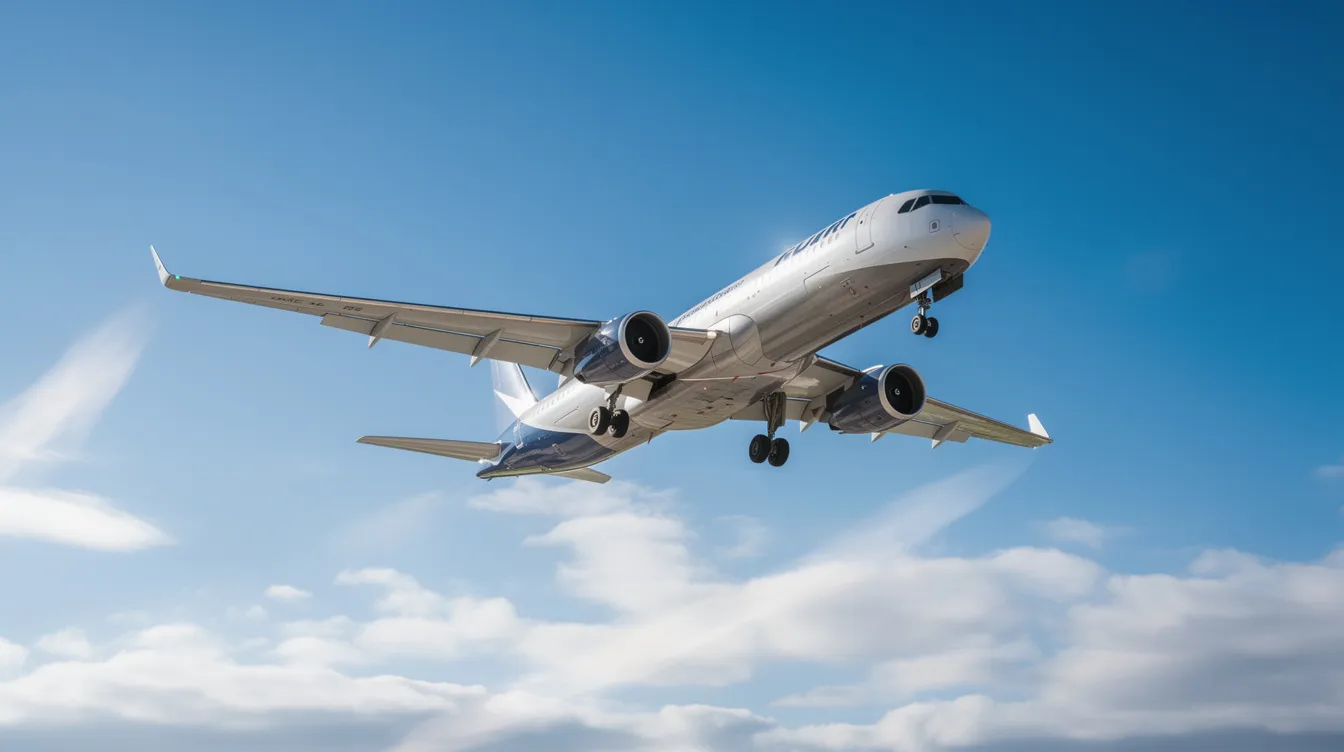
What happens when a plane crashes sits in the back of many travelers’ minds, even though the odds of experiencing one are extraordinarily small. Aviation accidents make headlines precisely because they are rare, while intense media coverage can distort how dangerous flying actually is. This article explains the causes, physics, human factors, and survival strategies behind airplane crashes, using data rather than fear.
The risk of dying per commercial flight boarding was about 1 in 13.7 million globally during 2018–2022. More than 95% of commercial plane accidents are survivable.
Most aviation accidents happen during takeoff or landing, not during cruise. The “plus-three/minus-eight” rule highlights the first three minutes after takeoff and the final eight minutes before landing.
Modern aviation safety systems—including pilot training, aircraft design, black boxes, and tracking—have substantially reduced fatal accident rates over time.
Passenger actions such as listening to the safety briefing, locating exits, bracing correctly, and evacuating quickly can matter in a survivable emergency.
Jettly connects travelers with properly certified third-party charter operators. It is a charter broker, not an aircraft operator.
Statistically, air travel is among the safest forms of long-distance transport. A 2024 MIT study estimated the risk of death per boarding on a commercial flight at about 1 in 13.7 million globally during 2018–2022.
Compare that with motor vehicles. The National Safety Council estimates an American’s lifetime risk of dying in a car crash at roughly 1 in 93. In annual terms, the risk of a fatal motor vehicle accident is approximately 1 in 5,000.
Personal risk depends more on how often someone flies than on distance covered. The “plus-three/minus-eight” rule indicates that 80% of aviation accidents occur during the initial three minutes after takeoff or the final eight minutes before landing. Each takeoff and landing cycle carries more risk than the hours spent cruising.
The idea that a plane crash always kills everyone onboard is inaccurate. The NTSB reported a 95.7% survival rate in U.S. airline accidents from 1983 to 2000, including events involving fire and substantial damage. An airplane crash does not automatically mean that everyone onboard will die.
Frequent flyers, including Jettly’s business and private travelers, can consider the entire journey when planning. Choosing an airport closer to the destination may reduce road time, and tools like Jettly’s airport locator platform can help identify convenient options, although ground-transport risk varies by trip and should not be treated as a substitute for aviation safety data.
Under international standards, an aircraft accident is an occurrence between boarding and disembarkation that results in serious injury, death, or substantial aircraft damage. This definition distinguishes accidents from less serious incidents.
The Swiss Cheese model explains why crashes rarely result from one failure alone. Each slice represents a safety layer—technology, procedures, training, or oversight. An accident can occur when weaknesses across several layers align, allowing a hazard to pass through every defense.
Common contributing factors include:
Human error: pilot, maintenance, or dispatch decisions
Mechanical or structural failure: engine, hydraulic, or instrument problems
Weather: storms, icing, wind shear, or low visibility
Air traffic control or navigation issues: miscommunication or equipment failures
Deliberate acts: sabotage or terrorism, which are extremely rare
Catastrophic accidents involving large commercial airliners are uncommon. Many general aviation accidents involve smaller aircraft operating in poor weather or under visual flight rules when instrument conditions exist.
Charter brokers like Jettly connect travelers with third-party operators holding appropriate regulatory certifications. Learn more in Secure Air Charter: How Jettly Delivers Safe, Private, and Efficient Air Travel.
Human error is a frequent factor in aviation accidents. Pilots, maintenance staff, dispatchers, and air traffic controllers can all make mistakes, usually alongside other contributing conditions.
Human-factor risks include:
Fatigue from irregular shifts or extended duty periods
Time pressure from schedules or fuel constraints
Complacency on familiar routes
Miscommunication over radio
Loss of situational awareness in complex airspace or instrument conditions
The 1977 Tenerife disaster illustrates how factors can combine. Two Boeing 747s collided on a foggy runway after the KLM captain began takeoff without clearance. Radio miscommunication, poor visibility, and scheduling pressure contributed. A total of 583 people died, making it the deadliest aviation accident in history.
The Colgan Air Flight 3407 crash in 2009 was attributed in part to crew fatigue. Investigators found that fatigue degraded crew performance during a critical stall recovery.
In 2009, Air France Flight 447 crashed into the Atlantic after pitot tube icing caused airspeed instrument anomalies. The crew misinterpreted the situation, and a poor understanding of high-altitude stall behavior contributed to loss of control. All 228 people onboard died.
Crew Resource Management training, standardized phraseology, and recurrent simulator sessions help crews identify and manage errors. Charter operators must follow applicable pilot currency and duty-time requirements; Jettly screens operator partners for regulatory eligibility.
Mechanical or structural failures account for a smaller share of aviation accidents today, supported by maintenance requirements, design redundancy, and manufacturer oversight. Mechanical failure can lead to loss of aircraft control, but engineering and operational safeguards are intended to prevent a single fault from becoming catastrophic.
|
System |
Example failure mode |
|---|---|
|
Engines |
Uncontained failure, flame-out, or separation |
|
Control surfaces |
Jammed aileron or rudder hardover |
|
Hydraulics |
Loss of flight-control authority |
|
Landing gear |
Collapse on touchdown or failure to extend |
|
Instruments |
Altimeter or airspeed-indicator malfunction |
|
De-icing |
Ice accumulation on wings or engines |
|
Pressurization |
Explosive decompression at cruise altitude |
Most in-flight mechanical problems end in an emergency landing rather than a crash. Engine-out procedures, return-to-airport protocols, and diversion planning help pilots manage failures, and passengers on private jets may also rely on structured programs with jet card flight cost estimators for route planning.
United Airlines Flight 232 in 1989 is a well-known example. A DC-10 suffered an uncontained failure in its tail engine, severing all hydraulic lines. The crew used asymmetric thrust to control the aircraft and crash-landed at Sioux City, Iowa. Of 296 passengers and crew, 185 survived.
Commercial and charter operators monitor maintenance records, airworthiness directives, and manufacturer service bulletins. Jettly’s partner operators must comply with applicable regulatory standards to remain eligible on the platform.
Weather contributes to many aviation accidents, especially for smaller aircraft operating to short or remote runways. Environmental factors are rarely the only cause, but can set the stage for human or system failures.
Key hazards include:
Thunderstorms and lightning
Icing on wings and engine inlets
Wind shear and microbursts during takeoff and landing
Low visibility from fog, clouds, or dust
Strong crosswinds during approach
Controlled Flight Into Terrain (CFIT) occurs when an airworthy aircraft under crew control unintentionally strikes the ground, water, or an obstacle, often in poor visibility or mountainous terrain. Terrain Awareness Warning Systems have sharply reduced airline CFIT fatal accident rates over the past two decades.
Forecasting, onboard radar, satellite weather data, and approach minima help pilots avoid dangerous conditions. Private jet flights arranged through Jettly may offer more flexibility to adjust departure times, routes, or alternate airports than scheduled services, but weather remains a factor and the operating crew makes the safety decision.
When something goes wrong, the sequence may begin with an instrument warning, system failure, or sudden weather change. Pilots may declare an emergency while air traffic controllers help identify a suitable runway. The crew will attempt a controlled landing or, over water, a ditching when feasible.
Impact forces involve rapid deceleration. Aircraft seats are dynamically tested to withstand forces up to 16 times the force of gravity. Modern commercial aircraft are designed to maximize occupant survivability during impacts, using energy-absorbing seat structures and reinforced floor tracks.
Not every aircraft accident is a high-energy crash. Impacts range from:
Runway overruns: excursions beyond the runway end
Hard landings: heavy touchdowns that damage landing gear
Off-runway excursions: departures from the runway surface
High-energy impacts: steep-angle or nose-first impacts with lower survivability
Structural damage can include landing-gear collapse, wing separation, or fuselage breaks. These may create evacuation openings while exposing occupants to hazards outside the aircraft.
Fire, fuel spills, and smoke are major post-crash threats. Rapid evacuation is critical in survivable accidents. Aircraft are certified to be fully evacuated within 90 seconds using only half of the available emergency exits.
Injuries may result from blunt-force trauma during deceleration, as well as post-impact fire or smoke inhalation. The idea that everyone dies instantly is a myth. In many aviation accidents, most passengers survive the initial impact. Fire and smoke can make a survivable crash more dangerous, so the first 90 seconds are critical.
Seat location can influence outcomes, but no seat is guaranteed safe. Some analyses, including a study covered by Popular Mechanics, found better outcomes for rear-cabin passengers in certain crashes. Proximity to usable exits can also affect evacuation time.
During a steep descent or high-energy impact, g forces can cause passengers to lose consciousness. Correct bracing and proper lap-belt use can help reduce head and spinal injuries. Lower-speed impacts or controlled landings can improve the chance of survival.
Aircraft must meet applicable crashworthiness and flammability standards. Cabin cushions and materials must meet strict flammability standards to resist burning, helping limit fire hazards during evacuation.

When the cockpit declares an emergency, cabin procedures change quickly. Flight attendants may instruct passengers to assume emergency positions. Crew members secure the galley and service carts, check the cabin, and prepare passengers. People may hear announcements, notice a rapid descent, or see cabin lights change to emergency mode.
Standard procedures may include:
Assuming the brace position as directed: bend forward, head toward the seat in front, and protect the head.
Tightening the seatbelt low across the hips. Fasten your seatbelt snugly over your pelvis.
Stowing loose items.
Reviewing exit locations on the safety card.
Following crew instructions.
If cabin pressure is lost at altitude, oxygen masks deploy automatically. Floor-level emergency lighting can guide passengers toward exits. Crew members use checklists and training to improve the odds of an orderly evacuation. Paying attention to the safety briefing helps passengers respond faster.
On smaller private aircraft, fewer passengers may mean shorter distances to exits and more direct communication from the crew. Aircraft layouts and emergency procedures vary, so passengers should always follow the briefing for the specific flight.
The first minutes after impact can determine whether a survivable accident remains survivable. Once the aircraft stops, crew members direct passengers toward usable exits and slides where fitted. Follow instructions, leave belongings behind, and move quickly.
Most deaths in survivable crashes occur during the first 90 seconds after a crash. Fire and smoke are major post-crash hazards that can complicate evacuations, and smoke may fill a cabin rapidly. Get out of the aircraft within 90 seconds after a crash whenever possible; do not stop to retrieve luggage.
Emergency teams respond to secure the crash site. First responders search for survivors, provide medical aid, and triage injuries. At airports, fire and rescue teams are positioned to respond quickly. In remote areas or over water, search and rescue may use Emergency Locator Transmitter beacons, satellite tracking, and radar positions.
Survivors and responders may experience PTSD and other psychological trauma after crashes. Law enforcement and aviation authorities also secure the accident site to protect evidence for the investigation, while operators and brokers may later use tools such as shared and crowdsourced private jet flights to improve aircraft utilization without compromising safety oversight.
International investigations follow a framework set out in Annex 13 of the Chicago Convention, while national bodies lead inquiries within their jurisdictions. The National Transportation Safety Board leads investigations into civilian aviation accidents in the U.S. Other agencies include the AAIB in the UK and the TSB in Canada.
The crash site is locked down to protect critical evidence. Investigation steps can include:
Securing and documenting wreckage
Recovering black boxes, which contain flight data and cockpit voice recordings
Collecting radar tracks, air traffic control audio, and maintenance records
Examining physical evidence and conducting medical examinations where appropriate
Interviewing survivors, crew, witnesses, and relevant personnel
The aim of a safety investigation is to identify causes and issue recommendations, not to assign criminal blame. Findings can lead to design changes, new training, or revised operational procedures. Final reports may take months or years, but their lessons can improve aviation safety.
Fatal commercial jet accidents have fallen to historically low levels. There were seven fatal accidents worldwide in 2024, resulting in 244 onboard fatalities. Approximately 40.6 million flights occurred worldwide in 2024, according to IATA.
The fatal accident rate for large commercial flights remains below 0.2 per million flights. Historical death risk per boarding has also declined:
|
Time period |
Death risk per boarding |
|---|---|
|
1968–1977 |
~1 in 350,000 |
|
1978–1987 |
~1 in 750,000 |
|
1998–2007 |
~1 in 2.7 million |
|
2008–2017 |
~1 in 7.9 million |
|
2018–2022 |
~1 in 13.7 million |
In 2014, aviation accidents resulted in 869 fatalities, including events such as MH370 and MH17. When headlines report more plane crashes, some figures include general aviation accidents involving small planes, cargo flights, or regional operations. Different definitions of “incident” and “accident” also affect totals. For private aviation statistics, see How Many Private Planes Crash a Year?.
The fatality rate for scheduled airlines has fallen with improvements in training, aircraft reliability, navigation, and oversight across commercial and private aviation.
The Global Aeronautical Distress and Safety System includes requirements for commercial aircraft to report their position at least every 15 minutes, with more frequent reporting in distress situations. These systems help reduce the chance that an aircraft’s position remains unknown for long periods.
Voluntary reporting tools such as the Aviation Safety Reporting System let pilots, controllers, and engineers report hazards and near-misses. Reports help identify patterns before they contribute to crashes.
Aircraft design advances include:
Fly-by-wire controls with envelope protection
Enhanced Ground Proximity Warning Systems that alert crews to terrain conflicts
Traffic Collision Avoidance Systems that help prevent mid-air collisions
Fire-resistant interiors designed to slow flame spread and reduce smoke hazards
Safety reviews from EASA, ICAO, and regional regulators support continuous improvement across airlines and charter operators. Jettly sources flights from third-party carriers operating within this wider regulatory framework.
A plane crash is extremely unlikely, but a few practical actions can help passengers prepare.
Before the flight:
Choose reputable airlines or charter operators with appropriate safety oversight, and consider structured programs like private jet membership and jet card solutions when you fly frequently.
Wear practical clothing and shoes that allow you to move quickly.
Keep loose items secured and avoid excessive alcohol or sedatives that may slow reactions.
During the flight:
Pay attention to the safety briefing, even on a familiar aircraft.
Identify the nearest exits and count rows to them. Identifying emergency exits and counting rows can aid evacuation during emergencies.
Read the safety card to understand oxygen-mask and life-vest procedures.
Keep your seatbelt fastened whenever seated.
On private flights booked through Jettly, passengers can ask the crew questions about emergency equipment and exit procedures. Fewer passengers may make communication more direct, but the crew’s instructions remain the priority, while thoughtful trip planning and understanding what drives private jet charter costs can complement safety-focused decisions. Learn more about Private Jet Safety: Why It’s Safer Than You Think.
The NTSB dataset from 1983 to 2000 recorded a 95.7% survival rate in U.S. airline accidents. Survival depends on impact forces, fire and smoke, aircraft damage, and how quickly passengers can evacuate.
Seat selection: Some analyses suggest the rear of the aircraft may offer better survival odds in certain crash profiles. A seat near an exit can help with evacuation, but no location guarantees safety.
Brace position: Assume the survival position before impact when instructed. Bend forward with your head toward the seatback in front and protect your head. In a bulkhead row, follow the specific brace-position instructions provided by the crew.
Evacuation:
Do not retrieve cabin baggage.
Move promptly to the nearest usable exit.
Stay calm, keep moving, and follow crew directions.
Cover your nose and mouth to avoid smoke inhalation, using a cloth or sleeve if available.
Once outside, move away from the wreckage and follow responder instructions.
Commercial and private aircraft have evacuation requirements appropriate to their certification and configuration. The essential passenger guidance is the same: act promptly and do not let belongings delay evacuation.
Private jet charter differs from scheduled airline travel through on-demand scheduling, more airport options, and greater control over routes. But does flying privately make travel more or less safe?
Safety depends on the operator, aircraft type, route, and regulatory oversight—not simply on whether a flight is private or commercial. Travelers can review top private jet charter companies and safety factors when comparing providers. Well-run charter operators follow rules such as FAA Part 135, including requirements for pilot experience, duty times, and maintenance.
Professionally operated charter jets are certified aircraft flown by trained crews. Travelers can also explore a broad overview of charter airlines and private aviation options when considering different service models. Weather and route decisions still matter, and operators must comply with the rules applicable to their aircraft and operations.
Jettly is a charter broker, not an aircraft operator. It connects travelers with a network of third-party carriers and checks operator certification, insurance, and safety programs, positioning itself as a flexible NetJets alternative for private flying. Learn more about Private Jet Safety Ratings Explained.
Executives, families, and medical or time-sensitive travelers may value on-demand flights for scheduling and airport flexibility, supported by access to a wide range of private charter aircraft options. Those benefits should be considered separately from the safety record of the operating carrier and aircraft.
A plane crash is a worst-case scenario that captures public imagination. But planning around extreme outliers can misdirect attention from everyday safety choices. The lifetime risk of dying on a commercial flight is far lower than the risk of dying in a car crash.
Media coverage amplifies rare, dramatic accidents. Thousands of flights land safely every day, while a single fatal event can dominate headlines for weeks.
For travelers who struggle with fear of flying, helpful approaches include:
Learning how aircraft systems and redundancy work
Taking a professional fear-of-flying course
Asking pilots or crew about safety procedures
Starting with shorter flights if that feels more manageable
The informed choice is not necessarily to avoid flying. Travelers can choose properly regulated operators, pay attention to safety briefings, and make decisions based on reliable information.
Yes. Historical data shows that most passengers in U.S. airline accidents between 1983 and 2000 survived, even in events involving significant aircraft damage. Survival depends on impact forces, fire and smoke, seat location, and how quickly passengers evacuate. Listening to the briefing, knowing exit locations, and using the brace position can help. In an evacuation, leave belongings behind and follow crew instructions.
No seat is guaranteed safe in every accident. Some retrospective analyses found slightly higher survival rates in rear-cabin seats and near exits in certain crash types. Being able to reach a usable exit quickly and wearing your seatbelt correctly are practical priorities. On smaller private jets, cabin layouts and exits differ by aircraft.
Safety depends on the operator, aircraft, route, and regulatory oversight—not simply whether a flight is private or commercial. Charter operators must follow applicable rules, including FAA Part 135 in relevant U.S. operations. Jettly is a charter broker; flights are operated by independent, properly certified carriers. See Are Private Jets Safe? Everything You Need to Know.
Stay seated with your seatbelt fastened, follow crew instructions, adopt the brace position when directed, and leave baggage behind if evacuating. Prepare by listening to the safety briefing, reading the safety card, and noting the nearest exits and row counts. Remaining calm and acting promptly can help during an emergency landing or evacuation.
Jettly is a charter broker, not an operator. Flights are performed by independent, properly certified air carriers that meet regulatory safety standards in their jurisdictions. The platform provides aircraft and operator information to help travelers make informed choices, including guidance on Part 135 charter companies and their safety framework. Learn more at Safety, Operators & Vetting.

Aviation accidents are rare, and modern safety systems make flying remarkably safe. Even when crashes happen, many are survivable, depending on impact conditions, aircraft design, crew actions, and passenger responses.
The best approach is to make informed choices: use reputable operators, listen to safety briefings, and stay alert during takeoff and landing. The data shows that the risk of a fatal crash on a commercial or properly operated charter flight is very low.
Jettly gives travelers access to a global selection of aircraft and routes through its digital marketplace, supported by flexible private jet membership programs. As a charter broker, Jettly connects customers with properly certified third-party carriers; those carriers operate the flights. Learn more about how private jet charter works.
Ready to experience private travel on your terms? Use Jettly’s private jet charter cost estimator to understand potential pricing, then explore flight options or request a quote athttps://www.jettly.com.
What happens when a plane crashes depends on the impact, the aircraft’s condition, and how quickly the flight crew and passengers can respond. Although aviation incidents can have serious consequences, an airplane crash does not automatically mean everyone onboard will die. Modern aircraft design, crew training, emergency response, and rapid evacuation can improve survivability.
For passengers, practical steps matter: listen to the safety briefing, identify exits and count rows, fasten your seatbelt snugly, brace when instructed, and leave belongings behind during an evacuation. The evidence also puts the risk in perspective: fatal commercial aviation accidents remain rare compared with the millions of flights operating each year.
Travelers considering private aviation should evaluate the operating carrier and aircraft, not assume that a flight is safe or unsafe based only on its charter status. Jettly is a charter broker that connects customers with properly certified third-party carriers; those carriers operate the flights. Explore Jettly’s aircraft and charter options at https://www.jettly.com, or request a quote for an upcoming trip.
Share this post:
Jay Franco Serevilla
Nov 6, 2026
|
5
min read
Discover tips and trends in the industry.

5
min read
How Many Plane Crashes in 2025? Global Air Safety, Statistics, and Context
In 2025, there were 51 commercial airline accidents worldwide, with 8 classified as fatal, resulting in 394 fatalities. Despite a rise in fatalities, the overall accident rate improved, highlighting the complexities of aviation safety. This article provides insights into the statistics and implications for travelers.
Read More
5
min read
Jet Airliners: From Early Jet Aircraft to Present-Day Commercial Airliners
Jet airliners have revolutionized global travel since the 1950s, transforming long journeys into hours-long flights. This article explores the evolution from early models like the de Havilland Comet to modern aircraft such as the Boeing 787, highlighting their impact on commercial aviation and the rise of private jet travel options.
Read MoreStay updated with our latest insights and tips to elevate your journey with us.
MEMBERSHIPS AND ASSOCIATIONS



© 2026 Jettly Inc. All rights reserved.
Disclaimer: Jettly operates as a charter broker, offering access to a global digital jet charter marketplace. Jettly is not a direct air carrier and does not own or operate aircraft. All advertised flights are conducted by third-party air carriers that are fully licensed and hold the appropriate Part 135 or Part 121 certifications issued by the Federal Aviation Administration (FAA) or equivalent regulatory authorities under U.S. or foreign law. Jettly complies fully with the U.S. Department of Transportation's Part 295 and Part 298 Charter Broker regulations. Jettly does not carry additional liability insurance. Passengers are covered by aircraft operator insurance. TICO: 50023770


