


Login
Get Instant Pricing On 23,000+ Aircraft

>
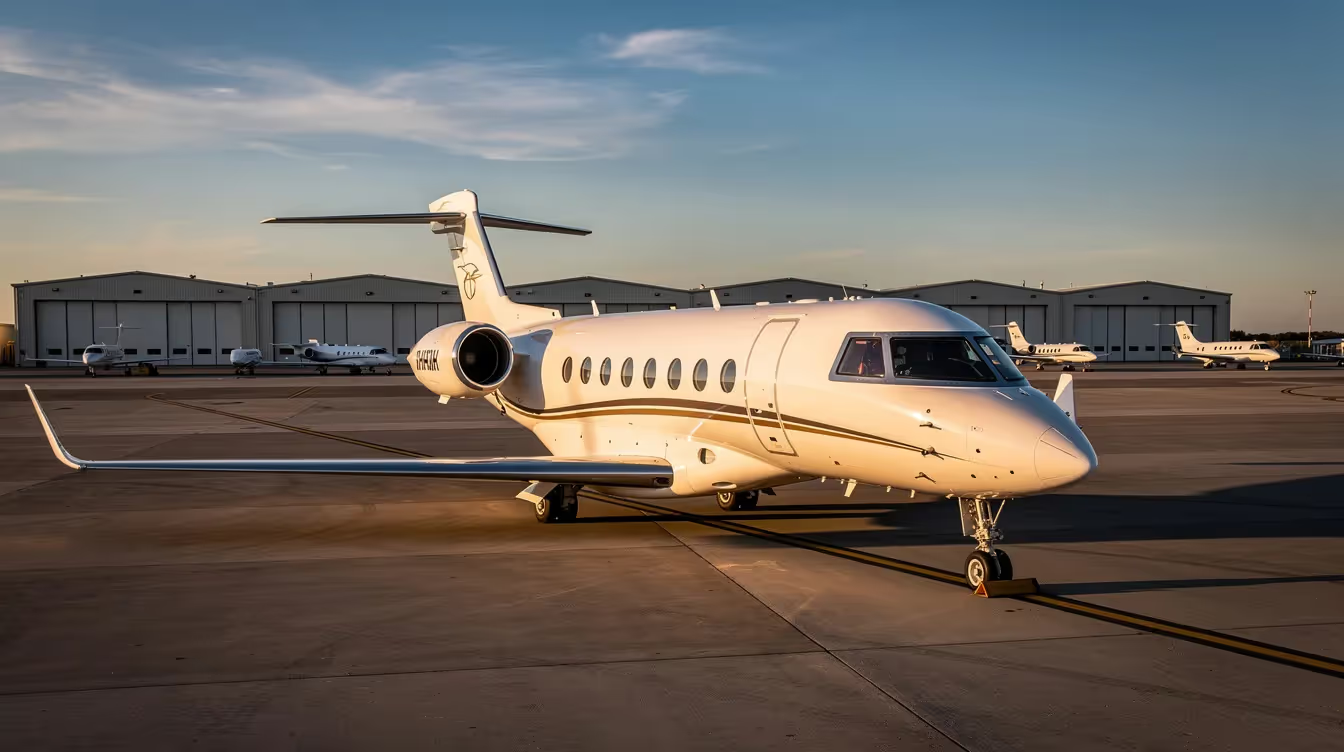
Weekend plane rentals offer both licensed pilots and non-pilots flexible options for short getaways, with choices ranging from self-flown Cessnas to fully crewed jet charters. Costs, requirements, and experiences vary based on aircraft type, rental method, and personal preferences.
– Licensed pilots can rent small aircraft from flight schools or FBOs by meeting documentation and insurance requirements.
– Non-pilots can charter turboprops, jets, or helicopters through digital platforms like Jettly with no license required.
– Rental costs range from $1,000–$2,000 for small planes and $8,000–$20,000+ for weekend jet charters.
– Major cost drivers include aircraft type, hours flown, airport fees, fuel, and insurance or crew charges.
– Early booking, package deals, and loyalty programs can yield significant savings for weekend flyers.
A weekend plane rental can mean two very different experiences. For licensed pilots, it typically involves booking a Cessna or Piper through local flight schools, flying clubs, or fixed-base operators (FBOs) for a Friday-to-Sunday adventure. Renting a plane usually means hiring small, single-engine aircraft from these local providers. To rent an aircraft, pilots must provide a valid pilot certificate, a current medical certificate, a recent flight review, and renters' insurance. Most rental companies require these documents before allowing a pilot to take to the skies.
Rental agreements outline important details such as insurance costs, landing fees, fuel surcharges, cleaning charges, and security deposits, which are typically refundable upon returning the plane in good condition. Prior to flying, renters participate in a pre-flight briefing that covers essential information about the aircraft, including its safety features and operational procedures.
Booking several months in advance can help secure preferred aircraft and potentially lower rates. Additionally, savvy renters can find discounts of up to 75% by booking 'empty leg' flights.
For everyone else, it means chartering a turboprop or private jet with a professional crew through a digital platform like Jettly—no pilot's license needed.
Consider the possibilities: a family escaping New York for Nantucket on Friday evening, a business group flying from Los Angeles to Las Vegas for a deal-closing dinner, or friends heading from Toronto to Montreal for a city break. These weekend trips become straightforward when the right aircraft rental matches the mission.
Typical total weekend rental costs vary significantly. The rental rate depends on the aircraft type and model, which can greatly affect the overall price. A Cessna 172 rental for 6–8 hours of flight time runs approximately $1,000–$2,000, including rental fees and fuel. Multi-engine aircraft rental costs generally range from $250 to $500 per hour, reflecting their higher operating complexity and fuel consumption. Helicopter rentals typically range from $500 to $1,500 per hour, with additional costs for pilot services and fuel. Private jet rentals can cost between $2,000 and $10,000 per hour, depending on the type of jet and additional services required. Private jet charters are significantly more expensive, starting at $2,000 to $4,000 per hour, with full weekend trips typically ranging from $8,000 to $12,000.
This guide covers both options, written from Jettly’s perspective as a digital private aviation marketplace connecting travelers to thousands of aircraft worldwide.
Weekend plane rentals typically cost $1,000–$2,000 for a small aircraft and $8,000–$20,000+ for a light private jet charter.
Travelers can fly themselves with a valid pilot certificate through local flight schools or charter with a professional crew via platforms like Jettly.
Primary cost drivers include aircraft type, flight time, fuel costs, airport fees, and insurance or crew charges.
Jettly provides instant pricing, access to 20,000+ aircraft worldwide, and transparent weekend charter quotes, with no hidden fees.
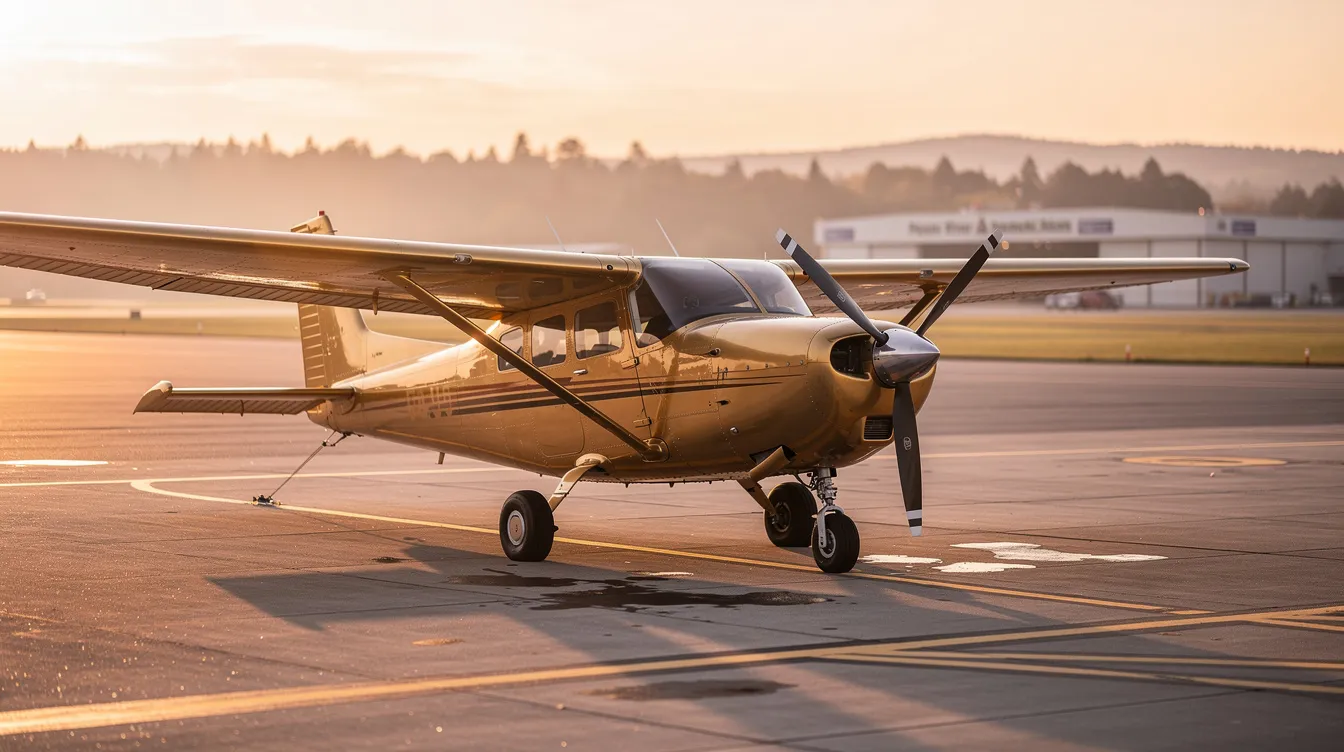
Traditional aircraft rental begins at local flight schools, flying clubs, or regional FBOs. A private pilot with current credentials can book airplane rentals ranging from basic training aircraft to high-performance multi-engine planes.
Requirements include a valid pilot certificate (PPL or higher), a current medical certificate, logbook documentation of recent flight reviews, renters' insurance coverage, and, typically, a checkout flight or orientation with a certified flight instructor to familiarize oneself with the specific aircraft. Many rental providers apply daily minimums—expect 2–3 Hobbs hours per day, even if the aircraft sits parked. A Friday–Sunday booking often means a minimum of 6–9 hours, regardless of actual flight time.
Common rental sources include reputable rental companies near GA airports such as KSDL (Scottsdale), KFXE (Fort Lauderdale Executive), and EGGD (Bristol). Many aviation companies offer discounted rates for members or frequent flyers, while others offer discounts on block-time purchases.
Consistent maintenance is essential for safe flying, requiring aircraft to undergo routine inspections to ensure all components function properly. Renters should confirm that 100-hour and annual inspections are current and properly logged.
Pilots book weekend rentals for several purposes:
Leisure sightseeing: Scenic flights along California’s Pacific Coast from San Diego to Santa Barbara on a Saturday afternoon
Cross-country trips: City breaks like Chicago–Mackinac Island, Austin–New Orleans, or London–Isle of Man for groups of up to four passengers
Hour-building and advanced training: Long cross-country flights for pilots working toward Instrument Ratings or Commercial Licenses
Business trips: Flying to smaller fields closer to client sites, bypassing commercial hub delays
Weekend rentals span from basic single-engine planes to high-performance private jets. The choice affects rental costs, range, passenger capacity, airport access, and comfort, and mirrors many of the same considerations covered in Jettly’s broader guide on how renting a plane works. Aircraft age is also a key factor—newer aircraft typically command higher rental rates and are equipped with more advanced features, such as glass-cockpit systems.
For pilot-operated flights, single-engine planes and multi-engine aircraft dominate rental fleets. For chartered weekend trips, turboprops and jets become accessible through Jettly’s marketplace of 20,000+ aircraft globally—no pilot’s license required.
These 2–4-seat aircraft form the backbone of GA weekend rentals. Common models include the Cessna 172S, Cessna 182T, and Piper PA-28 Archer, all of which feature modern avionics in their newer variants.
Typical wet hourly rental rates run $100–$200 per Hobbs hour in North America and Western Europe. A weekend with 6–8 flight hours totals approximately $900–$1,700 plus landing fees and parking charges.
Single-engine planes seat up to four passengers but face limitations: cruise speeds of 110–130 knots, sensitivity to weather for VFR pilots, and a limited baggage allowance compared to larger aircraft.
Multi-engine planes offer redundancy, better payload, and stronger IFR capabilities. Models like the Beechcraft Baron 58 and Piper PA-44 Seminole serve both advanced training and rental fleets.
Wet rental rates range from $250 to $500 per hour in 2025. A 700–900 NM loop from Denver across the Rockies (7–9 hours) costs approximately $2,500–$4,000 before additional fees.
Pilots need a multi-engine rating, recent experience in type, and often a longer checkout flight. Insurance costs and security deposits typically run higher than single-engine rentals.
Most travelers wanting turboprops or private jets for weekend getaways use private jet charter services rather than traditional rentals. Jettly connects users to:
Turboprop: Examples include King Air 350 and Pilatus PC-12, with hourly charter rates ranging from $2,000 to $3,000 and seating for 6–9 passengers.
Light Jet: Examples include Citation CJ3 and Phenom 300, with hourly charter rates between $3,500 and $6,000 and seating for 6–8 passengers.
A weekend New York (TEB)–Nantucket (ACK) round trip in a PC-12 (about 2.5–3 flight hours) runs roughly $6,000–$8,500 all-in. Jettly enables side-by-side comparisons of turboprops versus jets for specific aircraft selection.
Helicopters excel for resort transfers, city-to-yacht shuttles, and access to properties without runway access. Common models include the Airbus H125, Bell 407, and Leonardo AW109, which seat 2–6 passengers and feature vertical takeoff.
Charter rates range from $500 to $1,500 per flight hour, with additional costs for pilot services and fuel. A 30–40-minute Manhattan-to-Hamptons weekend transfer or a Nice-to-Monaco summer shuttle demonstrates practical applications. Jettly can display helicopter options alongside jets for combined itineraries.
A glass cockpit features digital PFD/MFD displays, integrated GPS, moving maps, and traffic/weather overlays. Aircraft like the Cessna 172S G1000 or Diamond DA40 command slightly higher rental rates than older analog-panel versions.
Benefits include better situational awareness and simplified IFR navigation. Rental providers may require an avionics-specific checkout before releasing advanced avionics aircraft—a worthwhile investment for pilots pursuing airline careers.
Most pilot-owners prefer wet rates for weekend trips because fuel costs are bundled, simplifying budgeting. Jettly’s turboprop and jet charters typically display all-in pricing, including aircraft, crew, and standard operating costs.
Primary cost drivers include:
Aircraft category and age: Newer aircraft generally command higher rental rates due to advanced features such as glass-cockpit systems and modern avionics, while older aircraft may be more affordable but offer fewer modern amenities.
Total hours flown
Location and airport fees
Fuel prices (Avgas or Jet A)
Insurance costs and crew charges
Hangar fees for overnight parking
Some rental providers also bundle multiple services—such as flight time, fuel, and pilot services—into a single package. This approach can simplify budgeting and may reduce overall costs, especially for those seeking a customized solution for their weekend plane rental needs.
Wet rate: Hourly price including fuel, common for flight training and club rentals. A wet Cessna 172 might run $160/hour.
Dry rate: Aircraft-only price with fuel purchased separately at FBO prices. The same aircraft dry costs $125/hour plus approximately $35–$50/hour in fuel, depending on regional Avgas prices.
Dry rates make sense for pilots with discounted fuel access or for longer trips, where fuel shopping en route can create cost savings. Jettly quotes clearly indicate whether fuel and handling are included, minimizing surprise line items in the rental agreement.
Busy metro airports charge higher parking, landing fees, and handling charges. Coastal California, Western Europe, and remote islands typically pay a premium for fuel.
Expect landing fees of $20–$100 for smaller aircraft and several hundred dollars in handling for jets at major business airports. Always request estimated fuel burn and known airport fees before confirming a Friday–Sunday rental.
Most FBOs and flight schools require renters to have non-owned aircraft liability insurance, typically costing $100–$500 annually, depending on coverage limits. Charter customers through Jettly don’t need personal aircraft insurance, as certified operators carry commercial coverage for passengers. Request proof of operator insurance and safety certifications (ARGUS or Wyvern ratings) before confirming any charter.
Budgets depend on total hours, aircraft size, and whether travelers pilot themselves or hire a professional crew. Charter quotes from Jettly display a single total price that includes positioning, pilot services, and standard fees.
Cessna 172: Orlando (KORL) to Key West (KEYW) round trip, 6–7 hours, estimated cost $1,100–$1,300 plus fees
Piper Seneca: Seattle (KRNT) to Sunriver (KS21) round trip, 7–8 hours, estimated cost $2,500–$3,500
King Air 350: Dallas (KDAL) to Santa Fe (KSAF) round trip, 4–5 hours, estimated cost $10,000–$15,000 all-in
Phenom 300: Toronto to New York (KTEB) round trip, 3–4 hours, estimated cost $12,000–$20,000
Use Jettly’s instant-pricing tools to refine these estimates for specific dates and passenger counts. Remember that catering, ground transport, and last-minute changes add to total weekend rental costs.
Safety and regulatory compliance remain non-negotiable, whether renting or chartering. Pilot responsibilities in self-fly rentals differ substantially from those of operators in charter flights.
The Federal Aviation Administration (FAA) sets and enforces regulations for aircraft registration, pilot licensing, and operational safety in the United States, ensuring all private aircraft operations meet strict legal standards. Jettly works exclusively with licensed, vetted charter operators complying with FAA Part 135 in the U.S., EASA rules in Europe, and equivalent regulations globally.
Standard requirements include:
Up-to-date pilot certificate with appropriate ratings
Current flight review (biennial)
Current medical certificate appropriate to license level
Logbook proof of recent landings and flight time
Many rental companies require a checkout flight (0.5–2.0 hours) in each aircraft type. Special endorsements apply for complex, high-performance, tailwheel, and multi-engine aircraft. Stay within personal limits—especially with family aboard.
Renters should confirm that 100-hour and annual inspections are current and properly logged. Request evidence of Airworthiness Directive compliance, particularly on older airframes common in training fleets.
For charters, Jettly provides operators’ certificates, safety ratings, and maintenance standards for specific aircraft. Checking logbooks before Friday's departure prevents last-minute cancellations due to overdue maintenance.
For pilots seeking a more cost-effective and community-driven approach to aircraft rental, joining a flying club can be a smart alternative. Flying clubs typically operate as member-based organizations that provide access to a fleet of well-maintained aircraft at significantly lower rental costs than traditional rental companies. Members benefit from lower hourly rental rates, making it easier to plan an affordable weekend trip without sacrificing quality or safety.
Beyond just savings, flying clubs often offer package deals that bundle fuel, insurance, and routine maintenance into a single, predictable fee. This simplifies budgeting for a weekend rental and eliminates many of the surprise expenses that can come with pay-as-you-go rentals. Many clubs also provide credits toward flight reviews, free or discounted simulator time, and priority booking for popular aircraft—ideal for those looking to maximize their flying opportunities during peak weekends.
Membership programs provide access to exclusive offers and early promotions, enhancing value for members. Many aviation companies offer loyalty programs that reward frequent flyers with reduced rates and credits toward flight reviews. Members of flying clubs can earn points for each rental that can be redeemed for discounts on future rentals. Membership benefits often include complimentary simulator access and credits toward flight reviews, similar in spirit to Jettly’s private jet membership programs that streamline access and pricing for frequent charter users, boosting training opportunities and overall value.
The social aspect is another major draw. Flying clubs frequently organize group fly-outs, educational seminars, and social gatherings, allowing members to connect with fellow aviation enthusiasts and share experiences. Whether you’re building hours, planning a scenic weekend getaway, or simply looking to enjoy the camaraderie of a like-minded community, a flying club can make aircraft rental more accessible and enjoyable.
Savvy travelers and pilots know that taking advantage of package deals and promotions can lead to significant savings on weekend plane rentals. Many rental companies recognize the demand for weekend getaways and offer special packages that include a set number of flight hours or days at discounted rates. These package deals often bundle in premium amenities, such as in-flight catering or ground transportation, making your weekend rental both cost-effective and luxurious.
Frequent flyers can benefit from loyalty programs that reward repeat business with points or credits, which can be redeemed for future rentals or upgrades to aircraft with more advanced features and luxurious interiors. Some companies offer discounted rates for specific types of flights, such as scenic flights over popular destinations or cross-country trips that allow you to explore new regions in style.
For those planning a private jet charter, package deals may include everything from crew services to premium amenities, ensuring a seamless and comfortable weekend getaway. By bundling multiple services or booking during promotional periods, travelers can enjoy substantial cost savings and reduce overall private jet charter costs while experiencing the best that private aviation has to offer. Whether you’re booking a short scenic flight or a cross-country adventure, it pays to ask your rental company about current promotions and package deals designed for weekend rentals.
Weekend flyers looking to sharpen their skills or pursue new certifications will find a range of flight training and pilot services available through local flight schools and reputable rental companies, building on many of the same considerations outlined in Jettly’s guide to the best weekend plane rental costs and key considerations. Many aviation providers offer flexible training programs tailored to the needs of weekend pilots, including ground school, simulator sessions, and in-flight instruction. These programs are ideal for those seeking advanced training, such as earning a multi-engine rating or transitioning to specific aircraft with modern avionics.
A key benefit is the ability to schedule a checkout flight with a certified flight instructor, ensuring you meet all requirements for operating a particular aircraft safely and confidently. Some rental companies also provide pilot services, allowing you to fly with an instructor or experienced pilot who can offer guidance, support, and valuable feedback during your weekend rental.
Whether you’re working toward a new rating, building hours, or simply want to refresh your skills, these flight training options make it easy to combine learning with leisure. For example, a weekend training package might include a checkout flight in a multi-engine plane, personalized instruction, and access to advanced avionics—helping you achieve your goals while enjoying the freedom of a weekend in the sky.
Many travelers prefer chartering over flying themselves—no licenses, no flight-planning burden, and more time at the destination. Jettly operates as a digital private jet charter platform connecting users to 20,000+ aircraft worldwide with instant, transparent pricing comparable to other top private jet charter companies.
Key benefits of weekend missions include flexible departure times, access to smaller airports near resorts, and customizable catering, with package deals for premium amenities. Popular routes include New York–Miami, London–Nice, Los Angeles–Jackson Hole, and Toronto–Vancouver, where Jettly often serves as a flexible NetJets alternative for travelers who prefer on-demand access over fractional ownership.

|
Aspect |
Self-Fly Rental |
Charter via Jettly |
|---|---|---|
|
License required |
Yes |
No |
|
Pre-flight planning |
Pilot responsibility |
Operator handles |
|
Weather decisions |
Made by a pilot |
Coordinated by the operator |
|
Cabin experience |
Pilot flying |
Passengers can relax or work |
|
Aircraft access |
Pistons and some twins |
Turboprops, jets, and helicopters |
Charter enables those without a pilot’s license to enjoy a weekend plane rental experience with a professional crew managing all operations. Consider a Friday evening departure from Chicago Midway to Aspen, returning Sunday afternoon with ski gear and flexible timing—all handled by the crew.
The rental process through Jettly follows simple steps:
Create an account and enter Friday–Sunday dates
Select departure and arrival airports
View instant pricing across multiple aircraft categories
Compare cabin sizes, ranges, and feature luxurious interior options
Confirm booking with transparent all-in pricing
Jettly’s system calculates repositioning, estimated flight times, and typical weekend minimums when generating quotes. The support team assists with special requests—pet travel, catering, or ground transportation at both ends. Explore flight options at Jettly.
Careful planning transforms a rushed trip into a smooth weekend escape. Start route and aircraft selection 2–4 weeks before travel for popular seasonal weekends.
For pilots: check NOTAMs, review long-range weather mid-week, and build alternates into Friday and Sunday legs. Use conservative departure times to avoid late-evening arrivals at unfamiliar airports. A pre-flight briefing with current conditions prevents surprises.
For charter passengers: select departures avoiding peak congestion and leave buffers around Monday commitments. Seasonal considerations matter—winter de-icing in Denver, summer thunderstorms in Florida, coastal fog around San Francisco.
Set a total budget before selecting aircraft, then match type and distance to that figure
Book 3–6 weeks ahead for better pricing on holiday weekends
Fly to secondary airports (Fort Lauderdale vs. Miami) to reduce additional fees
Ask about loyalty programs, block hours, or off-peak departures
Request details on minimum daily hours, overnight charges, and repositioning fees during discussions to arrange payment terms
For pilots:
License, medical, logbook
Headsets, charts/EFB, backup batteries
Required endorsements for short flights or cross-country flights
For charter customers:
Arrive 20–30 minutes before departure at FBO
IDs for all passengers
Special handling notes (pets, medical equipment)
Verify ground transport arrangements at the destination
Private aviation carries environmental considerations. Efficient aircraft selection—right-sizing jets, considering turboprops for short flights, avoiding unnecessary repositioning—reduces fuel burn.
Jettly helps match trip distance and passenger capacity to well-maintained aircraft that minimize empty legs, enable crowdsourced private jet flights and shared empty seats, and optimize load factors. Carbon offset programs offer another option, typically priced at $10/ton CO2 under verified standards. Combining trips rather than multiple future rentals improves both cost and environmental efficiency.
Pilots renting locally typically book 1–3 weeks in advance, but may find last-minute availability during slower seasons. Jettly can often arrange chartered aircraft for popular routes within 24–48 hours, subject to aircraft and crew availability. Major holiday weekends require more advance notice. Last-minute trips may be more expensive or require accepting alternate airports.
No pilot’s license is required for charter flights booked through Jettly—professional, certified crew handles all operations. Self-fly rentals at local flight schools always require appropriate licensing, a valid pilot certificate, and a current medical certificate. Even licensed pilots sometimes choose charter when weather, terrain, or schedule complexity exceeds comfort levels.
Many charter operators working with Jettly are pet-friendly and routinely accommodate families. Operators may require advance notice, pet carriers, or vaccination documentation for international legs. Child seats can typically be installed on smaller aircraft with coordination. Jettly’s support team pre-arranges pet-friendly ground transportation where needed.
Practical range depends on aircraft type. Small single-engine planes comfortably handle 300–500 NM, while light jets cover 1,000–1,500 NM nonstop and can land at smaller airports. Focus on destinations within 2–3 hours flight each way to maximize time on the ground. Use Jettly’s route-planning tools to test destinations against budget constraints.
Pilots renting locally make their own go/no-go decisions and may need to delay or reroute. For charter, operators coordinate with passengers to adjust timing, routings, or alternates. Some contracts include repositioning or overnight fees for significant changes. Build flexibility into schedules and consider travel insurance for storm-prone regions.
| Aspect | Self-Fly Rental | Charter via Jettly |
|---|---|---|
| License required | Yes | No |
| Pre-flight planning | Pilot responsibility | Operator handles |
| Weather decisions | Made by a pilot | Coordinated by the operator |
| Cabin experience | Pilot flying | Passengers can relax or work |
| Aircraft access | Pistons and some twins | Turboprops, jets, and helicopters |
Weekend plane rentals open possibilities from budget-friendly Cessna trips to high-speed private-jet experiences. Cost, safety, and overall experience depend on aircraft type, hours flown, and whether travelers pilot themselves or choose a crewed charter with luxurious interiors and premium amenities.
Jettly provides a simple, transparent path to accessing thousands of turboprops, jets, and helicopters for Friday–Sunday getaways worldwide. The platform eliminates guesswork with instant pricing and vetted operators.
Ready to experience private travel on your terms? Explore aircraft options, compare instant prices, or request a weekend quote at https://www.jettly.com.
Share this post:
Jay Franco Serevilla
Apr 10, 2026
|
5
min read
Discover tips and trends in the industry.

5
min read
Rao's Scottsdale: Private Flights to an Iconic Italian Dining Experience
Rao's Scottsdale brings a legendary Italian dining experience from East Harlem to Arizona, making it a prime destination for food enthusiasts. With Jettly's private jet charter services, travelers can seamlessly combine luxury aviation with a memorable meal at Rao's, ensuring a hassle-free journey to this iconic restaurant.
Read More
5
min read
King Air 200 Takeoff Distance: Performance, Planning, and Charter Use
The Beechcraft King Air 200 is a versatile twin-turboprop aircraft known for its short takeoff distance, typically ranging from 2,479 to 3,300 feet. This capability allows it to access smaller regional airports, making it a popular choice for charter clients. Factors such as aircraft weight, temperature, and runway conditions significantly influence its performance, which is crucial for operational planning.
Read MoreStay updated with our latest insights and tips to elevate your journey with us.
MEMBERSHIPS AND ASSOCIATIONS



Disclaimer: Jettly operates as a charter broker, offering access to a global digital jet charter marketplace. Jettly is not a direct air carrier and does not own or operate aircraft. All advertised flights are conducted by third-party air carriers that are fully licensed and hold the appropriate Part 135 or Part 121 certifications issued by the Federal Aviation Administration (FAA) or equivalent regulatory authorities under U.S. or foreign law. Jettly complies fully with the U.S. Department of Transportation's Part 295 and Part 298 Charter Broker regulations. Jettly does not carry additional liability insurance. Passengers are covered by aircraft operator insurance. TICO: 50023770


