


Login
Get Instant Pricing On 23,000+ Aircraft

>
.avif)
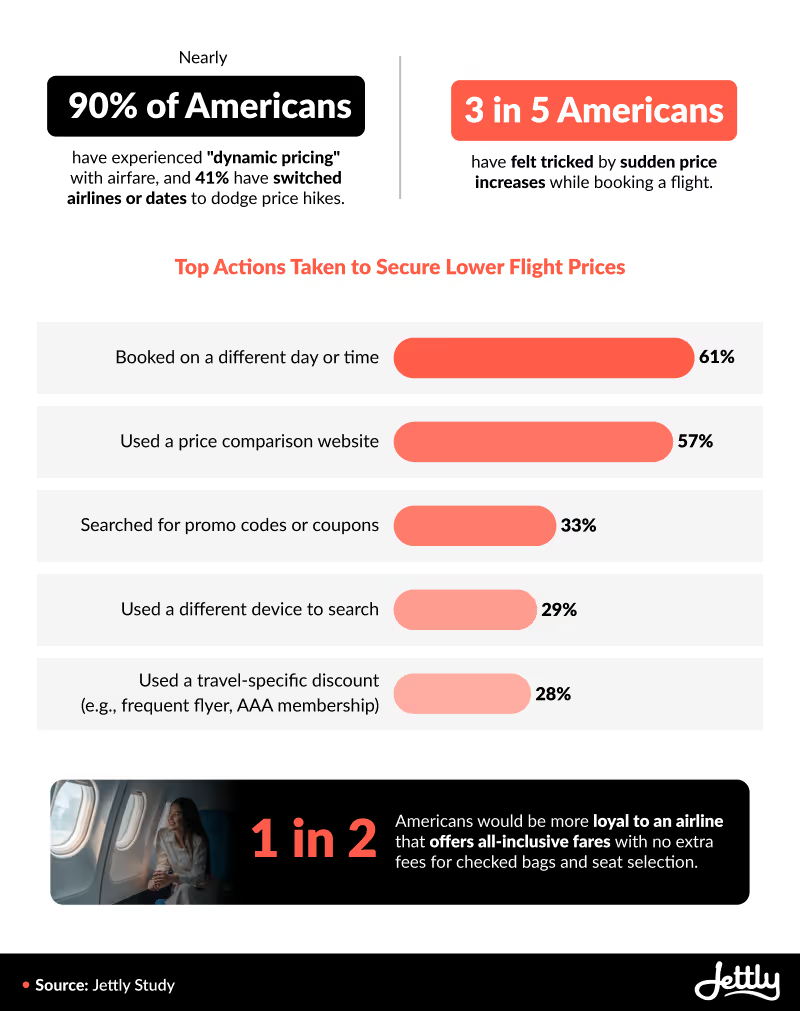
Airline ticket prices can feel like a guessing game, with costs rising at the exact moment you're ready to book. This unpredictability — driven by "dynamic pricing," where airlines adjust fares in real time based on demand, timing, and other factors — has left many travelers feeling frustrated and questioning their loyalty to certain airlines.
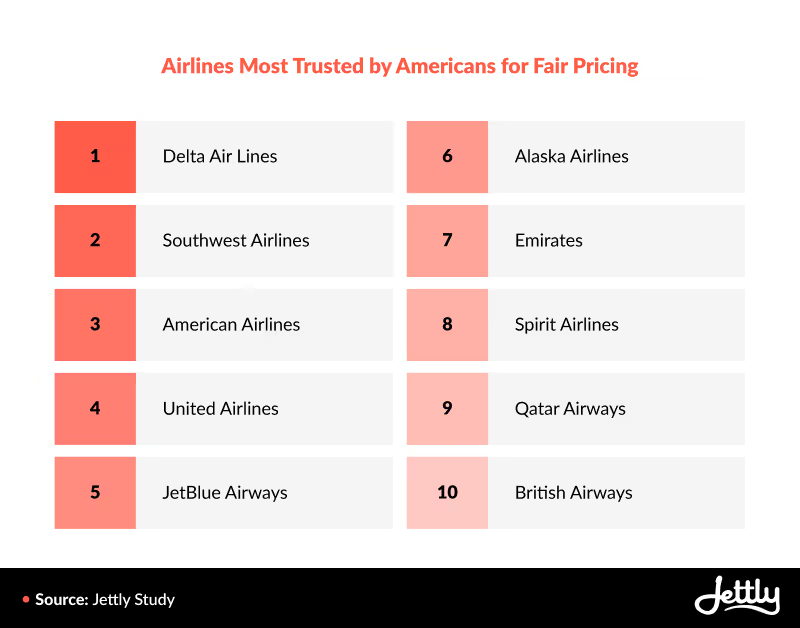
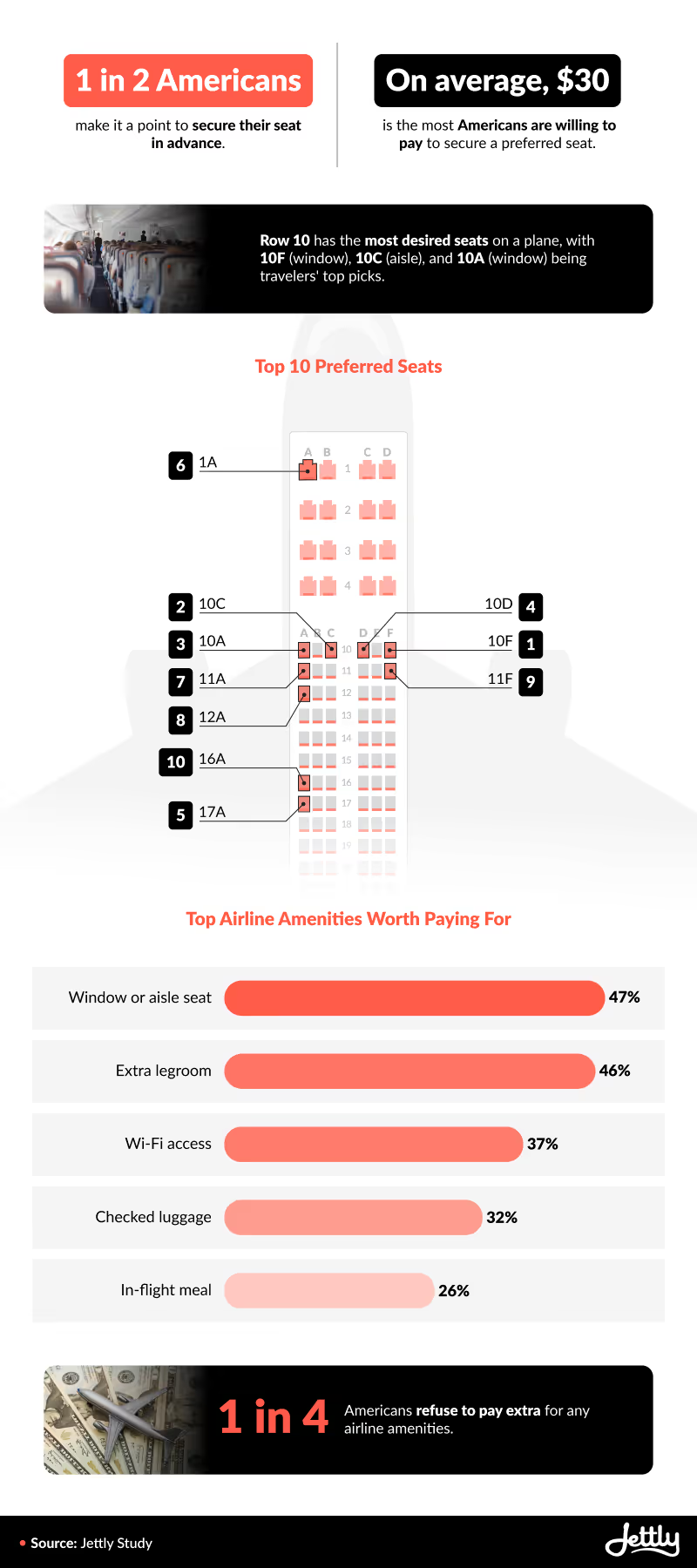
Based on a survey of 1,000 frequent flyers, this study explores what passengers really think about fluctuating fares, hidden fees, and the value of all-inclusive options. From trust issues to shifting priorities, the findings reveal what matters most to today's travelers.
Select an Image
Select an Image
Select an Image
In this study, we surveyed 1,000 American frequent flyers to understand their views on dynamic airline pricing. The average age was 38; 50% of respondents were women, 49% were male, and 1% were non-binary.
Jettly is a premier private aviation platform connecting travelers with an extensive network of private jets. We focus on delivering personalized service, unparalleled flexibility, and cost-effective travel solutions tailored to your unique needs. Discover the ease of flying private with Jettly, where your journey is as important as your destination.
You're welcome to share our insights on dynamic airline pricing for noncommercial use. Please ensure proper credit by linking back to this page as the original source.
Share this post:
Justin Crabbe
May 6, 2025
|
5 minutes
min read
Discover tips and trends in the industry.
5
min read
Cessna Twin Engine Aircraft: Models, Performance, and Charter Use
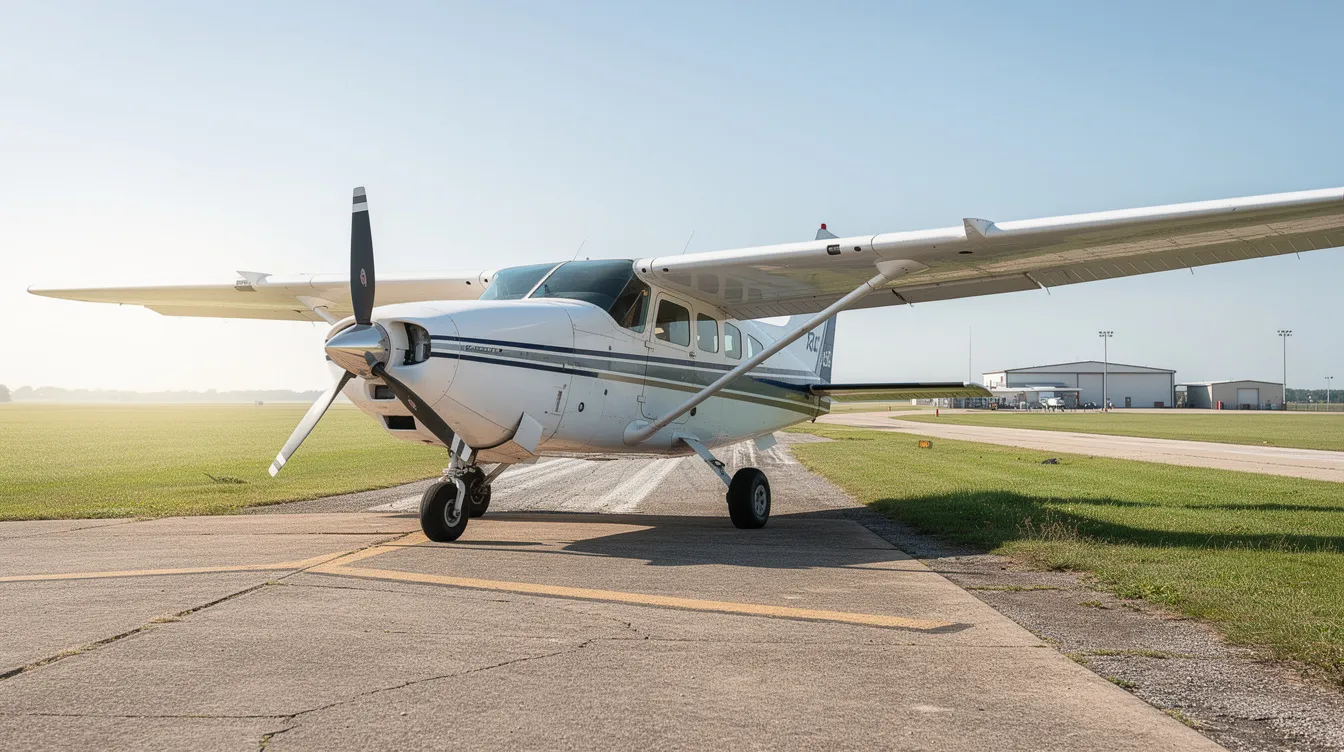
Cessna twin-engine aircraft have significantly influenced private aviation since the 1950s, offering models like the 310, 340A, and 421C that combine performance and safety. These versatile planes are ideal for charter, training, and personal use, providing enhanced operational flexibility and engine redundancy. This guide helps pilots and aviation enthusiasts understand the advantages and operational considerations of Cessna twin-engine aircraft.
Read More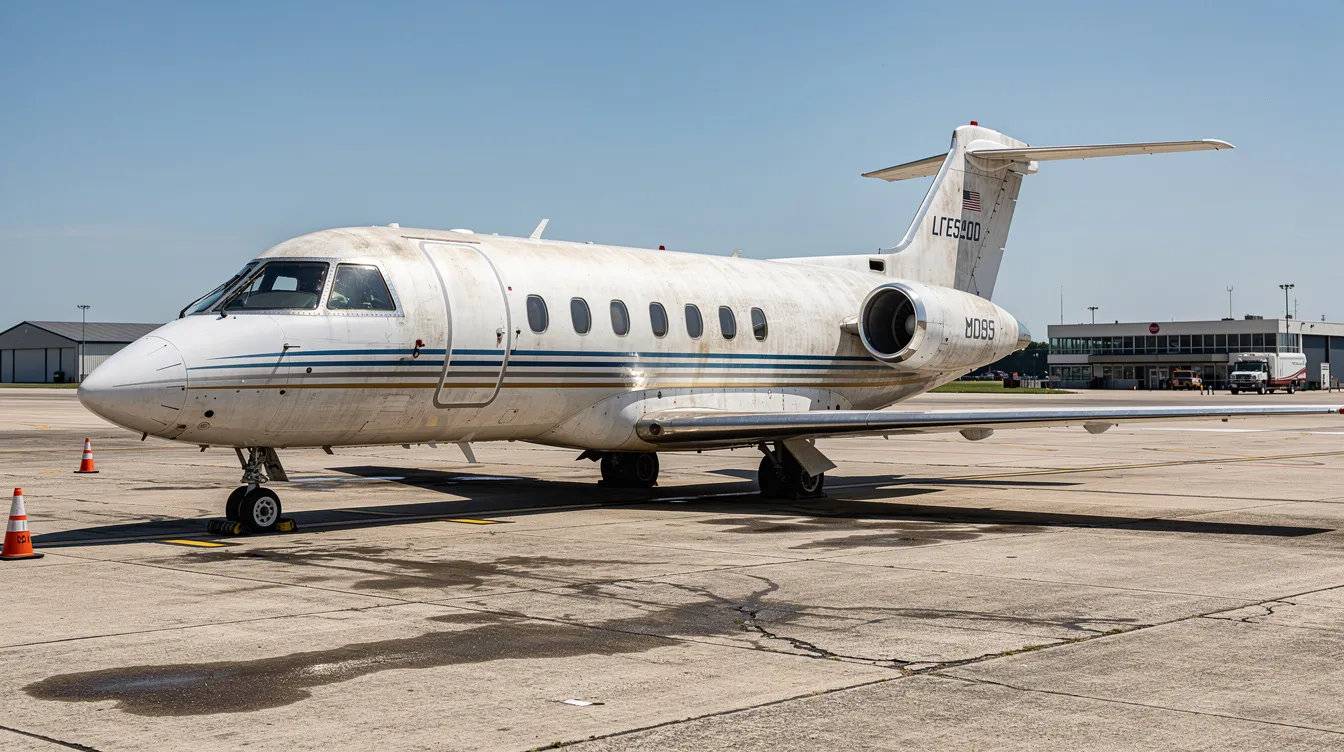
5
min read
Private Jet for Sale Under 1 Million: Smart Paths to Affordable Private Aviation
Buying a private jet for under $1 million can be appealing, but it often means acquiring older aircraft with high operating costs. This guide explores the options available, the true costs of ownership, and when chartering through platforms like Jettly may be a better choice. Understanding the pros and cons of older jets versus chartering is crucial for potential buyers.
Read MoreStay updated with our latest insights and tips to elevate your journey with us.
MEMBERSHIPS AND ASSOCIATIONS



Disclaimer: Jettly operates as a charter broker, offering access to a global digital jet charter marketplace. Jettly is not a direct air carrier and does not own or operate aircraft. All advertised flights are conducted by third-party air carriers that are fully licensed and hold the appropriate Part 135 or Part 121 certifications issued by the Federal Aviation Administration (FAA) or equivalent regulatory authorities under U.S. or foreign law. Jettly complies fully with the U.S. Department of Transportation's Part 295 and Part 298 Charter Broker regulations. Jettly does not carry additional liability insurance. Passengers are covered by aircraft operator insurance. TICO: 50023770


