


Login
Get Instant Pricing On 23,000+ Aircraft

>
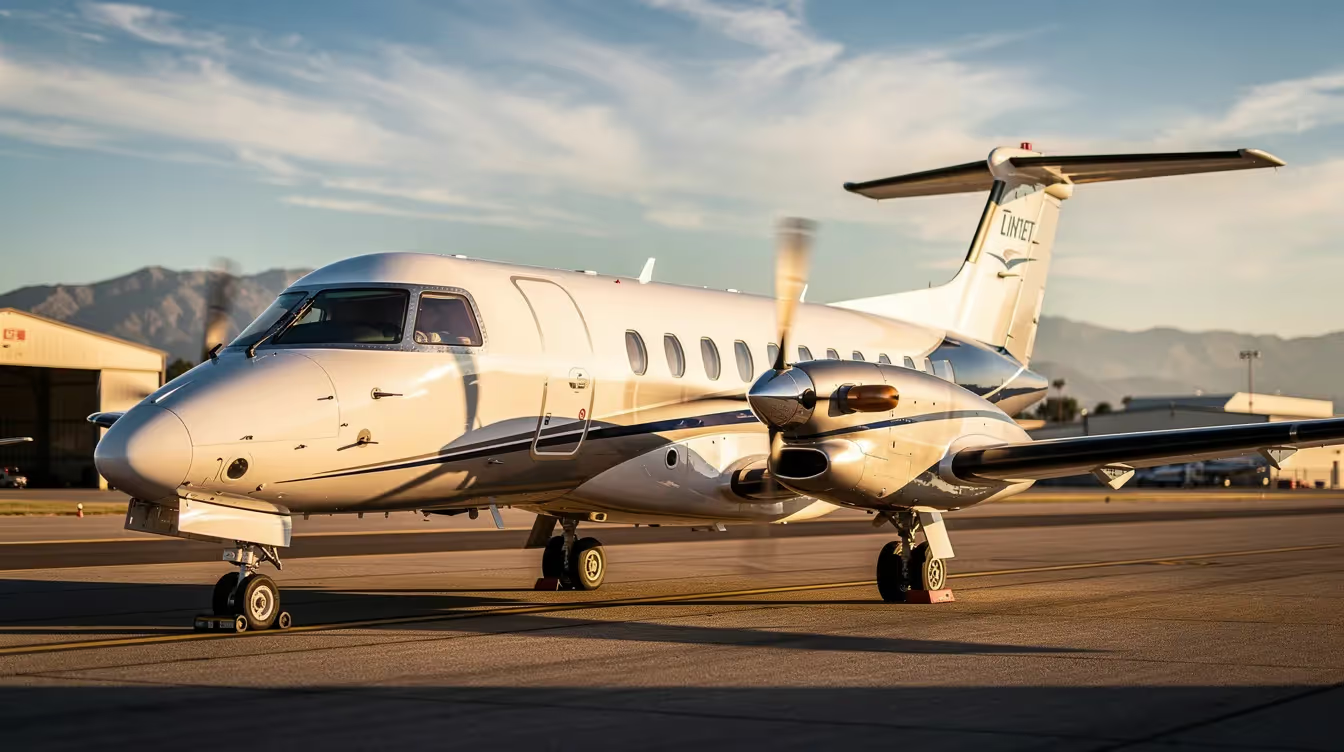
For private flights under two hours, a turboprop private jet often beats light jets on both cost and total travel time. Modern turboprops like the Pilatus PC-12, Beechcraft King Air, and Cessna Caravan access thousands of smaller airports that most jets simply cannot reach. Through platforms like Jettly, travelers can compare turboprop and jet options side-by-side with instant pricing for any route. This guide is for private flyers, business travelers, and aviation enthusiasts considering regional private flights. Choosing the right aircraft can save time and money on regional trips.
Modern turboprops like the Pilatus PC-12, Beechcraft King Air series, and Cessna Caravan often beat light jet options on sub-2-hour private flights in both cost and total travel time.
Turboprop aircraft can operate from over 7,000 smaller airports that are inaccessible to most jets, opening regional routes and bad-weather alternates.
Typical capacity ranges from six to eight passengers in executive layouts, with a range of 800–1,800 nautical miles depending on the model.
Turboprops achieve 10-60% better fuel efficiency than similar-sized jets on routes under 600 nautical miles, supporting ESG and carbon-conscious travel goals.
Jettly lets travelers compare turboprops and light jets instantly at jettly.com for each mission.
A turboprop private jet is an aircraft powered by a gas turbine engine that drives a propeller, typically cruising at speeds of 250 to 330 knots (approximately 290 to 380 mph) and offering a range of 800 to 1,800 nautical miles, depending on the model.
A turboprop private jet uses a gas turbine engine to drive a propeller, blending jet engine reliability with propeller-driven fuel efficiency. A turboprop engine powers these aircraft, making them especially suitable for short to medium routes due to their efficiency and ability to operate from shorter runways. Unlike piston aircraft, turboprop engines deliver high performance optimized for speeds around 250–330 knots and lower altitudes below roughly 30,000 ft.
Most turboprop planes accommodate between 5 and 9 passengers, with executive layouts typically seating 6-8 in spacious cabins. Turboprops cruise at approximately 290-380 mph with a maximum range of 1,000-1,800 nm—ideal for shorter flights under 700-800 nm.
When turboprops make sense:
New York–Nantucket (190 nm)
Miami–Bahamas (170 nm)
Los Angeles–Lake Tahoe (360 nm)
Toronto–Muskoka (100 nm)
London–Jersey (180 nm)
Through Jettly, users see both turboprop and light jet options for the same route with transparent pricing and aircraft photos, and can use a private jet charter cost estimator to approximate pricing by distance and aircraft type.
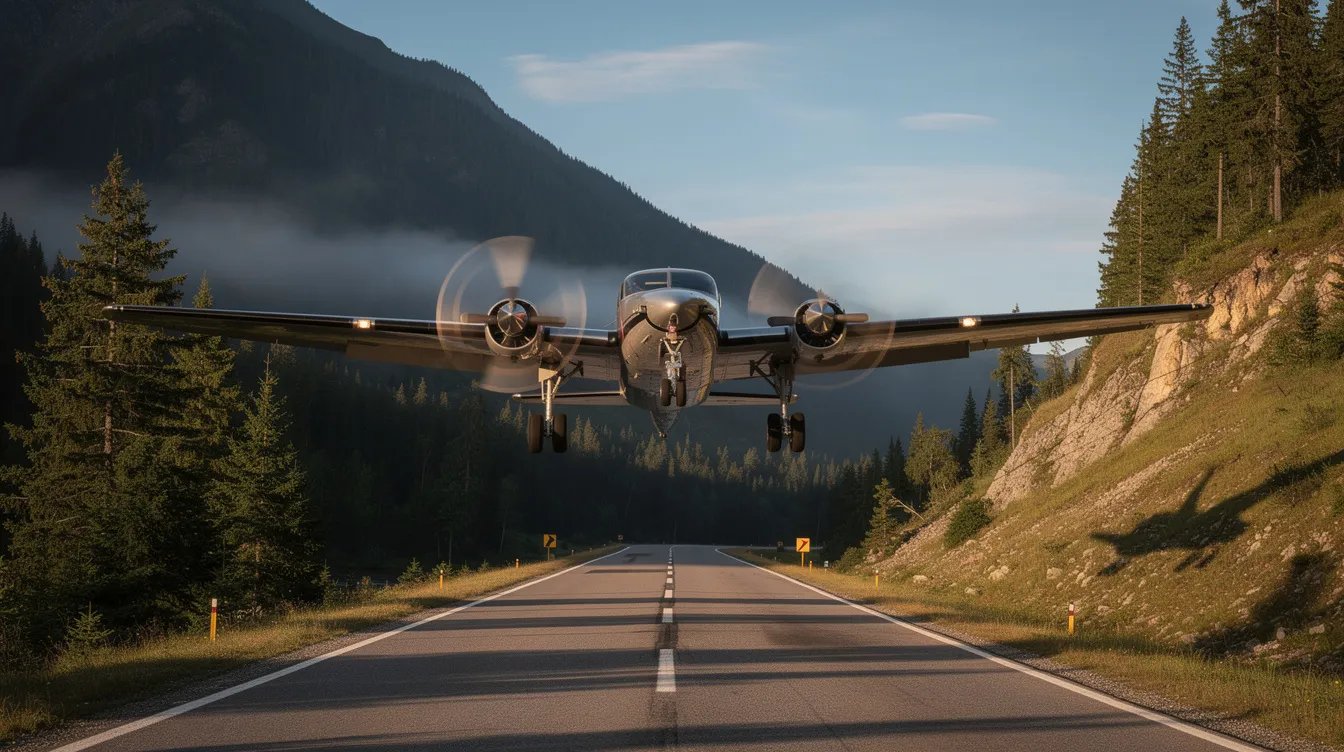
Turboprop aircraft typically cruise at speeds ranging from 250 to 330 knots (approximately 290 to 380 mph) and have a range of 800 to 1,800 nautical miles. Most models fly at cruising altitudes between 25,000 and 31,000 ft. Turboprop private planes are renowned for their safety, reliability, and mission versatility, making them an efficient and flexible choice for regional travel, especially when paired with an airport locator tool to identify closer regional fields.
While most jets cruise faster, on regional routes of 250–500 nm, total flight time often equals. Turboprops can depart from and arrive at closer airports with shorter runways, eliminating ground transfer time, while larger private charter aircraft may be better suited for longer nonstop missions.
These aircraft excel on routes under 600 nautical miles, where climb and descent phases dominate flight profiles. During these phases, turboprops burn significantly less fuel than jets—making them the fuel-efficient aircraft choice for medium-haul flights.
For bad-weather operations, turboprop airplanes carry de-icing systems, weather radar, and advanced avionics to handle winter conditions safely. While they fly at higher altitudes than piston aircraft but lower altitudes than jets, modern avionics ensure reliable IFR operations.
The ability of turboprop aircraft to take off and land on shorter runways, typically around 3,200-4,000 feet, enables access to remote airports that jets cannot reach. Turboprop aircraft can operate from over 7,000 smaller airports that are inaccessible to most jets.
Short-field capabilities by model: | Aircraft | Takeoff Distance | Landing Distance | |———-|——————|——————| | Pilatus PC-12 NGX | ~2,600 ft | ~2,165 ft | | King Air 250 | ~2,500 ft | ~2,200 ft | | Cessna Caravan | ~2,000 ft | ~2,000 ft |
This translates to real-time savings:
Denver–Aspen: 1-hour flight vs. 3.5-hour drive
Landing directly at smaller regional airports near resorts, factories, or second homes
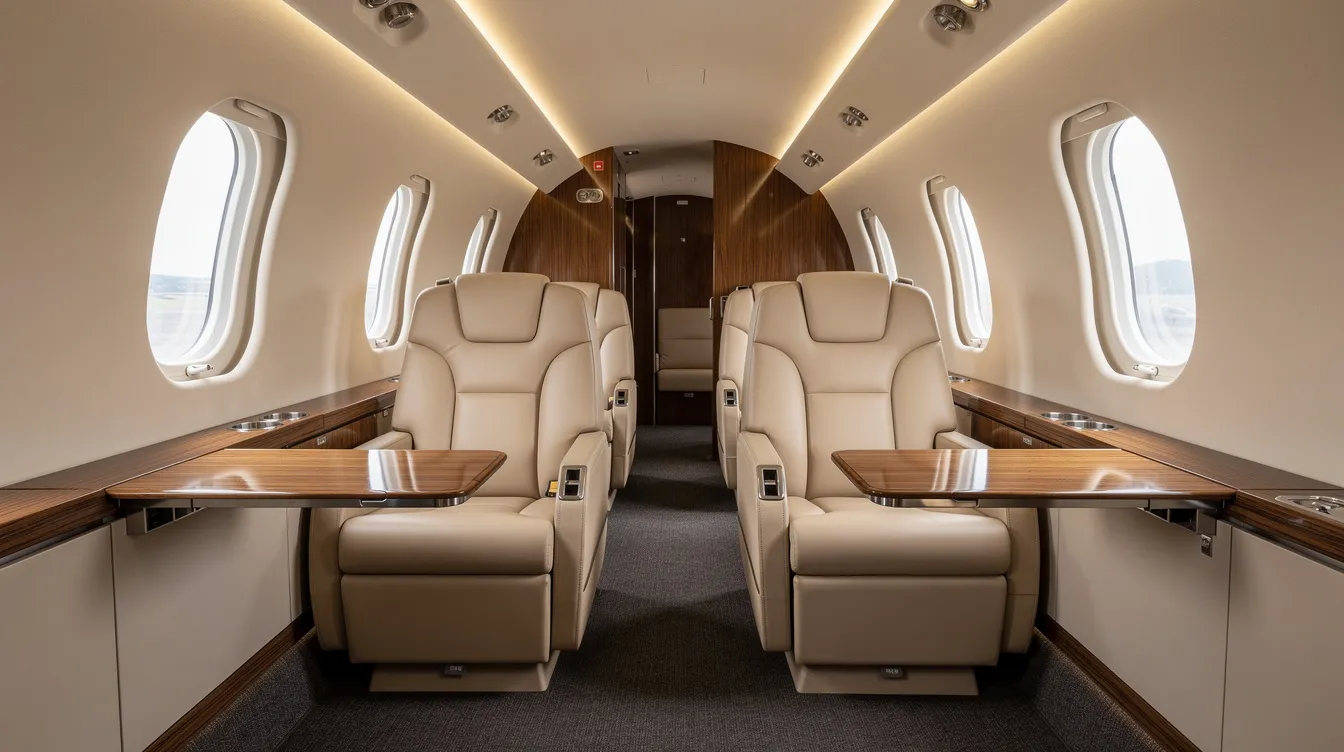
Turboprop cabins typically accommodate 6 to 8 passengers comfortably, often with club-style seating and enclosed lavatories. These features provide a level of comfort comparable to light jets, ensuring privacy and convenience for passengers on both business and leisure flights. Executive seating arrangements include fold-out tables for business meetings and side ledges for work materials.
Modern turboprop aircraft often feature spacious, pressurized cabins with luxurious interiors and amenities such as Wi-Fi connectivity. Climate control, USB/power outlets, and leather seating keep passengers comfortable on regional travel legs, and services like Jettly Eats in-flight catering can further enhance the onboard experience.
Many modern turboprop models utilize advanced noise-reduction technology, which helps bring cabin sound levels closer to those of jets. Five-blade composite propellers and active sound dampening create an aircraft cabin experience comparable to many light jets on 60-90 minute flights.
Payload advantages matter for families and teams. The Pilatus PC-12’s large cargo door accommodates skis, golf bags, and dive equipment. The Cessna Caravan handles camping gear or industrial tools with ease—making spacious interiors designed for utility a key differentiator.
For private aviation customers, the key metric is total door-to-door time and cost per passenger—not maximum cruise speed. Turboprops are generally 30-50% cheaper than comparable light jets on regional sectors.
Turboprop charter flights are just as safe as jet flights, featuring high safety ratings and dependable engineering. Yet they deliver meaningful savings: lower operating costs translate to charter rates starting around $2,000/hr versus $4,000-6,000/hr for a very light jet or light jet, and broader guides to affordable private jet charter and strategies for booking the cheapest private jet flights can help you benchmark these price ranges.
|
Route |
Aircraft |
Flight Time |
Notes |
|---|---|---|---|
|
Teterboro–Nantucket |
PC-12 |
~1:20 |
Direct to KACK |
|
Teterboro–Nantucket |
Light Jet |
~2:00 |
Via Boston + transfer |
|
Van Nuys–Santa Barbara |
King Air |
0:50 |
Beats a 2-hour drive |
|
Toronto–Muskoka |
PC-12 |
0:45 |
vs. 3+ hrs commercial |
Landing closer to destinations at smaller airports eliminates 1-3 hours per travel day in ground transport. Using turboprops and small jets for regional routes helps avoid longer flights by providing direct access to remote destinations and regional airports, reducing overall travel time.
Turboprops are known for their outstanding fuel efficiency, often achieving 10-60% better fuel efficiency than similar-sized jets on routes under 600 nautical miles. A Pilatus PC-12 burns approximately 55-70 gallons per hour versus 180-220 gph for many light jets, which is important context when comparing turboprop charter rates with other affordable aircraft rental options.
This translates to roughly 15-30% lower CO₂ emissions per seat-mile on short routes. Many turboprop engines, including the Pratt & Whitney PT6A series, are certified for Sustainable Aviation Fuel (SAF) blends, and sharing flights or selling spare seats through crowdsourced private jet flights or purchasing a single seat on a private jet can further improve overall efficiency.
Fuel efficiency directly feeds into lower charter pricing—making turboprops an economical option for cost-conscious corporate programs and family travelers. Jettly emphasizes operational efficiency and transparent pricing, helping environmentally aware clients pick more efficient aircraft while competing directly with other top private jet charter companies that focus on luxury and safety.
Turboprop charter rates typically start around $2,000 per hour, with many models ranging from $2,000 to $3,500 per hour depending on the aircraft and specific flight details, fitting into the broader economics outlined in guides on how much a private jet costs and explanations of how renting a plane works.
Compare this with light jet hourly rates of $4,000-$6,000+, as detailed further in comprehensive guides to how much it costs to rent a private jet:
|
Aircraft Type |
Hourly Rate |
400nm Trip (6 pax) |
|---|---|---|
|
King Air 250 |
~$2,500/hr |
~$4,500 total |
|
Pilatus PC-12 |
~$2,200/hr |
~$4,000 total |
|
Light Jet |
~$5,000/hr |
~$9,000 total |
Factors affecting turboprop charter pricing include the specific aircraft type, age, region, repositioning requirements, and whether the booking is made during peak or off-peak times, mirroring many of the variables covered in guides to understanding the cost of a single private jet flight.
Through Jettly’s marketplace, customers enter route and dates, see instant pricing across multiple turboprops and jets, and filter by price or aircraft type, use tools like the private jet charter cost estimator, or enroll in private jet memberships for frequent flying while reviewing in-depth breakdowns of jet card costs and pricing.
Jettly offers tech-driven access without long-term ownership commitments. Turboprops frequently appear in cost-effective empty leg flights on regional corridors, offering 40-70% savings for flexible travelers.
Frequent regional travelers—executives shuttling between offices—can use Jettly for recurring turboprop charter bookings without jet cards or fractional ownership, or compare these on-demand options with structured jet card programs and tools like Jettly’s jet card flight cost estimator if they fly more frequently.
Most turboprop aircraft are operated by two pilots, even when they are certified for single-pilot operations, enhancing safety during flights. Under Part 135 regulations, charter turboprops maintain safety records comparable to jets, while owners considering the cheapest single-pilot jets will face different operational and training requirements.
The Beechcraft King Air series and Pilatus PC-12 have accumulated millions of flight hours in corporate, medical, and government service. The Pratt & Whitney PT6A engine family—with over 50,000 units produced—provides proven reliability, and they sit alongside other leading private plane manufacturers that dominate modern business aviation and operate with charter providers such as Dexter Air Taxi.
Jettly works with vetted operators, giving customers visibility into aircraft type, certification status, and operator credentials during booking, positioning the platform as a flexible NetJets alternative for travelers who prefer on-demand and membership-based solutions over fractional ownership.
Twin-engine turboprops like the Beechcraft King Air 250/350 offer redundancy valued on mountain or overwater routes. Single-engine turboprop aircraft like the Pilatus PC-12 must meet strict certification standards for known icing and engine reliability, and they are often highlighted among top candidates when finding the best cross-country plane for mixed business and leisure missions.
Both operate safely with professional crews trained in engine-out procedures. Discuss preferences with Jettly’s support team for mission-appropriate recommendations.
Charter turboprops feature modern avionics, including Garmin G1000/G3000, Collins Pro Line Fusion, synthetic vision, terrain awareness (TAWS), and weather radar. These systems support safe operations in instrument conditions.
Icing protection—de-icing boots, heated propellers, windshield heat—enables reliable winter operations on short routes that challenge smaller piston aircraft.
Popular models on Jettly’s platform serve different mission requirements. Selection should be driven by runway length, how many passengers fly, and baggage needs, and many of these aircraft can also be accessed through partner operators like Zenflight private jet charter.
The PC-12 is a versatile single-engine turboprop seating 6-8 passengers with generous baggage space. It cruises around 280-290 knots with a range of up to 1,800 nm. The NGX version features updated engines and improved cabin comfort—popular for business trips and remote property access, and frequently recommended among private planes for families that need space and short-field performance.
The Beechcraft King Air series represents decades of business aviation excellence. King Air 250 and 350 models seat 7-9 passengers in double-club layouts, cruising at 310-320 knots with 1,500-1,800 nm range. Twin-engine redundancy appeals for mountain routes and makes these models staples in many private charter aircraft fleets.
The Cessna Caravan serves regional travel to airstrips, prioritizing access over speed. Executive layouts seat 6-8 passengers. While most turboprops cruise faster, Caravans excel on unpaved runways at islands, lodges, or remote industrial sites. Optional belly pods expand cargo capacity and also contribute to its reputation among the cheapest private aircraft options for utility-focused buyers.
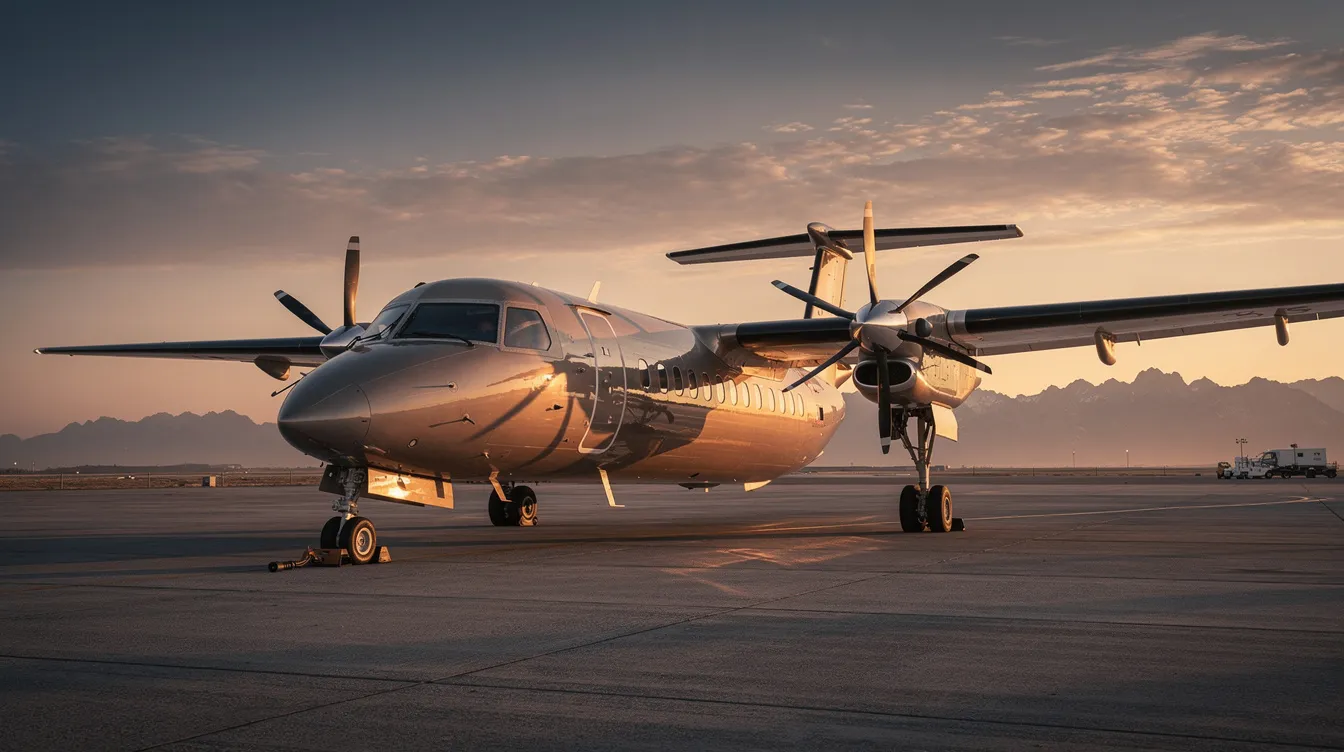
Turboprop aircraft are best suited for short to mid-range regional trips, such as business meetings between neighboring states, weekend getaways, or flights to remote locations. Around two-thirds of private flights in North America and Europe are under two hours—turboprops align perfectly, including popular regional missions such as private jet charter in Kolkata, West Bengal.
Companies use King Airs and PC-12s for on-demand shuttles between headquarters and satellite offices within 300-500 nm, whether between European hubs or on routes like private jet charter to and from New Delhi:
Chicago–Indianapolis
Houston–Lafayette
Frankfurt–Prague
Per-passenger costs become competitive when 5-8 employees share a turboprop. Jettly’s digital platform simplifies recurring bookings.
Common leisure missions include weekend ski trips (Denver–Aspen, Geneva–Alps region) and island getaways (Miami–Bahamas). Turboprops’ short-field performance dramatically reduces transfer times to resorts and lodges.
Aircraft like the PC-12 handle families traveling with pets, sports gear, or outdoor equipment where cabin volume matters, and are often evaluated alongside other models in guides to choosing the best personal plane for a mix of charter use and ownership.
Turboprops fly best on trips under 600-800 nm with shorter runways, while jets shine on longer nonstop legs. Jettly’s interface lets users filter and compare turboprops, light jets, midsize, and heavy jets in one place.
Choose turboprops for:
Routes under 600-800 nm
Short or gravel runways at more airports
Multiple stops in one day
Heavy baggage requirements
Focus on fuel efficiency and cost control
Jets excel for:
Missions over 1,000-1,200 nm
Very high-altitude cruise above the weather
Tight schedules requiring jet-like performance at higher speeds
While some associate “private jet” exclusively with jets, many modern turboprops match light jets in cabin comfort and amenities on flights up to two hours. Decision-making should focus on mission fit rather than prestige, especially for readers also exploring the cheapest planes for budget-conscious pilots or broader guides to budget-friendly aircraft choices who may combine ownership with occasional chartering.
Jettly’s support team helps first-time users interpret specifications if unsure whether a turboprop meets comfort expectations, and its blog compares major providers such as NetJets and other private aviation leaders for those weighing different service models.
Most executive turboprop charters are configured for 6-8 passengers, with some layouts accommodating up to 9. Most turboprop planes can accommodate between 5 and 9 passengers, with some models capable of carrying up to 19 passengers in commuter configurations. Jettly listings show exact seating for each aircraft.
Many modern turboprop models utilize advanced noise-reduction technology, bringing cabin sound levels close to light jet levels. While some propeller vibration remains, most passengers find the differences modest on typical 60-90 minute flights.
Charter turboprops operating under commercial rules are equipped for instrument flying and known icing. De-icing systems, heated props, and onboard weather radar enable reliable winter operations.
Most executive turboprops handle one medium suitcase plus carry-on per passenger for 6-8 travelers. Aircraft like the Pilatus PC-12 and Cessna Caravan offer generous space for skis, golf bags, or professional equipment.
Enter departure, destination, dates, and passenger count at jettly.com to see instant quotes showing turboprops and jets side-by-side with aircraft type, estimated flight time, and pricing.
Modern turboprop private jets combine fuel efficiency, short-runway access, and executive-level cabins—making them ideal for the majority of private flights under two hours. Aircraft such as the Pilatus PC-12, Beechcraft King Air, and Cessna Caravan deliver strong performance while often costing 30-50% less per hour than comparable light jets, and many of the same considerations appear when choosing the best plane for a family of four who value space and efficiency.
Choosing between turboprops and jets should be a mission-driven decision based on distance, runway requirements, and passenger count.
Ready to compare turboprop and jet charter options for your next trip? Explore instant pricing or request a quote at https://www.jettly.com, or consider joining Jettly’s ULTRA high-ticket affiliate program if you regularly refer new flyers.
Share this post:
Jay Franco Serevilla
May 11, 2026
|
5
min read
Discover tips and trends in the industry.

5
min read
Sports Team Jet: How Professional Sports Teams Fly Smarter With Private Jet Charter
Sports teams increasingly rely on private jet charters for travel, optimizing logistics and enhancing performance. These jets provide flexibility, speed, and tailored services that commercial flights cannot match, ensuring teams arrive rested and ready for competition.
Read More
5
min read
Meregrass Inc, Wildcat Touring, and Jettly: Private Jet Charter Options Explained
Meregrass Inc, Wildcat Touring, and Jettly offer diverse private jet charter options tailored to different travel needs. Meregrass operates a fleet of Falcon jets and Saab turboprops for direct bookings, while Wildcat Touring provides semi-private flights on seasonal routes. Jettly serves as a digital marketplace connecting travelers to over 20,000 aircraft globally, offering flexibility and instant pricing.
Read MoreStay updated with our latest insights and tips to elevate your journey with us.
MEMBERSHIPS AND ASSOCIATIONS



Disclaimer: Jettly operates as a charter broker, offering access to a global digital jet charter marketplace. Jettly is not a direct air carrier and does not own or operate aircraft. All advertised flights are conducted by third-party air carriers that are fully licensed and hold the appropriate Part 135 or Part 121 certifications issued by the Federal Aviation Administration (FAA) or equivalent regulatory authorities under U.S. or foreign law. Jettly complies fully with the U.S. Department of Transportation's Part 295 and Part 298 Charter Broker regulations. Jettly does not carry additional liability insurance. Passengers are covered by aircraft operator insurance. TICO: 50023770


