



Login
Get Instant Pricing On 23,000+ Aircraft

>

Turboprop charter prices in North America and Europe currently range from about $1,200 to $3,000 per hour for most turboprop aircraft, with premium configurations pushing up to $4,500–$5,000 per hour on busy travel days. For regional private flights under roughly 800–1,000 miles, those rates make turboprops one of the most cost-effective ways to fly private.
For comparison, private jet charter costs for light jets typically run $2,500–$5,000 per hour, while a midsize jet charter will often land between $4,000–$8,000 per hour. Turboprop charter flights are generally the most cost-effective option in private aviation when the mission fits, especially for business and leisure travellers who want flexible access to regional routes and smaller airports without paying jet-level hourly rates.
Prices are quoted per hour rather than per passenger. Standard charter quotes typically include use of the aircraft and crew, but final invoices add applicable taxes, airport fees, and any additional services beyond the base hourly rate. Below, you’ll find the turboprop aircraft types that drive these rates, sample hourly and trip pricing, the main factors that change charter costs, route-specific examples, ways to optimise spend, and how Jettly’s digital booking platform helps compare options with transparent pricing.
Jettly is a digital private charter marketplace offering instant pricing across 20,000+ private aircraft, including a large inventory of turboprop charters built for both business and leisure travel.
Turboprop charter prices typically range from $1,200 to $3,000 per flight hour, with premium models like the Pilatus PC-12 NGX and King Air 350i reaching $4,500–$5,000 per hour during peak demand.
Turboprops are generally the most cost-effective option in private aviation for regional routes under 800–1,000 miles, often costing 30–50% less than comparable light jets on the same route.
Total "all-in" turboprop charter costs depend on market demand, aircraft availability, airport and handling fees, repositioning fees, and extras such as in-flight catering or ground transportation.
Jettly's platform lets travellers instantly compare turboprop charter rates against light jets and midsize jets, with transparent per-hour pricing and estimated trip totals before booking.
A turboprop aircraft uses turboprop engines-turbine powerplants that drive propellers-optimized for lower altitudes and moderate speeds. Compared to jet engines, this design delivers significantly better fuel efficiency on shorter routes, which directly translates to lower operating costs and lower charter costs for passengers. Turboprops consume 30–50% less fuel than light jets, and that gap matters when you're paying by the flight hour.
Typical turboprop seating accommodates 5 to 9 passengers. Cruise speeds range from roughly 250 to 300 miles per hour, with a maximum range of approximately 800–2,000+ miles depending on the model. Popular examples include the Pilatus PC-12, Beechcraft King Air 200/350, and the Cessna Grand Caravan EX.
Turboprops are ideal for regional flights under 1,000 miles-routes like Los Angeles–Napa, Dallas–Houston, Toronto–Montreal, or London–Paris. They can operate from runways as short as 3,000 feet, giving them access to smaller airports and remote airports that most private jets simply cannot reach. That makes them perfect for business meetings between neighboring states or weekend getaways to destinations with limited commercial service.
When should travellers pick a turboprop private jet over light aircraft or piston aircraft? When the flight distance falls between roughly 200 and 1,000 miles, the group is small to medium-sized, cost sensitivity is high, and the destination involves a shorter runway or a field without jet infrastructure.
Turboprop charter rates vary by aircraft category, configuration, and region. Here is how hourly charter rates break down across the major turboprop types available for private charter in 2026:
Single-engine turboprops (Pilatus PC-12 / PC-12 NGX, Daher TBM 940, Cessna Grand Caravan EX): $1,200–$2,500 per hour. Seating capacity of 5–7, range up to ~1,800 miles.
Light twin-engine turboprops (King Air C90, King Air 200): $1,400–$2,800 per hour. Charter rates for King Air 90 range from $1,800 to $2,400 per hour. Seating for 6–7, range up to ~2,600 miles.
Medium/large executive turboprops (King Air 350i, Piaggio Avanti): $2,500–$4,500+ per hour, with hourly rates for premium turboprop models reaching $4,500 to $5,000 during peak demand or with upgraded cabin space. Seating for 7–9, extensive range up to ~2,600 miles.
For comparison, light jets typically cost $2,500–$5,000 per hour, and a midsize jet runs $4,000–$8,000 per hour. A heavy jet climbs to $8,000–$18,000+ per hour depending on range and luxury.
The "billable flight hour" usually includes taxi time (approximately 0.1–0.2 hours added per leg). Some operators enforce minimum daily billing of 1.0–2.0 hours, and some flights may incur short-leg fees for flights under one hour-which effectively raises the average hourly cost on very short hops.
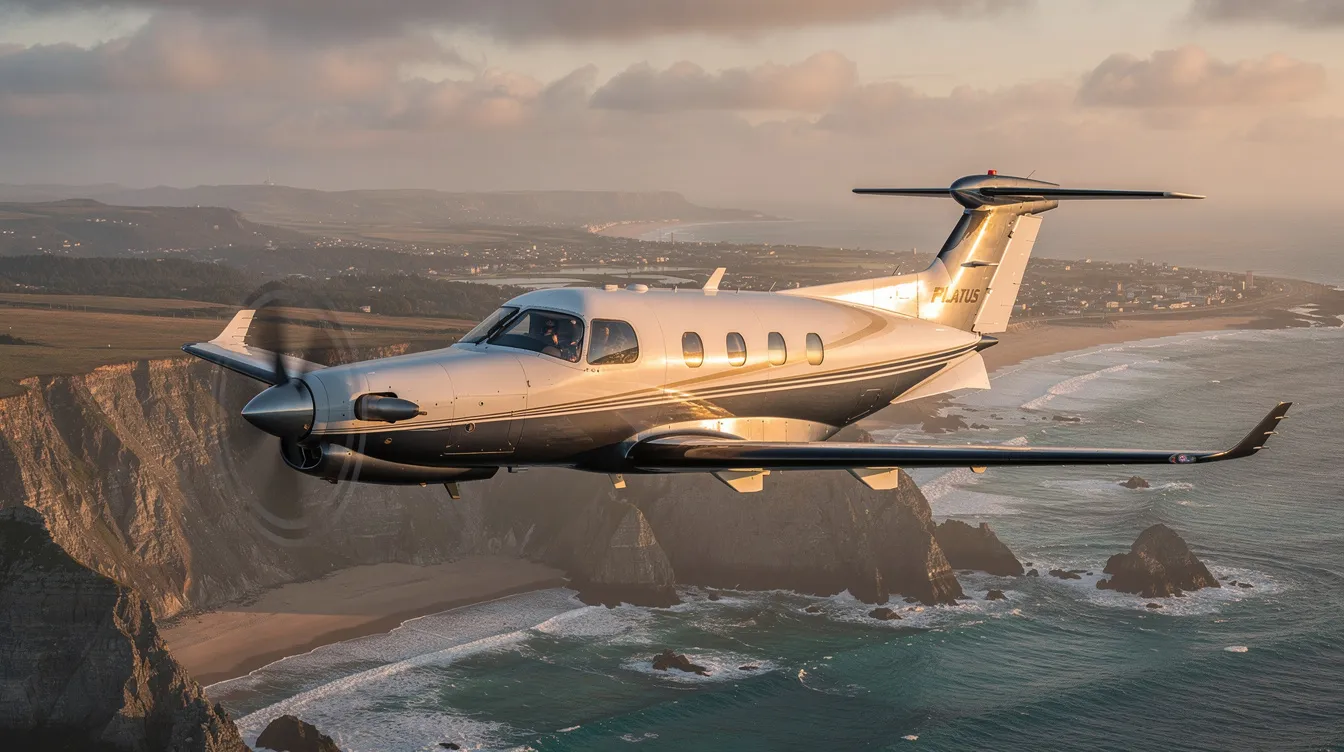
Concrete numbers help more than ranges. Here are realistic total cost estimates for popular regional routes using turboprop planes:
New York (Teterboro) → Nantucket (~200 nm, round trip) Aircraft: King Air 250 or PC-12. Estimated billable flight hours: ~2.0–2.5 (including minimums and taxi). Base rate: ~$2,200–$2,800/hr. With landing fees, airport handling charges, and taxes, expect $5,500–$9,000 for a same-day round trip. Turboprops are often preferred for trips under 1.5 hours for cost-effectiveness on routes like this.
Los Angeles → Las Vegas (~230 nm, round trip) Aircraft: King Air 200. Flight time: ~1.3 hr each way. Base rate: ~$2,000–$2,500/hr. All-in same-day round trip: ~$6,500–$9,500 including FBO fees and handling.
Miami → Nassau (~185 nm, short international) Aircraft: PC-12. Flight time: ~0.9 hr each way. Expect international fees for customs and immigration, plus navigation charges. All-in round trip: ~$7,000–$11,000 with overnight crew costs factored in.
Toronto → Muskoka (~110 nm, day trip) Aircraft: King Air 90. Quick hop, ~0.6 hr each way. Minimum billing applies. Expect ~$4,000–$6,000 round trip with lower handling fees at the regional destination.
The same routes on a light or midsize jet-such as a Citation CJ3 or Phenom 300-tend to run 25–40% higher in total cost while seating similar numbers of passengers.
Jettly's instant quote tool can model these scenarios in real time, factoring in aircraft availability, repositioning legs, and applicable taxes.
Understanding what determines the final rate per hour and total cost helps travellers anticipate their bill and negotiate smarter. Charter pricing is influenced by aircraft size, route distance, and crew costs-but several other variables pile on.
Aircraft-related variables: Aircraft type matters significantly. A twin-engine King Air 350i with an upgraded interior can command 20–30% higher turboprop charter rates than an older single-engine model. Aircraft age and availability are factors that influence charter pricing, as newer avionics and spacious cabins justify premium rates. Seating capacity and baggage capacity also affect which aircraft category fits the mission.
Flight profile factors: Flight duration affects the overall costs for charter flights. Longer flight distances increase total charter costs due to fuel and crew time. Minimum daily flight time requirements (often 1.0–2.0 hours) and deadhead legs can double billed time. Repositioning fees can add 50–80% to charter costs for empty legs if the private aircraft must ferry in from another base. Flight planning can impact the final pricing of turboprop charters significantly.
External costs: Fuel prices can significantly impact turboprop operational costs, with surcharges adding $100–$300/hr when prices spike. Airport fees can range from $100 to $1,500 depending on the airport. Crew overnight expenses add up on multi-day itineraries. In Europe, Eurocontrol navigation charges apply to cross-border charter flights. Additional services-catering, ground transportation, special handling-can increase total charter costs by 20–35% above the base rate, particularly when travellers opt for premium options like Jettly Eats in-flight catering on private flights.
Demand-side influences: Turboprop charter rates can vary based on distance and demand. Seasonal spikes around summer weekends, ski season, and major events (Super Bowl, Art Basel, F1 races) push prices up as aircraft availability tightens.
Like airline tickets, private charter pricing is dynamic. Market demand and aircraft availability heavily affect turboprop charter rates from week to week.
Rates for turboprops can spike during peak travel periods and holidays. Typical high-demand windows include Christmas and New Year, U.S. Thanksgiving, July–August vacation season, and ski-season peaks in January–February. These periods often drive surcharges of 10–40% above baseline turboprop charter prices.
When a limited number of well-equipped turboprops are stationed near a particular airport, bottlenecks form. Operators may need to ferry aircraft in from distant bases, and repositioning fees can add high costs to one-way flights-sometimes doubling the billed hours.
Booking strategy matters. Planning 2–4 weeks ahead for popular weekends generally secures better rates and more aircraft options. Flexibility on departure time or choosing a nearby regional airport can also soften demand-driven surges. Last-minute bookings are possible but tend to carry premium pricing.
On Jettly, travellers can see live aircraft availability across multiple operators at once, making it easier to identify lower-cost turboprop charters when a specific aircraft type or location is oversubscribed, similar to how its broader guide to charter airlines and private flight options outlines choices across the market.
Here is how turboprop charter costs stack up against other private charter aircraft types on a per-hour basis:
|
Aircraft Type |
Hourly Rate Range |
Best For |
|---|---|---|
|
Piston aircraft |
$500–$1,500/hr |
Very short hops, training, scenic |
|
Turboprop charter |
$1,200–$3,000/hr |
Regional routes, 200–1,000 mi |
|
Light jets |
$2,500–$5,000/hr |
Regional to medium range |
|
Midsize jets |
$4,000–$8,000/hr |
Cross-country, 3–5 hr legs |
|
Heavy jet |
$8,000–$18,000+/hr |
Long-haul flights, international flights |
Piston engines can be cheaper, but turboprops strike a better balance of speed, range, and comfort for business-grade private charter. Travellers comparing aircraft types can review the cheapest private aircraft options to understand where turboprops fit on the cost spectrum. Fewer operational costs make turboprops more economical for regional flights, while still delivering cabin space and reliability that smaller aircraft cannot match. Most turboprops feature twin-engine designs for added safety, and modern turboprops have long safety records and are widely used across commercial and private aviation.
When is paying more for a light or midsize jet justified? On longer legs (3+ flight hours), tight corporate schedules, or when flying above most weather systems at higher altitudes is a priority, especially when comparing offerings from top private jet charter companies that specialise in longer-range missions. Turboprop flights are as safe as jet flights-turboprop aircraft undergo the same safety checks as jets-but jets cruise higher and faster on longer missions. For most turboprop charters on regional routes, however, the cost-effective option is clear: versatile turboprops deliver comparable comfort at 30–50% lower hourly costs than comparable light jets.
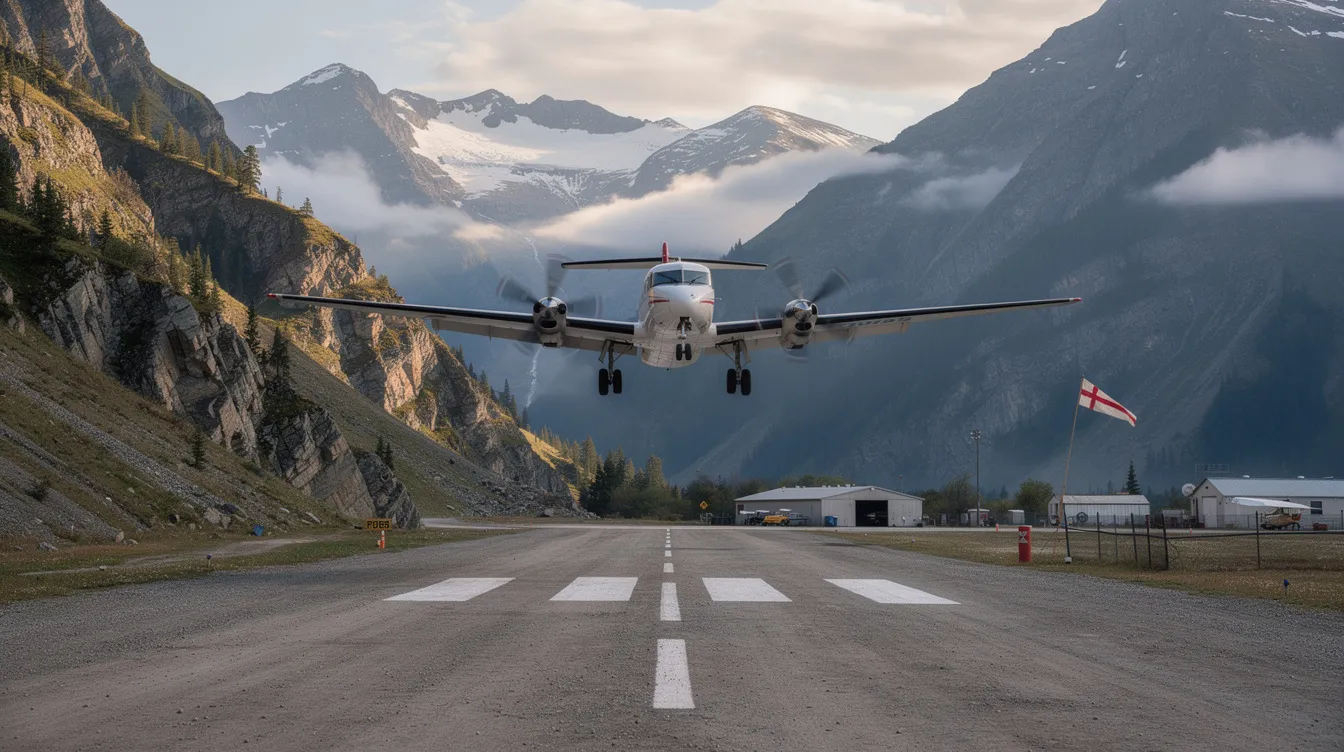
A few practical moves can keep turboprop charter prices in check without compromising safety or comfort.
Consolidate your itinerary. Group meetings or stops into a single day to avoid extra crew overnight expenses and additional billable flight hours. Minimising empty repositioning legs by departing from airports where turboprops are already based cuts costs dramatically.
Choose efficient airports. Smaller airports with lower handling fees and landing fees can save $500–$1,000+ per trip compared to major hubs. Using tools such as an airport locator for private flights can help identify cost-effective fields near your origin and destination. Flying at off-peak times-midday departures or midweek travel-often yields better rates, since Fridays and Sundays carry higher demand.
Share the cost. Because private jet rental prices are per aircraft, not per seat, splitting the cost to charter a turboprop among 5–7 travellers can make it competitive with full-fare business-class tickets on some routes. Using a platform that supports crowdsourced and shared private jet flights can further reduce individual seat costs. A private plane seating 6 passengers at $2,000/hr on a 1.5-hour leg works out to roughly $500 per person.
Use empty legs. Jettly can surface empty leg flights, one-way specials, and repositioning flights on turboprops where travellers can save 30–60% compared to standard turboprop charter rates, and its dedicated empty leg flights platform highlights discounted repositioning opportunities.
Jettly is a tech-first private aviation marketplace that aggregates more than 20,000 aircraft, with significant turboprop inventory for regional travel across North America, Europe, and other key markets, and partners with operators such as Dexter Air Taxi to offer localised service.
The booking experience is straightforward. Users enter their route, dates, and passenger count to receive instant, transparent pricing that breaks down turboprop charter rates per hour, estimated flight hours, applicable taxes, and typical airport fees-all in one view. No hidden surcharges after the fact.
For cost-conscious travellers, Jettly displays side-by-side comparisons of turboprop charter prices versus light jets and midsize jets, complete with aircraft photos, cabin layouts, and performance specs. Travellers who fly frequently can also leverage private jet memberships to lock in more predictable pricing. This makes it simple to balance budget against comfort for any given trip.
Jettly offers both on-demand private charter and membership programs for frequent flyers. Structured options such as jet cards and corporate jet card programs can reduce per-hour turboprop charter costs or provide benefits like capped hourly rates and priority aircraft access.
Learn more about Jettly's charter options at jettly.com.
Below are answers to common questions about turboprop charter rates that go beyond the basics covered above, building on broader insights from Jettly’s guide to affordable aeroplane rental costs and options.
In the U.S., a 7.5% Federal Excise Tax applies to many domestic private flights, along with per-passenger segment fees on each leg, regardless of whether you are chartering smaller turboprops or larger private charter aircraft. In Canada and the EU, VAT or other national taxes may apply to portions of the itinerary. Fuel surcharges are added separately when fuel prices spike, and navigation, security, or overflight fees may appear on itineraries crossing certain airspace-such as Eurocontrol charges in Europe or fees in certain Caribbean flight information regions. Jettly's quotes aim to itemise these charges clearly so the total turboprop charter price is transparent before booking.
Many turboprops on private charter allow pets, but operators may charge cleaning fees or require crate use. Costs typically range from a modest flat fee to a few hundred dollars. Bulky items like golf clubs, skis, or fishing gear are usually acceptable on light aircraft like the PC-12 or King Air 350, but oversized luggage may require upgrading to a larger turboprop or limiting passenger count, which affects total cost. Disclose pets and special baggage when requesting quotes so aircraft can be matched properly.
Same-day or next-day turboprop charters are often possible, especially on busy corridors or in major regions such as private jet charter services in Kolkata, West Bengal, where operators have multiple aircraft stationed. However, short-notice bookings can involve higher per-hour rates or extra repositioning charges driven by aircraft availability and crew duty limits. In general, booking 5–14 days in advance for typical regional routes offers a better chance of securing competitive turboprop charter prices. Jettly's platform can still help identify late-availability deals when plans change suddenly.
There is no universal surcharge for weekends versus weekdays, but demand patterns mean Fridays, Sundays, and Monday mornings often carry higher effective pricing due to tighter aircraft availability on popular business and leisure routes. Early mornings and late afternoons are peak times for corporate travel. Travelers with flexible schedules can sometimes secure slightly lower turboprop charter rates by choosing midday departures or off-peak days like Tuesday or Wednesday.
On busy city pairs like New York–Boston or London–Geneva, a same-day round-trip turboprop charter might cost $6,000–$10,000-comparable to the combined cost of several flexible business-class tickets. The value of a turboprop charter lies in time savings (no security lines, faster boarding, use of regional airports closer to final destinations), schedule control, and privacy for onboard meetings, especially when using modern platforms positioned as a NetJets alternative for flying private at lower cost. A useful comparison: divide the total turboprop charter price by the number of passengers and factor in productivity gains and reduced overnight stays before choosing between commercial business class and flying private, and use resources on affordable private jet charter pricing to benchmark total trip value.
For precise, route-specific pricing on any turboprop or private jet rental, use Jettly's cost calculator or explore the private jet charter cost estimator for instant ballpark pricing, or contact the team for a firm quote.
Turboprop charters deliver the best value for private flights under 800–1,000 miles, for groups of roughly 4–9 passengers who prioritise cost efficiency, airport flexibility, and business-class comfort. Turboprops provide access to more airports than most jets and can access airports that larger jets cannot, opening up destinations that would otherwise require hours of ground transportation.
The core numbers hold steady: turboprop charter rates typically range from $1,200 to $3,000 per hour, with premium models reaching $4,500–$5,000. On most regional itineraries, that's 30–50% below what a light or midsize jet would cost-making turboprops the clear cost-effective option for short- to medium-range private flights.
Final pricing always depends on market demand, aircraft availability, airport and handling fees, and add-ons. A transparent digital marketplace like Jettly reduces the uncertainty around what a trip will actually cost.
Ready to see what a turboprop charter would cost on your route? Explore real-time pricing or request a quote at jettly.com.
Share this post:
Jay Franco Serevilla
Jul 20, 2026
|
5
min read
Discover tips and trends in the industry.
5
min read
US Aviation Accidents: History, Safety Lessons, and the Role of Modern Private Air Travel
The history of US aviation accidents highlights significant progress in safety and reliability. Major incidents have led to crucial regulatory changes and technological advancements, benefiting both commercial airlines and private jet charters. Today, platforms like Jettly ensure travelers have access to vetted operators and transparent safety information, enhancing the overall flying experience.
Read More
5
min read
Last-Minute Private Jet Charter: How to Book Fast, Save with Empty Legs, and Fly in 2026
Last-minute private jet charters provide a fast and flexible travel solution for urgent trips, allowing bookings within hours. Jettly's digital marketplace connects travelers to over 20,000 aircraft, offering instant pricing and options for empty leg flights that can significantly reduce costs. This guide outlines how to book quickly, factors affecting pricing in 2026, and tips for choosing the right aircraft.
Read MoreStay updated with our latest insights and tips to elevate your journey with us.
MEMBERSHIPS AND ASSOCIATIONS



Disclaimer: Jettly operates as a charter broker, offering access to a global digital jet charter marketplace. Jettly is not a direct air carrier and does not own or operate aircraft. All advertised flights are conducted by third-party air carriers that are fully licensed and hold the appropriate Part 135 or Part 121 certifications issued by the Federal Aviation Administration (FAA) or equivalent regulatory authorities under U.S. or foreign law. Jettly complies fully with the U.S. Department of Transportation's Part 295 and Part 298 Charter Broker regulations. Jettly does not carry additional liability insurance. Passengers are covered by aircraft operator insurance. TICO: 50023770


