


Login
Get Instant Pricing On 23,000+ Aircraft

>
Travelers today face a dizzying array of choices when booking flights—premium commercial fares, third-party booking sites like topflightfares.com, and private jet alternatives. This guide is for travelers comparing these options, whether you’re a frequent flyer, a business traveler, or a group planning a special trip. We cover how to evaluate deals, spot risks, and decide when private jets offer better value, so you can make informed decisions and avoid costly mistakes.
Business and first-class flight fares can exceed $5,000 per person on popular transatlantic routes, but smart booking strategies or splitting a private charter among a group can sometimes deliver better value per seat.
Budget airlines may advertise ultra-low base fares yet pile on hidden fees for bags, seat selection, and changes, often making legacy carriers or private charter a reasonable alternative.
Some third-party sites carry mixed trust signals-Scam Detector rates topflightfares.com at 18.7 out of 100, while other platforms report a score of 79 out of 100-so travelers should always verify domains, read reviews, and confirm payment security before committing any money.
Jettly offers transparent, instant pricing on more than 20,000 unique aircraft worldwide, helping travelers avoid opaque surcharges and giving them more control over schedule, routing, and overall trip cost.
When four or more people travel together on short- to medium-haul routes, per-person private charter costs can approach or drop below last-minute business class ticket prices, especially when you apply tips for booking the cheapest private jet flights.
Top flight fares typically describe premium commercial tickets—premium economy, business, or first class—on long-haul and ultra-long-haul routes. The term also appears in the branding of online agencies like topflightfares.com that market cheap tickets to price-conscious travelers, but travelers should assess the site's content before relying on it for planning or booking. The overlap creates confusion, and sorting through it starts with understanding real price ranges.
Topflightfares.com is an online travel agency that markets discounted flight tickets to travelers.
In 2026, economy fares between New York and London sit around $450–$650 off-peak and climb past $1,300 during peak summer. Business class on the same route ranges from roughly $2,150 in low season to $8,200 during June–August. Global pressures—fuel costs spiking above $150 per barrel at times, airline capacity cuts, and crew and maintenance inflation—have pushed fares higher on both sides of the Atlantic since 2024.
For time-sensitive or group travelers, private jet charter enters the conversation. Jettly, a global digital private jet charter marketplace, provides access to a wide selection of private charter aircraft and caters to both business and leisure travelers who want flexibility without overpaying. On routes like New York–Miami or Toronto–Vancouver, splitting a charter among several passengers can compete with last-minute business class prices. That shift in math is worth understanding before locking in any top-flight fares.
|
Flight Type |
Typical Price Range (USD) |
Notes |
|---|---|---|
|
Economy (NY-London) |
$450–$650 off-peak, $1,300+ peak |
Prices vary seasonally; budget airlines may offer lower base fares with added fees |
|
Business (NY-London) |
$2,150 low season to $8,200 peak |
Includes lie-flat seats, premium service; points can reduce cost but with surcharges |
|
Private Jet Charter |
Varies widely; comparable per-person cost for groups |
Flexible scheduling, direct airport access, transparent pricing via Jettly |
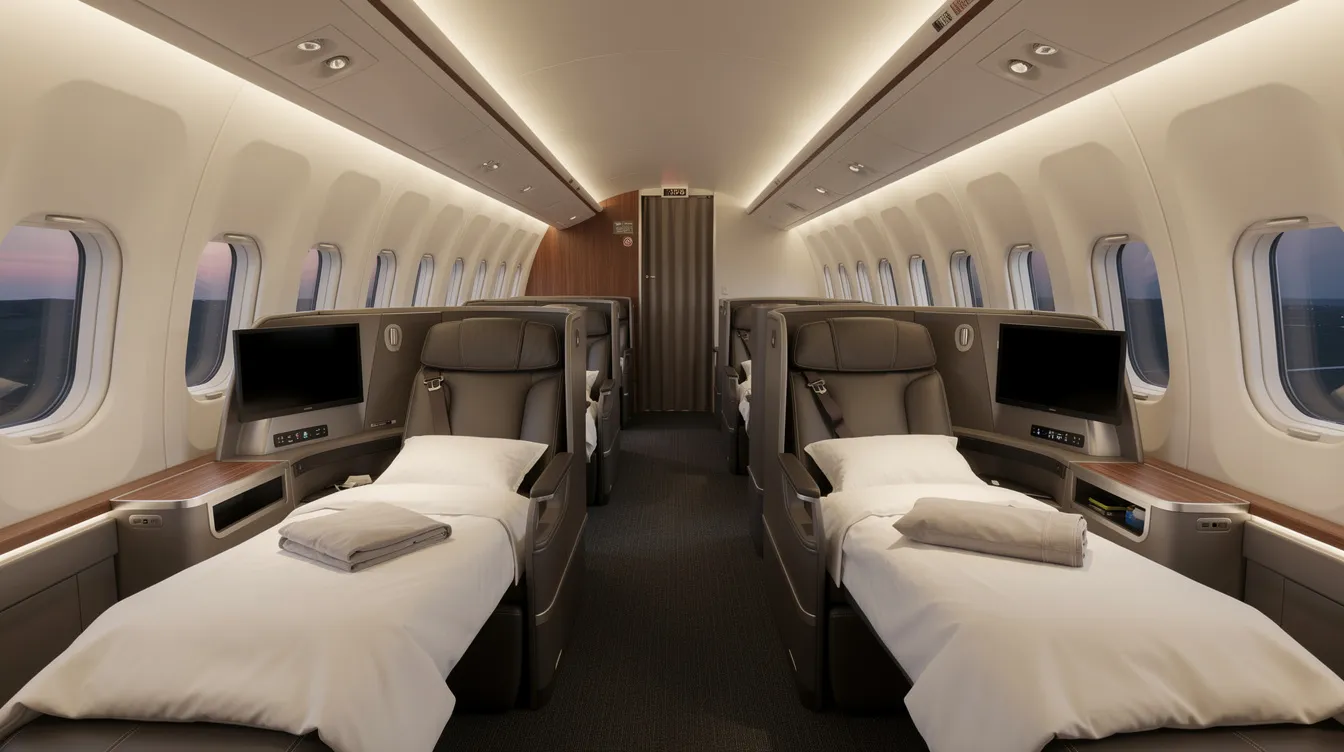
Premium cabins deliver tangible upgrades: lie-flat beds, direct aisle access, dedicated lounges, priority boarding, and multi-course meals with real glassware. Whether those extras justify the price depends on the route, the airline, and the timing.
Air France La Première on Paris–New York regularly exceeds $8,000 one way in 2026. Singapore Airlines suites on Singapore–London or Singapore–New York often surpass $10,000 round trip. Qantas business class on Sydney–London via Perth commonly runs AUD 7,000–10,000 during peak periods. Specific aircraft matter too—Lufthansa's 747-8 upper-deck business class and United Polaris on the 777-300ER both feature enclosed or semi-enclosed seats that justify higher pricing for some travelers.
Points and miles can soften the cash hit. A transatlantic business class redemption typically costs 70,000–100,000 miles one way, plus $300–$900 in taxes and fuel surcharges that vary widely by carrier. U.S. airlines tend to keep surcharges around $300–$500, while European carriers can push past $1,000.
Here's where the comparison gets interesting. A last-minute business class ticket at $5,000 per person for a team of four means $20,000. A light jet charter on a route like New York–Chicago through Jettly may land in a similar per-person range once the cost is split—while saving hours on check-in, security, and connection time. Learn how private jet charter costs break down.
Budget airlines keep base fares low by unbundling everything. The deal looks great until you add a carry-on, check a bag, pick a seat, and pay for a bottle of water.
Frontier in the U.S. runs $29 teaser fares on short hops that can rise above $200 after adding a carry-on, checked bag, and seat selection. Flair Airlines in Canada has charged carry-on fees exceeding CAD 150 per bag each way—sometimes more than the ticket itself. Airport check-in fees, change and cancellation penalties that approach the original fare, and extra charges for printing boarding passes or guaranteed adjacent seats for families all erode the expected savings.
Compare those surprises with how Jettly structures a quote: all core charges—aircraft, crew, fuel, taxes, standard handling—are outlined up front. Optional extras like premium in-flight catering through Jettly Eats, de-icing, or ground transportation are itemized before checkout. No one called you rude for asking about the price, and no charge appears that wasn't disclosed.
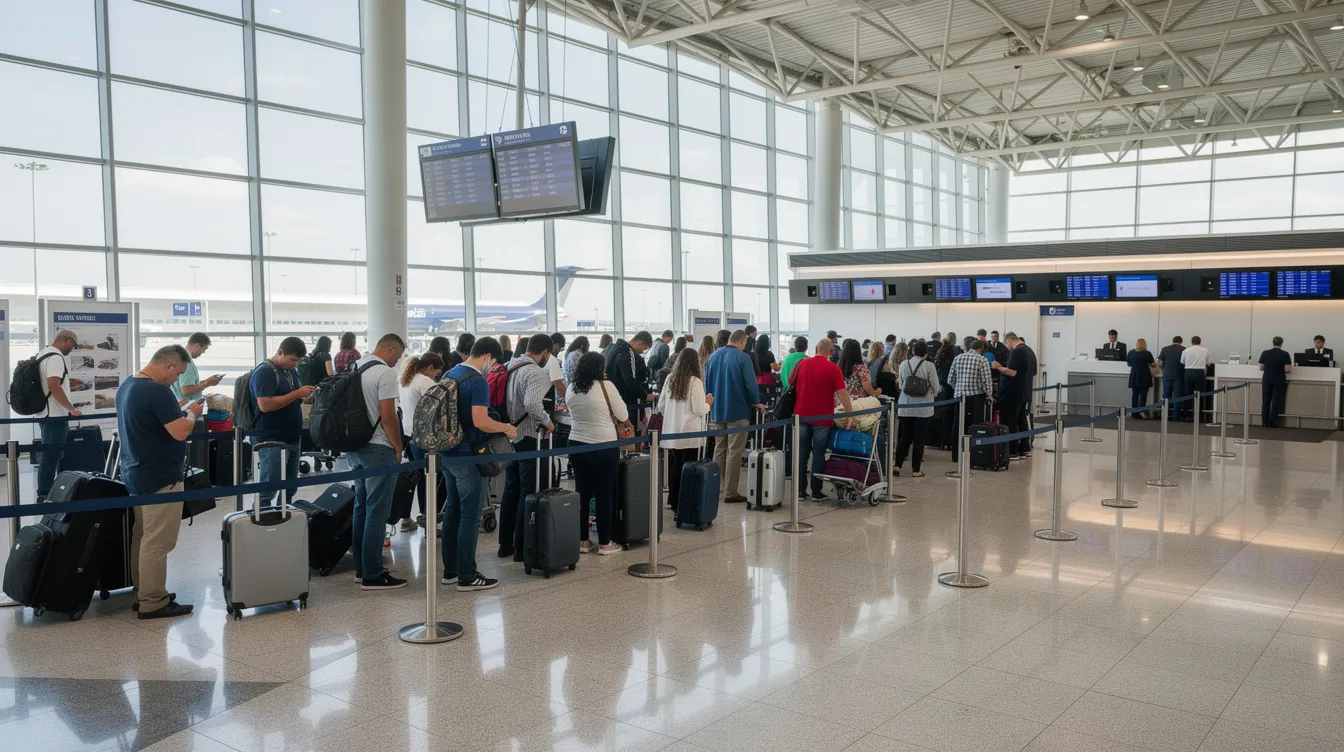
Third-party sites aggregate fares from multiple airlines and agencies, sometimes surfacing prices lower than airline websites. The trade-off is risk: when flights get canceled or schedules change, support can be slow, and agents may not be especially helpful.
Topflightfares.com illustrates the mixed signals travelers encounter. The site was registered on January 14, 2021, and holds a 4.5 out of 5 review score based on 1,574 reviews on Trustpilot—1,574 reviews that indicate mostly positive customer feedback. No major malware or phishing threats were detected. Yet Scam Detector rates topflightfares.com at 18.7 out of 100, while another platform reports a trust score of 79 out of 100. Users report issues with customer service responsiveness, and some describe the company as potentially risky. BBB complaint comments mention bait-and-switch pricing, pending booking confirmation that never arrived, and refund requests that hung in limbo. Travelers comparing alternatives often turn to a guide to the best private jet charter companies when evaluating safer options. One guy posted a video detailing how he was quoted one price, then asked to pay more after the reservation was supposedly confirmed.
Warning signals to watch for on any site: recently created domains with less than three to five years of history, privacy-masked registrations via proxy services like GoDaddy with no clear LLC or business address, and mixed results on malware scans. To verify a third-party site, check independent reviews, confirm there is a working phone number and physical address you can contact, look for an SSL certificate and HTTPS presence, and pay only with secure methods like major credit cards that protect you with dispute rights. If a deal requires you to send money via gift cards or crypto, cancel and walk away.
When trips are critical—business meetings, medical flights, or time-sensitive family events—a direct, transparent platform like Jettly is safer than relying on low-visibility ticket brokers. More detail on the booking process is available in Jettly's guide to chartering a private jet.
Hidden fees in commercial aviation go beyond bag charges. Fuel surcharges on transatlantic business class tickets can add $400–$900 to a round-trip fare. Close-in booking fees, schedule-change penalties, and seat-upgrade charges stack up. Even points users may still pay high cash surcharges when redeeming miles on European-operated flights.
Jettly focuses on providing flexibility and cost transparency in private jet travel. Instant quotes show the base aircraft rate, estimated fuel, landing and handling fees, and taxes. For travelers who prefer predictable hourly rates, Jettly also offers jet card programs with fixed pricing. Jettly's pricing model is transparent, varying from no commission to low commission structures—no extra service fees are stacked on after the fact. Optional add-ons like premium catering or winter de-icing are itemized before checkout.
Consider a real-world example: a family of six flying commercial business class from Toronto to Nassau during Christmas might spend $6,000–$9,000 per person, plus baggage and seat fees—easily exceeding $40,000. Chartering a midsize jet through Jettly for the same route could deliver a single door-to-door price with a flexible departure time, often landing in a comparable per-person range. Travelers who only need a single seat can also explore how to buy a seat on a private jet for certain routes. Estimate your charter cost here.
Private jets are not always more expensive than commercial top flight fares, particularly for groups, last-minute bookings, or complex multi-city trips.
Consider a team of four executives flying New York–Miami–Houston–New York over two days. Business class tickets plus hotels near hubs can rival the cost of a multi-city private jet charter that enables same-day returns, especially when you use a jet card flight cost estimator to understand how hourly rates stack up. Or picture a family of eight heading from Los Angeles to Aspen during a February ski week, where limited commercial seats push premium cabin prices high while a single heavy jet charter becomes competitive—and where understanding how private jets handle international and cross-border routes can shape your broader trip planning.
Jettly offers access to over 20,000 unique aircraft worldwide—light jets, midsize jets, heavy jets, turboprops, and helicopters—and recommends aircraft based on route length, runway constraints, and group size. The customer profile includes frequent flyers, corporate executives, and high-net-worth individuals who value convenience and luxury without ownership burdens. In-flight services and ground transportation integration are key aspects of the experience, and unlike competitors such as NetJets, Flexjet, and Wheels Up, Jettly positions itself as a flexible NetJets alternative that doesn't require long-term commitments or fractional ownership.
The time-saving element matters too: arrive 20–30 minutes before departure at private terminals, skip long security lines, and fly direct to smaller airports closer to your final destination—Teterboro instead of JFK, Van Nuys instead of LAX. Jettly also supports empty leg flights and crowdsourced shared private jet trips, which can drop one-way charter prices by 30–75%, occasionally undercutting last-minute business class fares on corridors like London–Geneva or New York–South Florida.

Travelers should combine price, reliability, and service quality when comparing airlines, third-party sites, and private charter platforms. A simple evaluation flow works like this: check whether the site looks legit before sharing any payment details, verify the site's trust score and read reviews on independent platforms like Kayak or Expedia, check for hidden fees and change rules in the fine print, compare total trip time including layovers and ground transfers, and confirm the refund and support policies.
Direct airline booking is preferable for complex itineraries with tight connections, travel to regions with high weather disruption risk, or situations requiring direct access to airline customer service during irregular operations, though frequent flyers may also consult an overview of leading charter airlines when comparing private options.
Jettly's booking flow is straightforward. The platform allows instant pricing and booking without committing to traditional jet cards. Travelers search routes and dates online or via app, using tools like an airport locator for thousands of global airfields. The system surfaces pricing across suitable aircraft. Customers can review aircraft details—year of manufacture, cabin layout, operator safety ratings—before they pay to confirm. More people are discovering this approach as commercial fares continue to climb.
Learn more about Jettly's charter options and private jet memberships at jettly.com and compare them with your next business or first class itinerary before you lock in any top flight fares.
These FAQs cover practical questions not fully explored in the main sections above.
Not all third-party sites are scams. Topflightfares.com, for example, has received 1,574 positive reviews and a 4.5 out of 5 score on one platform. However, mixed trust ratings and complaint reports about unprofessional service or pending reservations mean travelers should proceed carefully, check independent ratings, and always pay with secure methods that offer dispute protection.
Compare the fare against airline websites for the same dates and routes. Look for transparent fee breakdowns and verify domain age and reviews. Be cautious if asked to pay via unconventional channels like gift cards, crypto, or instant cash apps. If the story doesn't add up—say, a $200 business class fare on a route that normally costs $3,000—it's worth a double-check before you book holidays or flights through that website.
Per-person costs can be comparable or lower when four to ten passengers travel together on short- to medium-haul routes, especially at peak times when business class flight fares are elevated, or availability is limited. Check Jettly's cost estimator for specific route pricing.
Jettly presents an all-in quote that includes aircraft, crew, fuel, taxes, and standard handling. Any potential extras—premium catering, de-icing, or special ground transportation—are disclosed as optional add-ons before booking. The platform's tips for first-time flyers are covered in its first-time flying private guide.
Private jet flights booked through Jettly do not typically earn commercial airline miles. Many travelers reserve miles for long-haul leisure trips and rely on private charter for time-critical business or family travel where flexibility matters more than loyalty points. Those planning regional trips in India, for example, can explore Jettly's services for private jet charter in Chennai, private jet charter in Kolkata, or private jet charter in New Delhi, and may fly with operators such as Dexter Air Taxi within Jettly's network. Find hotels near your destination separately and use miles where they deliver the best return.
Top flight fares—whether in business class, first class, or on discount sites—should always be evaluated on total trip value, not just base ticket price. A legitimate deal factors in fees, schedule flexibility, cancellation policy, and actual travel time.
Hidden fees on budget airlines and opaque policies on some third-party sites can make seemingly cheap options more expensive and less reliable than transparent providers. Jettly, operating a global digital private jet charter marketplace, focuses on clear pricing, instant booking, and access to a large global fleet—giving travelers a real alternative to crowded airports and unpredictable commercial schedules, much like established providers such as NetJets that are profiled in Jettly's in-depth NetJets overview.
Ready to experience private travel on your terms? Explore flight options or request a quote at https://www.jettly.com.
Share this post:
Jay Franco Serevilla
Oct 7, 2026
|
5
min read
Discover tips and trends in the industry.

5
min read
How Long Can a Helicopter Stay in the Air? (Endurance, Range & Real-World Examples)
Helicopters typically stay airborne for 2 to 6 hours, depending on their class and mission profile. Factors like fuel capacity, payload, and weather conditions significantly influence their endurance and range. Understanding these aspects is crucial for effective flight planning and operational efficiency.
Read More
5
min read
Cessna 182 Useful Load: Real-World Numbers, Tradeoffs & Planning
The Cessna 182's useful load is crucial for pilots when planning flights, as it determines how much weight can be carried, including passengers and fuel. This guide explores the useful load across various Cessna 182 models, highlighting trade-offs and practical loading scenarios for effective flight planning.
Read MoreStay updated with our latest insights and tips to elevate your journey with us.
MEMBERSHIPS AND ASSOCIATIONS



Disclaimer: Jettly operates as a charter broker, offering access to a global digital jet charter marketplace. Jettly is not a direct air carrier and does not own or operate aircraft. All advertised flights are conducted by third-party air carriers that are fully licensed and hold the appropriate Part 135 or Part 121 certifications issued by the Federal Aviation Administration (FAA) or equivalent regulatory authorities under U.S. or foreign law. Jettly complies fully with the U.S. Department of Transportation's Part 295 and Part 298 Charter Broker regulations. Jettly does not carry additional liability insurance. Passengers are covered by aircraft operator insurance. TICO: 50023770


