


Login
Get Instant Pricing On 23,000+ Aircraft

>
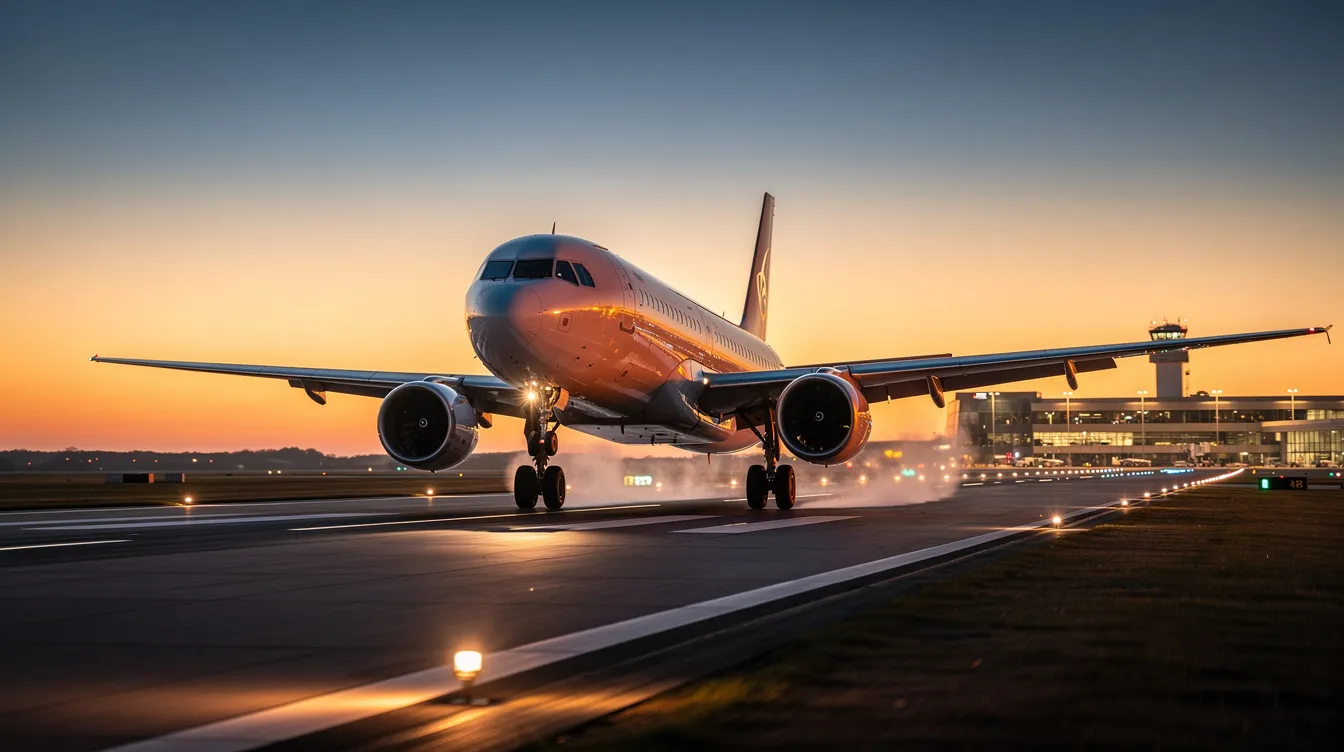
The survival rate of plane crashes is far higher than most people assume: around 90% of aircraft accidents are considered survivable, and roughly 95% to 96% of people involved in aviation accidents survive, even in many serious incidents. Media coverage tends to spotlight the worst-case scenarios, but decades of accident data tell a very different story.
For travelers, frequent flyers, and private jet charter customers weighing the real risks of air travel, the numbers matter. This article breaks down plane crash survival statistics, the factors that affect survivability—such as seat location, crew training, aircraft design, safety regulations, and emergency response—and where charter flying fits into the broader aviation safety picture. The goal is simple: replace fear with evidence so readers can make better-informed decisions about commercial and private flights, including how choosing properly regulated operators such as Jettly helps maintain high safety standards or even partnering through Jettly's ULTRA high ticket affiliate program if you share these services with others.
According to U.S. NTSB data, roughly 95–96% of people involved in aviation accidents survive. Even in serious commercial accidents with substantial aircraft damage, more than half of passengers typically make it out alive.
Fatal plane crashes are extremely rare. In recent years, fatal accidents occur at a rate of about 0.18 per million large commercial flights globally — meaning the probability of dying in a commercial aviation accident is extraordinarily low.
Several factors improve survival in survivable crashes: sitting near an exit, choosing a seat in the rear of the cabin, paying attention to crew instructions, and knowing how to brace and evacuate all matter quickly.
Aviation deaths have fallen for the last twenty years, driven by improvements in aircraft design, crew training, regulatory standards, and post-crash emergency response.
Private charter flights operated under commercial regulations - like those accessible through Jettly - are subject to strict safety oversight, professional crew requirements, and rigorous maintenance programs that place them well within the broader safety framework of modern aviation.
The survival rate of plane crashes is consistently higher than most travelers expect. According to NTSB data covering U.S. Part 121 airline operations from 1983 to 2000, approximately 95.7% of occupants involved in accidents survived. During 1983–2017, about 94% of accident aircraft had every occupant survive — meaning no one on board was fatally injured in the overwhelming majority of events. For those comparing airlines and business aviation, understanding the broader landscape of charter airlines and private flights helps put these safety figures into context.
Even in serious accidents involving substantial aircraft damage, fire, or structural destruction, the survival rate is approximately 59%. Accidents classified as survivable have an occupant survival rate of about 81%. These numbers counter the common assumption that any plane crash is automatically fatal.
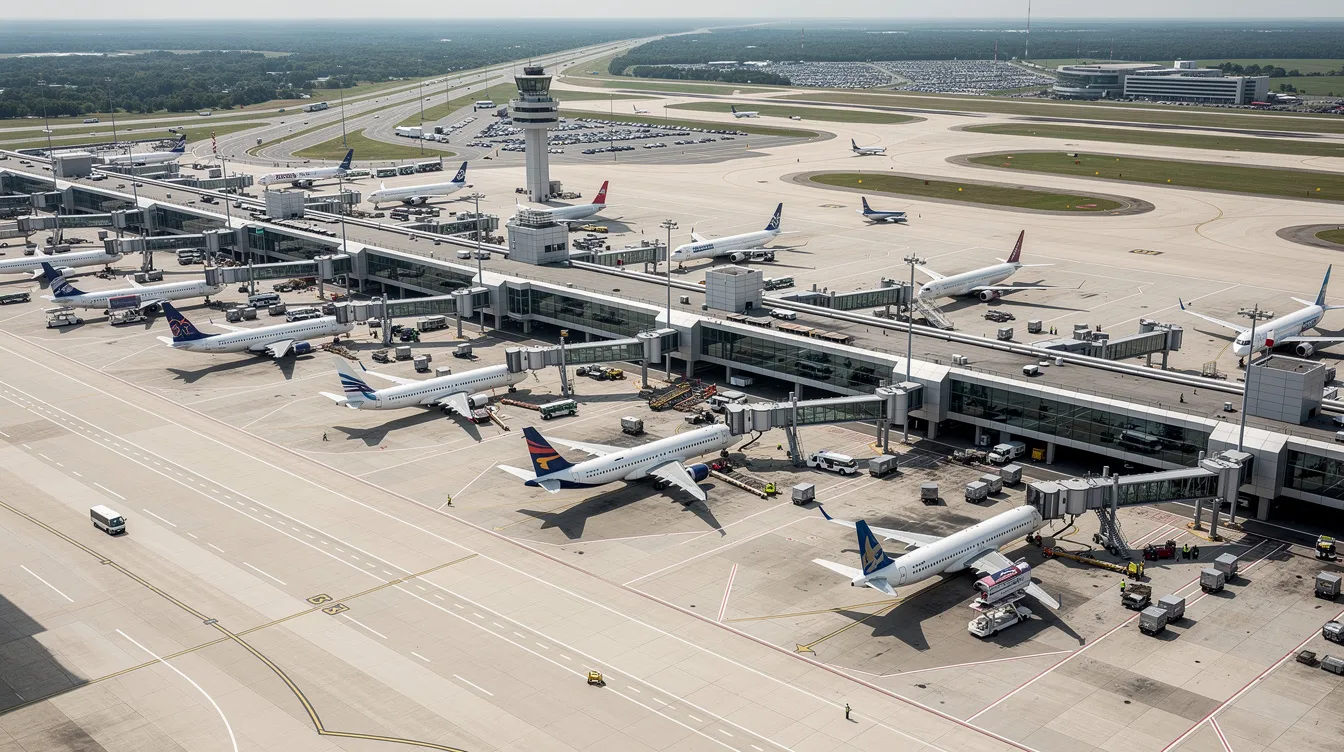
Global trends reinforce the point. IATA data shows there were roughly 40.6 million commercial flights worldwide in 2024, with only seven fatal accidents producing 244 onboard fatalities. That translates to a fatal accident rate far below 0.2 per million flights. To put this in context:
Total global commercial flights per year: approximately 35–40 million (fluctuating with post-COVID recovery)
Fatal accidents per year for large airliners: typically in the single digits
Implied risk level: one fatal accident per several million flights
The year 2017 was the safest year for commercial airlines, with no fatal jet crashes on scheduled commercial passenger flights worldwide. In 2016, about 163 aviation accidents were recorded involving various aircraft types, but only 15% of aviation accidents resulted in fatalities. In multiple years since 2010, annual airline fatalities have stayed below 300 — a dramatic drop from the more than 1,000 fatalities recorded annually just two decades earlier.
It's important to understand the difference between accidents and incidents. Many recorded events are minor - hard landings, runway excursions, gear-collapse events - that never make headlines. These contribute to the high overall survival figures because they rarely produce serious injuries or fatalities. The term "plane crash" itself can be misleading, as it lumps together everything from a skidded landing to a catastrophic mid-flight breakup.
The risk profile also differs by aircraft type. Large commercial jets flying under airline-level oversight have the lowest accident and fatality rates. Cargo flights and smaller general aviation aircraft carry higher per-flight-hour risk, partly due to differences in pilot training, maintenance standards, and operational environments. For passengers on scheduled airlines or professionally crewed charter operations, the numbers are reassuringly clear.
Statistically, modern airline and properly operated charter flights remain among the safest forms of long-distance travel when measured per kilometer or per flight. Travelers weighing commercial airlines against private options can review Jettly as a NetJets alternative for safe private flying to see how different models deliver comparable safety with more flexibility. The data found across multiple sources and decades of tracking confirms that flying is far safer than driving for an equivalent journey.
|
Statistic |
Rate/Value |
Notes |
|---|---|---|
|
Overall occupant survival rate |
~95–96% |
Based on U.S. NTSB data for Part 121 operations (1983–2000) |
|
Survivable accidents occupant survival rate |
~81% |
Accidents classified as survivable |
|
Survival rate in serious accidents |
~59% |
Involving substantial aircraft damage, fire, or structural destruction |
|
Fatal accident rate per million flights |
0.18 |
For large commercial flights globally |
|
Percentage of accidents with no fatalities |
~94% |
During 1983–2017, all occupants survived |
|
Fatal accidents as percentage of total |
15% |
Percentage of aviation accidents resulting in fatalities (2016 data) |
The word "crash" creates images of fireballs and total destruction, but in practice, the majority of aviation accidents involve controlled or partially controlled impacts where aircraft structure and crew procedures protect the people on board. Understanding why survivable crashes are so common requires looking at engineering, regulation, training, and emergency response.
Modern aircraft are engineered to manage crash forces and protect occupants. Energy-absorbing structures in the fuselage, reinforced seat tracks, and impact-resistant fuel systems all work to reduce the severity of forces transmitted to passengers during a hard landing or runway departure.
Fire-retardant materials are mandated for aircraft interiors to reduce fire hazards. Cabin walls, seat cushions, overhead bins, and floor panels must meet strict flammability standards set by regulators like the FAA and EASA. These materials slow the spread of flames and reduce toxic smoke, giving passengers more time to escape in the event of a post-impact fire.
Redundant flight systems — duplicate hydraulics, multiple electrical generators, backup flight computers — help keep the aircraft controllable even after significant mechanical failures. The safest passenger planes in service today are designed with the assumption that components will fail, and they're built to keep flying safely when they do.
Certification standards require that aircraft pass demanding evacuation tests before entering service. One well-known requirement: a fully loaded aircraft must be evacuable within 90 seconds with half the exits blocked. This rule drives cabin layout, exit placement, aisle width, and emergency lighting design.
Regulations also set minimum crashworthiness standards for seats, which must withstand forces of 16g in the forward direction without detaching from their tracks. These aren't theoretical — they're tested and verified before any plane carries its first passengers.
Pilots undergo recurrent simulator training that covers engine failures, rejected takeoffs, emergency descents, and approach-phase emergencies. Cabin crew drill evacuation procedures regularly, practicing how to assess conditions, open exits, deploy slides, and direct passengers in low-visibility, high-stress environments.
Real-world case studies illustrate how training saves lives. In 1989, United Flight 232 — a DC-10 that lost all hydraulic flight controls — crash-landed after the crew improvised control using differential engine thrust. Of 296 people on board, 185 survived. In 2025, Delta Connection Flight 4819, a CRJ-900 regional jet, skidded and flipped on a Toronto runway. All 80 passengers and crew survived. Experts pointed to aircraft structure, seat restraints, crew action, and rapid emergency response as key factors.
A third common scenario involves partial gear-collapse landings, where the aircraft touches down with landing gear that fails to extend fully. In these incidents, the fuselage often sustains heavy damage, but the controlled approach speed and angle — combined with modern seat design — typically means passengers walk away with minor injuries.
Many fatalities in otherwise survivable crashes don't come from the initial impact. Post-crash fire can increase mortality rates significantly, and smoke inhalation is a leading cause of death in cabin fire scenarios. This is why you have about 90 seconds to escape after a crash — that window is the difference between a survivable event and a fatal one.
While overall statistics are reassuring, individual actions and seat choices can influence outcomes in survivable crashes. Research revealed in popular press and academic studies has analyzed patterns in who survives — and the findings offer practical takeaways.
Evidence on seat location suggests that the rear third of the cabin tends to have lower average fatality rates in some analyses. Seats in the rear third have a 32% fatality rate, while middle seats in the back third have a 28% fatality rate. Compare that with aisle seats in the middle third, which show a 44% fatality rate in certain studies.
Passengers sitting behind the wing have a 40% greater chance of survival in some data sets. However, every accident is different. Impact angle, fire location, structural failure points, and exit availability all create unique conditions. No single seat can guarantee safety.
Survivors in several well-documented accidents were found within about five rows of an exit. Proximity to emergency exits increases the likelihood of a successful evacuation, and evacuation time and distance to an exit often matter more than the exact row number or window versus aisle preference.
The takeaway: sit within five rows of an emergency exit whenever possible. On smaller charter aircraft, this is often a non-issue — passengers are typically closer to exits by default, and smaller cabin layouts can shorten evacuation times compared to large wide-body airliners.
Staying calm, listening to the safety briefing, and knowing how to operate the nearest exit can dramatically improve outcomes. Preparedness and compliance with safety instructions significantly enhance survival odds, especially in the first 60–90 seconds after the aircraft stops.
Research points to the "plus three, minus eight" window: the first three minutes after takeoff and the last eight minutes before landing are when the majority of serious events occur. Pay attention during the first three minutes after takeoff and remain buckled, alert, and unimpaired during the final approach. Keeping your head clear during these phases — shoes on, seat belt fastened, tray table stowed — is not just a regulatory formality. It's a survival strategy.
To reduce risk in survivable crashes:
Dress in long pants and closed-toe shoes for safety - synthetic fabrics can melt in fire, and bare feet make evacuation over debris dangerous
Keep your seat belt low and tight across your hips, not your stomach
Remove sharp objects from pockets before bracing for impact - pens, keys, and phones can cause injuries during deceleration
Mentally rehearse finding the nearest exit in the dark or in smoke before the plane takes off
Proper bracing reduces head, neck, and leg injuries that might otherwise prevent someone from evacuating. If there's a seat in front of you, place your hands on the back of that seat and rest your head against your hands. If you're in a bulkhead or exit row without a seat ahead, bend forward with your hands behind your head and your legs firmly planted.
The brace position isn't optional — it's designed to reduce the way your body moves during impact, particularly protecting your legs from hitting the seat frame and your head from striking hard surfaces. Survivors who brace correctly are more likely to remain conscious and mobile enough to escape quickly.
Listen to flight attendants for safety instructions. On a private charter, crew members can offer more personalized safety briefings and ensure every passenger understands exit procedures before departure.
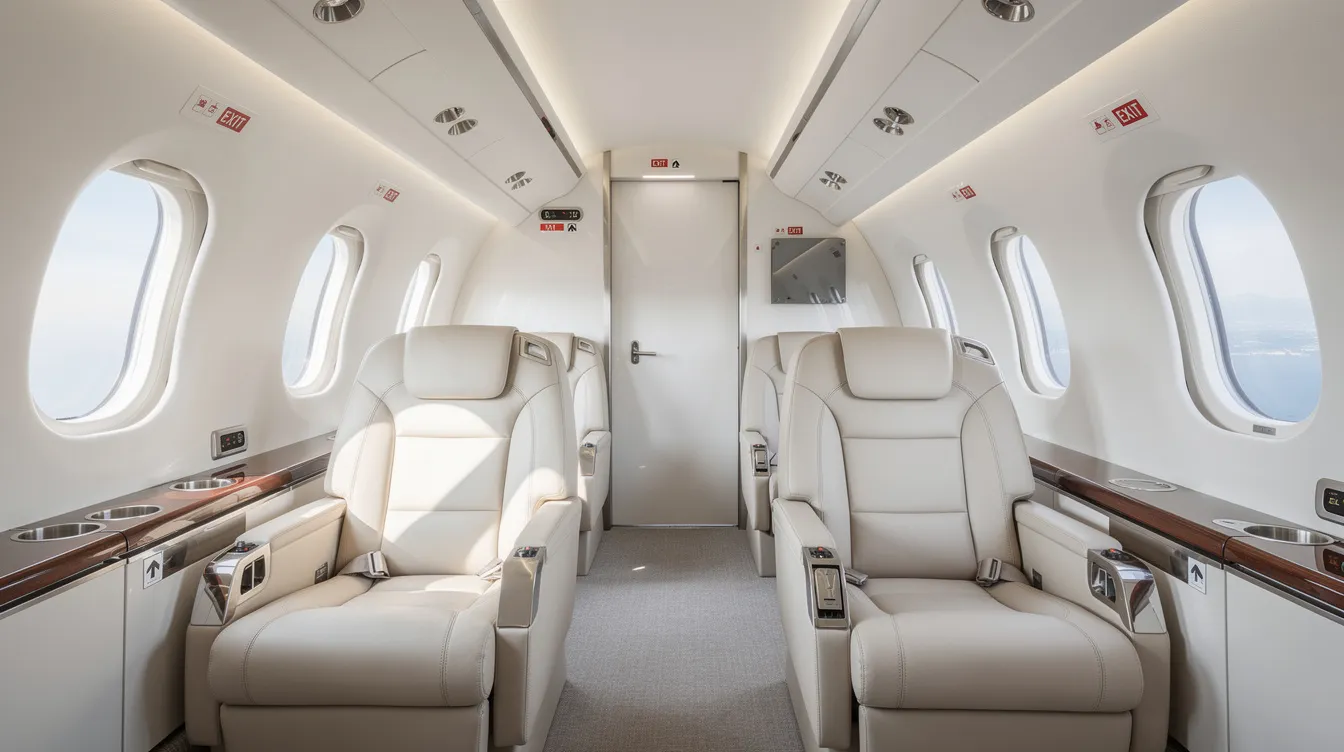
Safety statistics and survival rates apply not just to big airlines but also to business and private aviation. That said, accident profiles for light jets and turboprops can differ from those for large airliners — private plane safety statistics confirm that the type of operation matters as much as the type of aircraft, and broader guides to the best private jet charter companies highlight how operator quality and fleet standards further shape real-world risk.
Commercial charter operators in the U.S. must comply with FAR Part 135 (or equivalent regulations in Europe and other regions). This means stricter maintenance schedules, pilot-qualification requirements, and duty-time limits than those applied to purely private, owner-flown aircraft under Part 91. For travelers comparing safety frameworks, understanding how Part 135 charter companies operate clarifies why a professionally crewed charter flight is held to a fundamentally different safety standard than a man flying his own single-engine plane on a weekend.
Jettly operates as a digital private jet charter marketplace, providing access to a global inventory of more than 20,000 aircraft across light jets, midsize, heavy jets, turboprops, and helicopters. The platform's focus is on matching customers with properly certified operators — not informal arrangements or unvetted providers — whether you book directly through Jettly or via featured operators like Dexter Air Taxi private jet services.
Jettly emphasizes safety in operator selection through preference for audited or highly rated operators, verification of insurance and regulatory compliance, and transparency that lets clients understand aircraft type, age, and operator credentials before they board. For more detail on how private jet safety ratings work, Jettly's resource center breaks down ARGUS, Wyvern Wingman, and IS-BAO standards.
Modern charter jets and turboprops are designed and certified under the same rigorous standards that govern airline fleets. Twin engines, modern avionics, and terrain-avoidance technology don't just improve the flying experience — they help prevent accidents in the first place, especially when you're flying on well-vetted private charter aircraft.
Operational flexibility also contributes to safety in ways that aren't immediately obvious, whether you're booking a full aircraft or exploring shared charter flights versus full charters:
Crew schedule flexibility allows pilots to avoid marginal weather or delay for maintenance without the commercial pressure to "make the schedule"
Smaller airports can reduce congestion-related risks such as runway incursions
Direct routings minimize the number of takeoffs and landings compared with multi-leg commercial itineraries — and since most incidents occur during these phases, fewer legs means less exposure
Jettly's digital tools - instant pricing, online booking, private jet memberships versus on-demand options - create a convenient experience without compromising safety oversight. Travelers should always ask about safety audits and operator certificates when chartering through any platform, and Jettly makes that information accessible.
Ready to explore private travel with operators who meet strict safety standards? Whether you're flying regionally or internationally, you can look at destination-specific options such as private jet charter in Kolkata, West Bengal, or private jet charter in New Delhi, then learn more about broader charter options or request a quote at https://www.jettly.com. Informed choices and regulated operators keep already rare serious accidents even rarer.
The probability of dying in a commercial aviation accident is extremely low — roughly one in several million flights. Over a lifetime of regular flying on scheduled airlines, your odds of being killed in an air crash are somewhere in the range of 1 in 10 million or better, depending on the study and methodology.
Compare that with driving. The lifetime odds of dying in a motor vehicle accident in the United States are approximately 1 in 100. That makes driving orders of magnitude more dangerous than commercial flying for any given trip.
These figures assume travel on regulated airlines or certified charter operators, not unlicensed operations or non-compliant flights. The way you choose to travel matters, and sticking with properly regulated operators keeps the risk profile in the safest possible range.
General aviation - small, often privately flown aircraft - historically has higher accident and fatality rates per flight hour than large scheduled airlines. This gap is largely driven by differences in pilot training levels, weather exposure, and the level of operational oversight applied to different categories of flying.
Professionally crewed charter aircraft operating under commercial rules like Part 135 sit between these extremes. Structured maintenance programs, trained multi-crew operations, and regulatory inspections significantly reduce risk compared to informal private flying. For deeper context, Jettly has published a detailed look at how many private planes crash a year with current data, along with explanations of how Part 135 charter companies are regulated and why that matters.
Within Jettly's marketplace, flights are arranged with certified commercial operators — not casual ride shares. Instant-book partners such as Zenflight private jet charter operate under strict regulatory oversight, an important distinction for people comparing safety profiles across different ways of flying privately.
Evidence suggests that seat choice may slightly improve odds in some survivable crashes. As mentioned, passengers in the rear third of the cabin and those sitting near exits tend to fare better on average. Middle seats in the back third show the lowest fatality rates in some post-accident analyses, while certain forward and middle-cabin positions show higher risk.
But here's the important caveat: aircraft type, impact angle, fire location, and structural breakup patterns vary so much from one case to the next that no particular seat can guarantee survival. The most meaningful actions are sitting close to an exit when possible, paying attention to safety briefings, keeping seat belts fastened, and preparing mentally to evacuate quickly.
Overall, airline and charter safety remains extremely high regardless of where a person is sitting. Seat choice is a reasonable secondary consideration, not a primary one.
Follow this sequence: adopt the brace position when instructed, keep your belt tight and low, follow crew commands without hesitation, leave all luggage behind, and move quickly to the nearest usable exit once the aircraft stops. Remember that you have roughly 90 seconds to escape — that's the critical window.
Research into survivable crashes shows that hesitation and attempts to retrieve bags have cost lives. People who act quickly and decisively in the first minute after an aircraft comes to rest consistently have better outcomes. Counting seat rows to the nearest exit before takeoff — so you can find it by touch in smoke or darkness — is a simple step that takes seconds and could save your life.
Practicing this mental rehearsal before each flight can reduce panic and increase reaction speed. Even infrequent flyers benefit from spending 30 seconds during the safety video to locate their nearest exit, note whether it's in front or behind them, and visualize the route.
Both scheduled airlines and reputable charter operators maintain strong safety records. The difference lies in the experience: charters offer more control over timing, routing, and aircraft type, which can indirectly enhance safety through operational flexibility — avoiding bad weather windows, reducing legs, and flying with well-rested crews.
Jettly's platform helps travelers select from a wide range of vetted aircraft and operators, providing transparency around aircraft category and operator credentials before booking, and tools such as an airport locator for private jet flights to simplify planning. This isn't a post-booking surprise — it's part of the decision-making process, placing safety information in the passenger's hands.
Flying — whether commercial or with a vetted charter operator — is statistically one of the safest ways to travel. The data from NTSB, IATA, and ICAO consistently confirms this across decades and millions of flights. For travelers who want a safer-feeling, less crowded, and more controlled travel environment, private charter is worth exploring.
Ready to experience private travel on your terms? You can compare options using Jettly's jet card flight cost estimator, review world-class jet card programs, or explore affordable private jet charter pricing before you request a quote at https://www.jettly.com. That window is the difference between a survivable event and a fatal one.
Airport infrastructure adds another layer of protection. Runway safety areas, Engineered Materials Arrestor Systems (EMAS), and well-trained rescue and firefighting crews — especially at major hubs in North America and Europe — further increase survival odds by controlling fire and reaching passengers quickly, while private aviation adds layers like curated safety-focused operators and optional in-flight catering for private jets without compromising emergency preparedness.
Charter operators accessible through Jettly's marketplace must meet stringent regulatory and maintenance standards similar to or derived from airline-level requirements. This supports high survivability even in the rare case of an emergency.
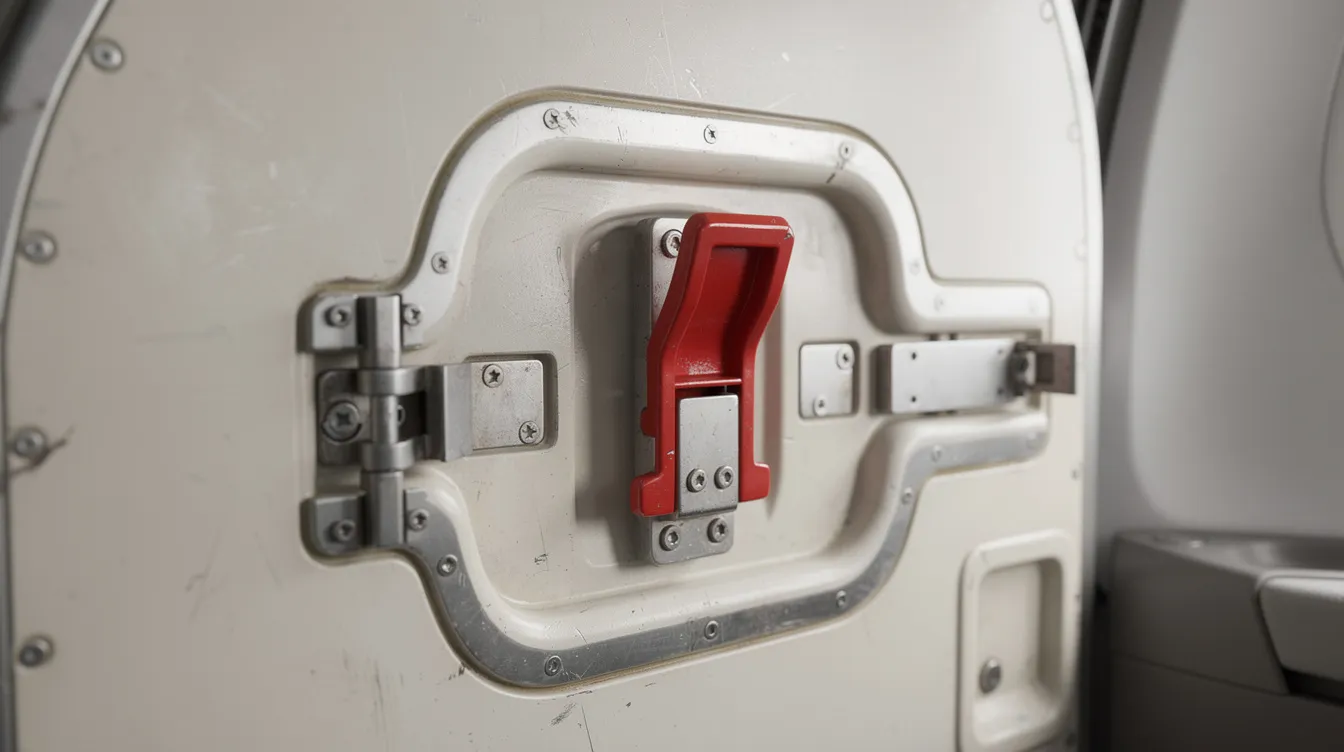
The survival rate of plane crashes is significantly higher than most travelers imagine, with about 90% of accidents being survivable and the majority of occupants walking away unharmed. Factors such as seat location, crew training, aircraft design, and quick evacuation play crucial roles in improving outcomes. Choosing private jet charters through platforms like Jettly ensures access to rigorously vetted operators who meet stringent safety standards, providing an added layer of confidence.
For travelers interested in learning more about private aviation safety and options, explore Jettly's resources on private jet safety ratings and discover the benefits of private jet memberships versus on-demand charters. Ready to experience private travel with transparency and convenience? Browse aircraft categories and book your next flight at https://www.jettly.com.
Ready to experience private travel on your terms? Explore flight options or request a quote at https://www.jettly.com.
Share this post:
Jay Franco Serevilla
Oct 7, 2026
|
5
min read
Discover tips and trends in the industry.
5
min read
Cheap Thanksgiving Flights: How to Find Holiday Flight Deals in 2026
Finding cheap Thanksgiving flights in 2026 is all about timing and flexibility. With Thanksgiving on November 26, booking 30 to 45 days in advance and flying on off-peak days can lead to significant savings. Consider private jet options for added convenience and reduced travel stress, especially during peak holiday travel times.
Read More
5
min read
Best Time to Buy International Airline Tickets to Europe
Finding the best time to buy international airline tickets to Europe can save travelers hundreds of dollars. Booking 3 to 7 months in advance typically yields the best prices, especially during shoulder seasons. This guide offers insights on timing, fare tracking, and alternative airports to maximize savings and flexibility.
Read MoreStay updated with our latest insights and tips to elevate your journey with us.
MEMBERSHIPS AND ASSOCIATIONS



Disclaimer: Jettly operates as a charter broker, offering access to a global digital jet charter marketplace. Jettly is not a direct air carrier and does not own or operate aircraft. All advertised flights are conducted by third-party air carriers that are fully licensed and hold the appropriate Part 135 or Part 121 certifications issued by the Federal Aviation Administration (FAA) or equivalent regulatory authorities under U.S. or foreign law. Jettly complies fully with the U.S. Department of Transportation's Part 295 and Part 298 Charter Broker regulations. Jettly does not carry additional liability insurance. Passengers are covered by aircraft operator insurance. TICO: 50023770


