


Login
Get Instant Pricing On 23,000+ Aircraft

>
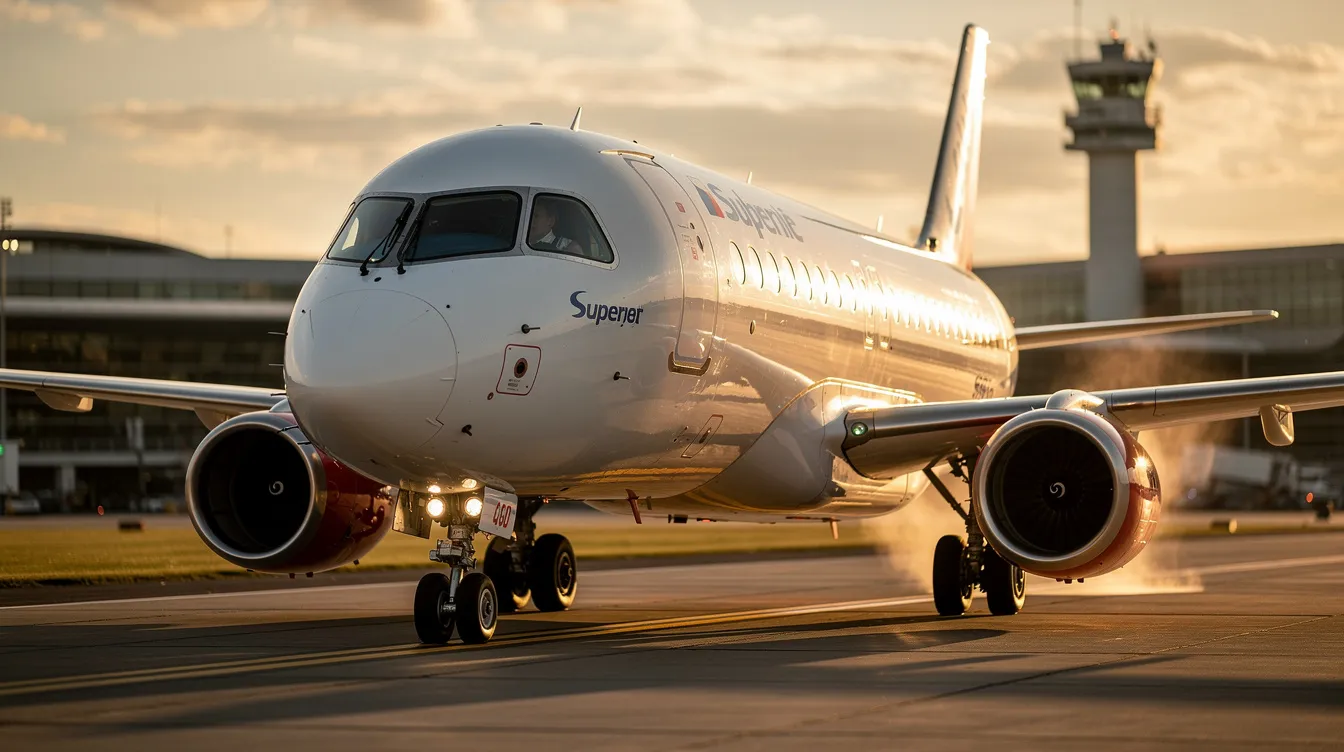
The Sukhoi Superjet SSJ100 is Russia's most ambitious post-Soviet civil aviation project—a twin-engine regional jet built to connect secondary cities, feed hub airports, and serve medium-haul routes across vast domestic networks. This guide is intended for charter customers, aviation enthusiasts, and travel planners interested in the Sukhoi Superjet SSJ100. Since its maiden flight in 2008, the aircraft has generated headlines for its modern design, its troubled supply chain, and its evolving identity under sanctions. This guide breaks down everything charter customers, aviation enthusiasts, and travel planners need to know about the Superjet 100, its variants, and how it fits into the broader landscape of private and group travel.
The Sukhoi Superjet 100 is a 68–103-seat regional jet that made its first flight on 19 May 2008 and entered commercial service in April 2011. It is designed for short-to-medium-haul domestic and regional international routes, covering roughly 3,000–4,500 km depending on the variant.
The Superjet 100 long-range version (95LR) extends the aircraft's reach to approximately 4,578 km, while the baseline model handles sectors of about 3,048 km—making both versions suitable for regional networks primarily within Russia and neighbouring states.
Sanctions, supply-chain disruptions, and engine support challenges have sharply limited the Sukhoi Superjet's footprint outside Russia. EASA revoked the Superjet's airworthiness certificate on 14 March 2022, effectively closing European skies to the type.
For charter customers and brokers like Jettly, the Superjet 100 represents a high-capacity regional option, but its geographic concentration and limited global support network mean that functionally similar Western-built aircraft are usually more accessible for international private or group travel.
This guide covers the aircraft's development history, technical specifications, variants (including the Russianized SJ-100 with PD-8 engines), fleet and operators, safety record, and practical charter considerations.
The Sukhoi Superjet 100 is a short- to medium-haul regional jet developed by Sukhoi Civil Aircraft (now operating under the Yakovlev brand within the United Aircraft Corporation). The project launched around 2000 with a clear goal: deliver Russia's first modern regional aircraft built to international certification standards.
Core facts paint a clear picture. The aircraft is twin-engine, single-aisle, with a five-abreast (2+3) cabin configuration, meaning each row has two seats on one side of the aisle and three on the other. This layout typically seats 87 to 98 passengers in a standard single-class layout. The baseline version covers routes up to about 3,000 km, while the long-range version pushes that to roughly 4,500 km. It incorporates systems from various global aviation suppliers, combining Russian airframe construction with Western-origin avionics, engines, and subsystems.
The first flight took place on 19 May 2008 from Komsomolsk-on-Amur. The first production aircraft was delivered on 19 April 2011, and the first commercial flight followed with Armavia as the first customer that same month. Aeroflot began operations shortly after.
The aircraft was developed to compete with Embraer E-Jets and the Bombardier CRJ series (parts of which later evolved into the Airbus A220 family). While it gained EASA type certification on 3 February 2012 and secured some export orders, export efforts also targeted Europe through Superjet International's regional presence there, though its active fleet is now heavily concentrated among Russian airlines and neighbouring operators.
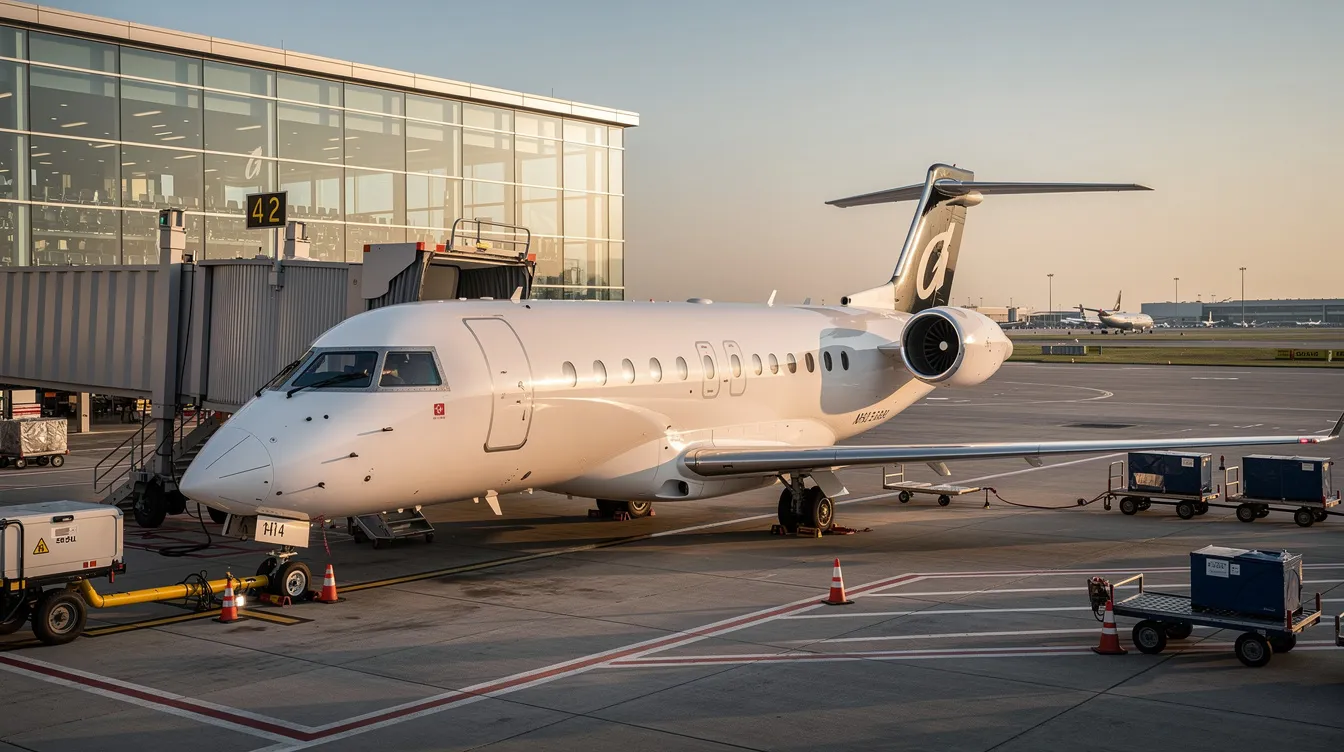
With the general overview in place, let's move on to the design goals and development timeline that shaped the Superjet 100.
Sukhoi's original design goals in the early 2000s were ambitious: build modern, fuel-efficient regional aeroplanes to international certification standards, covering 3,000–4,500 km with 60–98 seats (later expanded to about 103 in dense layouts) to meet forecast demand across Russia, the CIS, and global export markets.
Key milestones unfolded over roughly a decade:
2000: Program launch as the "Russian Regional Jet" (RRJ)
2003: Selection of the SaM146 engine, a joint venture between France's Safran and Russia's NPO Saturn
2007: Public rollout of the prototype
2008: First flight on 19 May from Komsomolsk-on-Amur
2011: Russian certification (IAC/MAK) and first commercial service
2012: EASA certification issued on 3 February
Western partners played substantial roles in the original design. Boeing provided consulting on engineering and customer support processes. Thales supplied avionics, Messier-Bugatti-Dowty handled landing gear, and Honeywell contributed the APU. This internationalised approach was intended to make the plane competitive with established airliners from Boeing and Airbus in the regional segment.
The project targeted a production cost that could compete with Western regional jets while offering a comfortable five-abreast cabin, an advanced flight deck, and reduced crew workload. Early marketing projected demand for roughly 800 aircraft across Russia, CIS, and export markets—a figure that actual deliveries never came close to reaching.
With the design goals and development history established, let's examine the aircraft's physical characteristics and onboard systems.
The Superjet 100's airframe follows a conventional low-wing aluminium alloy construction with a T-tail. The wing uses a supercritical design to reduce high-speed drag and improve fuel efficiency at cruise altitude. Newer Russianized variants incorporate additional composite materials in non-primary structures to save weight.
Key dimensions include:
Length: 29.94 meters
Wingspan: 27.80 meters
Service ceiling: approximately 40,000 feet
The cabin uses a five-abreast (2+3) layout. Standard single-class configurations seat 87 to 98 passengers, while maximum-density layouts can push capacity toward 103–110 seats depending on the variant and pitch. Two-class configurations reduce that count but add business-class comfort up front.
Passenger comfort features are a step above older regional jets. The Superjet 100 offers relatively wide seats for its class, modern LED lighting, overhead bins sized for regional carry-on baggage, and active noise reduction in both the cabin and cockpit.
The cockpit runs a full glass cockpit with Thales-supplied avionics on the original SSJ100. The aircraft features a fully digital fly-by-wire control system with advanced avionics that include envelope protection capabilities. It is certified for Category IIIA instrument landing systems, allowing operations in low-visibility conditions. Newer "Russified" SJ-100 versions replace these Western avionics, APU, and landing gear with domestic Russian systems.
Now that we've covered the airframe, cabin, and onboard systems, let's take a closer look at the engines and performance characteristics that define the Superjet 100's operational profile.
The original Sukhoi Superjet 100 is powered by two underwing PowerJet SaM146 turbofan engines. The SaM146 engine was co-developed with the French company Safran through a joint venture with Russia's NPO Saturn. Two variants exist: the 1S17 (approximately 76.8 kN thrust) for the baseline model and the 1S18 (approximately 79 kN) for the long-range and business versions.
Performance figures for the baseline Superjet 100 95B include:
Maximum takeoff weight (basic): Approximately 45,880 kg
Maximum takeoff weight (LR): 49.45 tonnes
Typical range (baseline): ~3,048 km
Range (LR): ~4,578 km
Maximum speed: Mach 0.81
Normal cruise speed: Mach 0.78
Takeoff field length (max weight): Roughly 1,731 meters
Service ceiling: ~40,000 feet
The plane is designed for efficient sub-3,000 km sectors between regional and secondary airports. In "hot and high" environments—airports at significant altitude or in extreme heat—takeoff performance degrades, particularly at heavy payload weights.
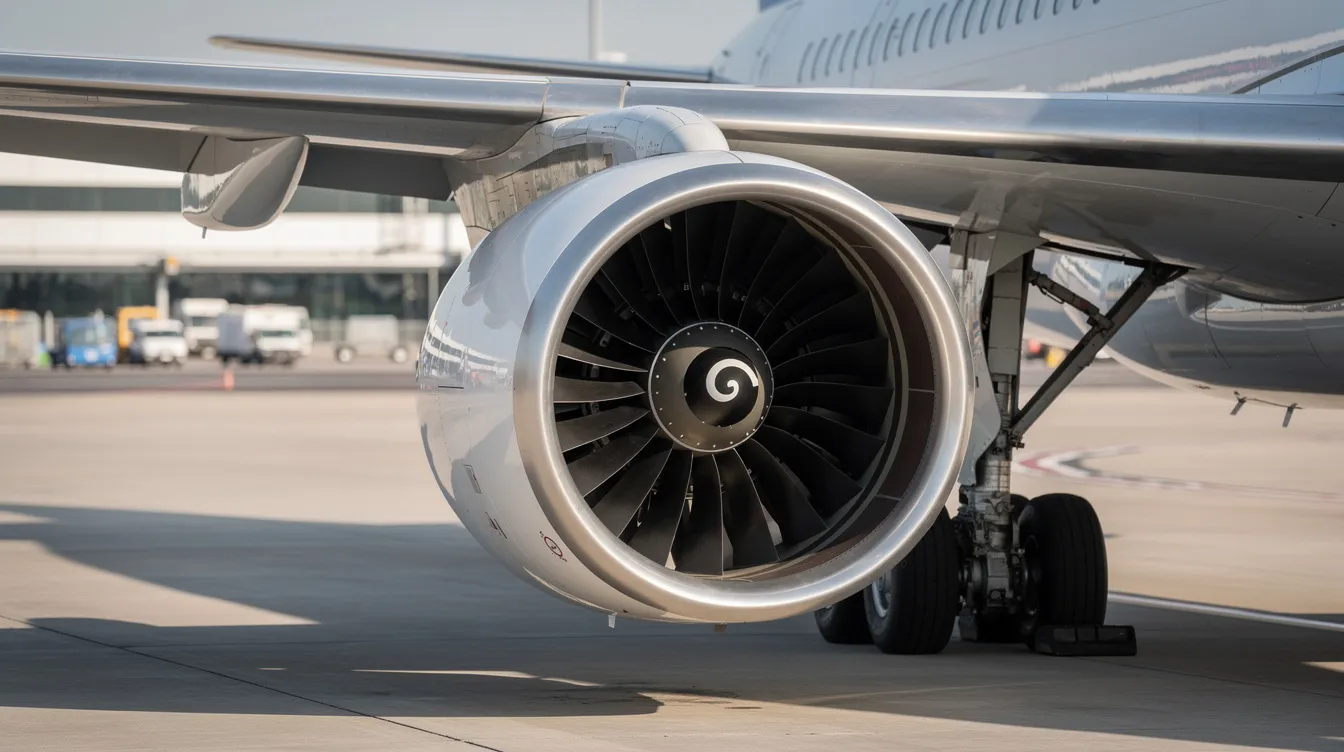
Fuel consumption data suggests the SSJ100 burns more fuel than newer Western competitors like the Embraer E-Jet E2 family on comparable missions. Several operators also reported reliability and engine maintenance challenges, particularly around spare parts availability and overhaul cycles for the SaM146. Sanctions caused parts shortages for the SaM146 engines, compounding these issues and affecting operating economics for airlines both inside and outside Russia.
With the engines and performance characteristics outlined, let's explore the different variants of the Superjet family and how they address various operational needs.
The Superjet family includes several distinct variants, each targeting different mission profiles.
SSJ100-95B (Baseline): The initial production variant that first flew in 2008. Range sits at about 3,048 km with a maximum takeoff weight around 45.9 tonnes. This is the version that received EASA type certification in February 2012, opening the door to European and international operations.
SSJ100-95LR (Long Range): Introduced around 2013 with increased fuel capacity and uprated SaM146 1S18 engines delivering about 5% more thrust. MTOW climbs to approximately 49.5 tonnes, extending range to roughly 4,578 km. The trade-off is a slightly longer takeoff run. Gazpromavia was among the first operators of this variant.
Business and VIP Versions: Several configurations reduce seating to accommodate VIP layouts, conference rooms, or government transport requirements. These have been operated by state agencies and corporate shuttle services. Superjet International marketed some of these configurations to potential export customers.
SJ-100 ("Superjet New"): The most significant evolution. The SJ-100 uses Russian PD-8 engines instead of the SaM146, replacing the Franco-Russian powerplant entirely. The SJ-100 incorporates all-Russian components for import substitution—domestic avionics, landing gear, APU, and flight controls. The SJ-100 features increased seating capacity of 103 passengers in standard layout, with a maximum range of 4,320 km. Notably, the SJ-100 is branded under Yakovlev, dropping the Sukhoi name entirely. This new version represents Russia's answer to sanctions-driven supply chain disruption.
With the variants explained, let's look at how the Superjet 100 is produced and the industrial partnerships that have shaped its evolution.
Final assembly of the Sukhoi Superjet 100 takes place at the Komsomolsk-on-Amur Aircraft Plant (KnAAPO) in Russia's Far East. Major airframe components come from facilities including the Novosibirsk Aircraft Production Association.
These plants received upgrades around 2011–2012 to support production ambitions of up to 70 airframes per year. Actual output fell well short of that target throughout the program's history.
Key suppliers in the early phase included:
Thales (France): avionics
Messier-Bugatti-Dowty (France): landing gear
Honeywell (USA): APU
Liebherr (Germany/Switzerland): air management and actuation systems
Various Russian airframe and systems providers
After 2014 and especially after 2022, geopolitical sanctions and export restrictions drove a strategic shift toward domestically sourced components. The SSJ100 has been impacted by geopolitical sanctions affecting its supply chain, ultimately accelerating the development of the PD-8 engine and the fully Russianized SJ-100 program.
Development cost estimates reached around $1.5 billion by 2013, with roughly a quarter funded by the Russian federal budget. Subsequent injections supported import-substitution initiatives. Aeroflot reportedly ordered 89 Russified SJ-100 aircraft in 2022 as part of this domestic pivot.
With an understanding of how the Superjet 100 is built and supplied, let's examine its position in the market and the airlines that operate it.
Within the global regional aircraft market, the Superjet 100 occupies the 70–110 seat bracket. Its closest competitors are the Embraer E170/E175/E190 and earlier CRJ series aircraft like the CRJ 200.
Major Russian airline operators include:
Rossiya (Aeroflot's regional division)
Azimuth
Red Wings
Yakutia
IrAero
Gazpromavia
Government and special-mission operators span Russian state agencies, Kazakhstan, and the Royal Thai Air Force.
The aircraft sees heavy deployment on domestic routes linking Moscow, St. Petersburg, and regional centres across Russia's vast geography. As of April 2023, approximately 160 Superjet aircraft were in service—virtually all with Russian operators.
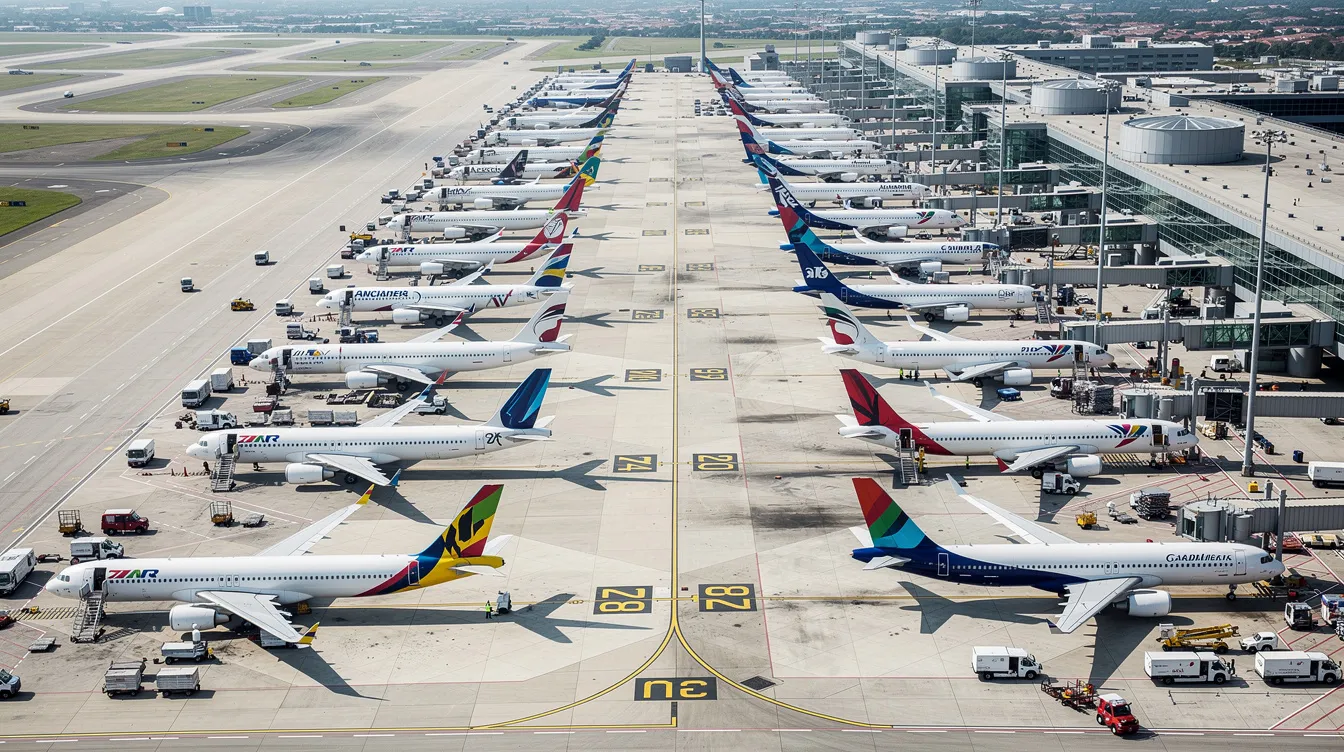
The export story is more complicated. Interjet operated the largest export fleet of SSJ100s, but Interjet's fleet suffered from persistent technical problems that contributed to the Mexican carrier's eventual collapse. Ireland's CityJet and Armenia's Armavia also operated the type before withdrawing it. Europe was an important target market for SuperJet International, but sustaining sales and support there proved difficult. Yamal Airlines cancelled its order due to high servicing costs, and Aeroflot reported only 10 usable Superjets at a time during peak maintenance difficulties. The aircraft has faced operational challenges due to supply chain issues that made sustained operations outside Russia impractical for most carriers.
The Superjet 100's global support network is limited. In this context, a "limited global support network" means that there are relatively few maintenance facilities, spare parts depots, and technical support centres for the Superjet 100 outside Russia and neighbouring countries. This makes it difficult for international operators to maintain and repair the aircraft efficiently, leading to higher costs and longer downtimes compared to more widely supported Western-built regional jets.
With the market position and operator landscape clarified, let's review the Superjet 100's safety record and reliability.
The Sukhoi Superjet 100's safety record includes, as of early 2026, around five hull-loss accidents and close to 90 fatalities across its operational history.
Two high-profile incidents stand out:
2012 demonstration flight crash in Indonesia: On 5 May 2012, during a sales demonstration flight near Jakarta, the aircraft struck Mount Salak after the crew ignored terrain awareness warnings in low visibility. All 45 people on board were killed.
2019 Aeroflot Flight 1492: After a lightning strike caused electrical failures during climb-out from Moscow, the crew returned for an emergency landing. The aircraft bounced on the runway, suffered structural failure, and caught fire. Of the 78 on board, 41 died.
Reliability and dispatch rate concerns were raised by several early operators. Engine maintenance cycles for the SaM146 and limited spare-parts availability reduced fleet utilisation and undermined the type's commercial viability abroad. EASA revoked the Superjet's airworthiness certificate on 14 March 2022, as part of EU sanctions, further restricting international operation.
For readers new to aviation: safety assessments consider training, procedures, maintenance quality, and regulatory oversight—not just the airframe design alone. Accident statistics should be interpreted in the context of total flight hours and cycles, and regulatory authorities oversee continuing airworthiness and corrective actions for all certified types.
With the safety record in mind, let's look ahead to the future of the SJ-100 and the PD-8 engine program.
The Russian aerospace industry is prioritising the next-generation SJ-100 with Aviadvigatel PD-8 engines to achieve full independence from foreign suppliers. The project replaces Western avionics, engines, and subsystems with domestic alternatives to meet airline requirements under sanctions.
Development milestones have progressed steadily. PD-8 certification tests were completed in mid-2026, accumulating over 6,500 operating hours. First serial production PD-8 engines were delivered in August 2026, with serial production ramping up through 2027. The SJ-100 airframe with PD-8 is expected to receive Russian certification by late 2026 or early 2027, with commercial service following shortly after.
Design updates include composite wing elements, "sabrelet" wingtip extensions, and modernised flight-deck software aimed at improved efficiency and maintainability. Engine life targets are ambitious—plans call for expanding PD-8 component lifespan to over 3,000 flight hours by the end of 2027.
Russia's projected market for the SJ-100 focuses on domestic routes and friendly states across post-Soviet regions, parts of Asia, and potentially Latin America. About 42 SJ-100 units are already under firm contract. However, certification outside Russia (EASA, FAA, or other major authorities) remains unlikely in the near term, and long-term engine support and production scaling present real uncertainties.
With the future direction of the SJ-100 and PD-8 program outlined, let's explore international cooperation and licensed manufacturing efforts.
In October 2025, the United Aircraft Corporation signed a Memorandum of Understanding with India's Hindustan Aeronautics Limited (HAL) to explore licensed manufacture of an SJ-100-type regional jet for the Russian market and potentially the Indian market.
India's forecast for regional jet demand is substantial—some reports cite around 200 units over a decade, driven partly by the UDAN program aimed at boosting regional connectivity. A local production line could revive India's civilian airliner manufacturing capabilities, which have been dormant for decades.
Such agreements typically include technology transfer, type certification support, and rights for production, maintenance, and parts supply within the licensed country. Strategic motivations include diversifying supply chains, supporting "Make in India" policies, and reducing aircraft downtime by enabling local servicing.
Timelines, certification details, and the exact configuration (baseline versus Russianized equipment) may evolve as bilateral agreements and regulatory processes progress. Japan and other countries in the Asia-Pacific region have been mentioned in broader discussions about regional aviation partnerships, though no confirmed deals have materialised beyond the India MoU.
With international cooperation initiatives described, let's see how the Superjet 100 fits into regional and charter operations.
The Superjet 100 fits into typical airline mission profiles as a regional feeder aircraft: point-to-point services between secondary cities, shuttle operations on sectors of 1–4 hours, and hub-feeding routes where demand doesn't justify a full narrowbody plane.
Compared with turboprops serving similar ranges, a regional jet like the Superjet 100 offers higher cruise speeds (Mach 0.78 versus roughly 400–500 km/h for turboprops), a more conventional cabin experience, and better perceived comfort. The trade-offs are higher fuel consumption per seat on short sectors and longer runway requirements for takeoff and landing.
In private or group charter contexts, a Superjet 100-class aircraft could serve corporate travel groups, sports teams, government delegations, or large families who want to fly together on a single aircraft with capacity for up to 98 passengers in standard configuration.
However, Jettly's global inventory rarely includes active SSJ100s due to their geographic concentration in Russia. The same seat and range category can be covered by comparable regional jets from Embraer or other manufacturers with broader international support, or by carefully chosen cross-country aircraft for long-distance travel.
For travellers planning group trips, the practical advice is to focus on capacity, range, and budget rather than a specific aircraft model, using tools like Jettly's private jet charter cost estimator to understand how these factors affect pricing. Charter platforms like Jettly match trips to the most suitable available aircraft category based on route requirements.
With the Superjet 100's charter role explained, let's see how Jettly approaches regional jets in its network.
A digital charter platform like Jettly evaluates regional jets—including Sukhoi Superjet-class aircraft—based on several criteria: operator safety oversight, maintenance standards, certification status, and regional aircraft availability. Any operator offering a Superjet 100 for charter would need to meet the same benchmarks applied to every aircraft in the network.
In practice, most of Jettly's on-demand inventory in the 70–100 seat segment consists of widely supported Western regional jets. The same principles apply regardless of manufacturer: confirming safety records, verifying insurance, and ensuring the aircraft can legally operate on the intended route.
Customers specify trip details—origin, destination, dates, and passenger count—and receive instant pricing on suitable aircraft categories, often starting with an airport locator tool to identify convenient departure and arrival points. Options range from light jets and turboprops to large-cabin jets and regional airliners, with predictable pricing available through structured jet card programs.
Key considerations for aircraft in the Superjet's class include airport compatibility (runway length and facilities), sector length, required seating and baggage capacity, in-flight catering needs, and any bespoke onboard services for corporate or VIP groups, which can be supported through dedicated solutions like Jettly Eats in-flight catering.
Readers can compare private charter aircraft options, review transparent pricing, and request tailored quotes via Jettly's online platform at https://www.jettly.com.
With Jettly's approach to regional jets clarified, let's look at alternative aircraft options for private jet charter.
For routes similar to the Superjet's typical mission—flights of 1–4 hours carrying medium to large groups—several alternative aircraft categories are commonly available through charter platforms, drawing from broad private charter aircraft inventories:
10–16 passengers: Large-cabin business jets (Gulfstream or Global class) offer long range, premium cabins, and global support networks, reflecting the strengths of leading private plane manufacturers.
20–50 passengers: Regional airliner conversions and VIP-configured turboprops or small jets fill the gap between business jets and full airliners, and a variety of affordable aeroplane rental options exist in this size range.
70–100 passengers: Chartered narrowbody or regional jets such as the Embraer E-Jet family provide comparable capacity with well-established global maintenance and parts infrastructure, and passengers can often buy a seat on a private jet on these flights rather than chartering the entire aircraft.
Charter clients often select Western-built aircraft for international operations because of global support networks, familiar cabin layouts, and well-known maintenance standards, as highlighted in many charter airlines and private flight guides. This is especially true outside Russia and the CIS, where the Superjet 100's support infrastructure is minimal.
Rather than favouring or opposing any specific aircraft type, Jettly focuses on cost-effective matching: transparent pricing, on-demand booking, optimised aircraft selection based on each customer's specific itinerary, and flexible private jet memberships. Travellers curious about aircraft type options can speak with a charter specialist or use Jettly's digital tools to compare configuration, range, and cost.
Ready to explore private travel on your terms? Review Jettly's guide to affordable private jet charter and then request a quote or compare flight options at https://www.jettly.com.
With alternative charter options covered, let's address some of the most frequently asked questions about the Sukhoi Superjet 100.
The original Sukhoi Superjet 100 (SSJ100) uses PowerJet SaM146 engines and a mix of Western and Russian systems. The SJ-100, sometimes called "Superjet New," is a heavily Russianized variant using Aviadvigatel PD-8 engines and domestic avionics, landing gear, and subsystems. Naming can appear inconsistent across media reports. Passengers and charterers should look at specific configuration details—engine type, avionics suite, and certification status—rather than relying on shorthand labels alone.
The typical range for the baseline Superjet 100 is about 3,000 km under standard conditions with a full passenger load, covering most domestic and short international routes. The Sukhoi Superjet 100 95LR long-range version increases this to around 4,500–4,600 km. Real-world range depends on payload weight, weather conditions, routing, and airport altitude. The Russianized SJ-100 with PD-8 engines targets a maximum range of 4,320 km.
The main reasons include a limited global support network for engine maintenance and spare parts, economic disadvantages compared with established Western regional jets, and the impact of post-2014 and post-2022 sanctions on parts supply for aircraft with foreign components. Several overseas operators—including Interjet in Mexico and CityJet in Ireland—phased out the type after encountering persistent support and cost issues. The Superjet 100's global support network is limited, and with EASA's certificate revocation in 2022, the path to operations in Europe or North America is effectively closed for now.
Most Sukhoi Superjet 100 aircraft operate with Russian and regional carriers, so availability for international private charter via Jettly is limited and highly route-dependent. Jettly can typically provide functionally similar alternatives in the same seat and range category—such as Embraer E-Jets or other regional airliners—with broader global support. Explore options or request a quote to find the right aircraft for your trip.
The airframe can be adapted for VIP or government transport with fewer seats, enhanced seating, dedicated workspaces, and upgraded catering facilities. Such configurations have been used by state operators in Russia and other countries. However, for most private customers worldwide, comparable VIP experiences are more commonly delivered on large-cabin business jets rather than on Superjet 100-class regional airliners—especially outside Russia, where maintenance support and parts access for the type remain constrained. A mistake some planners make is fixating on a specific aircraft model rather than matching the mission to the best available option.
|
Feature |
SSJ100-95B (Baseline) |
SSJ100-95LR (Long Range) |
SJ-100 (Russianized) |
|---|---|---|---|
|
First Flight |
19 May 2008 |
19 May 2008 |
August 2023 |
|
Passenger Capacity |
87–98 |
87–98 |
Up to 103 |
|
Maximum Takeoff Weight (MTOW) |
~45,880 kg |
~49,450 kg |
~49,450 kg |
|
Range |
~3,048 km |
~4,578 km |
~4,320 km |
|
Engines |
2 × PowerJet SaM146 (1S17/1S18) |
2 × PowerJet SaM146 (1S18) |
2 × Aviadvigatel PD-8 |
|
Maximum Speed |
Mach 0.81 |
Mach 0.81 |
Mach 0.81 |
|
Wingspan |
27.80 m |
27.80 m |
29.00 m (with sabrelet winglets) |
|
Avionics |
Thales (Western) |
Thales (Western) |
Russian domestic systems |
|
Certification |
EASA (revoked 2022) |
EASA (revoked 2022) |
Russian certification pending |
The Sukhoi Superjet SSJ100 represents a significant effort by Russia to develop a modern regional jet tailored for short- to medium-haul routes, primarily within Russia and neighbouring regions. While the aircraft offers competitive capacity and range, its operational history has been shaped by supply chain challenges, geopolitical sanctions, and a limited global support network. The emergence of the fully Russianized SJ-100 variant with PD-8 engines marks a strategic pivot toward domestic self-reliance and future-proofing the program.
For private and group charter travellers, the Superjet 100 offers a high-capacity regional option but is largely confined to Russian airspace and select markets due to certification and support constraints. Platforms like Jettly provide access to a broad range of regional jets and private aircraft worldwide, offering transparency, instant pricing, and flexible booking to meet diverse travel needs.
Ready to experience private travel on your terms? Explore flight options or request a personalised quote at https://www.jettly.com to find the ideal aircraft for your next trip.
Share this post:
Jay Franco Serevilla
Sep 27, 2026
|
5
min read
Discover tips and trends in the industry.
5
min read
White Cloud Aviation & Private Charter Around Lake Havasu
White Cloud Aviation in Lake Havasu City offers specialized flight training and private jet charter services, making it an ideal destination for pilots and leisure travelers. With year-round flying conditions and a focus on cloud aviation skills, students can enhance their training while enjoying seamless travel through platforms like Jettly.
Read More
5
min read
BAJ Jets: How Digital Platforms Like Jettly Are Changing Private Jet Travel
BAJ jets, or Book-A-Jet platforms, are revolutionizing private aviation by providing digital access to over 20,000 aircraft worldwide. Platforms like Jettly offer live pricing, transparent quotes, and flexible booking options, making private jet travel more accessible than ever. This article explores how these platforms work, their pricing models, and the overall booking experience.
Read MoreStay updated with our latest insights and tips to elevate your journey with us.
MEMBERSHIPS AND ASSOCIATIONS



Disclaimer: Jettly operates as a charter broker, offering access to a global digital jet charter marketplace. Jettly is not a direct air carrier and does not own or operate aircraft. All advertised flights are conducted by third-party air carriers that are fully licensed and hold the appropriate Part 135 or Part 121 certifications issued by the Federal Aviation Administration (FAA) or equivalent regulatory authorities under U.S. or foreign law. Jettly complies fully with the U.S. Department of Transportation's Part 295 and Part 298 Charter Broker regulations. Jettly does not carry additional liability insurance. Passengers are covered by aircraft operator insurance. TICO: 50023770


