


Login
Get Instant Pricing On 23,000+ Aircraft

>
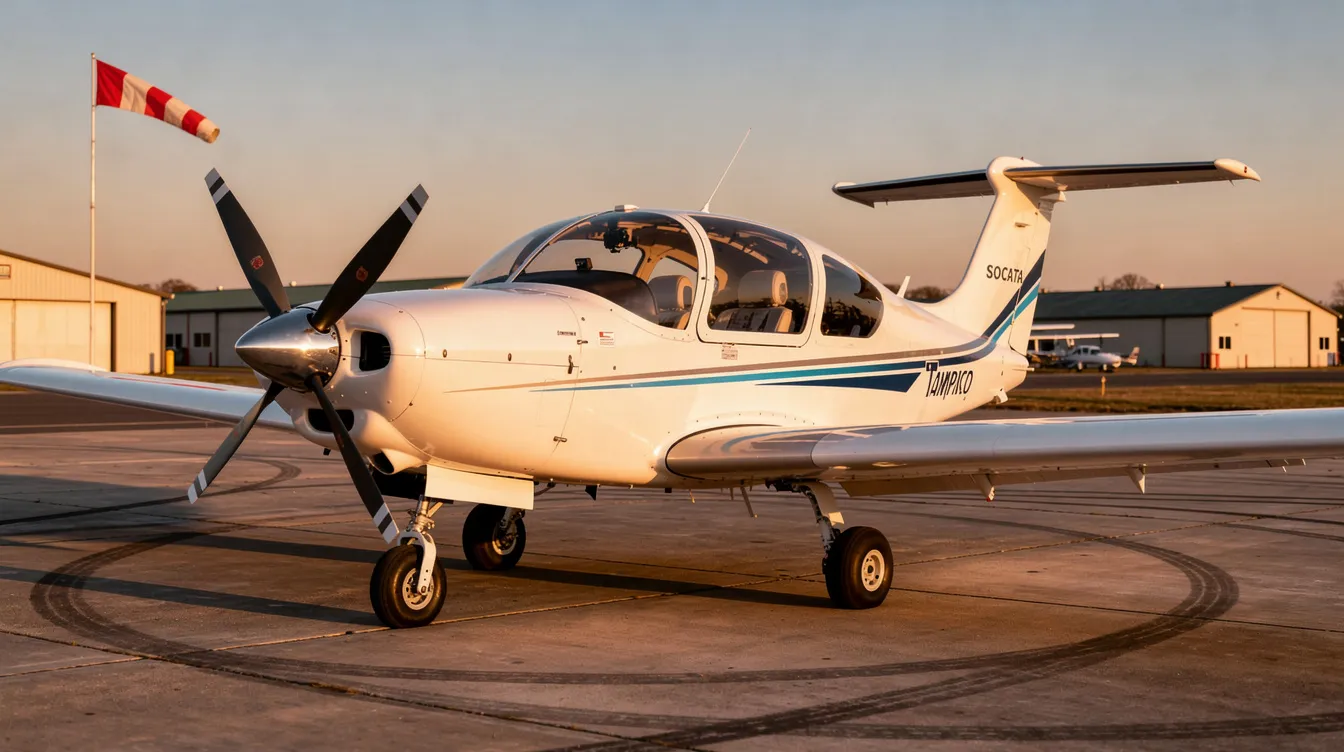
The SOCATA TB 9 Tampico is a single-engine, fixed-gear, low-wing monoplane that has served as a primary trainer and light touring aircraft since the early 1980s. Built in Tarbes, France, it remains one of the most recognized entry-level members of the TB series, valued for stable handling, a comfortable cabin, and a practical length that suits training and short trips. Aviation enthusiasts, flight school managers, private pilots, prospective buyers, and travelers comparing classic general aviation aircraft with today’s private charter options appreciate its design and performance. This article looks at the TB 9’s design, technical specifications, performance, operational history, ownership considerations, and its place within the wider TB family, while also showing why the aircraft still matters as a practical, economical benchmark for missions now often handled faster and more comfortably through modern charter travel platforms such as Jettly.
The SOCATA TB 9 Tampico is the fixed-gear, entry-level member of the SOCATA TB family, widely used by flight schools and private owners for training and short-range touring. The aircraft serves primarily as an economical flight trainer and light touring aircraft.
"SOCATA TB 9," "TB 9," and "SOCATA TB" all refer to aircraft within a French family of single-engine light planes. The Trinidad TC (TB 21) is the turbocharged, retractable-gear sibling designed for higher performance at altitude.
Core strengths include a comfortable cabin with spacious seating, stable and docile handling characteristics, and relatively modern ergonomics for its era. The airplane earned popularity with flight schools across Europe and North America.
Compared with modern charter options, a TB-9 fills a niche that is now commonly addressed by newer piston singles, turboprops, and light jets available through platforms like Jettly.
The sections below cover design details, performance data, operational history, TB family comparisons, and how travelers can contact Jettly to find private charter aircraft for training-style missions, short hops, or regional travel.
The SOCATA TB series is a family of French single-engine light aircraft introduced in the late 1970s. The lineup includes the TB 9 Tampico, TB 10 Tobago, TB 200 Tobago XL, TB 20 Trinidad, and the TB 21 Trinidad TC. All TB series aircraft share the same basic fuselage design, and the cabin across the range is spacious and comfortable by training-aircraft standards.
SOCATA's goal was to offer a more modern, ergonomic alternative to American trainers like the Cessna 172 and Piper PA-28. The TB 9 filled the role of basic trainer, the TB 10 stepped up with more power as a touring aircraft, and the TB 20/21 added retractable gear and higher cruise speeds. The TB-200 model was designed for training purposes with additional power over the TB-9. Production launched in the early 1980s and continued into the 2000s, with later GT versions bringing updated interiors and avionics. The focus here is the TB 9 itself, with occasional comparisons to its siblings and modern charter aircraft.
The TB 9 Tampico first flew as the entry-level member of the SOCATA TB line, optimized for training and short-range touring. The aircraft's construction includes metal and composite materials, and later GT variants introduced a composite canopy top alongside flush-mounted windows for improved aesthetics.
The airframe is an all-metal low-wing monoplane with fixed tricycle landing gear, a feature that makes the plane forgiving of even bad landings during student training. The TB 9 features dual gull-wing doors for easy entry, and the aircraft's large windows provide excellent outward visibility from the cockpit. A center console runs between the front seats, and the controls deliver excellent response with a stable, predictable feel. The aircraft configuration allows for four to five seats depending on variant, though the standard layout seats one pilot and three passengers.
Cockpit ergonomics sit above average for this class of GA aircraft. Side-by-side seating, a straightforward instrument panel, and good cabin height (~1.2 m) reduce fatigue during long training sessions. Most TB models have a simple fuel tank selection system, and the TB family has a stall warning indicator for safety. An enlarged baggage door appeared on some variants. Later TB 9 versions received incremental avionics upgrades and interior refinements.
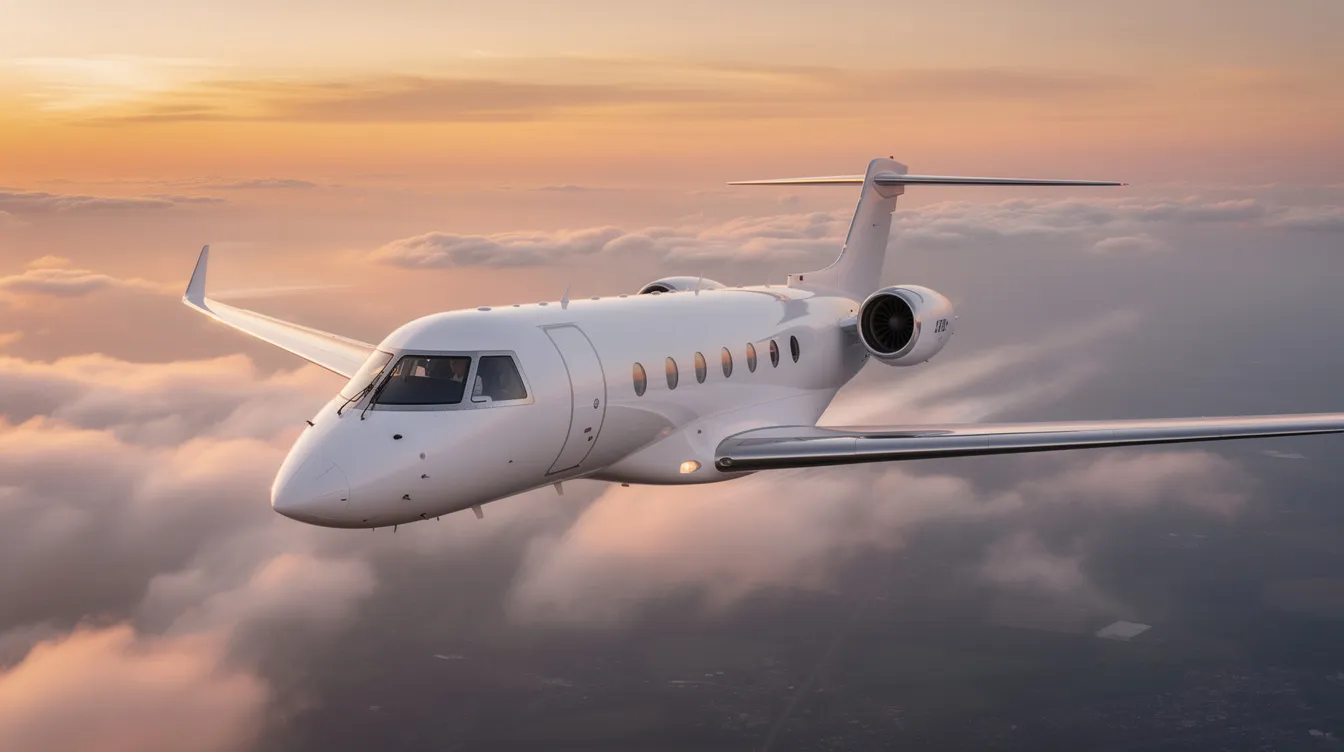
The TB 9 is powered by a 160-hp Lycoming O-320-D2A engine, a horizontally opposed, air-cooled, direct-drive, normally aspirated powerplant. Fixed-pitch propeller options are available for the TB 9; many training aircraft use a Sensenich propeller. No constant speed propeller is fitted, which keeps the airplane simple for students to operate.
|
Specification |
Value |
|---|---|
|
Engine |
Lycoming O-320-D2A, 160 hp |
|
Propeller |
Fixed pitch |
|
Seats |
4 (1 pilot + 3 passengers) |
|
Performance cruise speed |
~95-110 KTAS |
|
Stall speed (clean) |
~58 KIAS |
|
Stall speed (full flaps) |
~50 KIAS |
|
Rate of climb |
~700-750 fpm |
|
Service ceiling |
11,000-12,000 ft |
|
Range |
~435-590 nm |
|
Fuel capacity |
~40-42 US gal |
|
Fuel burn |
~8-9 gph |
|
Max takeoff weight |
2,337 lb |
|
Empty weight |
~1,411-1,440 lb |
|
Endurance |
~4-5 hours |
The aircraft design emphasizes comfort and stability rather than high speed. Its flight characteristics make it suitable for primary and instrument training, with forgiving stall behavior, a slow, predictable pitch response, and good resistance to turbulence. The TB 9 is not a high-performance machine; compared with the TB 10 (180 hp, ~130 KTAS cruise) or the turbocharged Trinidad TC (~155-165 KTAS), the TB 9 is slow but more economical to fly per hour.
The TB-9 became popular with both civilian and military flight schools from the 1980s onward. The CAAC ordered 43 TB aircraft in December 1993, and over 1,500 TB aircraft were ordered in North America by 1993. Embry-Riddle Aeronautical University adopted the type to replace high-time Cessna Skyhawks in some fleets, a reminder that many pilots still compare such trainers with the best cross-country planes for modern travel.
The airplane is often used for flight training and personal travel. Typical roles include ab-initio pilot training, instrument training where equipped, and short cross-country flights for private owners. Few GA aircraft of this era offered the same combination of cabin visibility, modern styling, and stable ground handling in a training package. Operator feedback consistently highlights the TB 9's predictable handling, comfortable cabin, and relatively quiet cockpit.
Many TB 9 aircraft remain in service on training lines today, equipped with upgraded avionics including Garmin GPS units, even as pilots increasingly explore modern charter airlines and private aviation platforms for longer or more demanding trips. The joy of flying a TB 9, according to owner comments, comes from its stable platform and the comfort it delivers over long sessions; pilots talking about the type often point to cabin width and door access as primary selling points.
Understanding the full SOCATA TB lineup helps buyers and enthusiasts place the TB 9 in context alongside heavier aircraft in the same family.
|
Model |
Power |
Gear |
Cruise Speed |
Mission Profile |
|---|---|---|---|---|
|
TB 9 Tampico |
160 hp |
Fixed |
~95-110 kt |
Training, local flights |
|
TB 10 Tobago |
180 hp |
Fixed |
~130 kt |
Touring, cross-country |
|
TB 20 Trinidad |
250 hp |
Retractable |
~155 kt |
IFR touring, longer range |
|
TB 21 Trinidad TC |
250 hp (turbo) |
Retractable |
~165 kt |
High altitude, mountainous routes |
The Trinidad TC benefits from turbocharging, which maintains engine power at altitude and opens up mountainous or hot-and-high routes where the TB 9's modest climb rate and service ceiling become limiting. While talking about mission profiles, the TB 9 is the practical choice for pattern work and local flights; the TB 20 and Trinidad TC are better suited as a good cross-country airplane for longer IFR legs.
These TB variants are usually privately owned or used in training. Comparable mission profiles today are often covered by modern prop planes, turboprops, and entry-level jets available through Jettly, where travelers can review affordable private jet charter cost guides to understand pricing differences versus ownership.

For a private owner or flight school manager evaluating a used SOCATA TB 9, the aircraft's operating costs compare favorably with similar trainers. Fuel burn runs about 8-9 gallons per hour at cruise, and parts support continues through Daher. Widely available aftermarket upgrades include Garmin glass cockpit suites, ADS-B transponders, and interior refreshes.
SOCATA suspended TB family production in 2003. In 2004, SOCATA expected to produce a maximum of 30 aircraft. The company planned to transfer final assembly to Romania in 2007. By 2008, the TB GT Series was built to order only; no exception was made for volume orders after that point.
Used market pricing for TB 9s in the U.S. hovers around $70,000-$80,000, depending on airframe time, avionics, and engine condition. Resale value is lower compared with TB 20 or Trinidad TC models, but the TB 9's appeal to smaller flight schools and private owners who value cabin comfort remains stable. Regulatory compliance, including airworthiness directives on fuel tanks and rear seat cross beam reinforcement, requires attention from any prospective buyer.
SOCATA TB 9 aircraft are rarely offered as on-demand charters. Their mission profile, short-haul with 2-4 passengers at moderate speed, is now addressed by modern aircraft available through Jettly. A turboprop or light twin such as the Cessna 340 with over 200-knot cruise covering the same 400 nm leg would typically cruise 50-100 knots faster, carry more load, and offer a pressurized cabin.
Jettly's platform aggregates over 20,000 aircraft worldwide, with an airport locator tool and on-demand charter booking giving travelers instant pricing for routes that TB 9-class aircraft once served. The advantage of a digital charter marketplace over owning an older trainer: no long-term commitment, access to newer cabins and avionics, and the ability to match aircraft size to each specific trip.
The TB 9's primary use cases map directly onto modern private aviation scenarios. Flight schools using TB 9-class aircraft form the foundation of the pilot pipeline; many charter pilots delivered their first landings, including even bad landings, in aircraft like the Tampico.
Typical short-hop missions a TB 9 might fly- regional business day trips, coastal sightseeing, weekend getaways- can be replicated with greater speed and comfort through cross-country aircraft charter options on Jettly. A family connecting two regional airports, a business executive linking secondary cities, or a traveler reaching a destination not served by airlines: all practical scenarios solved through on-demand charter. Time savings over commercial flying include avoiding security lines and accessing smaller airports closer to final destinations, an advantage amplified when you use tools like Jettly's airport locator for private flights.
Older designs like the TB 9 burn less fuel in absolute terms than larger jets but are less efficient per seat-mile when load factors are low. The airplane's fixed landing gear and fixed-pitch propeller add drag that heavier aircraft with retractable gear avoid.
Modern piston, turboprop, and jet aircraft have improved fuel efficiency through better aerodynamics and engine technology. Digital platforms like Jettly can optimize aircraft selection and routing, reducing repositioning flights and unnecessary fuel burn, and articles on private jet emissions and cleaner ways to fly highlight how smarter planning can further cut impact. Carbon offset programs are increasingly common in private aviation, and pairing them with shared and crowdsourced private flights can further improve per-passenger efficiency. Travelers can also reduce impact through trip consolidation, right-sizing of aircraft for each flight, and efficient route planning, especially when comparing app-based providers like XO charter flights and their alternatives.
No. SOCATA suspended TB family production in 2003, and by 2008 the GT Series was built to order only. Many TB 9 aircraft remain active in training and private fleets worldwide, supported through parts distributors, maintenance organizations, and owner communities.
The TB 9 is a fixed-gear, non-turbocharged trainer with 160 hp and a cruise speed of ~95-110 knots. The Trinidad TC (TB 21) is a turbocharged, retractable-gear model with 250 hp and cruise speeds around 165 knots. The Trinidad TC handles longer trips, mountainous regions, and IFR touring; the TB 9 excels in basic training and local flights.
While some small operators may offer TB 9-class aircraft for specialized missions, most charters on Jettly involve modern pistons, turboprops, and jets. Travelers interested in TB 9-style missions (short regional hops, 2-4 passengers) can use Jettly's search tools to find aircraft with similar capacity and improved performance.
The TB 9 has long been regarded as a solid choice for initial training. Its stable handling, forgiving stall characteristics, and comfortable cabin reduce pilot fatigue during long lessons. Aspiring pilots may still encounter TB 9 aircraft in school fleets alongside Cessna 172 and Piper PA-28 trainers.
Flying in a TB 9 is slower (95-110 knots vs. 250+ knots for turboprops or light jets) and more basic in cabin amenities. Chartering through Jettly offers faster travel, professional crew, and the ability to tailor aircraft selection to each trip without the fixed costs of owning and maintaining a TB 9-class airplane.
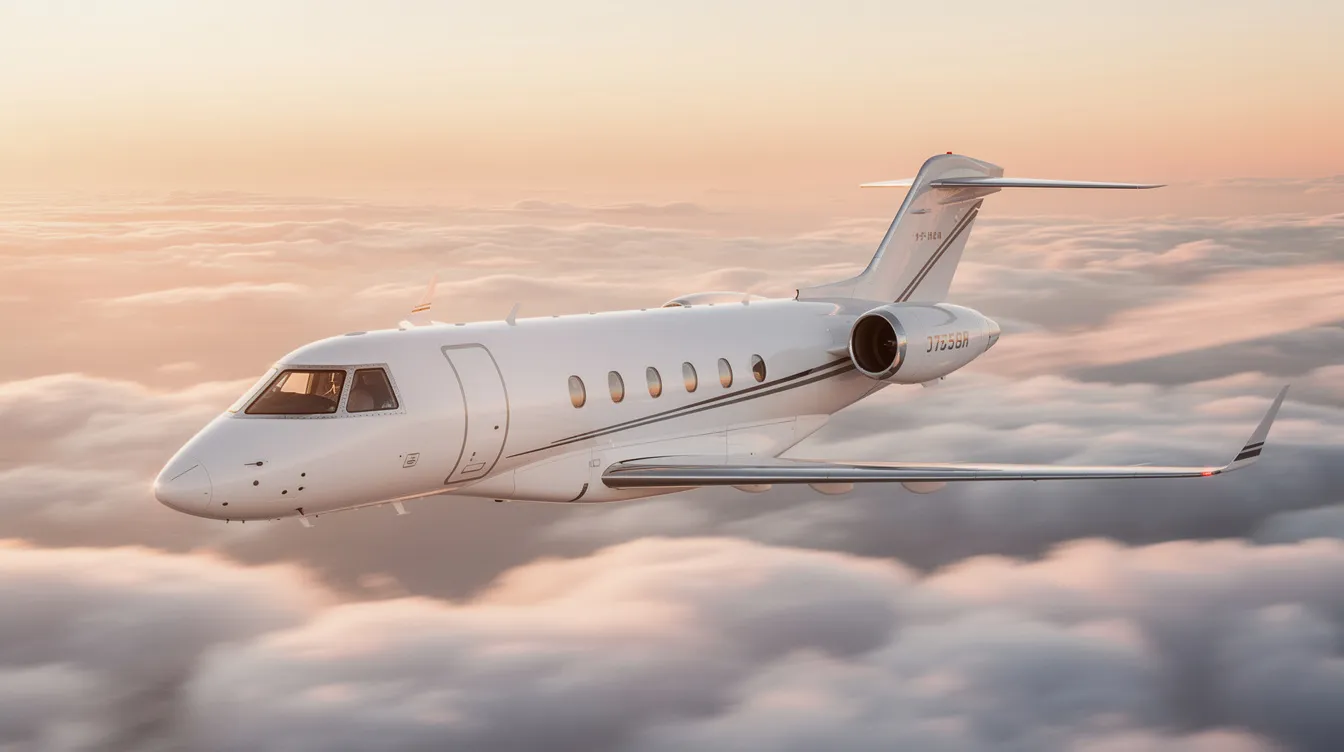
The SOCATA TB 9 Tampico remains a practical and reliable aircraft for flight training and light touring missions. Its stable handling, comfortable cabin, and economical operation have earned it a loyal following among flight schools and private pilots. However, as aviation technology advances, many missions traditionally flown by the TB-9 are now more efficiently served by modern aircraft available through private charter platforms.
Jettly offers travelers and aviation professionals an innovative alternative to ownership with instant access to a wide range of aircraft suited for regional trips, training-related travel, and leisure flights. By leveraging Jettly’s digital marketplace, users can enjoy the convenience, flexibility, and time savings of private aviation without the complexities of maintaining older aircraft like the TB 9.
Explore how Jettly’s extensive global network and transparent pricing can elevate your travel experience beyond what classic trainers offer. Ready to experience private travel on your terms? Visit https://jettly.com to explore flight options or request a quote today.
Share this post:
Jay Franco Serevilla
Aug 24, 2026
|
5
min read
Discover tips and trends in the industry.

5
min read
Cheapest Time to Fly to Italy: How to Find the Lowest Fares (and Faster Private Options with Jettly)
Discover the best times to fly to Italy for the lowest fares, from November to March, and learn how to find affordable flights. This guide also explores when private jet charters via Jettly can be a cost-effective alternative for groups and last-minute trips.
Read More
5
min read
Best Day of the Week to Buy Plane Tickets: Data, Myths, and Smart Booking Strategies
Finding the best day of the week to buy plane tickets is a common query, but no single day guarantees the lowest fare. Mid-week days often show slightly lower fares, but factors like booking window and flight timing are more crucial for savings. This guide explores data-backed patterns and smart strategies for both commercial and private jet travel.
Read MoreStay updated with our latest insights and tips to elevate your journey with us.
MEMBERSHIPS AND ASSOCIATIONS



Disclaimer: Jettly operates as a charter broker, offering access to a global digital jet charter marketplace. Jettly is not a direct air carrier and does not own or operate aircraft. All advertised flights are conducted by third-party air carriers that are fully licensed and hold the appropriate Part 135 or Part 121 certifications issued by the Federal Aviation Administration (FAA) or equivalent regulatory authorities under U.S. or foreign law. Jettly complies fully with the U.S. Department of Transportation's Part 295 and Part 298 Charter Broker regulations. Jettly does not carry additional liability insurance. Passengers are covered by aircraft operator insurance. TICO: 50023770


