


Login
Get Instant Pricing On 23,000+ Aircraft

>
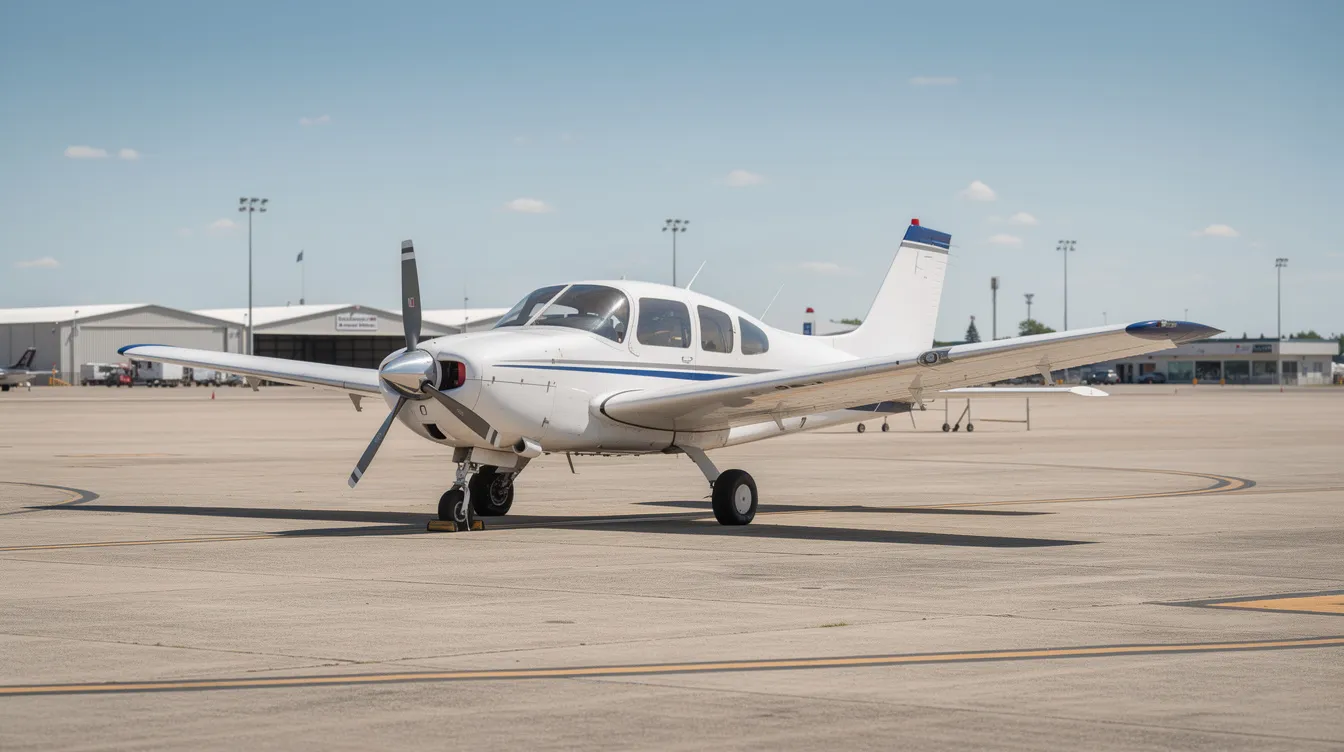
Whether you want to fly yourself across state lines on a weekend or skip commercial terminals entirely, the small personal plane market in 2026 offers more options than ever. From affordable two-seat trainers to pressurized turboprops, small aircraft span a wide range of price points, performance levels, and missions. This guide breaks down what each category costs, what it takes to fly one, and when chartering through a platform like Jettly makes more sense than owning.
A small personal plane in 2026 typically refers to a light aircraft with 2–7 seats, under 12,500 lb maximum takeoff weight, designed for regional missions under 1,500 nautical miles. The category spans light sport aircraft starting around $80,000–$150,000 new, popular four-seat single-engine planes like the Cessna 172 and Cirrus SR22T ranging roughly $450,000–$1.1 million new, and single-engine turboprops exceeding $4 million.
Ownership costs add up fast. Fuel, hangar space, insurance, inspection costs, and regular maintenance commonly run $15,000–$30,000 or more per year for a small plane flown 50–150 hours annually. Average annual costs of owning a small plane sit around $30,000 for a typical four-seat piston.
Many travelers achieve the same flying experience - flexible routes, access to rural airports, privacy - by chartering small aircraft on-demand. Digital private aviation platforms like Jettly offer access to a wide range of aircraft for charter, removing the burden of aircraft ownership while keeping the benefits of private flight.
This guide compares owning a small plane, joining clubs or fractional schemes, and using Jettly's charter marketplace for light aircraft and small jets.
A small aircraft in this context means anything under roughly 12,500 lb maximum takeoff weight, seating 2–7 passengers, and optimized for flights under 1,500 nautical miles. That definition covers a broad spectrum, from ultralight aircraft and light sport aircraft to single-engine planes and very light jets.
The main categories break down like this. Two-seat trainers and LSAs (such as the Texas Aircraft Colt, priced from around $139,000 for VFR models) sit at the entry level. Four-seat single-engine pistons - the Cessna 172 Skyhawk, Piper PA-28 Archer, Diamond DA40 - form the backbone of personal aircraft ownership. The Cessna 172 is the world's most-produced aircraft with over 44,000 built, and it remains in production today. Higher up, turbocharged models like the Cirrus SR22T and turboprops like the Pilatus PC-12 NGX serve owners who need more speed and range.
Single-engine planes are the most common starting point for pilot training and personal ownership because they have simpler systems and lower operating costs than multi-engine planes or jets. At the small jet edge, models like the Cirrus Vision Jet and HondaJet Elite II blur the line between small plane and business jet, and they're often flown by professional crews on charter through services like Jettly.
Worth noting: a light sport aircraft under U.S. rules is limited to 1,320 lb max takeoff weight, 120-knot max cruise, and two seats - quite different from "light aircraft" as a broader term covering four-seat pistons and beyond.
Picture a Friday afternoon in 2026. A family leaving Westchester County, New York, for a weekend on Nantucket faces a 6–8 hour journey by car and ferry - or a 90-minute direct hop in a small plane landing at Nantucket Memorial Airport. That time savings is the core appeal.
Owning a small plane offers flexibility to travel on your own schedule. You bypass TSA lines, skip connections, and arrive closer to your final destination by using regional and municipal airports. Small planes can use over 5,000 public-use airports in the United States versus just a few hundred served by commercial airlines. Access to smaller airports is a significant advantage, whether that means flying into a mountain-town strip for skiing or landing at a rural airport near a family ranch.
The flying experience itself matters too. Quieter terminals, boarding directly from FBOs, choosing departure times, and tailoring routes for scenic flying or photography all contribute to why hobbyists value the experience of ownership as much as the act of flying. Clients seeking private jet services value convenience and luxury during travel - and chartered small aircraft on platforms like Jettly deliver these benefits to non-pilots, with professional crews and vetted operators, no pilot training required.
This section orients you to key categories before diving into costs and access options.
Two-seat trainers and legacy aircraft like the Cessna 150/152 and Piper Tomahawk remain popular for pilot training and hour-building. A good-quality used Cessna 150 costs around $30,000, making it one of the most affordable paths into the skies. These planes emphasize simplicity and low fuel burn.
Four-seat single-engine piston serves as the workhorse personal and family aircraft. The Cessna 172 Skyhawk, Piper PA-28 Cherokee, and Diamond DA40 NG cruise at 110–150 knots with ranges of 600–900 nautical miles. The Cessna T206 Turbo Stationair HD is known as the "SUV of the skies" for its cargo capability and versatility. Textron Aviation continues producing several of these Cessna models.
Higher-performance singles push the envelope. The Cirrus SR22T has been the best-selling personal aircraft since 2003, featuring modern avionics (Garmin Perspective+), turbocharging, and the Cirrus airframe parachute system. The Diamond DA50 RG entered the U.S. market in 2024 with FAA certification, offering a retractable-gear, five-seat option with efficient performance and a diesel engine. The Beechcraft G36 Bonanza rounds out this tier with proven reliability.
Single-engine turboprops like the Pilatus PC-12 NGX and Daher TBM 960 deliver pressurized comfort, 250–330 knot cruise speeds, and 1,500–1,800 nautical mile range. Single-engine turboprops like the Pilatus PC-12 NGX cruise at 260–330 KTAS. These aircraft often enter the charter market and are accessible on Jettly.
Personal and very light jets - the Cirrus Vision Jet, Embraer Phenom 100EV (~$4.25–$4.75 million new), Citation M2 Gen2, and HondaJet Elite II - represent the small jet tier where specialized planes meet business travel needs.
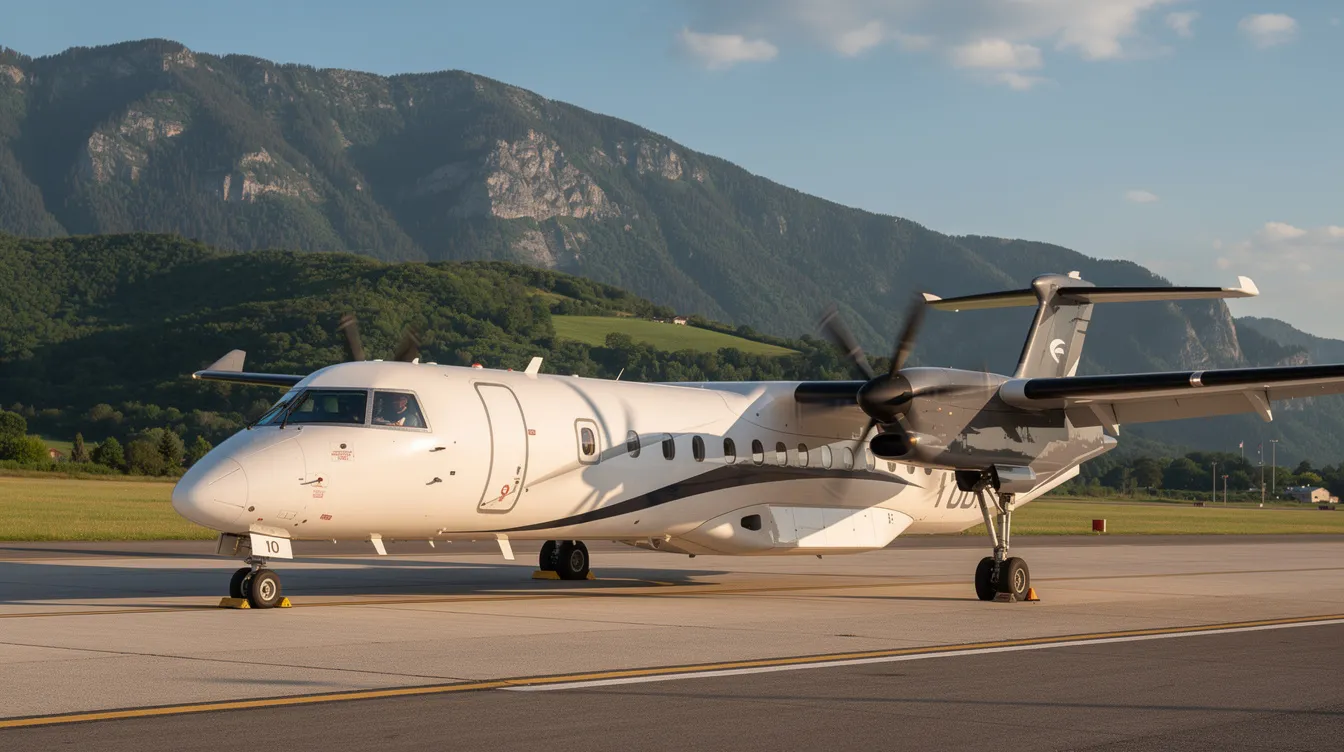
Aircraft ownership costs split into two buckets: fixed costs (hangar, insurance, annual inspections, financing) and variable costs (fuel, oil, unscheduled maintenance). Your per-hour cost depends heavily on how many hours you fly each year.
Here are indicative 2026 purchase price ranges:
|
Aircraft |
Approximate Price |
|---|---|
|
Used Cessna 150 |
$25,000–$40,000 |
|
Used 1990s Cessna 172 |
$150,000–$250,000 |
|
New Cirrus SR22T (G7) |
$950,000–$1.2 million |
|
New Pilatus PC-12 NGX |
$4.39–$5.35 million |
|
Used light sport aircraft (e.g., 2018 Texas Colt) |
$80,000–$120,000 |
Financing a small plane often requires a loan. Typical down payments run 15–20%, with loan terms of 10–20 years. Interest rates for plane loans depend on credit score and usage - whether the airplane is for personal or business purposes affects terms significantly.
Key features to consider when buying a small plane include mission profile and avionics. The mission of the aircraft should align with the owner's flying needs and preferences. Engine status is vital when purchasing an aircraft due to maintenance costs, and maintenance history is crucial for determining an aircraft's condition and value. A thorough pre-purchase inspection is essential for assessing a used aircraft before any small plane purchase.
Common ownership costs for a small plane include hangar fees, insurance, and maintenance. The cost of ownership for a small plane can exceed $100,000 in the first year when you factor in the initial purchase price, upgrades, and setup. Resale value can be significant for well-maintained aircraft, so aircraft condition matters from day one.
Turboprops and small jets carry significantly higher maintenance and crew costs, often pushing annual budgets well beyond $200,000 if flown privately. That's why many aircraft owners and travelers rely on charter platforms instead.
This section works as a practical budgeting guide for a typical four-seat single-engine plane like a Cessna 172, Piper Archer, or Diamond DA40, using realistic 2026 U.S. dollar figures.
Fuel. A small single engine burns roughly 8–10 gallons per hour. With 100LL avgas priced around $6–$8 per gallon at most U.S. airports, that translates to $50–$80 per flight hour in fuel alone. Fuel costs for small planes can reach $2,500 to $5,000 annually at moderate utilization. Higher-performance models like the SR22T burn 15–18 gph, pushing fuel burn costs above $100 per hour. A fuel-efficient aircraft makes a measurable difference in your annual budget.
Inspections. Annual inspections for small planes cost between $750 and $2,000 for simple pistons. Discrepancies found during inspection - corrosion, cylinder issues, avionics faults - can add several thousand dollars. Specialized planes may incur higher inspection costs than standard models. Weather conditions significantly limit the ability to fly small aircraft, and corrosion from outdoor exposure compounds these costs.
Routine maintenance. Oil changes for small planes occur every four months or 50 hours, costing a few hundred dollars each. Tire and brake replacements, battery changes, plus compliance with airworthiness directives add up. Maintenance costs can range from 10 to 45 percent of yearly expenses.
Storage. Outdoor tiedown at smaller airports runs $50–$150 per month. Monthly hangar storage fees average $250 at urban airports for a basic T-hangar, while large metro areas can exceed $800 per month. Storage costs are a fixed line item whether you fly or not.
Insurance. Insurance costs range from $500 to several thousand dollars annually. Hull insurance covers physical damage to the airplane, while liability insurance protects against third-party claims. Pilot experience and aircraft complexity influence insurance costs for private planes, and insurance premiums depend on aircraft age and pilot experience. Advanced safety features can lower insurance rates.
Annual budget snapshots:
|
Scenario |
Est. Annual Cost (excl. finance) |
|---|---|
|
Cessna 172, 100 hrs/yr |
$15,000–$25,000 |
|
Cirrus SR22T, 150 hrs/yr |
$50,000–$80,000+ |
Average annual cost to own a small airplane is about $30,000 for a mid-range four-seat piston at moderate utilization. Ownership of a personal plane incurs significant financial and maintenance responsibilities that extend well beyond the purchase itself.
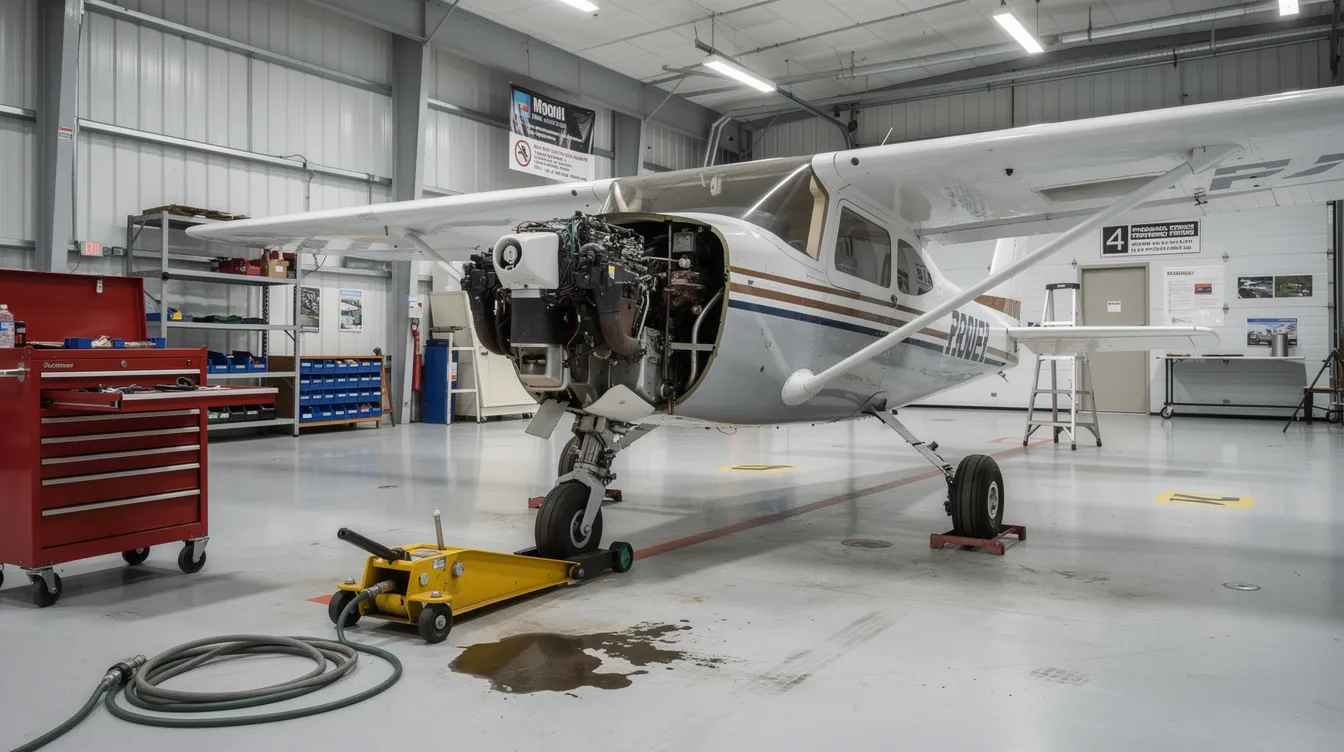
Flying a small personal plane requires at minimum a private pilot license (PPL). Under U.S. FAA rules, the minimum is 40 hours of flight time, though most students log 60–70 hours before passing their practical test. Add ground school, medical certification, written exams, and checkride fees.
Total PPL pilot training typically costs $10,000–$20,000 in 2026 when renting a small plane and instructor from a local flight school. Costs vary by aircraft type - training in a light sport aircraft is cheaper than in a Cessna 172 or Cirrus SR20.
The sport pilot license offers a lower-cost entry point with reduced training hours and simpler aircraft, though it comes with limitations: day VFR flying only, lighter planes, fewer privileges, and a single-seat companion maximum.
Advanced ratings matter for safety and insurance. An instrument rating (often $8,000–$15,000 additional) allows flying in clouds and low visibility. Transition training is typically required before stepping into higher-performance singles like Cirrus aircraft or turbocharged models. Pilots who earn FAA certification at higher levels gain access to more capable aircraft and better insurance rates. Your intended usage and flying style should guide which ratings to pursue.
For travelers who care about the flying experience and time savings but not about being the pilot, charter platforms such as Jettly remove the need for training entirely by providing professional crews on light aircraft, turboprops, and small jets.
This is the key decision for most buyers: buy a small plane, rent from a local club, join a fractional scheme, or use on-demand charter through a digital marketplace like Jettly.
Renting from flight schools and clubs. Hourly wet rates for a Cessna 172 typically run $150–$220 in 2026, including fuel. Club membership fees apply. This model works well for occasional local flying and pilot training but is less convenient for multi-day trips or flying to distant destinations.
Full aircraft ownership. The advantages are clear: availability on your schedule, customization, potential business use, and the pride of owning your own airplane. The burdens are equally real - high fixed ownership costs, scheduling maintenance, regulatory compliance, and resale considerations. Small aircraft ownership involves time commitments beyond just flying. Hobbyists value the experience of ownership as much as the act of flying, but most buyers should be realistic about utilization.
Fractional ownership and partnerships. Two aircraft partners (or more) co-own a single engine or turboprop, splitting fixed costs while scheduling use based on allocated hours or days. Coordination and exit terms can be complex. For a deeper comparison of access models, fractional programs have clear trade-offs.
On-demand charter. Passengers pay per trip, select from a wide fleet of light aircraft, turboprops, and small jets, and avoid capital outlay. Jettly specializes in this model with transparent pricing and instant quotes. No long-term jet cards required.
Rule-of-thumb thresholds:
Under ~50–75 flight hours per year: charter or rental is often cheaper
75–200 hours: charter, membership, or partnership programs
Above ~200–300 hours: ownership may start to make financial sense, depending on aircraft type
Jettly is a digital private aviation platform connecting travelers to a global inventory of over 20,000 aircraft, including light aircraft, turboprops, and small jets suitable for personal and business missions.
The platform works simply: users enter a route (Toronto–Montreal, Los Angeles–Las Vegas), dates, and passenger count. The system returns instant pricing for multiple aircraft classes, from piston twins and turboprops up to heavy jets. Aircraft sales are not part of the model - Jettly focuses on access, not ownership.
Small aircraft use cases on Jettly include regional business day trips in a turboprop like the PC-12, family ski weekends using a light jet into smaller airports, or short leisure hops where available operators meet safety standards. Jettly partners only with certified charter operators that comply with regional aviation regulations, giving non-pilots access to professionally flown small planes.
Cost transparency sets this apart from aircraft ownership: pricing is dynamic but visible upfront, with no hidden fees. Members can access additional benefits, but there's no long-term commitment required. Learn more about Jettly's charter options at https://www.jettly.com.
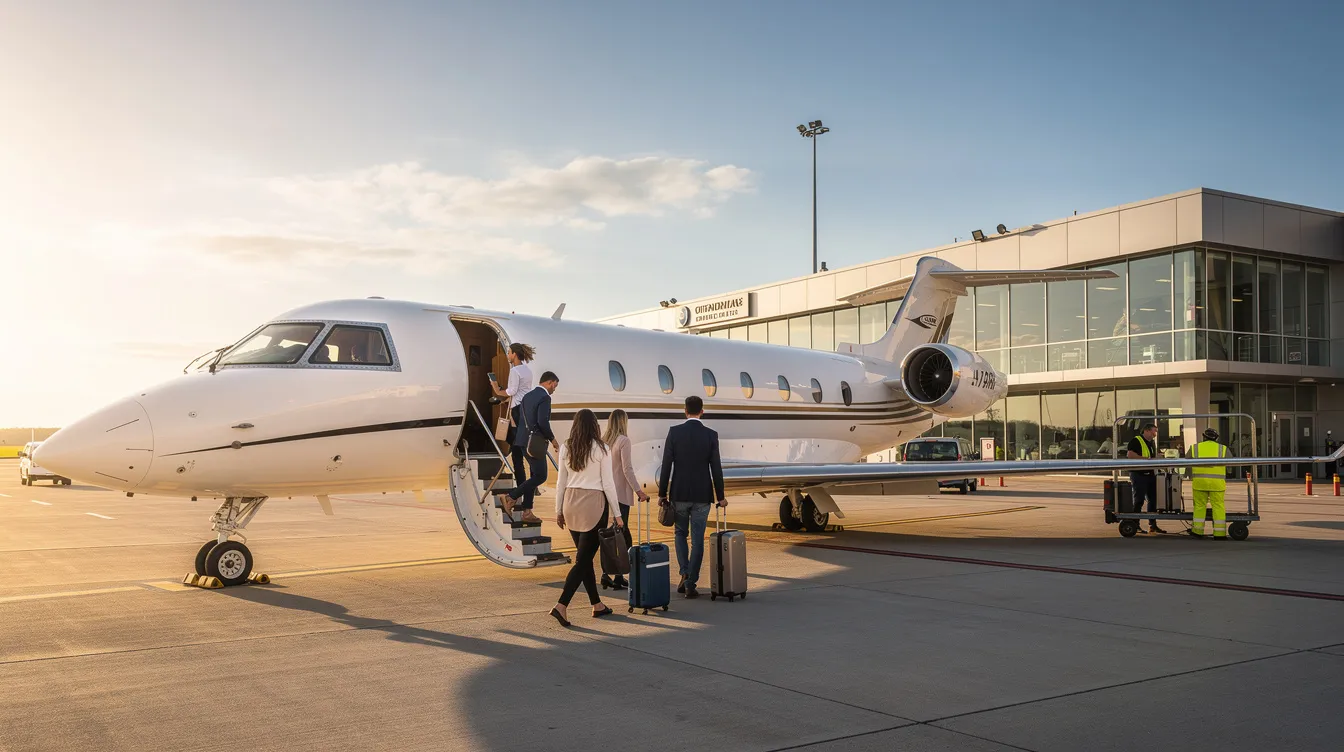
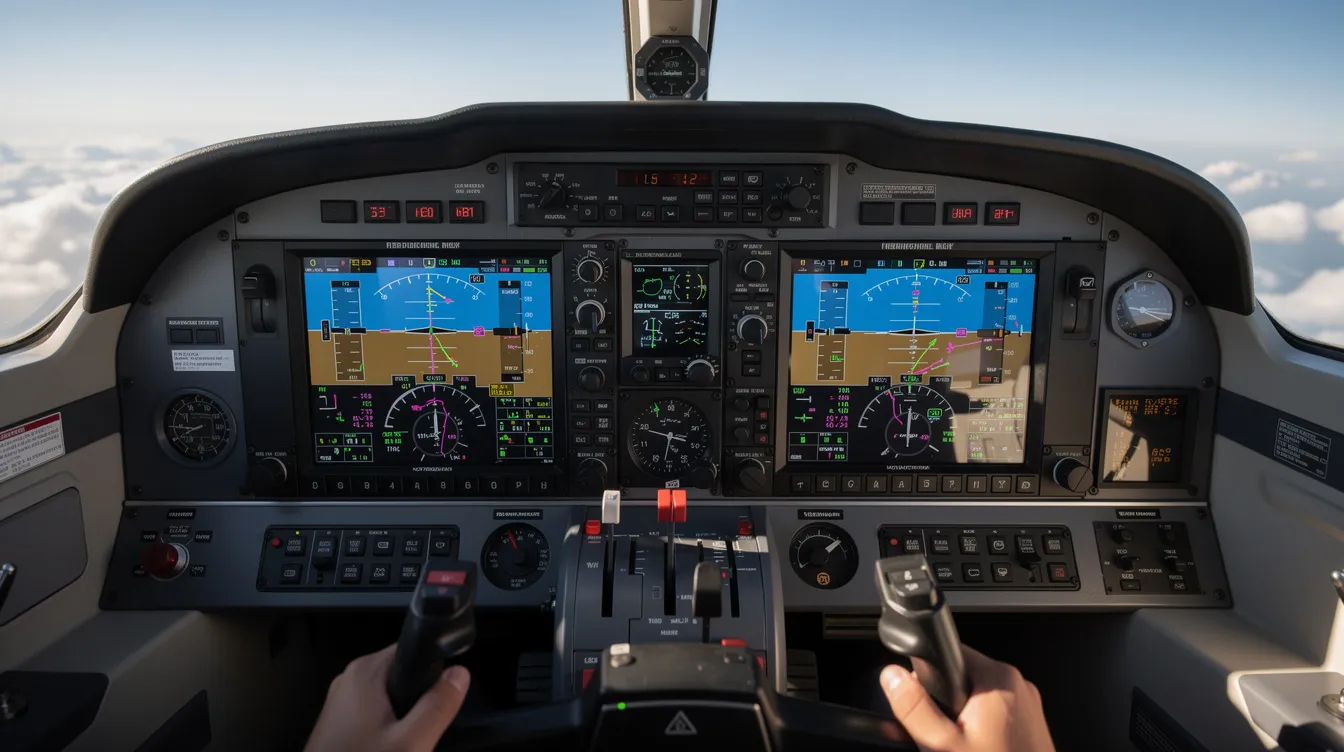
Modern small aircraft in 2026 feature cockpit avionics and safety systems that rival what you'd find on commercial airliners. Many charter operators accessed via Jettly favor these upgraded aircraft for their fleet.
Safety technology has advanced rapidly. The Cirrus airframe parachute system on Cirrus piston models and the Vision Jet remains a standout - a whole-airframe parachute deployable in emergencies. Synthetic vision, terrain awareness, traffic alerts, envelope protection, and even autoland capability on models like the Daher TBM 960 and select light jets all improve safety margins. These features represent a genuine upgrade over what was available even a decade ago.
Professional charter operators apply rigorous maintenance and pilot training standards. Industry audit programs like ARGUS, Wyvern, and IS-BAO provide third-party verification of operator safety practices.
On the sustainability front, more fuel-efficient engines (Jet-A diesel pistons like the Diamond DA40 NG), high-utilization charter fleets that maximize each airframe's use, and growing adoption of sustainable aviation fuel at major business aviation hubs all contribute. Travelers using Jettly can often choose other aircraft classes optimized for range and efficiency on regional trips, and many operators offer optional carbon offsetting.
Technology and sustainability trends are making small personal planes - and charter access to them - safer, smarter, and more responsible than in previous decades.
Most 2026 small aircraft still burn avgas or Jet-A, but the next decade is likely to bring a gradual shift toward electric and hybrid propulsion for very short regional missions.
Prototype and early-production small electric aircraft are already flying. Their likely first roles include 50–150 mile urban and regional hops, pilot training, and short scenic flights once certified and integrated into air traffic systems. Digital platforms like Jettly are well-positioned to integrate new aircraft types into their inventories as they become commercially viable - expanding aircraft offers from traditional single-engine planes to electric air taxis.
Customer behavior is evolving too. Remote work enables more midweek leisure trips. Small-company executives charter light aircraft for multi-stop regional tours. Families increasingly value time savings over owning the airplane itself, shifting demand toward on-demand access. Discover how these shifts reshape the ground-level economics of private flight in the years ahead.
Regulatory and infrastructure challenges remain real: charging networks, airspace management for eVTOL traffic, and noise regulations around urban vertiports. The model and capability of each new platform will determine adoption speed.
Below are answers to common practical questions not fully covered above.
For popular routes within North America and Europe, many light aircraft and small jets can be arranged within 24–48 hours through Jettly, with more lead time increasing aircraft choices and improving pricing. Remote destinations, peak holiday periods, and special events like major sports finals or Art Basel Miami may require booking further in advance to secure ideal aircraft types.
Many charter operators welcome pets on small aircraft and small jets, but policies vary by operator and destination country - especially for international flights with quarantine regulations. Mention pets during the quote request on Jettly so the platform can match you with pet-friendly operators and advise on crate requirements, cabin versus baggage compartment rules, and any cleaning surcharges.
Small four-seat single-engine planes typically handle soft bags totaling around 100–200 lb. Turboprops and small jets support larger and harder-sided luggage, skis, or golf bags. Weight-and-balance limits and runway length at departure and destination airports affect how much cargo can be loaded. Jettly's booking process gathers this information to suggest suitable aircraft.
Many small planes and light jets routinely fly cross-border routes - U.S.–Canada, intra-Europe, Caribbean islands. Range, fuel stops, and overwater segments must be planned carefully. Most very light jets cannot cross the Atlantic nonstop; midsize or long-range jets handle that. Jettly can recommend appropriate aircraft for each international itinerary and coordinate customs logistics.
Charter operators carry commercial aviation insurance covering passengers and liability, so individual passengers generally do not need separate aviation insurance for a single charter trip. It's worth checking how your existing travel insurance, corporate travel policies, or credit card benefits treat private charter flights, especially for international journeys or high-value business trips. The pilots' association and industry regulators require operators to maintain minimum coverage levels.
The decision comes down to a few factors: typical mission length, passenger count, budget for acquisition and ownership costs, appetite for pilot training, and whether you want control of the aircraft or simply the convenience of private flight.
For individuals flying under 100–150 hours per year, on-demand charter of light aircraft, turboprops, or small jets delivers the benefits of small plane travel without the long-term financial and regulatory commitments of aircraft ownership. The owner who flies 250+ hours annually on consistent routes may find that owning makes financial sense and enhances the flying experience.
Charter through Jettly suits those who prioritize time savings, comfort, speed, and flexibility across diverse routes. The best small personal plane is often the one you access on-demand through a platform that matches each trip with the right aircraft class - no hangar, no annual inspections, no engine overhaul reserves.
Ready to experience private travel on your terms? Explore flight options, compare light aircraft and small jet categories, or request a quote at https://www.jettly.com.
Share this post:
Jay Franco Serevilla
Jul 29, 2026
|
5
min read
Discover tips and trends in the industry.
5
min read
New Pacific Airlines: What Happened to the Former Northern Pacific Airways?
New Pacific Airlines, previously known as Northern Pacific Airways, launched in July 2023 but failed to establish sustainable transpacific routes, leading to its closure in November 2025. The airline faced significant operational and financial challenges, ultimately filing for Chapter 11 bankruptcy. This article explores the airline's rise and fall, highlighting the difficulties of launching long-haul services and the growing interest in private charter alternatives like Jettly.
Read More
5
min read
Marsh Harbor Flights: Private Charters, Routes, and How to Find the Best Options
Planning flights to Marsh Harbor offers various options, including commercial airlines and private charters. This guide details routes, pricing, and tips for finding the best travel solutions to the Abacos. Whether you prefer the convenience of direct flights or the flexibility of private jets, there are numerous ways to reach this beautiful destination.
Read MoreStay updated with our latest insights and tips to elevate your journey with us.
MEMBERSHIPS AND ASSOCIATIONS



Disclaimer: Jettly operates as a charter broker, offering access to a global digital jet charter marketplace. Jettly is not a direct air carrier and does not own or operate aircraft. All advertised flights are conducted by third-party air carriers that are fully licensed and hold the appropriate Part 135 or Part 121 certifications issued by the Federal Aviation Administration (FAA) or equivalent regulatory authorities under U.S. or foreign law. Jettly complies fully with the U.S. Department of Transportation's Part 295 and Part 298 Charter Broker regulations. Jettly does not carry additional liability insurance. Passengers are covered by aircraft operator insurance. TICO: 50023770


