



Login
Get Instant Pricing On 23,000+ Aircraft

>
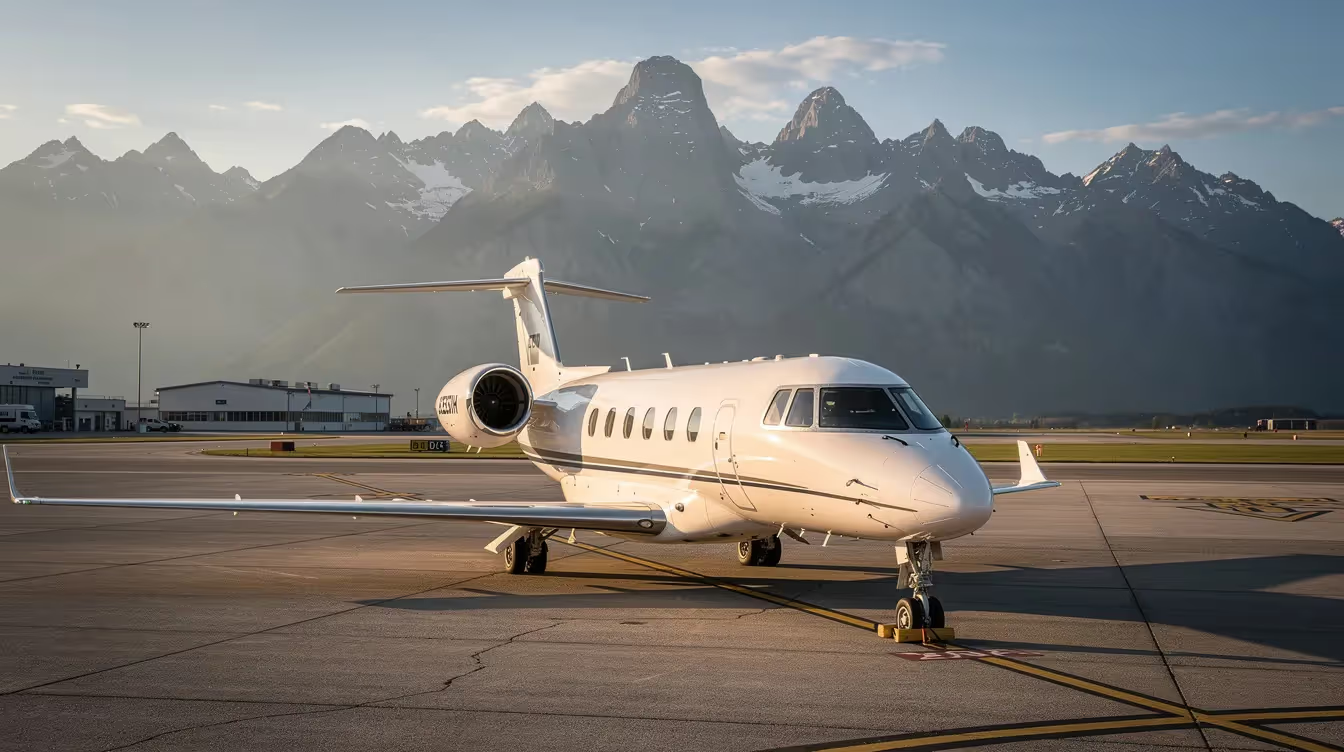
Small aircraft provide a fast and flexible solution for private travel, meeting the needs of business and leisure travelers who value time savings, direct airport access, and control over their schedules. With a range of aircraft types—piston, turboprop, and light jets—these options enable efficient regional travel and bypass the hassles of commercial airlines.
– Small aircraft can access thousands of airports not served by major airlines, enabling direct and convenient routes.
– Chartering eliminates security lines, layovers, and long check-in processes, streamlining the journey.
– Flight options range from cost-effective piston planes for short distances to light jets for longer, faster trips.
– Platforms like Jettly let travelers book on-demand without long-term commitments or ownership costs.
– Safety is prioritized through certified operators and modern onboard technologies.
Small aircraft in private aviation encompass a practical range of aircraft types: single-engine piston aircraft like the Cessna 172, high-performance pistons such as the Cirrus SR22T, single-engine turboprops like the Pilatus PC-12 NGX, and light jets including the HondaJet Elite II and Citation M2 Gen2. Small aircraft are categorized by their engine type, airframe design, and certification standards, and are generally defined by the FAA as having a maximum certificated takeoff weight of 12,500 lbs or less. These aircraft typically seat between 2 and 10 passengers and serve travelers who need flexibility, speed, and access to airports that commercial carriers cannot reach. Additionally, ultralight aircraft, often designed for recreational use, represent a niche category that may not require a pilot's license for operation if weight limits are met, making them accessible to enthusiasts seeking simple flight experiences.
Between 2020 and 2026, small aircraft surged in relevance. Remote work enabled regional business travel patterns that commercial airlines handle poorly. Health and security concerns pushed travelers away from crowded hubs. General aviation hours flown in North America rose 25-30% during 2021-2023, with piston and turboprop charters growing 15-20% annually through 2025.
Through Jettly, travelers can book these aircraft on-demand worldwide without committing to jet cards or fractional ownership. The platform aggregates operators across all classes, from light aircraft used for training and short hops to business jets serving executive routes. This guide explains how to select the right aircraft for each mission and why charter often makes more sense than ownership.
Small aircraft—from Cessna 172 pistons to light jets like the HondaJet Elite II—enable fast, flexible private travel, cutting typical business trip times by 50% compared to commercial alternatives. Private jets can save travelers 4-6 hours per round trip on routes like New York to Miami, and their cabins are generally quieter and more private, enabling a personalized travel experience.
These aircraft serve over 5,000 smaller airports across North America and Europe, bypassing congested hubs and significantly reducing ground time, while allowing direct access to airports closer to your destination for greater efficiency.
Traveling by private jet eliminates security lines, layovers, and the unpredictability of connecting flights, streamlining the entire travel experience.
Jettly provides on-demand access to 20,000+ aircraft globally, allowing travelers to charter small aircraft without ownership commitments or jet card contracts.
This guide covers the key classes of small aircraft, when each type works best, and how chartering through Jettly compares to fractional ownership or buying outright.
The focus throughout is on value, time savings, safety, and practical decision-making—not luxury clichés.
Small aircraft deliver measurable advantages that commercial aviation cannot match: control over schedules, dramatic time savings, and access to destinations closer to where travelers actually need to be.
Consider the time math on popular routes:
New York to Boston: Commercial travel takes 4-6 hours door-to-door, including security, boarding, and ground transport. A small plane via Teterboro cuts this to roughly 2-3 hours total.
London to Geneva: Instead of a 5-hour commercial journey, a light jet from Farnborough reaches Geneva in under 2 hours.
Toronto to Montreal: What takes 4+ hours by air commercially becomes a 1.5-hour flight from smaller fields.
Access to airports like Teterboro (KTEB), London Farnborough (EGLF), or similar regional fields eliminates the overhead of major hubs, and tools such as Jettly’s airport locator make it easier to identify convenient alternatives near your origin and destination. Teterboro handles 80% of private operations and is minutes from Manhattan, rather than the hour-plus trek to JFK or Newark.
Productivity gains compound these time savings. Most turboprops and light jets offer Wi-Fi, enabling video calls and confidential meetings in flight. Same-day multi-city itineraries—impossible on airlines—become routine. In applicable scenarios—such as a Texas investor roadshow covering Houston, Austin, Midland, and Dallas in one day—small aircraft are the best solution for operational flexibility.
Professionally operated small aircraft under Part 135 (U.S.) or EASA/AOC (Europe) follow rigorous maintenance and crew standards. Third-party audits from ARGUS, Wyvern, and IS-BAO provide additional oversight, and Jettly prioritizes operators meeting these benchmarks. Key aspects of safety and operational standards include pilot experience, adherence to safety standards, and operator qualifications. Effective weight distribution is also critical for small aircraft, as they have smaller margins for error compared to larger airliners.
Four main categories of small aircraft appear in Jettly’s marketplace: piston-powered aircraft, turboprops, very light jets (VLJs), and light jets. Each serves different mission requirements, and understanding the distinctions helps match the right aircraft to each trip.
|
Aircraft Category |
Examples |
Passenger Capacity |
Cruise Speed (KTAS) |
Range (nm) |
Typical Use Cases |
|---|---|---|---|---|---|
|
Piston Aircraft |
Cessna 172, Cirrus SR22T, Diamond DA50 RG |
2-4 |
120-180 |
500-1,000 |
Pilot training, personal flying, short regional hops |
|
Turboprops |
Pilatus PC-12 NGX, Beechcraft King Air 260 |
6-9 |
260-300 |
1,700-1,800 |
Executive travel, cargo-plus-passenger, rough runways |
|
Very Light Jets (VLJs) |
Cirrus Vision Jet, Embraer Phenom 100EV |
4-6 |
300-400 |
1,100-1,200 |
Single-pilot jets, regional family and business travel |
|
Light Jets |
HondaJet Elite II, Citation M2 Gen2 |
6-8 |
400-450 |
1,300-1,700 |
Executive routes, longer regional trips |
Models such as the Cessna 172, Diamond DA40, Piper Archer, and Cirrus SR22T seat 2-4 passengers and cruise at 120-180 KTAS, with a maximum range of 500-1,000 nm. These piston-powered light aircraft excel at pilot training, personal flying, and short regional hops under 400 nm. Piper aircraft are renowned in general aviation for their reliability, versatility, and historical significance, making them a popular choice among pilots and owners. Fuel-efficient operation keeps hourly costs low, typically $800- $2,000. The Cirrus SR22T adds turbocharged performance and the Cirrus Airframe Parachute System for enhanced safety. The Diamond DA50 RG, a modern single-engine aircraft, is celebrated for its luxurious appeal and efficient performance, entering the U.S. market in 2024 with FAA certification, making it a top choice for both business and leisure travel.
The Pilatus PC-12 NGX and Beechcraft King Air 260 represent this category’s capability. Seating 6-9 passengers, these aircraft cruise at 260-300 KTAS with a range of up to 1,700-1,800 nm. Turboprops handle short and rough runways (takeoff in 2,000 feet), making them ideal for mixed passenger-cargo missions and destinations with challenging infrastructure. Engines play a crucial role in determining turboprop performance, efficiency, and operating costs, affecting fuel consumption and overall capability.
The Cirrus Vision Jet and Embraer Phenom 100EV seat 4-6 passengers, cruise at 300-400 KTAS, and offer ranges of 1,100-1,200 nm. Optimized for single-pilot operations and low operating costs, VLJs bridge the gap between personal aircraft and full jet capability. The Vision Jet includes autoland features for emergency situations.
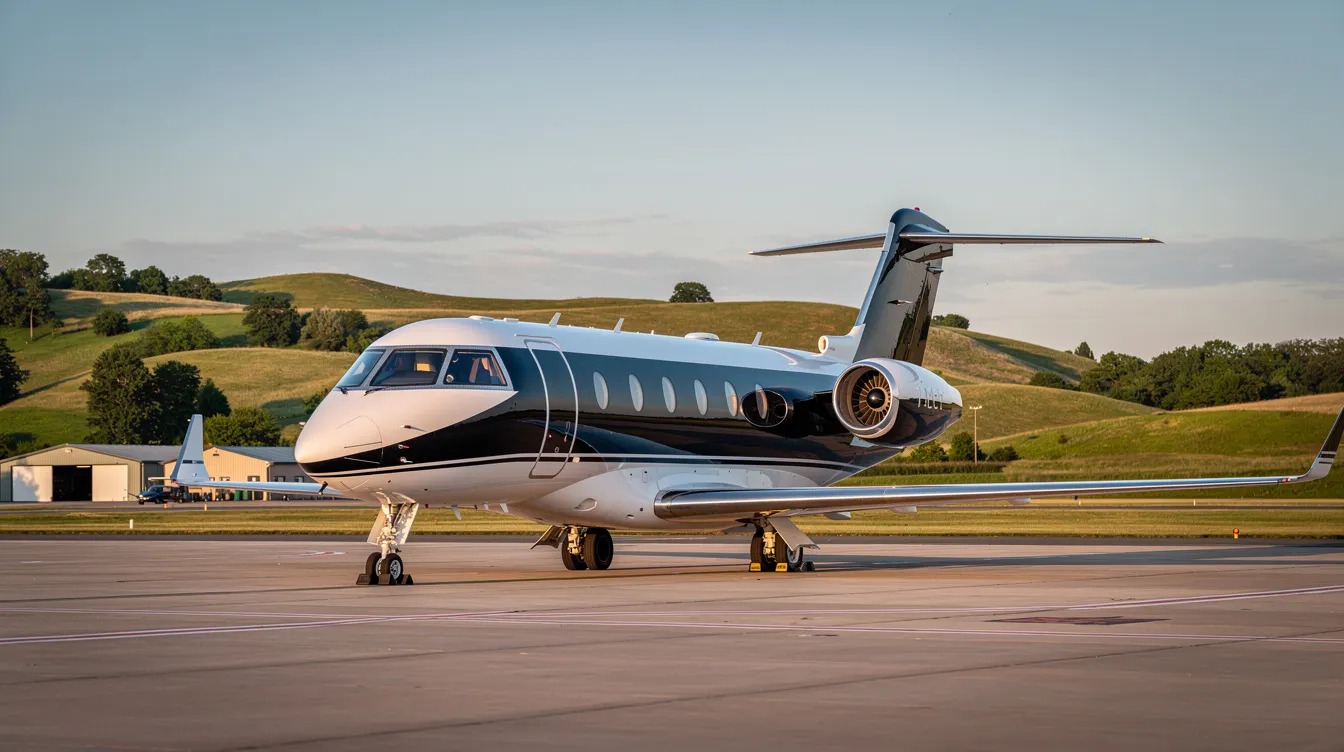
The HondaJet Elite II, Citation M2 Gen2, and Cessna Citation CJ3+ seat 6-8 passengers and cruise at 400-450 KTAS, with ranges of 1,300-1,700 nm. The HondaJet Elite II delivers true jet performance, with cruise speeds of 400-450 KTAS and ranges of 1,500-2,000+ nautical miles, and features professional-grade cabins. These aircraft handle executive routes like New York-Miami or London-Barcelona with efficient performance and modern avionics. Engines in light jets are central to their speed, fuel efficiency, and noise levels, directly affecting operational costs and environmental impact.
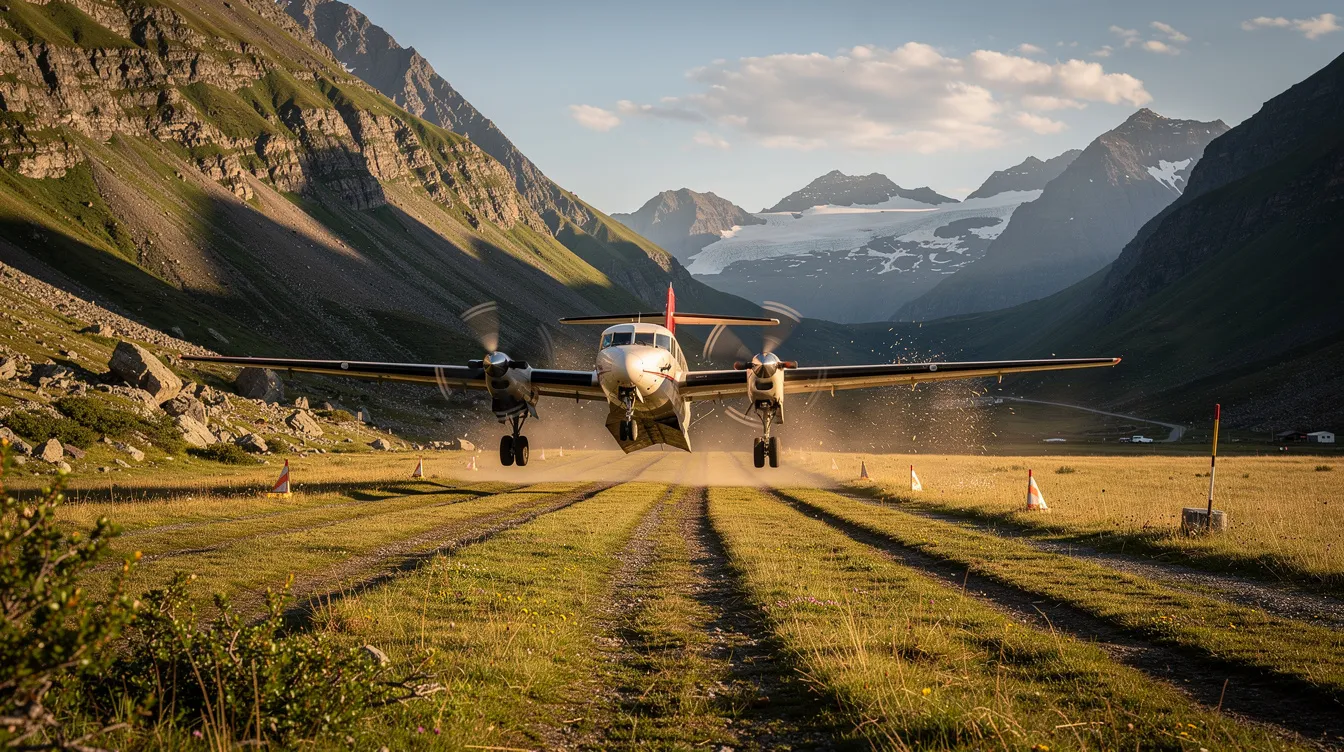
This section profiles specific aircraft commonly available through charter in 2024-2026, with real-world mission examples rather than an exhaustive catalog, complementing broader resources on affordable airplane rental costs and options for travelers and pilots exploring different access models.
|
Aircraft Model |
Category |
Passenger Capacity |
Cruise Speed (KTAS) |
Range (nm) |
Typical Uses |
|---|---|---|---|---|---|
|
Cessna 172 Skyhawk |
Piston |
4 |
~120 |
600-700 |
Training, short private hops, recreational flying |
|
Cirrus SR22T |
High-Performance Piston |
4 |
180-213 |
~1,000-1,100 |
Owner-pilot trips, regional business and family travel |
|
Pilatus PC-12 NGX |
Turboprop |
6-9 |
~290 |
1,700-1,800 |
Executive group travel, medical evacuations, and cargo |
|
Cirrus Vision Jet |
VLJ |
4-6 |
~311 |
~1,275 |
Regional family travel, small executive teams |
|
HondaJet Elite II |
Light Jet |
4-6 |
422 |
1,547 |
Executive routes, premium charter flights |
|
Citation M2 Gen2 |
Light Jet |
Up to 7 |
460 |
1,550 |
Business travel, regional jet missions |
The most-produced airplane in history (over 44,000 units), the Cessna 172 remains in production with Textron delivering approximately 100 per year. This 4-seat high-wing piston serves 80% of U.S. flight training operations. For charter, it handles short private hops under 400 nm—think Toronto to Muskoka for a lakeside weekend. Low operating costs make it accessible for light sport aircraft missions and recreational flying.
This high-performance piston features a 310-hp turbocharged engine, a 183 KTAS top speed, and a 1,000+ nm range. Modern avionics (Perspective+) and the CAPS whole-airframe parachute—deployed 126 times, saving 240+ lives by 2025—make it an owner-pilot favorite. Typical uses include 300-800 nm trips: a family flying from New York to Nantucket or a same-day multi-city sales tour.
This single-engine turboprop earned its “Swiss Army knife” reputation through versatility. With 6-9 seats, 290 KTAS cruise, and 1,800 nm range, it accesses 2,000-4,000-foot runways that jets cannot use. Over 2,000 have been delivered. Charter applications include executive group travel, medical evacuations to remote locations, and cargo-plus-passenger missions. A Texas investor roadshow—Houston to Austin to Midland to Dallas in one day—fits this aircraft perfectly.
This accessible personal jet features single-pilot certification, autoland Safe Return technology, and the CAPS parachute. With 4-6 seats, 311 KTAS cruise, and 1,275 nm range, it serves regional family travel and small executive teams. A Los Angeles-to-Napa leisure trip becomes a 1-hour flight rather than a half-day commitment.
These light jets appear in premium charter fleet operations throughout 2024-2026. The HondaJet Elite II achieves 422 KTAS with 1,547 nm range; the Citation M2 Gen2 reaches 460 KTAS with 1,550 nm range. Both deliver low direct operating costs of around $1,200/hour. Ideal routes include LA-Vegas (2 hours), New York-Chicago (1.8 hours), and Paris-Milan (1.5 hours).
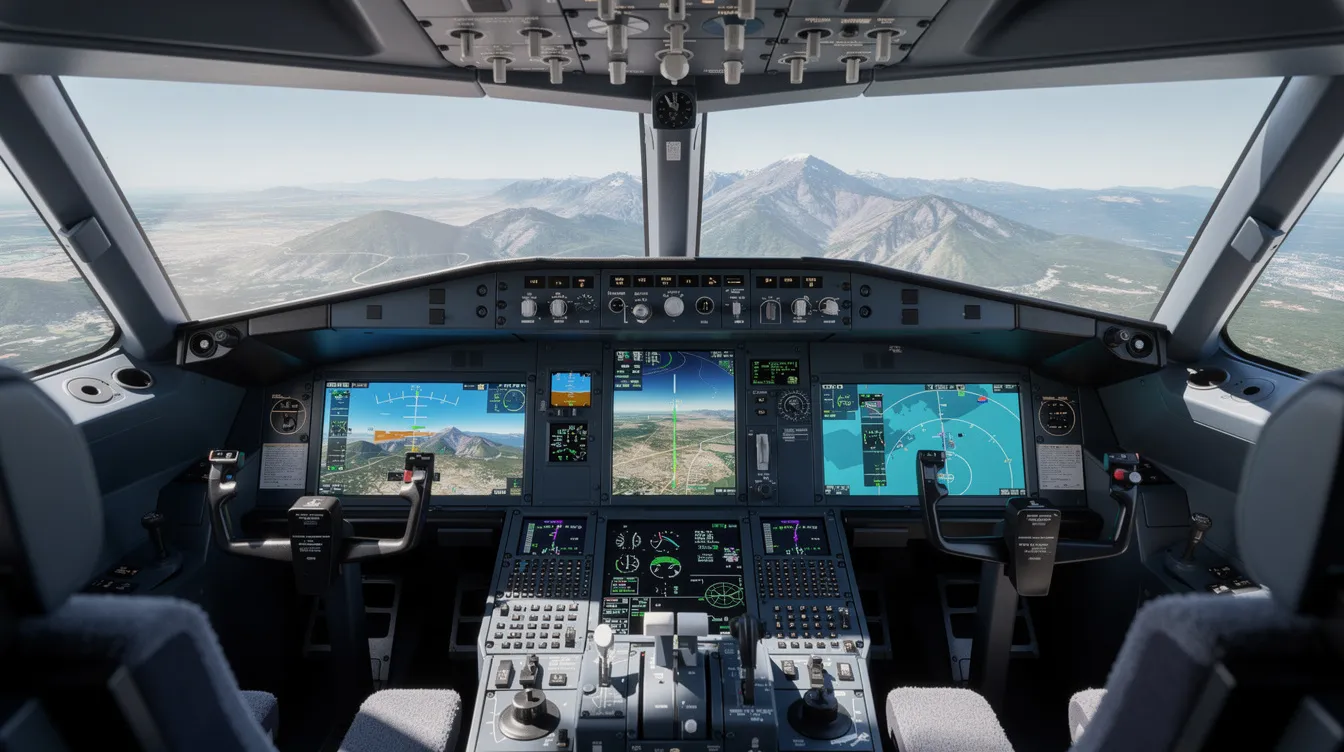
Three main access paths exist for small aircraft: full ownership, fractional/jet cards, and on-demand charter through platforms like Jettly, and understanding how much a private jet really costs across these models is essential before committing capital.
|
Access Model |
Description |
Typical Flight Hours |
Cost Considerations |
Flexibility & Commitment |
|---|---|---|---|---|
|
Full Ownership |
Purchase and maintain your own aircraft, responsible for all costs and management |
200-300+ |
High upfront and ongoing fixed costs (hangar, maintenance, insurance) |
Maximum control, high capital commitment |
|
Fractional & Jet Cards |
Purchase blocks of flight hours or memberships with guaranteed availability |
50-150 |
Moderate upfront fees, annual dues, limited aircraft selection |
Predictable costs, less commitment than ownership |
|
On-Demand Charter (Jettly) |
Book flights as needed from a large global fleet with instant pricing |
Under 150 |
Pay per trip, no fixed costs, no ownership burden |
Maximum flexibility, no long-term contracts |
Capital costs vary dramatically by category. A used piston aircraft like a Cessna 172 starts around $80,000; light jets like the HondaJet run $3-7 million new. New light jet aircraft typically incur annual costs of $500,000 or more for active owners, covering fuel, maintenance, and insurance. Annual fixed expenses add up quickly: hangar fees ($20,000+), insurance ($10,000-50,000), regular maintenance ($30,000+), and potentially crew salaries. Variable costs run $150-600 per flight hour for pistons.
Ownership makes financial sense at 200-300+ flight hours per year. For individuals flying less than 100 hours annually, chartering or using a Jet Card is generally more economical, as fixed costs do not decrease with reduced flying. Tools such as Jettly’s jet card flight cost estimator help benchmark likely pricing for different routes, as fixed costs remain high regardless of usage. When buying, it’s crucial to work with experts in aircraft sales who can provide guidance and post-sale assistance, ensuring a smooth ownership transition and ongoing support.
Programs from competitors sell blocks of hours with 25-50 hour minimums, buy-ins of $150,000-500,000, and annual fees. These structured programs offer more predictability than ownership but require longer-term contracts and often restrict aircraft selection, which is why many travelers now compare them with NetJets alternatives like Jettly that emphasize flexibility and transparent pricing, especially when evaluating options in the broader charter airlines and private aviation market.
Jettly enables pay-per-trip access with no long-term commitment. Travelers pick the right aircraft for each mission from a global inventory of 20,000+ options. For those flying under roughly 150 hours per year, charter through a digital marketplace or private jet membership typically costs less and eliminates ownership complexity—no hangar fees, no maintenance scheduling, no insurance negotiations.
The cost calculus shifts based on individual flight patterns. A family taking 10-15 trips annually almost always benefits from charter flexibility over ownership burdens, while businesses planning cross-border missions should also understand how private jets fly internationally and what’s required before choosing an aircraft category.
Jettly operates as a digital private aviation platform (charter broker) providing access to 20,000+ aircraft globally, including a substantial inventory of small aircraft across all categories, partnering with established operators such as Dexter Air Taxi and other private jet providers.
The booking process works straightforwardly. A traveler enters their route (Toronto-Vancouver, London-Nice, New York-Nantucket), selects dates, and specifies passenger count, then chooses from a range of private charter aircraft suited to their mission and budget. The platform returns instant pricing and aircraft options, allowing side-by-side comparison by aircraft type, cabin size, and estimated flight time, all while considering applicable regulations and standards for each aircraft.
Jettly aggregates jets, turboprops, and pistons from regulated operators meeting Part 135 (U.S.) and EASA standards, ensuring compliance with all applicable regulationsJettly aggregates jets, turboprops, and pistons from regulated operators compliant with Part 135 (U.S.) and EASA standards, ensuring adherence to all relevant regulations. Modern small jets and turboprops are engineered and manufactured to meet the rigorous safety, performance, and reliability standards of the aviation industry. This enables customers to see a broader range of options than any single operator could provide.
Transparent pricing distinguishes the platform. Clients see total trip costs upfront without hidden surcharges where possible. Low- or no-commission models mean the price quoted reflects actual flight costs rather than inflated broker markups.
Operational conveniences include airport selection guidance (e.g., choosing between Teterboro and White Plains), in-flight catering coordination, and optional ground transportation arrangements. Learn more about Jettly’s charter options at https://www.jettly.com.
Selecting the right aircraft depends on route, passenger count, baggage requirements, budget, and the class of aircraft best suited for the mission. These 2024-2026 style trip examples illustrate practical matching by class and applicable aircraft.
|
Trip Scenario |
Route |
Distance (nm) |
Recommended Aircraft Class |
Typical Flight Time |
Notes |
|---|---|---|---|---|---|
|
Regional Business Day Trip |
New York (KTEB) to Chicago (KMDW) |
650 |
Light Jet (HondaJet Elite II, Citation M2 Gen2) |
1.6-1.8 hours |
Enables same-day meetings and returns |
|
Family Vacation |
London (EGLF) to Nice (LFMN) |
600 |
Turboprop (Pilatus PC-12 NGX) |
~2.5 hours |
Large luggage capacity, comfortable cruise |
|
Multi-Stop Investor Tour |
Houston-Austin-Midland-Dallas |
200-400 per leg |
Turboprop (TBM 960, PC-12) |
Short legs, quick turns |
Short-field capability, runway flexibility |
|
Short-Haul Leisure |
Los Angeles to Napa |
350 |
VLJ or High-Performance Piston |
~1 hour |
Replaces long drive, efficient hourly rates |

Modern small aircraft integrate advanced avionics and safety systems approaching airline standards when operated by professional crews with recurrent training. Safety systems in today's personal aircraft match airline standards, featuring autopilot integration, envelope protection, and, in some cases, whole-airframe parachutes that enhance pilot control and passenger safety..
Synthetic vision systems (standard on Garmin G1000 NXi and G3000-equipped aircraft) reduce controlled flight into terrain incidents by showing pilots terrain, obstacles, and runway environments under all visibility conditions. Autoland capability—available on the TBM 960, Vision Jet, and select other models—can autonomously land the aircraft in pilot incapacitation emergencies.
Whole-airframe parachutes like Cirrus CAPS have achieved 95%+ survival rates across 126+ deployments. De-icing systems, autothrottle, and enhanced autopilot provide additional layers of reliability across weather conditions.
Pilots on professionally operated charters complete recurrent training every 6-12 months. Operators meeting ARGUS Platinum certification represent the top 10% for safety practices. Jettly can prioritize operators with recognized certifications (ARGUS Gold/Platinum, Wyvern Wingman, IS-BAO) in its network.
Modern turboprops burn 20-30% less fuel than older jet designs—the PC-12 uses approximately 70 gallons per hour versus 150 for comparable-mission legacy jets. Sustainable Aviation Fuel (SAF) availability reaches 10-20% of fleet at major operators by 2026, with EU mandates requiring 6% SAF blend. Carbon offset programs remain available through Jettly for travelers prioritizing environmental responsibility.
Charter pricing varies by route, date, aircraft type, and availability. Using a private jet charter cost estimator can help benchmark the likely cost for a given mission. Typical ranges provide planning guidance, but actual costs depend on applicable scenarios and may not guarantee specific quotes.
Pistons: $800-2,000 per flight hour
Turboprops: $2,000-4,000 per flight hour
Light jets: $4,000-7,000 per flight hour
A New York to Miami light jet charter runs approximately $20,000-30,000 all-in. London to Ibiza might cost $15,000-25,000, depending on aircraft selection, and guides to affordable private jet charter pricing can help identify ways to keep these totals in check, alongside practical tactics for booking the cheapest private jet flights. Positioning flights, airport fees, overnight charges, and peak-day surcharges are all applicable costs that affect totals—Jettly’s instant pricing surfaces these early in planning.
Choose nearby but less expensive airports (Westchester vs. Teterboro can save $1,000+ in fees)
Maintain flexible departure times to access better availability
Consider empty leg opportunities or crowdsourced private jet flights when available through Jettly (savings of 30-50%)
Charter via a marketplace avoids the long-term capital lock-up and maintenance risk inherent in ownership. Travelers pay only for flights actually taken, with no hangar fees accumulating during months of non-use, making costs applicable only to the services used; understanding how to buy a seat on a private jet and other ways to get a seat on a private jet easily further expands the options for accessing these flights cost-effectively.

Safety depends on aircraft maintenance, pilot training, and operator oversight, not on size alone. Professionally operated small aircraft used through Jettly typically follow strict regulatory standards under Part 135 or EASA, with regular maintenance intervals every 100-600 hours. Modern avionics, including synthetic vision, significantly reduce controlled flight into terrain incidents. Technologies like whole-airframe parachutes (CAPS) and autoland systems add layers of protection—CAPS deployments have achieved survival rates of 95%+. Passengers should look for operators with recognized safety certifications such as ARGUS Platinum or Wyvern Wingman and transparent maintenance records.
Typical nonstop ranges vary by category. Many pistons achieve 500-1,000 nm. Turboprops like the PC-12 NGX can reach 1,700-1,800 nm, making them suitable for routes like New York to Denver without stops. Light jets such as the HondaJet Elite II and Citation M2 Gen2 cover 1,300-1,600 nm nonstop. Headwinds, passenger and baggage load, and specific routing reduce practical range by 10-20% in real operations, so Jettly’s flight planning includes appropriate safety margins. True oceanic crossings or transatlantic missions require midsize or larger jets, which are beyond the scope of most small aircraft.
Most turboprops and light jets in charter fleets offer Wi-Fi capable of supporting video calls and email. Approximately 80% of these aircraft come equipped for connectivity. Basic piston aircraft typically lack Wi-Fi capability. Jettly can coordinate catering, from snacks and beverages to complete meals, on eligible aircraft, particularly for flights exceeding 90 minutes. Passengers should confirm Wi-Fi availability and catering options during the quote process, as service varies by specific aircraft and operator.
Many operators in Jettly’s network accommodate pets, skis, golf bags, or medical equipment, though capacity depends on aircraft size and cabin layout. Turboprops and larger-cabin light jets handle bulky baggage better than compact VLJs or training-oriented pistons. Weight limits for pets typically range from 50 to 100 pounds, depending on the aircraft. Travelers should share pet details, equipment dimensions, and any special requirements during booking so the platform can match them with an appropriate aircraft and confirm operator policies before finalizing arrangements.
Many standard routes can be arranged on demand with 12-24 hours’ notice, subject to aircraft and crew availability. Urgent flights may be available on short notice in regions with a dense aircraft supply, particularly around major business centres such as New York, London, or Los Angeles, and even emerging hubs like Kolkata in West Bengal, where dedicated charter services support both business and leisure demand, as well as Indian metros such as Chennai in Tamil Nadu and New Delhi in Delhi. For optimal selection and pricing, booking 48-72 hours ahead provides access to the full fleet. Travelers can submit their route and timing on Jettly’s platform at any time to receive instant options and pricing tailored to their specific request.
Full Ownership — Purchase and maintain your own aircraft, responsible for all costs and management. Makes sense for 200-300+ flight hours per year. High upfront and ongoing fixed costs (hangar, maintenance, insurance). Maximum control, high capital commitment.
Fractional & Jet Cards — Purchase blocks of flight hours or memberships with guaranteed availability (typically 50-150 hours per year). Moderate upfront fees, annual dues, and limited aircraft selection. Predictable costs, less commitment than ownership.
On-Demand Charter (Jettly) — Book flights as needed from a large global fleet with instant pricing. Ideal for under 150 flight hours per year. Pay per trip with no fixed costs or ownership burden. Maximum flexibility and no long-term contracts.
Most private charters utilize piston aircraft, turboprops, very light jets (VLJs), and light jets, each suited for different passenger capacities, ranges, and mission profiles.
Small aircraft typically reduce total travel time by avoiding airport crowds, eliminating layovers, and providing direct routes to smaller airports closer to your destination.
Yes, reputable charter operators adhere to regulatory standards such as Part 135 (U.S.) or EASA (Europe), and many hold third-party safety certifications like ARGUS Platinum or Wyvern Wingman.
Small aircraft usually seat between 2 and 10 passengers, depending on the model and configuration.
Options include full ownership, fractional ownership or jet cards, and on-demand charter through digital platforms like Jettly.
Most turboprops and light jets offer Wi-Fi and optional catering, though basic piston aircraft may not provide these amenities; always confirm with the operator when booking.
Piston aircraft typically cover 500-1,000 nautical miles, turboprops up to 1,800 nm, and light jets up to 1,700 nm nonstop, with actual range depending on factors like weather and payload.
Flights can often be booked with as little as 12-24 hours’ notice, depending on aircraft availability and route logistics.
Small aircraft—from single-engine piston aircraft to light jets—offer fast, flexible, and efficient private travel when matched correctly to each mission. The unique blend of speed, airport access, and schedule control delivers value that commercial aviation cannot replicate for regional and mid-range routes.
Many travelers access these benefits more easily through on-demand charter than through ownership. For annual flying below 150-200 hours, the economics favor platforms like Jettly that eliminate capital outlay, maintenance burden, and crew management.
When evaluating small aircraft for business or leisure, safety technology, operating efficiency, and total cost transparency matter most. Jettly provides the technology and market access to compare options and book with confidence.
Ready to experience private travel on your terms? Explore flight options or request a quote at https://www.jettly.com.
Share this post:
Jay Franco Serevilla
Apr 14, 2026
|
5
min read
Discover tips and trends in the industry.
5
min read
Airport Charter Service: How Jettly Makes Private Charter Flights Simple
Jettly simplifies private charter flights, offering travelers on-demand access to over 20,000 aircraft worldwide. With flexible scheduling and transparent pricing, it caters to business, family, and group travel needs, ensuring a seamless experience from booking to arrival.
Read More
5
min read
How Many Passengers on a 737? Boeing 737 Seat Capacity Explained
The Boeing 737 is a versatile aircraft with a passenger capacity ranging from 85 to 230, depending on the variant and layout. Most commonly, the 737-800 and 737 MAX models accommodate between 162 and 200 passengers. This guide details the seating capacities across different generations and compares them to private jet options for tailored travel experiences.
Read MoreStay updated with our latest insights and tips to elevate your journey with us.
MEMBERSHIPS AND ASSOCIATIONS



Disclaimer: Jettly operates as a charter broker, offering access to a global digital jet charter marketplace. Jettly is not a direct air carrier and does not own or operate aircraft. All advertised flights are conducted by third-party air carriers that are fully licensed and hold the appropriate Part 135 or Part 121 certifications issued by the Federal Aviation Administration (FAA) or equivalent regulatory authorities under U.S. or foreign law. Jettly complies fully with the U.S. Department of Transportation's Part 295 and Part 298 Charter Broker regulations. Jettly does not carry additional liability insurance. Passengers are covered by aircraft operator insurance. TICO: 50023770


