


Login
Get Instant Pricing On 23,000+ Aircraft

>
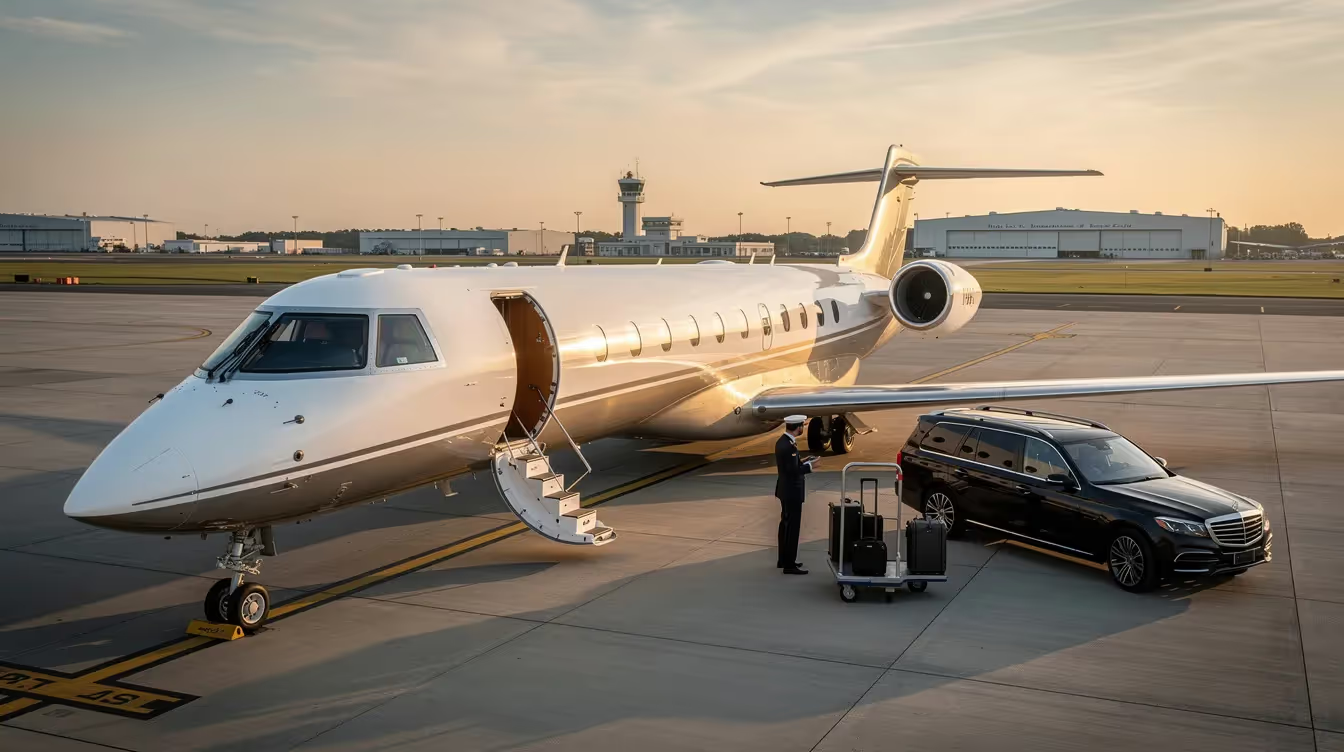
Single-seat jets offer unique advantages for pilots seeking autonomy, simplicity, and lower acquisition costs. However, their niche nature and limited capacity make them less practical for most private travelers. For those who value flexibility, convenience, and the ability to fly with family or colleagues, chartering a very light jet or light jet through a platform like Jettly is often the smarter choice. Jettly’s transparent pricing, instant booking, and access to a global fleet of over 20,000 aircraft provide unmatched convenience without the burdens of ownership. Whether for business or leisure, Jettly connects travelers to versatile, efficient jets tailored to their mission needs. Ready to experience private air travel on your terms? Explore flight options or request a quote at https://jettly.com/.
A single-seat jet is a compact, single-engine personal jet or sport aircraft built for one pilot, with a focus on speed, simplicity, lower acquisition costs, and maneuverability.
Most private travelers do not need to buy a single-seat jet. They can access similar flexibility by chartering very light jets and light jets through Jettly.
Key specifications include cruise speed, stall speed, max range, and empty weight. These numbers define where an aircraft can operate and how practical it is for each mission.
True single-seat jets are niche aircraft, while the charter market mainly uses certified 4–8-seat VLJs and light jets that can be booked on demand.
This guide compares real models, ownership costs, safety considerations, and when chartering through Jettly is more efficient than private ownership.
A single-seat jet is a jet-powered aircraft designed for one pilot and no passengers. It is usually built for sport flying, aerobatics, pilot training, or short personal trips rather than business transport.
Many single-seat jet models are experimental or kit-built. The SubSonex JSX-2, for example, first flew in 2011 and uses a small turbojet rather than the larger turbofan engine found on many business jets. According to Sonex Aircraft, it is designed as a compact personal jet for recreational flying.
This category is different from a single-engine jet such as the Cirrus Vision Jet SF50. The Cirrus has one engine, but it has multiple seats, a pressurized cabin, advanced avionics, and certified systems for personal and business travel.
Typical missions include aerobatics, weekend cross-country flying, short hops under 500–700 nautical miles, and local sport aviation. Single-pilot jets are designed specifically for individuals who want the freedom to fly themselves without the need for a co-pilot, making private aviation more accessible.
Still, limited capacity with single-seat jets restricts flying to solo only, with no transport options for others. For travelers who want more seats, baggage space, and comfort, Jettly is often a smarter way to access small jets without owning one.
Before comparing any single-seat jet, personal jet, or charter aircraft, it helps to understand the core performance numbers.
Cruise speed is the normal high-speed cruise setting in mph or knots. Many personal jets cruise between 250 and 350 mph, while chartered VLJs and light jets can exceed 400 mph. The cruising speed of light jets can vary significantly, with some models like the Cessna Citation Mustang reaching speeds of up to 390 mph, while others like the HondaJet can achieve speeds of 420 mph.
Stall speed is the minimum steady flight speed before the wing can no longer generate enough lift. Sport jets may show stall speed values around 55–75 knots depending on flaps, gear, weight, and airframe design. A lower stall speed gives better safety margins during takeoff and landing.
Max range shows how far the aircraft can fly under specific conditions. Range changes with payload, altitude, fuel reserves, and weather. A small single-engine jet such as the Cirrus Vision Jet may offer around 1,000–1,300 NM, depending on version and mission planning.
Empty weight matters because it affects useful load. Useful load includes pilot, passengers, baggage, and fuel. A single-seat jet may have an empty weight of 400–900 kg, while certified charter light jets can weigh several thousand lbs but offer more capacity. Comparing aircraft in the same class makes it easier to judge performance, features, and operating costs fairly.
|
Aircraft type |
Cruise speed |
Stall speed |
Max range |
Empty weight / useful load |
|---|---|---|---|---|
|
Single-seat sports jet, such as SubSonex JSX-2 |
About 230–240 mph |
About 58 mph with flaps and gear; about 64 mph clean |
About 304 miles with reserve; about 412 miles no reserve |
About 500 lbs empty; about 500 lbs useful load |
|
Cirrus Vision Jet SF50 |
About 345 mph |
Varies by weight and configuration |
About 1,200–1,275 NM |
Several thousand lbs empty; multiple seats and baggage capability |
|
Typical VLJ charter aircraft, such as Citation Mustang |
About 390 mph max |
Varies by certified configuration |
About 1,150 NM max |
About 5,500–6,000 lbs empty; 4–5 passenger seats |
These specifications are not just brochure figures. They shape runway choice, fuel stops, cockpit workload, climb performance, reserve planning, and whether the aircraft can operate safely into smaller airports. Some aircraft enthusiasts compare in this niche are still in development and not yet widely available.
Modern pilots who search for a single-seat jet often compare three categories: pure single-seat sport jets, high-performance sport aircraft, and certified single-pilot personal jets. Comparing aircraft within the same class makes the specs more meaningful, since size, performance, and operating costs can vary significantly by category.
The SubSonex JSX-2 is a real single-seat jet example. It is powered by the TJ-100 turbojet engine, which produces 258.53 lbf (1150 N) of thrust and is designed for various applications, including UAVs and experimental aircraft. Its cruise speed is near 240 mph, its empty weight is under 600 lb, and its short-range design favors sport flying over transportation, with a compact airframe and tail layout built for stability at speed.
Some jet-like experiences also come from piston single-engine aircraft. Single-seat jets are often designed for aerobatic performance, with models like the Pitts S-1S featuring a cruise speed of 155 mph and a maximum take-off weight of 1,150 lbs. The BD-5, designed in 1973, is a lightweight single-seat jet that can be powered by either a propeller or a jet engine, showcasing versatility in design.
The Cirrus Vision Jet SF50 is the benchmark single-engine personal jet. Introduced around 2016, it uses one Williams International FJ33-5A engine, cruises near 345 mph, and offers a range of around 1,275 NM. Single-pilot jets are also typically more fuel-efficient than larger aircraft, which helps explain their appeal for entrepreneurs and business travelers seeking better value. The Cirrus Vision Jet is noted for its user-friendly controls and robust advanced avionics, making it a standout example of a single-pilot jet designed for ease of operation.
The Cirrus Vision Jet is equipped with the Cirrus Airframe Parachute System (CAPS), providing an additional layer of safety for pilots and passengers in emergency situations. Moreover, modern single-seat jets often include advanced safety features such as emergency autoland systems, which enable the aircraft to land automatically in certain emergency scenarios. Many of these jets are also designed with robust avionics systems that enhance navigation and operational efficiency, further contributing to overall flight safety. Its modern interior, rear cabin layout, digital controls, and integrated avionics system make it more practical than a single-seat sport plane.
Chartered VLJs add even more utility. Very Light Jets (VLJs), which are a category of single-pilot jets, typically accommodate between four and six passengers and have a maximum takeoff weight of 10,000 lbs or less. The maximum takeoff weight for Very Light Jets (VLJs) is typically 10,000 lbs or less, making them an attractive option for private aviation.
Single-pilot jets are often classified as very light jets or light jets, offering a balance of performance, efficiency, and affordability, making them attractive options for business travelers and aviation enthusiasts. Single-pilot jets are classified as very light jets or light jets, offering a balance of performance, efficiency, and affordability for personal and business travel.
Most private travelers who search for single-seat jet options eventually choose charter access to VLJs or light jets. They gain extra seats, luggage capacity, certified safety features, and better range without losing much speed, and some instead opt to buy a seat on a private jet through shared-flight models that spread costs across multiple passengers.
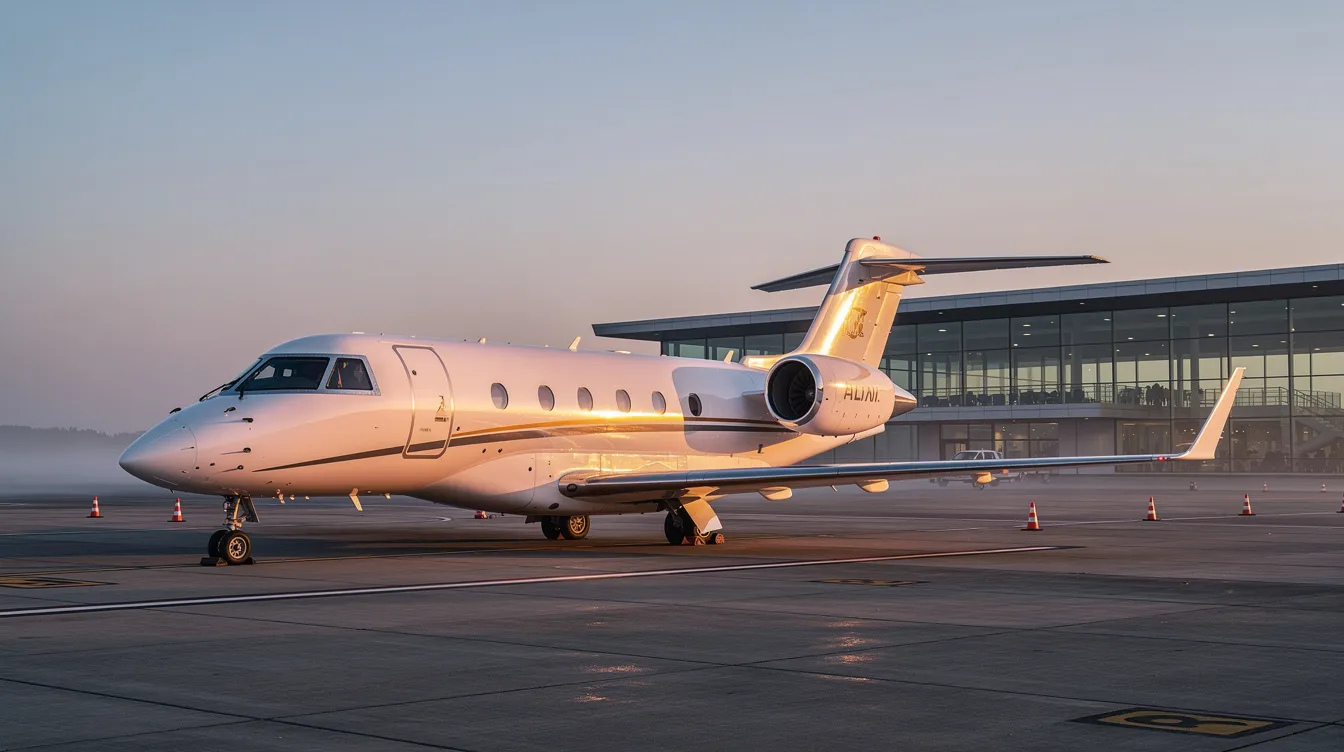
Owning a single-seat jet provides unparalleled pilot autonomy, lower acquisition costs, and exceptional maneuverability. For an owner who loves flying, building, maintaining, and mastering a specific aircraft, that can be the appeal.
But acquisition of a personal jet involves choosing between experimental kits or certified production VLJs that support single-pilot operations. Kit-built planes offer unmatched affordability but generally carry higher insurance premiums and lower resale liquidity.
Ownership costs include:
Acquisition price of the jet or kit
Hangar or tie-down fees
Insurance and training
Maintenance and engine overhauls
Avionics upgrades
Fuel, oil, inspections, and parts
Regulatory compliance and pre-flight planning tools
Pilot requirements for experimental kits include a private pilot license and a letter of authorization. For certified VLJs, a stringent single-pilot Type Rating check-ride is required. Flying a jet requires advanced training, and a high pilot workload can quickly lead to fatigue in adverse weather or busy airspaces when operating single-seat jets.
Even small personal jets can cost hundreds of dollars per flight hour in fuel and maintenance. The typical operating cost for the Cirrus Vision Jet is around $650–750 per hour, which is attributed to its simple systems and low-cost parts for maintenance. The Cessna Citation Mustang has a typical operating cost of about $1,000 per hour, benefiting from widely supported and easy-to-service components. The Embraer Phenom 100 has a typical operating cost of $1,200 per hour, supported by strong OEM support from Embraer, illustrating many of the same factors discussed in Jettly’s guide to affordable private jet charter pricing.
Fuel costs for operating private jets can vary significantly depending on flight time and aircraft type, impacting overall operational expenses. That means a single-seat jet may be less expensive to acquire than a certified VLJ, but it still carries ongoing costs while transporting only one person. For more details on charter pricing, leasing options, and current deals, you can visit Jettly’s dedicated private jet charter cost estimator page.
Chartering through Jettly changes the equation. Instead of paying fixed ownership costs, travelers pay for the trip, and those who introduce new clients can benefit from Jettly’s high-ticket affiliate program that rewards referrals. Jettly gives access to more than 20,000 private charter aircraft worldwide, allowing users to compare aircraft categories, price, range, cabin, and service level before booking.
Consider a weekend leisure trip. A self-owned single-seat jet may work for a solo pilot traveling light, but it cannot carry a spouse, children, colleagues, pets, or meaningful baggage. A chartered VLJ or light jet booked through Jettly can carry several passengers, use smaller airports, and avoid the owner’s maintenance burden.
Busy executives and families usually prefer charter because it reduces downtime, scheduling conflicts, and the need to maintain constant pilot proficiency, especially when paired with flexible private jet membership programs that streamline access to aircraft.
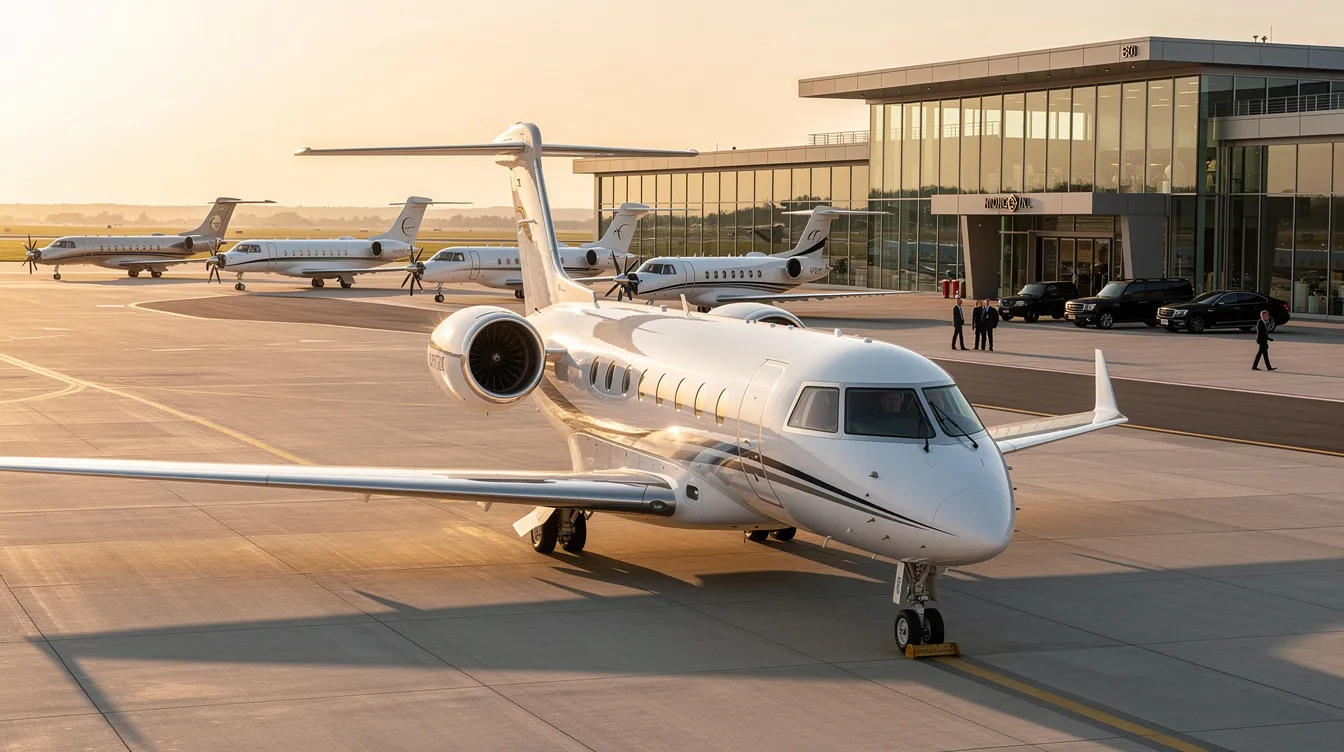
Jettly is a digital private jet charter platform for business and leisure travelers. It provides global access to very light jets, light jets, turboprops, helicopters, and larger private aircraft, positioning itself among the leading options in the charter airline and private aviation landscape.
True single-seat jets are highly specialized, rare, and generally limited to the experimental, military-surplus, or kit-built categories. Rental options for single-seat jets are restricted to guided fighter jet flight experiences in dual-cockpit military jets due to liability and requirements, which is why many travelers consider Jettly as a flexible NetJets alternative instead of pursuing fractional ownership.
That is why true single-seat jet charter is uncommon. Charter fleets focus on certified aircraft with passenger cabins. Jettly gives travelers access to small cabin jets that deliver similar performance and flexibility with far more practical features.
The process is straightforward:
Enter the route, dates, and passenger count.
Review aircraft options across several categories.
Compare cruise speed, cabin size, estimated flight time, max range, and price.
Select a flight option that fits the mission.
Travelers can fly point-to-point using smaller airports closer to home and their destination by leveraging tools like Jettly’s airport locator. This can save time compared with commercial airline schedules, connections, and long security lines.
Jettly can also support:
Flexible scheduling to accommodate last-minute changes or urgent trips.
Access to a wide range of aircraft types, from very light jets to larger cabins, tailored to passenger needs.
Transparent pricing with no hidden fees allows travelers to budget accurately.
Integration with ground transportation and in-flight catering via Jettly Eats for a seamless travel experience.
Membership options for frequent flyers seeking additional benefits and cost savings.
By leveraging Jettly's platform, travelers enjoy the convenience and efficiency of private air travel without the complexities and costs of ownership, and can further reduce expenses by sharing or crowdsourcing private jet flights when appropriate.
A single-seat jet is a jet-powered aircraft designed for one pilot with no passengers. These jets are often used for sport flying, aerobatics, or short personal trips and typically have lower acquisition and operating costs compared to larger jets.
True single-seat jets are rare and usually not available for charter. However, Jettly offers access to very light jets (VLJs) and light jets that seat multiple passengers and provide similar performance and flexibility, making them a practical alternative.
Flying a single-seat jet requires advanced training. For experimental kits, pilots need a private pilot license and a letter of authorization. Certified very light jets require a single-pilot Type Rating check-ride to ensure safe operation.
Single-seat jets offer pilot autonomy and lower costs but are limited to solo flights with minimal baggage. VLJs and light jets accommodate multiple passengers, offer greater range, and include certified safety features, making them better suited for business or family travel.
Chartering through Jettly eliminates ownership costs such as maintenance, insurance, and hangar fees. It offers flexible scheduling, access to a wide range of aircraft, transparent pricing, and the convenience of flying with passengers and luggage without the burden of pilot proficiency and upkeep.
Single-seat jets provide a unique opportunity for pilots seeking autonomy, agility, and lower acquisition costs. However, their limited capacity and higher pilot workload in complex conditions make them less practical for most private travelers. For those prioritizing flexibility, comfort, and the ability to travel with family or colleagues, chartering a very light jet or light jet through Jettly offers a more efficient and cost-effective solution. With transparent pricing, instant booking, and access to a global fleet of over 20,000 aircraft, Jettly simplifies private aviation by removing the burdens of ownership while delivering tailored flight options. Whether for business or leisure, Jettly connects travelers to versatile, efficient jets that match their mission needs without compromising convenience or safety. Ready to fly smart and on your terms? Explore flight options or request a quote athttps://jettly.com.
Share this post:
Jay Franco Serevilla
May 22, 2026
|
5
min read
Discover tips and trends in the industry.
5
min read
Cheap Thanksgiving Flights: How to Find Holiday Flight Deals in 2026
Finding cheap Thanksgiving flights in 2026 is all about timing and flexibility. With Thanksgiving on November 26, booking 30 to 45 days in advance and flying on off-peak days can lead to significant savings. Consider private jet options for added convenience and reduced travel stress, especially during peak holiday travel times.
Read More
5
min read
Best Time to Buy International Airline Tickets to Europe
Finding the best time to buy international airline tickets to Europe can save travelers hundreds of dollars. Booking 3 to 7 months in advance typically yields the best prices, especially during shoulder seasons. This guide offers insights on timing, fare tracking, and alternative airports to maximize savings and flexibility.
Read MoreStay updated with our latest insights and tips to elevate your journey with us.
MEMBERSHIPS AND ASSOCIATIONS



Disclaimer: Jettly operates as a charter broker, offering access to a global digital jet charter marketplace. Jettly is not a direct air carrier and does not own or operate aircraft. All advertised flights are conducted by third-party air carriers that are fully licensed and hold the appropriate Part 135 or Part 121 certifications issued by the Federal Aviation Administration (FAA) or equivalent regulatory authorities under U.S. or foreign law. Jettly complies fully with the U.S. Department of Transportation's Part 295 and Part 298 Charter Broker regulations. Jettly does not carry additional liability insurance. Passengers are covered by aircraft operator insurance. TICO: 50023770


