


Login
Get Instant Pricing On 23,000+ Aircraft

>
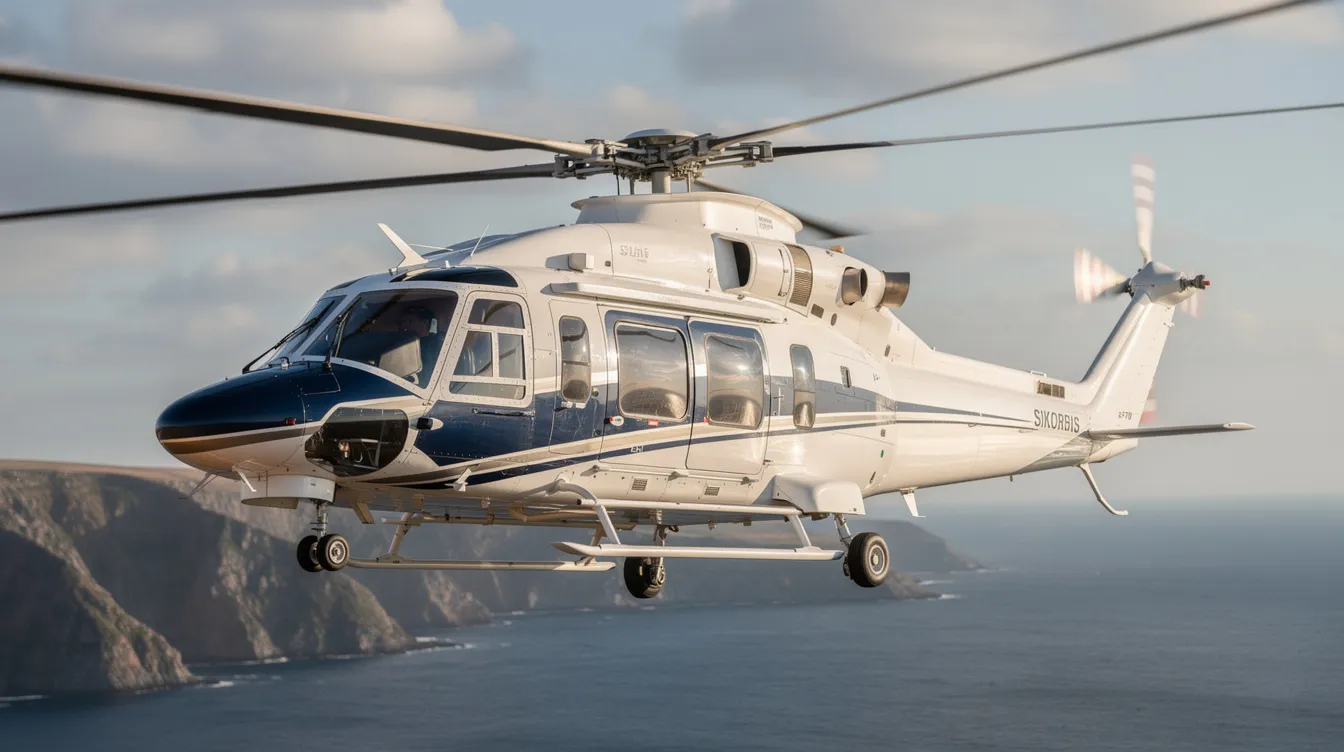
The Sikorsky S-76C is a medium twin-engine utility helicopter widely used for offshore oil crew transfers, air ambulance, search and rescue, and VIP transport, valued for its proven reliability, strong performance, and comfortable cabin. For corporate executives, high-net-worth travelers, and charter clients comparing flexible VIP helicopter options, it remains a practical choice when speed, safety, and convenience matter. This guide covers the S-76C’s general characteristics, performance data, mission profiles, typical charter costs, and how to book one through a digital platform like Jettly.
The Sikorsky S-76C is a twin-engine medium utility helicopter widely used for offshore oil, air ambulance, search and rescue, and VIP transport missions. S-76 series helicopters hold a best-in-class safety record across all variants.
The S-76 family achieved its first flight on March 13, 1977, and the S-76C/C+/C++ variants introduced more powerful Turbomeca Arriel turboshaft engines and improved hot-and-high performance. The Sikorsky S-76C++ was launched in 2006, and Sikorsky produced 212 S-76C++ aircraft during its production run.
The S-76C typically carries 8–12 passengers, offers a gross weight around 11,700 lb (5,307 kg), and cruises near 155–160 knots, making it a strong fit for high-end charter missions.
Operators can enhance the S-76C's range with extra auxiliary tanks when the powerplant configuration allows, especially useful for overwater ferry flights.
Jettly connects travelers and operators to Sikorsky helicopters like the S-76C for VIP shuttle, offshore support, and medical transport, with transparent on-demand pricing.
This article covers general characteristics, performance data, mission profiles, costs, and how to charter or position an S-76C through a digital platform such as Jettly.
The Sikorsky S-76 is a medium-size commercial helicopter designed from the ground up for civil use—not a military derivative. The S-76C sits as an advanced member of this family, built to serve a wide range of demanding operations.
Sikorsky Aircraft (now part of Lockheed Martin) launched the S-76 program in the mid-1970s to give corporate, offshore oil, air ambulance, and search and rescue operators a purpose-built rotorcraft. The "S-76C" label covers a series of improved sub-variants—S-76C, S-76C+, and S-76C++—each featuring Turbomeca Arriel engines, better performance, and lower fuel burn compared to the earlier models with Allison or PT6 powerplants. The S-76C has undergone several model improvements leading to the C+ and C++ variants, each adding meaningful upgrades.
In practice, many operators and charter clients use "S-76C" or 76 helicopter interchangeably when discussing the modern turbine S-76 fleet. The Sikorsky S-76 has a proven safety record and is widely certificated for IFR operations. Across all S-76 versions, the fleet has logged over 7.5 million total flight hours globally, with roughly 850–875 individual helicopters delivered worldwide.
The S-76 program started in the early 1970s with a clear goal: build a clean-sheet, civil-only helicopter for the energy, corporate, and public service sectors. Originally designated S-74, Sikorsky renamed it S-76 to mark the U.S. Bicentennial.
The Sikorsky S-76 prototype completed its first successful flight on March 13, 1977, at Sikorsky's facility in Stratford, Connecticut, and entered service shortly afterward. Key evolutionary steps include:
S-76A (initial first production variant, late 1970s–1980s)
S-76B (upgraded engines and higher gross weight in the 1980s–1990s; production of earlier versions was officially dropped as each new variant arrived)
S-76C (early 1990s introduction of Turbomeca Arriel engines, marking a major powerplant update). The S-76 became popular for offshore operations in the 1980s, and that momentum carried into the C family.
Several milestones shaped the S-76 legacy:
In 1982, the S-76A set multiple class records for speed and range in its weight class.
The S-76 was the first helicopter to circumnavigate the world in 1995 when Australian adventurer Dick Smith flew an S-76 in an east-to-west direction across the globe.
The Queen's Helicopter Flight began operating S-76C+ aircraft for the royal household from 1998, later upgrading to S-76C++. By 2020, ten countries operated S-76s for head of state transport.
The Philippine Air Force received 17 S-76 Mk II units in 1983 for counterinsurgency and medevac roles.
Sikorsky announced the S-76 SHADOW (Sikorsky Helicopter Advanced Demonstrator-Optionally Piloted Vehicle), which demonstrated autonomous flight capabilities in 2016, showcasing new technologies derived from the S-76 airframe. This helicopter advanced demonstrator program fed into broader optionally piloted research.
While newer variants like the S-76D now exist, the S-76C and C++ remain a backbone of many civil fleets due to proven reliability and established support networks.
The S-76C features twin turboshaft engines, a four-bladed main rotor paired with a four-bladed tail rotor, retractable tricycle landing gear that improves drag efficiency during cruise, and a high-visibility cockpit with a roomy cabin. The main and tail rotor system uses advanced rotor blade designs engineered for reduced vibration, giving passengers a noticeably smoother ride.
Key general characteristics include:
Overall length around 52 ft 6 in (16.0 m)
Main rotor diameter about 44 ft (13.4 m); tail rotor width is proportional to the compact tail assembly
Maximum takeoff weight in the 11,700 lb (≈5,307 kg) range for both standard and utility configuration gross weight ratings, varying slightly by C/C+/C++ sub-variant
Seating for 1–2 pilots plus up to 12–13 passengers in high-density layouts, or 6–8 in VIP configuration. The aircraft accommodates 12 passengers and two crew members in its standard utility configuration.
The cockpit evolved from analog instrumentation in early S-76C models to more integrated glass avionics in later C++ aircraft. Some C++ models feature a Honeywell four-tube EFIS and a full avionics suite supporting IFR certification for offshore and night operations. The helicopter features advanced avionics for enhanced IFR capabilities, and some military or special-mission variants have been fitted with helmet-mounted displays for tactical awareness.
The cabin offers a flat floor, large sliding doors for stretcher or cargo loading, optional executive seating with club layouts, and good soundproofing that keeps cabin noise to a minimum during VIP flights. For context on how many passengers can fit in a helicopter of this class, the S-76C sits at the top of the medium twin category and illustrates the broader trends discussed in this helicopter passenger capacity guide. Compared with smaller light helicopters, the S-76C's higher gross weight, twin-engine redundancy, and better range make it far more suited to demanding corporate and offshore missions.
The signature change on the S-76C line was the adoption of Turbomeca Arriel turboshaft engines, replacing the earlier engines on A/B variants. The S-76C is powered by twin Turbomeca Arriel engines that provide high horsepower, with baseline models using the Arriel 1S1 class (around 730 shp per engine).
The S-76C+ stepped up to the Turbomeca Arriel 2S1 (roughly 787–792 shp at takeoff) and introduced FADEC—Full Authority Digital Engine Control. Safety features on the C+ and C++ include dual FADEC and health monitoring systems that track engine condition in real time.
The S-76C++ then adopted the improved Turbomeca Arriel 2S2 engines, delivering approximately 923 shp for takeoff and 853 shp continuous power. The S-76C++ introduced a digital engine control unit that further refined power management. These two turboshaft engines unlock several operational advantages:
Better single-engine performance for wider safety margins
Improved payload at maximum takeoff weight
Enhanced range and maximum cruise speed for offshore oil and VIP missions
The Arriel 2S2 series is also known for extended time-between-overhaul intervals, which reduces direct operating costs. Operators can add extra auxiliary tanks when the powerplant configuration allows, further extending range on ferry or long-distance missions. Those extra auxiliary tanks are especially useful for overwater positioning flights.
The S-76C balances speed, range, and payload in a way that makes it a genuine workhorse in the medium helicopter category. The aircraft features twin turboshaft engines that give it strong performance across diverse environmental conditions, from sea-level tropical heat to high-altitude mountain pads.
Key performance figures:
|
Specification |
Sikorsky S-76C / C++ |
|---|---|
|
Maximum Speed |
Approximately 155 knots (178 mph) |
|
Cruise Speed |
Around 145 knots |
|
Range |
~400 nautical miles (with auxiliary tanks) |
|
Service Ceiling |
About 15,000 ft |
|
Rate of Climb |
1,600–1,700 feet per minute |
|
Maximum Takeoff Weight |
~11,700 lb (5,307 kg) |
|
Passenger Capacity |
Up to 12 passengers (high-density) / 6–8 VIP seats |
|
Engines |
Twin Turbomeca Arriel 2S2 turboshafts |
|
Main Gearbox |
Advanced main gearbox system for reliability |
|
Extra Auxiliary Tanks |
Available to extend range on ferry flights |
Maximum takeoff weight near 11,700 lb drives mission planning decisions. There's always a trade-off between fuel, passengers, and baggage—especially when operating from short or elevated pads like offshore platforms. Operators carefully balance these variables to maintain safe margins and regulatory compliance.
Rotorcraft don't depend on runways, but wind, temperature, and obstacle clearance still affect performance at the pad. The S-76C's power and gross weight allow it to carry full crews to distant offshore oil structures, complete hospital transfers with medical gear, or fly nonstop city-to-resort VIP legs. For more on how far helicopters can fly, range depends heavily on payload and weather, as explained in this overview of helicopter range and influencing factors.
The S-76C was engineered for multi-role operations and has become a staple in offshore oil, air ambulance, search and rescue, and corporate shuttle fleets worldwide. The helicopter is capable of performing in diverse environmental conditions, from Arctic cold to equatorial humidity.
Offshore oil and gas: S-76 helicopters account for 65% of total flight hours in offshore missions globally. Operators like Bristow Group transport crews to and from rigs in harsh North Sea, Gulf of Mexico, and Asia-Pacific conditions. Twin engines, IFR capability, de-icing options, and strong gross weight make the S-76C especially suited to these long overwater flights. Several airlines and energy companies run scheduled services using S-76 fleets along fixed offshore routes.
Air ambulance (HEMS): The Sikorsky S-76C has been used for air ambulance services configured for patient transport, with room for stretchers, medical equipment, and oxygen systems. Large sliding doors allow efficient stretcher loading. For more on helicopter ambulance operations, the S-76C's speed and range are critical for inter-facility transfers, and many operators integrate it within broader fleets of private charter aircraft.
Search and rescue and public service: Some S-76C aircraft are equipped with hoists, searchlights, and sensors for maritime SAR, coastal patrol, and law-enforcement missions. The Philippine Air Force operates S-76 helicopters for COIN and medevac duties. Canada and other countries have also flown S-76 variants for ISR and coastal surveillance. Documentation and flight manuals for export models are often available in foreign languages to support international operators.
The same airframe can be reconfigured between roles—offshore by day, medevac charter by night—increasing utilization for operators listed on platforms like Jettly.
The Sikorsky S-76C is a premium choice in the VIP helicopter space, regularly used for heads of state, royalty, and corporate shuttles. The aircraft is known for its speed, comfort, and reliability. Sikorsky S-76 helicopters are widely used for corporate and medical missions, and the S-76C is recognized for its smooth ride and high reliability.
Typical VIP configurations include, especially when combined with flexible private jet membership programs:
6–8 passengers in a club-style cabin with facing seats, sound-insulating panels, and optional entertainment and connectivity.
Separate baggage compartment volume of roughly 38 ft³ across internal and external spaces, enough for multiple business bags and small suitcases.
Charter clients prefer a medium twin like the S-76C over smaller helicopters for several reasons: smoother ride and quieter cabin due to the main rotor blades' design and overall weight, redundancy of twin engines for overwater and night operations, and the ability to land at city heliports closer to final destinations—advantages that mirror those highlighted across leading charter airlines and private flight providers.
Common VIP routes include city-center to airport transfers (e.g., downtown heliport to major hubs), resort and yacht transfers from coastal airports, and corporate shuttles between regional offices. Jettly features S-76C helicopters in its inventory, allowing users to compare them against light jets, turboprops, and other Sikorsky helicopters, then request instant pricing for specific routes.
Medium helicopters like the S-76C carry higher acquisition and operating costs than light singles but deliver far more capacity and mission flexibility.
Key cost considerations, many of which parallel the variables outlined in this guide to helicopter rental pricing and fees:
The Sikorsky S-76C++ costs $3.5M to $6.8M on the pre-owned market, depending on age, total time, avionics configuration, and engine status.
Major cost elements include engine overhauls, airframe inspections, crew salaries (pilot training for IFR and overwater certification), insurance, fuel for two turboshaft engines, and hangarage.
Hourly operating costs for medium twin helicopters typically fall in a band of several thousand USD per flight hour. For detailed breakdowns and to model door-to-door budgets, many travelers use a private jet charter cost estimator as a reference for mission planning.
Many businesses and individuals choose to charter instead of own, which means:
Avoiding capital outlay and residual value risk.
Paying only for flight time needed.
Leveraging third-party maintenance and safety oversight from certified operators.
A marketplace like Jettly surfaces S-76C charter options with transparent quotes, allowing clients to compare helicopter versus light jet or turboprop for short-haul missions. Factors like landing location convenience, group size, and the number of passengers all shape the right choice. For reference on helicopter rental costs, rates vary by region and mission type, much like the variables that drive affordable private jet charter pricing.
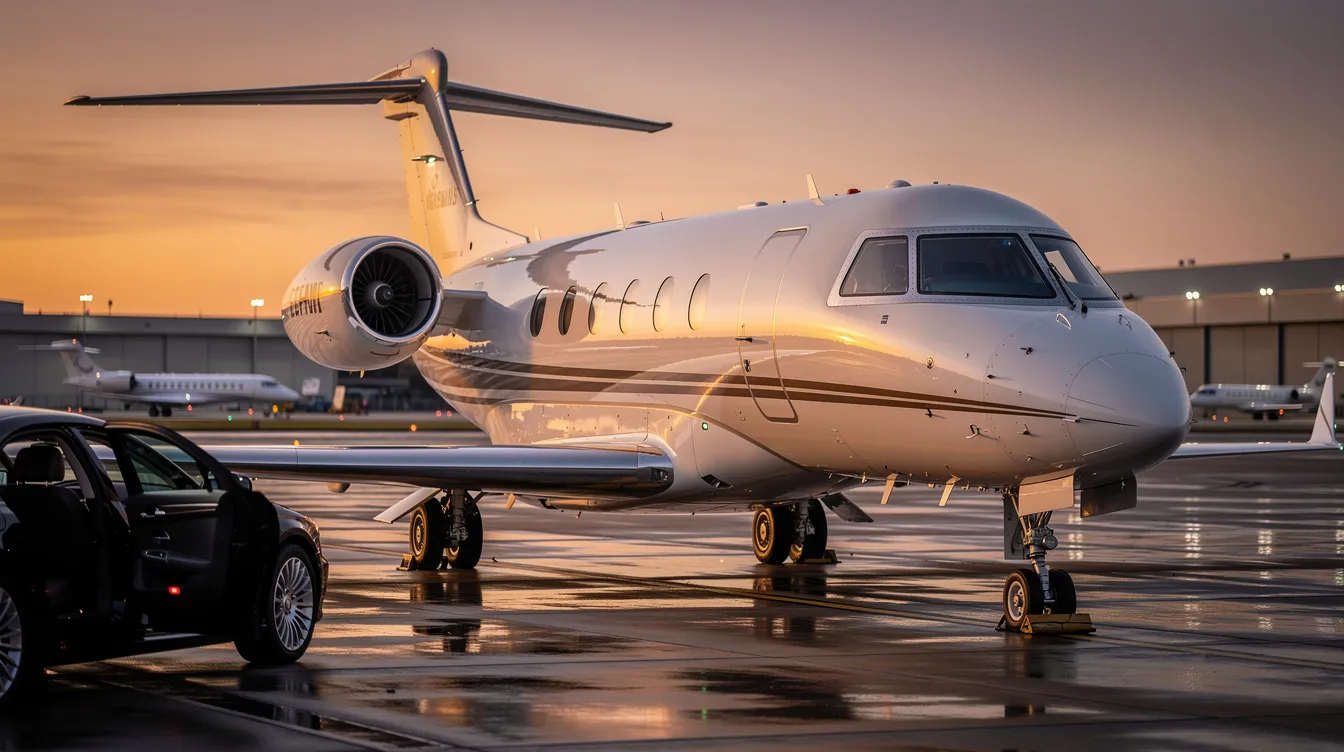
On-demand charter platforms have made it easier than ever to access specialized aircraft like the S-76C for one-off trips, corporate programs, and emergency movements.
The typical booking workflow on a platform such as Jettly looks like this:
Customer enters departure, destination, dates, and passenger count.
The system searches its global inventory (including S-76 helicopter types and other rotorcraft) for available aircraft and operators, using tools similar to an airport locator and charter platform to match routes with suitable landing sites.
Instant or rapid pricing is displayed, with options to refine by aircraft category, cabin size, and mission profile.
Key benefits of using a digital marketplace for S-76C flights:
Wide choice of operators across regions (North America, Europe, Middle East, Asia-Pacific).
Transparent pricing compared with traditional broker models.
Ability to coordinate multi-leg itineraries, including connections with fixed-wing private jets.
Special considerations when hiring a helicopter like the S-76C include the need for appropriate landing sites (heliports, hospital pads, offshore platforms, private estates), weather and daylight factors for VFR versus IFR operations, and additional charges for positioning flights, standby time, and de-icing where applicable. The pilot must hold appropriate type ratings and instrument qualifications, and flights are typically conducted under certified Part 135 charter operators to meet regulatory and safety standards.
The S-76C sits in a competitive segment within Sikorsky's lineup and the broader charter market.
Compared to lighter Sikorsky helicopters, the S-76C offers higher gross weight and passenger capacity, better range and twin-engine safety margins, and increased suitability for offshore oil and SAR missions—though at higher operating costs. For a look at the previous generation, see the Sikorsky S-76B specs and charter rates.
Against the newer S-76D: the S-76D uses Pratt & Whitney Canada PW210S engines, has an all-glass cockpit, and offers improved fuel efficiency and noise reduction. But many operators still favor the mature S-76C++ fleet due to lower acquisition cost and established maintenance support. The S-76D is a newer competitor to the S-76C++, and the Airbus H145 also competes with the Sikorsky S-76C++ in certain mission segments.
In the charter space, helicopters land closer to city centers, hospitals, or offshore platforms than fixed-wing aircraft can. Light jets and turboprops provide better cost per mile on longer routes but require runways and more ground transfers, which is why many travelers compare rotorcraft with cross-country aircraft options drawn from broad private charter aircraft inventories. Jettly helps clients choose between the S-76C, other Sikorsky helicopters, turboprops, and private jets based on route length, passenger count, and required landing locations, and can even support crowdsourced and shared private flights to improve affordability on certain routes. Sikorsky produced 212 S-76C++ helicopters during its production run, ensuring a healthy fleet for charter availability worldwide.
Below are answers to common questions about the Sikorsky S-76C and how it fits into the private charter landscape.
High-density S-76C configurations can seat up to 12–13 passengers plus the pilot and copilot, but most VIP charter layouts offer 6–8 seats for added comfort and luggage space. Medical or SAR configurations reduce seat count to allow room for stretchers, equipment, and medical staff. For more detail, check this guide on helicopter passenger capacity, which complements broader resources on helicopter passenger capacity, limits, and FAQs.
Typical practical charter ranges fall around 250–350 nautical miles with reserves, depending on payload, weather, and the specific S-76C sub-variant. Ferry range can reach approximately 400 nautical miles. Operators optimize fuel and passenger loads based on safety margins and regulatory requirements for IFR or overwater operations. The cruise speed of around 145 knots balances fuel efficiency with mission timing.
Many S-76C helicopters are equipped and certified for IFR operations, making them suitable for night and poor-visibility conditions when flown by appropriately qualified crews. Actual capability depends on the specific aircraft's avionics, operator approvals, and local regulations. Reputable charter platforms verify these details before listing any aircraft.
Hourly rates for a medium twin helicopter like the S-76C can be similar to or higher than some light jets—often in the $3,300 to $4,600 per hour range. However, helicopters frequently save time and ground transfer costs by landing closer to the final destination, a trade-off similar to what buyers weigh when assessing the total cost of private jet ownership and use. For short hops of 50–200 miles or flights to locations without runways, the S-76C can be more practical despite comparable hourly pricing.
Many operators in Jettly's network offer air ambulance and urgent transport services using medically configured helicopters, including S-76C variants where available. Emergency availability depends on region, regulatory approvals, and aircraft readiness. For time-critical medical movements, contact the platform directly for the fastest response.
Ready to experience private helicopter travel on your terms? Whether you’re comparing global routes covered in this overview of international private jet operations, evaluating jet card membership benefits, or exploring destination-specific services such as private jet charter in Houston, Texas or private flights to and from Kolkata, West Bengal, Jettly offers tools and aircraft ranging from narrow-body airliners like the Boeing 737-800 to light utility helicopters such as the Eurocopter EC30 and even thrilling military jet experience flights, all within a broader ecosystem of charter airlines and private aviation services. Explore flight options or request a quote at https://www.jettly.com.
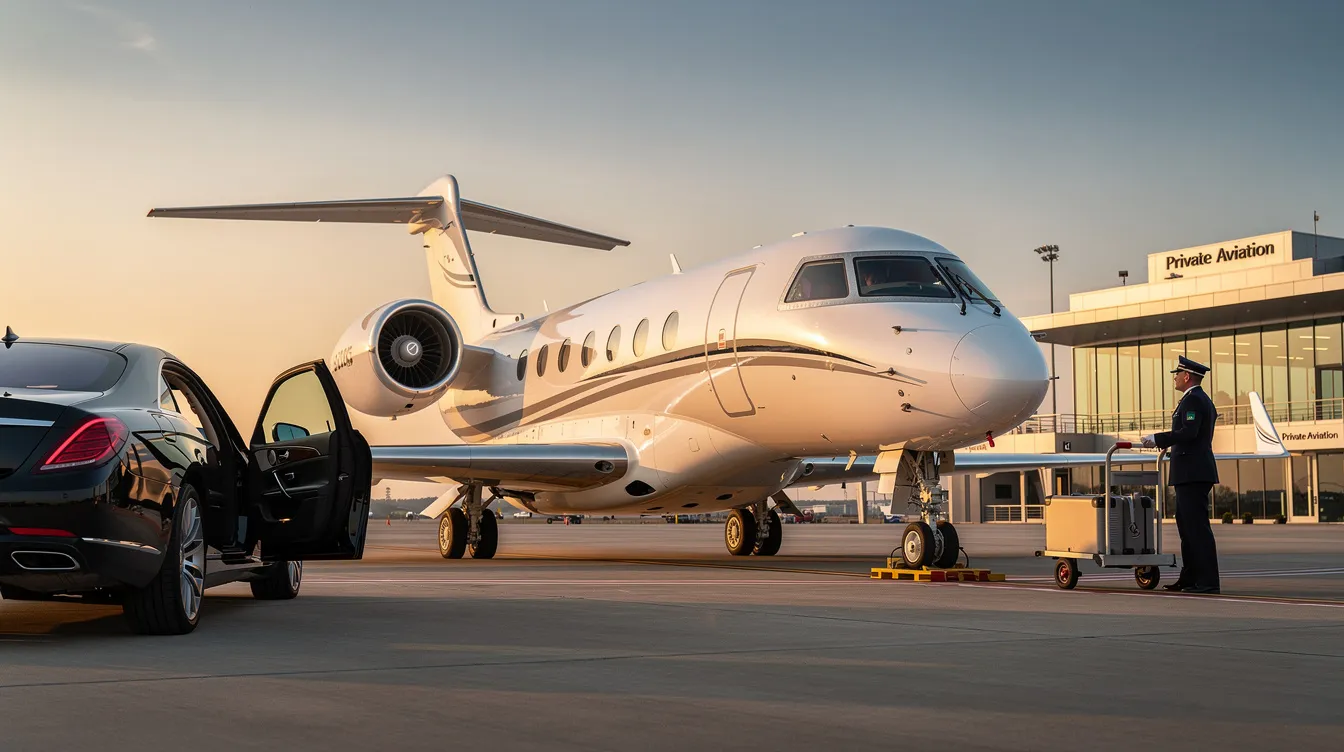
The Sikorsky S-76C remains a versatile and reliable medium twin-engine helicopter, well-suited for offshore oil operations, VIP transport, air ambulance, and search and rescue missions. Its combination of strong performance, comfortable cabin, and proven safety record makes it a preferred choice for a variety of demanding roles. With options to extend range through extra auxiliary tanks and advanced powerplant technology, the S-76C meets the needs of operators requiring flexibility and efficiency.
For travelers and businesses seeking convenient access to the Sikorsky S-76C and other specialized aircraft, digital platforms like Jettly simplify the charter process. Jettly offers transparent pricing, instant booking, and a wide network of operators worldwide, enabling clients to find the right helicopter or private jet for their mission. Whether for corporate shuttles, emergency medical flights, or offshore crew transfers, Jettly connects users to the best available aircraft with ease and confidence.
Ready to experience private helicopter travel on your terms? Explore Sikorsky S-76C charter options or request a quote today at https://jettly.com. Learn more about Jettly’s charter options at https://www.jettly.com.
Share this post:
Jay Franco Serevilla
Aug 2, 2026
|
5
min read
Discover tips and trends in the industry.
5
min read
Fokker F100 for Sale: Buying, Chartering, and Operating the Classic Regional Jet
The Fokker F100 is a versatile regional jet available for purchase or charter. With a capacity of up to 122 passengers, it offers a cost-effective solution for organizations needing reliable air travel. This guide explores the intricacies of buying, chartering, and operating the Fokker 100, helping you make an informed decision.
Read More
5
min read
N701DB Gulfstream G-IV Heavy Jet: Registration, Ownership & Charter Guide
The N701DB is a 1987 Gulfstream G-IV heavy jet known for its impressive range and speed, making it a popular choice for private charters. With advanced avionics and spacious cabins, it caters to both executive and group travel needs. Available for charter through Jettly, this aircraft offers a seamless booking experience and instant pricing for travelers seeking luxury in the skies.
Read MoreStay updated with our latest insights and tips to elevate your journey with us.
MEMBERSHIPS AND ASSOCIATIONS



Disclaimer: Jettly operates as a charter broker, offering access to a global digital jet charter marketplace. Jettly is not a direct air carrier and does not own or operate aircraft. All advertised flights are conducted by third-party air carriers that are fully licensed and hold the appropriate Part 135 or Part 121 certifications issued by the Federal Aviation Administration (FAA) or equivalent regulatory authorities under U.S. or foreign law. Jettly complies fully with the U.S. Department of Transportation's Part 295 and Part 298 Charter Broker regulations. Jettly does not carry additional liability insurance. Passengers are covered by aircraft operator insurance. TICO: 50023770


