


Login
Get Instant Pricing On 23,000+ Aircraft

>
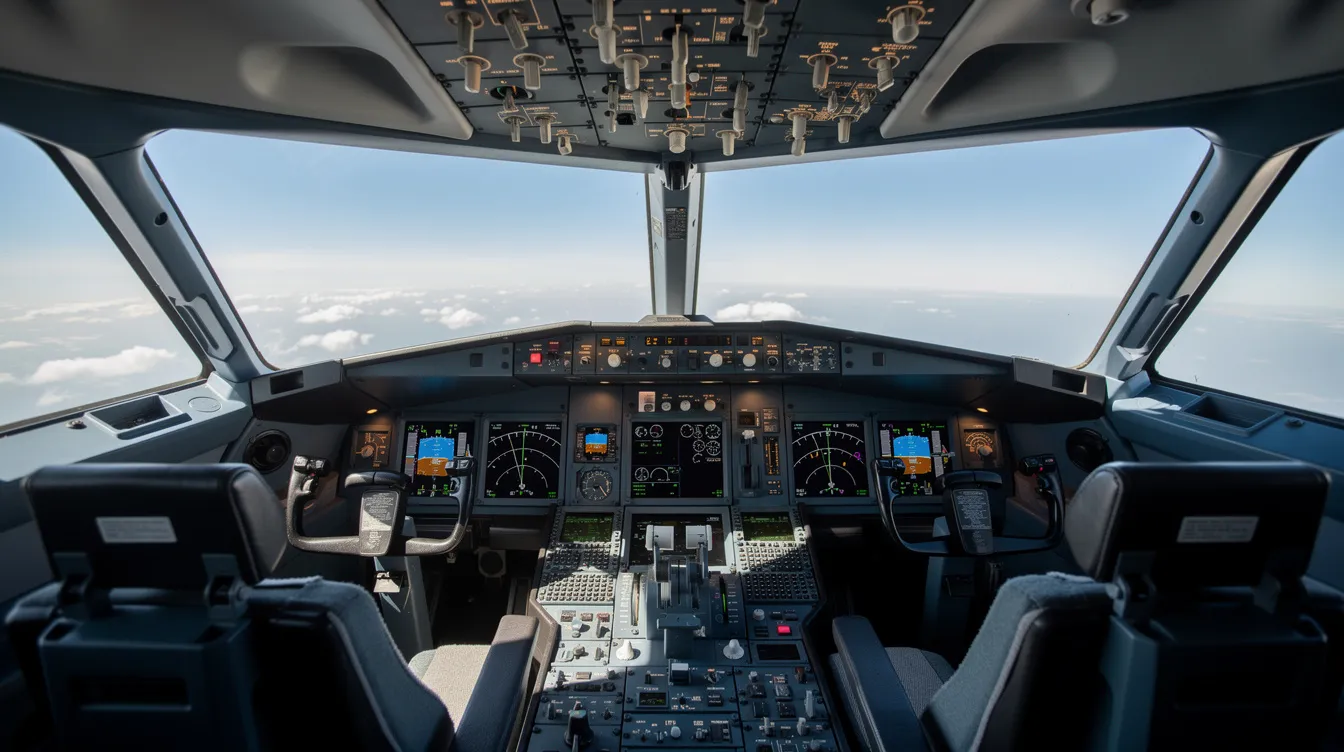
The salary of commercial pilot roles remains one of the most compelling reasons to pursue a pilot career in 2026. With strong demand for qualified pilots, rising contract rates, and expanding private aviation, compensation across the industry continues to climb. This guide breaks down what airline and commercial pilots actually earn, how pay structures work, and where the best opportunities lie.
Commercial pilots (non-airline roles like charter, corporate, and aerial survey) earn a median annual salary of $122,670, while airline pilots, copilots, and flight engineers earn a median annual wage of $226,600 based on recent Bureau of Labor Statistics data.
First-year regional first officers earn between $70,000 and $90,000, while senior captains at major airlines can earn $350,000 or more—with top widebody captains exceeding $450,000 annually.
Airline pilot salaries are based on hourly pay multiplied by credit hours, with pay scales that vary by aircraft type, seniority, and carrier type. Total compensation often includes profit sharing, retirement contributions, and per diem allowances that add 15–30% on top of base pay.
Airline and commercial pilot salaries vary widely depending on role (flight instructor, charter captain, cargo pilot, regional airline pilot, major airline captain), equipment flown, and years of experience.
Private charter flying—including work with operators connected to platforms like Jettly—offers competitive pay plus flexible schedules and varied routes compared with some traditional airline paths.
Airline pilots operate scheduled passenger and cargo flights under Part 121 regulations, working for carriers like Delta Air Lines, American Airlines, and United Airlines. Commercial pilots, by contrast, fly for compensation in roles outside scheduled airlines—charter flights, corporate aviation, aerial survey, sightseeing, medical transport, and flight instruction.
The term "airline and commercial pilots" is how U.S. labor statistics classify these two main groups, and airline pilots typically need an airline transport pilot certificate to fly for airlines. This article covers how those roles translate into pilot salary and career earnings in 2026.
Airline pilot duties include:
Preflight planning and aircraft inspection
Operating complex aircraft systems alongside a first officer
Communicating with air traffic control
Managing passenger or cargo safety across domestic and international routes
Commercial pilot duties outside airlines include:
Flying charter flights and corporate missions
Conducting sightseeing tours and aerial photography
Operating medical and emergency flights
Working as a certified flight instructor at a flight school
Despite similar core flying skills, these different operational contexts create significant variation in both airline pilot pay and commercial pilot salary.
Entry-level (low-time charter SIC, light jet co-pilot): $55,000–$80,000
Mid-career (midsize jet captain, experienced charter pilot): $90,000–$150,000
High-experience (large-cabin corporate/charter captain): $160,000–$250,000+
The salary of commercial pilot roles in the U.S. sits at a median annual salary of $122,670 according to recent data. "Commercial pilot" in this context refers to non-airline roles: charter pilots, corporate pilots, helicopter pilots, aerial survey pilots, and some flight instructors who hold a commercial pilot certificate.
Commercial pilots work under pay structures that blend base salary with daily or trip-based pay, per diem, and overtime. For those focused specifically on private jet operations, private jet pilot salaries follow similar patterns but can escalate quickly with experience and aircraft size. Actual pay can fluctuate month to month depending on monthly flight hours and schedule density.
Commercial pilots working in premium private jet charter for high-net-worth clients—including flights brokered through Jettly's operator network—tend to earn toward the upper end of the commercial pilot salary spectrum.
Airline pilots, copilots, and flight engineers: median annual wage of $226,600
Commercial pilots (non-airline): median annual salary around $122,670
Overlap zone: experienced corporate and charter captains can match or exceed some regional airline captains, especially on large-cabin business jets
Airline pilots generally earn more than non-airline commercial pilots. But both career paths can lead to six figures and strong career earnings over decades.
Major airlines offer some of the highest compensation packages for pilots because of larger aircraft, more passengers, long-haul operations, complex union contracts, and seniority-based pay scales that reward decades of service.
Commercial pilots enjoy other advantages. The work offers more varied flying, potentially more flexible schedules, closer contact with clients (especially in corporate and charter roles), and earlier opportunities to upgrade to captain on smaller aircraft. For many pilots, the tradeoff between maximum pay and lifestyle flexibility is a real consideration.
Airline pilot pay is not a flat salary. Pilots are paid hourly based on credited flight time, with compensation structures typically depending on flight hours and scheduling defined by union contracts.
Pilot pay is often calculated based on hourly flight hours according to a published pay scale. Rates range from roughly $90 per hour for new pilots at a regional airline to over $400 per hour for a senior widebody captain at a major carrier like United Airlines.
Airlines guarantee most pilots 70–85 credit hours per month. This means annual pay can be estimated by taking hourly pay multiplied by guaranteed monthly flight hours across 12 months. A captain earning $350/hour with a 75-hour guarantee would see annual base pay around $315,000 before extras.
Additional compensation layers include:
Per diem: paid for each hour spent away from base
Overtime and premium pay: for holidays, weekends, and international flying
Profit sharing: major carriers distributed significant payouts in recent years
Retirement contributions: often 10–18% of pay from the employer
While annual income is often quoted as a "salary," airline pilot pay is fundamentally hourly plus bonuses. That's why pay can spike during busy years or when pilots pick up extra trips.

Regional airline: first-year regional pilots earn $70,000 to $90,000 annually, rising to $90,000–$150,000 with several years of seniority
Major airline first officer: $120,000–$180,000+ after a few years of flight experience
Regional captain: $150,000–$230,000 depending on aircraft type and years of service
Major airline captain (narrowbody): $230,000–$320,000
Senior widebody captain at a major carrier: $350,000–$450,000+ annually, depending on seniority, schedule, and equipment flown
Certified flight instructors at busy flight schools: $40,000–$70,000 in 2026
Higher totals possible: when instructing in multi-engine and turbine aircraft or logging high monthly flight hours
Most pilots start as flight instructors to build the flight time needed before qualifying for an airline transport pilot certificate and airline roles. Many regional airlines serve as a stepping stone to major airlines for pilots who then progress into higher-paid roles like major airline captain or corporate/charter captain.
Experience and seniority: Earnings increase with more flight hours and experience. Seniority significantly influences pilot salaries within airlines—more years with one employer and more time in type translate into higher pay scales and better schedules.
Employer type: Legacy carriers like Delta Air Lines, American Airlines, and United Airlines tend to pay more than small regionals or charter operators. Cargo carriers such as FedEx and UPS are also top payers. Compensation for pilots can vary significantly based on type of airline.
Aircraft type: Larger aircraft typically command higher pay rates for pilots. Captains on long-haul widebody jets or large business jets earn 10–25% more than those flying turboprops or light jets.
Geographic location: Higher demand and cost of living in metropolitan areas can lead to higher wages for pilots. Geographic location affects pilot earnings due to varying costs of living and local tax regimes.
Routes and flying: Pilots can enhance their earnings through premium routes or international flights, which carry additional pay differentials and per diem.
Union contracts and benefits: Unionized airline pilots often secure stronger hourly rates and retirement contributions than many non-union roles. Some charter and corporate positions offer lifestyle benefits in exchange for slightly different pay structures.
Pilot earnings vary based on employer and industry type. Pilot salaries vary significantly by airline type and aircraft flown—there is no single number that captures the full picture.
A professional pilot career spanning 30–35 years can generate impressive total earnings. The concept of the "ten million dollar career" is not unrealistic for senior captains at major airlines.
A typical progression looks like this:
Years 1–3: Flight instructor or low-time commercial pilot ($40,000–$80,000/year)
Years 3–8: Regional airline first officer, then captain ($70,000–$200,000/year)
Years 8–35+: Major airline first officer, then captain ($150,000–$450,000+/year)
Total career earnings commonly land in the $6–$10 million+ range for airline pilots who reach major airline captain status.
A career focused on corporate and charter roles follows a different but still lucrative path. Senior captains commanding large-cabin business jets can produce multi-million-dollar career earnings, especially when serving global clients.
Beyond direct salary, aspiring pilots should factor in retirement contributions (401(k) matches of 10–18%), profit sharing, and stock programs that boost long-term wealth. Many pilots who move between airlines, cargo, and charter—including flying private charter missions through networks like Jettly's operators—shape career earnings around lifestyle priorities, not just maximum pay.
Approximately $70,000–$130,000 annually
Varies by aircraft size (light vs midsize vs heavy jets), schedule, and company
Light and midsize jets: $130,000–$200,000
Large-cabin jets (Gulfstream, Global series): $220,000–$320,000+ annually
Top fractional-operator captains at companies like NetJets can exceed $400,000 in total compensation
Corporate and charter pilots may receive additional perks: predictable home-base operations, more scheduling control, and closer relationships with regular clients. For more detail on NetJets pilot pay and similar roles, Jettly covers these in a dedicated guide.
Operators connected to digital platforms like Jettly can see more consistent charter demand and optimized routing, which supports stable employment and competitive pay for commercial pilots in the private aviation sector.
|
Role |
Salary Range (Annual) |
Notes |
|---|---|---|
|
Entry-Level Commercial Pilot |
$55,000–$80,000 |
Low-time charter SIC, light jet co-pilot |
|
Mid-Career Commercial Pilot |
$90,000–$150,000 |
Midsize jet captain, experienced charter pilot |
|
Senior Commercial Pilot |
$160,000–$250,000+ |
Large-cabin corporate/charter captain |
|
First-Year Regional First Officer |
$70,000–$90,000 |
Entry-level regional airline pilot |
|
Regional Captain |
$150,000–$230,000 |
Regional airline captain |
|
Major Airline First Officer |
$120,000–$180,000+ |
After several years of experience |
|
Major Airline Captain (Narrowbody) |
$230,000–$320,000 |
Includes domestic narrowbody aircraft |
|
Senior Major Airline Captain (Widebody) |
$350,000–$450,000+ |
Includes international widebody aircraft |
|
Flight Instructor |
$40,000–$70,000 |
Certified flight instructors at busy flight schools |
|
Cargo Pilot |
$150,000–$400,000+ |
Often higher pay than passenger airline pilots |

First officers: $80,000–$110,000 with signing and retention bonuses
Regional captains: $150,000–$230,000 as contracts improved post-2023
Narrowbody captains: $230,000–$320,000
Widebody captains: $350,000–$450,000+ including profit sharing
Cargo pilots often earn higher salaries than passenger airline pilots. Senior captains at major carriers like FedEx and UPS frequently exceed $300,000 annually, particularly for night and international operations.
European legacy carriers: offer roughly $150,000–$250,000 for experienced captains
Middle East and some Asian carriers: offer tax-efficient packages that can rival U.S. narrowbody captain pay
Across all these segments, the best airlines to be a pilot for depend on individual priorities—maximum pay, lifestyle, base location, or fleet variety.
Becoming a commercial pilot requires a significant financial investment, and pilots aiming for airline jobs usually progress from flight training toward an airline transport pilot certificate after earning a commercial pilot license, multi-engine rating, instrument rating, and flight instructor certificates; from zero flight hours through that stage, programs typically cost $70,000–$120,000 in the mid-2020s.
Many student pilots recover training costs within 2–4 years of full-time employment
Starting pay for new pilots at regional airlines and charter operators has risen sharply since 2023
The median wage for commercial pilots ($122,670) already exceeds the national median for all occupations by a wide margin
1–3 years: Flight instructor or low-time commercial pilot
2–5 years: Regional airline or charter operator
5+ years: Major airline, cargo carrier, or large-cabin corporate captain
Beyond direct salary, the career offers long-term stability, worldwide job mobility, and a skill set that remains in demand. Some private aviation operators and platforms, including those in Jettly's ecosystem, support pilots with flexible schedules that help balance strong annual pay with lifestyle preferences.

Jettly is a global digital private jet charter marketplace connecting travelers with 20,000+ aircraft. Behind every one of these flights are professional commercial pilots working for approved operators.
While Jettly is a charter broker rather than an airline, its tech-driven, on-demand model helps partner operators keep aircraft flying more consistently. This supports stable airline employment and strong income potential for their pilots.
Charter pilots serving Jettly-linked operators fly a mix of business trips, family vacations, and urgent time-critical missions on a wide range of private charter aircraft. This variety creates diverse flight experience and sometimes premium pay for short-notice or overnight trips.
Pilots in private charter benefit from operating out of smaller airports, shorter boarding times, and more direct routing. These factors can improve quality of life even when total duty time is comparable to scheduled airline work.
Interested in private aviation—whether as a traveler or as someone exploring what drives pilot demand? Tools like Jettly's airport locator platform, private jet charter cost estimator, and jet card flight cost estimator help travelers plan trips that ultimately generate flying opportunities for commercial pilots. Travelers comparing jet card programs, exploring affordable private jet charter options, or using tips for booking the cheapest private jet flights and buying a seat on a private jet can all influence charter demand and pilot utilization.
Shared models—such as crowdsourced and shared private jet flights or comparing shared charter flights vs. full charters—can make private travel more accessible without reducing the need for professional crews. Many passengers first experience private aviation through empty-seat and easy private jet access strategies, then graduate into frequent travel supported by private jet memberships or NetJets alternatives like Jettly.
International routes on private jets—from India hubs like New Delhi, Chennai, and Kolkata to global business centers—benefit from pilots experienced with cross-border operations, as described in guides on flying private jets internationally. As more travelers tap into Jettly's charter airline alternatives and regional airport access, pilot hiring and specialization continue to expand.
On the business side, some aviation professionals and content creators even participate in Jettly's high-ticket affiliate program, earning commissions by referring new travelers into the ecosystem. Learn more about Jettly's charter options at https://www.jettly.com.
Demand for airline and commercial pilots remains strong through the 2020s and early 2030s, directly supporting rising salaries and hiring incentives. Airlines are hiring actively due to pilot shortages at both regional and major carrier levels.
Pilot employment is projected to grow 7% from 2025 to 2035, faster than average for all occupations
About 16,400 pilot openings are expected each year due to retirements, promotions, and fleet growth
Hundreds of thousands of new pilots will be needed by 2040, according to manufacturer forecasts from Boeing and Airbus
Private aviation and on-demand charter—including platforms such as Jettly—are growing as travelers seek flexibility and time savings. Membership-based private jet memberships and similar programs further expand demand, creating additional opportunities for commercial pilots outside traditional airlines.
A robust employment outlook supports both the salary of commercial pilot roles and broader career earnings. For aspiring pilots who meet medical and training requirements, this is an attractive time to begin flight training.
Below are answers to common questions about pilot pay that weren't fully covered above.
Many pilots reach $100,000+ annual income within 3–7 years of starting full-time flying. The timeline depends on how quickly they move from flight instructor roles into regional, charter, or corporate positions, and on how fast they build the flight time and earn the airline transport pilot certificate required for airline jobs. Pilots who progress into major airlines or large-cabin corporate jets can exceed six figures sooner when demand is high and bonuses are available, as is the case in 2026.
Flight instructors typically earn less than airline pilots and experienced charter captains. Most certified flight instructors in 2026 make about $40,000–$70,000 per year while they build flight hours. Instructing is usually viewed as a stepping stone. Once pilots meet airline or charter minimums, they move into roles with higher airline pilot salaries or commercial pilot pay in corporate and charter operations.
U.S. airline pilots are among the highest-paid in the world, especially at major carriers. U.S.-based commercial pilots in corporate and charter also enjoy strong pay relative to most regions, supported by a mature charter airline and private aviation ecosystem. Some Middle Eastern and Asian carriers offer competitive, often tax-advantaged packages, but overall U.S. pilot pay—especially for airline captains—tends to be at the top of global ranges. The Occupational Outlook Handbook provides useful benchmarks for U.S.-specific data.
Pay overlaps significantly. Senior major airline captains usually out-earn most charter pilots. However, experienced captains on large-cabin business jets can match or exceed many narrowbody airline captains, especially when bonuses and day rates are factored in. Many pilots choose private jet charter for schedule flexibility, varied destinations, and smaller-airport operations rather than purely for maximum base pay.
While pilot pay is calculated per flight hour or duty metric, most airline and commercial pilots are paid on a regular biweekly or monthly payroll. Paychecks reflect total credited hours and allowances for each pay period. Per diem, overtime, and bonuses are added to regular paychecks, so what a pilot actually takes home each period reflects both base guarantees and variable flying activity. It's not a per-flight payment system—it's structured payroll tied to logged and credited hours.
The salary of commercial pilots in 2026 reflects a dynamic and rewarding career path with strong earning potential across various roles in aviation. Whether flying for major airlines, regional carriers, or private jet charter operators like those connected through Jettly, pilots benefit from competitive pay structures that reward experience, seniority, and aircraft type. While airline pilots generally command higher median salaries, commercial pilots enjoy diverse opportunities with flexible schedules and varied flying experiences.
Investment in flight training and certification is substantial but often recouped quickly through rising pay and career advancement. With a robust employment outlook, growing pilot demand, and expanding private aviation markets, aspiring pilots can look forward to stable, well-compensated careers. For travelers and aviation professionals alike, platforms like Jettly showcase how private jet charter is reshaping the industry, supporting pilots with consistent flying opportunities and attractive compensation.
Ready to experience private travel on your terms? Explore flight options or request a quote at https://www.jettly.com.
Share this post:
Jay Franco Serevilla
Sep 23, 2026
|
5
min read
Discover tips and trends in the industry.

5
min read
Flying Chef: How In-Flight Culinary Excellence Is Redefining Private Jet Travel
The emergence of flying chefs is transforming private jet travel by offering personalized, high-quality dining experiences at cruising altitude. These culinary professionals elevate in-flight meals, adapting menus to passenger preferences and ensuring gourmet quality. As luxury travel evolves, flying chefs are becoming essential for discerning travelers seeking exceptional onboard dining.
Read More
5
min read
Gulfstream G550 N550EW: Ultra Long Range Private Jet Charter Guide
The Gulfstream G550 N550EW is an ultra-long-range private jet ideal for both business and leisure travel. With a range of over 6,700 nautical miles and luxurious amenities, it offers exceptional comfort and operational flexibility. This guide covers the aircraft's features, booking process, and pricing, making it a valuable resource for potential travelers.
Read MoreStay updated with our latest insights and tips to elevate your journey with us.
MEMBERSHIPS AND ASSOCIATIONS



Disclaimer: Jettly operates as a charter broker, offering access to a global digital jet charter marketplace. Jettly is not a direct air carrier and does not own or operate aircraft. All advertised flights are conducted by third-party air carriers that are fully licensed and hold the appropriate Part 135 or Part 121 certifications issued by the Federal Aviation Administration (FAA) or equivalent regulatory authorities under U.S. or foreign law. Jettly complies fully with the U.S. Department of Transportation's Part 295 and Part 298 Charter Broker regulations. Jettly does not carry additional liability insurance. Passengers are covered by aircraft operator insurance. TICO: 50023770


