


Login
Get Instant Pricing On 23,000+ Aircraft

>

Safety is foundational in private aviation—and it starts with operator standards.
Jettly partners with licensed operators that meet strict regulatory and operational requirements worldwide.
Operators must comply with:
Pilots are required to meet:
Aircraft undergo:
Passengers benefit from:
Learn more about how flights are vetted.
Share this post:
Jay Franco
Dec 12, 2025
|
5
min read
Discover tips and trends in the industry.
5
min read
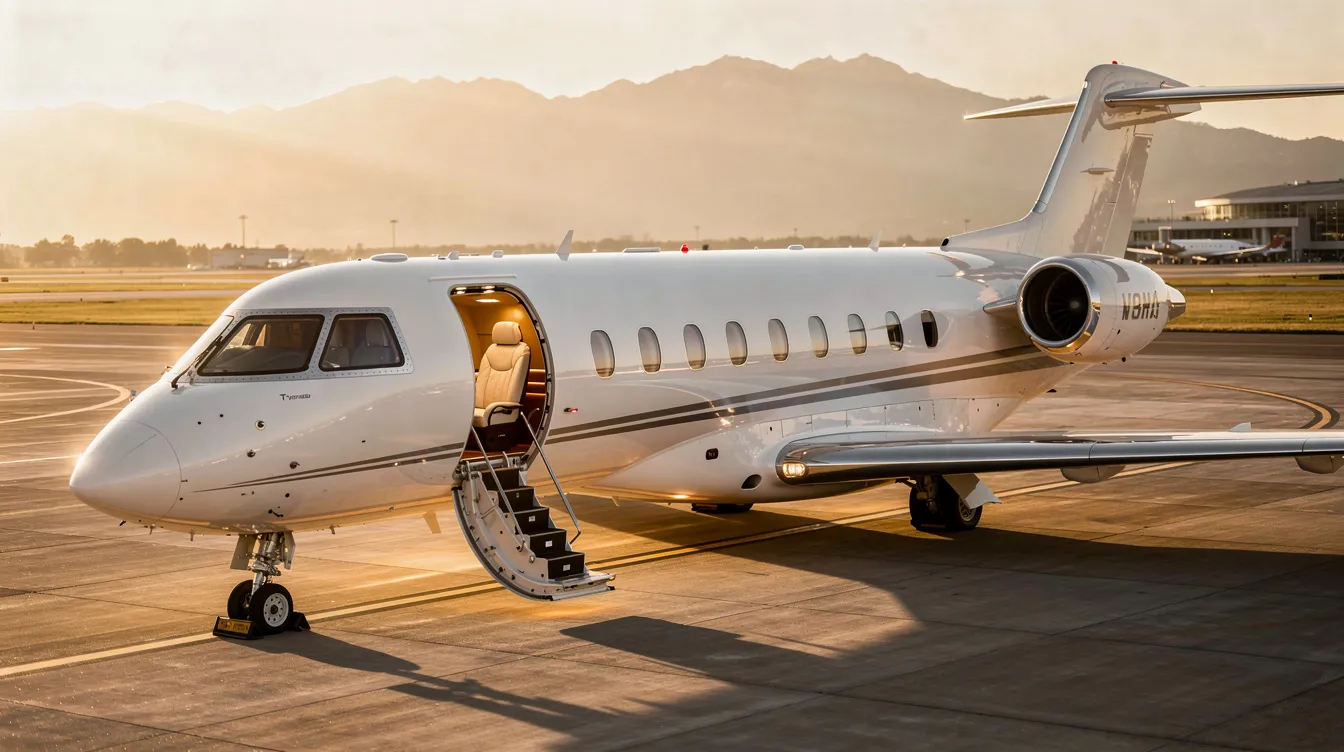
Private Jet Cost for Sale: What Buyers Need to Know in 2026
In 2026, understanding the costs associated with private jet ownership is essential for potential buyers. This guide outlines acquisition prices, ongoing expenses, and the benefits of chartering through platforms like Jettly. With costs ranging from hundreds of thousands to over $100 million, buyers must consider both initial investments and substantial annual expenses.
Read More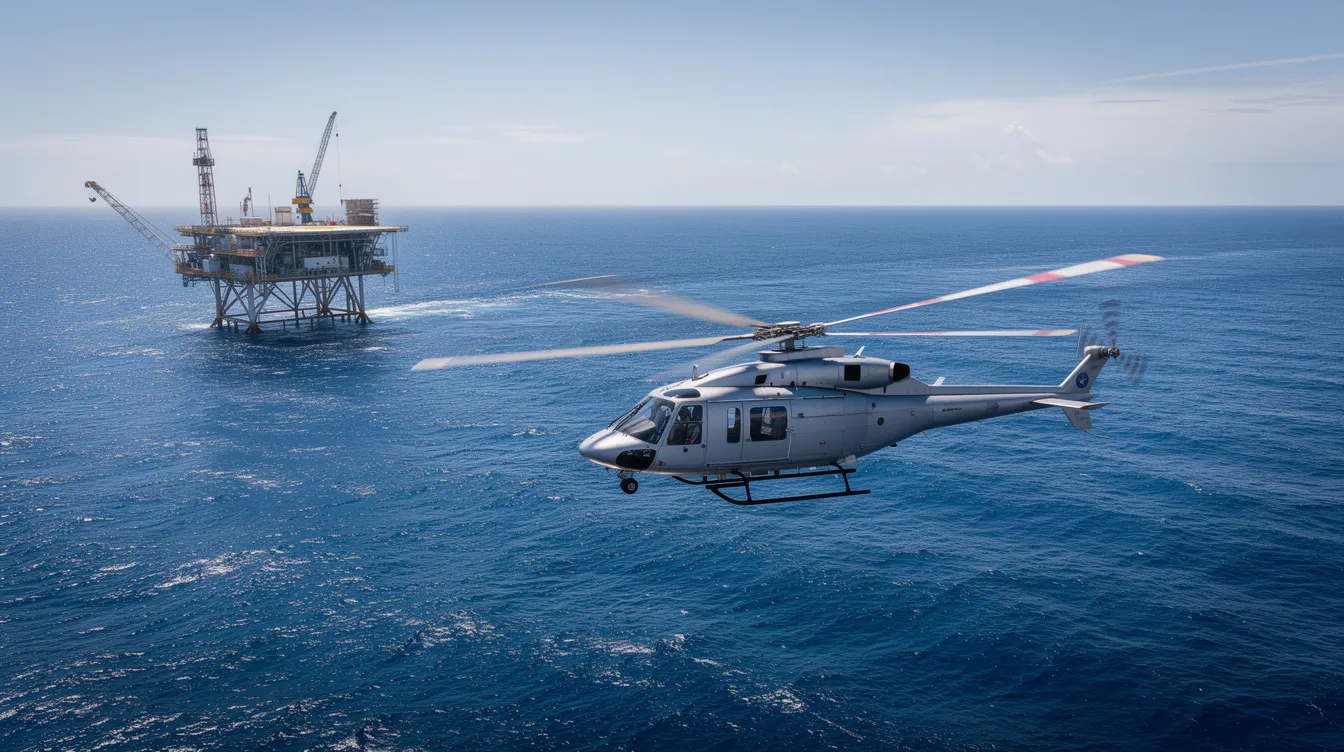
5
min read
How Long Can a Helicopter Stay in the Air? (Endurance, Range & Real-World Examples)
Helicopters typically stay airborne for 2 to 6 hours, depending on their class and mission profile. Factors like fuel capacity, payload, and weather conditions significantly influence their endurance and range. Understanding these aspects is crucial for effective flight planning and operational efficiency.
Read MoreStay updated with our latest insights and tips to elevate your journey with us.
MEMBERSHIPS AND ASSOCIATIONS



Disclaimer: Jettly operates as a charter broker, offering access to a global digital jet charter marketplace. Jettly is not a direct air carrier and does not own or operate aircraft. All advertised flights are conducted by third-party air carriers that are fully licensed and hold the appropriate Part 135 or Part 121 certifications issued by the Federal Aviation Administration (FAA) or equivalent regulatory authorities under U.S. or foreign law. Jettly complies fully with the U.S. Department of Transportation's Part 295 and Part 298 Charter Broker regulations. Jettly does not carry additional liability insurance. Passengers are covered by aircraft operator insurance. TICO: 50023770


