


Login
Get Instant Pricing On 23,000+ Aircraft

>

Safety is paramount in private jet travel. While all private jets must adhere to the Federal Aviation Administration's (FAA) stringent safety standards, certain models have distinguished themselves with exceptional safety records and cutting-edge features that provide an added layer of security and peace of mind.
From the renowned reliability of the Pilatus PC-12 to the advanced avionics systems of the Dassault Falcon 8X, these top-tier private jets offer discerning travelers the ultimate combination of luxury, performance, and uncompromising safety.
The impressive safety ratings of these aircraft can be attributed to factors such as extensive pilot training, thorough maintenance practices, and innovative technologies designed to mitigate risks and enhance situational awareness.
For high-net-worth individuals considering private jet ownership or business executives seeking the most secure charter options, understanding the key elements that set these aircraft apart is essential for making informed decisions.
A closer look at the safest private jets available today reveals how a worry-free flying experience can be ensured every time you take to the skies.
Private jets are renowned for their strong safety record, which can be attributed to a detailed set of measures. These factors include:
The Federal Aviation Administration (FAA) sets forth minimum safety standards that all private jets operating within the United States must adhere to. These standards ensure a baseline level of safety across the industry by covering various aspects of aircraft operation, such as:
Many private jet operators and manufacturers surpass the FAA's minimum requirements by implementing additional safety standards. These may include:
These measures further enhance the overall safety of private jet travel.
State-of-the-art avionics systems equip modern private jets, providing pilots with real-time information about the aircraft's performance, weather conditions, and potential hazards.
Advanced technologies, such as enhanced vision systems and synthetic vision displays, improve situational awareness and help pilots make informed decisions, ultimately contributing to a safer flying experience.
Innovative safety systems, like the Runway Overrun Awareness and Alerting System (ROASS), are featured in some private jets, such as the Embraer Phenom 300.
ROASS provides pilots with real-time information about the aircraft's position on the runway, alerting them to potential overrun situations and helping to prevent accidents during takeoff and landing.
Private jet pilots must hold a valid commercial pilot license and meet stringent experience requirements set by the FAA and individual operators. These requirements ensure that pilots possess the necessary skills, knowledge, and experience to safely operate the aircraft under various conditions.
Private jet pilots must undergo regular training and proficiency checks to maintain their licenses and stay current with the latest safety protocols. This ongoing education helps pilots stay sharp, refine their skills, and adapt to new technologies and procedures, ultimately contributing to a safer flying environment.
Regular inspections and servicing are conducted on private jets to ensure that all systems and components are functioning properly. These maintenance practices are crucial for identifying and addressing potential issues before they become safety concerns, helping to maintain the aircraft's airworthiness and reliability.
Private jet operators and maintenance crews strictly follow the manufacturer's guidelines for servicing and repairs. By adhering to these guidelines, they ensure that the aircraft is maintained to the highest standards, using approved parts and procedures, which contributes to the overall safety and longevity of the private jet.
The exceptional safety record of private jets safety can be attributed to the combination of stringent regulations, advanced safety features, rigorous pilot training, and comprehensive maintenance practices.
By prioritizing safety at every level, the private aviation industry continues to provide a secure and reliable travel experience for its discerning clientele.
Several models stand out for their exceptional safety records, advanced features, and reliable performance among the safest different private jets on the market. These aircraft, designed and built by some of the top private jet makers in the industry, ensure the highest standards of safety and quality.
The Cessna Citation Latitude boasts an impressive safety record, with minimal reported incidents since its introduction, which speaks to its robust design, reliable systems, and thorough testing and certification processes.
The Citation Latitude, equipped with two powerful Pratt & Whitney PW306D1 turbofan engines, delivers exceptional performance while maintaining a high level of safety. These engines, known for their reliability, efficiency, and low maintenance requirements, contribute to the aircraft's overall safety profile.
Renowned for its exceptional safety standards and reliability, the Bombardier Challenger 350 is built to meet and exceed the most stringent safety regulations. It features redundant systems, advanced avionics, and a robust airframe designed to withstand the rigors of frequent use.
The Challenger 350 offers a spacious and comfortable cabin with a range of amenities that enhance the overall passenger experience, in addition to its safety features. The aircraft's design prioritizes both safety and comfort, ensuring that passengers can enjoy their flight with peace of mind.
The Dassault Falcon 8X, equipped with state-of-the-art avionics systems, including the EASy III cockpit and the FalconEye® combined vision system, provides pilots with enhanced situational awareness, improved decision-making capabilities, and increased safety during all phases of flight.
The Falcon 8X offers enhanced safety features that set it apart from other private jets by leveraging cutting-edge technology. This aircraft, designed to provide the highest level of safety and reliability, features advanced flight control systems, innovative safety sensors, and alerts.
Both the Gulfstream G650 and G700 have earned a reputation for their notable safety records, with few reported incidents since their introduction. Built to the highest standards of safety and quality, these aircraft incorporate advanced materials, redundant systems, and rigorous testing procedures.
The G650 and G700, in addition to their safety features, offer spacious cabins, long-range capabilities, and a stellar reputation within the private aviation industry. These factors, combined with their exceptional safety records, make them a top choice for discerning travelers who prioritize both comfort and security.
Renowned for its reliability and safety, with a proven track record in a variety of operating environments, the Pilatus PC-12 is a single-engine turboprop aircraft built to withstand challenging conditions. It features robust systems and redundancies that contribute to its overall safety profile.
The PC-12's impressive short takeoff and landing (STOL) capabilities, one of its standout safety features, allow the aircraft to operate safely in smaller airports and challenging terrain. This provides greater flexibility and safety for pilots and passengers alike.
The Embraer Phenom 300 has established a strong safety record since its introduction, thanks in part to its innovative safety features and advanced technologies. This light jet incorporates cutting-edge avionics, robust systems, and thoughtful design elements that prioritize safety and reliability.
As the first business aircraft to feature the Runway Overrun Awareness and Alerting System (ROASS) technology, the Phenom 300 provides pilots with real-time information about runway conditions and potential overrun risks. This innovative system enhances safety during takeoff and landing.
The Cessna Citation Sovereign has maintained a clean safety record, with no reported accidents or major incidents, since its launch in 2004. This achievement reflects the aircraft's robust design, reliable systems, and Cessna's commitment to safety and quality.
Known for its consistent performance and reliability, the Citation Sovereign is a popular choice among private jet operators and owners. Its dependable systems, advanced avionics, and well-designed airframe contribute to its overall safety and operational efficiency.
These top safest private jet models demonstrate the industry's commitment to safety, innovation, and customer satisfaction.
By prioritizing safety through advanced technologies, rigorous testing, and continuous improvement, these aircraft provide travelers with the peace of mind they need to enjoy the many benefits of private jet travel.
While the safest private jet models provide a strong foundation for secure travel, passengers can take additional steps to ensure a safe and worry-free experience:
By taking these measures, travelers can further mitigate risks and enjoy peace of mind when flying privately.
Before booking a private jet, thoroughly research the operator's safety records and reputation. Seek out operators with a proven track record of safe operations, minimal incidents, and a steadfast commitment to upholding the highest safety standards in the industry.
Ensuring that the pilots flying your private jet are highly qualified and experienced is paramount for a safe journey. Inquire about the pilots' credentials, training, and experience level, particularly with the specific aircraft model you'll be flying, to guarantee that you're in capable hands.
Proper maintenance and regular inspections are essential for ensuring the safety and reliability of private jets. Feel empowered to ask for details about the aircraft's maintenance and inspection logs, as well as the operator's maintenance practices and adherence to manufacturer guidelines, to confirm that the jet is in top condition.
Partnering with a reputable private jet broker can assist you in understanding the industry and ensure a safe, smooth experience.
Seek out brokers with a proven track record, extensive industry knowledge, and a commitment to working only with operators that meet the highest safety standards, so you can trust that your well-being is their top priority.
While cost and convenience are important factors when choosing a private jet provider, safety should always take precedence.
Be willing to invest in operators and aircraft that prioritize safety above all else, even if it means paying a slightly higher price or adjusting your travel plans to accommodate the safest options available.
By taking these proactive steps and working with trusted professionals, private jet passengers can ensure a secure, enjoyable travel experience. Private aviation demands an unwavering commitment to safety as the top priority.
The future of private jet safety is promising as the industry continues to progress and adapt. Advancements in technology, ongoing emphasis on pilot training, and stricter regulations are poised to maintain and enhance the industry's commitment to safety in the coming years.
Cutting-edge technologies and innovations are set to revolutionize private jet safety, offering enhanced situational awareness and risk mitigation capabilities:
The private aviation industry will continue prioritizing pilot training and human factors, recognizing their critical role in maintaining safety. Ongoing advancements in training programs, such as:
These advancements will help pilots hone their skills and better prepare for challenging situations.
As the industry grows, regulatory bodies like the FAA are likely to implement stricter regulations and oversight for private jet operations, which may include:
These measures will ultimately contribute to a safer flying environment for private jet passengers.
By embracing these advancements and initiatives, the private aviation industry is well-positioned to maintain its strong safety record. Passengers can look forward to an even safer and more secure flying experience in the years to come.
Several key factors contribute to a private jet's safety:
The safest private jets often feature cutting-edge technologies like enhanced collision avoidance systems and advanced weather detection capabilities, further bolstering their safety profile.
While both private jets and commercial airliners must adhere to strict FAA safety standards, private jets offer some unique safety advantages:
However, it's important to note that commercial airliners also have an excellent safety record and undergo rigorous safety protocols.
To verify a private jet operator's safety record, follow these steps:
By thoroughly vetting an operator's safety record, you can make an informed decision and enjoy peace of mind when booking a private jet.
When selecting a private jet, prioritize these essential safety features:
By choosing a jet with these safety features, you can ensure a secure and comfortable flying experience.
While smaller private jets may face unique challenges due to their size and operating environment, they are not inherently less safe than larger aircraft. The safety of a private jet depends more on factors such as:
Size alone does not determine a private jet's safety; rather, it is the combination of maintenance, training, and compliance that ultimately ensures a secure flying experience.
Private jet safety is a complex concept, involving strict regulations, advanced technologies, thorough pilot training, and careful maintenance practices.
The safest private jets, such as the Cessna Citation Latitude, Bombardier Challenger 350, and Gulfstream G650, have demonstrated exceptional safety records and incorporate cutting-edge features that mitigate risks and enhance situational awareness.
When considering private jet travel, conducting thorough research and working with reputable brokers is crucial to ensure that the operator prioritizes safety above all else.
As the private aviation industry continues to progress, we can anticipate the emergence of even more advanced safety technologies and practices, further solidifying the commitment to passenger well-being.
By prioritizing safety and selecting the most reliable aircraft, high-net-worth individuals and business executives can enjoy the unparalleled convenience and luxury of private jet travel with complete peace of mind.
Share this post:
Justin Crabbe
May 7, 2025
|
5 minutes
min read
Discover tips and trends in the industry.

5
min read
Ride a Helicopter in New York: How to Choose and Book the Best NYC Helicopter Tour
A helicopter ride in New York offers breathtaking views of iconic landmarks like the Statue of Liberty and Central Park. Tours typically last between 12 to 30 minutes and can be booked as shared sightseeing flights or private charters. Jettly provides a platform for arranging customizable helicopter experiences, making it easy to explore the city from above.
Read More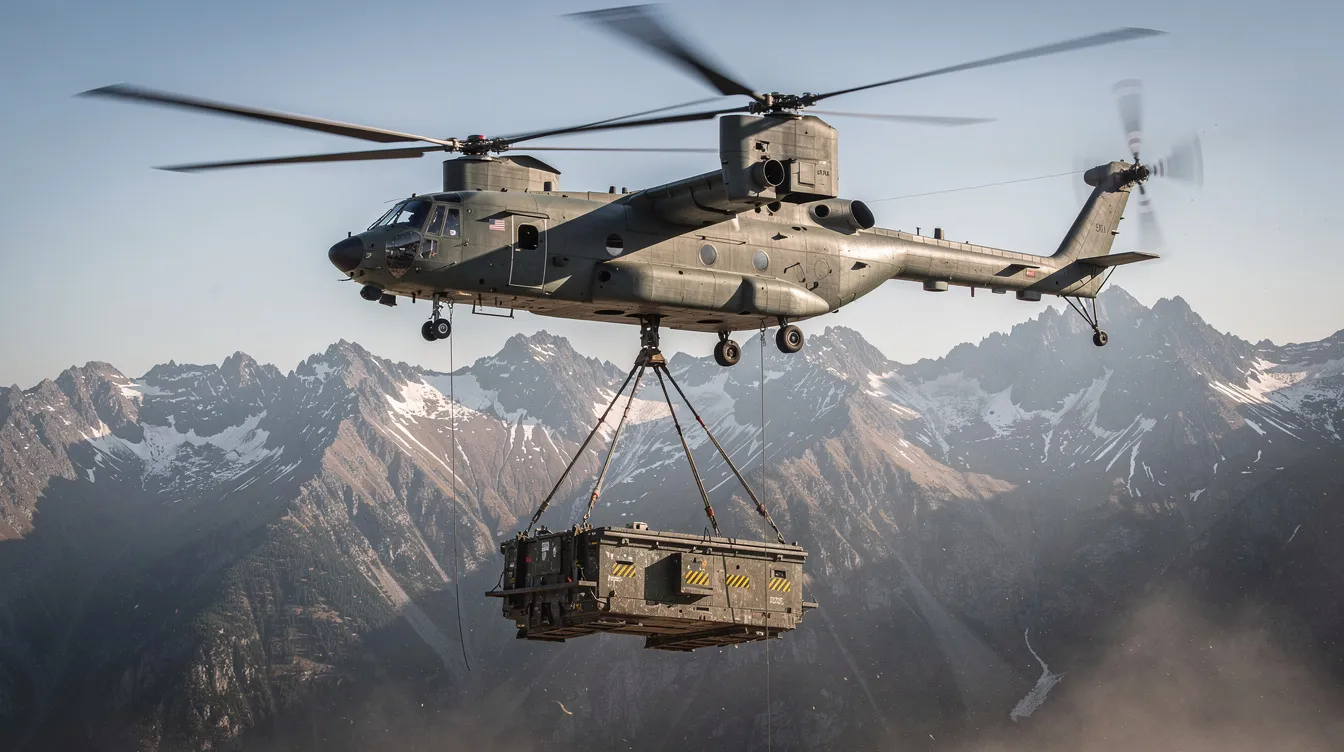
5
min read
Chinook Helicopter Guide: CH-47D, CH-47F, Uses, Performance, and Charter Access
The CH-47 Chinook helicopter, developed by Boeing Vertol, is a versatile heavy-lift aircraft known for its twin-engine, tandem rotor design. With variants like the CH-47D and CH-47F, it plays a crucial role in military operations, disaster relief, and commercial heavy-lift tasks. Organizations often utilize charter services like Jettly to access Chinook capabilities without the burdens of ownership.
Read MoreStay updated with our latest insights and tips to elevate your journey with us.
MEMBERSHIPS AND ASSOCIATIONS



Disclaimer: Jettly operates as a charter broker, offering access to a global digital jet charter marketplace. Jettly is not a direct air carrier and does not own or operate aircraft. All advertised flights are conducted by third-party air carriers that are fully licensed and hold the appropriate Part 135 or Part 121 certifications issued by the Federal Aviation Administration (FAA) or equivalent regulatory authorities under U.S. or foreign law. Jettly complies fully with the U.S. Department of Transportation's Part 295 and Part 298 Charter Broker regulations. Jettly does not carry additional liability insurance. Passengers are covered by aircraft operator insurance. TICO: 50023770


