


Login
Get Instant Pricing On 23,000+ Aircraft

>
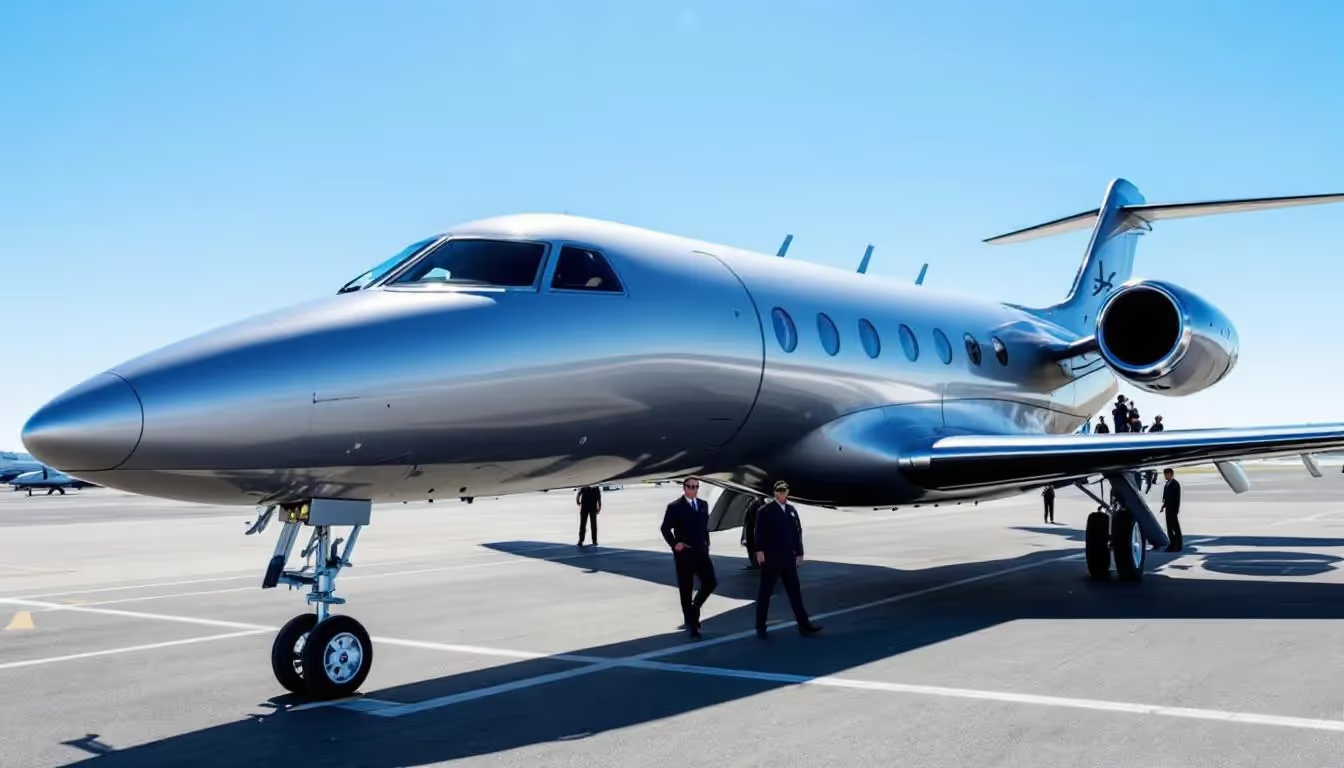
Safety is the foundation of private aviation. While private jets offer convenience, speed, and privacy, modern technology has made them safer than ever. From Enhanced Flight Vision Systems (EFVS) to Synthetic Vision Systems (SVS), today’s aircraft are equipped to navigate more safely, especially in bad weather or low visibility conditions. The accident rate for private jets has gone down by over 12% in recent years; that’s the commitment to safety.
Cutting-edge technology and continuous innovation have improved pilot situational awareness, enabling safer navigation and more control even in adverse weather conditions. Safety is essential in all types of travel, but especially in private aviation, where these advancements play a huge role in ensuring safe operations.
Top-of-the-line private jets like the Dassault Falcon 8X and Bombardier Global 7500 have advanced flight control technology and adhere to the highest safety standards. Operators have to follow strict inspection schedules and pilot training requirements so passengers are in good hands at every stage of their journey. The Dassault Falcon 8X has a great safety record with only one non-fatal incident. Regulatory bodies like the FAA and EASA update their safety standards to reflect the latest technology, making private aviation even safer.
Jettly curates its fleet based on these safety elements and connects clients with the most reliable aircraft and operators worldwide.
In private aviation, safety is always number one. Manufacturers and operators of private jets invest in the latest technology and best practices to ensure every flight meets the highest safety standards. The safest private jets, like the Dassault Falcon 8X and Bombardier Global 7500, have advanced avionics including synthetic vision systems and enhanced flight vision systems, which greatly improve pilot situational awareness and overall flight safety. These safety features, combined with rigorous inspections and maintenance protocols, are what make up the impressive safety records of the industry’s top aircraft.
Recent advancements in private jet technology have led to the development of ultra-long-range jets with cutting-edge safety features. For example, the Bombardier Global 7500 is designed to provide optimal flight conditions, reduce pilot workload, and enhance safety through its advanced flight deck and digital flight control systems. It’s also one of the least turbulent private jets due to its cutting-edge wing design. The Symmetry Flight Deck found in some of the safest private jets is another example of how safety features are designed to prioritize pilot situational awareness and minimize human error. Even very light jets like the Cirrus Vision Jet have introduced revolutionary systems like the Cirrus Airframe Parachute System (CAPS), which allows the entire aircraft to land safely in emergencies. The Gulfstream G650 and G650ER are among the safest business jets in operation due to their Enhanced Flight Vision System, which improves navigation and safety in challenging conditions.
When it comes to the fastest private jets, including the Gulfstream G700 and Bombardier Global 8000, safety is never sacrificed for speed. These aircraft are built with robust fly-by-wire systems and advanced safety features that reduce turbulence, enhance pilot control, and ensure a safe and comfortable flight experience. Passengers also get spacious cabins and luxurious interiors, so every charter flight or business jet journey is both safe and enjoyable. Each aircraft undergoes rigorous testing and inspections to meet the highest safety standards of the private aviation industry.
Ultimately, private jet safety is a multifaceted commitment that includes advanced avionics, innovative safety features, and strict maintenance routines. Whether you’re flying a business jet for work or booking a charter flight, operators and manufacturers prioritize safety above all else. With continuous improvements in technology and safety practice,s the private aviation industry ensures every passenger has a safe and comfortable flight on the safest private jets available.
While many jets have world-class safety features, the Dassault Falcon 8X is considered the safest private jet in the world. The Falcon 8X is known for its robust design and outstanding safety record, and prioritizes safety by integrating the best safety features in the industry. Its Digital Flight Control System further enhances safety by optimizing flight control surfaces for stability and precision.
The Falcon 8X is one of the few business jets with three engines, providing more redundancy in case of engine failure and allowing safer operations from shorter runways.
It has a digital flight control system with a fly-by-wire system and advanced electronic interfaces from military aviation, automated protection from pilot error, and in-flight stability across a wide range of conditions.
Equipped with a sophisticated alerting system, enhanced flight vision system, enhanced vision system, and advanced weather detection tools, the 8X’s integrated vision system provides pilots with real-time data and timely warnings. This results in enhanced safety, improved situational awareness, and safer navigation in poor weather or challenging terrain. Additionally, the Dassault Falcon 8X employs a FalconEye® Combined Vision System that further improves situational awareness in low-visibility conditions, making it a leader in safety technology.
The aircraft is designed with fail-safes across electrical and hydraulic systems. In the cabin, passengers get a low cabin altitude, advanced pressurization and air purification, comfort, and safety during long-haul travel. The Falcon 8X also has a spacious cabin, which enhances passenger comfort and safety during emergency situations.
For travelers who want the highest level of safety, performance, and luxury, the Falcon 8X is the top choice—and available through trusted networks like Jettly.
Even the safest jet must be managed by a reputable operator to maintain its performance. Private jet operators audited by IS-BAO, ARGUS, and Wyvern are committed to:
Strict maintenance schedules
Pilot training and evaluation
Transparent operational procedures
Emergency readiness
Companies like Jet Agency and Paramount Business Jets are examples of this and have high safety ratings.
Jettly connects clients only with vetted operators that meet global safety and maintenance standards.
Modern private jets are flying safety hubs thanks to an impressive array of avionics and onboard systems, such as Enhanced collision avoidance technology and real-time aircraft health monitoring, which provide pilots with critical data to ensure safer flights. Advanced flight management systems, synthetic vision, and fly-by-wire systems are standard safety features in modern private jets, further enhancing their reliability and operational safety. Advanced safety management systems (SMS) monitor and enhance safety performance in aviation, ensuring continuous improvements in operational safety.
Synthetic Vision Systems (SVS): Builds a 3D model of terrain for better spatial awareness
Enhanced Vision Systems (EVS): Uses infrared cameras to detect obstacles in poor visibility
Head-Up Displays (HUD): Keep vital data in the pilot’s direct line of sight
Flight Envelope Protection: Prevents aircraft from exceeding safe limits
The Symmetry Flight Deck on Gulfstream models adds touchscreen interfaces and active sidestick controls to reduce pilot workload and error. These systems support not just pilot performance but also passenger safety.

Speed is often a selling point in private aviation, but never at the cost of safety. Fast jets like the Global 7500 and Gulfstream G700 are also leaders in safety:
Real-time performance monitoring
High-tech braking systems
Multiple redundant control systems
Predictive diagnostics to prevent in-flight issues
The Gulfstream G650 and G650ER are some of the safest business jets today, further solidifying their reputation for combining speed with top-tier safety. The Gulfstream G500 and G600 have undergone rigorous safety testing and innovation throughout their development and meet the highest safety standards in the industry.
The Global 7500 and Gulfstream G700 are not only the fastest private jets but also the longest range and maximum speed in the ultra-long range jet category, all while maintaining top safety standards.
The Cessna Citation Longitude is a standout in combining speed and reliability. Its Garmin G5000 flight deck and autobrake system make it efficient and extremely safe for domestic and cross-border travel. The Cessna Citation Longitude has a perfect safety record with no reported accidents or incidents in the ASN database. The Cessna Citation Latitude has Garmin G5000 avionics for improved pilot situational awareness and safer navigation, further enhancing its safety profile.
Apart from the Falcon 8X, several other models are recognized for their safety features:
Bombardier Global 7500: Long-range, advanced fly-by-wire tech and predictive maintenance
Cessna Citation Longitude: Part 25 certification and synthetic vision support
Gulfstream G650ER: High-altitude flight capability and cutting-edge cockpit tools
Embraer Phenom 300E: Brake-by-wire, emergency descent mode, the lowest accident rate in its class, and the industry’s first runway overrun awareness and alerting system for safety during landing
Bombardier Challenger 3500: Auto-throttle and improved turbulence detection
Very light jets like the HondaJet and Embraer Phenom 300E have modern safety features and impressive safety records often demonstrated by extensive flight hours during testing and operation. The Embraer Legacy 500 and Praetor 600 have zero hull-loss accidents to date as of May 2024.
All these jets are part of the fleet available through Jettly, where clients can request specific models for peace of mind.
Maintenance is non-negotiable in aviation safety. The most reputable operators:
Perform pre-flight inspections
Follow manufacturer-prescribed schedules
Use OEM-certified replacement parts
Leverage predictive maintenance software for early fault detection
Operators audited by third-party safety rating companies like IS-BAO, ARGUS, and Wyvern typically exceed FAA minimum safety standards and ensure the highest level of operational safety.
Perform pre-flight inspections
Follow manufacturer-prescribed schedules
Use OEM-certified replacement parts
Leverage predictive maintenance software for early fault detection
Maintenance teams also use real-time health monitoring to spot anomalies in engine or system performance long before they become a threat.
Jettly only works with operators who follow or exceed these maintenance practices.
Pilots play a direct role in flight safety, and top operators invest in their training.
Initial and recurrent simulator sessions
Emergency and weather-specific drills
Aircraft-specific systems training
Human factors and crew resource management
Private jet operators are encouraged to have two pilots on all flights to enhance safety, minimize risks, and ensure higher operational reliability.
Initial and recurrent simulator sessions
Emergency and weather-specific drills
Aircraft-specific systems training
Human factors and crew resource management
In high-performance jets like the Falcon 8X or Global 7500, pilots also train on advanced avionics such as head-up displays, envelope protection, and synthetic vision systems. Pilots flying with Jettly-affiliated operators meet global standards.
New safety technologies are changing the private aviation landscape:
Runway Overrun Awareness Systems (ROAAS)
Autobraking and auto-throttle technologies
Terrain Awareness and Warning Systems (TAWS)
Traffic Collision Avoidance Systems (TCAS II)
AI-assisted fault detection and pilot advisory systems
Autoland can automatically control and land an aircraft in emergency situations, adding an extra layer of safety for passengers and crew.
Runway Overrun Awareness Systems (ROAAS)
Autobraking and auto-throttle technologies
Terrain Awareness and Warning Systems (TAWS)
Traffic Collision Avoidance Systems (TCAS II)
AI-assisted fault detection and pilot advisory systems
As these become standard, the safety bar rises across the industry—benefiting passengers and operators. New technologies are being integrated into private jets to increase safety and reliability.
Next-gen jets will raise the safety bar:
Hybrid-electric propulsion for simpler, safer engines
Lighter, stronger composite materials for increased resilience
AI-assisted autopilot systems to reduce human error
Autonomous taxiing and runway operations
In 2024, private jets will have autonomous flight systems to reduce pilot workload and increase safety—a big step forward in aviation technology.
Hybrid-electric propulsion for simpler, safer engines
Lighter, stronger composite materials for increased resilience
AI-assisted autopilot systems to reduce human error
Autonomous taxiing and runway operations
The upcoming Dassault Falcon 10X and Bombardier Global 8000 will combine these with luxury and range.
Jettly tracks and evaluates these trends to stay ahead.
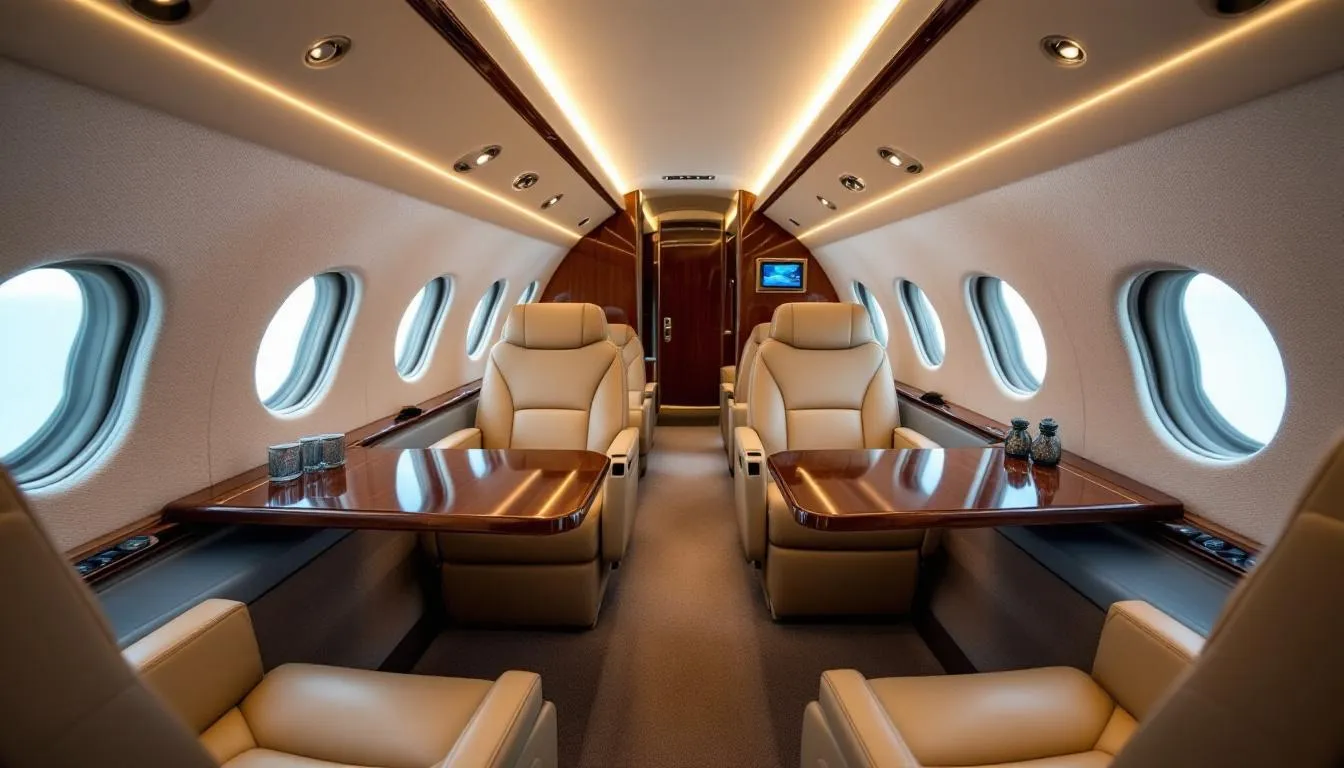
Travelers have choices depending on their needs and frequency:
On-Demand Charter: Good for occasional flyers—book when needed
Jet Memberships (e.g., Jettly’s flat-rate plans): Great for frequent travel without ownership costs
Fractional Ownership: Share an aircraft with other owners
Full Ownership: Best for ultra-frequent fliers and corporations
Private flights offer more flexibility, efficiency, and safety than commercial flights, less waiting time, and a better overall travel experience.
Whether for business or leisure, Jettly has flexible programs and access to the world’s safest private jets, including the Falcon 8X, Global 7500, and more.
Private jet safety is evolving with each new design, training, and technology. While many aircraft have great safety features, the Dassault Falcon 8X is the safest private jet in the world—with its triple engine, digital flight control,s and zero hull loss accidents.
But top-performing jets like the Bombardier Global 7500, Gulfstream G650ER, and Phenom 300E also offer high levels of safety for various trip lengths and budgets.
Working with the right partner is just as important as choosing the right aircraft. With access to vetted operators, concierge support, and a fleet of the latest jets in the sky, Jettly ensures every flight is as safe as it is seamless. Jettly connects clients with the safest jets in the industry, meeting strict safety standards and regulatory compliance.
Book your next flight with Jettly and fly on one of the safest private jets in the world. Check out membership options and aircraft availability at https://jettly.com.
Share this post:
Jay Franco Serevilla
Aug 25, 2025
|
5
min read
Discover tips and trends in the industry.

5
min read
Private Jet Charter Colorado Springs: Fly Smarter with Jettly
Private jet charter in Colorado Springs offers a convenient and flexible travel solution for business and leisure travelers. With access to over 20,000 aircraft through Jettly, booking a flight is quick and hassle-free, allowing you to bypass commercial airline delays and enjoy tailored services. Experience the benefits of private aviation, including direct airport access and personalized itineraries.
Read More
5
min read
Boise Charter Flights with Jettly: Private Jets, Pricing & Top Routes
Boise charter flights with Jettly offer travelers a flexible and efficient way to fly in and out of Idaho's capital. With access to over 20,000 aircraft, Jettly provides personalized scheduling, enhanced privacy, and direct routing to numerous destinations, making it ideal for both business and leisure travel.
Read MoreStay updated with our latest insights and tips to elevate your journey with us.
MEMBERSHIPS AND ASSOCIATIONS



Disclaimer: Jettly operates as a charter broker, offering access to a global digital jet charter marketplace. Jettly is not a direct air carrier and does not own or operate aircraft. All advertised flights are conducted by third-party air carriers that are fully licensed and hold the appropriate Part 135 or Part 121 certifications issued by the Federal Aviation Administration (FAA) or equivalent regulatory authorities under U.S. or foreign law. Jettly complies fully with the U.S. Department of Transportation's Part 295 and Part 298 Charter Broker regulations. Jettly does not carry additional liability insurance. Passengers are covered by aircraft operator insurance. TICO: 50023770


