


Login
Get Instant Pricing On 23,000+ Aircraft

>

For most travelers, renting an airplane for a week means chartering a private aircraft with a professional crew for several days, not taking physical possession of the plane. This is the standard aircraft rental approach for business executives, families, and groups who want point-to-point flexibility without the responsibilities of flying.
The distinction matters. A licensed pilot might rent a plane from a flight school or flying club under a rental agreement that requires a valid pilot certificate and current flight review. Everyone else typically works with a rental company or charter platform like Jettly to access crewed private jets and turboprops.
Many 7-day trips in 2025–2026 follow multi-leg itineraries—Los Angeles–Las Vegas–Jackson Hole–Los Angeles, for example, using the same aircraft throughout. This article covers available aircraft options, realistic rental costs, how pricing works, and how to plan an efficient week-long trip. You can use Jettly’s private jet charter cost estimator and explore affordable private jet charter pricing to model different scenarios.
Renting an airplane for a week can cost roughly $3,000–$7,000 for small single-engine planes, with a broader range of $1,500 to $10,000+ depending on flight hours and aircraft type.
Week-long rentals are typically structured as charters with minimum daily flight hours, repositioning fees, and crew costs factored into the total.
Flight schools and Fixed Base Operators (FBOs) are common providers of short-term airplane rentals, often requiring a minimum daily charge of 2 hours on weekdays and 3 hours on weekends, regardless of actual flight time.
Most rental facilities do not charge a flat weekly rate but use hourly rates combined with daily minimums to ensure profitability.
Jettly provides transparent pricing, instant quotes, and access to light jets, turboprops, and larger jets for business or leisure trips.
Multi-city itineraries (e.g., New York–Nantucket–Boston–New York over 7 days) can be coordinated through a single booking via Jettly’s platform.
Licensed pilots can arrange self-fly airplane rentals through flight schools or flying clubs, while non-pilots benefit from fully crewed charter services.

Weekly rentals span everything from single-engine planes to large-cabin jets. Your choice depends on passenger count, route distance, runway requirements, and budget. Jettly’s platform focuses primarily on turboprops and jets, but connects travelers to partners operating light aircraft where relevant.
Single-engine planes typically seat up to four passengers and are easy to maneuver, with larger utility models like the Cessna 207 and similar high‑capacity single‑engine aircraft accommodating up to six or seven travelers. They are generally the most affordable option for personal use, with hourly rental rates ranging from $100 to $220 per hour (wet), depending on the aircraft’s age and avionics, including glass cockpit features.
Flight schools and FBOs commonly offer these rentals, often requiring a minimum daily charge of 2–4 hours of flight time, even if less is flown. For a week-long rental, costs typically range from $3,000 to $7,000, depending on the total number of hours flown.
Sample week: A private pilot flying 15 hours might spend approximately $2,850 plus landing fees, fuel costs (if dry rental), and insurance costs.
Requirements: Valid Private Pilot License (PPL) or higher, current FAA Medical Certificate, recent flight review, aircraft-specific checkout with a certified flight instructor, renters' insurance coverage, and often a refundable security deposit. Some aspiring aviators also explore private jet pilot salary expectations and career paths when deciding how deeply to invest in training.
This option suits pilots building flight time or planning a weekend getaway with limited space needs.
Multi-engine planes offer greater power, reliability, and roomier cabins, accommodating more passengers and luggage, making them suitable for longer distances and more demanding flight conditions. Models like the Cessna 340, with its range and comfort, are popular for business-focused week-long trips. These aircraft typically range from $300 to $500 per hour.
They are favored by experienced pilots who prioritize safety and efficiency. Flight schools and FBOs may also rent multi-engine planes, but often require similar daily minimums and insurance coverage.
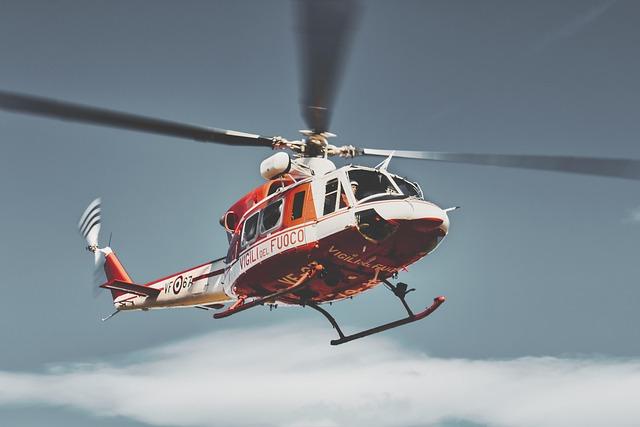
Helicopters provide a unique flying experience with vertical takeoff and landing capabilities, allowing access to destinations with limited space, such as city centers or rugged terrain. They generally seat 2–6 passengers and offer excellent views and agility, and travelers should factor in typical helicopter rental costs and pricing variables when planning a week-long trip.
Rental costs usually range from $500 to $1,500 per hour, depending on the aircraft and rental terms.
Private jets cater to those seeking ultimate luxury, convenience, and speed. They often feature luxurious interiors, ample seating, premium amenities, and advanced safety features, and travelers can compare the number of passengers different-sized private jets can carry to select the right aircraft for a week-long rental.
Hourly rates for private jets range from $2,000 to $10,000 or more, depending on the aircraft's size, age, and level of service, with larger aircraft like the Boeing 737-800 and similar long‑range Boeing models suited to private jet charter for long-haul flights.
Jettly’s platform specializes in connecting travelers with private charter aircraft, including high‑speed options like the Citation X for fast business travel, super‑long‑range jets such as the Gulfstream G‑V for nonstop intercontinental flights, and spacious cabin aircraft like the Gulfstream G‑IVSP for up to 14 passengers, for one-week getaways or business tours.
Modern aircraft equipped with glass cockpit avionics and digital navigation systems provide enhanced safety and ease of operation. These features are often found in newer single-engine planes, turboprops, and jets, and can influence rental rates.
Most rental companies charge by the hour of flight time, measured from engine start to shutdown, and also apply daily minimum flight-hour charges to ensure profitability.
Daily minimums typically require billing 2 hours per weekday and 3 hours per weekend day, regardless of actual flying time. For multi-day trips, many flight schools or FBOs require minimum charges of 2–4 hours of flight time per day.
Additional fees may include:
Pilot services (if hiring a pilot)
Airport fees, such as landing and hangar fees
Fuel costs, which can fluctuate based on aircraft type and current fuel prices
Insurance costs, including renters' insurance and liability coverage
Many companies offer package deals, block-hour discounts, or structured jet card programs with fixed hourly rates for longer rentals, and travelers comparing options may want to understand everything you need to know about jet card prices, what a jet card is, including its costs and benefits, and how these compare with fractional jet ownership providers and program costs, which can simplify budgeting and reduce overall rental costs.
Rental costs can also vary widely by location due to factors such as airport fees, demand, and regional taxes, and travelers comparing options over several years may want to understand broader considerations for private jet lease costs and the advantages and drawbacks of fractional private jet ownership.
Joining a flying club can significantly reduce the cost and hassle of aircraft rental, and some pilots also explore Jettly’s ULTRA high ticket affiliate program to offset travel expenses through referral earnings. Flying clubs often provide:
Lower hourly rental rates compared to commercial flight schools
More flexible overnight policies
Access to shared aircraft and reduced rental costs, similar to how members can streamline private jet charter in Hyderabad, Telangana, through dedicated services or plan region-specific trips, such as private jet charter in Islamabad, Pakistan
Membership programs, including private jet memberships with wholesale rates, offering exclusive offers, early promotions, and loyalty programs rewarding frequent flyers with perks like reduced rates or priority bookings, especially valuable for travelers frequently using private jet charter in Mumbai, Maharashtra
Benefits such as free simulator use and credit toward flight reviews, which complement structured services like private jet charter in New Delhi, Delhi
Organized trips and group events, fostering a community of pilots and enthusiasts
Frequent flyers can enhance the cost-effectiveness of their flying experience by joining these programs, which also provide a supportive network and shared flying experiences.
To rent an airplane, pilots must meet key requirements:
Hold a valid Private Pilot License (PPL) or higher
Possess a current FAA Medical Certificate
Have completed recent flight reviews and aircraft-specific checkouts with a Certified Flight Instructor (CFI)
Carry renters' insurance coverage, often non-owned aircraft insurance, to cover liability and hull damage
Provide necessary documents such as a pilot certificate, a medical certificate, a logbook, and navigation tools
Most rental agreements require a refundable security deposit, which is returned upon safe and timely return of the aircraft.
Before flying, renters attend a pre-flight briefing covering vital information about the aircraft’s safety features and operation.
It is important to thoroughly review the rental agreement, which outlines insurance costs, landing fees, additional charges, cancellation policies, and other terms.
Pilots should check weather forecasts, use tools such as Jettly’s airport locator platform to confirm suitable departure and destination fields, and prepare all necessary equipment and documentation before each flight.
Ensuring safety is paramount when renting an aircraft, and evaluating reputable operators such as BLUE SKY AVIATION LLC as a private jet operator, BUBBA AIR AIRCRAFT CHARTER in Aspen, Colorado, and JET-A, LLC., a global private jet operator can be part of this due diligence. It is essential to:
Check the safety record of the rental company
Confirm regulatory compliance, including FAA registration and licensing
Verify that aircraft undergo regular maintenance and inspections to keep all parts functioning correctly, recognizing that comprehensive private jet maintenance costs and requirements are a key part of safe operations
Ensure all pilots have appropriate licenses and training to comply with regulations
A trustworthy rental company will provide maintenance records and safety documentation transparently, giving renters peace of mind, and many travelers also compare top private jet charter companies and safety standards, consider broader market context like how many private jets are in the US and who operates them, or review specific operators, such as Bajaj Aviation Pvt. Ltd., as a private jet operator before committing to a provider.
Smart routing reduces flight time, repositioning fees, and crew costs. Grouping cities geographically and limiting daily flight legs helps manage crew duty times and traveler fatigue, while those planning cross-border trips should also understand how private jets fly internationally and key regulations. Some itineraries can be further optimized by using shared and single-seat private jet options on select legs or by leveraging discounted empty leg private jet flights when schedules align.
Choosing smaller regional airports can save time and reduce airport fees, and understanding where private jets can land and airport access options helps refine these choices. Travelers planning trips to specific destinations such as Abuja by private jet charter can often pair smart airport selection with tailored local services, a similar approach to arranging private jet charter in Chennai, Tamil Nadu, or private jet charter in Addis Ababa, Ethiopia, for regional itineraries. When evaluating providers, some travelers compare NetJets fractional ownership and services with Jettly, a flexible NetJets alternative, to decide which model best fits their week-long travel needs, explore Jettly’s broader private jet charter fleet and booking options, and may review detailed NetJets jet card costs and pricing structures as part of that analysis.
Booking 3–4 weeks ahead and scheduling flights during off-peak times can help lower rental costs.
Exploring package deals and loyalty programs can further optimize your budget, and long-range itineraries can be made more comfortable by arranging in-flight catering for private jets tailored to your schedule.
Renting an airplane for a week suits multi-city business tours, extended vacations, or time-critical travel across several locations.
Costs depend on aircraft type, total flight hours, route structure, and itinerary efficiency.
Flight schools, FBOs, flying clubs, and charter platforms like Jettly offer diverse options tailored to different needs and budgets.
Understanding rental fees, membership benefits, safety considerations, and scheduling strategies helps ensure a smooth and cost-effective flying experience.
Ready to experience private travel on your terms? Explore flight options or request a quote at https://www.jettly.com.
Share this post:
Jay Franco Serevilla
Mar 31, 2026
|
5
min read
Discover tips and trends in the industry.
5
min read
Who Owns NetJets? Ownership, Structure, and How It Compares to Modern Private Aviation Platforms
NetJets, a leader in fractional aircraft ownership, is wholly owned by Berkshire Hathaway since 1998. This structure allows it to offer unique services like fractional ownership and jet cards, catering primarily to high-frequency travelers. In contrast, platforms like Jettly provide on-demand charter services without ownership commitments, appealing to occasional flyers.
Read More
5
min read
Best Helicopter: From Personal Use to VIP, Corporate, and Attack Roles
Choosing the best helicopter varies greatly depending on the intended use, whether for personal, corporate, VIP, or military purposes. This article explores top models suited for each role, highlighting specifications, costs, and operational considerations. It emphasizes the practicality of chartering helicopters through platforms like Jettly for those who fly less frequently.
Read MoreStay updated with our latest insights and tips to elevate your journey with us.
MEMBERSHIPS AND ASSOCIATIONS



Disclaimer: Jettly operates as a charter broker, offering access to a global digital jet charter marketplace. Jettly is not a direct air carrier and does not own or operate aircraft. All advertised flights are conducted by third-party air carriers that are fully licensed and hold the appropriate Part 135 or Part 121 certifications issued by the Federal Aviation Administration (FAA) or equivalent regulatory authorities under U.S. or foreign law. Jettly complies fully with the U.S. Department of Transportation's Part 295 and Part 298 Charter Broker regulations. Jettly does not carry additional liability insurance. Passengers are covered by aircraft operator insurance. TICO: 50023770


