



Login
Get Instant Pricing On 23,000+ Aircraft

>
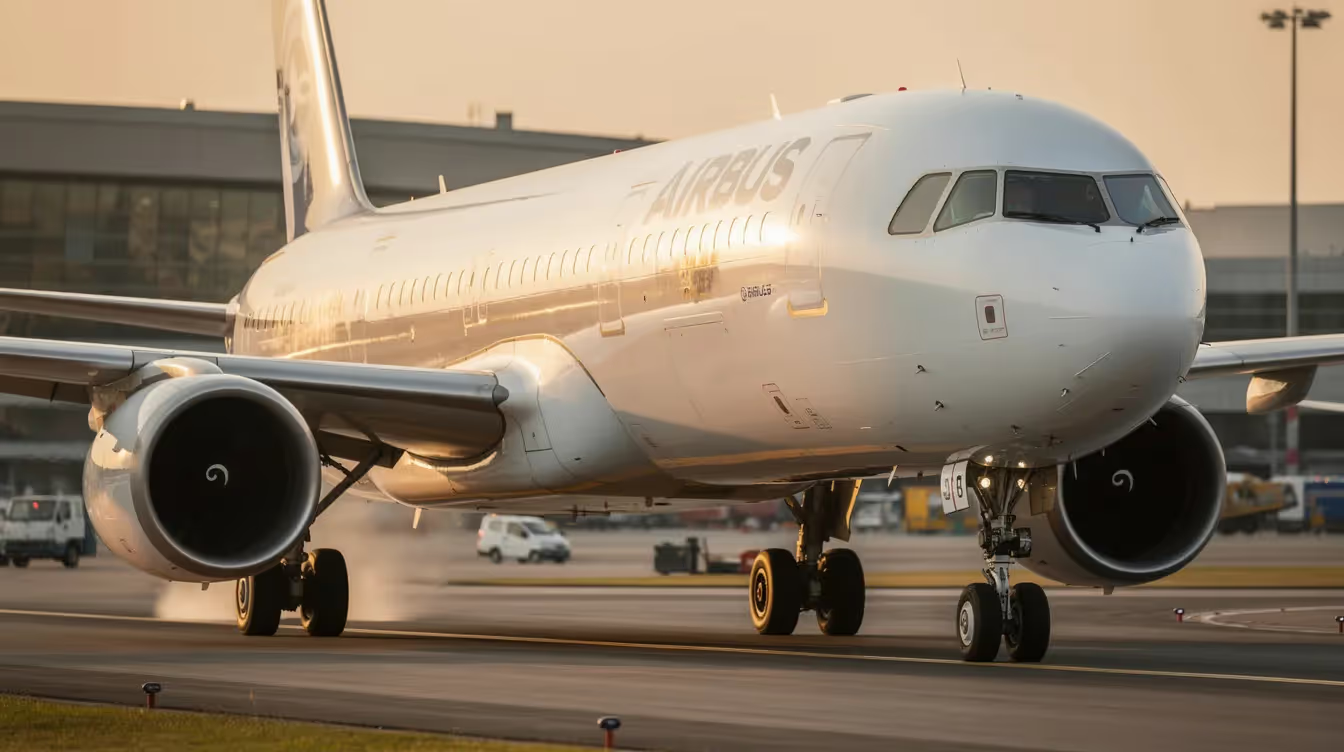
To rent an Airbus aircraft for charter flights means hiring the entire Airbus with crew, cabin support, and operational planning. It is different from commercial flights because the client controls the schedule, route, passenger list, and onboard services. For private charter flights, an Airbus can work as a large private charter solution for groups that are too big for a typical private jet.
Airbus builds everything from standard commercial airliners to ultra-luxurious Airbus Corporate Jets. Airbus aircraft can range from an all-economy configuration to an ultra-luxury executive layout. The Airbus A320, A321, A330, and ACJ families are often used for large groups, corporate roadshows, sports teams, entertainment tours, and high-profile events.
A smaller private plane may be the right aircraft for 6–12 passengers. But when 80, 120, or 150 passengers need to fly together, a commercial airliner-sized charter can improve cost efficiency and simplify the journey, and understanding how renting a plane works can help you choose the best structure for your trip.
For example, a company planning a 2026 New York–Miami product launch could rent Airbus A320 service for 150 guests, staff, and displays. Instead of booking many commercial air travel itineraries, the company can choose the date, departure time, catering, branding, and flight details in one coordinated trip.
To rent an Airbus aircraft means booking the whole aircraft with crew for charter flights, not buying seats on an airline or shared flights.
Airbus A320 charter flights typically run about $18,000–$28,000 per flight hour in many 2026 charter markets, depending on route, year, layout, and availability.
The Airbus A320 typically cruises around 470–510 mph, reaches a maximum speed near Mach 0.82, and offers a maximum range of about 3,300 nautical miles, or roughly 3,800 miles.
Jettly is a digital air charter service providing access to more than 20,000 aircraft worldwide, including commercial airliners, large business jets, and smaller private jets without long-term jet card commitments.
Travelers can compare Airbus options against a midsize jet, heavy jet, or other aircraft and request a live quote at https://www.jettly.com.
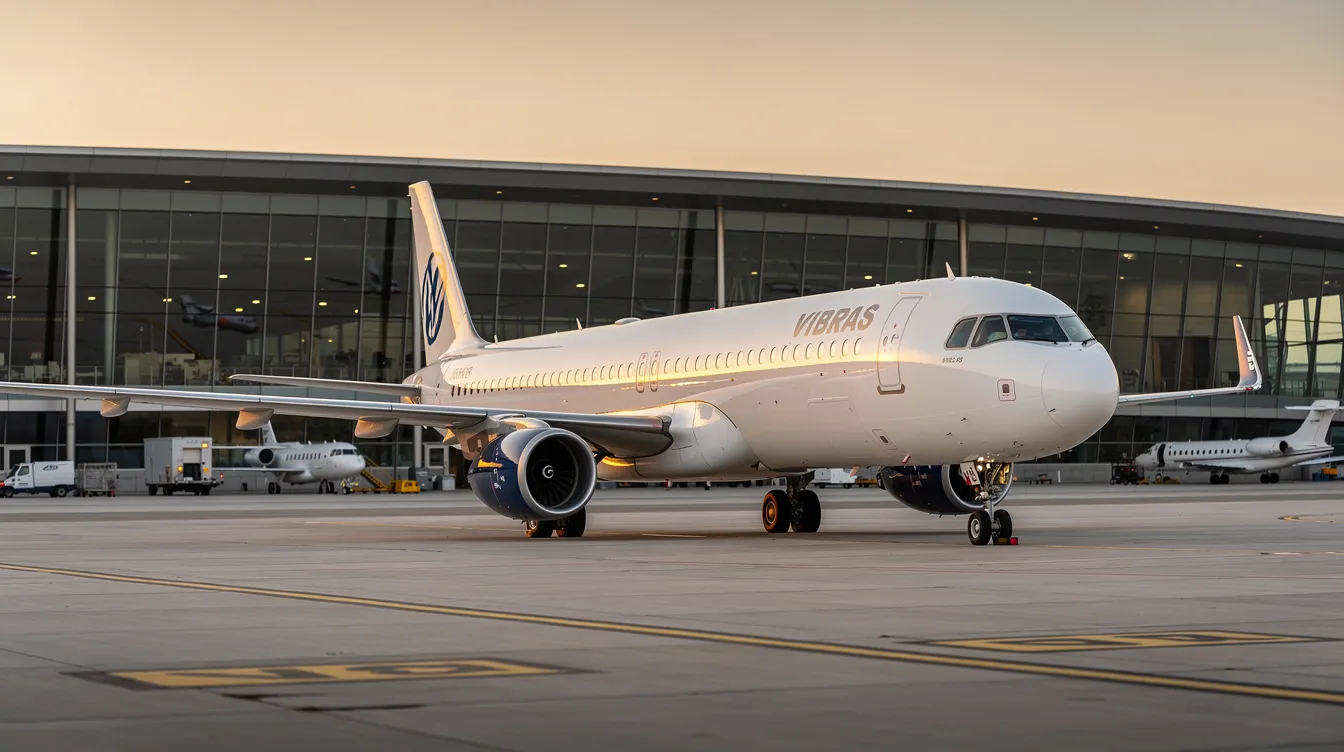
The Airbus A320 entered service in 1988 and reshaped medium-haul flights. It was built to compete directly with the Boeing 737 and has become a backbone commercial aircraft across Europe, North America, Asia, and the wider world.
The A320 family includes the A318, A319, A320, and A321, along with newer A320neo variants. These newer model options use updated engines, wingtip devices, and modern systems to improve fuel efficiency and reliability.
The A320 is equipped with digital fly-by-wire flight control systems, which enhance its operational efficiency and safety. It also introduced side-stick pilot controls, advanced avionics, and a more automated flight deck for its class.
Airbus Corporate Jets, including ACJ versions based on A319, A320, and A321 platforms, adapt these aircraft into large business jets. The ACJ TwoTwenty is another example, offering a spacious cabin with lounge-style zones, meeting areas, and private suites for fewer passengers.
The Airbus A320 is popular in air charter service fleets because it balances capacity, performance, range, and operating cost.
Typical A320 performance includes:
|
Spec |
Typical figure |
|---|---|
|
Cruise speed |
About 473–515 mph |
|
Maximum speed |
Near Mach 0.82 |
|
Service ceiling |
Around 39,000–41,000 feet |
|
Maximum range |
About 3,300 nautical miles |
|
Typical standard seats |
Around 150 passengers |
|
High-density seats |
Up to 180 passengers |
The A320 is powered by either CFM International CFM56 or IAE V2500 turbofan engines, allowing it to achieve cruising speeds of around 511 mph. Its maximum cruising speed is close to Mach 0.82, depending on aircraft weight, altitude, and air traffic conditions.
The Airbus A320 features a maximum range of approximately 3,300 nautical miles, making it suitable for both regional and transcontinental flights. In practical terms, that range can cover many medium-haul routes such as Toronto–Vancouver, Los Angeles–Chicago, London–Moscow, or Dubai–Athens without a fuel stop, while longer-haul missions may call for a widebody like the Airbus A330-300 with extended range.
The cabin of the Airbus A320 is designed to accommodate up to 180 passengers in a high-density configuration, with a standard layout typically seating around 150 passengers. The Airbus A320-200 can accommodate up to 180 passengers in a higher-density arrangement, making it a popular choice for group charters.
Modern A320neo aircraft add more efficient engines and aerodynamic improvements. Winglets, updated avionics, and composite materials help keep charter costs competitive for medium-haul flights.
The Airbus A320 cabin is a single-aisle design with six-abreast seating, a bright interior, wide aisles, generous overhead bins, and LED lighting. The Airbus A320 features a spacious cabin with modern amenities, including wide aisles, generous overhead bins, and LED lighting, enhancing passenger comfort during flights.
For group charters, layouts typically include:
12 business + 138 economy seats for a mixed class setup.
150+ economy seats for dense events or workforce movement.
100–120 wider-pitch seats for comfort-focused charter flights.
A rented A320 may include Wi-Fi, in-flight entertainment, catering galley service, multiple lavatories, and branded touches such as headrest covers or custom onboard announcements, supported by dedicated services like Jettly Eats in-flight catering.
By contrast, Airbus Corporate Jets are arranged more like large business jets than commercial airliners. An ACJ may carry fewer than 25 passengers and include lounges, conference tables, bedrooms, private suites, and dedicated work zones.
Traveling by private jet can enhance comfort and privacy, providing a more personalized experience with options for in-flight services and amenities tailored to individual preferences. Executives can conduct meetings or work during flights in a comfortable and private environment, making the most of their travel time, while families may prioritize aircraft from the best private planes for families to balance comfort and safety.
Renting an Airbus usually becomes efficient once large groups exceed roughly 40–50 passengers. At that point, one Airbus charter may be simpler and more cost-effective than booking many aircraft or multiple commercial flights.
Common use cases include:
European football clubs flying players, coaches, medical teams, and gear to away matches.
Concert tours moving crew, instruments, and equipment between the 2026 festival dates.
Multinational firms hosting leadership summits in Dubai, Frankfurt, Singapore, or New York.
Corporate incentive trips where clients or employees need to travel together.
Private jet charters provide significant time savings compared to commercial flights, allowing travelers to avoid long security lines and check-in processes, often enabling them to arrive just 15 minutes before departure. Flying on a private jet allows for significant time savings, as it eliminates the need for long security lines and waiting at commercial terminals, enabling travelers to arrive just minutes before departure, a key advantage highlighted in many private and charter airline overviews.
Private jets provide flexibility in scheduling, allowing business travelers to adjust their itineraries on short notice and visit multiple destinations in a single day without the constraints of commercial flight schedules. Flying on a private jet allows for greater flexibility in scheduling, as travelers can choose their departure times and routes without being restricted to fixed airline schedules.
Private jet charters often allow for more luggage and equipment to be taken on board compared to commercial airlines, accommodating travelers' specific needs for personal or business items. When chartering a private jet, travelers can usually take more luggage than on commercial airlines, with options to upgrade for additional space if needed.
Importantly, traveling by private jet enhances productivity, as executives can conduct meetings or work during flights in a comfortable and private environment, making the most of their travel time.
The trade-off is airport access. Airbus-sized aircraft typically need larger airports, while light jets and a midsize jet can often use smaller business airports, which you can evaluate with tools like an airport locator for private charters. For sports teams, large groups, and complex business trips, the scale of an Airbus can outweigh that limitation.
Airbus charter costs depend on aircraft year, cabin layout, route, repositioning, airport fees, fuel, crew duty time, and seasonal demand.
In many 2026 charter markets, Airbus A320 commercial airliner charter pricing often falls around $18,000–$28,000 per flight hour. Some published baseline rates are lower. The typical hourly charter rate for an Airbus A320-200 starts at approximately $11,250, with rates varying based on route length and passenger count, and you can use a private jet charter cost estimator to approximate specific trip scenarios. The price of an Airbus A320 is approximately €87,000,000, and renting an A320 will require around €11,600 per hour in certain markets and lease structures.
VIP-configured Airbus Corporate Jets and ACJ TwoTwenty aircraft usually cost more per hour than a standard A320. The aircraft has fewer seats, more custom cabin work, and higher service expectations.
A full charter quote typically includes:
Aircraft
Crew
Standard fuel
Basic catering
Standard handling
Flight planning and operational coordination
Extras may include premium catering, ground transport, de-icing, special security, customs handling, branding, and crew overnight costs.
Renting an Airbus generally falls into two categories: Private Jet Charter or an Aircraft Lease/ACM. Wet / ACMI Lease includes the Aircraft, Crew, Maintenance, and Insurance, with the renter typically only paying for operational costs. Dry Lease (Aircraft Only) requires the renter to provide their own pilots, cabin crew, maintenance, and insurance.
Dry leases are typically long-term commitments lasting from 3 to 12 years. The structure of the rental, the required processes, and the qualifications vary depending on the leasing model. Your options for leasing depend on whether you want a full-service VIP trip or are operating the aircraft commercially, and understanding how private jet charter pricing works can help you compare lease scenarios with on-demand charter.
Get a real-time Airbus charter quote at https://www.jettly.com.
Jettly is a global digital air charter service connecting customers with more than 20,000 unique aircraft, including Airbus A320, A321, A330, ACJ large business jets, smaller private jets, and other aircraft categories.
The process is designed to be direct:
Enter the route, date, passenger count, and trip needs.
Choose an “airliner” or “large jet” category where available.
Compare Airbus aircraft against heavy jets, a midsize jet, and other options.
Review pricing, cabin details, amenities, and availability.
Confirm the best aircraft for the mission.
Jettly focuses on instant pricing, transparent pricing, broad aircraft access, and no required jet card commitment. It gives clients a way to compare many aircraft across a global network without calling multiple operators one by one through its private charter aircraft marketplace.
For example, a 2026 tech company planning a San Francisco–Austin–New York investor tour could rent Airbus A320 capacity through Jettly instead of booking separate airline segments. The company can keep passengers together, manage flight details centrally, and coordinate ground transport around the event schedule.
Learn more about Jettly’s charter options at https://www.jettly.com.
The process of booking a private jet typically involves a four-stage approach, including inquiry, quote selection, booking confirmation, and flight details communication, which can be streamlined with tools like a jet card flight cost estimator. For an Airbus charter, Jettly expands that into a practical workflow.
Customers enter origin, destination, dates, passenger count, and luggage needs. They can search for “Airbus A320,” “airliner,” or similar large aircraft options.
Customers can compare aircraft year, seating, amenities, maximum range, estimated cost, and route suitability. Smaller groups may also see heavy jet or midsize jet alternatives, and can pair this with private jet tracking tools for operational visibility.
Customers choose departure times, catering, baggage needs, sports gear, instruments, special equipment, branding, and VIP handling. Private jet charters provide flexibility in scheduling, allowing travelers to choose departure times that suit their needs, unlike fixed commercial flight schedules.
After selection, Jettly coordinates the charter contract, operator communication, payment steps, and itinerary. The itinerary includes terminal details, passenger manifest requirements, and boarding instructions.
Private jet travelers can often check in much closer to departure times compared to commercial flights, sometimes arriving just 15 minutes before takeoff. Jettly supports monitoring weather, slots, air traffic, and operational updates, then communicates changes where needed, including for crowdsourced and shared private flights that help optimize aircraft usage.

Airbus A320 and ACJ charter flights booked through Jettly are operated by licensed commercial operators under relevant aviation rules. In the United States, large commercial aircraft operations may fall under airline-style requirements, while smaller private charter operations are commonly regulated under FAA charter rules or equivalent authority, including oversight of Part 135 charter companies that handle many on-demand missions.
Operators must use qualified pilots, trained cabin crew where required, approved maintenance programs, and valid insurance. Type-Rated Crew must possess an active Airbus Type Rating corresponding to the specific model alongside certified flight engineers and cabin crew.
Jettly screens partner operators for safety audits, insurance, and regulatory compliance before listing aircraft on the platform, whether for direct charters or through partner operators like Dexter Air Taxi private jet services. You must secure comprehensive aviation liability and hull insurance covering the aircraft's multi-million-dollar value for lease structures that place those duties on the renter.
For commercial dry leases, you must have an active Air Operator’s Certificate (AOC) to legally fly the aircraft. For a dry lease, you must prove you have a Continuing Airworthiness Management Organization (CAMO) contract.
Sustainability is also becoming part of charter planning. A320neo aircraft reduce fuel burn compared with older models, and Sustainable Aviation Fuel is increasingly available on key routes in 2026. Environmentally aware customers can ask Jettly about aircraft type, average fuel burn, routing efficiency, and carbon offset options.
Not every trip needs a full Airbus A320 or A330. For fewer than 15 passengers, smaller private jet categories are often more practical, and options like the Cessna 340 light aircraft can efficiently serve shorter regional routes.
|
Aircraft type |
Best for |
|---|---|
|
Turboprops |
Short regional trips and smaller airports |
|
Light jets |
4–6 passengers on short business or leisure travel |
|
Midsize jet |
7–9 passengers with more range and cabin comfort |
|
Super midsize jet |
Longer domestic routes and transcontinental flights |
|
Heavy jet |
International trips with larger cabins and more baggage |
Modern private jets often cruise around 400–560 mph and may offer 1,500–4,800+ miles of maximum range. The average range of a heavy jet is approximately 7,000 miles, making them suitable for international travel without the need for refueling, while popular airliners like the Boeing 737-800 cover similar medium-haul missions to the A320.
That means a heavy jet can sometimes fly farther nonstop than a standard A320 while carrying fewer passengers. But for large groups, a commercial airliner-sized Airbus can offer better per-seat economics, while smaller premium markets may be better served by services like private jet charter in Kolkata.
Jettly’s platform lets customers compare airliner options like an Airbus A320 or a Boeing widebody and, for frequent flyers, pair on-demand charter with structured jet card programs for private travel.
The Airbus A320 has a maximum range of about 3,300 nautical miles (approximately 3,800 miles), making it suitable for medium-haul flights such as Toronto to Vancouver or London to Moscow without refueling stops.
The A320 typically seats around 150 passengers in a standard layout, with high-density configurations accommodating up to 180 passengers. Airbus Corporate Jets (ACJ) versions carry fewer passengers with more luxurious interiors.
Charter rates for an Airbus A320 generally range from $18,000 to $28,000 per flight hour, depending on factors like route, aircraft year, cabin configuration, and additional services.
Yes, clients can customize catering, onboard amenities, ground transportation, and branding to suit their specific needs when renting an Airbus through Jettly.
The A320 requires standard commercial runways and is compatible with most major airports worldwide. However, it may not be able to access smaller business airports suited for light or midsize jets, which are often used for city-specific services such as private jet charter in Addis Ababa.
Renting a single Airbus for large groups (40+ passengers) is often more cost-effective and logistically simpler than coordinating multiple smaller private jets or commercial bookings.
Yes, all Airbus charters booked through Jettly are operated by licensed commercial operators with certified pilots, maintenance programs, and insurance, adhering to strict safety standards.
Yes, Jettly’s digital platform provides instant pricing, allowing travelers to compare Airbus aircraft options and book flights without long-term commitments or jet cards, and frequent flyers can enhance this with flexible private jet memberships.
Renting an Airbus aircraft through Jettly offers a flexible, efficient, and cost-effective solution for large group travel. Whether chartering an Airbus A320, A330, or an Airbus Corporate Jet, travelers gain control over scheduling, routes, and onboard services while benefiting from spacious cabins and modern amenities. Jettly’s digital platform simplifies the booking process by providing instant pricing, transparent options, and access to a global fleet of over 20,000 aircraft. This makes it easier than ever to compare Airbus charters with private jets and select the best fit for your trip’s distance, passenger count, and comfort needs.
For business events, sports teams, entertainment tours, or corporate roadshows, Jettly streamlines group travel logistics, saving time and reducing complexity. Safety and regulatory compliance are assured through vetted operators and certified crews. Additionally, environmentally conscious travelers can inquire about fuel-efficient models and carbon offset programs.
Ready to experience private travel on your terms? Explore Airbus charter options or request a personalized quote today at https://www.jettly.com.
Share this post:
Jay Franco Serevilla
May 23, 2026
|
5
min read
Discover tips and trends in the industry.
5
min read
Elon Musk Aircraft: Inside Elon Musk's Private Jets, Fleet History, and How to Fly Similar Jets with Jettly
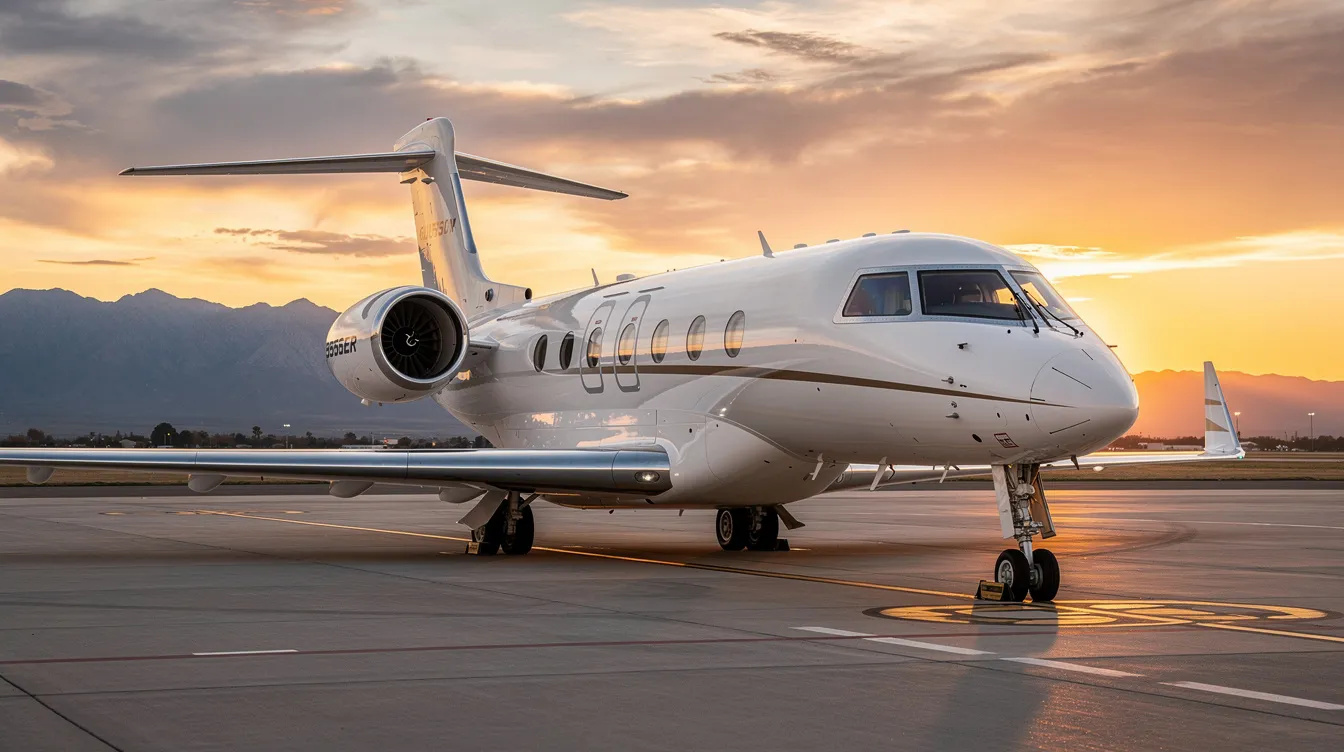
Elon Musk's private jet fleet, primarily consisting of Gulfstream models, showcases the intersection of luxury and necessity in modern aviation. This guide explores Musk's aircraft history, the evolution of his fleet, and how platforms like Jettly provide access to similar jets for those who seek the convenience of private travel without ownership. Discover the details of Musk's jets and how they reflect his dynamic lifestyle and business needs.
Read More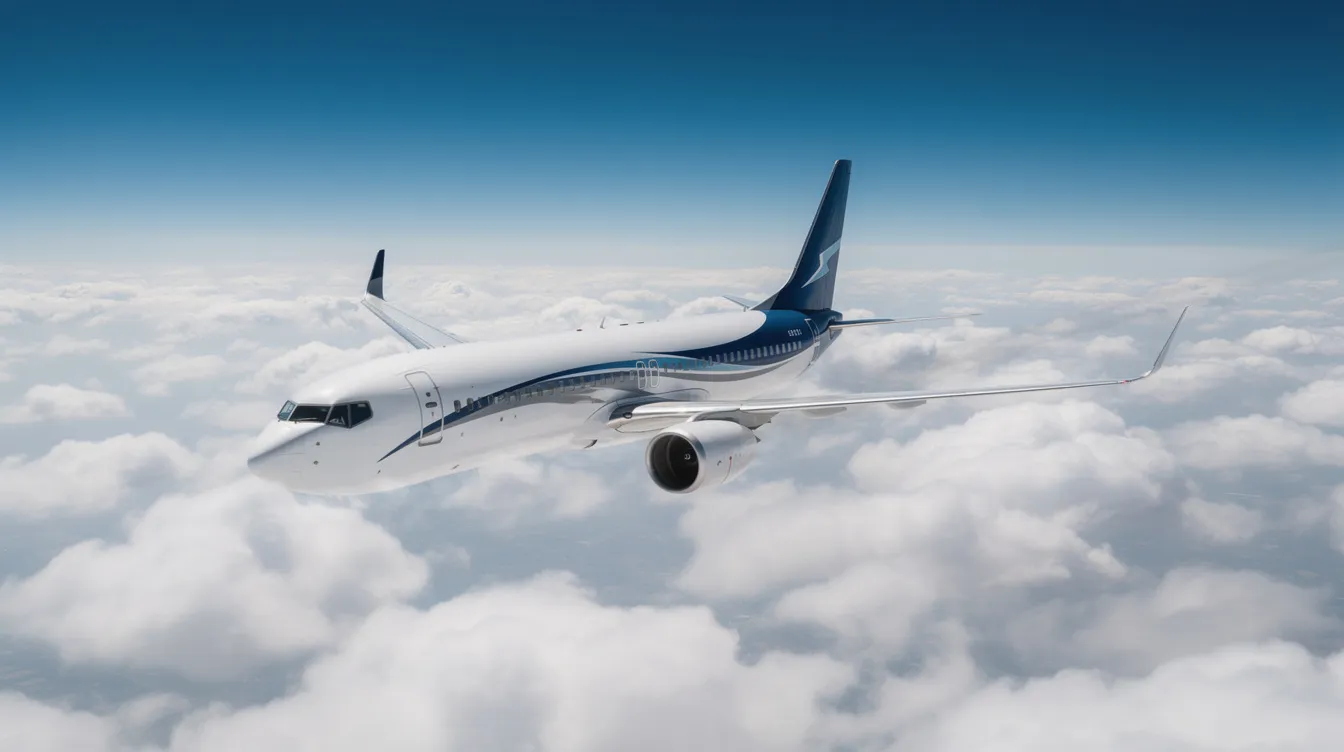
5
min read
Range of 737: How Far the Boeing 737 Flies, and When a Private Charter Makes More Sense
The Boeing 737 family offers a range from 1,500 to 3,850 nautical miles, making it versatile for various flight missions. While chartering a 737 can be cost-effective for large groups, private jet options through Jettly provide greater flexibility and access to more airports, often reducing total travel time. Understanding the range and capabilities of the 737 helps travelers make informed decisions about their flight options.
Read MoreStay updated with our latest insights and tips to elevate your journey with us.
MEMBERSHIPS AND ASSOCIATIONS



Disclaimer: Jettly operates as a charter broker, offering access to a global digital jet charter marketplace. Jettly is not a direct air carrier and does not own or operate aircraft. All advertised flights are conducted by third-party air carriers that are fully licensed and hold the appropriate Part 135 or Part 121 certifications issued by the Federal Aviation Administration (FAA) or equivalent regulatory authorities under U.S. or foreign law. Jettly complies fully with the U.S. Department of Transportation's Part 295 and Part 298 Charter Broker regulations. Jettly does not carry additional liability insurance. Passengers are covered by aircraft operator insurance. TICO: 50023770


