



Login
Get Instant Pricing On 23,000+ Aircraft

>
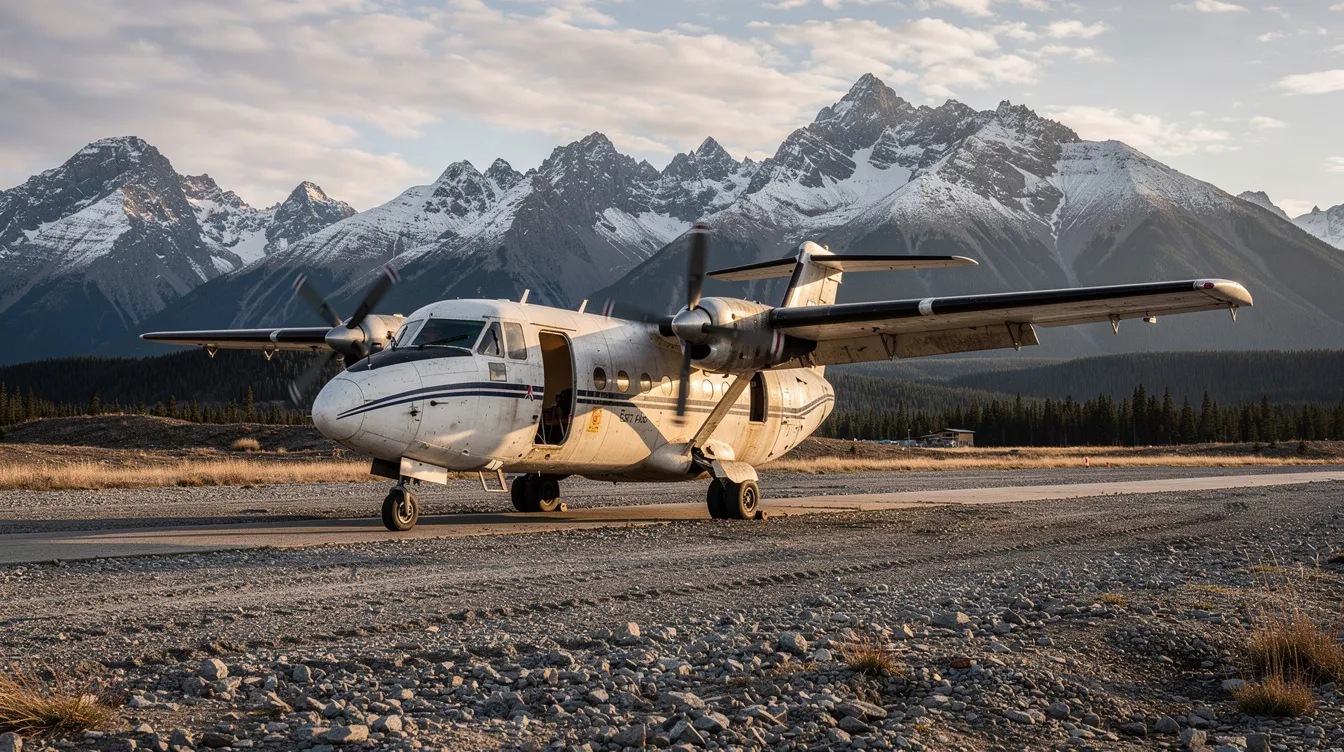
The Reims Cessna F406 Caravan II is a twin-engine turboprop utility aircraft produced from 1983 to 2013 that earned its reputation through a rare mix of short-field capability, twin-engine safety, and mission flexibility. Built through a cooperation between Reims Aviation in France and Cessna in the United States, the F406 Caravan II fills a gap between single-engine turboprops and light jets, serving passenger, cargo, charter, and aerial survey roles that few aircraft in its class can match.
For corporate flyers, high-net-worth travelers, leisure passengers, and charter operators weighing efficient regional private air travel or specialized missions, that combination makes the F406 a practical option for short routes and remote destinations that are often less suited to jets. This guide looks at the aircraft’s design and development, performance, cabin layout, avionics, operating roles, NG upgrades, market pricing, charter availability through Jettly, and how it compares with similar aircraft.
Production and Design
Twin-engine turboprop produced in France (1983–2013), derived from the Cessna 404 Titan
Powered by two Pratt & Whitney PT6A-112 engines
Only 98 production examples and one prototype built
Capacity and Versatility
Accommodates up to 14 passengers (commuter version)
Maximum payload capacity: 2,200 kg
Suitable for passenger transport, cargo, aerial survey, and medevac
Performance and Efficiency
Non-pressurised cabin, twin-engine safety, and short-field performance
Cost-efficient alternative to light jets for regional charter, especially to remote or short-runway destinations
Market and Charter Access
Used prices: $2.5–$4.2 million
Charter rates generally lower per hour than comparable light jets on short sectors
Financing available through specialist companies
Charter flights accessible via platforms like Jettly, allowing comparison with other turboprops and jets
The Cessna F406 Caravan II is a low-wing monoplane design with retractable landing gear, designed for regional operations where runway access, safety, and payload flexibility matter more than raw speed. It is not a variant of the Cessna 208 Caravan but evolved from the piston-powered Cessna 404 Titan, replacing those engines with turboprops and borrowing wing design elements from the Cessna 441 Conquest series.
The aircraft is commonly referred to as the Cessna F406, Reims Cessna F406, F406 Caravan, or simply Caravan II. This naming reflects its dual heritage: Cessna aircraft design roots in Wichita, and Reims Aviation production in France. The development was a true transatlantic cooperation, combining American airframe lineage with European manufacturing and certification.
Its primary missions span regional passenger transport, cargo hauling, aerial survey, maritime patrol, and multi-mission government roles. The twin engine configuration provides better redundancy than single-engine utility aircraft, which is critical for over-water routes, mountainous terrain, and operations in regions with limited emergency landing options. The F406's twin-engine design also allows it to comply with strict European IFR regulations, a key factor for operators flying commercial routes in controlled airspace.
Although production ended in 2013, dozens of aircraft remain active across the world, available on the pre-owned market and through specialized charter providers accessible via platforms like Jettly.
The F406 Caravan II first flew on 22 September 1983. French certification followed in December 1984, with FAA approval and first production delivery arriving around April 1985. Reims Aviation handled final assembly at its facility in Reims-Prunay, France, while Cessna contributed the foundational airframe concept and design lineage.
The key design goal was creating a twin-turboprop complement to the single-engine Cessna 208 Caravan - an aircraft with more speed, redundancy, and mission flexibility while remaining relatively economical to operate. By swapping piston engines for turboprops and refining the airframe, Reims Aviation produced an aircraft capable of serving markets from Europe to Africa, Asia, and Australia.
Only 98 production aircraft plus one prototype were ever built. The F406 was one of the last significant Reims Aviation projects before the company entered receivership in 2013 and was fully liquidated by 2014. The type certificate and production rights transferred to Continental Motors and ASI Innovation, preserving the authority to produce spare parts, though no new aircraft have been produced since. An upgraded version - the F406 NG - appeared around 2000, bringing more powerful engines and modernized avionics, but delivery volumes remained modest. Textron Aviation, which now owns the broader Cessna brand, does not currently produce the F406.
The F406 Caravan II has a low-wing monoplane design with retractable landing gear, a non-pressurised aluminum fuselage, and a conventional cruciform tail. The airframe is optimized for reliability and ease of maintenance in demanding environments.
The aircraft is powered by two Pratt & Whitney PT6A-112 engines, each flat-rated to approximately 500 shp, driving three-blade propellers. The PT6A family is one of the most proven turboprop powerplants in aviation, with a global support network for spare parts and overhauls. The NG variant upgrades to PT6A-135A engines delivering roughly 635 shp each, improving hot-and-high performance significantly.
Performance figures vary by configuration. Typical values are summarized below:
|
Specification |
Value (Standard) |
Value (NG Variant) |
|---|---|---|
|
Max Cruise Speed |
230–260 knots |
Higher with NG engines |
|
Econ. Cruise Speed |
241 mph (209 knots) |
|
|
Service Ceiling |
~30,000 ft (non-press.) |
|
|
Range (Std. Loading) |
~830 miles |
|
|
Max Range (Empty) |
Up to 1,500 nm |
|
|
Max Takeoff Weight |
9,400–12,000 lb |
~10,360 lb (4,700 kg) |
|
Takeoff Distance |
~2,635 ft (50-ft obst.) |
Improved with NG |
|
Max Payload |
2,200 kg |
Operators routinely trade seats for fuel or equipment depending on whether the mission is passenger charter, freight, or aerial survey. The F406's two engines allow it to comply with strict European IFR regulations, a key factor for operators flying commercial routes in controlled airspace.
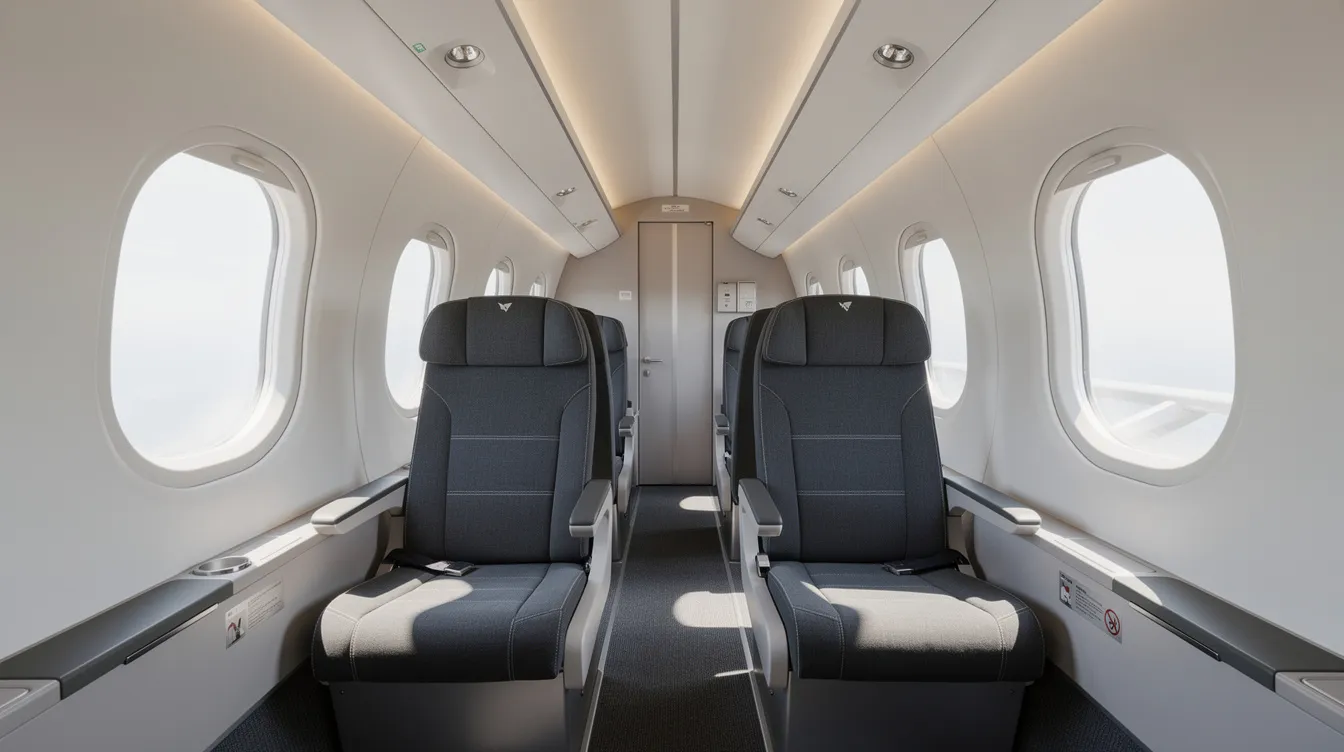
The cabin measures 5.71 m long, 1.42 m wide, and 1.32 m high. In practice, this means a compact interior with a narrow aisle, best suited for shorter regional flights rather than long-haul comfort.
Layout options include:
Commuter version: Up to about 12–14 passengers plus crew in a 1-1 or 1-2 arrangement, ideal for shuttle flights to remote locations
Executive layout: 6-8 seats with VIP cabin equipment, club seating, and upgraded finishes for small business groups or family trips
Cargo and combi layouts: Seats removed or partially removed to carry cargo, medical stretchers, survey racks, or sensor consoles
The aircraft features wide windows for good external visibility, air conditioning, overhead lighting with lighted signs, four emergency exits, and separate baggage locker options. An optional cargo pod increases cargo volume by 1.3 m³, useful for equipment or additional luggage. Since the F406 does not have a pressurised cabin, flights usually operate at modest altitudes for passenger comfort unless supplemental oxygen is used.
For Jettly users, cabin configuration will vary by operator and mission profile. Travelers should review seating layouts, baggage allowances, in-flight catering options such as Jettly Eats private jet catering, and interior features when booking through the platform.
The F406's avionics philosophy centers on robust, pilot-friendly systems. Early aircraft shipped with analog instruments and Bendix-King Silver Crown or Silver Crown Plus suites, traditional VHF radios, and standard navigation equipment including VOR/ILS, ADF, and DME. Basic autopilot systems supported single-pilot IFR operations where regulations allowed.
Many aircraft in service today have been retrofitted with modern avionics. Common upgrades include Garmin GNS 530W/430W or GTN-series panels, FMS integrated GPS with WAAS capability, and in some cases GLONASS receiver systems for global positioning redundancy. ADS-B Out, TCAS, and digital engine monitoring are standard additions for charter and survey operators.
For special use aircraft configured for aerial survey or maritime patrol, typical installations include stabilized sensor turrets, high-resolution cameras, LiDAR systems, operator consoles, and data links housed in the cabin. The F406's electrical and structural provisions make it relatively straightforward to integrate these payloads compared with smaller turboprops.
For charter customers, modernized avionics mean smoother flights, more precise approaches into smaller airports, and fewer weather-related disruptions - even if the technical details stay behind the cockpit door.
The F406 Caravan II's stable low-speed handling and ability to fly at altitudes from low-level up to around 25,000 ft make it ideal for LiDAR, photo, and multispectral missions. Tunisia's Office of Topography and Cartography, for example, equipped an F406 with a large-format digital mapping camera and flight-plan alignment console for cartography and coastal surveillance. Typical endurance profiles allow several hours on station, with room for both crew and heavy sensor equipment in a belly or fuselage pod.
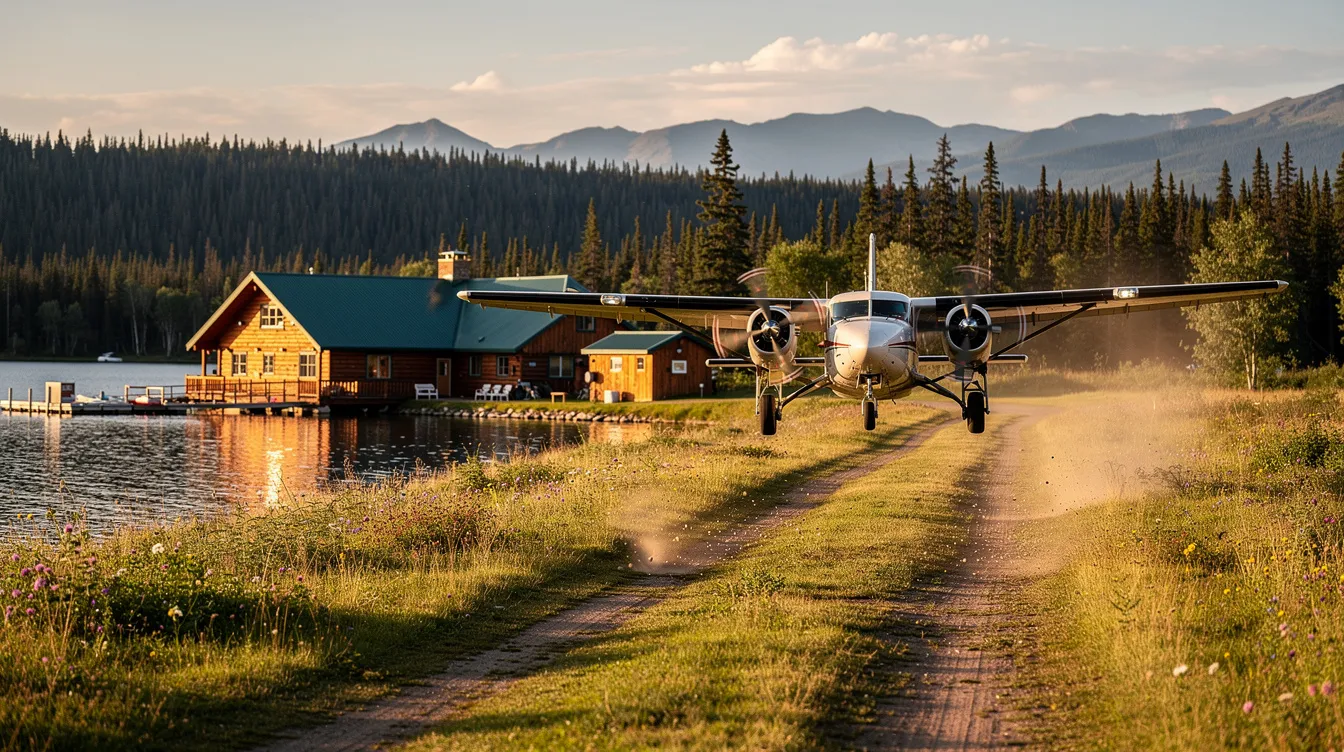
Operators use the F406 for short-haul regional routes—such as island hopping, connecting remote communities, or linking secondary cities. For Jettly customers, this translates to business teams flying to remote project sites on a variety of private charter aircraft, leisure travelers accessing fishing lodges or safari destinations inaccessible to any airline, and crew rotations for industrial operations in places like Alaska or North Dakota.
The F406 can be configured for medevac and aerial survey roles, with stretcher systems, medical equipment, and additional oxygen. Cargo and combi operations are common in Africa, Asia, and Europe, where the aircraft carries everything from supplies and mail to light industrial components. The aircraft is utilized for various roles including passenger transport and cargo operations on a daily basis.
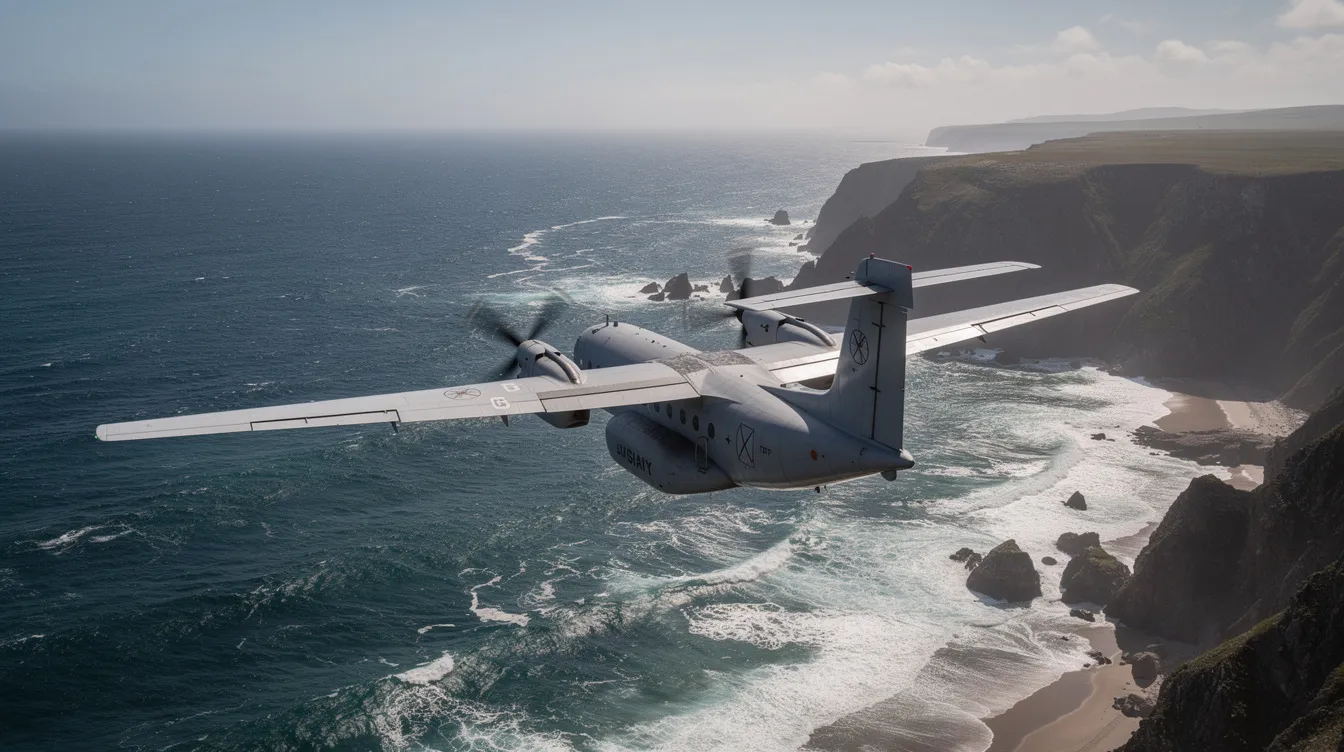
The F406 is equipped for maritime surveillance and patrol by various governments, including French customs, the Republic of Korea Navy, and European coastguard agencies for pollution monitoring and border surveillance. These demanding military and government operations underline the aircraft's reliability—which is reassuring for private charter customers evaluating the type.
The NG (Next Generation) enhancements, introduced around 2000, targeted better performance in hot-and-high conditions, improved payload, and reduced pilot workload.
The switch to PT6A-135A engines delivering roughly 635 shp each gives stronger climb, higher cruise speed, and improved short-field capability. The increase in maximum takeoff weight to around 4,700 kg (roughly 10,360 lb) allows more payload or fuel, supported by structural weight reductions that helped maintain balance.
NG aircraft often came with more modern Bendix-King Silver Crown avionics suites, LCD displays, and enhanced autopilot options, improving situational awareness and supporting single-pilot IFR operations in demanding weather. Many NG or upgraded aircraft also feature refreshed cabins, noise-reduction treatments, and better environmental control systems, improving passenger comfort on longer charters.
On today's charter market, travelers may encounter both classic F406 Caravan II and upgraded NG examples. On Jettly, aircraft details and tools like the airport locator for private flights can help clients compare performance, year of manufacture, avionics fit, and suitable departure or destination airports when choosing a flight.
The F406 Caravan II occupies a niche on the pre-owned market as a sought-after twin-turboprop for operators who value utility and twin-engine redundancy.
The average price of a used F406 is $2.5 to $4.2 million, depending on year, total airframe time, engine hours, and avionics upgrades. NG status, engine time since overhaul, and recent maintenance or refit projects significantly influence asking prices. AvPay connects buyers and sellers of the F406 globally, and financing options for the F406 are available through specialist companies that focus on turboprop and utility aircraft. Prospective owners comparing acquisition with on-demand charter can review affordable private jet charter costs to better understand the financial trade-offs.
F406 operational costs are higher than the single-engine Cessna 208, reflecting the twin-engine architecture. Key cost components include fuel, maintenance reserves for PT6A engines, airframe inspections, insurance, crew salaries, and hangarage. Wet lease rates for the F406 vary by age and lease terms, so operators and charterers should expect quotes tailored to specific aircraft and missions.
Common buyer profiles include:
Regional airlines
Aerial survey firms
Government agencies
Charter operators
Specialized logistics or medevac providers
The aircraft is rarely purchased by private individuals compared with light jets, because it is optimized for commercial utility rather than private comfort.
For travelers, the value proposition is clear: access the capabilities of the F406 Caravan II on-demand through charter rather than owning the aircraft, avoiding long-term commitments, capital costs, and maintenance complexity. Jettly's charter cost estimator and jet card flight cost estimator can help compare options quickly.
An aircraft like the Reims Cessna F406 Caravan fits naturally into a digital private aviation platform such as Jettly, alongside light jets, midsize jets, and other turboprops within its global private charter aircraft network.
For short regional sectors, flights to shorter or unpaved runways, or routes where speed is less critical than access and cost, a turboprop like the F406 Caravan II can be more efficient than a light jet. Think island chains, remote mining sites in Canada or Australia, or smaller regional airports in Europe and London's surrounding fields where runway length limits jet access.
Charter pricing for a Cessna F406 Caravan II is typically calculated on an hourly or route basis, factoring in aircraft type, distance, repositioning, landing fees, and local operating costs. Turboprop charter rates are generally lower per hour than comparable light jets on short sectors, especially when travelers apply tips for booking the cheapest private jet flights. Jettly's platform offers instant or rapid pricing visibility, helping customers quickly compare the F406 with other turboprops or jets on similar routes.
Practical use cases for Jettly customers include traditional charters as well as crowdsourced private flights with shared seats, which can further reduce per-passenger costs on certain routes:
Business:
Site visits, multi-stop trips to regional offices, transporting teams and equipment on one aircraft
Often optimized through private jet memberships for frequent flyers
Leisure:
Access to lodges, resorts, and adventure destinations away from major hubs
Baggage capacity for gear
Options for buying a single seat on a private jet when a full-aircraft charter is unnecessary
Special missions:
Chartered aerial survey flights, photography runs, or bespoke logistics with sensors or extra cargo
Sometimes arranged via programs that make it easy to get a seat on a private jet for niche operations
Explore Cessna F406 Caravan II and comparable aircraft categories via Jettly's inventory at jettly.com, or consider structured access through world-class corporate jet card programs for frequent travel.
International Production:
The F406 Caravan II was one of the few Cessna-derived aircraft built primarily outside the United States, with final assembly at Reims Aviation in France.
Strong presence in Africa, Asia, and parts of Europe due to its ability to handle hot, high, and rugged conditions.
Popular in aerial survey roles; many F406S have spent thousands of hours flying long, precise grid patterns over land or coastline.
Comparison Table: F406 Caravan II vs. Related Cessna Aircraft
|
Feature |
F406 Caravan II |
Cessna 208 Caravan |
Cessna 404 Titan |
Light Jets |
|---|---|---|---|---|
|
Engines |
Twin turboprop |
Single turboprop |
Twin piston |
Twin jet |
|
Max Cruise Speed |
209–260 knots |
175–185 knots |
~220 knots |
350–450 knots |
|
Max Passengers |
Up to 14 |
Up to 14 |
Up to 10 |
6–8 |
|
Redundancy |
Twin-engine |
Single-engine |
Twin-engine |
Twin-engine |
|
Short-field Capability |
Excellent |
Excellent |
Good |
Limited |
|
Typical Use |
Charter, survey, cargo |
Skydiving, commuter |
Commuter, cargo |
Business, long-range |
|
Cabin Pressurization |
No |
No |
No |
Yes |
Key Differences:
F406 offers more speed and redundancy than the 208 Caravan, at the cost of higher fuel burn and operating expense.
F406 evolved from the 404 Titan by introducing turbine engines, delivering better reliability and more consistent performance.
Unlike light jets, the F406 trades cruise speed for runway flexibility, fuel efficiency at lower altitudes, and the ability to operate from more remote strips.
For travelers evaluating options through Jettly, the jet versus turboprop choice should balance time savings against airport access and cost per trip, similar to the considerations outlined when finding the best cross-country plane for your travel journey. Learn more about Cessna models across the full range.
No. The Reims Cessna F406 Caravan II is a non-pressurized aircraft. It usually operates at lower to mid altitudes for passenger comfort. Supplemental oxygen is required when flying at higher levels near its 30,000-ft service ceiling, though most charter flights stay well below that.
The F406 can accommodate up to 14 passengers in a high-density commuter layout. Typical charter configurations seat between 6 and 12 passengers depending on whether the aircraft is configured in executive or commuter mode. Exact seating should be confirmed for each aircraft listed on Jettly.
The combination of two Pratt & Whitney PT6A engines, stable handling at low speeds, long endurance, and flexible cabin space for sensor racks and operator consoles makes the aircraft ideal for aerial survey and mapping missions. Its ability to fly precise grid patterns for hours at a time is valued by cartography and environmental monitoring agencies worldwide.
On short regional routes, hourly charter rates for a turboprop like the F406 Caravan II are often lower than for a comparable light jet, especially when the destination has shorter runways. For longer or overseas trips, many travelers still rely on jets for speed and range; understanding how private jets fly internationally can help clarify when upgrading from a turboprop makes sense. Use Jettly's pricing tools to compare real-time quotes for specific routes.
Where local operators and regulatory approvals allow, Jettly can connect travelers with Cessna F406 Caravan II operators serving remote or short-runway destinations. Check availability or request a custom quote at jettly.com.
Ready to fly to destinations that jets can't reach? Explore flight options or request a quote at https://www.jettly.com, and review our guide to the best private jet charter companies if you're comparing providers.
The Reims Cessna F406 Caravan II remains a versatile and reliable twin-turboprop aircraft ideal for regional charter, aerial survey, and specialized missions. Its twin-engine safety, short-field performance, and configurable cabin make it a practical choice for travelers and operators needing access to remote or challenging destinations. While operational costs are higher than single-engine alternatives, the F406’s flexibility and mission capability offer strong value for specific use cases. Through platforms like Jettly, customers can easily book F406 charter flights, balancing efficiency, safety, and convenience on short regional routes where jets may not be the best fit. For those seeking a rugged, multi-role turboprop with proven performance, the F406 Caravan II remains a compelling option.
Ready to fly to destinations that jets can't reach? Explore flight options or request a quote at https://www.jettly.com. Travelers researching the broader charter landscape can consult the ultimate list of charter airlines, compare Jettly as a NetJets alternative for flying private, or learn about specific aircraft such as the Cessna 340 specifications and charter rates. Those who fly frequently may benefit from Jettly's ULTRA high-ticket affiliate program to monetize referrals, while region-specific services like private jet charter in Kolkata, West Bengal show how turboprops and jets alike support global access.
Share this post:
Jay Franco Serevilla
Aug 24, 2026
|
5
min read
Discover tips and trends in the industry.

5
min read
Private Plane Maintenance: A Practical Guide for Owners and Charter Flyers
Private plane maintenance is essential for ensuring safety, reliability, and the long-term value of aircraft. Owners and charter clients must understand maintenance costs and processes to make informed decisions. Platforms like Jettly provide access to well-maintained jets without the burdens of ownership.
Read More
5
min read
Best Single-Engine Airplane for Cross-Country in 2026
Choosing the best single-engine airplane for cross-country flying in 2026 involves evaluating speed, range, comfort, and cost based on your flying needs. This guide highlights top piston aircraft and high-performance singles, comparing ownership with charter options to help you make an informed decision. Whether for business or leisure, the right aircraft can enhance your travel experience significantly.
Read MoreStay updated with our latest insights and tips to elevate your journey with us.
MEMBERSHIPS AND ASSOCIATIONS



Disclaimer: Jettly operates as a charter broker, offering access to a global digital jet charter marketplace. Jettly is not a direct air carrier and does not own or operate aircraft. All advertised flights are conducted by third-party air carriers that are fully licensed and hold the appropriate Part 135 or Part 121 certifications issued by the Federal Aviation Administration (FAA) or equivalent regulatory authorities under U.S. or foreign law. Jettly complies fully with the U.S. Department of Transportation's Part 295 and Part 298 Charter Broker regulations. Jettly does not carry additional liability insurance. Passengers are covered by aircraft operator insurance. TICO: 50023770


