



Login
Get Instant Pricing On 23,000+ Aircraft

>
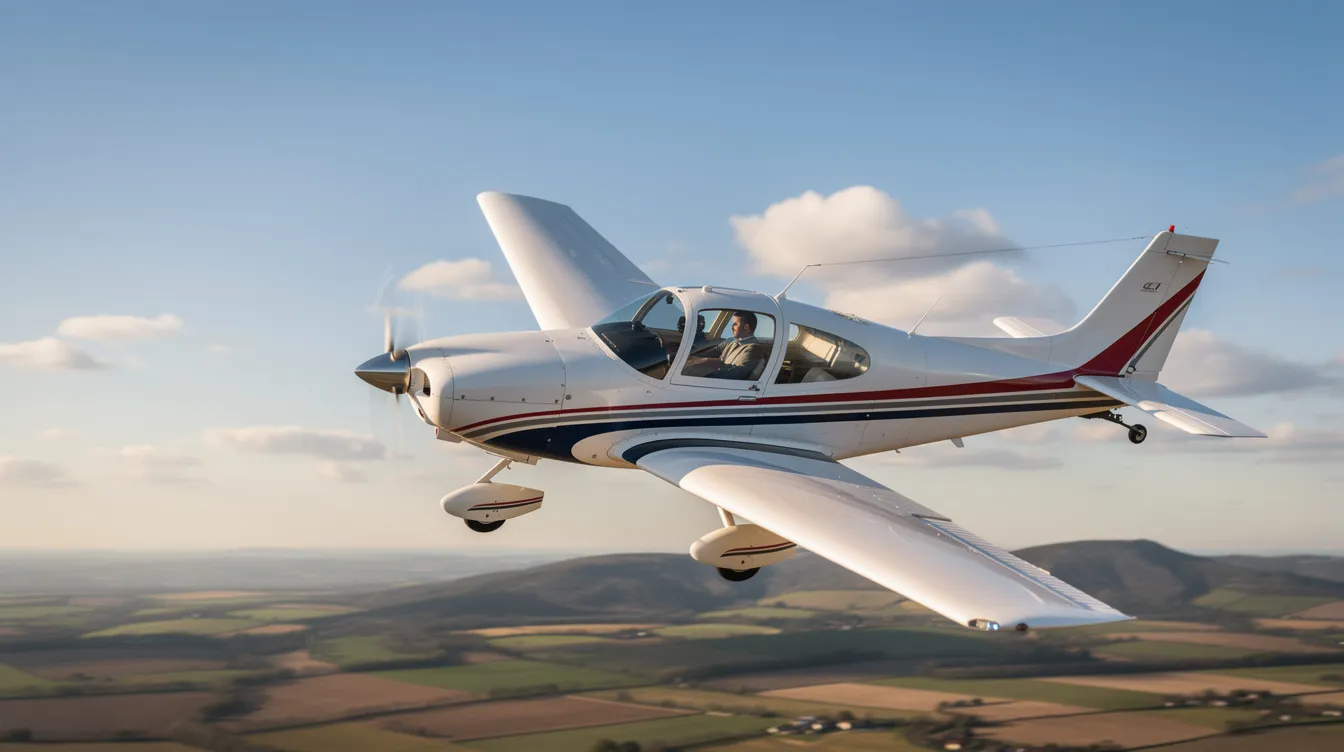
A recreational plane is any aircraft flown primarily for enjoyment, sport, or personal travel rather than airline operations. This category spans ultralights, light sport aircraft, experimental builds, and certified piston singles-each offering a different mix of speed, range, and cockpit experience. Whether you're drawn to low-and-slow flying over lakes or cross-country trips in a pressurized cabin, understanding these types helps you pick the right airplane for your mission.
Recreational and sport aircraft range from single-seat ultralights (40–60 mph cruise) to high-performance piston singles capable of 200+ knots and 1,000+ nm range.
Light sport aircraft can cruise at 90–120 knots with a typical maximum range of 400–800 nautical miles, making them practical for regional trips.
FAA certification and pilot licensing requirements scale with aircraft performance-ultralights need no license, while certified piston aircraft require a private pilot license.
Jettly's private jet charter marketplace complements personal flying by offering on-demand access to over 20,000 aircraft, transparent pricing, and digital booking for missions that exceed what a recreational plane can handle.
Ownership of recreational aircraft allows for personal customization and freedom, while charter fills gaps in distance, passenger count, and weather ability.
Recreational planes sit at the heart of general aviation. From weekend hops in a two-seat sport aircraft to 600 nm cross-country flights in a Cirrus SR22T, these aircraft let pilots skip the check-in lines, security queues, and connection hassles of commercial air travel. Small aircraft can access more airports than commercial airlines-thousands of regional strips, backcountry fields, and lakeside runways that jets never touch, and many can land closer to remote destinations or on shorter, unpaved strips when conditions allow, especially when paired with an airport locator tool that highlights smaller fields near your destination.
The typical mission profile is straightforward: a flight to a mountain strip with friends, a weekend at a distant lake house, or a regional business meeting 300–500 nm away. Many enthusiasts start with ultralights or LSAs, then step up to certified singles like the Cessna 172 or the Piper Malibu Mirage as their needs grow, eventually exploring offerings from the best private plane manufacturers if they transition into more capable aircraft.
When travelers need to move more passengers, fly farther (say, New York to Miami), or navigate challenging weather, Jettly's digital private jet charter platform becomes the practical next step. The platform provides instant pricing and access to turboprops, light jets, and heavy jets-no ownership overhead required.
Recreational planes span four main types, each with distinct FAA certification rules, performance, and cost profiles:
Ultralights (FAA Part 103): Single seat, max empty weight 254 lb, cruising speed of 40–60 mph, about 1–2 hours endurance. No pilot license or registration required.
Light sport aircraft: Two seats, maximum gross weight of 1,320 pounds, cruise 90–120 knots, typical range of 400–800 nautical miles. Flown under a sport pilot certificate.
Experimental/amateur-built: 1–4 seats with widely varying performance. Experimental aircraft are built by owners and can offer high performance-models like the Van's RV-7 or RV-10 are popular choices, and some designs are available with retractable gear.
Certified piston singles/twins: 2–6 seats, certified piston singles cruise at 120–210 knots, with a range of 450–1,000+ nautical miles. These powered aircraft require full FAA Part 23 certification.
Premium singles like the Piper M350 Malibu Mirage blur the line between recreation and business travel, offering pressurized comfort at 25,000 ft and over 1,300 nm of range.
|
Category |
Seats |
Cruising Speed |
Maximum Range |
License Required |
|---|---|---|---|---|
|
Ultralights |
1 |
40–60 mph |
~75–150 nm |
None |
|
Light Sport Aircraft |
2 |
90–120 knots |
400–800 nm |
Sport Pilot |
|
Experimental |
1–4 |
100–200+ knots |
300–1,000+ nm |
Varies |
|
Certified Piston |
2–6 |
120–210 knots |
450–1,000+ nm |
Private Pilot |
Ultralights and LSAs are the most accessible entry point into powered aviation. They're engineered for simplicity, lower cost, and the pure fun of flying.
Under FAA Part 103, ultralight aircraft must weigh under 254 pounds (empty, powered), carry a maximum fuel capacity of five gallons, and maintain a top speed no greater than 63 mph. Ultralight stall speed must not exceed 24 knots. Ultralights typically cruise at 40–60 mph and do not require pilot licensing under FAA Part 103-no medical certificate or aircraft registration either. That said, responsible pilots still seek instruction from schools specializing in trikes, powered parachutes, and fixed-wing ultralight airplanes.

Light sport aircraft can have a maximum gross weight of 1,320 pounds, with a fixed gear design and a maximum stall speed of 45 knots. A sport pilot license is required to operate LSAs, with a minimum of 20 hours total flight time. Common designs include the ICON A5, Flight Design CTLS, and CubCrafters CarbonCub SS, and many new pilots initially rely on affordable aeroplane rental options before committing to ownership.
Light sport aircraft typically have a range of 400–800 nautical miles on 20–30 gallons of fuel, making weekend and cross-state flights completely realistic. LSAs are designed for training and short cross-country flights, and many LSAs have lower fuel consumption and maintenance costs than larger aircraft-often burning just 4–6 gallons per hour. Light-sport aircraft focus on fun, affordability, and lower operating costs, which is why they're a favorite among cost-conscious affordable plane buyers.
Certified piston aircraft bridge the gap between pure recreation and serious personal travel. Classic general aviation planes have a nostalgic appeal and low operating costs, while modern recreational aircraft often feature glass cockpit displays, GPS navigation, and newer avionics with traffic awareness tools, as seen in models like the Piper Matrix.
Here's how some popular types compare:
Cessna 172 Skyhawk: 4 seats, ~120-knot cruising speed, ~640 nm maximum range with reserves. A standard in flight training and weekend flying.
Piper PA-28 Archer: Similar speed and slightly shorter range, common in flying clubs.
Cirrus SR22T: 4–5 seats, turbocharged, ~213-knot cruise, ~1,200 nm range, whole-airframe parachute. One of the fastest certified recreational airplanes and an ideal piston single for personal travel.
Beechcraft Bonanza G36: 6 seats, ~176-knot cruise, ~920 nm range.
Piper M350 Malibu Mirage: Pressurized cabin, 6 seats, service ceiling 25,000 ft, Garmin G1000 NXi avionics. This airplane lets an owner cruise above most weather at jet-like altitudes, offering a variety of mission profiles.
Certified piston aircraft require a private pilot license, and an instrument rating is a practical necessity for reliable all-weather operation in types like the Malibu Mirage. These small aircraft offer reliability and safety through rigorous Part 23 FAA certification, annual inspections, and structured maintenance programs, but understanding private jet operating costs becomes essential if you later transition from piston singles to turbine equipment or larger jets.
Once regular trips exceed 800–1,200 nm, or passengers grow beyond 4–6 people, many pilots and their family supplement their own plane with chartered turboprops and light jets booked through platforms like Jettly.
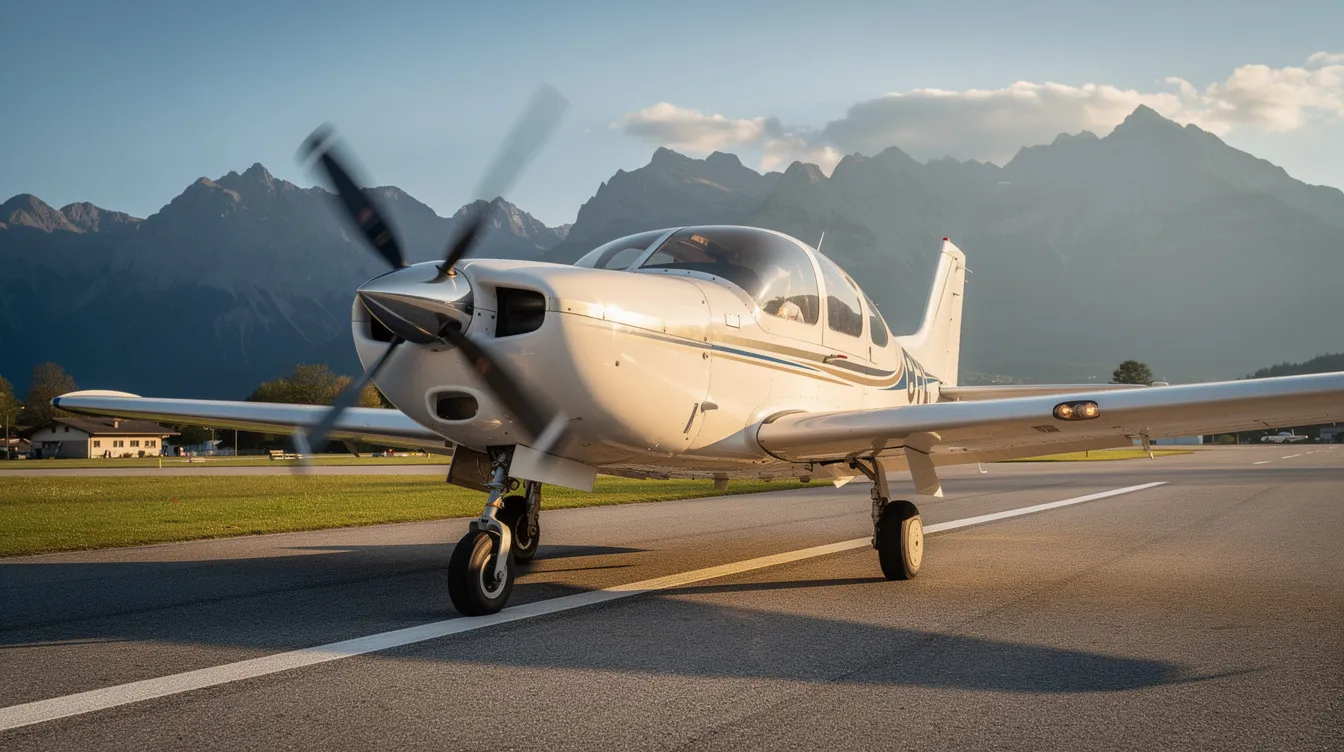
Brochure numbers for cruising speed and maximum range are idealized. Real-world performance depends on power settings, altitude, weight, and wind.
Cruising speed is the typical speed used in level flight for efficiency and comfort. Pilots often trade a few knots of top speed for less fuel burn and longer engine life. Here's what that looks like in practice:
A typical LSA cruises at about 105 knots, using less fuel per hour than certified singles.
A Cirrus SR22T delivers ~180–200 knots at economy cruise.
A Malibu Mirage settles around 200–213 knots at altitude.
Maximum range examples show even more variation. Many LSAs cover 400–800 nm at economy cruise with 45-minute reserves. A Cessna 182 can push roughly 930 nm. The Piper M350 stretches past 1,300 nm with long-range tanks.
Payload matters: a fully loaded 4-seat plane may need a fuel stop on a 600 nm trip that would be nonstop when lightly loaded. Recreational pilots often limit legs to 2–3 hours for comfort and security, even when the airplane could technically go farther.
Compare that to chartering through Jettly: a light or midsize jet cruising 400–450 knots can cover 1,500–3,000 nm in one leg, with a professional crew handling routing and fuel planning. Explore Jettly's charter cost estimator to see how the numbers compare, and review this guide on understanding one flight cost to see which factors most influence your final price.
Safe recreational flying rests on three pillars: properly certified aircraft, appropriately licensed pilots, and disciplined operation.
Aircraft certification tiers:
Part 103 ultralights: no airworthiness certificate; compliance is by design and weight/speed limits.
LSA: special consensus standards instead of full Part 23, with ongoing airworthiness requirements.
Certified aircraft (Part 23): rigorous design, testing, and maintenance. Annual inspections are the standard; commercial use may require 100-hour inspections.
Pilot certification levels:
Sport Pilot: minimum 20 hours, limited to LSAs, daytime VFR, certain airspace.
Private Pilot: minimum 40 hours by regulation (often 60–70 in practice for real proficiency), allows flying most single-engine certified aircraft.
Instrument Rating: a practical necessity for using aircraft like the Malibu Mirage in varying weather and for navigating busy airspace around cities like York or other metro areas.
Core safety practices include structured flight training, recurrent training, conservative weather decisions, preflight inspections, and strict checklist adherence. For higher-risk or longer missions, professional charter operations accessible via Jettly provide crews with commercial licenses, strict maintenance programs, and third-party safety audits, similar to the operators profiled in our guide to charter airlines and private flights.
New enthusiasts should discover local flying clubs for mentorship and a strong safety culture. Keep personal flying recreational, and use chartered aircraft for time-critical journeys.
Many readers are weighing the idea of buying a personal plane against booking private flights on demand, and a clear view of how much a private jet costs over its lifetime is crucial to that decision.
Ownership realities:
Acquisition: $80,000–$200,000+ for many used LSAs and piston singles; $1M+ for late-model aircraft like the Malibu Mirage.
Ongoing costs: fuel, maintenance, hangar or tie-down fees, insurance, annual inspections, and the broader category of private jet operating costs if you eventually move into turbine aircraft.
Recreational aircraft ownership provides freedom and convenience. For pilots who love the hands-on flying experience, short regional hops in a light sport aircraft or 4-seat single can be cost-effective with 1–3 passengers over 400–600 nm.
On-demand charter through Jettly:
No capital outlay or long-term contracts. Private jet charter provides flexibility without the burden of ownership.
Private jet platforms offer access to thousands of unique aircraft on-demand-Jettly's network includes over 20,000 options, from prop planes to heavy jets, with detailed private charter aircraft profiles that help match the right airframe to your mission.
Transparent, instant pricing via the digital platform lets travelers compare by budget, range, and cabin size with simplicity.
Real-world use cases:
An owner flies a Cirrus SR22T for weekend trips within 500 nm but books a midsize jet through Jettly for a family vacation from Los Angeles to Honolulu, taking advantage of Jettly's focus on affordable private jet charter to manage total trip costs.
A small business owner uses a personal sport aircraft between nearby cities in Europe, yet charters a jet via Jettly when clients need to visit three states in one day, and may also compare this with fractional private jet ownership if their utilization grows.
It also helps to watch how your mission needs and aircraft preferences evolve before choosing between ownership and charter, or even alternatives like fractional jet ownership that sit between the two.
Think of recreational ownership and charter as complementary. Fly personally when it's practical and fun. Elevate your travel with Jettly when time, distance, passenger count, or weather make professional crews and faster aircraft the smarter value.

Ready to explore private travel on your terms? Consider Jettly's private jet memberships or jet card programs, then request a quote or browse flight options at https://www.jettly.com.
Below are answers to common questions that go beyond what the guide covers above, including considerations like aircraft type, costs, and even in-flight services such as Jettly Eats catering for private jets.
A light sport aircraft is limited by regulation to 2 seats, specific weight and stall-speed caps, and is flown by sport pilots. Common trainers like the Cessna 172 are fully certified Part 23 aircraft with 4 seats and fewer design restrictions. LSAs are typically lighter, more fuel efficient, and simpler, whereas trainers handle turbulence and higher weights better. Both can be used for recreational flying, but only LSAs fall into the formal light sport aircraft regulatory category.
All About NetJets offers a useful contrast to on-demand platforms like Jettly if you're comparing different private aviation models.
Jettly's marketplace focuses on professionally operated aircraft suitable for charter-typically certified piston aircraft, turboprops, and jets. Not all LSAs are eligible for commercial operation under FAA rules, so availability of true light sport aircraft for charter is limited. Depending on your budget and privacy needs, you can also compare shared charter flights vs. full charters. Search routes and dates on Jettly's website to see the aircraft types available for your specific journey.
A practical threshold is earning at least a Private Pilot License (for certified aircraft) or Sport Pilot certificate (for LSAs), plus 25–50 hours of post-checkride experience. Renting or joining a club for 6–12 months helps you understand what range, speed, and cabin size fit your mission before committing capital. Many owners continue to use Jettly for long-distance or multi-leg trips even after purchasing their first plane, sometimes offsetting costs by participating in crowdsourced private jet flights and shared empty seats when appropriate.
Some certified recreational planes, including high-performance singles and the Malibu Mirage, are capable of cross-border flights-U.S. to Canada, or between Schengen countries in Europe-with proper planning and customs arrangements. Oceanic and very long-haul routes are typically beyond the safe limits of most recreational planes due to range, weather, and survival equipment requirements. For international or overwater missions, travelers usually turn to chartered turboprops or jets arranged through Jettly's global network, which often serves as a compelling NetJets alternative for cost-conscious flyers.
Recreational planes offer pilots and travelers a unique blend of freedom, enjoyment, and personal connection to flight. From ultralights and light sport aircraft to certified piston singles like the Malibu Mirage, these aircraft serve a variety of missions—from local scenic flights to regional business travel. However, as travel demands grow in distance, passenger count, or complexity, chartering through Jettly provides a flexible, cost-effective alternative that eliminates ownership burdens. By combining personal flying with access to a global fleet of private jets, travelers can optimize convenience, safety, and efficiency on every journey. Whether you choose to own a recreational plane or charter a private jet, Jettly’s platform ensures you have the right aircraft for your mission, when and where you need it. How does chartering with Jettly compare to buying a high-end recreational aircraft like the Malibu Mirage?
Acquiring and operating a Piper M350 involves seven-figure costs over time when you factor in purchase price, avionics, maintenance, hangar, insurance, and recurrent training. Chartering through Jettly means paying per trip, accessing a comparable or more capable pressurized aircraft only when needed, without long-term financial exposure. If you mainly value time savings and flexibility rather than the hobby of flying itself, explore Jettly's instant-quote tools at https://www.jettly.com and review how private jet lease cost compares to other options before deciding on ownership. Learn more about private jet charter and affordable plane ownership to make an informed choice.
Share this post:
Jay Franco Serevilla
Jul 22, 2026
|
5
min read
Discover tips and trends in the industry.
5
min read
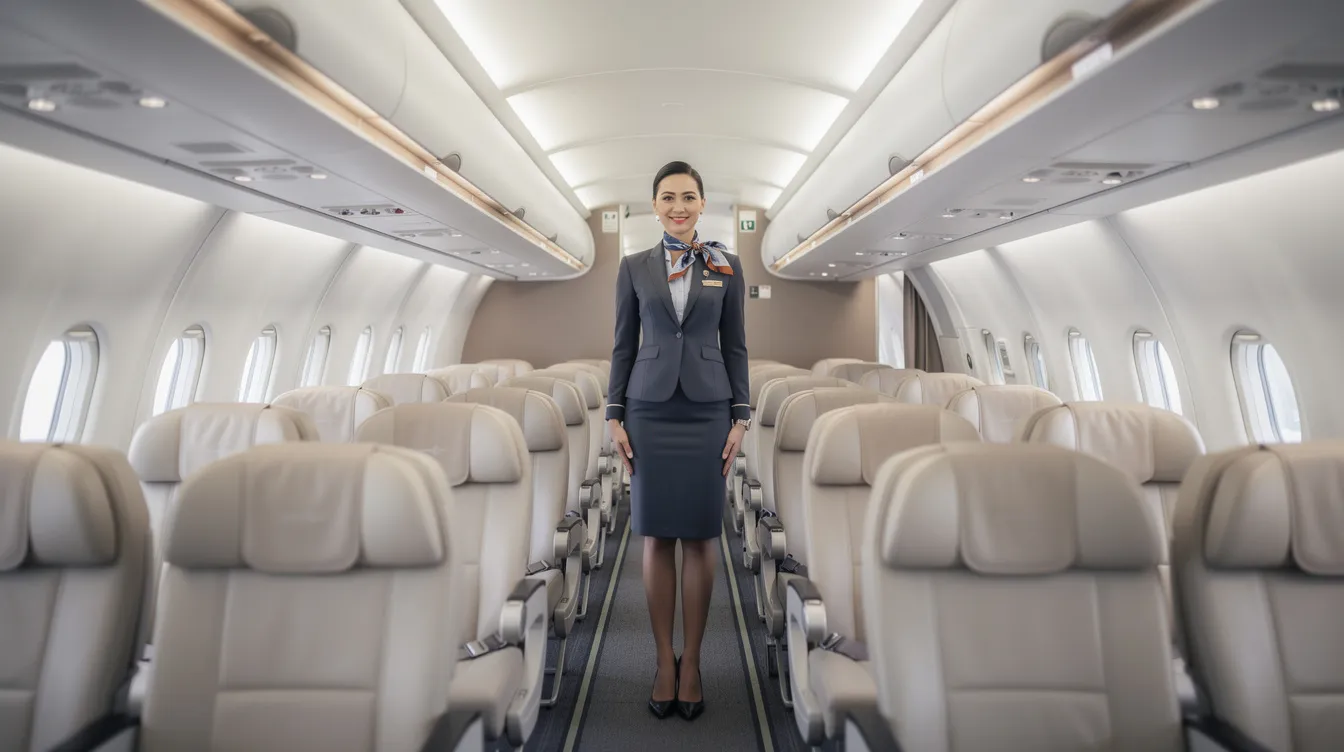
Stewardess: From Classic Airline Icon to Modern Flight Attendant
The term 'stewardess' has evolved into the more inclusive 'flight attendant,' reflecting the significant changes in the role from the mid-20th century to today. Modern flight attendants are trained safety professionals responsible for passenger safety, emergency response, and in-flight service, contrasting sharply with the outdated stereotypes of glamorous service. This article explores the history, training, and responsibilities of today's cabin crew across commercial and private aviation.
Read More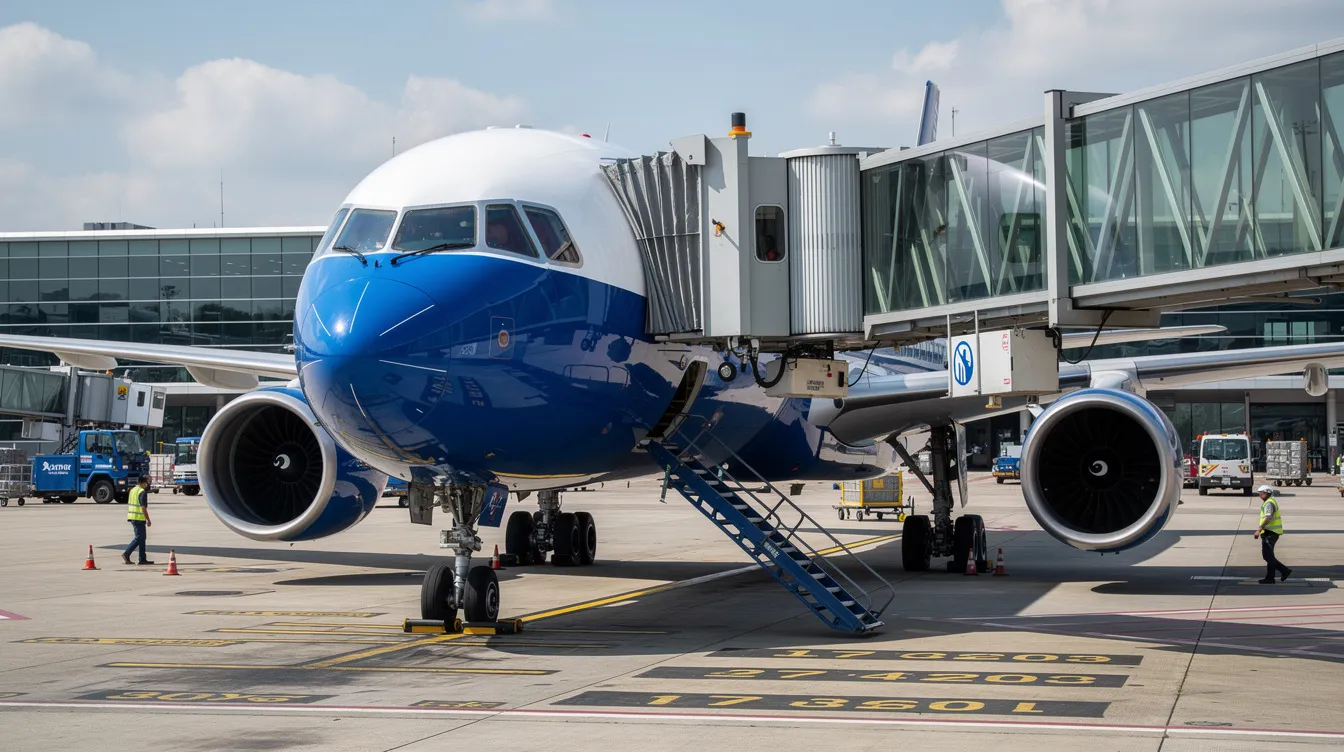
5
min read
DL 767: Delta Air Lines Flight DL767, Boeing 767‑300ER & Private Jet Alternatives
Delta Air Lines Flight DL 767 connects New York and Los Angeles using a Boeing 767-300ER, known for its reliability and comfort. This article explores the flight's features, the aircraft's specifications, and private jet alternatives for travelers seeking flexibility. With Delta planning to retire the 767-300ER by 2030, understanding your options is crucial for future travel.
Read MoreStay updated with our latest insights and tips to elevate your journey with us.
MEMBERSHIPS AND ASSOCIATIONS



Disclaimer: Jettly operates as a charter broker, offering access to a global digital jet charter marketplace. Jettly is not a direct air carrier and does not own or operate aircraft. All advertised flights are conducted by third-party air carriers that are fully licensed and hold the appropriate Part 135 or Part 121 certifications issued by the Federal Aviation Administration (FAA) or equivalent regulatory authorities under U.S. or foreign law. Jettly complies fully with the U.S. Department of Transportation's Part 295 and Part 298 Charter Broker regulations. Jettly does not carry additional liability insurance. Passengers are covered by aircraft operator insurance. TICO: 50023770


