


Login
Get Instant Pricing On 23,000+ Aircraft

>

Private aviation refers to the use of aircraft not available to the general public for scheduled commercial flights. These include very light jets (VLJs), light jets, mid-size jets, heavy jets, and even executive airliners. Privately owned planes are a subset of airplanes, which is the general term for all powered, fixed-wing aircraft. Privately owned planes can be operated by individuals, businesses, or charter services, who manage and operate these aircraft for specific needs, and are often chosen for their comfort, flexibility, privacy, and efficiency. Most production business jets use two jet engines to balance operating economy and safety after an engine failure. Flight departments manage and operate private jets for specific companies, ensuring seamless operations tailored to corporate needs. The market for private aviation has seen significant growth, with increasing demand in regions such as North America, Europe, and Asia.
While commercial aviation serves millions daily, private aviation caters to those who prioritize convenience, direct routing, personalized service, and time savings. Private jets provide a high level of privacy, luxury, and customized service compared to commercial airlines. Unlike airlines, which provide scheduled services to the broader public with standardized operations and larger passenger volumes, private aviation offers a more exclusive and tailored experience, with differences in how flights are operated and the overall passenger experience. Commercial airlines can offer lower per-person ticket prices due to a large passenger base. In many cases, private aircraft can depart from or land at smaller regional airports, minimizing transit time and enhancing point-to-point access.
Regulated by the Federal Aviation Administration (FAA) in the United States and other civil aviation authorities globally, private jets must meet strict safety and maintenance guidelines. Depending on aircraft size and mission, they can be flown by a single pilot or a full crew with onboard attendants. Most business jets feature podded engines mounted on the rear fuselage, a design choice that helps minimize interference drag and enhances exhaust clearance.Business aircraft in the U.S. can operate under FAR 91 for private use or FAR 135 for commercial operations, ensuring compliance with specific regulatory frameworks.
Privately owned planes span a wide spectrum of aircraft types. Some are designed for regional hops, others for intercontinental travel. Each class of jet, such as light, mid-size, super mid-size, heavy, and executive airliners, is defined by its size, range, and amenities, determining its suitability for different travel needs. Here’s a breakdown:
Very Light Jets (VLJs): Compact, fuel-efficient, and cost-effective, ideal for 2-4 passengers. The HondaJet Elite II is the world's first production model twin-turbine Very Light Jet equipped with autothrottle. The HondaJet Echelon program has marked key milestones towards its first test flight, with assembly beginning.
Light Jets: Best for short-haul regional travel with 6–8 passengers.
Mid-Size Jets: Greater range and comfort for 8–10 passengers.
Super Mid-Size Jets: Increased cabin space and intercontinental capability.
Heavy Jets: Long-range, luxurious jets seating up to 19 passengers.
Ultra Long-Range Jets: Designed for global travel without refueling.
Executive Airliners: Commercial airframes outfitted with luxury interiors for 20+ passengers, often featuring a customizable configuration for both business and leisure needs.
Popular models in each class are produced by major manufacturers such as Cessna, Bombardier, and Gulfstream, who have played significant roles in the evolution of business jets.
Light jets are ideal for short to mid-range travel and are highly maneuverable and efficient. They are among the most common categories used for business and can carry up to eight passengers.
Key Features:
Seats 6–8 passengers
Max range: ~2,000 nautical miles
Operates from small airports and short runways
Enclosed lavatory available on many models
Lower operating and maintenance costs
Cabin environment controls often include HEPA air filtration systems for improved air quality, ensuring a healthier and more comfortable travel experience.
Popular Models:
Cessna Citation Mustang
Embraer Phenom 100
These are excellent for business executives or families looking for a quick getaway without commercial airline hassle, and are especially well-suited for small groups seeking efficient travel.
Mid-size jets offer a balanced blend of speed, comfort, and range, making them ideal for coast-to-coast travel and small business groups.
Key Features:
Seats 8–10 passengers
Range: ~3,000 nautical miles
Full lavatory, galley, and spacious cabin
Sufficient baggage space
Often equipped with a flight attendant and a service galley for enhanced passenger comfort
Popular Models:
Cessna Citation XLS
Hawker 800XP
Mid-size jets are well-suited for both corporate and leisure travelers needing to cross time zones efficiently.
Heavy jets represent the pinnacle of private aviation comfort and performance. They offer luxurious amenities, accommodating up to 19 passengers with full service. Some larger business jets are equipped with private bedrooms and spacious bathrooms, including full showers.
Key Features:
Seats 12–19 passengers
Maximum range: Over 6,000 nautical miles for non-stop, extended trips
Greater comfort with spacious interiors and ample room, including lie-flat beds, conference rooms, and dining areas
Powerful engines and advanced automation systems for superior performance
Onboard attendants and full-service galleys
Popular Models:
Gulfstream G650ER
Bombardier Global 8000: Recognized as the world's fastest civilian aircraft since Concorde, with a top speed of Mach 0.94. It also features an industry-leading range of 8,000 nautical miles, enabling new ultra-long range routes. The jet incorporates innovative features designed to maximize passenger comfort, health, and productivity. Additionally, the Global 8000 employs a revolutionary Smooth Flĕx Wing for improved low-speed agility and speed. It also features the cleanest air and fastest fresh air replacement system with a HEPA filter.
Perfect for long-haul international travel, these jets offer exceptional cabin comfort, noise insulation, and luxury amenities.
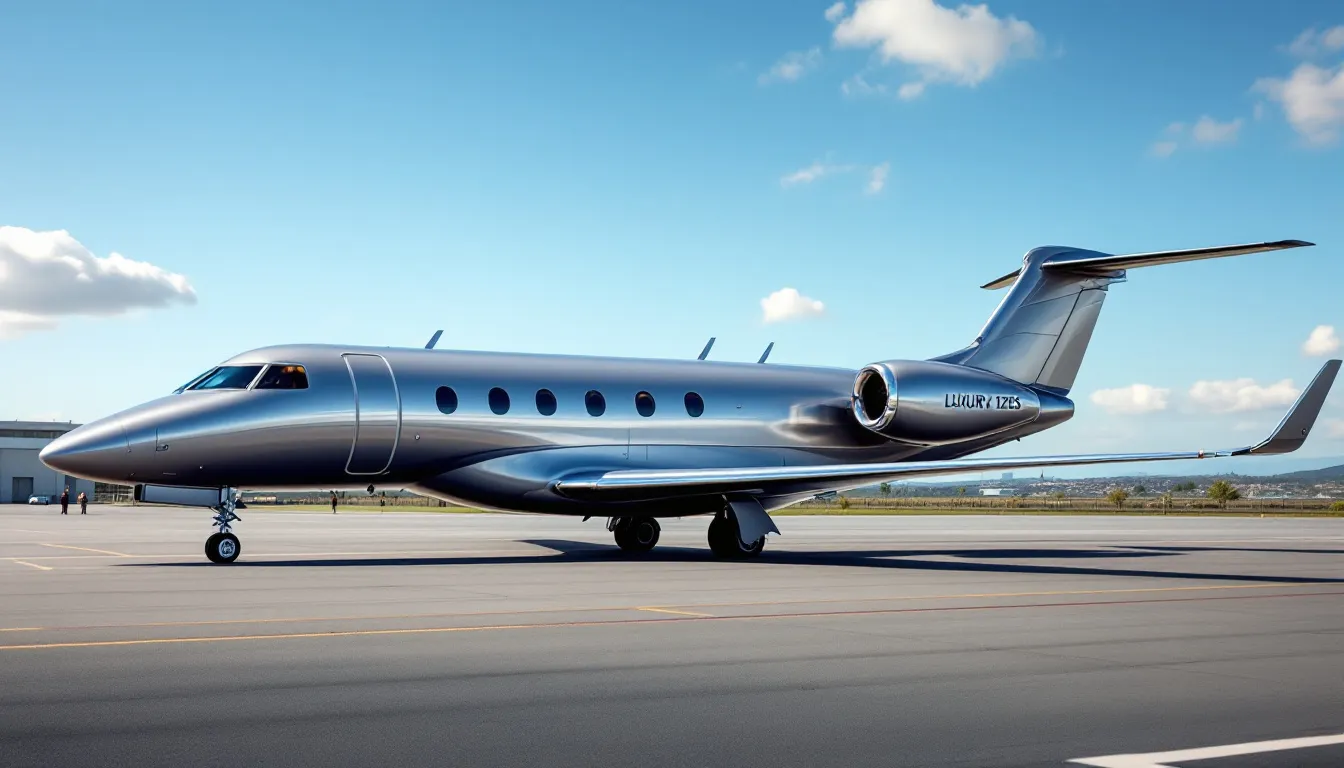
Private jets are increasingly essential in the corporate world. Executives who fly private save time, maintain productivity, and arrive refreshed for high-stakes meetings. Business jets are generally designed for faster air travel and more personal comfort than commercial aircraft. Many business jets come equipped with high-quality seating that can convert into lie-flat beds for passenger comfort.
Benefits Include:
Ample storage space: Business jets typically offer ample storage space for luggage and specialized items, accommodating the needs of travelers.
Flexible scheduling: Flights tailored to your agenda
Privacy and security: Confidential meetings en route
Multi-city itineraries in a day
Reduced airport wait times
Business travel amenities: Larger jets often feature conference rooms and onboard Wi-Fi to support meetings and productivity during business travel.
Connection: Maintain a reliable internet and phone connection with onboard Wi-Fi and communication tools, ensuring you stay connected while airborne.
For companies with global operations, a private aircraft can reduce overnight stays and improve executive time management. Companies can also choose between different models of paying for private jet access, such as fractional ownership, pay-as-you-fly, or flat-rate unlimited usage, depending on their needs.
Not ready to purchase? Charter services offer the benefits of private aviation without ownership burdens. These services are tailored to meet the unique needs of individual customers, providing personalized travel solutions for every journey. Charter operators handle all aspects of aircraft operation for multiple clients.
On-demand travel: Book only when needed
Variety of aircraft: Choose the right size and model per trip
No maintenance or storage costs
Professional crew and concierge services
Services like Jettly, NetJets, and Wheels Up make private flying accessible through one-time charters, jet cards, or fractional ownership plans.
Air charter service providers are the backbone of the private aviation industry, connecting clients with the perfect aircraft for every journey. These companies specialize in arranging private jet flights tailored to individual needs, whether for business or leisure, and offer access to a diverse fleet that includes very light jets, light jets, mid-size jets, business jets, turboprop aircraft, and even executive airliners. Charter brokers do not operate aircraft but facilitate the booking of flights for clients. Regulations require charter brokers to disclose that they do not operate aircraft and cannot misrepresent their services. Honda Aircraft Company has been recognized with a Tier-6 Sustainable Flight Department Accreditation by the National Business Aviation Association.
By leveraging their extensive networks and industry expertise, air charter service providers ensure that clients can select the most cost-effective and efficient option for their travel requirements. Whether you need a nimble light jet for a quick business trip or a spacious executive airliner for a group event, these providers make it possible to match the right aircraft to each mission.
Charter service companies handle every detail, from initial inquiry to post-flight follow-up, delivering a seamless and personalized experience. Their services often include arranging ground transportation, catering, and special requests, ensuring that every aspect of the flight meets the highest standards of comfort and convenience. For clients, this means enjoying the flexibility, privacy, and range of private aviation without the complexities of ownership.
In a rapidly evolving industry, air charter service providers continue to innovate, offering new ways to access private jets and business jets, making private air travel more accessible, reliable, and tailored than ever before.
For heads of state, large corporations, or ultra-high-net-worth individuals, executive airliners provide unmatched luxury. These are remodeled commercial jets reconfigured for elite experiences with extensive amenities.
Key Features:
Seats 20–50 passengers
Full bedrooms, lounges, showers, and boardrooms
Extensive baggage capacity
Ultra-long-range capabilities
Customizable interior and configuration, allowing for tailored layouts such as conference rooms, dining areas, and private suites
Examples:
Airbus A319CJ (Corporate Jet)
Boeing Business Jet (BBJ)
These aircraft are flying palaces, offering the most personalized air travel imaginable. Unlike commercial jetliners, executive airliners deliver a level of luxury, privacy, and customization that standard passenger aircraft cannot match.
Cruise speed determines how fast you arrive at your destination.
Light Jets: ~400–500 knots
Mid-Size Jets: ~500–600 knots
Heavy Jets & Ultra Long-Range Jets: 600–700+ knots
Faster speeds mean less time in the air, especially valuable for executives and global travelers.
Not all jets are created equal. Key features to evaluate:
Cabin height and width: Comfort during long flights
Noise levels: Enhanced relaxation
Connectivity: Wi-Fi and satellite communication
Galley capabilities: In-flight meal service
Lavatories: Enclosed, sometimes with showers
Luxury options may include touch-screen cabin controls, mood lighting, or custom artwork.
Owning a private jet is a significant commitment that goes far beyond the initial purchase. Whether you choose a light jet for regional trips or a larger aircraft for intercontinental journeys, private jet ownership involves ongoing responsibilities such as maintenance, insurance, fuel, storage, and compliance with FAA regulations. Owners of private jets are responsible for regulatory compliance, maintenance scheduling, and crew management. Owners must ensure their aircraft is properly operated and maintained to the highest safety standards, which often requires partnering with experienced management companies. Honda Aircraft Company received its fourth consecutive FAA AMT Diamond Award for maintenance excellence in aviation.
Operational aspects include hiring and managing crew, scheduling flights, and handling logistics, tasks that can be complex and time-consuming. For many, these challenges are outweighed by the benefits: private jet ownership offers unparalleled flexibility, privacy, and productivity, allowing business leaders and frequent travelers to maximize their time and travel in luxury. Private jet ownership entails significant upfront and ongoing operational expenses, including crew salaries and maintenance costs.
For those who want the advantages of private aviation without the full commitment, alternatives like chartering, fractional ownership, or membership programs provide access to private jet services on a more flexible and cost-effective basis. These options allow clients to enjoy the comfort and exclusivity of private aviation, tailored to their specific needs and usage patterns.
Ultimately, whether you own or charter, private aviation delivers a level of service, convenience, and luxury that is unmatched in the world of air travel, empowering owners and clients alike to travel on their own terms.
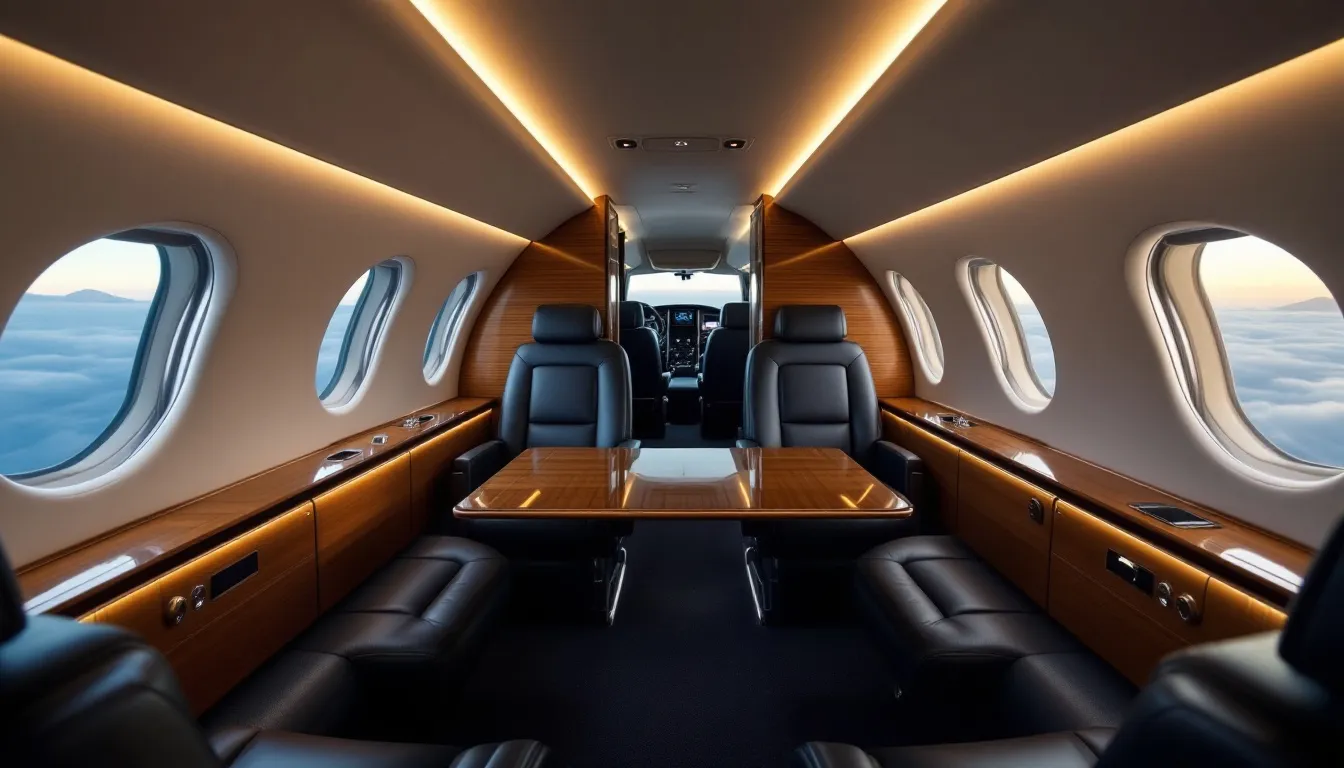
Jettly and similar companies offer a range of aviation solutions, from jet cards to aircraft management:
Fractional Ownership: Own a portion of an aircraft for reduced cost and shared access. Individuals or corporations in fractional ownership pay an upfront equity share for a jet. Additional fees in fractional ownership include monthly management fees and incidental costs.
Jet Cards: Pre-purchase flight hours with guaranteed availability.
Charter Memberships: Pay per flight with flexible terms.
These programs let businesses scale aviation access with their growth.
Owning a plane involves more than flying it. Aircraft management companies handle:
Maintenance and repairs
Crew hiring and training
Flight scheduling and planning
Insurance and FAA compliance
Partnering with an experienced manager reduces risks and ensures your aircraft remains flight-ready.
Safety is paramount in private aviation.
Regulatory Oversight Includes:
Routine inspections and maintenance
Crew certification and recurrent training
Adherence to FAA Part 91 (non-commercial) or Part 135 (charter)
Many operators also voluntarily adhere to third-party safety audits like ARGUS and Wyvern for added assurance.
Lie-flat seating and fully reclining chairs
Noise-reduction cabins
On-demand in-flight entertainment
Gourmet catering
Luxury bedding and tableware
Passengers can relax, sleep, work, or entertain, all on their own schedule.
Private jet owners often personalize their aircraft to reflect their style and purpose.
Customization Options Include:
Cabin layout redesign
Premium materials (leather, wood, marble)
Tail number personalization
Signature color schemes
Custom storage and tech upgrades
These features allow owners to create a truly bespoke flying experience, whether for business branding or personal luxury.
Privately owned planes offer unmatched advantages, speed, flexibility, privacy, and luxury that commercial travel simply can’t provide. Whether you're a business leader seeking time efficiency or a high-net-worth individual valuing comfort and exclusivity, private aviation is a powerful solution.
Whether you're buying your first jet or looking to charter a flight tailored to your needs, Jettly provides access to thousands of aircraft worldwide. With a reputation for transparency, flexibility, and customer care, Jettly helps travelers fly smarter, without the traditional barriers of private aviation.
Ready to explore your private aviation options?
Visit Jettly.com and discover a world where travel works on your terms.
Share this post:
Jay Franco Serevilla
Sep 3, 2025
|
5
min read
Discover tips and trends in the industry.
5
min read
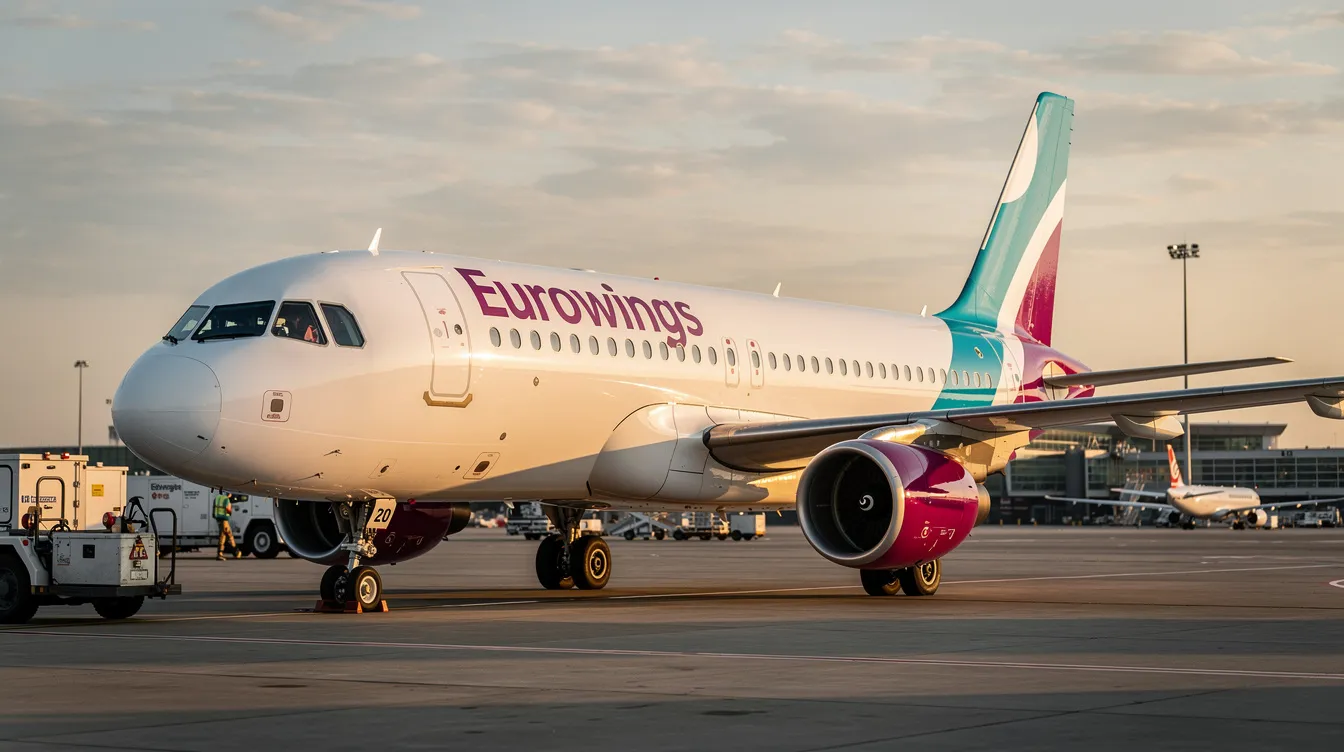
Is Eurowings Discover a Good Airline? (2026 Guide)
Eurowings Discover, the Lufthansa Group's leisure airline, offers affordable long-haul travel from Germany to various holiday destinations. While it provides a decent experience with competitive fares and lie-flat Business Class, it lacks the premium service and flexibility of higher-end carriers. This guide evaluates its pros and cons to help you decide if it's the right choice for your next trip.
Read More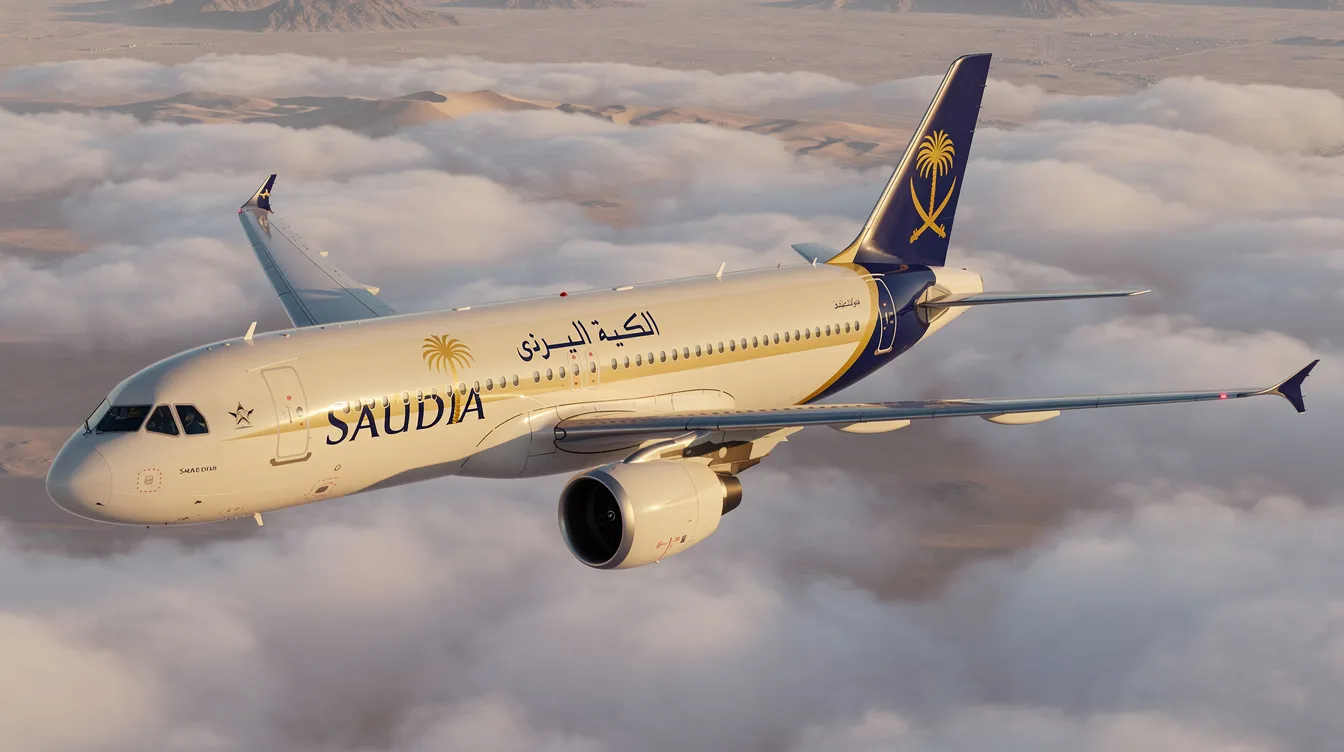
5
min read
Saudi Jet: Military Tensions, Regional Security, and What It Means for Modern Air Travel
The term 'Saudi jet' often refers to military aircraft incidents involving the Royal Saudi Air Force, particularly in the context of regional tensions with Iran and Yemen. These incidents impact not only military operations but also civilian aviation, as airspace management is crucial for ensuring safety. Despite the risks, private and commercial flights operate under strict regulations to navigate around conflict zones effectively.
Read MoreStay updated with our latest insights and tips to elevate your journey with us.
MEMBERSHIPS AND ASSOCIATIONS



Disclaimer: Jettly operates as a charter broker, offering access to a global digital jet charter marketplace. Jettly is not a direct air carrier and does not own or operate aircraft. All advertised flights are conducted by third-party air carriers that are fully licensed and hold the appropriate Part 135 or Part 121 certifications issued by the Federal Aviation Administration (FAA) or equivalent regulatory authorities under U.S. or foreign law. Jettly complies fully with the U.S. Department of Transportation's Part 295 and Part 298 Charter Broker regulations. Jettly does not carry additional liability insurance. Passengers are covered by aircraft operator insurance. TICO: 50023770


