


Login
Get Instant Pricing On 23,000+ Aircraft

>
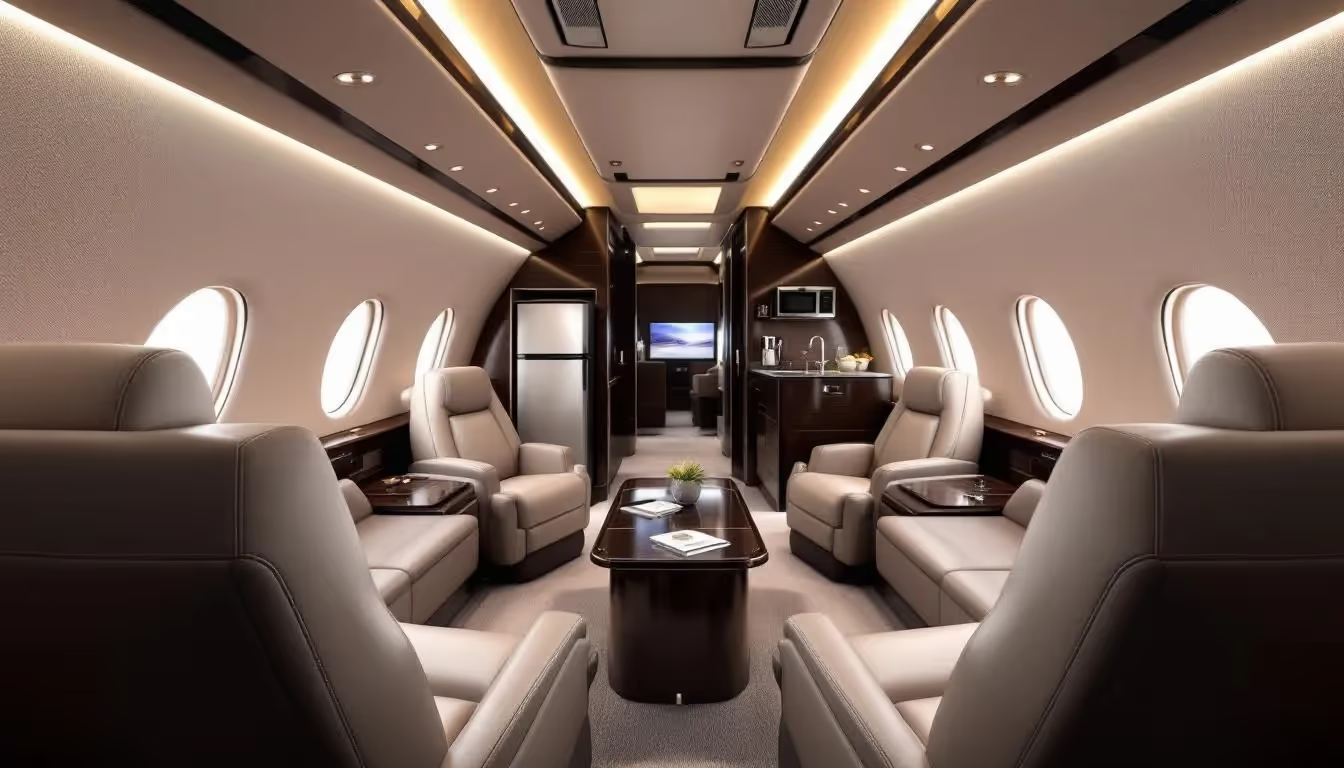
Private jets represent more than just transportation; they embody convenience, privacy, and personalization. For discerning travelers, whether business executives or leisure seekers, flying private offers unmatched comfort and flexibility. A key differentiator? Private plane layouts often feature spacious cabins that allow for flexible layouts tailored to the passengers' needs, providing areas for work and leisure.
When flying private, you can expect high-quality features and luxury amenities that set these aircraft apart, from advanced technology to bespoke interiors designed for ultimate comfort. Many private jets are designed with ergonomic furnishings and flexible seating to enhance comfort. Additionally, private jets offer high-quality leather seats and fine dining options, elevating the in-flight experience to new levels of luxury.
Unlike commercial aircraft, where every inch is optimized for capacity, private jet interiors are designed around comfort, functionality, and aesthetics. Private jets are truly in a class of their own, offering a level of exclusivity and luxury not found in standard commercial cabins. From plush lounge areas to conference tables and en suite lavatories, the cabin layout is a reflection of the owner’s lifestyle or the mission of the flight. Many private jets feature lavatories that are designed for comfort and include premium fixtures, often resembling those found in high-end hotels. These lavatories are often more spacious and significantly upgraded compared to those on commercial flights. The interior of private jets is often designed to maximize limited space with higher ceilings and multiple living spaces.
In this article, we explore the intricacies of private plane layouts — how they’re designed, what makes them unique, and what features elevate the in-flight experience for those who choose to fly private.
Private jet interiors are carefully curated to deliver a luxurious and relaxing environment. With spacious seating, refined finishes, and advanced lighting systems—including customizable lights that enhance ambiance—every element works in harmony to enhance the journey. High-quality finishes and bespoke designs give each private jet its unique and sophisticated feel. High-end fabrics, leather upholstery, and custom wood paneling are commonly used materials in private jet interiors. Additionally, private jets can include amenities such as onboard Wi-Fi and entertainment systems that are far superior to those found on commercial airlines.
Key features include:
Ergonomic leather seating with full recline and swivel capabilities
High-grade materials like polished wood veneers, brushed metals, and suede accents
Customized aesthetics to reflect personal or corporate branding
Soundproofing insulation for a quieter cabin
Premium amenities such as entertainment systems, spa-like features, and charging stations
Seating areas that can recline fully and may have massage functions for added comfort
Seating areas are designed to maximize relaxation, with some offering massage functions for added luxury.
The goal is not just to travel in style — but to arrive refreshed and composed, whether you’re attending a board meeting or enjoying a weekend retreat, thanks to the jet's ability to provide personalized and high-quality comfort and amenities.
While private jets vary in size — from light jets like the Cessna Citation to ultra-long-range aircraft like the Gulfstream G700 — all interior layouts are optimized for space and flow. Unlike commercial aircraft, where space is limited, private jets make the most of their available area to maximize comfort and luxury.
Most layouts feature:
Forward galley and lavatory for crew
Mid-cabin seating with club configuration
Aft lounge or bedroom (in larger jets; many jets feature multiple private sleeping quarters or bedrooms)
Smart storage and wardrobe space
This modular design allows for seamless transitions from work to rest, without feeling confined.
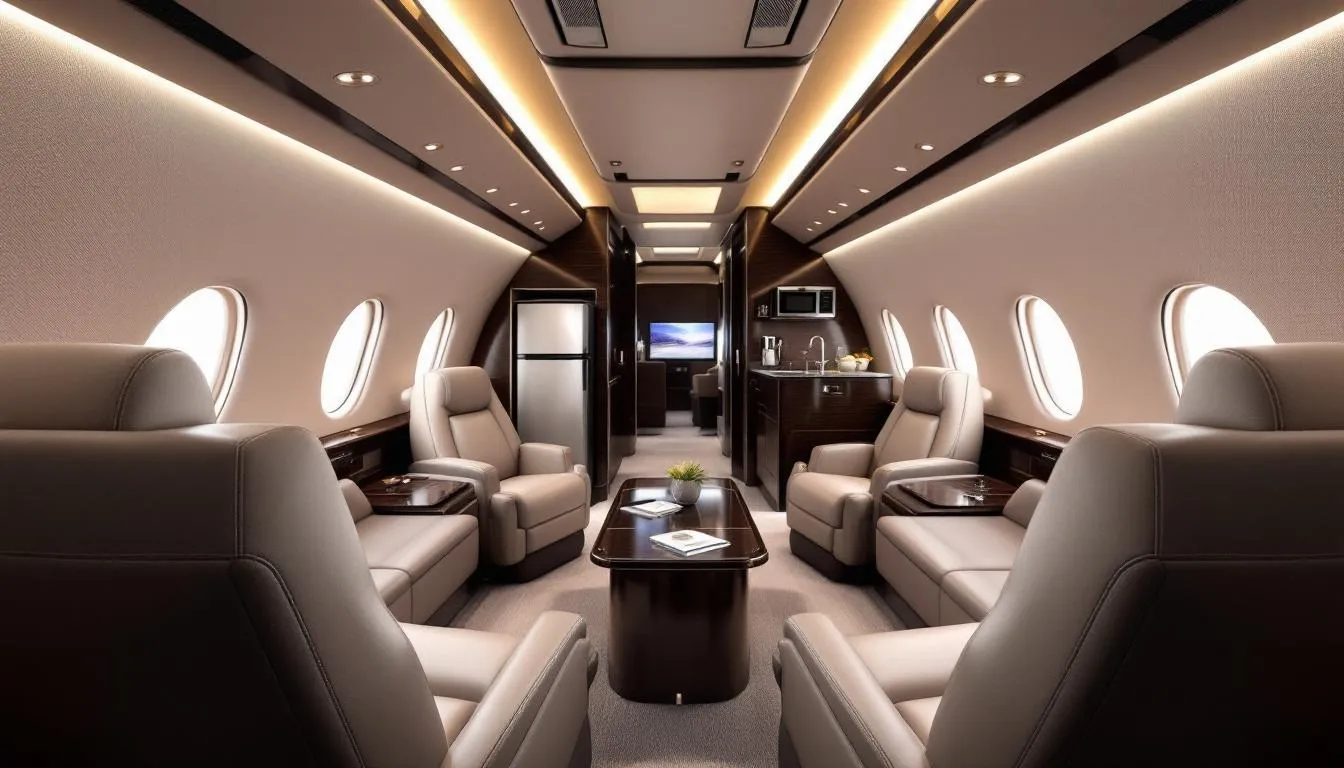
The club-four layout is a staple in light and midsize jets, with four seats facing each other in pairs — ideal for meetings or socializing. As jets increase in size, so do the layout options:
Light Jet: 4–6 seats arranged in a club configuration with a compact lavatory
Midsize Jet: 6–9 seats, enclosed lavatory, private lavatory as a premium feature, and a refreshment center
Super Midsize Jet: Divided zones featuring fold-out tables and reclining chairs
Heavy Jet: Lounge area, private bedroom, full kitchen with dining area, ice machines as part of the galley amenities, accommodating 12–16 passengers
Bizliner: VIP zones, en suite shower, large office space, dedicated dining facilities, ice machines in the galley, seating up to 30 passengers, and dedicated sleeping quarters with full-sized beds and soundproof walls for maximum privacy
One of the most valuable aspects of flying private is configuration flexibility. Aircraft manufacturers and owners often work with interior designers to tailor the layout to specific needs. Private jets provide flexible layouts that allow passengers to create a fully equipped office, luxurious lounge, or bedroom for their specific needs:
Business Use: Conference tables, projection systems, and secure storage
Medical Evacuation: Stretchers, oxygen supply, medical monitoring systems, and essential medical equipment for patient care during transport
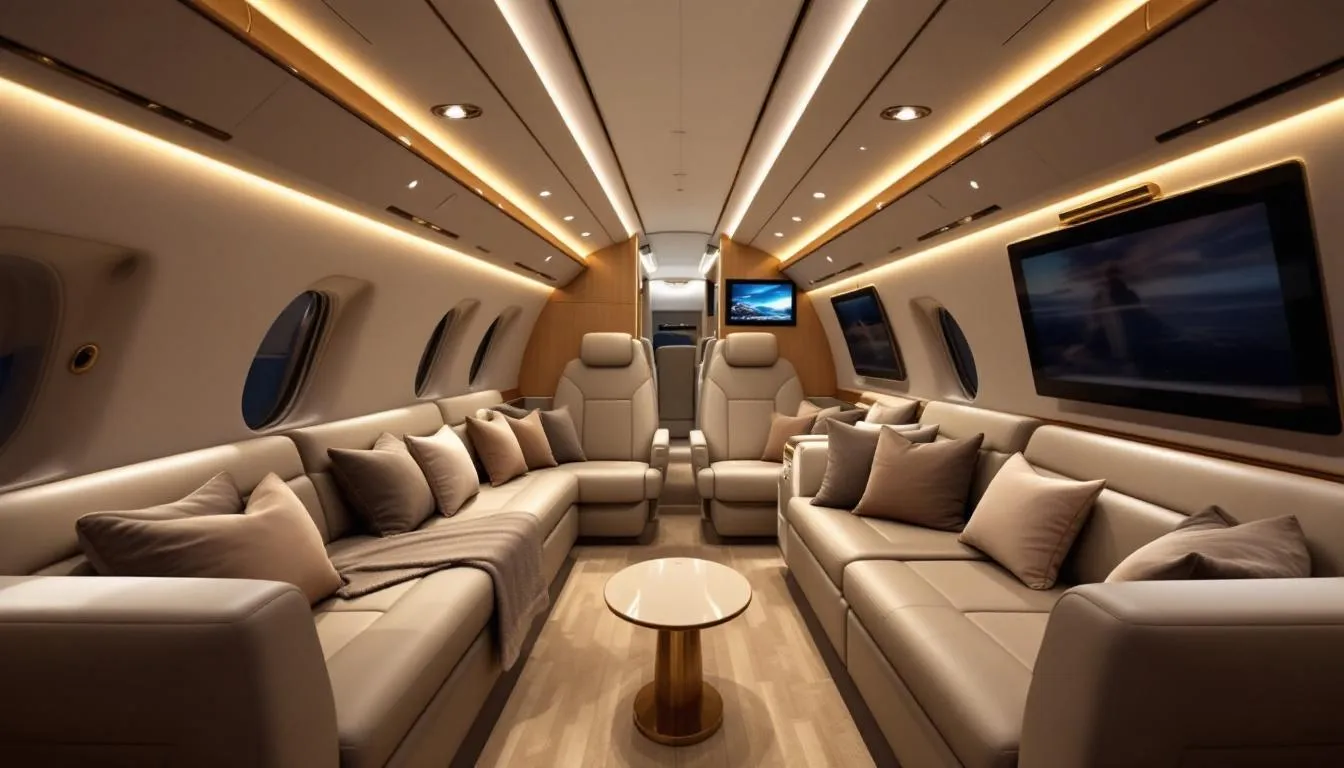
Family Travel: Sofa beds, entertainment suites, children’s seating
VIP or Government: Partitioned cabins, sleeping quarters, satellite phones, and features inspired by the luxury private jet experience, such as high-end interiors and exclusive amenities
These bespoke layouts ensure that every square foot of the aircraft serves a purpose.
Private jet interior design is experiencing a renaissance, with new trends redefining what it means to travel in style and comfort. Unlike commercial aircraft, where design is dictated by efficiency and uniformity, private jets offer ample space for creativity and innovation. Today’s private jet interiors are all about creating a personalized travel experience that reflects the tastes and needs of each passenger.
One of the most prominent trends is the use of luxurious materials—think hand-stitched leathers, exotic woods, and custom metal accents—that transform the cabin into a sophisticated sanctuary. Designers are also embracing advanced entertainment systems, with ultra-high-definition screens, immersive surround sound, and in-flight entertainment options that rival the best home theaters. Mood lighting is another key feature, allowing passengers to tailor the ambiance of the cabin to suit their mood or the time of day, enhancing relaxation and well-being throughout the flight. Private jets are equipped with advanced entertainment systems that often include large, high-definition screens and surround sound.
Smart technology is making its mark as well, with features like adjustable smart glass for privacy and light control, and intuitive cabin management systems that put lighting, temperature, and entertainment at your fingertips. As private jet travel continues to grow in popularity, manufacturers and designers are pushing the boundaries of what’s possible, ensuring that every journey is as comfortable, stylish, and memorable as the destination itself.
In-flight entertainment (IFE) has come a long way. Modern private jets are equipped with:
Large HD monitors and personal touchscreens
On-demand movies, music, and live TV
Noise-canceling headsets
Gaming systems for longer flights or family trips
Unlike commercial flights, passengers can control their entertainment environment completely — from screen brightness to content selection.
Tech features are deeply integrated into the cabin design:
Wi-Fi connectivity for uninterrupted work or browsing
Touch-panel controls for lighting, temperature, and seat adjustments
Bluetooth integration for personal devices
Satellite communication systems for global coverage
Touchscreen panels are commonly used in private jets to control lighting, temperature, and entertainment systems
Some aircraft even offer voice control or app-based cabin management systems, blending luxury with innovation.
Private jets are designed for a quiet, stable ride. Advanced engineering and insulation reduce vibrations and cabin noise. Combined with pressurization systems and climate controls, this ensures minimal jet lag and maximum comfort.
What sets private aviation apart is its bespoke nature. From gourmet meals to cabin scent preferences, every detail can be customized in advance. Passengers can dine onboard with restaurant-quality service, enjoying a unique dining experience that rivals top establishments and is tailored to their individual tastes. Passengers may even request pet-friendly setups, curated wine selections, or specific bedding materials.
Safety is paramount in aviation. Private jets include:
Dual pilot operations for redundancy
Modern avionics with weather and terrain awareness
Emergency medical kits and oxygen systems
Flight tracking and real-time communication systems
Additionally, crew members undergo rigorous safety training and customer service protocols to ensure passenger well-being throughout the flight.
To maintain airworthiness, private jet maintenance is essential, and private jets undergo:
Pre-flight and post-flight inspections
Scheduled A, B, C, and D checks
Engine health monitoring
These checks are often more frequent than those for commercial aircraft, ensuring operational safety and mechanical reliability.
Only FAA/EASA-approved parts and materials are used in repairs or upgrades. Interiors are cleaned and maintained meticulously to retain their look and feel — from leather conditioning to cabin disinfecting.
Modern jets are equipped with real-time monitoring systems that track performance and alert technicians to potential issues. Detailed maintenance logs and digital aircraft health reports ensure transparency and compliance with global aviation standards. The cabin and its operations represent 10–20% of the overall environmental impact during an aircraft's lifecycle, highlighting the importance of sustainable practices in design and operation.
While private aviation has traditionally been criticized for its carbon footprint, significant strides have been made. Sustainability can foster decarbonization and recycling within the private aviation industry:
Next-generation jet engines reduce fuel consumption
Sustainable aviation fuel (SAF) is being adopted across fleets
Hybrid-electric systems are under development for short-range aircraft
Many private jet manufacturers now prioritize sustainability in interior design:
Recycled leather alternatives
Sustainably harvested wood veneers
Low-emission adhesives and finishes
Eco-friendly materials can be reused in the design of private jet interiors
Green materials are increasingly being used by aircraft manufacturers to align with sustainability goals.
Even the smallest details — like LED lighting — are optimized for energy efficiency.
Aircraft upkeep now includes environmentally friendly practices such as:
Digital documentation to reduce paper use
Wastewater treatment systems for lavatories
Green hangars with solar energy and climate control
Energy-saving lights are being incorporated into the design steps of private jets
This shift to sustainability aligns with the priorities of modern travelers and operators who value responsible luxury.
Designing the perfect private jet interior is as much about smart budgeting as it is about style. The cost of transforming a jet’s cabin can vary widely, influenced by the size of the aircraft, the complexity of the cabin layout, and the choice of luxurious materials and key features. Whether you’re outfitting a light jet or a long-range aircraft, it’s essential to approach the process with a clear plan and realistic expectations.
Start by identifying your must-have features—such as bespoke seating areas, state-of-the-art entertainment systems, and a functional yet elegant cabin layout. The selection of materials, from premium leathers to custom woodwork, will also play a significant role in both the look and the cost of your interior. Working with an experienced designer can help you balance your vision with your budget, ensuring that every dollar is spent where it matters most.
Remember, the goal is to create a private jet interior that not only looks stunning but also enhances your travel experience. By prioritizing the features that matter most to you and making informed choices about materials and layout, you can achieve a cabin that is both luxurious and practical—without overspending. Careful planning and expert guidance are the keys to turning your dream jet interior into a reality.
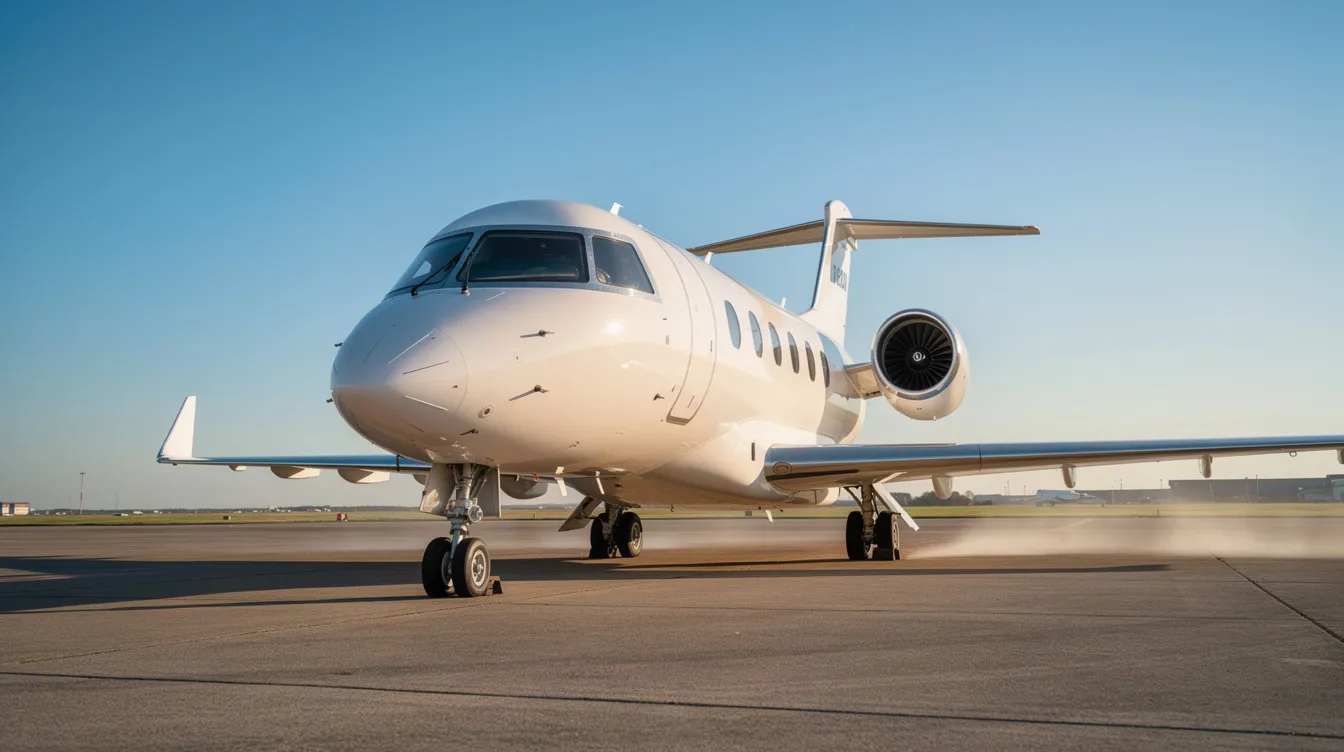
A truly exceptional private jet is one where the interior and exterior design work in harmony, creating a seamless and luxurious experience from the moment you approach the aircraft. Unlike commercial aircraft, private jets offer ample room for personalization, allowing owners to create a cohesive look that reflects their unique style and preferences.
The process begins with selecting a color palette and materials that complement both the exterior paint scheme and the interior finishes. For example, a jet with a sleek, modern exterior might feature an interior with clean lines, high-gloss surfaces, and contemporary furnishings, while a more classic exterior could be paired with rich woods, plush carpets, and timeless design elements. Features such as large panoramic windows, ample storage, and advanced entertainment systems not only enhance the travel experience but also contribute to the overall sense of space and luxury.
By considering both the interior and exterior design, manufacturers and owners can create a private jet that stands out on the tarmac and delights passengers in the air. The result is an aircraft that is as visually stunning as it is comfortable and functional—a true reflection of the possibilities that private jet travel offers. With the freedom to innovate and customize, private jets provide a level of personalization and style that simply can’t be matched by commercial travel.
Whether you're looking for a high-tech office in the sky, a mobile lounge for relaxation, or a specialized layout for family or medical needs, private plane layouts offer unprecedented levels of customization, comfort, and efficiency.
Understanding layout options, technologies, and design choices helps you make more informed decisions — whether you’re chartering a flight or planning to own a jet.
At Jettly, we help clients access a global network of private aircraft, matched precisely to their preferences. Our team ensures every flight is smooth, safe, and tailored to your needs — from cabin layout to onboard catering.
Ready to fly private? Discover your ideal private plane layout and book your next flight with confidence at https://jettly.com.
Share this post:
Jay Franco Serevilla
Aug 21, 2025
|
5
min read
Discover tips and trends in the industry.
5
min read
Who Owns NetJets? Ownership, Structure, and How It Compares to Modern Private Aviation Platforms
NetJets, a leader in fractional aircraft ownership, is wholly owned by Berkshire Hathaway since 1998. This structure allows it to offer unique services like fractional ownership and jet cards, catering primarily to high-frequency travelers. In contrast, platforms like Jettly provide on-demand charter services without ownership commitments, appealing to occasional flyers.
Read More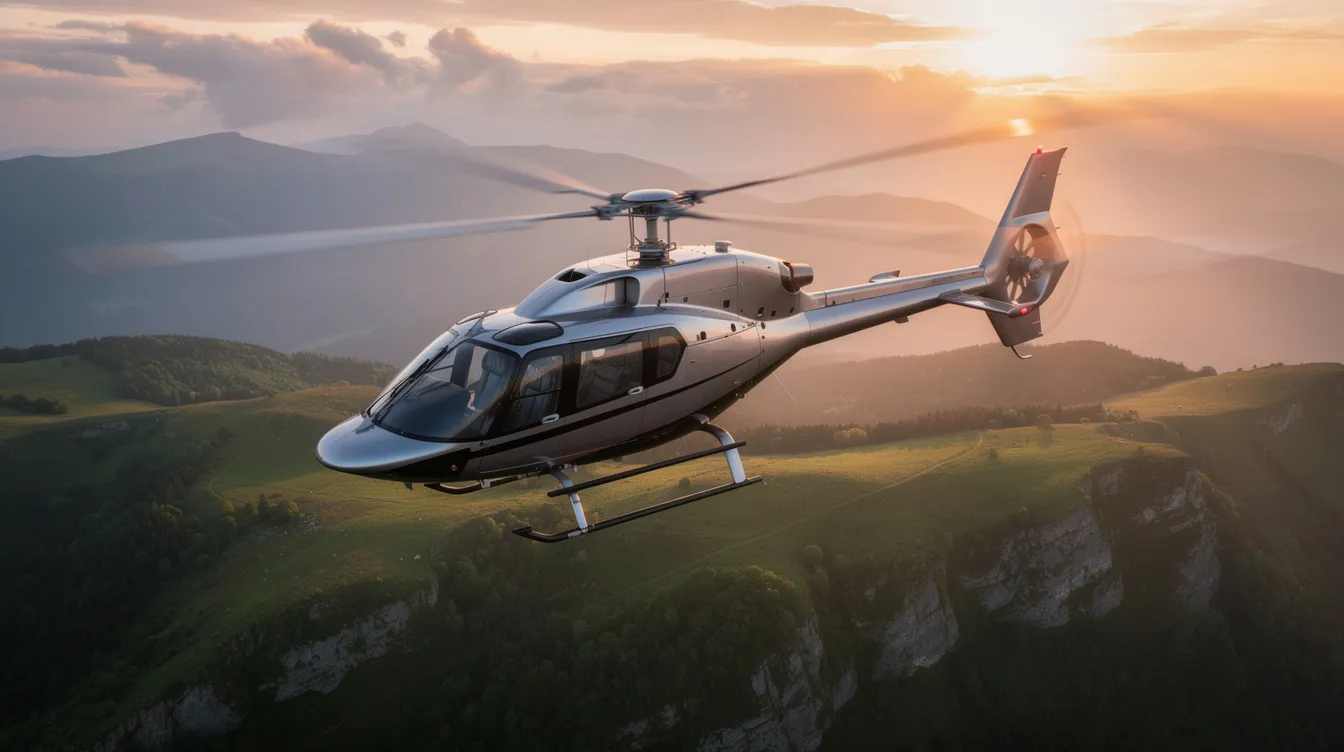
5
min read
Best Helicopter: From Personal Use to VIP, Corporate, and Attack Roles
Choosing the best helicopter varies greatly depending on the intended use, whether for personal, corporate, VIP, or military purposes. This article explores top models suited for each role, highlighting specifications, costs, and operational considerations. It emphasizes the practicality of chartering helicopters through platforms like Jettly for those who fly less frequently.
Read MoreStay updated with our latest insights and tips to elevate your journey with us.
MEMBERSHIPS AND ASSOCIATIONS



Disclaimer: Jettly operates as a charter broker, offering access to a global digital jet charter marketplace. Jettly is not a direct air carrier and does not own or operate aircraft. All advertised flights are conducted by third-party air carriers that are fully licensed and hold the appropriate Part 135 or Part 121 certifications issued by the Federal Aviation Administration (FAA) or equivalent regulatory authorities under U.S. or foreign law. Jettly complies fully with the U.S. Department of Transportation's Part 295 and Part 298 Charter Broker regulations. Jettly does not carry additional liability insurance. Passengers are covered by aircraft operator insurance. TICO: 50023770


