


Login
Get Instant Pricing On 23,000+ Aircraft

>

Private jet travel redefines the way travelers experience international flights, offering a level of luxury, flexibility, and convenience that commercial airlines simply cannot match. With private jets, passengers can access a wide range of destinations, including exclusive airports that are often inaccessible to larger commercial aircraft. This means travelers can reach remote or prestigious locations around the world, all while enjoying a stress-free travel experience. Additionally, private jet charters frequently offer direct access to smaller, less congested airports, enabling more flexible travel options.
Whether the purpose is business or leisure, private jet travel allows passengers to save valuable time by bypassing crowded terminals and lengthy security lines. The ability to depart on your own schedule and enjoy guaranteed availability ensures that every journey is tailored to your needs. For high-net-worth individuals, executives, and discerning travelers, private jet services provide a personalized and comfortable way to explore the world, making every flight a memorable part of the overall travel experience. Clients can often book their private jet charters online in under a minute for convenience.
Ultra-long-range jets like the Gulfstream G550 (6,750 nautical miles) and Bombardier Global Express 5000 (6,200 nautical miles) can easily fly nonstop from the US to Europe
Flight times from the US East Coast to Europe typically range from 6-8 hours, significantly faster than commercial airlines with direct routing
Heavy jets suitable for transatlantic flights cost approximately $8,000-$10,000 per flight hour, with total trip costs ranging from $120,000-$170,000 one-way
Popular transatlantic routes include New York to London, Miami to Paris, and Los Angeles to Rome, offering access to exclusive airports
Proper flight planning, landing permits, and crew qualifications are essential for international private jet operations to Europe
Safety standards for private jets include rigorous maintenance checks to exceed international aviation safety regulations
Flying privately across the Atlantic Ocean opens up a world of possibilities for business executives and luxury travelers seeking the ultimate travel experience. When commercial airlines can’t match your own schedule or provide the level of service you require, private jets that can fly to Europe offer an unparalleled solution for international travel.
Ultra-long-range jets such as the Gulfstream G550 and GIV are prime examples of aircraft that allow you to fly private across international destinations, thanks to their impressive range and comfort.
The appeal of private jet travel to European destinations extends far beyond avoiding crowded terminals and lengthy security lines. These sophisticated aircraft provide direct access to over 984 airports across the continent, many of which are smaller airports that commercial airlines simply cannot reach. Whether you’re conducting business in London’s financial district or enjoying leisure time on the Mediterranean coast, ultra-long-range jets deliver you directly to your destination while you maintain complete control over your journey. Private jets also allow you to arrive at your destination relaxed and refreshed, with amenities like the option to take a shower mid-flight.
This comprehensive guide explores the world’s most capable private jets for transatlantic flights, from technical specifications and impressive range capabilities to practical considerations like costs, regulations, and the seamless travel experiences these aircraft provide. Aviation experts consistently recommend specific aircraft types for European routes, and understanding these options will help you make informed decisions about international flights that align with your travel requirements and business needs.

The category of private jets capable of crossing the Atlantic Ocean represents the pinnacle of aviation engineering and luxury travel. These ultra-long-range aircraft must meet stringent technical requirements while providing the comfort and amenities that discerning passengers expect during extended international flights.
To successfully complete nonstop flights from North American departure points to European destinations, private jets require a minimum range of approximately 3,500 nautical miles. However, aviation experts typically recommend aircraft with ranges exceeding 4,000 nautical miles to accommodate weather routing, air traffic control restrictions, and the flexibility to access smaller airports throughout Europe without fuel concerns.
The distinction between heavy jets and ultra-long-range jets becomes crucial when planning transatlantic travel. Heavy jets like the Gulfstream G550 and Bombardier Global Express series offer the perfect balance of range, passenger capacity, and operational efficiency. These larger aircraft feature advanced avionics systems, enhanced weather radar capabilities, and robust communication equipment essential for safe Atlantic Ocean crossings.
Aircraft selection depends on several critical factors beyond basic range capabilities. Passenger capacity requirements influence whether a smaller jet configuration with 8-10 seats suffices, or if larger aircraft accommodating 12-19 passengers better serve your needs. Luggage requirements for extended international travel often favor aircraft with generous cargo compartments, while comfort preferences during 6-8 hour flights make spacious cabins with private bedrooms and full galleys increasingly important.
The impressive range of modern ultra-long-range jets also enables access to secondary European airports that provide significant advantages over major commercial hubs. These jets excel at providing access to remote destinations and smaller airports, greatly enhancing travel flexibility and convenience for travelers. These exclusive airports often feature expedited customs processing, dedicated private terminals, and seamless coordination with ground transportation services, creating a stress-free experience from departure to final destination.
Selecting the right private jet is essential for ensuring a smooth and enjoyable journey, especially when flying long distances such as transatlantic routes. With a variety of aircraft available, travelers should consider factors like range, cabin size, and onboard amenities.
The Gulfstream GIV offers a reliable 3,800 nautical mile range while accommodating up to 14 passengers, making it suitable for many transatlantic routes with careful flight planning. These jets are ideal for those seeking nonstop flights to Europe and other distant destinations. The Gulfstream GIV's ability to travel 3,800 nautical miles on a single fueling makes it a dependable choice for such journeys.
For shorter trips or smaller groups, smaller jets can provide a cost-effective solution without sacrificing quality. Consulting with aviation experts can help travelers identify the best aircraft for their specific needs, whether prioritizing speed, luxury, or operational efficiency.
By choosing the right jet, passengers can enjoy a tailored travel experience that meets their expectations and ensures a seamless journey to their chosen destination.
The following aircraft represent the gold standard for transatlantic private jet travel, each offering proven capabilities for international flights to European destinations:
Gulfstream G550: Range of 6,750 nautical miles, accommodates up to 14 passengers, typical flight time from New York City to London is approximately 7.5 hours, with an hourly rate between $8,500 and $9,500.
Bombardier Global Express 5000: Range of 6,200 nautical miles, seating for up to 13 passengers, typical flight time around 8 hours, hourly rate from $8,000 to $9,000.
Embraer Legacy 600: Range of 3,400 nautical miles, seats 8 to 14 passengers, typical flight time about 8.5 hours (may require a fuel stop depending on weather and routing), hourly rate between $7,000 and $8,000.
Gulfstream GIV-SP: Range of 3,800 nautical miles, accommodates up to 14 passengers, typical flight time about 8 hours (may require a fuel stop depending on weather and routing), hourly rate from $7,500 to $8,500. May require a fuel stop depending on weather and routing
The Gulfstream G550 stands as one of the most popular choices for private jet charter to Europe, offering an exceptional 6,750 nautical mile range that easily connects major US cities to virtually any European destination. This aircraft accommodates up to 14 passengers in spacious cabin configurations that rival the finest luxury hotels.
Popular routes for the G550 include New York to Paris, Miami to Rome, and Los Angeles to London, all completed nonstop with significant fuel reserves. The aircraft’s advanced Planeview cockpit features cutting-edge weather detection systems and satellite communications that ensure safe passage across the Atlantic Ocean, even during challenging weather conditions.
The G550’s cabin typically features three distinct living areas, including a forward section with club seating, a central conference area perfect for business meetings, and an aft cabin with private bedrooms for rest during overnight flights. Full galley capabilities allow the cabin crew to provide restaurant-quality meals throughout the journey, while high-speed wi fi keeps passengers connected to their business and personal networks.
Since entering service in 1999, the Bombardier Global Express 5000 has established an impressive range and proven track record for long-haul flights to international destinations. Manufactured by Bombardier Aerospace in Toronto, this aircraft offers 6,200 nautical miles of range with exceptional passenger comfort throughout extended flights.
The Global Express 5000 excels at providing a stress-free experience for both business and leisure travelers. Its spacious cabin accommodates up to 13 passengers across three distinct zones, typically configured with forward club seating, a central dining and conference area, and an aft private bedroom suite. The aircraft’s impressive range allows for competitive pricing on popular routes while maintaining guaranteed availability for short-notice departures.
Advanced flight management systems and enhanced weather radar make the Global Express 5000 particularly well-suited for transatlantic operations. The aircraft’s robust construction and reliable systems provide aviation experts and passengers alike with confidence in its ability to handle the demands of regular international travel to Europe.
The Embraer Legacy 600 represents an excellent option for private charter flights from the US East Coast to Europe, offering 3,400 nautical miles of range in a thoughtfully designed package. While requiring careful fuel planning for some routes, this aircraft provides exceptional value for travelers prioritizing cabin comfort and operational efficiency.
Configured to seat 8-14 passengers, the Legacy 600 features three separate cabin sections that maximize privacy and functionality. The forward area typically includes club seating for conversation and light meals, while the central section serves as a conference area equipped for business meetings. The aft cabin transforms into private sleeping quarters with seats that convert to beds, ensuring passengers arrive refreshed at their European destination.
The aircraft features a full galley managed by experienced cabin crew, two well-appointed lavatories, and high-end furnishings that create an atmosphere of luxury throughout the journey. Its cost-effective operating economics make it an attractive option for travelers seeking access to Europe without the higher costs associated with larger aircraft.
The Gulfstream GIV-SP offers a reliable 3,800 nautical mile range while accommodating up to 14 passengers, making it suitable for many transatlantic routes with careful flight planning. This proven aircraft type represents a cost-effective alternative to newer ultra-long range models while maintaining the safety record and operational efficiency that Gulfstream aircraft are renowned for.
The GIV-SP’s cabin configuration typically emphasizes passenger comfort during extended flights, with flexible seating arrangements that adapt to both business and leisure travel requirements. Advanced avionics and communication systems ensure compliance with international flight requirements, while experienced crews trained specifically for Atlantic Ocean crossings provide additional safety and service excellence.
While newer aircraft offer longer range and enhanced amenities, the GIV-SP continues to serve travelers who prioritize proven reliability and competitive rates for their international travel to Europe. Its operational flexibility and widespread availability make it an excellent choice for both scheduled and short-notice private charter flights.
Charter flights are at the heart of private jet travel, offering passengers unmatched flexibility and convenience. With a private jet charter, travelers can access a wide range of aircraft and destinations, including exclusive airports that commercial airlines cannot reach. Charter flights are known for their competitive pricing and transparent pricing structures, allowing passengers to plan their trips with confidence and clarity. Many private jet services provide 24/7 customer service via multiple communication channels, ensuring support is always available. Currency for charter flights in Europe is often quoted in USD, even though local operators may require payments in varying currencies, adding an extra layer of consideration for international travelers.
One of the key advantages of charter flights is the ability to arrange travel on short notice, making them ideal for last-minute business meetings or spontaneous getaways. Reputable private jet services handle all necessary arrangements, from securing landing permits to organizing ground transportation, ensuring a stress-free experience from start to finish. Whether flying for business or leisure, passengers benefit from a personalized approach that prioritizes comfort, efficiency, and access to a world of destinations.
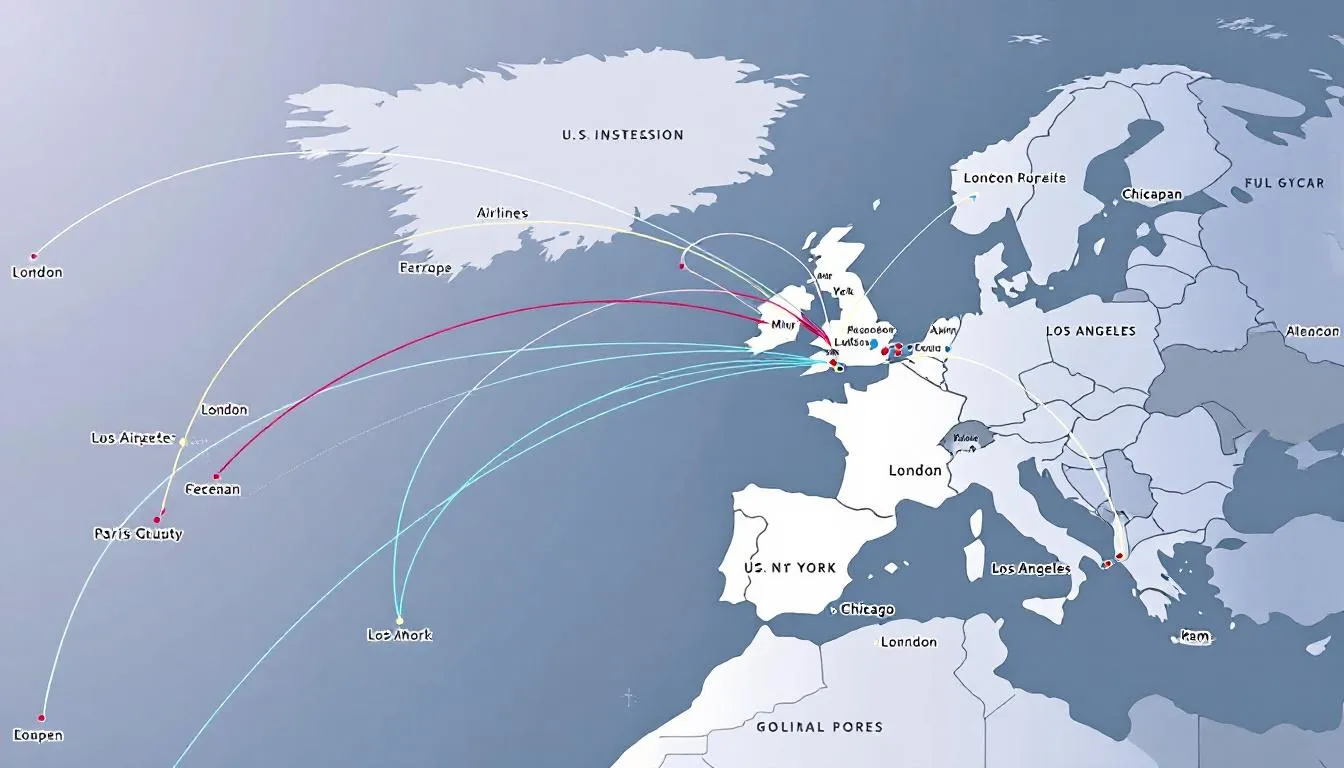
Flight times for private jets to Europe vary significantly based on departure city, specific destination, aircraft type, and prevailing weather conditions. To receive the most accurate and tailored cost and time estimates for private jet travel to Europe, it is essential to provide precise flight details when requesting a quote. The most efficient routes typically originate from East Coast cities, where shorter distances translate to reduced flight times and lower overall costs.
Popular business routes include New York to London (7.5-8 hours), Washington DC to Paris (8-8.5 hours), and Boston to Geneva (7.5-8 hours). These routes serve major financial and business centers, allowing executives to conduct meetings across multiple time zones while maximizing their valuable time. The ability to depart on your own schedule means business travelers can often complete same-day meetings or extend their stay without the constraints of commercial airline schedules.
Leisure destinations throughout the Mediterranean see increased demand during summer months, with routes like Miami to Nice (9-9.5 hours), New York to Rome (8.5-9 hours), and Los Angeles to Barcelona (11-12 hours) proving particularly popular. These routes provide access to exclusive vacation destinations while avoiding the crowded terminals and lengthy connections that characterize commercial travel to these sought-after locations.
Weather patterns across the Atlantic Ocean influence routing and flight times throughout the year. Winter months may require more southern routing to avoid severe weather systems, potentially adding 30-60 minutes to total flight times. Conversely, summer travel often benefits from more direct routing and favorable jet stream conditions that can reduce flight times by similar margins.
The advantage of private jet travel becomes particularly apparent when considering the total journey time from departure to final destination. While commercial airlines may advertise similar flight times, the reality includes additional time for early airport arrival, security screening, potential delays, and ground transportation connections. Private jets eliminate these inefficiencies, often saving 3-4 hours of total travel time on transatlantic journeys.

The investment required for private jet service to Europe reflects the complexity, luxury, and convenience these aircraft provide. Hourly rates for heavy jets capable of transatlantic flights typically range from $8,000-$10,000 per flight hour, with specific rates varying based on aircraft type, season, and availability. The cost of private jet flights to Europe typically ranges from $20,000 to $40,000 per flight hour, depending on various factors. The average hourly rates for private jets can vary from around $3,000 for smaller jets to over $15,000 for larger, long-range aircraft.
Total trip costs for transcontinental journeys depend on numerous factors beyond basic hourly rates. A typical flight from Los Angeles to Paris, requiring approximately 12-13 flight hours, generates costs ranging from $120,000-$170,000 one-way. This investment includes the aircraft hourly rate, crew expenses, fuel surcharges, and various operational fees associated with international travel. Booking a charter flight for such transatlantic journeys allows travelers to benefit from transparent pricing and customized travel solutions tailored to their specific needs.
Additional services and fees can significantly impact total costs. International flights require specific landing permits that may cost $1,000-$5,000 per country, depending on the route and aircraft type. De-icing services during winter months, special handling for oversized luggage, and ground transportation arrangements represent additional fees that professional operators itemize clearly in their transparent pricing. Standard additional costs for private jet flights include fuel surcharges, landing fees, and crew expenses.
Aircraft positioning costs affect pricing when your preferred jet must reposition from its home base to your departure airport. Operators may offer competitive rates when aircraft positioning aligns with their scheduling needs, while peak travel periods typically command premium pricing due to increased demand for these specialized services.
The cost comparison between different aircraft types reveals important considerations for budget-conscious travelers. While larger aircraft offer enhanced comfort and amenities, smaller jets with adequate range may provide cost-effective solutions for smaller passenger groups. Working with experienced aviation experts helps identify the optimal balance between cost, comfort, and capability for your specific international travel requirements.
International private jet operations to Europe require meticulous attention to regulatory compliance and advance planning. The complexity of crossing multiple national airspaces and landing in foreign countries demands expertise that goes well beyond domestic flight operations. Each country in Europe has its own regulations, taxes, and inventory concerns for private jet travel, making it essential to work with experienced operators who can navigate these complexities effectively.
Overflight permits represent one of the most critical requirements for transatlantic flights. Each country whose airspace the aircraft traverses requires specific authorization, obtained through diplomatic channels and aviation authorities. These landing permits must be secured well in advance, as processing times can range from several days to multiple weeks, depending on the destination country and current diplomatic relationships.
Aviation authority compliance varies significantly across European countries, each maintaining specific requirements for aircraft registration, crew qualifications, and operational procedures. The European Aviation Safety Agency (EASA) provides overarching regulations, but individual countries may impose additional restrictions on noise levels, operating hours, and environmental standards that affect flight planning and airport selection.
Crew qualification requirements for international flights exceed domestic standards. Pilots must possess appropriate ratings for both the aircraft type and international operations, including specific training for oceanic procedures and emergency protocols. Many European countries require crew members to demonstrate proficiency in specific navigation and communication procedures before granting operational approval.
Aircraft maintenance and airworthiness standards for transatlantic flights demand rigorous documentation and compliance verification. Maintenance records must demonstrate currency with both US and European standards, while aircraft equipment requirements may exceed domestic specifications. Emergency equipment, navigation systems, and communication capabilities all require certification for extended overwater operations.
The timeline for securing necessary arrangements typically requires 2-3 months of advance planning for complex international itineraries. Experienced operators maintain relationships with international authorities and can expedite the process, but last-minute international flights may face significant restrictions or require alternative routing through countries with existing permits.

The documentation requirements for international private jet travel to Europe streamline many aspects of border crossing while maintaining security standards. Passengers and crew must present valid passports with appropriate visa documentation for their intended destinations, with some countries requiring specific validity periods extending beyond the planned departure date.
European private jet terminals offer significantly expedited customs processes compared to commercial airline terminals. Many airports provide dedicated customs and immigration facilities for private aviation, allowing passengers to complete border formalities in minutes rather than hours. These facilities often operate extended hours to accommodate private jet schedules that don’t conform to commercial airline timing.
Pet travel arrangements require careful coordination with veterinary authorities and specific health documentation for international flights. European countries maintain strict requirements for animal health certificates, vaccination records, and quarantine procedures. Professional operators coordinate these necessary arrangements to ensure pets can accompany their owners without delays or complications. Passengers traveling privately can often bring pets on board under specified conditions and guidelines, making private jet travel a convenient option for pet owners.
Advance passenger information requirements have become standard for European destinations, requiring operators to submit passenger and crew details to immigration authorities prior to departure. This pre-clearance process facilitates rapid processing upon arrival while ensuring compliance with security protocols that protect both passengers and host countries.
The advantage of private aviation becomes particularly apparent during peak travel periods when commercial terminals experience significant delays. Private jet passengers bypass crowded immigration halls and lengthy customs lines, proceeding directly from aircraft to ground transportation in a process that typically requires less than 30 minutes from landing to departure from the airport.
Europe’s extensive private aviation infrastructure encompasses over 984 airports capable of handling private jets, from major international hubs to smaller airfields that provide unique access advantages. This network enables private aircraft to land closer to final destinations while avoiding the congestion and delays that characterize commercial aviation.
Major private jet airports in Europe include London Luton, Paris Le Bourget, Geneva Cointrin, and Munich, each offering world-class FBO services and facilities designed specifically for private aviation. These airports feature dedicated terminals with luxurious passenger amenities, efficient customs and immigration processing, and comprehensive ground services that cater to the expectations of discerning travelers.
The FBO services available at European destinations extend far beyond basic aircraft handling. Leading facilities provide concierge services that arrange ground transportation, hotel reservations, restaurant bookings, and local activities. Many FBOs offer shower facilities, conference rooms, and quiet spaces for relaxation or business meetings while aircraft are being serviced or positioned for the next flight.
Access to smaller airports throughout Europe represents one of private aviation’s greatest advantages. These exclusive airports often sit much closer to final destinations than major commercial hubs, eliminating lengthy ground transportation while providing a more intimate and efficient arrival experience. Popular destinations like the French Riviera, the Swiss Alps, and the Greek islands all benefit from this enhanced accessibility.
Ground handling services across European airports maintain consistently high standards, with trained professionals managing everything from aircraft refueling to passenger baggage handling. These services coordinate seamlessly with flight crews to ensure minimal ground time while maintaining the luxury standards that private jet passengers expect throughout their journey.
The integration with European air traffic control systems enables efficient routing and scheduling that maximizes flight efficiency. Professional operators maintain relationships with air traffic authorities to secure optimal routing and minimize delays, ensuring that the time savings inherent in private aviation are fully realized throughout the European airspace system.
Private jets are designed to provide an exceptional travel experience, with onboard amenities and services that set them apart from commercial flights. Passengers can enjoy private bedrooms for restful sleep, gourmet cuisine prepared to their specifications, and an attentive cabin crew dedicated to meeting every need.
With high-speed Wi-Fi available throughout the flight, travelers can stay connected, work, or unwind as they journey to their destination. The flexibility of private jet travel extends to accommodating specific dietary requirements and personal preferences, ensuring that every aspect of the flight is tailored to the individual.
Private jet operators often provide personalized catering services, allowing travelers to pre-select their favorite meals for the flight. Flying privately also means the advantage of departing on your own schedule, allowing you to maximize your valuable time and enjoy a seamless journey.
Whether traveling for business or leisure, private jets offer a unique blend of luxury, comfort, and personalized service that transforms every flight into a memorable experience.
Private jets need a minimum range of approximately 3,500 nautical miles to reach Europe nonstop from the US East Coast, though 4,000+ nautical miles is recommended for routing flexibility and weather contingencies. This requirement eliminates most light jets and very light jets from consideration, as these aircraft typically offer ranges under 3,000 nautical miles and would require fuel stops that significantly extend total travel time.
Light jets and very light jets typically cannot fly nonstop to Europe due to range limitations. These aircraft would require fuel stops in locations like Iceland or the Azores, significantly extending travel time and reducing the convenience advantages that make private aviation attractive for transatlantic travel. The additional complexity of international fuel stops also increases operational costs and regulatory requirements.
International private jet flights to Europe should be booked 2-3 months in advance to secure aircraft availability, obtain necessary permits, and coordinate complex logistics, including crew scheduling and customs arrangements. While some operators can accommodate shorter notice requests, advance planning ensures access to preferred aircraft types and optimal routing while avoiding premium pricing associated with last-minute international operations.
While private jets can access over 984 airports in Europe, some airports have restrictions on aircraft size, noise levels, or operating hours. Popular private jet airports like London Luton, Paris Le Bourget, Geneva, and Munich offer dedicated private aviation facilities and fewer restrictions. Smaller airports may have limited services or require advance coordination, while some airports implement seasonal restrictions during peak travel periods to manage traffic congestion.
Experienced operators monitor weather patterns continuously and maintain contingency plans, including alternate routing, fuel stops, or aircraft repositioning to minimize weather-related delays. Advanced weather radar systems and sophisticated flight planning tools help crews navigate around severe weather while maintaining passenger safety. Unlike commercial airlines with fixed schedules, private jets offer flexibility to adjust departure times or routing to accommodate weather conditions while ensuring passenger comfort and safety throughout the journey.
If you need more information, have booking inquiries, or require personalized assistance with your private jet travel to Europe, please contact us.
Private jets that can fly to Europe provide an unmatched combination of luxury, flexibility, and efficiency for both business and leisure travelers. With ultra-long-range jets like the Gulfstream G550 and Bombardier Global Express 5000, passengers enjoy direct, nonstop flights to a vast network of exclusive airports across the continent. These aircraft offer spacious cabins, advanced technology, and personalized services that ensure a stress-free and comfortable travel experience while saving valuable time compared to commercial airlines.
For those seeking a reliable and premium private jet rental service, Jettly stands out as a leading provider in the industry. Known for its commitment to transparent pricing, guaranteed availability, and exceptional customer service, Jettly offers access to a diverse fleet of aircraft equipped to handle transatlantic flights efficiently and safely. Their expertise in arranging ground transportation, catering to dietary requirements, and managing all necessary arrangements for international travel makes them an excellent choice for travelers looking to fly privately to Europe.
Choosing a private jet charter with Jettly means benefiting from competitive rates, short-notice booking options, and a seamless travel experience tailored to your needs. Whether departing from New York, Miami, Los Angeles, or other major hubs, Jettly ensures you arrive at your European destination refreshed, on your own schedule, and ready to make the most of your trip.
Share this post:
Jay Franco Serevilla
Aug 28, 2025
|
5
min read
Discover tips and trends in the industry.

5
min read
Cessna 182 Useful Load: Real-World Numbers, Tradeoffs & Planning
The Cessna 182's useful load is crucial for pilots when planning flights, as it determines how much weight can be carried, including passengers and fuel. This guide explores the useful load across various Cessna 182 models, highlighting trade-offs and practical loading scenarios for effective flight planning.
Read More
5
min read
How Much Is Airplane Fuel? Jet Fuel Prices, Costs, and What They Mean for Private Flights
As of May 2026, airplane fuel prices in the U.S. range from $7.00 to $9.20 per gallon for Jet A, significantly impacting private flight costs. Understanding these prices is crucial for frequent flyers, as fuel constitutes a major portion of charter expenses. Jettly offers transparent pricing that incorporates real-time fuel costs to help travelers budget effectively.
Read MoreStay updated with our latest insights and tips to elevate your journey with us.
MEMBERSHIPS AND ASSOCIATIONS



Disclaimer: Jettly operates as a charter broker, offering access to a global digital jet charter marketplace. Jettly is not a direct air carrier and does not own or operate aircraft. All advertised flights are conducted by third-party air carriers that are fully licensed and hold the appropriate Part 135 or Part 121 certifications issued by the Federal Aviation Administration (FAA) or equivalent regulatory authorities under U.S. or foreign law. Jettly complies fully with the U.S. Department of Transportation's Part 295 and Part 298 Charter Broker regulations. Jettly does not carry additional liability insurance. Passengers are covered by aircraft operator insurance. TICO: 50023770


