


Login
Get Instant Pricing On 23,000+ Aircraft

>
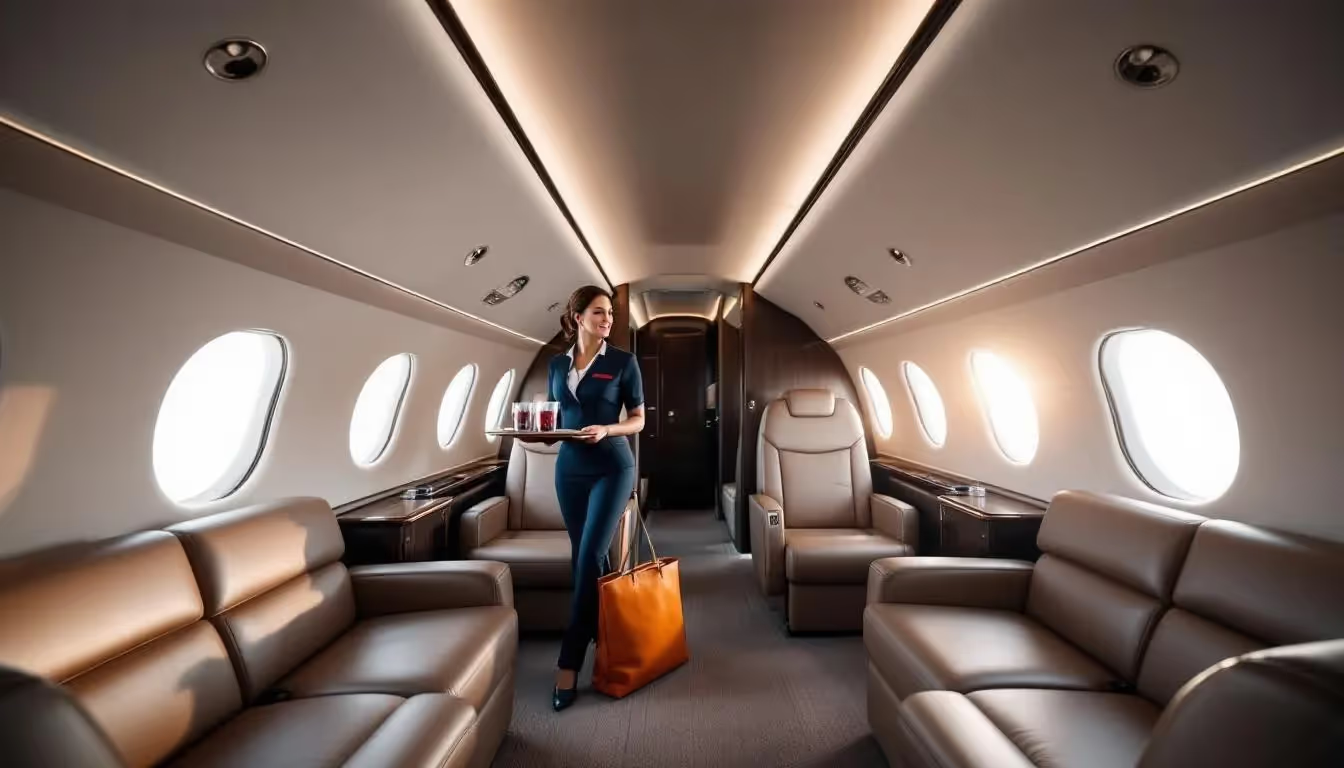
Private jet sharing is changing the way we access private aviation. Instead of shouldering the full private jet rental cost alone, you can now share the expense with others going in the same direction—making flying private more accessible than ever before. This new way allows you to enjoy the comfort, speed, and exclusivity of private jets without the big price tag of private jet charter or ownership. GlobeAir offers short-haul private jet charters that can rival business class fares when costs are shared between passengers.
By sharing a private jet, you get reduced private jet rental prices, flexible scheduling, and access to more aircraft types. Whether you’re a business professional looking for efficient travel between meetings, a family planning a special trip, or a group of friends looking to upgrade your next trip, private jet sharing is the smart solution. It combines the convenience of private jet charter with the cost savings of splitting the bill, so you can fly private for a fraction of the usual private jet cost.
As demand for personal travel grows, private jet sharing platforms and companies are making it easier than ever to book seats, compare private jet rental costs,s and find flights that fit your schedule and budget. From empty leg flights to shared charters, the options are expanding—so more travellers can experience private aviation. In this guide, we’ll break down everything you need to know about private jet sharing costs so you can make informed decisions and enjoy the luxury of travel.
When looking into private jet sharing or chartering options, you need to understand the key cost drivers that affect pricing. Private jet cost structures can vary greatly depending on the pricing model, whether hourly rates, jet cards, or fractional ownership. The total cost of a private jet charter is influenced by a combination of aircraft-specific and operational factors, plus additional costs not included in the base price.
Key cost drivers are:
Aircraft type and size
Flight time and distance
Airport fees and landing/handling charges, which can vary greatly by location, slot availability, and peak hour surcharges
Additional costs such as repositioning fees, overnight charges, customs, taxes, and premium catering, which can add up quickly
Operational factors such as time required for takeoff and preparation, which can impact scheduling and cost
The type of jet you choose has a big impact on the price. Smaller aircraft like very light jets (VLJs) or light jets are more affordable to charter than midsize or large-cabin jets, which offer longer range and more amenities. Newer aircraft may command higher rates due to updated technology and comfort.
Most private jet charters are billed by the hour, and many operators have a minimum daily flight time (often 1.5 to 2 hours). Daily minimum charges apply based on aircraft size, typically 1.5 to 2.5 hours per day. So even short flights may be billed at a higher base rate if they don’t meet this threshold. Billable flight time includes time in the air and additional fees for repositioning, which can impact charter costs. Billable flight time fees make up the majority of private jet charter costs.
Charter pricing includes the cost of pilots, flight attendants (if applicable), maintenance, and aircraft readiness. These are fixed costs that are factored into the hourly rate.
Beyond flight time and aircraft selection, expect other charges such as:
Landing fees (charged by the airport) typically range from $150 to $500, depending on the size and weight of the aircraft.
Handling fees (for ground crew services) are charged by fixed-base operators and generally range from $100 to $500 per visit.
Fuel surcharges (especially during volatile fuel markets) can add between $600 and $900 per hour to the charter cost, depending on market prices.
Overnight fees (if the crew or aircraft stays overnight at a destination)
Ramp and handling fees are charged by fixed-base operators for handling and parking aircraft, generally ranging from $100 to $500.
Together, these elements make up your total private jet rental cost, which is why reviewing quotes carefully and asking for a full breakdown is key.
One of the biggest factors in private jet charter pricing is the type and characteristics of the aircraft itself. While chartering or sharing a jet can be more cost-effective, owning a private jet is a much higher upfront investment and ongoing expense, making it a different and often more expensive option compared to other access models. The hourly rental rate varies significantly based on the aircraft type and passenger capacity. Whether you’re flying solo or sharing a jet, understanding these aircraft costs can help you make more informed decisions.
Different types of aircraft have different hourly charter rates: Hourly rates for private jets vary by aircraft type, with turboprops costing around $2,000 to $4,000 per flight hour and ultra-long range jets costing between $8,000 and $14,000 per hour in the US. The cost to rent a private jet ranges from $2,000 to $14,000 per billable flight hour, depending on the aircraft type and route. Additionally, the cost to charter a private jet can range from $1,200 to $10,000 per billable flight hour, offering flexibility based on the type of aircraft and service required.
Very Light Jets (VLJs): Ideal for short-haul trips and cost-effective travel; typically $2,000–$3,000/hour.
Light Jets: Slightly larger with more seating and range; $3,000–$4,500/hour.
Midsize Jets: Balance of range and comfort; $4,500–$6,500/hour.
Heavy Jets / Large-Cabin Jets: Long-range flights with luxury amenities; $7,000–$12,000+/hour.
Newer jets come with a premium due to modern interiors, technology upgrades, and improved performance. Older aircraft may be more budget-friendly, though reputable charter providers ensure safety and maintenance standards are met regardless of age. Newer aircraft typically have higher hourly rates than older ones.
Larger aircraft consume more fuel, require larger crews and higher maintenance costs, all of which increase the total charter cost. However, they often accommodate more passengers, which can reduce the cost per person on a shared flight.
Jets with longer range capabilities can fly non-stop over greater distances but typically have higher hourly rates. If your itinerary includes international or cross-country travel, a long-range jet may be required, which will impact your final cost.
Beyond the aircraft itself, several in-flight and operational factors contribute to the total cost of a private jet charter or shared flight. Flight changes, such as last-minute changes or rebookings, can also impact the overall cost, especially for private flight options that offer flexibility. Understanding these elements can help you plan better and avoid unexpected charges.
Private jet operators charge by hourly flight time; most aircraft have a minimum daily usage requirement (e.g., 2-hour minimum). The total billable time includes:
Actual time in the air
Positioning time (to pick you up or return to base). Positioning cost is the flight time required to move the aircraft to pick up passengers, which can significantly impact the total charter cost.
Fuel costs can fluctuate greatly and are often passed on as a fuel surcharge, especially for longer or transcontinental flights. Heavier aircraft and longer routes use more fuel and cost more.
Pilots and crew salaries are included in the hourly rate, but additional crew-related expenses—such as overnight accommodations, meals, and per diems—apply for longer trips or multi-day itineraries. Crew overnight costs are typically $200-$400 per crew member per night.
Routine maintenance, inspections, and insurance are included in the aircraft’s hourly rate. These ensure the aircraft is airworthy and compliant with aviation safety standards. Aircraft owners also apply short leg fees for flights shorter than a specified duration, which vary by jet category and further impact the total cost.
When budgeting for a private jet charter or shared flight, you need to account for additional fees beyond the hourly flight rate. These fees can include airport fees, which are paid based on the airport location, slot availability, and peak hour surcharges, and can add up quickly. Other fees vary widely depending on the destination, airport, and services requested.
Landing fees are an airport fee charged by the airport and vary based on the size and weight of the aircraft. Airport fees can also include other surcharges, depending on the airport, such as peak-hour or slot availability charges.
Handling fees cover services like parking, baggage assistance, and ground crew support. These are often higher at major or international airports and may be included in the overall airport fees.
In addition to the base rate, operators may apply fuel surcharges, especially when fuel prices rise or on longer routes.
Federal excise taxes (FET) and other regional levies apply to both domestic and international flights.
Catering, in-flight wi fi, Wi-Fi, satellite phone use, and entertainment systems may be available for extra cost.
Premium catering (dietary-specific or luxury options) can add a lot to the cost.
Flying abroad? Expect customs clearance fees, overflight permits, and international handling fees. For example, Canada has specific entry requirements and may charge additional taxes or fees for private jet charters.
Countries may also charge departure or arrival taxes depending on the route.
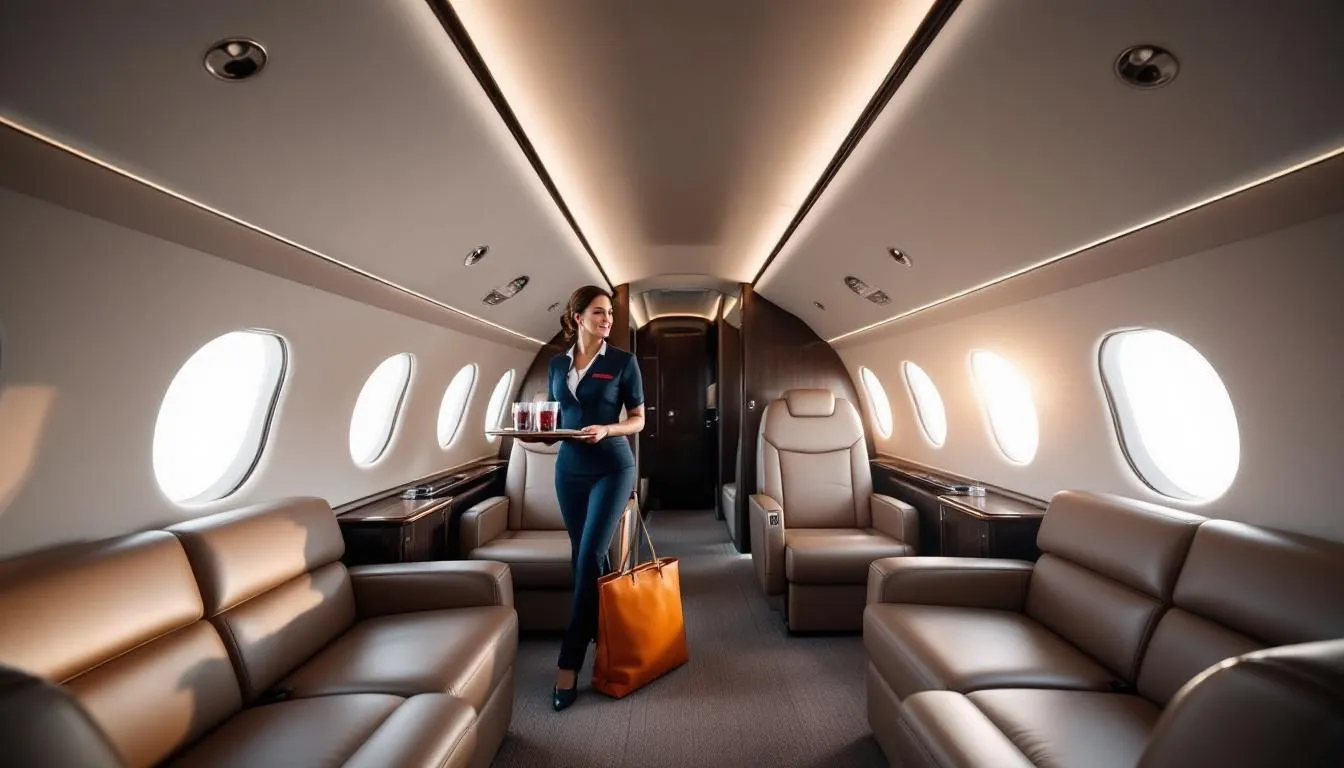
When booking a private jet charter or rideshare flight, you need to look beyond the advertised hourly rate. Many travelers are caught off guard by hidden fees that add thousands to the total cost of flying private.
If the aircraft needs to fly from another location to pick you up, you may be charged a repositioning or ferry fee. This can add thousands to your trip depending on the distance and aircraft type.
For multi-day trips or layovers, you may incur:
Overnight fees to cover crew lodging and aircraft parking if your flight involves an overnight stay; multi-night stays can further impact pricing.
Waiting time charges if the crew is required to wait on standby between legs of your journey.
Private jet operators have strict cancellation policies. If you cancel within a certain window, you may be charged:
Late cancellation fees
Non-refundable deposits
Rescheduling charges, especially during peak travel times
Federal Excise Tax is charged at 7.5% for all US domestic flight legs. Segment fees in the US are $5.00 per passenger, per leg in 2025. These fees are per passenger and vary by region and add to the overall cost of private jet travel.
Late cancellation fees
Non-refundable deposits
Rescheduling charges, especially during peak travel times
Additional fees may include:
De-icing fees during the winter months
Premium catering, beyond standard snacks and beverages
Pet transport fees, especially for larger animals or long flights### 5. Other Fees
Other hidden fees include:
International paperwork or customs processing
Wi-Fi and in-flight connectivity
Luxury ground transportation or concierge services
Private jet membership programs offer travelers a convenient and often more cost-effective way to book private flights. These programs provide predictable pricing, flexibility, and perks—especially for frequent flyers.
Jet card programs allow members to pre-purchase a set number of flight hours at a fixed hourly rate and get:
Guaranteed aircraft availability (often with as little as 24-48 hours’ notice)
No repositioning or empty leg fees
Access to a wide range of aircraft types
Jet cards are perfect for travelers who fly 25+ hours per year and want consistent pricing without long-term ownership commitments.
This model gives individuals or businesses partial ownership of an aircraft. Benefits include:
Access to a specific aircraft class
Lower hourly rates compared to on-demand charters
Tax advantages for qualified business use
While it requires a larger upfront investment, fractional ownership is a more tailored and long-term solution for frequent travelers. A 1/16 share of a NetJets aircraft starts at around $550,000, making it a significant but potentially cost-effective option for those who fly often. Annual costs for NetJets fractional ownership often range between $600,000 and $700,000. NetJets programs have predictable pricing that is defined upfront.
Some providers like Wheels Up or XO offer on-demand memberships with:
Discounted charter rates
Shared flights, empty legs, and member-exclusive events
Priority customer service and concierge access
Surf Air offers unlimited flights for a monthly fee to its members.
Discounted charter rates
Shared flights, empty legs, and member-exclusive events
Priority customer service and concierge access
Private jet membership clubs allow you to fly at a moment’s notice, perfect for frequent travelers.
These are great options for travelers who want flexibility without large upfront commitments.
Depending on the program, members may also get:### 4. Perks
Gourmet in-flight catering
Doors-to-door ground transportation
Airport lounge access
Flexible cancellation policies
Some programs also offer rewards or points that can be used towards future flights or upgrades.
Booking a private jet has never been easier with digital platforms and mobile apps that allow you to compare prices, browse aircraft, and book in real time.
Private jet apps offer a seamless experience with:
Real-time flight availability and pricing
Empty leg deals (up to 75% off)
Last-minute booking
Access to thousands of aircraft across all categories
No more back-and-forth phone calls and long negotiations, just a streamlined private aviation experience.
Jettly is a leading private jet charter platform offering:
20,000+ aircraft worldwide
Pay-as-you-fly pricing or membership options
In-app flight tracking, concierge services, and no commission markup
A user-friendly app to request quotes and book flights quickly
Jettly is perfect for first-time private fliers and frequent business travelers seeking flexibility, affordability, and variety.
While BlackJet is more exclusive and limited in its offerings compared to broader platforms, it was one of the first to offer:
Shared private jet flights between major US cities
Popular high-traffic routes like New York–Miami and LA–Las Vegas
App-based experience with pre-screened passengers and instant booking
Victor’s app allows you to compare prices and split costs when chartering private jets with friends.
Blade connects travelers for private charters and offers scheduled short-hop flights.
BlackJet may not operate at the same scale as it used to, but it was the pioneer of private jet ridesharing and a foundation for newer apps to follow.
When choosing a private jet app or platform, consider:
Transparency in pricing and fees
Empty legs or shared flights
Customer support and concierge services* Reviews and reputation of the app
Comparing multiple apps will help you find the best aircraft, the cheapest, and the easiest travel experience.
Ultimately, apps like Jettly and BlackJet are making private aviation more accessible than ever. These apps allow you to book a private flight tailored to your needs, offering exclusive and customizable travel experiences—and if you’re curious about where private jets land, Jettly provides expert insights on airport access. Whether you’re looking for last-minute deals or planning a cross-country trip, these tools put private jet booking in the palm of your hand. Sign up for empty leg alerts from brokers to find reduced-rate private jet options. Linear Air connects travelers with small aircraft charters and allows you to rent the whole plane.
Flying private doesn’t have to break the bank. By making smart choices, you can reduce private jet costs and still enjoy the convenience and comfort of private aviation.
Travel during off-peak hours or mid-week to save big.
Avoid major holidays or high-demand time slots to get lower hourly rates and more aircraft availability.
Pro tip: Be flexible with timing to avoid peak slot fees and potentially save up to 15%.
Choose a very light jet or light jet instead of a midsize or large aircraft to reduce fuel and operating costs.
For shorter trips or smaller groups, smaller jets are often more cost-effective without sacrificing comfort.
Consider private jet ridesharing or apps that allow you to split the cost of the flight; sharing a round trip can further reduce individual cost.
Take advantage of empty leg flights, which can be up to 75% cheaper than traditional charters. These one-way repositioning flights offer premium experiences at discounted rates.
Many operators offer last-minute deals, membership perks, or volume-based discounts.
Jet cards and flexible fund programs may have capped hourly rates, reducing overall travel costs over time.
Pro Tip: Use Jettly or BlackJet to search for empty legs, shared flights, or discounted charters. They often highlight the best deals in real time.
Private jet travel is more than just speed and privacy—it’s a personalized experience, especially when it comes to in-flight services.
Many private jet operators offer custom catering menus so you can choose meals based on your dietary needs or favorite cuisine.
Whether it’s a gourmet dinner, vegetarian meal, or child-friendly snacks, catering can be fully customized to make your journey more enjoyable.
Premium options may include Michelin-star meals, fine wines, or special occasion cakes for celebratory flights.
Most private jets have Wi-Fi, satellite TV, and entertainment systems to keep you connected and entertained.
Some aircraft have streaming services, Bluetooth audio, and noise-cancelling headphones for a better in-flight experience.
Flying private makes it easier to travel with pets. Many operators allow pets to travel in the cabin with their owners.
Pet amenities like beds, treats, and even special catering can be arranged in advance.
While many of these services are customizable, they may come with extra fees.
Always check what’s included in your charter and ask about additional costs for gourmet catering, luxury amenities, or pet services.
When chartering a private jet internationally, you need to factor in international fees and taxes, which can add up quickly. International fees can vary widely and can be anywhere from $500 to $5,000 if permits and customs are required.
Landing permits and overflight permits are often required for international flights, depending on the countries you’re entering or flying over.
Customs and immigration clearance fees may apply at international airports, especially those with limited private aviation traffic.* International handling fees, ramp fees, and ground services can also add to the cost of your charter. Deicing can cost from $1,500 for smaller aircraft to over $10,000 for larger aircraft.
Some countries impose luxury taxes, departure taxes, or airport usage fees on private jet travelers. For example, Canada has specific taxes and entry requirements for private jet charters, especially for cross-border flights.
These costs vary widely by region and can sometimes be per passenger or per aircraft weight.
Operators may pass through these costs or apply an administrative markup for international logistics.
For charters to or from remote destinations, expect higher fees due to limited infrastructure and increased coordination required.
Always ask for a transparent cost breakdown when booking international charters.
Work with operators or platforms that are experienced in international aviation regulations, so there are no surprises mid-trip.
Understanding hourly rates is key to estimating the total cost of a private jet charter. These rates can vary significantly depending on the aircraft type, operator, and additional services.
Very Light Jets (e.g. Embraer Phenom 100): $2,000-$3,000/hour
Light Jets (e.g. Cessna Citation CJ3): $3,000-$4,500/hour
Midsize Jets (e.g., Hawker 800XP): $4,500-$6,000/hour
Super Midsize Jets (e.g. Challenger 350): $6,000-$8,000/hour
Heavy Jets (e.g. Gulfstream G450): $8,000-$12,000+/hour
Note: These are estimates. Final pricing depends on aircraft age, amenities, and region.
Fuel costs and current market rates
Crew salaries and overnight fees for long-haul or multi-day trips
Maintenance and insurance built into operator costs* Peak vs off-peak demand, may impact dynamic pricing; take off times during peak hours may also incur additional surcharges
Some operators offer fixed hourly pricing through jet cards or membership programs for frequent flyers.
Others use dynamic pricing, which may offer lower rates for last-minute or one-way (empty leg) flights.
Time from booking to takeoff can vary depending on the operator and pricing model.
Compare quotes from multiple providers or use platforms like Jettly.com or BlackJet.com
Ask about inclusions (e.g., catering, Wi-Fi, repositioning fees) to understand the true hourly rate
Inquire about bulk flight hours or seasonal promotions

Flying private is comfortable, flexible, and convenient—but it comes with its own set of considerations. Here are some key tips to help you get the most out of your private aviation experience:
Understand the full breakdown of costs—including hourly rates, landing fees, fuel surcharges, and optional extras like catering or Wi-Fi.
Ask for a detailed quote before confirming your booking.
Look at different charter companies, apps, and membership platforms to compare pricing, aircraft types, and service levels.
Choose the right aircraft size for your trip—light jets are ideal for short hops, while heavy jets suit long-haul luxury travel.
Evaluate flight duration, number of passengers, baggage capacity, and desired onboard amenities.
Decide between charter, jet cards, or rideshare options based on how often you plan to fly private.
Be flexible with your departure times and dates to get better rates or empty leg flights.
Ask questions—good operators will walk you through the experience and help you choose the best option for your budget and travel goals.
Negotiate when possible, especially if you’re booking multiple flights or committing to a membership.
Private jet sharing is changing the face of private aviation, making it more accessible, flexible, and affordable for more people. By understanding the factors that affect private jet rental costs—from aircraft type and billable flight time to additional fees and membership options—you can make informed decisions and get the best value for your money.
Whether you want to book a one-off private jet charter, take advantage of empty leg flights, or join a membership program for frequent flyers, the private jet market has never had more options. The ability to share flights and split private jet rental costs means you no longer have to compromise on comfort or convenience to stay within budget.
As you plan your next trip, remember to compare private jet charter costs, ask for transparent pricing, and use digital platforms to make the booking process easier. With the right approach, flying private can be a practical and enjoyable experience—opening up new opportunities for business, leisure, and everything in between.
Ready to get into private jet sharing? Start by researching operators, comparing private jet rental costs, and booking your next flight with confidence. The sky is no longer the limit—private aviation is now within reach.
Share this post:
Jay Franco Serevilla
Aug 21, 2025
|
5
min read
Discover tips and trends in the industry.

5
min read
Private Jet Charter Colorado Springs: Fly Smarter with Jettly
Private jet charter in Colorado Springs offers a convenient and flexible travel solution for business and leisure travelers. With access to over 20,000 aircraft through Jettly, booking a flight is quick and hassle-free, allowing you to bypass commercial airline delays and enjoy tailored services. Experience the benefits of private aviation, including direct airport access and personalized itineraries.
Read More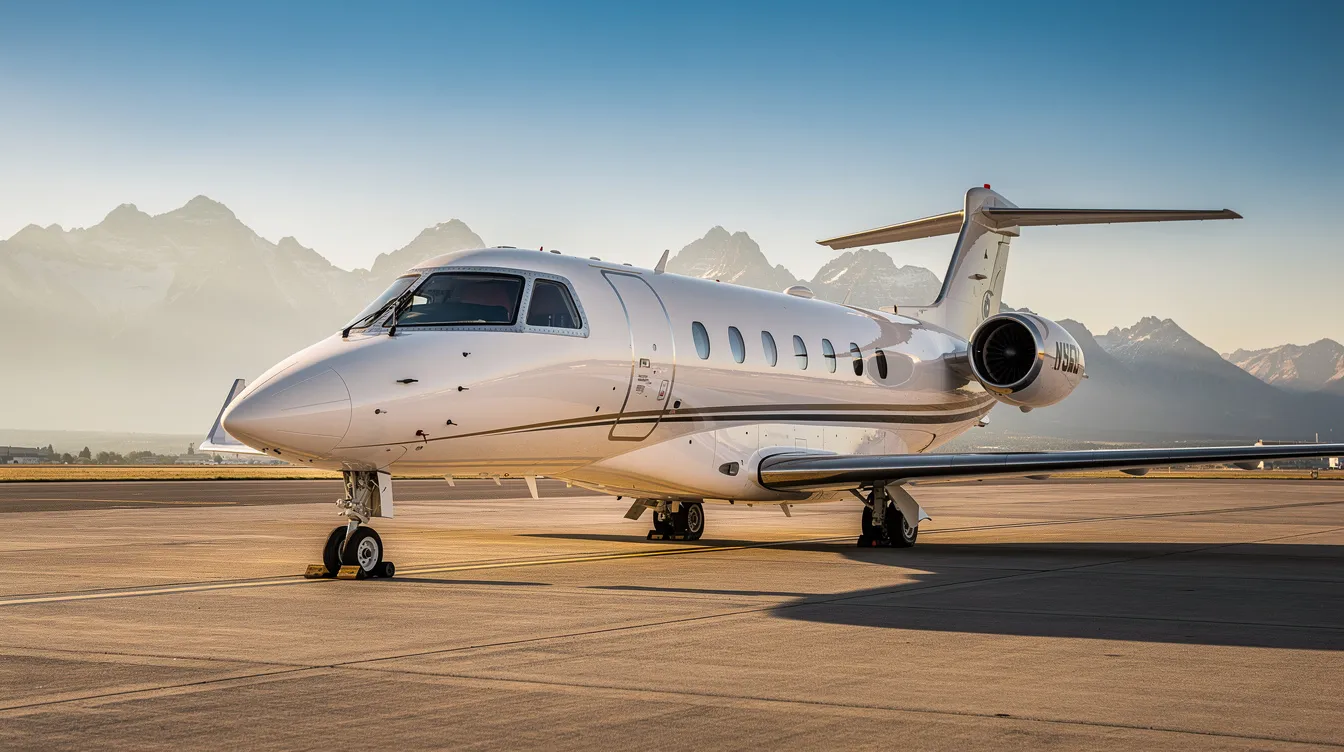
5
min read
Boise Charter Flights with Jettly: Private Jets, Pricing & Top Routes
Boise charter flights with Jettly offer travelers a flexible and efficient way to fly in and out of Idaho's capital. With access to over 20,000 aircraft, Jettly provides personalized scheduling, enhanced privacy, and direct routing to numerous destinations, making it ideal for both business and leisure travel.
Read MoreStay updated with our latest insights and tips to elevate your journey with us.
MEMBERSHIPS AND ASSOCIATIONS



Disclaimer: Jettly operates as a charter broker, offering access to a global digital jet charter marketplace. Jettly is not a direct air carrier and does not own or operate aircraft. All advertised flights are conducted by third-party air carriers that are fully licensed and hold the appropriate Part 135 or Part 121 certifications issued by the Federal Aviation Administration (FAA) or equivalent regulatory authorities under U.S. or foreign law. Jettly complies fully with the U.S. Department of Transportation's Part 295 and Part 298 Charter Broker regulations. Jettly does not carry additional liability insurance. Passengers are covered by aircraft operator insurance. TICO: 50023770


