


Login
Get Instant Pricing On 23,000+ Aircraft

>
.avif)
There's no denying that a lot of people have some fear of flying, but the odds of dying in a plane crash are incredibly low at odds of about one in 11 million.
In reality, things like food, furniture, and lightning strikes are far more likely to kill people. With that said, some apprehension towards flying is still understandable.
People often become even more concerned when it comes to private jet safety. Many assume that it's less safe than flying commercially, but this isn't necessarily the case. There are all kinds of reasons why private jets are safer than commercial airliners.
In this guide, we'll explore some of these reasons so you can become more comfortable with private jet travel safety. Let's get started.
When it comes to safety in the air, one of the most important factors is the pilot. Someone without the right training would be unsafe in any aircraft, while an experienced pilot has the skills and training to ensure safety for everyone on board.
Anyone who gets on a plane will feel more confident if they know they're in good hands. Private jet pilots are typically among the most experienced and highly trained in the entire aviation industry.
To become a private jet pilot, an individual must undergo extensive training beyond standard flight operation. It includes:
In most cases, private jet pilots have backgrounds in commercial or military aviation. As such, they have extensive experience with a variety of aircraft.
Additionally, they will have navigated a diverse range of airports and airspaces over the years. They shouldn't have any issues with a private jet, regardless of the route. Operating in both major international airports and remote airstrips presents no challenge to them.
On top of standard flight experience, private jet pilots take part in rigorous simulator training. Through this, they train for various scenarios such as extreme weather and uncommon emergencies. As a result, they're prepared for any situation that could arise.
Operational safety is one of the most crucial elements of private aviation. One of the reasons why private jets are safer than commercial airliners is the extensiveness of these measures. There's a wide range of protocols and procedures for every single flight that helps maintain the highest level of safety.
In-depth flight planning and risk assessment are key here. Private jet operators conduct thorough pre-flight checks and detailed risk assessments before every flight. These look at factors such as:
Careful planning and preparation help ensure the safety of every flight.
Strict crew rest policies are also vital. There are strict guidelines that private jet operators must follow to make sure all crew are alert and well-rested.
Fatigue can interfere with performance, so mandatory rest periods prevent any issues here. Effective workload management also helps ensure the crew isn't overwhelmed and can give every task the attention it needs.
On-ground procedures are also important here. Attention to detail in all ground operations is key to safe private air travel. Some typical examples of these include:
Many private jet operators have dedicated departments or teams that are responsible for their safety standards. They stay up-to-date with the latest regulations and find industry developments to help keep operations as safe as possible.
Private jets are smaller than most other planes, giving them a lot more flexibility. A standard airliner is far more limited in terms of the airports it can use, as it requires much longer runways. Private jets, however, have much shorter takeoff and landing distances.
Because of this, they have a lot more options when deciding on routes. This adds convenience and versatility, but can also help improve safety.
If there are any issues during a flight, there will be a lot more places that a private jet can land. All kinds of issues can cause a change in the route or an unexpected landing. Having a number of options in such a scenario can be hugely beneficial.
When using smaller airports, you're not likely to see many other people. However, larger airports are often incredibly busy. In general, a larger number of people means higher security risks.
People who often travel via private jet may not have to face this issue. For example, if you use a jet card program and regularly travel through certain airports, you'll be screened through private jet travel security separately. You then won't need to pass through the regular security checks, allowing you to avoid the crowds.
The aviation industry is one of the most advanced in the world, and new technologies are always appearing. These can relate to any aspect of air travel, and many of these advancements help improve safety.
One of the key benefits of private jet safety is that they're typically very modern, implementing the latest technology. State-of-the-art avionics systems offer improvements in several areas, such as:
These help pilots stay informed and make the best decisions based on changing conditions.
Private jets are also manufactured using the best materials. On top of making them more durable, this helps improve performance so flights are faster and more fuel efficient. The chances of mechanical failure are also often reduced.
Advancements such as these help ensure compliance with aviation safety standards and help ensure peace of mind for all passengers. Private jet charter companies strive to always use the best aircraft available to maximize safety and improve the overall passenger experience.
It's to be expected that a private flight will have fewer passengers than a typical commercial one. Many people prefer this, as it offers privacy and a more personal experience, but it can also contribute to the safety of the flight.
On a standard flight, there can be issues with other passengers, and the more there are, the more likely this will be. Private jets often have fewer than 10 passengers (though there can be more), and you're likely to know every one of them well. As such, you won't have to worry about any unexpected incidents.
With fewer passengers, the crew can also provide more individual attention. Safety checks for each passenger will typically be more thorough, and the crew will have an easier time ensuring everyone is comfortable and happy for the duration of the flight.
Aircraft sanitation has always been important, and this has become even more of a priority since the Covid-19 pandemic. With that said, sanitizing a large airliner is a big job, and it's not easily done between flights.
Even if an airline cleans its planes thoroughly after each flight, as a passenger, you'll be sharing the space with hundreds of other passengers for several hours. The risk of exposure to airborne pathogens is much higher here than in most other environments.
With private jet rental, you'll be flying with far fewer people, massively reducing the risk of exposure. You'll also typically be around fewer people when moving through a private terminal, making things even safer.
Additionally, private jets are cleaned far more thoroughly between flights.You can expect a sanitary environment every time you board a plane.
This benefit can be even greater with fractional jet ownership. Fewer people will be using the aircraft, meaning there's a much lower risk of any kind of contamination.
Mishaps and incidents are fairly uncommon in all kinds of lights. Precautions are taken to help ensure everything runs smoothly at all times. With that said, it's impossible to prevent every situation, so things can go wrong from time to time.
It's natural that in a situation where more things can go wrong, more things will go wrong. This applies to flying, and a commercial flight presents a lot more opportunities for incidents to occur.
Private jets are smaller and there are fewer people on board, so the risk of problems occurring is much lower. The processes for charter flights are often far more streamlined than those of commercial flights. You can expect everything to play out more smoothly, so you're less likely to be delayed or face any potential safety issues.
One of the most important factors when it comes to aircraft safety is maintenance. No matter how well a plane is designed and built, wear and tear will take a toll. Parts will degrade with time, and without proper maintenance, some very real safety risks could present themselves.
Private jet companies put their aircraft through regular, meticulous maintenance checks to ensure they pass all requirements for commercial aircraft. These cover every aspect of a jet, consisting of routine pre- and post-flight inspections and detailed reviews according to a routine schedule. As a result, private jets are always kept in excellent condition.
There are various regulatory bodies, such as the Federal Aviation Administration (FAA) in the United States and the European Union Aviation Safety Agency (EASA) in Europe that are responsible for setting private aviation standards. They're highly stringent, and private jet operators must adhere to their operational guidelines and maintenance protocols at all times.
Audits and inspections help ensure all regulations are met. As a result, every private jet in operation is kept to the highest safety standards.
Even with all of this, many private jet operators go beyond the regulatory requirements put in place. They often have in-house maintenance teams who have an in-depth understanding of their specific fleet. Alternatively, they might contract leading specialists who offer industry-leading maintenance services.
By taking a more proactive approach, private jet operators can do more for their clients than meet standard aviation industry regulations. They can significantly improve the overall safety and reliability of their operations to ensure the best possible experience.
Private jet operators take all of these measures to ensure all of their aircraft are safe, so the risk of anything going wrong is kept very low. Despite that, there's always a possibility of an issue occurring. Because of this, all pilots and crew members are trained to deal with emergency situations.
During a flight, unexpected occurrences can happen, such as:
If something like this happens, it can be quite worrying for passengers. You will feel far more comfortable if you know that the pilot and crew know how to respond to such situations.
For example, the crew is trained to respond to various medical emergencies, and all private jets are equipped with first aid kits. In an emergency, the pilot may have to land somewhere nearby, and as we discussed above, this is much easier with a private jet than a standard airliner.
If you regularly fly with the same private jet operator, there's a good chance you will become quite familiar with certain crew members. This can help give you peace of mind when flying as you will know the crew a bit better and have more trust in them.
It's also worth noting that weather emergencies are less likely on a private jet. Most people assume that a smaller plane would be more vulnerable to the elements, but this isn't the case. Their improved agility means they can navigate turbulence better and avoid mad weather more easily.
Safety is always one of the most important parts of flying, and fortunately, private jet safety is taken very seriously. Strict regulations and reliable business operations help ensure private flights are as safe as they can be.
Jettly is a leading private jet charter company that can help users gain access to more than 23,000 unique aircraft worldwide. We have over 3000 reviews from happy clients, which you can take a look at to get a better idea of the five-star experience we provide. Contact us today to get an instant quote for your private jet trip.
Share this post:
Justin Crabbe
May 7, 2025
|
5 minutes
min read
Discover tips and trends in the industry.
5
min read
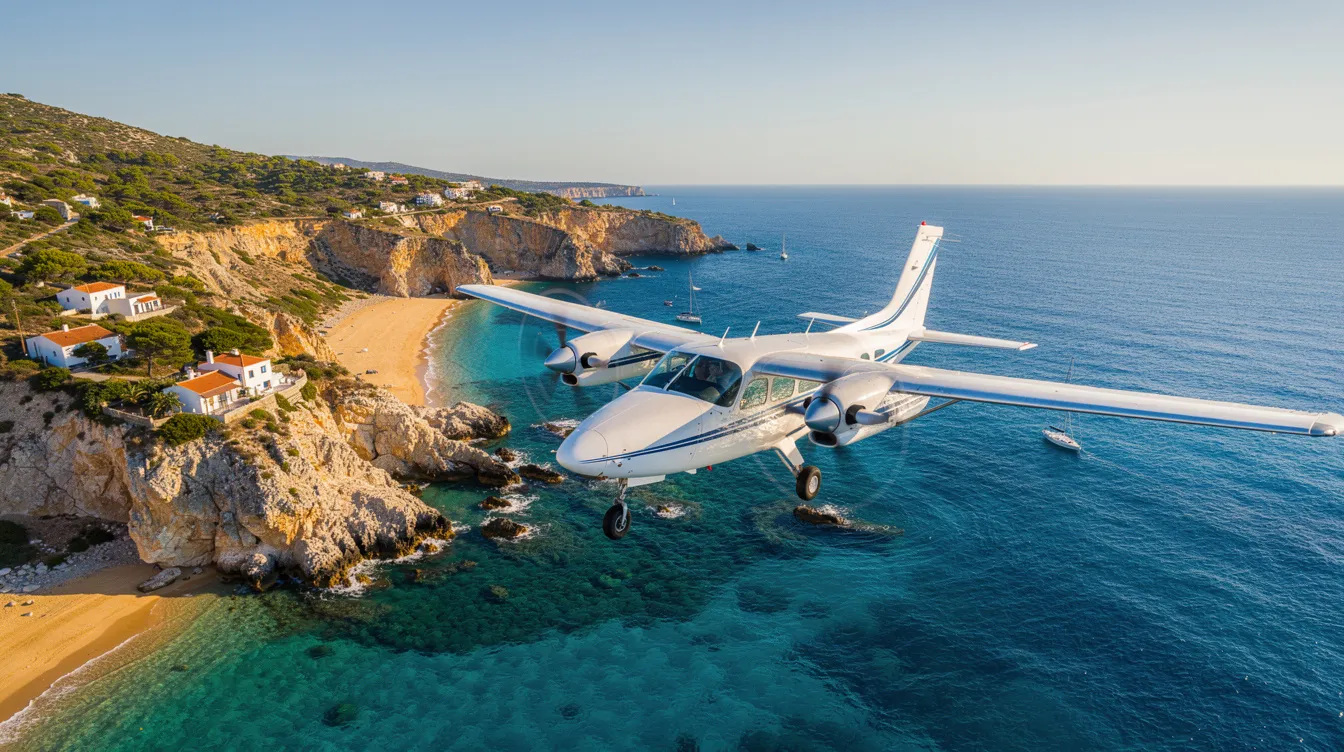
P68: Vulcanair P68 Guide for Private Charter and Special Missions
The Vulcanair P68 is a versatile twin-engine aircraft designed for various missions, including private charter and surveillance. With its ability to operate from short runways and efficient cruising speeds, it serves a wide range of operators globally. This guide provides insights into the P68's features, variants, and how to book through Jettly's charter marketplace.
Read More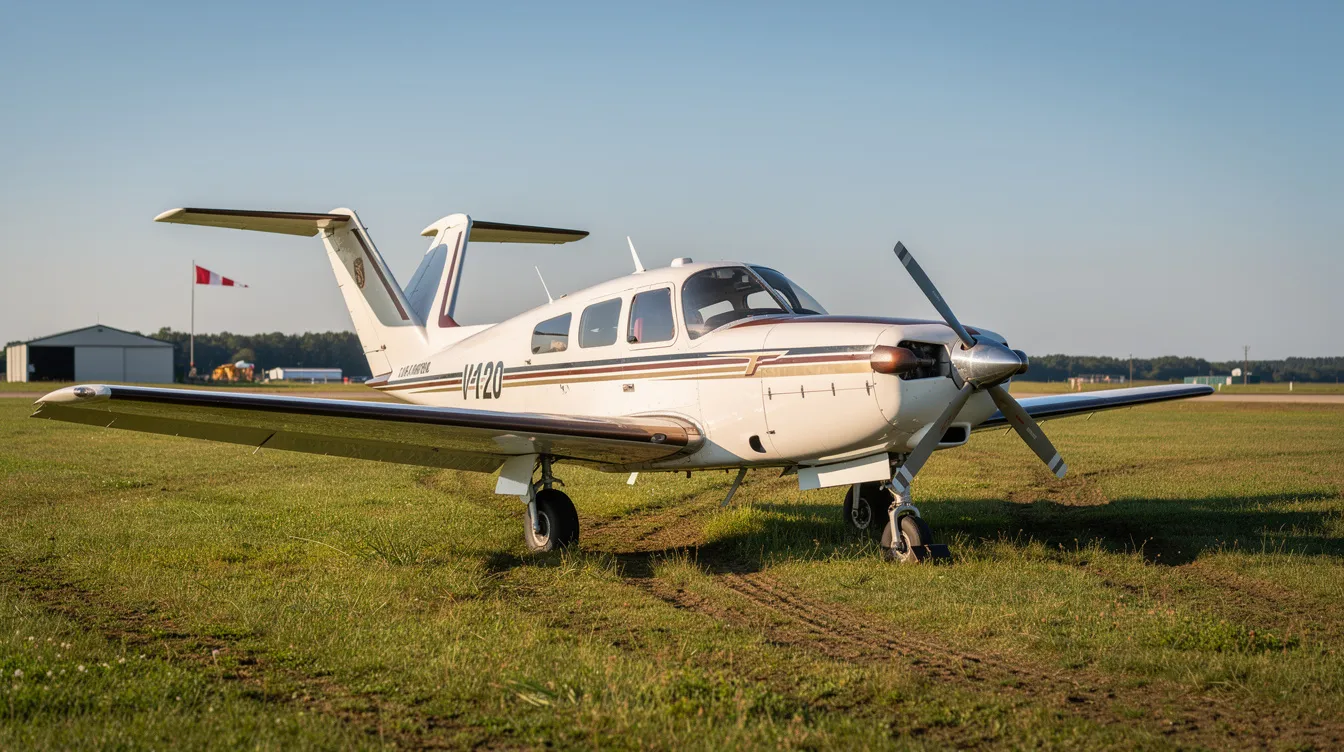
5
min read
N5616S Beech V35: Registration, Performance, and Charter Alternatives
N5616S is a 1966 Beech V35 Bonanza, a single-engine aircraft ideal for personal and regional travel but not available for charter. This page provides detailed information on its registration, performance, and charter alternatives through Jettly for those seeking similar travel experiences.
Read MoreStay updated with our latest insights and tips to elevate your journey with us.
MEMBERSHIPS AND ASSOCIATIONS



Disclaimer: Jettly operates as a charter broker, offering access to a global digital jet charter marketplace. Jettly is not a direct air carrier and does not own or operate aircraft. All advertised flights are conducted by third-party air carriers that are fully licensed and hold the appropriate Part 135 or Part 121 certifications issued by the Federal Aviation Administration (FAA) or equivalent regulatory authorities under U.S. or foreign law. Jettly complies fully with the U.S. Department of Transportation's Part 295 and Part 298 Charter Broker regulations. Jettly does not carry additional liability insurance. Passengers are covered by aircraft operator insurance. TICO: 50023770


