


Login
Get Instant Pricing On 23,000+ Aircraft

>

Private jet pricing can feel opaque—but it doesn’t have to be. Understanding how pricing works helps travelers make confident decisions.
Most private jet flights are priced based on:
Pricing may be hourly or trip-based depending on the structure.
Private jet pricing generally includes:
Several variables can affect pricing:
Some programs offer fixed or predictable rates through memberships or jet cards. Others reflect live market pricing. Both serve different travel profiles.
A simple rule of thumb:
Estimating cost becomes easier once aircraft class and mission type are defined.
Estimate a flight cost to see how pricing applies to your routes.
Share this post:
Jay Franco
Dec 12, 2025
|
5
min read
Discover tips and trends in the industry.
5
min read
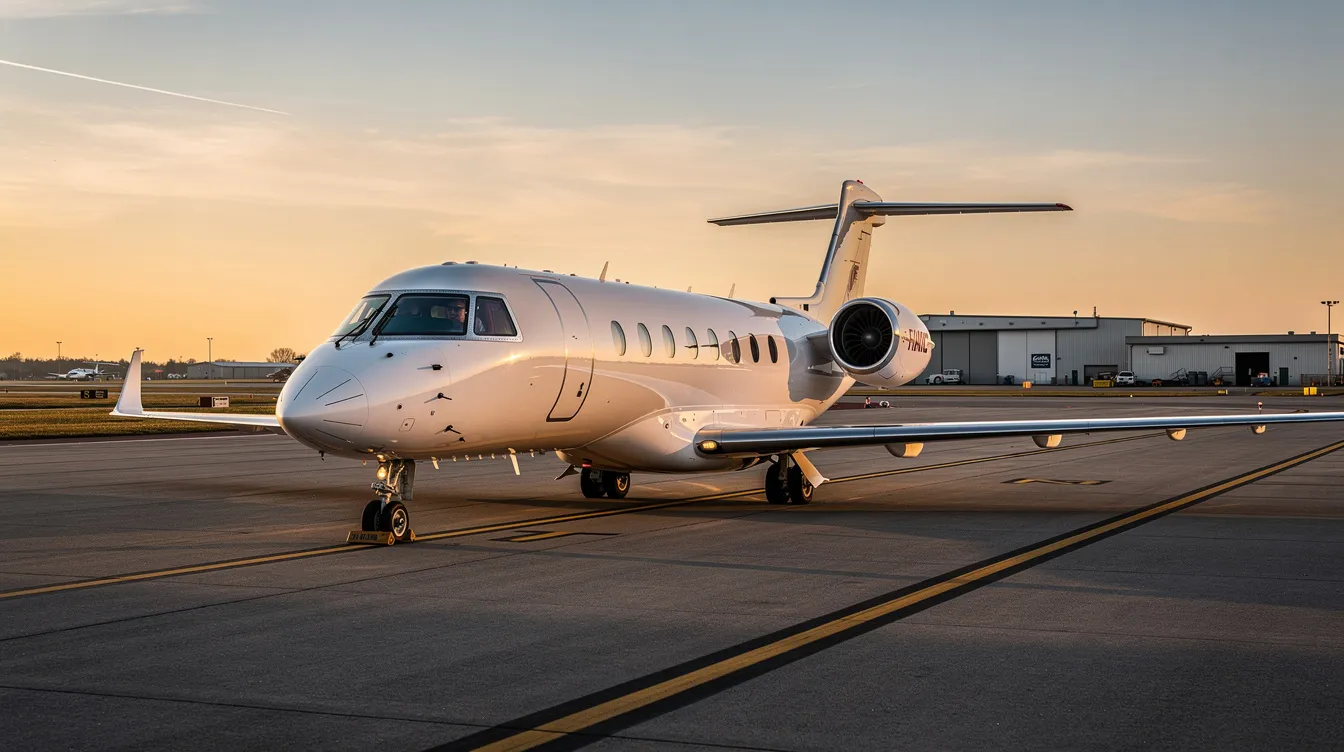
Status Jets: How Private Jet Status Works in Modern Travel
Status jets have evolved from exclusive ownership to flexible, on-demand access, allowing travelers to fly privately without the hassles of commercial aviation. Platforms like Jettly provide instant pricing and access to over 20,000 aircraft, making private travel more accessible for business and leisure travelers alike. This shift emphasizes convenience, time savings, and the ability to travel on one's own schedule.
Read More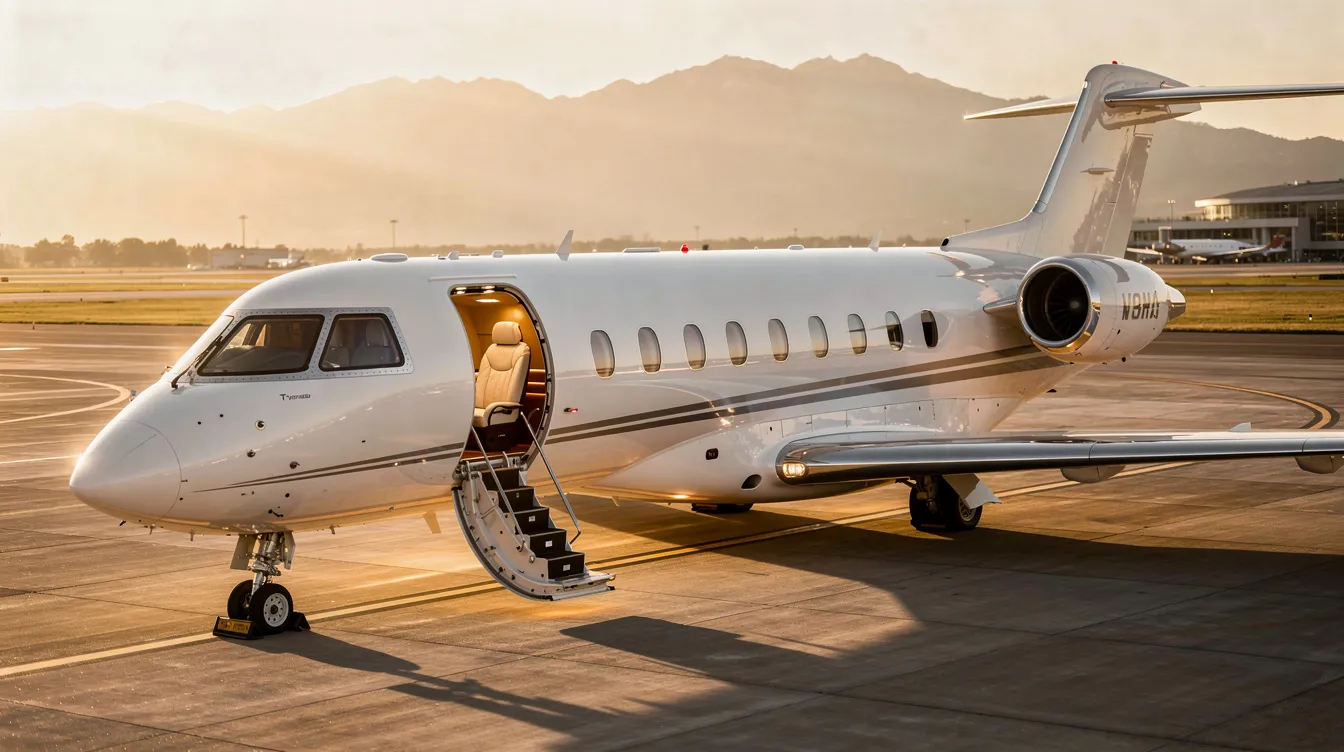
5
min read
Private Jet Cost for Sale: What Buyers Need to Know in 2026
In 2026, understanding the costs associated with private jet ownership is essential for potential buyers. This guide outlines acquisition prices, ongoing expenses, and the benefits of chartering through platforms like Jettly. With costs ranging from hundreds of thousands to over $100 million, buyers must consider both initial investments and substantial annual expenses.
Read MoreStay updated with our latest insights and tips to elevate your journey with us.
MEMBERSHIPS AND ASSOCIATIONS



Disclaimer: Jettly operates as a charter broker, offering access to a global digital jet charter marketplace. Jettly is not a direct air carrier and does not own or operate aircraft. All advertised flights are conducted by third-party air carriers that are fully licensed and hold the appropriate Part 135 or Part 121 certifications issued by the Federal Aviation Administration (FAA) or equivalent regulatory authorities under U.S. or foreign law. Jettly complies fully with the U.S. Department of Transportation's Part 295 and Part 298 Charter Broker regulations. Jettly does not carry additional liability insurance. Passengers are covered by aircraft operator insurance. TICO: 50023770


